
Travel packages deals: How to find the best value for your next vacation

SwappaHome Editorial Team
Home Exchange & Slow Travel Editorial
Key Takeaways A good package deal starts with a clear trip plan, not a tempting headline price. Compare the full cost, conditions, timing, and convenience…
Key Takeaways
A good package deal starts with a clear trip plan, not a tempting headline price. Compare the full cost, conditions, timing, and convenience before you book.
- Set a total budget that includes likely costs beyond the advertised package price.
- Decide which dates, destinations, activities, and inclusions matter most.
- Compare bundled travel packages deals with the cost of booking each part separately.
- Read cancellation rules, fees, room details, and transfer arrangements carefully.
- Protect the booking by using secure payment methods and saving every confirmation.
Define your trip before comparing travel packages deals
Before searching, describe the vacation you actually want. A beach break, a city weekend, and a family road trip can all appear under the same package label, but their useful comparisons are very different. Start with your priorities, then use those priorities to filter offers rather than allowing the cheapest number to define the trip.
A short planning exercise can prevent a surprisingly expensive compromise. Write down the destination or region, approximate dates, number of travelers, preferred length of stay, and two or three activities you would genuinely pay for. This gives every later price check a consistent basis.
Set a realistic total budget
The package price is only one part of the trip budget. Allow room for transport to the airport, baggage, meals outside the plan, tips, local travel, activities, and a small emergency reserve. A deal that fits the headline budget but leaves no money for the holiday itself is not a good value.
Use one ceiling for the entire trip and a second, lower target for the package. This makes it easier to compare an all-inclusive offer with a room-and-flight bundle that leaves more expenses to pay locally. Your real budget is the final amount, not the first price shown in a search result.
If accommodation is your largest cost, consider alternatives to a standard hotel package. A budget home exchange guide can help you think through accommodation savings separately from flights and activities, though a home exchange is a different arrangement and should not be treated as a conventional package.
Choose flexible or fixed travel dates
Fixed dates may be necessary for school holidays, weddings, or work commitments. If your schedule is open, even a few days of flexibility can reveal different flight prices, room availability, or package terms. Search a range of departure dates rather than assuming that the first convenient weekend is the best reference point.
Flexibility does not always mean choosing the absolute cheapest date. A slightly more expensive departure may offer better flight times, a shorter connection, or a more comfortable return. Compare the complete experience, especially when traveling with children or older adults.
Prioritize destination, duration, and activities
Decide which element is least negotiable. You may care most about staying near a particular beach, visiting a famous museum, or having enough nights to avoid a rushed itinerary. Once that priority is clear, you can accept reasonable compromises elsewhere without losing the purpose of the trip.
Duration deserves special attention. A low nightly rate can be outweighed by an extra night, while a shorter package may create costly airport transfers or missed activities. List the experiences you want and check whether the proposed length gives you enough time to enjoy them at a relaxed pace.
For broader inspiration, remote travel inspiration may be useful when you are deciding between working remotely during a longer stay and taking a shorter conventional vacation. The best package is the one that fits your life, not merely the one with the most destinations in its description.
Decide what should be included in the package
Make two columns: essentials and nice-to-haves. Essentials might include checked baggage, breakfast, an airport transfer, or a room with two beds. Nice-to-haves could include a welcome drink, a guided tour, or access to a hotel facility you may not use.
This simple distinction keeps you from paying extra for inclusions that sound generous but do not suit your plans. It also helps when two packages appear similar. One may include the practical item that would otherwise cost the most, while the other offers several minor extras with little real value.
Understand what travel packages deals usually include
Travel packages deals can combine several elements, but the word “package” does not guarantee the same coverage from one offer to another. Read the inclusion list as if you were checking a contract. Look for exact flight baggage rules, hotel room categories, transfer arrangements, taxes, and conditions attached to meals or activities.
The most useful comparison is item by item. If an offer is vague about a major expense, treat that uncertainty as a cost until the provider confirms it. A clear package is easier to price and much less likely to produce an unpleasant surprise.
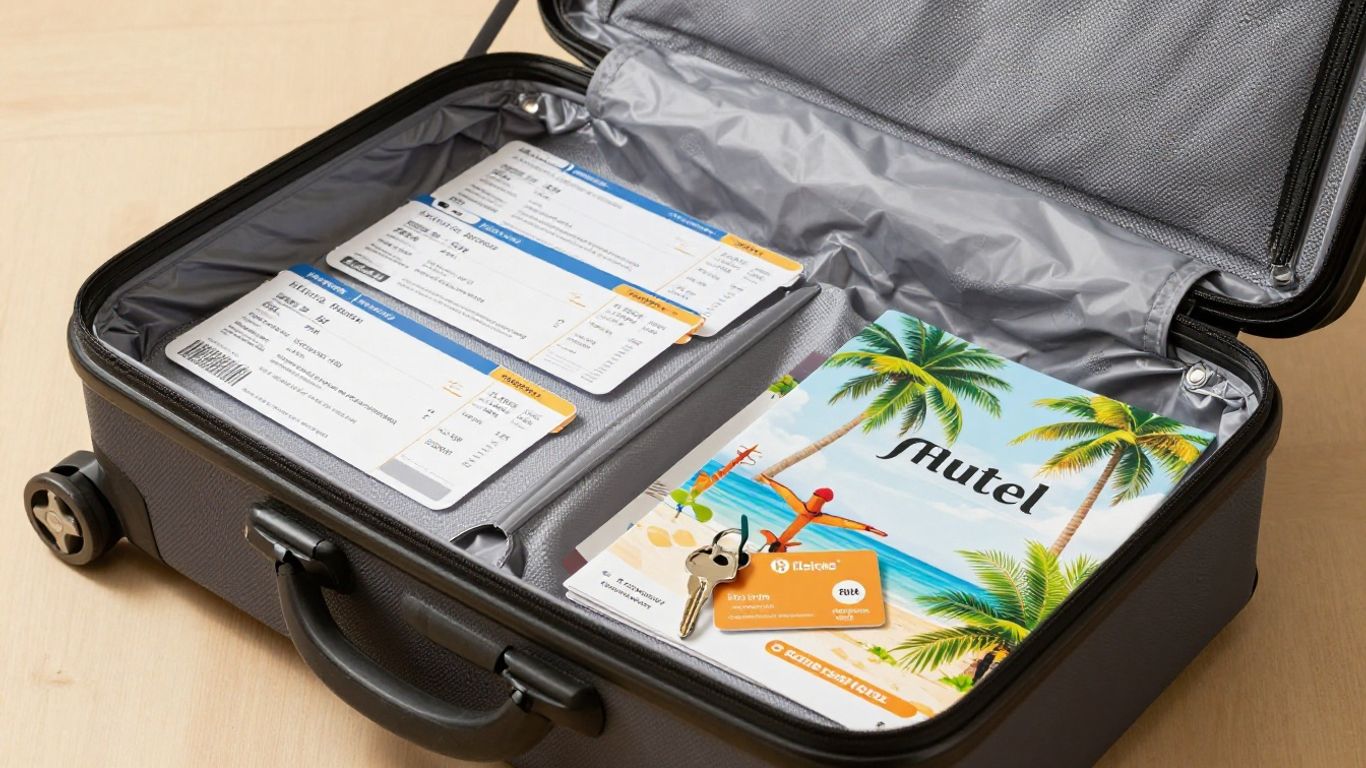 Flights, hotel, and transfer details
Flights, hotels, and airport transfers
Check whether the flight is direct, which airport it uses, and whether the fare includes a carry-on or checked bag. For the hotel, confirm the property name, room type, bed arrangement, and number of nights. “Hotel included” is not enough information to compare two offers fairly.
Airport transfers also need detail. Find out whether the service is private or shared, whether it operates at your arrival time, and how far the destination is from the airport. A cheap package can lose its appeal if the transfer involves a long wait or an expensive ride that was not included.
Meals, excursions, and entertainment
Meal language often hides the biggest difference between packages. Breakfast-only, half-board, full-board, and all-inclusive plans each create a different daily budget. Ask whether drinks, snacks, specialty restaurants, and room service are part of the arrangement or carry separate charges.
Treat excursions and entertainment as specific bookings, not vague promises. Check the number of activities, their dates, meeting points, and any age or fitness requirements. A package may advertise access to entertainment while charging separately for the event you most want to attend.
Resort fees, taxes, and service charges
Look for mandatory fees in the price summary and booking conditions. These may include resort fees, city taxes, cleaning charges, fuel surcharges, or service fees. The terminology varies, so compare the final payable amount rather than trying to judge value from a single advertised rate.
If a charge is collected at the property, record it in your trip budget. Also check the currency and whether taxes can change before payment. A package that is a little more expensive upfront may be cheaper once unavoidable charges are added.
Travel insurance and cancellation protection
Insurance is not automatically included in a package, and a cancellation policy is not the same thing as insurance. Review what each covers, when protection begins, and which reasons for cancellation qualify. Pay attention to exclusions involving pre-existing conditions, weather, airline disruption, or changes of mind.
Consider the value of protection in relation to the trip. A nonrefundable package may need stronger cover than a flexible reservation, while a short domestic break may present fewer financial risks. For a separate comparison mindset, a BU insurance comparison illustrates why policy wording and price should be assessed together, even though travel insurance is a different product.
Compare package prices across booking platforms
A single search rarely shows the whole market. Prices can differ because of inventory, room categories, payment timing, loyalty benefits, or the way taxes are displayed. Search several channels, but keep the trip details identical so you are comparing offers rather than slightly different vacations.
Record the final price, not just the first result. A small spreadsheet or note on your phone can capture dates, flight numbers, hotel room type, baggage, cancellation terms, and total cost. That modest effort makes a promising offer easier to verify later.
Check airline, hotel, and tour operator websites
Visit the direct websites for the main components when possible. An airline may show baggage or seat conditions more clearly, while a hotel may describe room categories and resort charges in greater detail. A tour operator may have package-only inventory that is not available when each component is booked separately.
Direct booking is not always cheaper, but it gives you a useful benchmark and may make changes easier. Compare like with like: the same flight, room, dates, occupancy, meal plan, and cancellation terms. Otherwise, the apparent saving may come from a less desirable fare or room.
Compare bundled prices with booking separately
Calculate the separate cost of the flight, hotel, transfer, and any essential add-ons. Then compare that total with the package after taxes and mandatory fees. Include the value of your time and the risk of coordinating separate reservations, but do not assign a large convenience premium without thinking it through.
A bundle can be worthwhile even when it is not the cheapest arithmetic result. It may simplify disruption handling or provide one support contact. Conversely, separate reservations can be better when you need flexible dates, a particular room, or the ability to change only one part of the trip.
Review package terms and booking conditions
Terms determine what happens when plans change. Read the payment schedule, amendment fees, name-change rules, supplier conditions, and deadlines for cancellation. Also check whether the package is protected under any applicable consumer or travel regulations in the place where you book.
Here is a practical comparison grid for the details most likely to change the value of an offer:
| Detail to compare | Why it matters | Question to ask |
|---|---|---|
| Payment schedule | A deposit can become nonrefundable early | When is the balance due? |
| Room category | The lowest category may face a poor view or location | What exact room is confirmed? |
| Baggage allowance | Bags can erase an apparent flight saving | What luggage is included per traveler? |
| Cancellation terms | Flexible plans can justify a higher price | What can be refunded, and by when? |
Read the answer in the actual booking conditions, not only in a marketing summary. If a key point is unclear, ask before paying and save the response with your reservation records.
Look for member, loyalty, and seasonal discounts
Discounts can be useful, but they should be compared against the final terms. A member price may require an account, advance payment, or restricted cancellation. Loyalty points may have a real value for a frequent traveler, but they should not distract from a materially higher cash price.
Seasonal promotions also deserve a careful check. Confirm the travel dates covered, the inventory available, and whether the offer applies to the room or flight you want. For another way to think about accommodation costs, romantic home exchange options can be a useful reference for couples comparing a package with a longer, more local stay.
Find the best times to book travel packages deals
Timing influences both price and availability, but there is no universal booking day that guarantees a bargain. A package can become cheaper as demand falls, or more expensive when popular rooms and flights disappear. Your goal is to understand the trade-off between waiting and preserving a trip that already meets your needs.
Start tracking early enough to learn the normal range. Watch the same destination, dates, and room type for several checks instead of reacting to one dramatic-looking promotion. This gives you a better sense of whether the offer is genuinely unusual.
 Quiet shoulder season beach resort
Use shoulder-season pricing
Shoulder seasons sit between peak demand and the quietest part of the year. They may offer milder weather, fewer crowds, and better availability, although conditions vary by destination. Check local school calendars, event schedules, rainfall patterns, and attraction opening hours before choosing the lower-demand period.
A small shift can be enough. Traveling just before or after the busiest weeks may preserve much of the experience while reducing the pressure on flights and hotels. The seasonal travel guide is a helpful starting point when you are weighing weather, timing, and destination-specific travel patterns.
Watch for last-minute and early-booking offers
Early booking can provide a wider choice of rooms and flights, sometimes with favorable deposit or cancellation terms. Last-minute booking may work when your dates and destination are flexible, but it is riskier if you need a specific hotel, accessible room, or direct flight.
Do not wait simply because a last-minute price sounds exciting. Decide beforehand which conditions are essential and what you will do if they are unavailable. A slightly higher confirmed price can be sensible when changing the trip would cost more in time or money.
Track price changes and limited-time promotions
Keep a record of the date, price, and conditions whenever you check. A promotion with a short booking window may be worthwhile, but urgency can also make it easier to overlook fees or restrictive terms. Read the validity dates and the actual travel window before treating a countdown as meaningful.
Set a personal buy point. If the package falls within your target range and satisfies your essentials, book rather than chasing an uncertain further reduction. Save a screenshot or PDF of the advertised inclusions in case the booking summary is less detailed.
Consider weekday departures and off-peak flights
Midweek departures can sometimes offer more choice and lower demand, though the effect depends on the route and season. Compare the complete itinerary, including transportation to the airport and any extra hotel night required by an inconvenient flight.
The cheapest flight is not necessarily the cheapest journey. An overnight departure, a long connection, or an airport far from the resort can add meals, transport, and fatigue. Price those consequences before deciding that the schedule is acceptable.
Evaluate the real value of a travel package
A package is valuable when it delivers the trip you want at a fair total cost with manageable conditions. Price matters, but so do location, time, reliability, and the effort required to organize the details. A cheaper offer can be poor value if it creates daily transport costs or removes the flexibility you need.
Try to evaluate the package as a traveler, not as a product listing. Imagine the first airport transfer, the hotel arrival, an ordinary day at the destination, and the moment you might need help. That mental walk-through often reveals gaps that a promotional photo does not.
Read recent traveler reviews
Recent reviews can reveal recurring issues with cleanliness, noise, transfers, food, or customer support. Look for patterns across several sources and focus on comments that describe the same room type or travel season. One angry review is less useful than a consistent concern repeated by many travelers.
Read positive reviews with the same care. A property can be excellent for nightlife but unsuitable for a quiet family break, or convenient for a tour group but awkward for independent travelers. Match the reviewer’s expectations to your own rather than searching for a perfect score.
Check hotel locations and room categories
Study the map before booking. A hotel described as being near a destination may still require long daily rides, and a waterfront property may sit far from restaurants or public transport. Estimate the cost and time of reaching the places you expect to visit.
Room categories deserve equal attention. Confirm the view, floor, bed configuration, accessibility, balcony, and occupancy limit. Photos often show an upgraded room, so use the exact category in the reservation as your reference.
If the hotel itself is part of the appeal, browsing luxury bathroom design ideas can help you identify which features are genuinely meaningful to you, such as a rainfall shower or better lighting. Do not assume an inspirational feature is included unless the package names it.
Calculate extra costs at the destination
Build a daily estimate for food, local transportation, entrance fees, tips, beach equipment, and optional tours. Add destination-specific charges such as parking or a resort fee when relevant. This turns a vague package comparison into a realistic trip total.
A useful way to organize the estimate is to separate predictable costs from choices. Flights and accommodation are usually fixed once booked, while meals and activities may be adjusted. That distinction helps you see where a package genuinely reduces risk and where it simply pre-pays expenses you might not otherwise choose.
For travelers adding a special event to the itinerary, event videography pricing is a reminder that service quotes can change with duration, staffing, equipment, and post-production. The same principle applies here: ask what is behind an attractive base price before comparing it with another offer.
Compare flexibility, convenience, and savings
Give each package a simple review across three dimensions: cash savings, convenience, and flexibility. Savings are the difference between comparable total costs. Convenience includes one booking, coordinated transfers, and accessible support. Flexibility covers changes, refunds, alternative flights, and the freedom to replace one component.
Write down which dimension matters most for this particular trip. A family traveling on a fixed school schedule may value certainty, while a solo traveler with open dates may prefer a lower-cost arrangement with fewer inclusions. There is no single winner for every traveler.
Book travel packages deals safely and strategically
Once you find a suitable offer, slow down for a final verification. Confirm who is selling the package, who supplies each component, and whom you contact if a flight or hotel problem occurs. Make sure the name, dates, traveler count, and payment total are correct before submitting payment.
A safe booking process is not complicated, but it is deliberate. Keep your research notes, read the final screen, and avoid making a rushed payment simply because a price is labeled limited. Good travel packages deals should still make sense after the excitement of the promotion fades.
Verify the provider’s reputation and policies
Check the provider’s legal name, contact details, customer-service channels, and complaint or review history. Read the terms for the package itself, not just the general website terms. Confirm whether the provider acts as an agent, organizer, airline, hotel, or marketplace, since responsibilities can differ.
Be cautious when a deal requires payment through an unusual channel or when basic details are missing. A professional booking page should clearly state what you are buying, the total price, and the rules that apply. If those details are difficult to find, choose clarity over a small possible saving.
Use secure payment methods
Pay through a secure, recognizable checkout page and check that the web address is correct. Avoid sending card details through ordinary email or paying an unfamiliar recipient by bank transfer unless you have independently verified the arrangement. Keep payment receipts and note the date, amount, and currency.
A credit card or another payment method with appropriate dispute processes may offer more recourse than cash-like payment methods, depending on your location and agreement. That protection is not a substitute for research, but it is a sensible final layer when booking a costly trip.
Confirm travel documents and entry requirements
Check passport validity, visas, transit rules, vaccination requirements, and any authorization needed for every country on the itinerary. Requirements can depend on nationality, transit airport, trip length, and the purpose of travel. Use official government or consular sources close to departure because rules can change.
Also confirm the names on the booking match the travel documents. Small spelling errors can be difficult or expensive to correct. If you are traveling with children, check whether consent letters or additional documents may be needed.
Save booking confirmations and cancellation deadlines
Create one folder for the itinerary, receipts, policies, insurance documents, passport copies, and provider contact details. Save offline versions in case you cannot access email during the journey. Record the balance due date and the last date for a free or partial cancellation in a calendar.
Before departure, recheck flight times, transfer instructions, hotel contact information, and any activity reservations. If you need help during the trip, these records will make the conversation faster. A separate gut health consultation may be relevant to some travelers planning around dietary concerns, but it is not a substitute for checking the package’s meal arrangements or medical coverage.
Conclusion
The best travel packages deals are not always the lowest advertised prices. They are the offers that match your priorities, remain affordable after extra costs, and come with terms you understand. Plan the trip first, compare like with like, and book only when the value still holds up under careful scrutiny.
Frequently Asked Questions
Are travel packages deals cheaper than booking separately?
Sometimes, but not always. Compare the same flights, room category, baggage, taxes, transfers, and cancellation terms before deciding whether the bundle offers a genuine saving.
What should I check before booking a vacation package?
Confirm the provider, total price, inclusions, flight and room details, payment schedule, cancellation policy, mandatory fees, and any requirements for passports or visas.
Is it better to book a package early or wait for a last-minute deal?
Early booking usually gives you more choice, while last-minute booking can suit flexible travelers. Choose based on how important your dates, room type, and flight schedule are.
Do package prices include resort fees and taxes?
They may or may not. Read the price breakdown and booking conditions, and ask whether any charges will be collected separately by the hotel or destination authority.
How can I compare all-inclusive packages fairly?
Check what “all-inclusive” covers, including drinks, specialty restaurants, activities, entertainment, tips, and premium services. Compare the exact inclusions and restrictions rather than the label alone.
Can I cancel a travel package and get a refund?
That depends on the package terms, supplier rules, and any insurance or protection purchased. Note the cancellation deadline and the refund amount before you pay.
What is the safest way to pay for a vacation package?
Use a secure, verified checkout and a payment method with appropriate consumer protections where available. Keep receipts, confirmations, and copies of the terms connected to the booking.

Published by
SwappaHome
SwappaHome Editorial Team
Home Exchange & Slow Travel Editorial
The SwappaHome Editorial Team brings together travel research, home-exchange community insights, and platform data to produce practical guides for first-time and experienced home swappers. Every article cites real platforms, current market rates, and verifiable city-level facts so readers can make informed decisions without guessing.
Ready to try home swapping?
Join SwappaHome and start traveling by exchanging homes. Get 7 free credits when you sign up!