
Travel warning for US: How to check advisories, assess risks, and plan safely

SwappaHome Editorial Team
Home Exchange & Slow Travel Editorial
Key Takeaways A travel warning for the US is a starting point for informed decisions, not a complete itinerary plan. Read the details, check for regional…
Key Takeaways
A travel warning for the US is a starting point for informed decisions, not a complete itinerary plan. Read the details, check for regional differences, and keep monitoring official updates.
- Read the full advisory rather than relying on its headline or level alone.
- Compare guidance from US authorities, your own government, and local officials.
- Separate broad national guidance from risks affecting a specific city or region.
- Build flexibility into transport, lodging, documents, and emergency plans.
- Recheck conditions before departure and throughout the trip.
What a travel warning for US means
The phrase travel warning for us can refer to advice published by a government about visiting the United States, but the wording and rating system depend on the country issuing it. Such guidance may cover crime, protests, health conditions, entry rules, weather, or other disruptions. It is designed to help travelers make choices with current information, not to predict exactly what will happen on every trip.
How travel advisories are issued and updated
Government agencies gather information from diplomatic posts, local authorities, public-health agencies, and other official sources before publishing or revising travel advice. Updates may follow a serious incident, a change in entry rules, a weather emergency, or a shift in local security conditions. Check the publication and revision dates, then read the specific advice beneath the headline because the details usually matter more than the label.
The difference between warnings, alerts, and advisories
These terms are not used consistently around the world. An advisory may offer general guidance, an alert may draw attention to a time-sensitive event, and a warning may recommend heightened caution or avoiding particular areas. Treat the title as a prompt to investigate rather than assuming that every warning means the entire country is unsafe.
Advisory levels and what each one indicates
Many systems use numbered levels to describe increasing degrees of caution, although the labels differ between governments. A low level may advise ordinary precautions, while higher levels can recommend reconsidering travel or avoiding it altogether. The practical instructions attached to a level—such as avoiding demonstrations or using extra care at night—are more useful than the number by itself.
Why guidance can vary by destination or region
The United States covers a large area with very different conditions between states, cities, border areas, rural communities, and tourist centers. A national advisory can therefore contain regional notes that are far more relevant to your route than the overall rating. Map the advice against your actual destinations, connections, and activities before changing an entire trip.
Where to find reliable US travel warnings
Start with official government sources and compare information rather than forwarding a dramatic headline from social media. The USA travel advice page is one useful place to review risk levels, security, entry and exit rules, health information, laws, and natural-disaster guidance. Keep the source open while planning so you can return to it as your departure date approaches.
 Traveler reviewing official US travel information beside a packed passport wallet
Checking the US Department of State website
The US Department of State publishes country information and travel advisories for destinations abroad, so it is not usually the primary source for a foreign visitor assessing travel to the US. Visitors should still use the department’s official site for relevant consular and entry information, while giving priority to the government that issued advice to its own citizens. Confirm that you are reading a current page and not an archived notice.
Reviewing advisories from your destination country
Your own government or foreign ministry can explain how it assesses risk for citizens traveling to the United States. It may also discuss insurance, consular assistance, document requirements, or circumstances that apply specifically to your nationality. Compare its wording with US federal guidance, then make a short note of any differences that could affect your route or eligibility to enter.
Using embassy and consulate updates
Embassies and consulates can publish local notices about demonstrations, closures, severe weather, or changes to appointment and assistance procedures. These updates are often useful when your trip is focused on one city. They do not replace a full advisory, but they can add immediate local context and practical contact information.
Verifying alerts through local authorities and transportation providers
Local police, emergency-management offices, airports, rail operators, and airlines can provide the most relevant information when an event is unfolding. Check whether a road, airport, station, or border crossing is operating before leaving for it. Use more than one official source when the situation is changing quickly, since a national advisory may lag behind a local operational update.
How to assess the risks behind an advisory
An advisory becomes useful when you translate broad categories into decisions about your own plans. Ask where the risk is concentrated, when it is more likely, who may be affected, and what precautions are recommended. Do not treat a long list of possible hazards as proof that each one applies equally to every visitor.
Crime, terrorism, civil unrest, and political instability
Look for details about affected neighborhoods, times of day, crowded venues, border areas, and the behavior authorities recommend. Protests can be peaceful but still disrupt roads and public transit, while a crime warning may be concentrated in particular places rather than across a whole city. Avoid demonstrations unless you understand the local rules, and leave an area if officials issue instructions to do so.
Health emergencies, natural disasters, and extreme weather
Health and environmental risks can be seasonal and highly regional. Wildfires, hurricanes, winter storms, flooding, extreme heat, and poor air quality may affect transport and accommodation even when personal safety is not the original reason for an advisory. Check forecasts and local emergency guidance close to departure, and make sure your accommodation has a way to receive urgent notifications.
Entry restrictions, border closures, and transportation disruptions
A trip can become impractical even when the security situation at your destination has not changed. Review visa or authorization rules, permitted documentation, border-crossing conditions, airline schedules, and possible quarantine or inspection requirements. When several moving parts are involved, a simple risk table can make the decision clearer:
| Question | What to check | Planning response |
|---|---|---|
| Where is the issue? | City, state, route, or border area | Adjust only the affected part when possible |
| When could it affect me? | Dates, hours, season, or forecast | Avoid the period or add time |
| How serious is the impact? | Official instructions and service status | Postpone, reroute, or continue cautiously |
| What backup exists? | Alternate transport, lodging, and contacts | Reserve flexible options |
This approach keeps the advisory tied to concrete choices rather than vague anxiety. Reassess the table if a source posts a new update or if your itinerary changes.
Local laws, customs, and penalties for travelers
Travelers are subject to local and federal laws, which can differ from those at home. Rules around identification, alcohol, driving, photography, restricted areas, prescription medicines, and public behavior deserve particular attention. An unfamiliar rule is not normally a reason to cancel a trip, but ignorance will not necessarily prevent penalties, so ask an official source when the wording is unclear.
How a travel warning affects trip planning
A warning should shape the structure of a trip, not automatically dictate one answer for every traveler. Consider your health, age, travel experience, purpose, destination, and ability to change plans. A route that is reasonable for a short city visit may be less suitable for a remote road trip during severe weather or a period of unrest.
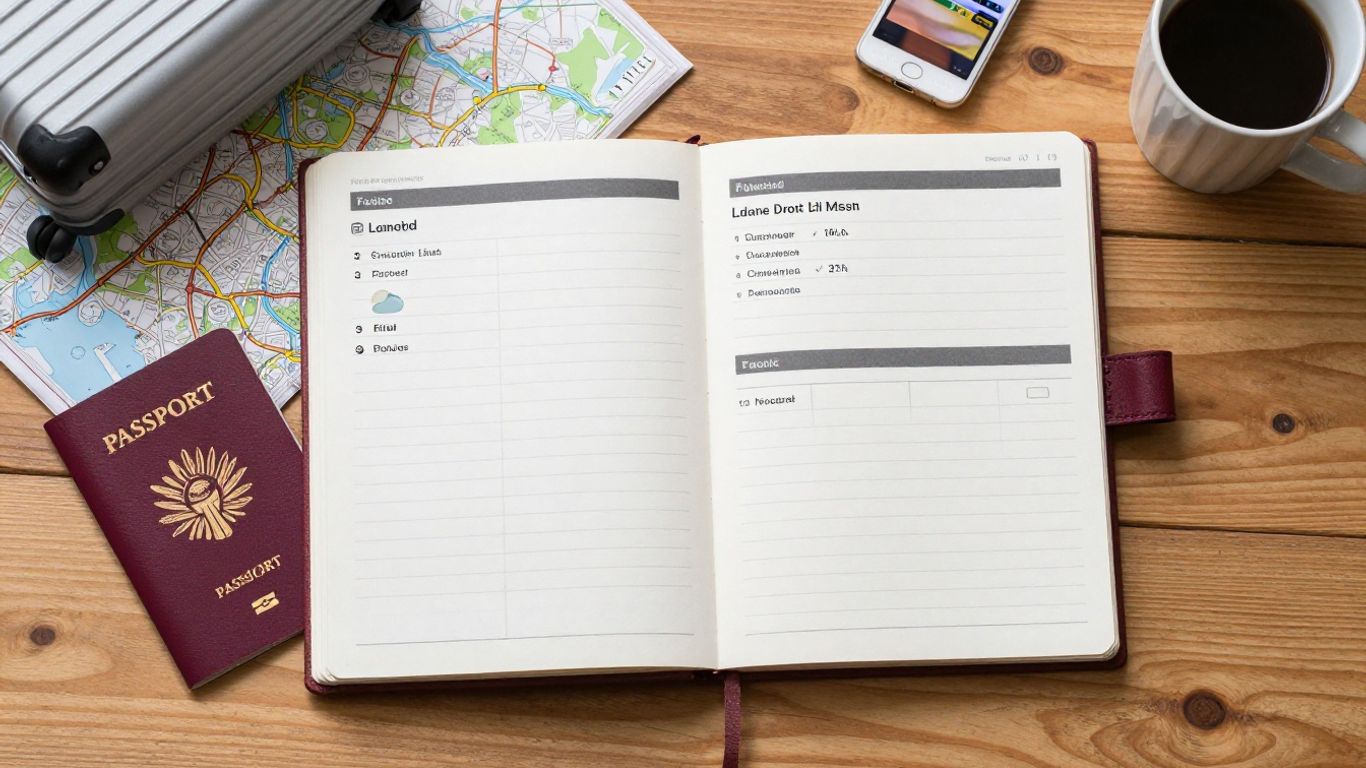 Flexible travel planning with maps luggage and phone alerts
Deciding whether to postpone, reroute, or continue
Read the advisory’s action language and compare it with the exact locations and dates on your booking. Postponing may be sensible when authorities advise against travel, essential services are unavailable, or you cannot manage the stated risk. If the concern is limited to one area, rerouting or shortening that part of the journey may preserve the rest of the trip.
Choosing safer regions and transportation options
A lower-risk alternative is not necessarily a different country; it might be another neighborhood, airport, route, or travel time. Prefer well-established transport connections, verify transfers in advance, and avoid driving through areas affected by closures or severe weather. Accommodation can also influence safety through location, access, reception hours, and proximity to essential services.
For travelers seeking a home-based stay, SwappaHome describes verified members and secure in-app communication alongside a credit-based home exchange system. Those features do not remove the need to check local conditions, but they can be part of a broader lodging review when the destination remains suitable.
Building flexibility into flights and accommodations
Flexible tickets, refundable rooms, and realistic connection times can reduce the cost of reacting to a new advisory. Keep confirmation numbers and cancellation terms somewhere accessible offline. SwappaHome uses a credit system in which members earn by hosting and spend credits on stays, with no money exchanged between members; if you use that kind of arrangement, confirm the host, dates, and backup plan before committing.
Sharing your itinerary and emergency contacts
Give a trusted person your route, accommodation details, transport bookings, and expected check-in times. Include contact details for your insurer, local emergency services, your embassy or consulate, and anyone traveling with you. SwappaHome also describes secure in-app communication, but keep essential contacts outside any single platform in case your phone, account, or internet access fails.
What to do before traveling to the US
Preparation turns official guidance into a workable travel plan. Begin several weeks ahead, since passports, visas, insurance, prescriptions, and accessibility arrangements may take time. Keep digital copies, but do not rely on a phone alone for every important document.
Checking passport, visa, and entry requirements
Confirm that your passport is valid for the required period and check whether your nationality needs a visa, an electronic travel authorization, or other approval. Use official immigration and consular sources, not only airline summaries or booking websites. Entry permission does not guarantee admission, so carry evidence that supports the purpose and length of your visit when appropriate.
Buying suitable travel insurance
Read the policy wording for medical treatment, evacuation, cancellations, interruption, baggage, and activities such as driving or outdoor sports. Some policies limit cover when a government has advised against travel or when an event was already known at purchase. Save the insurer’s emergency number and ask what documentation is needed for a claim.
Preparing medications, documents, and emergency funds
Keep medicines in original packaging and bring prescriptions or letters when they may be needed at the border or by a clinician. Carry copies of your passport, insurance policy, bookings, and key contact details in a secure place. A payment card may not work everywhere during an outage, so maintain a modest reserve of accessible funds without carrying all your money together.
Registering for travel alerts and notifications
Subscribe to alerts from your government, airline, airport, accommodation provider, and relevant local authorities. Turn on severe-weather and emergency notifications for the places where you will actually be staying. Before departure, ask someone at home to monitor major changes as well, since a second pair of eyes can help when you are busy or offline.
How to stay safe during your trip
Good travel habits remain useful even when an advisory is low-level. Keep your plans proportionate to the local conditions, stay aware without becoming alarmed, and leave room to change course. Conditions can shift after arrival, so safety is a continuing process rather than a box checked before departure.
Monitoring updates after arrival
Check official notices at a regular time each day and before long journeys or visits to crowded places. Follow local weather alerts, transport notices, and instructions from venue or emergency personnel. If you move between states or cities, update your searches and notifications so they match your new location.
Handling protests, emergencies, and sudden restrictions
Do not approach a protest to watch it if authorities are warning people away, and avoid blocked streets or large gatherings that are becoming tense. During an emergency, follow instructions, contact your travel companions, and use verified information rather than rumors. If transport stops, stay somewhere secure while you confirm the next practical step.
A calm response is usually easier when you have already agreed on a meeting point, a communication method, and a backup route. Keep your phone charged, but remember that networks may become congested during a major incident.
Protecting personal information and valuables
Use a discreet bag, avoid leaving passports or electronics unattended, and take care with public Wi-Fi and unsolicited requests for personal details. Store copies of documents separately from the originals and review bank alerts for unusual activity. If a rental car or hotel room is involved, remove visible valuables before leaving it unattended.
Contacting emergency services and diplomatic support
For an immediate life-threatening emergency in the United States, call 911 and describe your location clearly. Contact your embassy or consulate for appropriate assistance with issues such as lost documents, arrest, or a serious crisis, while understanding that diplomatic staff cannot override local law or pay ordinary travel costs. Keep both numbers available before you need them.
Conclusion
A travel warning for the US is most helpful when read closely and connected to the details of your own journey. Check several official sources, understand the local issue, prepare flexible alternatives, and continue monitoring conditions after arrival so that your decisions stay grounded in current information.
Frequently Asked Questions
Is a travel warning for the US a ban on visiting?
Usually, an advisory is guidance rather than a legal ban. It may recommend precautions, reconsidering travel, or avoiding specific locations, so read the full notice and check whether separate entry restrictions apply.
Which source should I trust first?
Start with your own government’s current travel advice, then compare it with official US agencies, local authorities, and transportation providers. Give priority to sources that explain when the information was last updated.
Can conditions differ between US states?
Yes. Security, weather, health, transport, and local regulations can vary considerably by state, city, and route. Match the advisory to the places and dates on your itinerary.
Should I cancel a trip after an advisory is updated?
Not automatically. Read the recommended action, identify the affected area and timing, and consider whether postponing, rerouting, or continuing with additional precautions is reasonable for your circumstances.
Does travel insurance cover an advisory-related cancellation?
Coverage depends on the policy, the reason for cancellation, when the advisory was issued, and any exclusions. Read the wording and ask the insurer for a written explanation before relying on the benefit.
What documents should I keep accessible?
Carry your passport, entry authorization if required, insurance details, booking information, prescriptions, emergency contacts, and copies stored securely offline. Keep originals and copies in separate places.
What should I do if an emergency happens during my visit?
Move away from immediate danger, follow local instructions, and contact emergency services when necessary. Once safe, notify your travel companions and contact your embassy or consulate if you need diplomatic assistance.

Published by
SwappaHome
SwappaHome Editorial Team
Home Exchange & Slow Travel Editorial
The SwappaHome Editorial Team brings together travel research, home-exchange community insights, and platform data to produce practical guides for first-time and experienced home swappers. Every article cites real platforms, current market rates, and verifiable city-level facts so readers can make informed decisions without guessing.
Ready to try home swapping?
Join SwappaHome and start traveling by exchanging homes. Get 7 free credits when you sign up!