
Unlock Smarter Journeys: Your Guide to Travel by Google in 2026

SwappaHome Editorial Team
Home Exchange & Slow Travel Editorial
Getting around in 2026 is going to feel different, and Google is right there to help make it easier. We're talking about planning trips, finding things to do,…
Getting around in 2026 is going to feel different, and Google is right there to help make it easier. We're talking about planning trips, finding things to do, and even just getting from point A to point B. It’s all about using smart tools to make your travel by Google experience smoother. Think less stress, more fun. This guide will show you how Google's tools are changing how we travel, from the initial idea to actually being there.
Key Takeaways
- Google's tools are making trip planning much simpler in 2026, using AI to help you find and book things.
- You can get quick summaries of reviews and personalized suggestions to help you choose activities.
- Operators can use new tools to see how their products are doing and talk to customers faster.
- AI is great for sparking travel ideas, but people still need help with the actual booking part.
- Google tools like Flights, Maps, and translation apps are useful for booking and during your trip.
Leveraging Google Tools for Seamless Travel Planning
Planning a trip in 2026 feels different, doesn't it? It's less about sifting through endless websites and more about letting smart tools do some of the heavy lifting. Google's suite of services is really stepping up to make this whole process smoother, from the initial idea to the final booking.
AI-Powered Search and Discovery Enhancements
Remember when searching for travel felt like a shot in the dark? Now, AI is changing that. When you type in a destination or a type of trip, Google's search is getting much better at understanding what you really want. It's not just about keywords anymore; it's about context. Think of it like talking to a friend who knows your travel style. The suggestions you get are more tailored, pointing you towards places and activities that genuinely match your interests, whether that's quiet beaches or bustling city markets. This means less time scrolling and more time finding what you're looking for.
The goal is to cut down on the time spent searching and increase the time spent enjoying the actual trip. It's about making the planning phase feel less like a chore and more like the exciting start of an adventure.
Price Tracking and Smart Booking Alerts
One of the biggest headaches in travel planning is figuring out the best time to book flights or hotels. Prices can jump around like crazy. Google tools are now making this much easier. You can set up alerts for specific flights or hotels, and Google will let you know when the price drops. This takes the guesswork out of it. Instead of constantly checking prices yourself, you can trust the system to notify you. It's a smart way to save money without having to become a full-time deal hunter. You can track fare changes over time to see when prices are naturally lower, helping you book at a favorable moment. Set price alerts for flights and hotels to get notified of drops.
Integrated Itinerary Management
Once you've booked your flights, hotels, and maybe even a few tours, keeping track of it all can be a challenge. Google is working on bringing all these details together. Imagine having your flight confirmations, hotel check-in times, and car rental details all in one place, accessible from your phone. This integrated approach means you won't be digging through emails or different apps when you need to find important information. It's about having your entire trip plan organized and readily available, reducing stress when you're on the go. This kind of organization is key for a smooth trip, especially when you're dealing with multiple bookings.
Transforming the Traveler Experience with AI
 Futuristic cityscape with glowing travel map interface.
AI is really changing how we find and think about trips. It's not just about getting from point A to point B anymore; it's about making the whole process smoother and more personal. Think about it: instead of sifting through hundreds of reviews, you can now get the gist of what people liked or disliked in seconds.
AI Review Summaries for Quick Insights
This is a game-changer. Imagine you're looking at a tour or an activity. Before, you'd spend ages reading through review after review, trying to figure out if it's worth your time and money. Now, AI pulls out the main points from all those comments. It highlights what most people loved, like a specific guide's humor or a particularly stunning view. It's like having a friend who's already done it tell you the important stuff.
- Get a quick overview of traveler sentiment.
- Identify common praises and criticisms.
- Save time by focusing on what matters most to you.
Personalized Search Suggestions
Remember when search results felt a bit random? AI is making them much more relevant. It looks at what you've searched for before, what similar travelers are looking into, and even the time of year to suggest things you might actually be interested in. It's like the search engine is getting to know you. This means you spend less time searching and more time discovering cool places or activities you might have missed otherwise. It's a big help when you're trying to plan a trip for the whole family, especially with kids.
AI is moving beyond just providing information; it's starting to anticipate needs and tailor suggestions, making the discovery phase of travel feel less like work and more like a curated experience.
Visual Meeting Point Identification
This one might seem small, but it's super practical. How many times have you arrived at a meeting spot, only to realize you're in the wrong place? AI is helping fix that. Now, when you book an activity, you often get a picture of the exact meeting point. No more wandering around confused or trying to describe your location to a tour guide over the phone. It makes starting your adventure much less stressful, especially in busy cities. This is particularly useful for those planning trips where they might not speak the local language fluently, making it easier to connect with guides and start their tours smoothly.
Empowering Operators for Enhanced Travel Services
For those running tours and activities, 2026 brings a suite of tools designed to make your business run smoother and connect better with travelers. It's all about giving you the information and communication abilities you need, right when you need them.
AI-Driven Performance Insights
Operators now get a clearer picture of how their offerings are doing. A new section in the supplier portal shows your product data alongside AI-suggested actions. You can quickly see which experiences are performing well and which might need a little attention. It's like having a dashboard that tells you not just the numbers, but also what to do next.
Here's a quick look at what you can track:
- Revenue Trends: See how your income is changing over time.
- Conversion Rates: Understand how many people who see your listing actually book it.
- Customer Feedback Analysis: Get summaries of what travelers are saying.
- Suggested Actions: Receive AI-backed tips for improving your listings or offers.
This kind of data helps you make smart decisions without spending hours digging through spreadsheets. It's about working smarter, not harder, to make sure your tours are what people want to book.
Visual Product Editing Tools
Editing your listings is now more intuitive. You can change how your tours and activities appear to travelers directly within the platform, seeing the changes as they would. This means you can adjust descriptions, photos, and details to look exactly how you want them to. Plus, you can now draw very specific pickup areas on a map. This helps travelers know exactly where they need to be, and importantly, it prevents them from booking a pickup spot that you can't actually reach. This detail can make a big difference in traveler satisfaction and your operational efficiency.
Smart Reply Inbox for Swift Communication
Responding to traveler questions used to take up a lot of time. Now, there's an inbox with AI-suggested replies. When a traveler sends a message, the system can offer a quick, relevant response based on the conversation and booking details. You can then send it off in seconds or tweak it if needed. This means faster communication with potential and current customers, which can lead to more bookings and happier travelers. It’s a big help for keeping up with inquiries, especially during busy periods. This kind of technology is changing how businesses operate, much like how AI is changing trip inspiration for travelers [1218].
The goal is to simplify the day-to-day for operators, giving them more time to focus on what they do best: providing amazing travel experiences. By using these new tools, businesses can better manage their online presence and customer interactions, leading to more successful operations in the evolving travel market.
The Evolving Landscape of Travel Planning
Planning a trip in 2026 feels different, doesn't it? It's not just about picking a destination and booking a flight anymore. Things are moving fast, and the way we put together our getaways is changing quite a bit. The biggest shift? Technology, especially AI, is making things way more intuitive.
AI's Growing Role in Trip Inspiration
Remember flipping through guidebooks or endlessly scrolling through blogs for ideas? That's becoming a thing of the past. AI tools are now pretty good at suggesting places and activities based on what you actually like. Think of it like having a travel buddy who knows your taste really well. They can look at your past trips, your interests, and even your budget to come up with personalized ideas. It’s less about random discovery and more about targeted inspiration. This means you spend less time searching and more time getting excited about where you'll go.
Bridging the Gap Between Discovery and Booking
One of the most annoying parts of planning used to be jumping between a dozen different websites to find information and then book everything. Now, tools are starting to connect those dots. You can find a cool hotel, see its real-time availability, and book it, all without leaving the same platform. Price tracking is also a big part of this. You can set alerts for flights or hotels, and the system will let you know when the price drops. This takes a lot of the guesswork out of booking and helps you save money. It’s about making the whole process, from dreaming about a trip to actually clicking "book," much smoother. For example, keeping an eye on flight prices with tools like Google Flights can really pay off.
The Enduring Importance of Meaningful Travel
Even with all these tech advancements, the core reason we travel hasn't changed. We still want experiences that stick with us. While AI can help us plan efficiently, it's up to us to make sure our trips have meaning. This might mean choosing destinations that align with our values, like supporting local communities or seeking out natural beauty. It’s about finding a balance between using smart tools to simplify the logistics and making conscious choices that lead to richer, more personal journeys. The goal is to travel smarter, yes, but also to travel more thoughtfully. The travel industry is seeing a growing reliance on artificial intelligence for more personalized travel planning and management, which is a big change in 2025.
Planning ahead is still key, but it's not about rigid schedules anymore. It's about having a solid plan that still allows for spontaneity and unexpected discoveries. Flexibility is your best friend when navigating the modern travel scene.
Navigating Your Journey with Google in 2026
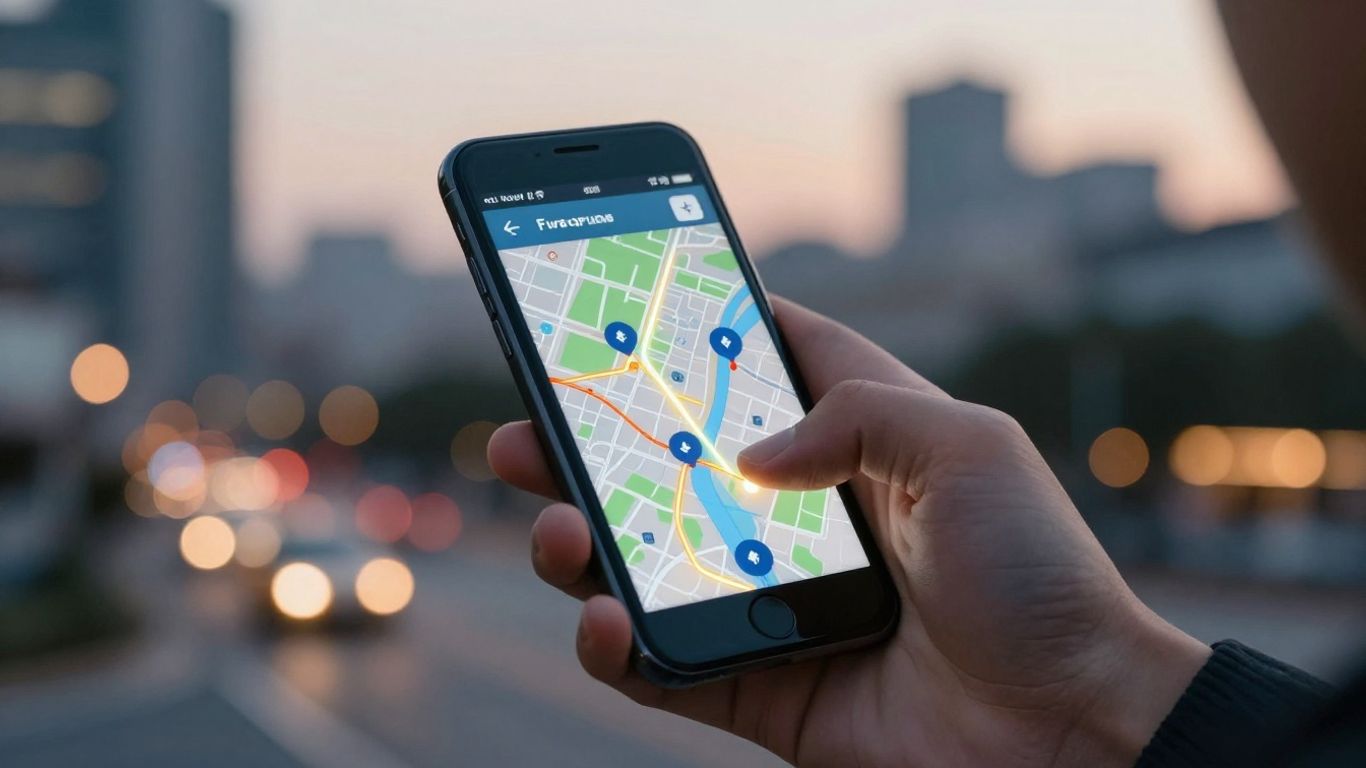 Person using Google Maps for smart travel.
Planning a trip in 2026 means using the best tech available to make things easier. Google's tools are really stepping up to help you get around, find what you need, and book things without a headache. The goal is to make your travel experience smoother from start to finish.
Utilizing Google Flights for Optimal Booking
When it comes to flights, Google Flights is still a top pick. It's not just about finding a ticket; it's about finding the right ticket at a good price. You can watch prices for specific routes and get alerts when they change. This means you can book with more confidence, knowing you're likely getting a good deal. It's a smart way to keep an eye on your budget without constantly checking yourself.
Leveraging Offline Maps and Translation Tools
Once you're at your destination, getting around and communicating can be a challenge, especially if you don't have reliable data. Google Maps lets you download areas for offline use, so you can still get directions even without Wi-Fi or cell service. This is a lifesaver for exploring new cities. Similarly, the Google Translate app can download languages for offline use, helping you understand signs or have basic conversations. It's like having a local guide and phrasebook right in your pocket.
Smart Payment Options for Global Travelers
Paying for things abroad used to be a hassle, but Google is working to simplify it. While specific integrations vary, the trend is towards more flexible and secure payment methods. Expect to see more options that work across different countries, reducing the need for multiple currency exchanges or worrying about whether your card will be accepted. This means you can focus more on your trip and less on the logistics of paying for your next meal or souvenir. For those planning adventures, understanding local payment methods can be a big help, especially when exploring places like Brazil or Sweden where specific digital wallets are common [5e11].
Travel planning is changing fast. While AI is great for getting ideas, actually booking can still be tricky. Tools that bridge this gap, like smart alerts and easy payment options, are becoming really important for making travel feel less complicated.
Building Trust and Confidence in Travel Bookings
It’s one thing to find an amazing trip online, but it’s another to feel totally sure about booking it. In 2026, Google is making it easier to feel good about your choices before you click that button. They’re rolling out tools that give you a clearer picture of what to expect, cutting down on those nagging doubts.
AI-Generated Review Overviews
Reading through dozens of reviews can take forever, right? Now, AI steps in to help. Instead of sifting through pages of comments, you'll see quick summaries right at the top of review sections. These summaries pull out the main points, highlighting what most people loved or found important. It’s like getting the CliffsNotes for traveler feedback, saving you time and giving you the gist fast.
Keyword Search within Reviews
Sometimes, you need specific info. Maybe you want to know if a tour is good for kids, or if the hiking is really strenuous. With keyword search inside reviews, you can type in terms like "family friendly" or "difficult hike" and jump straight to comments that mention those things. This lets you dig into the details that matter most to you, without reading everything.
Ensuring Smooth Tour Departures with Meeting Point Pictures
Getting lost trying to find your tour group is a common travel headache. To fix this, many services now show you a picture of the exact meeting spot. This visual cue is super helpful, especially in busy cities or unfamiliar places. You’ll know exactly what to look for, making it much simpler to connect with your guide and start your adventure without any confusion. It’s a small detail that makes a big difference in starting your trip off right.
Your Smarter Journey Starts Now
So, as we look ahead to 2026, it's clear that travel is getting a serious upgrade. Tools like those from Google, and platforms like GetYourGuide, are making it easier than ever to plan, book, and actually enjoy your trips. From AI helping you find that perfect hidden gem to simple features that make meeting up a breeze, technology is here to make things smoother. Remember, the best trips aren't just about where you go, but how you get there. By using these smart approaches, you can spend less time stressing and more time making those unforgettable memories. Happy travels!
Frequently Asked Questions
How is Google helping travelers plan trips in 2026?
Google is making trip planning easier with tools like AI-powered search, which helps you discover new places and ideas. You can also use Google Flights to find the best deals and get alerts when prices change. Plus, Google helps you keep all your trip details organized in one place.
What new AI features can travelers expect for booking activities?
AI can now summarize reviews for activities, giving you a quick idea of what others liked. It also helps suggest activities you might enjoy based on what you've searched for before. You can even see a picture of the exact meeting spot for tours, making it super clear where to go.
How can I use Google tools to save money on travel in 2026?
Tools like Google Flights let you track prices and alert you when they drop, so you can book at the best time. Comparing different options and being a bit flexible with your travel dates can also help you find cheaper flights and hotels.
What if I don't have internet access while traveling?
Google Maps lets you download areas to use offline, so you can still get directions even without Wi-Fi or data. Google Translate also has an offline mode for many languages, helping you communicate when you're not connected.
How does Google help with payments when traveling internationally?
Google supports various payment options, and in 2026, it's making it easier to use local payment methods in different countries. This means you can often use your preferred way to pay, just like you would at home.
Are AI-powered reviews reliable for booking travel experiences?
AI summaries give you a quick overview of what many travelers thought, highlighting common positive points. While these are helpful, it's still a good idea to read a few full reviews yourself to get a complete picture and make sure the activity is right for you.

Published by
SwappaHome
SwappaHome Editorial Team
Home Exchange & Slow Travel Editorial
The SwappaHome Editorial Team brings together travel research, home-exchange community insights, and platform data to produce practical guides for first-time and experienced home swappers. Every article cites real platforms, current market rates, and verifiable city-level facts so readers can make informed decisions without guessing.
Ready to try home swapping?
Join SwappaHome and start traveling by exchanging homes. Get 7 free credits when you sign up!