Venice with Teenagers: The Complete Home Swap Guide for Families with Older Kids

SwappaHome Editorial Team
Home Exchange & Slow Travel Editorial
Planning Venice with teenagers? Discover why home swapping beats hotels for families with older kids—real neighborhoods, kitchen access, and space to decompress.
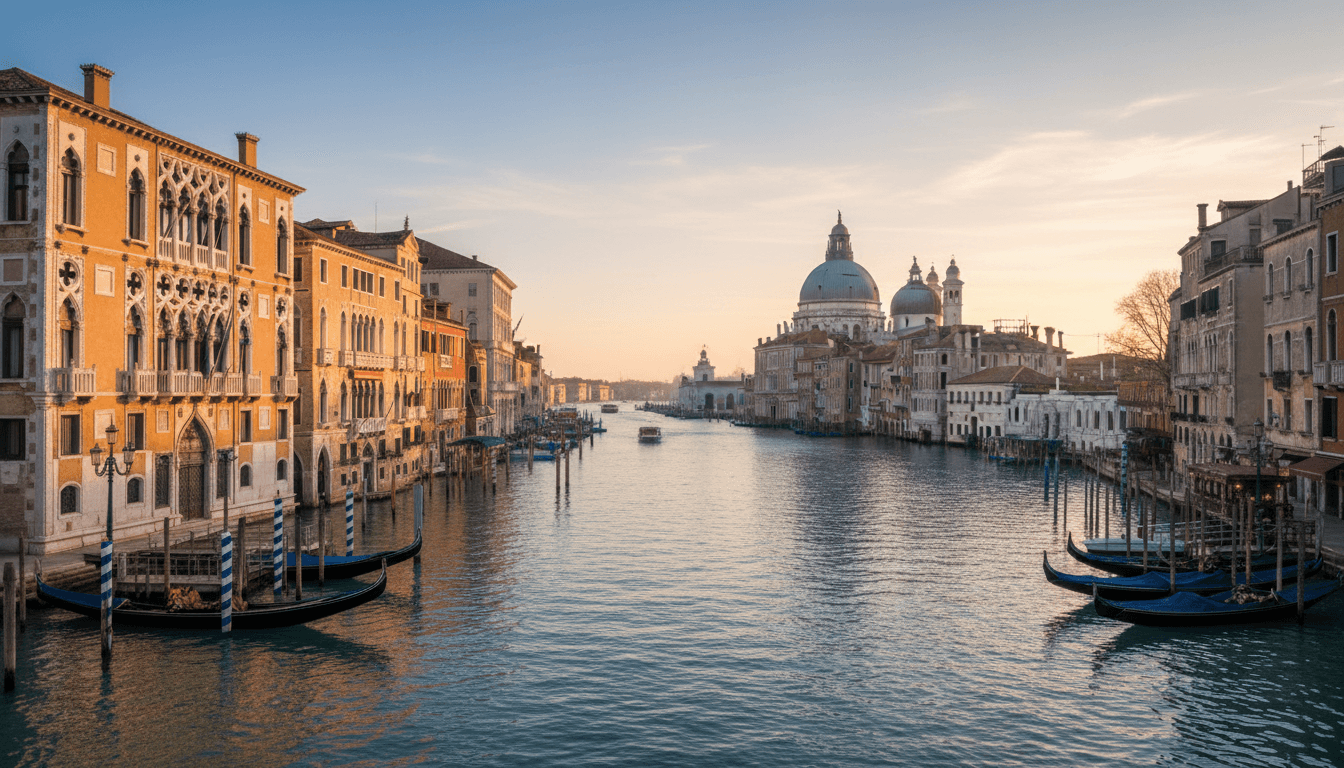
You're standing at the window of a Venetian apartment, watching your fourteen-year-old slumped against the vaporetto glass as the Grand Canal slides past in golden hour light. For once—maybe the first time all trip—they're not reaching for their phone. That's the Venice moment every parent of teenagers hopes for, and it happens more often than you'd expect when you're staying in a real Venetian home instead of a cramped hotel room.
Venice with teenagers demands a different playbook than Venice with toddlers or Venice as a couple. Older kids need space, privacy, late-night snack access, and the freedom to occasionally retreat from family togetherness without everyone feeling stacked on top of each other. A home swap in Venice solves almost every friction point that turns family travel into a stress marathon—and it does it while saving you somewhere between €150-300 per night compared to booking two hotel rooms in a city where even mediocre accommodation runs €200+ during peak season.
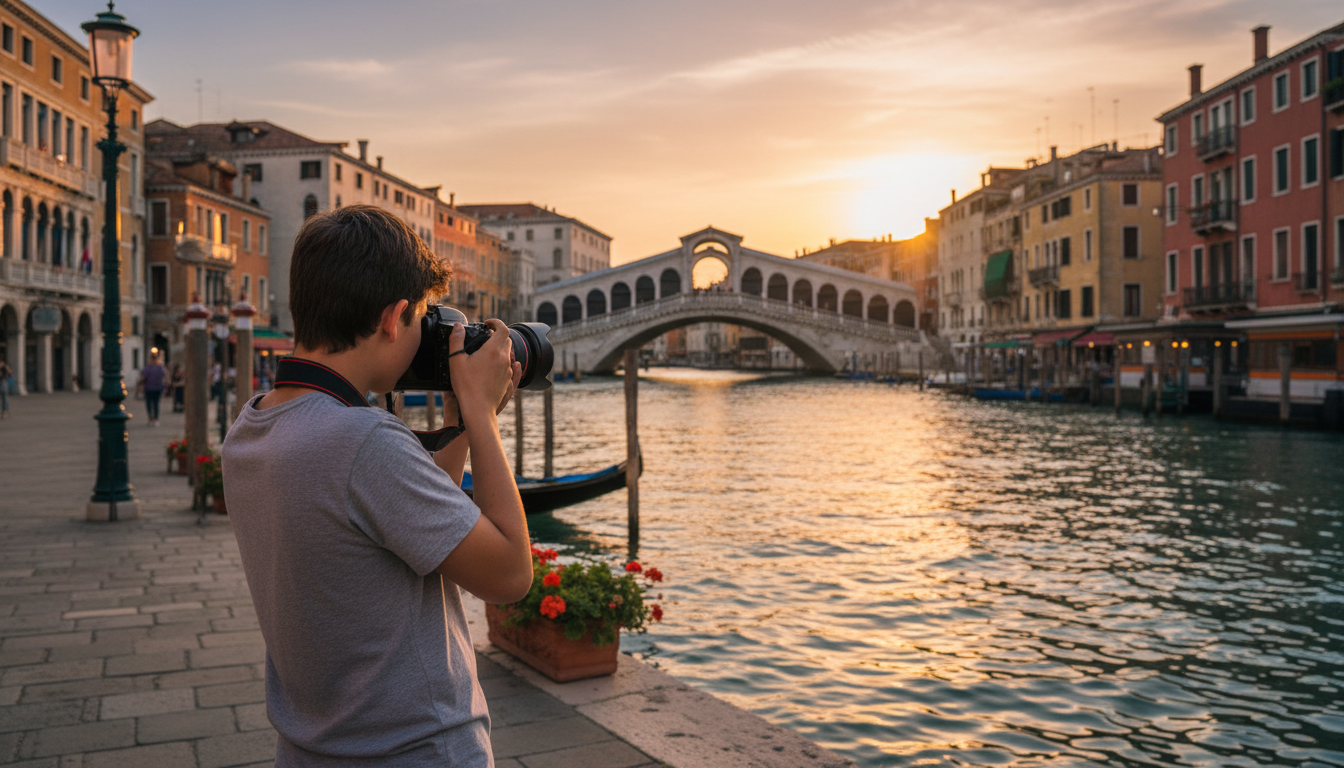 A teenager photographing the Rialto Bridge at sunset from a quiet fondamenta, golden light reflectin
Why Home Swapping in Venice Works Brilliantly for Families with Teenagers
Here's the honest truth about traveling with teenagers: they're simultaneously the best and most challenging travel companions. Old enough to appreciate history, art, and good food—but also old enough to have opinions, moods, and a desperate need for personal space that hotel rooms simply cannot provide.
The typical Venice hotel situation for a family of four with older kids? Either everyone crams into one room with awkward sleeping arrangements, or you shell out €400-500 per night for two rooms that still share thin walls and require coordinating bathroom schedules. Neither option sets the stage for family harmony.
A home swap changes the equation entirely. The SwappaHome community includes hundreds of Venetian properties ranging from compact apartments in Dorsoduro to spacious family homes on the Lido. Most offer separate bedrooms, a full kitchen, and that most precious of teenager-appeasing amenities: more than one bathroom.
But the benefits go deeper than square footage.
The Kitchen Factor
Teenagers eat constantly and unpredictably. Breakfast at 11 AM. Snacks at 3 PM. Second dinner at 10 PM. In a hotel, this means expensive room service, overpriced mini-bars, or trudging out to find food when everyone's exhausted.
With a kitchen at your disposal, you can stock up at the Rialto Market—one of Europe's oldest fish markets, operating since 1097—and let your teenagers raid the refrigerator at will. The market opens at 7:30 AM and runs until around noon, with the freshest produce and seafood available before 10 AM. Grab cicchetti ingredients, fresh bread from a nearby panificio, and enough snacks to keep everyone fueled without breaking the budget.
A typical grocery run at a Venetian supermarket (Coop or Despar, both have locations near major vaporetto stops) costs €40-60 for several days of breakfast supplies and snacks. Compare that to €25-35 per person for hotel breakfast. The math becomes obvious fast.
Space for Decompression
Travel with teenagers means accepting that sometimes they need to opt out. Maybe they're overstimulated, jet-lagged, or just done with museums for the day. In a hotel room, a teenager who needs alone time creates tension for everyone. In a home swap apartment, they can retreat to their room, watch something on their phone, and rejoin the family when they're ready—while parents enjoy an aperitivo on the terrace without guilt.
Many SwappaHome members in Venice specifically note whether their properties work well for families. Look for listings that mention separate living spaces, multiple bedrooms, or outdoor areas where teenagers can scroll TikTok in peace while adults sip Aperol Spritz.
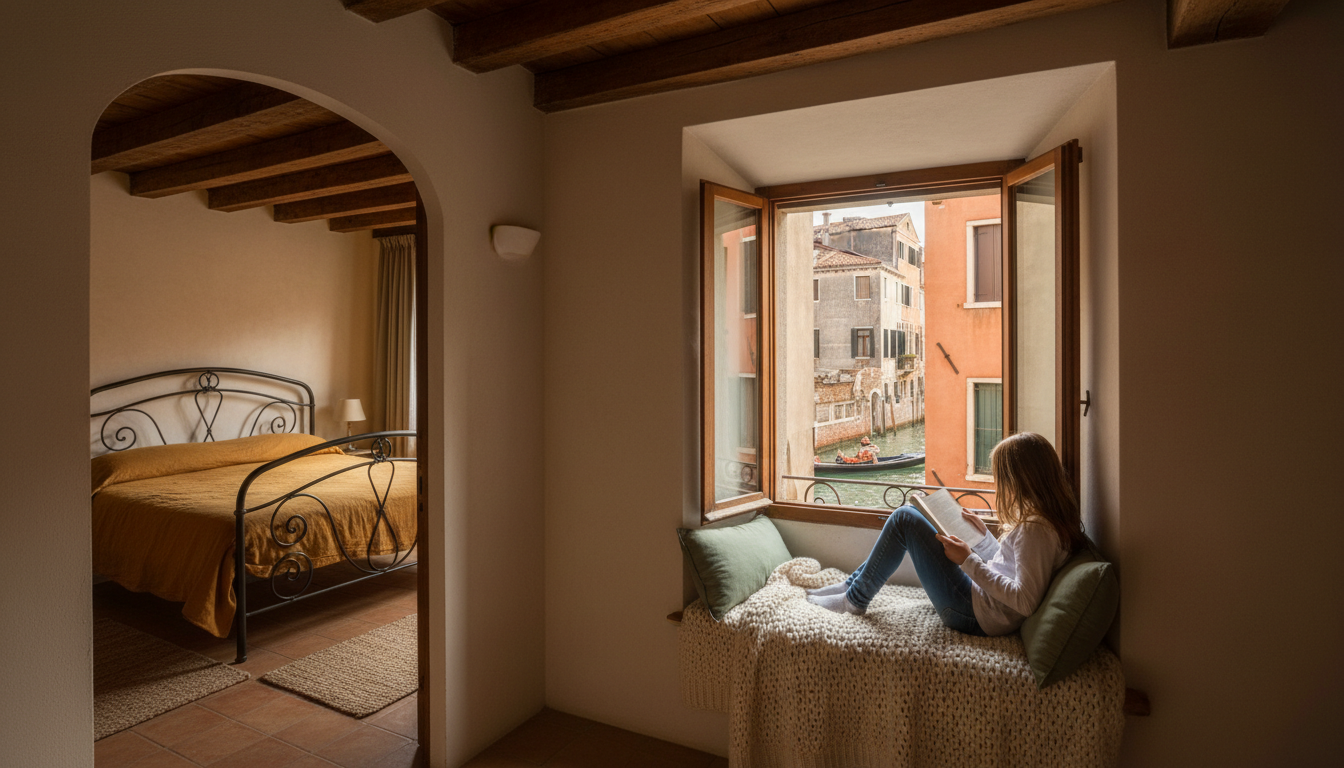 Interior of a bright Venetian apartment with exposed wooden beams, a teenager reading on a window se
Best Venice Neighborhoods for Home Swaps with Teenagers
Where you stay in Venice matters enormously when traveling with older kids. The wrong location means endless walking, vaporetto confusion, and that particular teenage complaint of "my feet hurt and I'm bored" echoing through narrow calli.
Cannaregio: The Sweet Spot
Cannaregio is the largest sestiere in Venice and arguably the best base for families with teenagers. It's residential enough to feel authentic—locals actually live here, not just vacation rental hosts—but connected enough that you're never far from major attractions.
The area around the Strada Nova offers easy walking access to the Rialto Bridge (about 15 minutes) and the train station (5 minutes). This matters when teenagers are involved because proximity to transport equals flexibility. When someone melts down at 2 PM and needs to go back to the apartment, you're not stranded across the city.
Cannaregio also has the Jewish Ghetto, the world's first (established in 1516), which provides genuinely interesting historical context that even reluctant teenage tourists tend to engage with. The story of how Venetian Jews were confined to this small island, required to wear identifying badges, and locked in at night—yet still built five synagogues and a thriving community—resonates with kids who've studied WWII history.
Home swap properties in Cannaregio typically range from modest apartments (1-2 bedrooms, canal views if you're lucky) to larger family homes. The neighborhood has excellent local restaurants along the Fondamenta della Misericordia, where you can sit canalside without paying San Marco prices.
Dorsoduro: Art and Atmosphere
If your teenagers have any interest in art—or if you want them to develop one—Dorsoduro is worth considering. The neighborhood contains the Gallerie dell'Accademia (Venice's premier art museum), the Peggy Guggenheim Collection (modern art in a palazzo setting), and Punta della Dogana (contemporary art in a converted customs house).
The Guggenheim works particularly well with teenagers because it's manageable in size (you can see everything in 90 minutes), visually striking (Pollock, Dalí, Kandinsky), and has a sculpture garden where kids can decompress between galleries. Admission runs €16 for adults, €9 for students with ID—always bring student cards, as Venice offers discounts almost everywhere.
Dorsoduro's Campo Santa Margherita serves as the neighborhood's living room, filled with university students from the nearby Ca' Foscari. The vibe is young, the gelato is excellent (Gelateria Il Doge is a local favorite), and teenagers feel less like they're trapped in a museum city.
Home swaps in Dorsoduro tend to be in older buildings with character—think terrazzo floors, wooden shutters, and views over quiet canals. The tradeoff is that some lack modern conveniences like air conditioning or elevators, so check listings carefully if these matter to your family.
The Lido: Beach Option
For longer stays (a week or more), consider a home swap on the Lido di Venezia. This barrier island is a 15-minute vaporetto ride from San Marco but feels like a different world—tree-lined streets, actual cars, and beaches along the Adriatic.
Teenagers who need a break from cobblestones and churches can spend a morning at the beach while parents take a quick vaporetto into the historic center. The Lido has its own restaurants, gelaterias, and a more relaxed pace that prevents Venice fatigue.
The main beach (Spiaggia di Venezia) is divided into private stabilimenti (beach clubs charging €20-40 for umbrella and chairs) and free public sections. The water is calm, the sand is decent, and the change of scenery works wonders for family dynamics.
Home swap properties on the Lido tend to be larger than those in central Venice—actual houses with gardens, sometimes even pools. For families who want Venice access without Venice intensity, it's an underrated option.
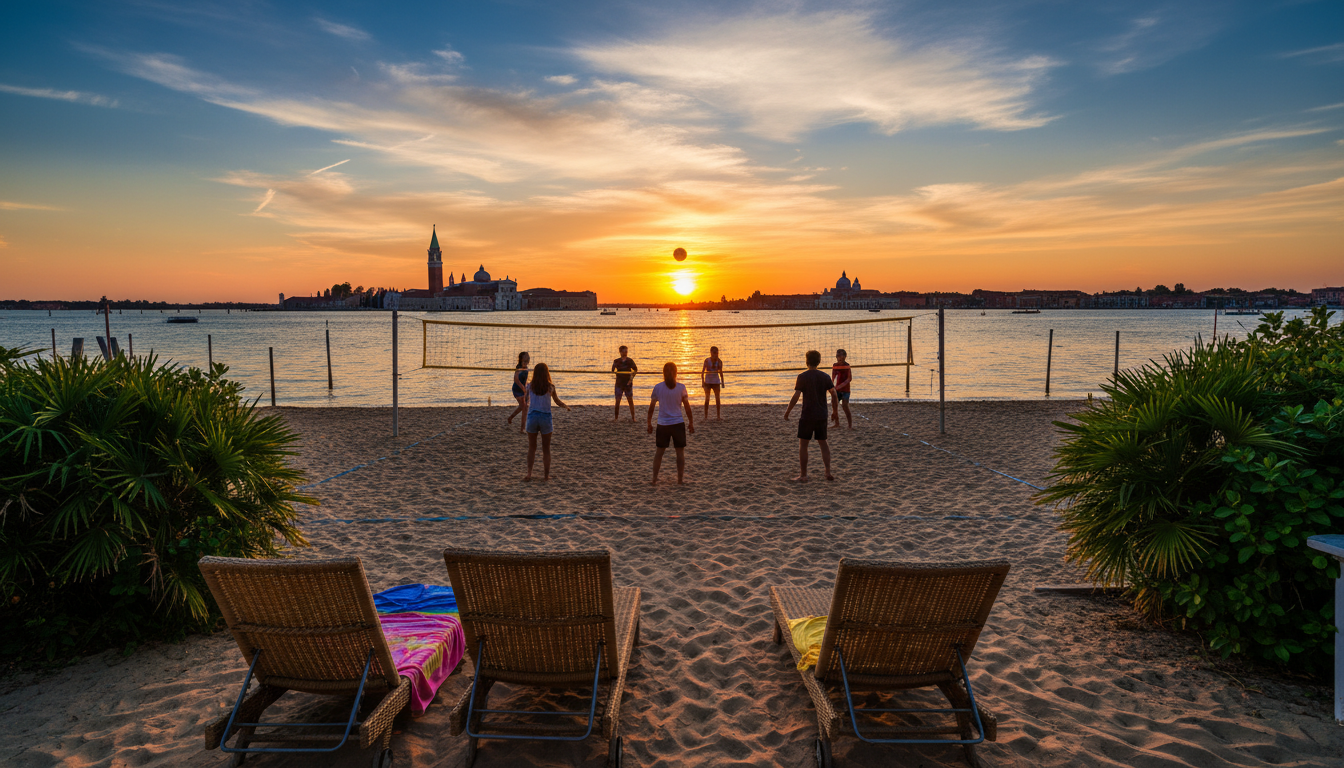 View from a Lido beach at sunset, Venetian skyline visible across the lagoon, teenagers playing voll
Planning Your Venice Home Swap: Practical Steps
The home swap process for Venice follows the same general pattern as anywhere else, but with some Venice-specific considerations that can make or break your experience.
Timing Your Request
Venice has extreme seasonality. During Carnevale (February), the Biennale (May-November in odd years), and summer peak season (June-August), desirable properties get booked months in advance. Planning a summer trip with teenagers? Start browsing SwappaHome listings in January or February.
The shoulder seasons—April-May and September-October—offer the best combination of weather, crowds, and availability. Venice in late September is genuinely magical: warm enough for outdoor dining, cool enough for comfortable walking, and far less chaotic than July.
For families tied to school schedules, early June (before European schools let out) or late August (when Italians return from their own vacations) can offer surprising availability.
What to Look for in a Venice Listing
Beyond the obvious (number of bedrooms, bathroom count), pay attention to these Venice-specific details:
Floor level matters. Venice has no elevators in most residential buildings. A charming top-floor apartment with canal views means hauling luggage up four or five flights of narrow stairs. With teenagers and their overpacked suitcases, ground floor or primo piano (first floor) access can prevent day-one meltdowns.
Air conditioning is not standard. Many older Venetian buildings lack AC, and July-August temperatures regularly hit 30-35°C with high humidity. If your teenagers (or you) need climate control to sleep, filter for properties that specifically mention aria condizionata.
Washing machine access. For trips longer than a week, in-unit laundry becomes essential. Teenagers go through clothes at an alarming rate, and Venice's few laundromats charge €8-12 per load.
Proximity to a vaporetto stop. Venice is walkable, but not always pleasantly so—especially when it's hot, someone's tired, or you're carrying groceries. Staying within 5-7 minutes of a vaporetto stop gives you options.
The Credit System for Families
SwappaHome's credit system works identically regardless of property size: one credit equals one night. This means a spacious three-bedroom apartment in Cannaregio costs the same in credits as a studio in San Marco.
For families, this is a significant advantage. New members receive 7 free credits upon joining—enough for a full week in Venice. If you've hosted guests at your home previously, you may have accumulated additional credits that can fund an extended stay.
The math compared to hotels is stark. A family-appropriate hotel in Venice (two rooms or a family suite) runs €300-500 per night during peak season. A week costs €2,100-3,500. A home swap costs zero euros for accommodation—just your membership fee and the credits you've earned by hosting others.
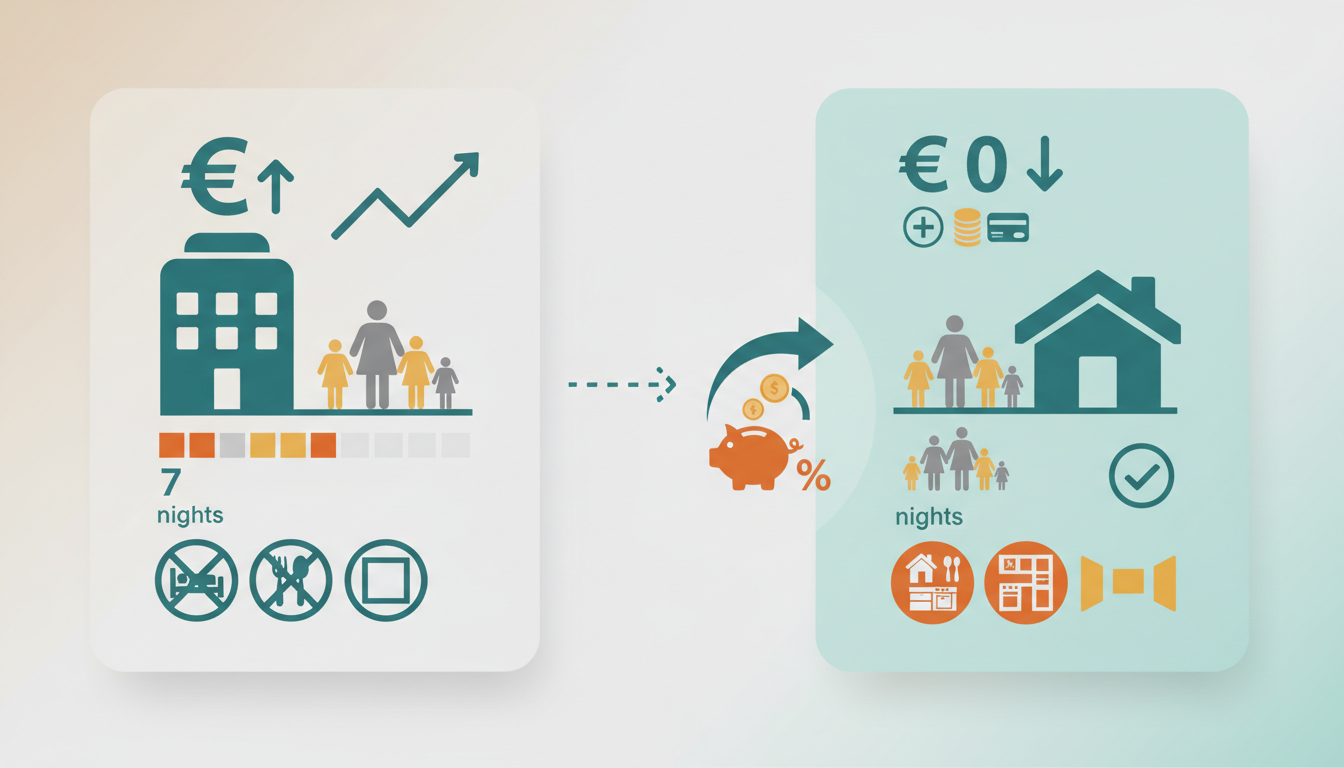 Infographic comparing costs hotel stay for family of 4 over 7 nights 2,500 vs home swap 0 accommodat
Keeping Teenagers Engaged in Venice
The challenge with teenagers isn't getting them to Venice—it's keeping them interested once the initial novelty of "we're in Italy!" wears off. Venice, with its lack of beaches, theme parks, or shopping malls, can feel limiting to kids accustomed to more obvious entertainment.
The key is mixing iconic experiences with unexpected ones, and building in enough downtime that nobody reaches the breaking point.
Beyond the Obvious Attractions
Yes, you'll do Piazza San Marco, the Doge's Palace, and the Rialto Bridge. But Venice has layers that reward curiosity, and teenagers often respond better to the weird and specific than to the famous and crowded.
The Scala Contarini del Bovolo is a hidden spiral staircase in a small courtyard near Campo Manin. It's Instagram-perfect, relatively unknown to tourists, and costs only €8 to climb. The view from the top rivals the Campanile at a fraction of the crowd.
Libreria Acqua Alta calls itself the most beautiful bookstore in the world, and while that's debatable, it's definitely the strangest. Books are stored in gondolas, bathtubs, and boats to protect them from acqua alta flooding. There's a staircase made entirely of damaged books leading to a canal view. Teenagers who claim to hate reading will still want photos here.
The Squero di San Trovaso is one of the last remaining gondola workshops in Venice, visible from the Fondamenta Nani in Dorsoduro. You can watch craftsmen building and repairing gondolas using techniques unchanged for centuries. Free to observe from across the canal.
Burano requires a 45-minute vaporetto ride (line 12 from Fondamente Nove), but the explosion of painted houses—each a different bright color—is genuinely striking. Teenagers who've grown bored of Venice's muted palette suddenly perk up when surrounded by hot pink, electric blue, and canary yellow buildings.
Food as Activity
Italian food culture provides built-in engagement for teenagers, especially if you frame it as exploration rather than obligation.
Cicchetti crawls work like Venetian tapas: small plates and glasses of wine (or Aperol Spritz, or San Pellegrino for the under-drinking-age crowd) at a series of bacari. Each stop costs €2-4 per cicchetto, and the variety keeps things interesting. Try Al Mercà near the Rialto, Cantina Do Spade in San Polo, or All'Arco for the classics.
Gelato ranking turns dessert into a project. Challenge your teenagers to rate every gelateria you visit on a 1-10 scale across categories: flavor quality, texture, presentation, value. Suso near Campo San Luca and Nico on the Zattere are strong contenders.
Pizza al taglio from Antico Forno in the Rialto area or Dal Moro's near San Marco provides quick, cheap fuel that even picky eaters accept.
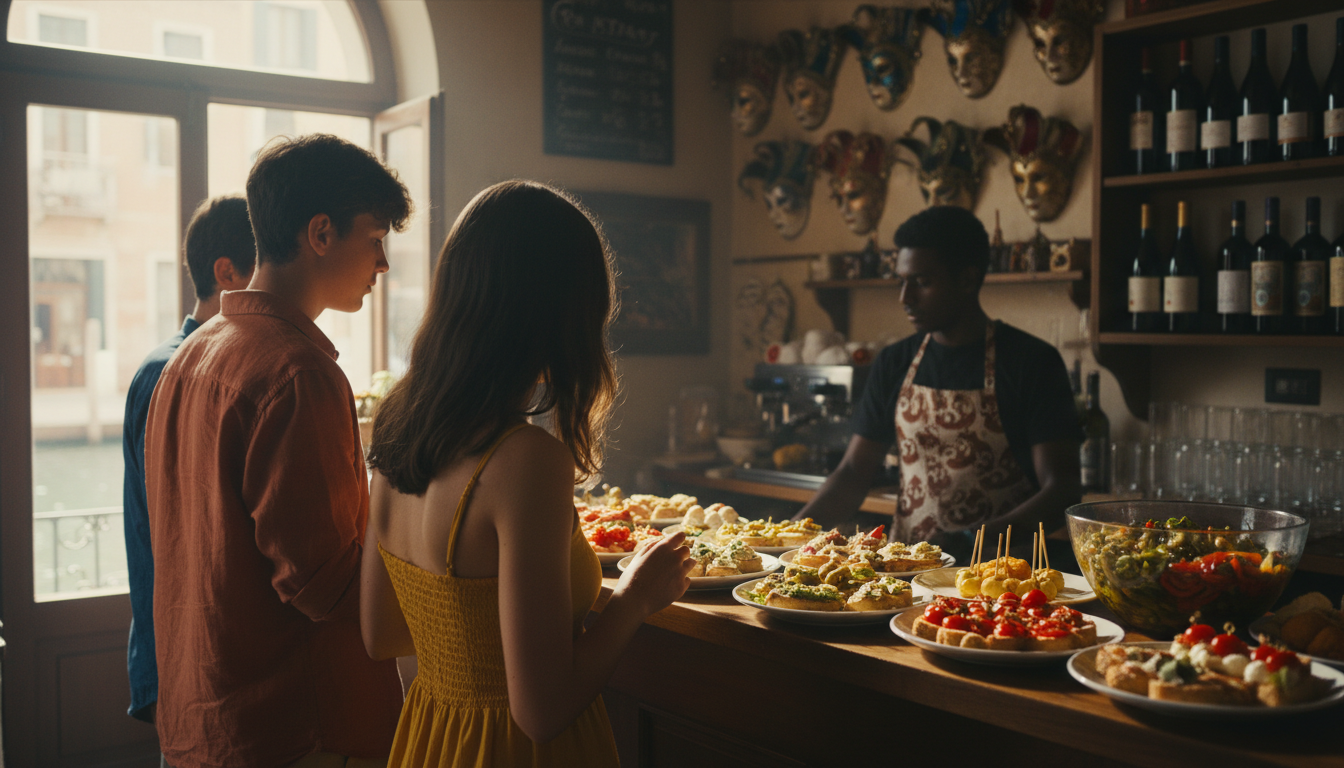 Teenagers at a cicchetti bar in Venice, colorful small plates on the counter, authentic local atmosp
Building in Downtime
The single biggest mistake families make in Venice is overscheduling. The city is small—you can walk from one end to the other in about an hour—but it's also exhausting. Uneven pavement, constant stairs, and sensory overload take a toll.
Plan for one major activity per day, maximum. A morning at the Doge's Palace, an afternoon of wandering, an evening cicchetti crawl. That's plenty. Trying to cram in three museums, a boat trip to Murano, and a fancy dinner is a recipe for family conflict.
The home swap advantage here is significant: when everyone needs a break, you have a comfortable apartment to return to. Someone can nap. Someone can read. Someone can scroll Instagram in peace. The pressure to "make the most of every moment" because you're paying €400/night for a hotel room disappears entirely.
Practical Tips for Venice with Teenagers
A few Venice-specific logistics that matter more when traveling with older kids:
Transportation
The vaporetto system is expensive but essential. A single ride costs €9.50—yes, really—but tourist passes offer better value. A 24-hour pass is €25, a 48-hour pass is €35, and a 72-hour pass is €45. For a family of four staying a week, the 7-day pass at €65 per person makes sense.
Teenagers under 6 ride free; ages 6-29 can get a Rolling Venice card (€6) that unlocks discounted passes (72-hour pass drops to €33).
Water taxis are romantic but ruinously expensive—€70-120 for a short trip. Save them for airport transfers if you want the experience without the guilt.
Connectivity
Italian SIM cards are easy to obtain at TIM, Vodafone, or Wind stores near the train station. A tourist plan with 20-50GB of data runs €15-30 for a month. For teenagers who need constant connectivity, this is cheaper and more reliable than international roaming.
Most home swap properties include WiFi, but confirm before arrival. Venice's thick stone walls can make signals spotty.
Acqua Alta Awareness
Venice floods. Not constantly, but regularly, especially October through February. The acqua alta phenomenon sends seawater into low-lying areas, including Piazza San Marco.
Check the Centro Maree app (free) for tide predictions. If levels above 80cm are forecast, pack waterproof shoes or buy the cheap plastic boot covers sold everywhere during flooding. Teenagers find the flooding either fascinating or deeply annoying—there's rarely middle ground.
Money Matters
Venice is expensive by Italian standards. Budget roughly €15-25 per person for a casual lunch, €30-50 for dinner at a sit-down restaurant, and €4-6 for gelato. Museum entry averages €10-20 per person, with student discounts available almost everywhere.
The home swap savings on accommodation can fund experiences: a private boat tour of the lagoon (€150-200 for 2 hours), a mask-making workshop (€50-80 per person), or a cooking class (€80-120 per person).
Setting Up Your Home Swap Exchange
The process of arranging a Venice home swap follows SwappaHome's standard flow, but families with teenagers should pay extra attention to a few areas.
Communication with Your Host
Be upfront about traveling with teenagers. Most hosts appreciate knowing the ages and general disposition of their guests. Mention if your kids are responsible and respectful (which, presumably, they are) and ask about any house rules that matter.
Specific questions worth asking:
- Is there a quiet time expectation in the building?
- Are there neighbors who might be disturbed by normal family noise?
- What's the WiFi password and typical speed?
- Are there any areas of the apartment that are off-limits or fragile?
- What's the best way to handle garbage and recycling?
Preparing Your Own Home
When you host through SwappaHome, your home becomes someone else's vacation base. With teenagers, this means a few extra considerations:
- Clear personal items your kids wouldn't want strangers seeing
- Lock up anything genuinely valuable or irreplaceable
- Leave clear instructions for electronics, streaming services, and WiFi
- Stock basic supplies (toilet paper, dish soap, coffee) as a courtesy
- Create a local guide with your family's favorite spots
The SwappaHome community operates on mutual trust and respect. Members review each other after stays, building accountability over time. The vast majority of exchanges go smoothly, but clear communication prevents misunderstandings.
Verification and Trust
SwappaHome offers identity verification for members who want an extra layer of trust. For families, seeing that a potential host has verified their identity and has positive reviews from previous exchanges provides peace of mind.
The platform's messaging system keeps all communication in one place, creating a record if questions arise later. Worth noting: don't conduct significant discussions outside the platform.
Making It Work: A Sample Week in Venice with Teenagers
Here's how a well-paced Venice week might look for a family with two teenagers, staying in a home swap apartment in Cannaregio:
Day 1 (Arrival): Settle into the apartment, grocery shop at the Coop near the train station, early dinner at a neighborhood trattoria. No agenda—just orient yourselves.
Day 2: Morning at Piazza San Marco and the Basilica (arrive by 9 AM to beat crowds). Afternoon gelato and wandering. Evening cicchetti crawl in Cannaregio.
Day 3: Doge's Palace and the Bridge of Sighs (book tickets online to skip lines). Lunch near the Rialto. Afternoon free time—teenagers can explore independently while parents relax.
Day 4: Day trip to Burano and Murano (pack snacks, it's a long boat ride). Glass-blowing demonstration on Murano, colorful houses on Burano. Dinner back in Venice.
Day 5: Dorsoduro art day: Gallerie dell'Accademia in the morning, Peggy Guggenheim after lunch. Sunset drinks on the Zattere waterfront.
Day 6: Lido beach day or free exploration. Let teenagers set the agenda. Fancy dinner to celebrate the trip.
Day 7 (Departure): Morning coffee at a local bar, final stroll, departure.
Notice the rhythm: one major activity per day, built-in downtime, flexibility for teenage moods. The home swap apartment serves as decompression headquarters throughout.
The Bottom Line
Venice with teenagers doesn't have to be a battle of wills between exhausted parents and overstimulated kids. The right accommodation—a real apartment with space, privacy, and a kitchen—transforms the experience from survival mode to genuine enjoyment.
Home swapping through SwappaHome makes this kind of accommodation accessible without the €300-500 per night price tag of family-appropriate hotels. You get more space, more flexibility, and more money left over for experiences that actually engage teenagers.
The SwappaHome community includes families across Europe and beyond, many with their own teenagers, who understand exactly what you need from a Venice stay. Their properties reflect that understanding: separate bedrooms, functional kitchens, honest descriptions of stairs and air conditioning.
Venice is one of those places that can genuinely change how teenagers see the world—if they're not too exhausted and cramped to notice. Give them the space to experience it on their own terms, and you might just catch them putting down their phones to watch the light on the Grand Canal.
Frequently Asked Questions
Is Venice safe for teenagers to explore independently?
Venice is exceptionally safe for independent teenage exploration. The city has virtually no car traffic, very low crime rates, and a compact layout that makes getting truly lost nearly impossible—you'll always hit water eventually. Most families in the SwappaHome community report letting their teenagers wander freely during afternoon downtime, armed with a phone and a meeting point for dinner.
How much can families save with home swapping in Venice compared to hotels?
Families with teenagers typically need two hotel rooms in Venice, running €300-500 per night during peak season—that's €2,100-3,500 for a week. A home swap costs zero for accommodation beyond your SwappaHome membership. Even accounting for the membership fee and any credits earned through hosting, families commonly save €2,000-3,000 on a week-long Venice trip.
What's the best time to visit Venice with teenagers?
Late September offers the ideal combination for families: warm weather (20-25°C), manageable crowds, and teenagers still engaged before school fatigue sets in. Early June works well for families tied to school calendars, as European summer holidays haven't yet begun. Avoid July-August unless your teenagers handle heat and crowds well.
Do Venice home swap properties have reliable WiFi for teenagers?
Most SwappaHome listings in Venice include WiFi, but speeds vary significantly in older buildings with thick stone walls. Always confirm WiFi availability and ask about typical speeds before booking. For teenagers who need constant connectivity, purchasing an Italian SIM card with a data plan (€15-30 for 20-50GB) provides reliable backup.
Can teenagers take vaporettos alone in Venice?
Absolutely. The vaporetto system is straightforward, safe, and well-signed. Teenagers 6-29 can purchase a Rolling Venice card (€6) for discounted passes. The main lines (1, 2, and 5.1) cover most tourist areas. Download the AVM Venezia app for real-time schedules and route planning—teenagers typically master the system faster than parents do.

Published by
SwappaHome
SwappaHome Editorial Team
Home Exchange & Slow Travel Editorial
The SwappaHome Editorial Team brings together travel research, home-exchange community insights, and platform data to produce practical guides for first-time and experienced home swappers. Every article cites real platforms, current market rates, and verifiable city-level facts so readers can make informed decisions without guessing.
Ready to try home swapping?
Join SwappaHome and start traveling by exchanging homes. Get 7 free credits when you sign up!
Related articles

Bachelor and Bachelorette Parties in Singapore: The Complete Home Swap Group Guide for 2026
Planning a bachelor or bachelorette party in Singapore? Discover how home swapping lets groups of 6-12 stay together in luxury condos, saving thousands while partying in Marina Bay.
Cycling in Lisbon: 7 Home Swap Bike Tour Itineraries for Every Rider
Discover the best cycling routes in Lisbon with these home swap bike tour itineraries—from waterfront paths to hilltop adventures, all starting from your borrowed home.
Graduation Trip to Barcelona: How Home Swapping Gives New Graduates the Ultimate Celebration
Planning a graduation trip to Barcelona? Discover how home swapping lets new graduates explore Spain's most vibrant city without the hostel crowds or hotel costs.