
Uruguay digital nomad visa: The complete guide for remote workers

SwappaHome Editorial Team
Home Exchange & Slow Travel Editorial
Key Takeaways Uruguay has emerged as a premier destination for professionals, offering a stable environment and a straightforward permit process for remote…
Key Takeaways
Uruguay has emerged as a premier destination for professionals, offering a stable environment and a straightforward permit process for remote workers. This guide highlights the essential steps to residency and life in this South American nation.
- The Uruguay digital nomad visa allows for a six-month stay, renewable for another six months.
- Applicants must be employed by foreign companies or work as independent freelancers.
- Uruguay offers tax exemptions on the export of technology-related services.
- High-speed fiber internet is accessible in major urban centers like Montevideo.
- The application process is entirely digital and currently free of government fees.
Understanding the Uruguay digital nomad visa eligibility and requirements
Verifying your remote employment status
To be eligible, you must prove that your professional activities are conducted entirely for entities based outside of Uruguay. This permit is designed specifically for those who generate income from sources beyond national borders, ensuring you do not compete for local payroll roles. Verification often involves presenting a current employment contract or, for freelancers, a document outlining your ongoing service agreements with international clients. This distinction is vital, as the permit acts as a gateway for foreign talent rather than an work authorization for the local market.
Meeting specific income thresholds
While there is no fixed government-mandated minimum salary for the permit, migration officials prioritize applicants who can demonstrate financial self-sufficiency. Most successful candidates display an income stream of roughly $1,500 to $2,000 USD per month, which aligns with the local cost of living and ensures you can sustain yourself throughout your stay. Having this buffer allows you to navigate the cultural landscape more comfortably while you explore Uruguay and its many regions.
Essential documentation list for applicants
Preparing your paperwork requires careful attention to detail, as every document needs to satisfy strict administrative standards. You will generally need a valid passport, proof of your remote income, and a signed affidavit confirming that you will not be seeking employment within Uruguay. Ensuring these items are organized before you begin will make your Uruguay digital nomad visa application significantly smoother and faster.
Mandatory health insurance coverage standards
Health protection is a cornerstone of the application, as you must demonstrate access to a policy that covers medical emergencies while you are in the country. Many nomads find that coverage valid worldwide meets the requirements, though ensuring your plan includes evacuation and local clinic access is a smart precaution. By meeting these standards, you demonstrate your capacity for responsible long-term residence in the eyes of local authorities.
How to apply for the digital nomad permit in Uruguay
 A modern home office in a sunny apartment
Preparing and translating digital documentation
Before you start, gather digital scans of your identification, professional background evidence, and financial statements. Official documents not issued in Spanish often require certified translations to be recognized by the government portal. Taking the time to handle these translations early prevents bottlenecks once the system is active, ensuring your documentation package is ready to upload without delays.
Setting up your government portal account
Accessing the official immigration portal is the first step toward official recognition. You will register an account using your basic credentials and provide necessary contact details to receive updates regarding your status. This centralized hub manages all residency-related tasks, providing a streamlined way for you to track your application and communicate directly with immigration staff if clarification is requested.
Navigating the specific online application steps
Once logged in, fill out the application form with precision, ensuring that all entries match your attached documents. You will upload the required files directly into the platform, following the structure mandated by the Ministry of the Interior. The user interface is designed to be intuitive, but double-checking your form entries before hitting submit is crucial for success in modern digital processes.
Managing the submission and review timeline
After submitting, allow for a reasonable processing window, which typically spans a few weeks. During this time, the authorities may request additional information to verify your status or address discrepancies. Stay proactive by checking your portal notifications regularly, as prompt responses are the best way to keep your review timeline on track.
Taxation and legal status for nomads in Uruguay
Understanding Uruguay's tax residency laws
Uruguay offers a unique environment for those planning their long-term financial life. Tax residency is managed through specific frameworks that encourage investment and incoming professional talent. Understanding how these laws apply to your earnings is essential, particularly regarding the potential for tax exemptions on specific categories of income or services rendered abroad.
Navigating double taxation treaties and exemptions
Uruguay has moved to align with global transparency standards while keeping its own systems favorable for residents. Many professionals find that the country's approach to global income and specific industry exemptions provides significant relief. Engaging with a local accountant familiar with international treaties can help you structure your earnings to maintain legal compliance while maximizing your financial security.
Legal rights and limitations of the residence permit
Your digital nomad status grants you the right to reside in Uruguay, though it maintains a specific distinction from permanent status. You are free to move throughout the country and enjoy the local lifestyle, but you are not permitted to work for local Uruguayan companies while on this specific permit. The permit is the first step in a legal pathway to residency that allows you to experience the country before committing to a long-term move.
Ensuring ongoing regulatory compliance
Maintaining your status requires adhering to the terms you agreed upon in your original application, including your pledge to remain a remote worker for non-Uruguayan entities. Should you decide to extend your stay or switch to a different type of permit, do so well before your current status expires. This proactive approach ensures you remain in good standing with immigration officials throughout your stay.
Choosing the best cities for digital nomads in Uruguay
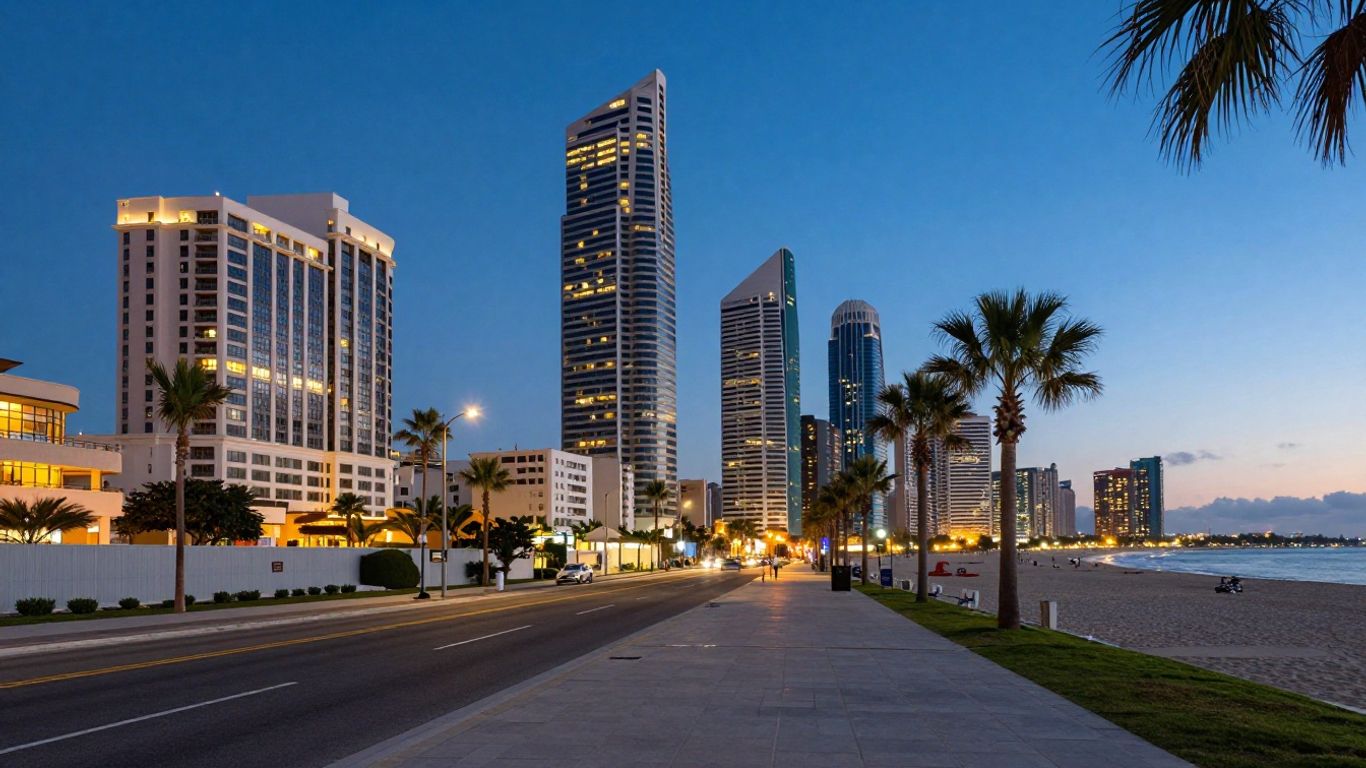 A vibrant city scene with coastal views
Evaluating Montevideo for urban life and coworking
Montevideo serves as the cultural powerhouse of the region, where a blend of colonial architecture and modern, glass-fronted buildings creates a unique backdrop. You will find that local coworking spaces are well-integrated into the fabric of the city, providing reliable connectivity and a social hub for international professionals. Whether it is a quiet café on the rambla or a dedicated office in the city center, Montevideo offers the best neighborhood insights for every nomad.
Exploring the coastal lifestyle of Punta del Este
For those who prefer a mix of luxury and beach-focused downtime, Punta del Este remains a legendary destination for residents. Life here flows with the seasons, offering vibrant beach culture when the sun is out and a quieter pace during the shoulder seasons. Many nomads find that the blend of high-end infrastructure and proximity to nature offers an unmatched quality of life that keeps their work-life balance in perfect harmony.
Assessing internet reliability and infrastructure in smaller hubs
While major coastal centers offer widespread fiber, inland regions offer a more tranquil, yet equally capable, digital experience. To help you plan effectively, we have compiled the following infrastructure overview based on typical connectivity speeds and workspace availability for remote work professionals.
| Location Hub | Reliable WiFi | Coworking Availability | Lifestyle Pace |
|---|---|---|---|
| Montevideo | High (Fiber) | Extensive | Urban/Active |
| Punta del Este | High (Fiber) | Seasonal | Resort/Beach |
| Colonia del Sacramento | Moderate | Limited | Calm/Historic |
Selecting the right hub depends on whether your daily routine requires constant, high-traffic video calls or if you prefer a quieter environment that rewards deep work sessions.
Balancing quality of life with community accessibility
Digital nomads often seek a combination of community support and local integration. By joining local networking events or utilizing global community platforms, you can find peers without sacrificing the authentic Uruguayan experience. The key is to step outside your comfort zone, as living in places where you can easily reach amenities is just as important as finding the right digital nomad environment.
Cost of living and logistics for remote workers
Realistic budgeting for rent and monthly utilities
Living in Uruguay carries a cost that depends heavily on your choice of neighborhood and property type. Budgeting requires accounting for rent, which often varies significantly between the capital and quieter coastal regions, alongside utility costs like electricity and high-speed internet. While generally considered affordable compared to major US or European cities, having a clear idea of your monthly travel budget is essential.
Accessing local banking and financial services
Navigating the banking landscape starts with finding a service provider that understands the needs of foreign residents. Many locals and expatriates suggest keeping a primary international account for your earnings, while periodically converting funds to local currency for daily expenses. This approach minimizes the complexity of managing your salary while allowing you to handle local purchasing with ease.
Managing public transportation and daily commuting
Getting around within cities like Montevideo is straightforward thanks to an extensive bus network and accessible taxi options. If you plan to settle in a smaller suburb or coastal area, cycling or walking is often the preferred way to interact with your environment. Efficient movement allows for a better appreciation of local life and reduces the stress associated with typical urban traffic concerns.
Evaluating safety and healthcare access for expatriates
Uruguay is often cited for its stability, offering a secure environment that is ideal for long-term residence. Accessing healthcare is also straightforward, with both public and private systems available to those who possess the proper documentation and insurance coverage. Prioritizing your well-being through professional care ensures that you can remain fully productive and focused while you navigate your remote career.
Transitioning to long-term residency in Uruguay
Converting your temporary digital permit to residency
Once your six-month stay concludes—or even before—you may find yourself wanting to remain indefinitely. Transitioning to a temporary or permanent residency status requires a different set of legal steps, including demonstrating consistent financial stability and ties to the country. It is a logical progression for those who find that their lifestyle remains compatible with Uruguay's vibrant culture.
Navigating the path toward permanent status
Securing permanent residency is an investment in your future, offering more flexibility and deeper integration. You will need to provide documentation showing your transition from a transient contributor to a person actively building a life in the local community. The government has designed this pathway to favor those who integrate successfully and contribute to the local economy over their period of residence.
Long-term integration into the local social fabric
Integrating involves more than just holding the right permit; it means engaging with neighbors, learning the local professional etiquette, and finding your place in the community. Consider getting involved in organized groups or charity projects to build authentic ties. When you shift your mindset from a "short-term stay" to "living locally," the experience of your international residency journey deepens significantly.
Leveraging Uruguay as a base for regional travel
Positioned with easy access to the rest of the Southern Cone, the country acts as a perfect gateway for professional travelers who need to explore South America. Whether you are heading to nearby cultural centers for short-term stays or simply taking weekend trips to natural sites, the location is strategic for those who wish to maintain their professional connections while enjoying the broader region. Being based here offers the perfect home for someone who balances productivity with a passion for discovery.
Conclusion
Choosing to pursue a digital nomad life in Uruguay provides a unique opportunity to combine high-quality living with professional flexibility. By following the clear, digital-first permit process and engaging deeply with local communities, you can build a sustainable and rewarding remote lifestyle in a country that values stability and modern connectivity.
Frequently Asked Questions
What is the primary benefit of the Uruguay digital nomad permit?
The primary benefit is the legal right to reside in Uruguay while maintaining your remote work for foreign companies, all through a straightforward and often free online application process.
Can I work for a Uruguayan company while on this visa?
No, the permit is exclusively for individuals working for companies based outside of Uruguay or for independent freelance work that originates abroad.
Is the permit fee costly for applicants?
Currently, the digital nomad permit is free of charge, as the government seeks to remove barriers for remote professionals interested in testing Uruguay as a long-term base.
What happens if I want to stay longer than 12 months?
If you choose to stay, you can apply for a transition into temporary or permanent residency, which offers legal status and rights beyond the scope of the original nomad permit.
How fast is the internet connectivity in Uruguay?
Uruguay boasts some of the fastest internet speeds in Latin America, with fiber-optic connectivity being the standard in major urban and coastal developments.
Do I need to be a tech professional to apply?
No, the permit is open to any remote worker, freelancer, or entrepreneur as long as you can prove that your income is generated from international sources.
Should I consult a lawyer for my application?
While the process is designed to be accessible, some applicants hire professional services to ensure their documentation is perfectly translated and organized, reducing the risk of administrative delays.

Published by
SwappaHome
SwappaHome Editorial Team
Home Exchange & Slow Travel Editorial
The SwappaHome Editorial Team brings together travel research, home-exchange community insights, and platform data to produce practical guides for first-time and experienced home swappers. Every article cites real platforms, current market rates, and verifiable city-level facts so readers can make informed decisions without guessing.
Ready to try home swapping?
Join SwappaHome and start traveling by exchanging homes. Get 7 free credits when you sign up!