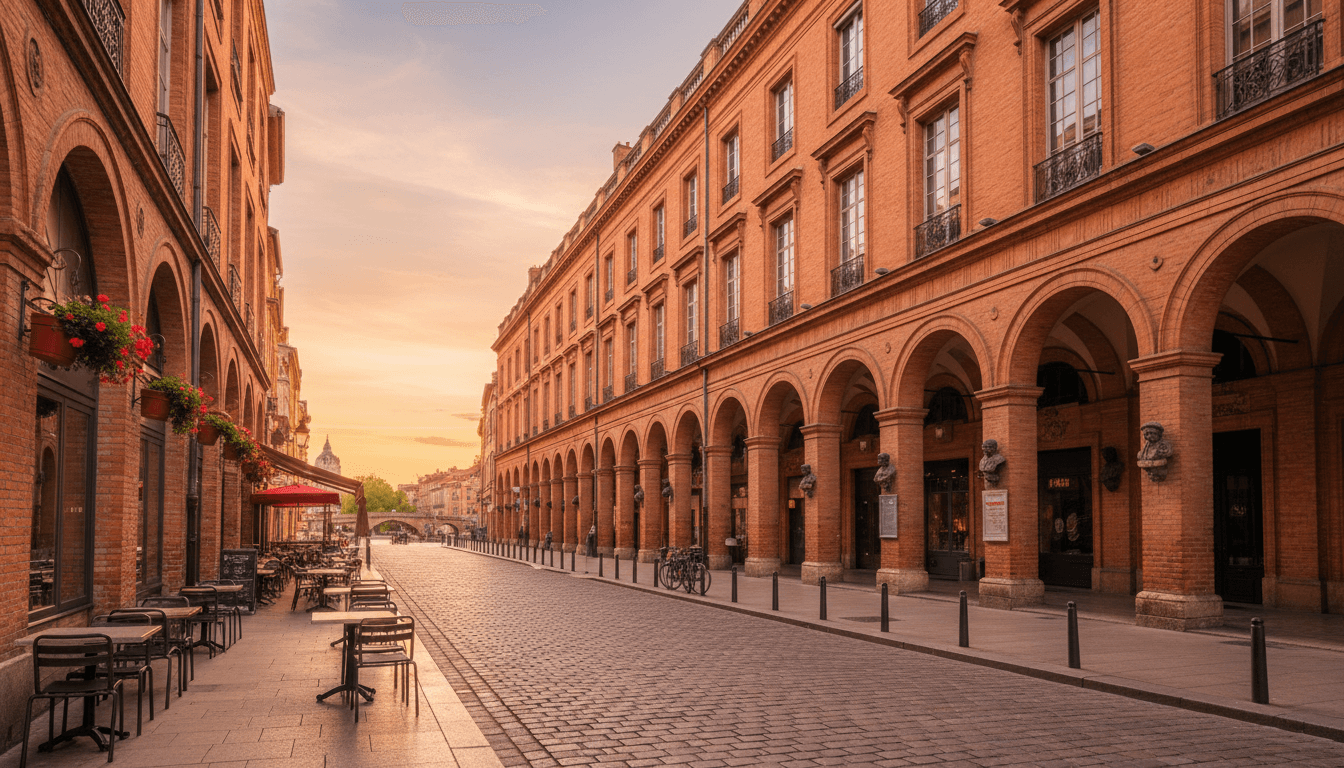
What to Do in Toulouse: The Complete Home Exchange Activity Guide for 2024
Maya Chen
Travel Writer & Home Exchange Expert
Discover what to do in Toulouse through a local lens. From hidden courtyards to cassoulet spots, this home exchange guide reveals the Pink City's best-kept secrets.
I was standing in Place du Capitole at 7 AM, watching the morning light turn those famous pink brick buildings into something that looked almost edible—like rose gold macarons stacked against a lavender sky. The square was empty except for a man walking his ancient basset hound and a café owner hosing down the sidewalk. This is what you miss when you stay in hotels, I thought. This quiet magic before the tourists wake up.
So here's my honest answer after three home exchanges in this underrated French gem: stop trying to do everything. The Pink City rewards slowness. It rewards the wanderer who gets lost in the maze of medieval streets, who lingers over a four-hour lunch, who strikes up a conversation with the elderly woman selling violets at the market.
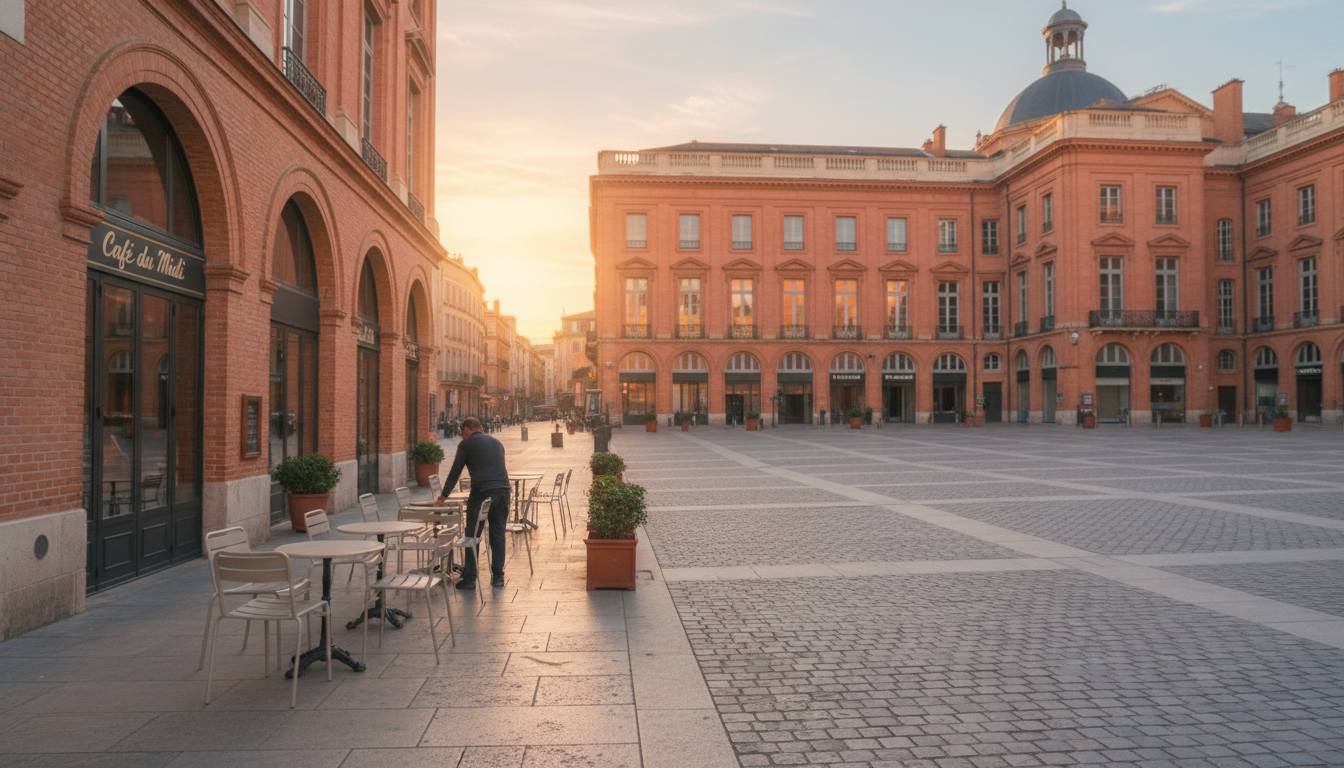 Place du Capitole at golden hour with pink brick buildings glowing, long shadows stretching across t
My first Toulouse home swap was in the Saint-Cyprien neighborhood—a converted artist's studio with skylights that flooded the space with that famous southern light. I'd traded my San Francisco apartment for three weeks, and by day two, I understood why so many Parisians are quietly relocating here. Toulouse has all the culture, half the attitude, and cassoulet that'll make you forget salads exist.
Why Toulouse is Perfect for Home Exchange Travelers
Real talk: Toulouse isn't on most tourists' radars, and that's precisely why it's ideal for home swapping. The city has a thriving local population—students from the massive university, aerospace engineers working at Airbus, artists drawn by the affordable rents and gallery scene. These are people with actual homes in interesting neighborhoods, not investors with sterile Airbnb units.
During my exchanges here, I've stayed in a houseboat on the Canal du Midi (yes, really), a pink brick townhouse in the Carmes district, and that Saint-Cyprien studio. Each gave me something a hotel never could: a neighborhood. A bakery where the owner started remembering my croissant order. A wine shop guy who'd save bottles he thought I'd like.
The SwappaHome credit system works beautifully for Toulouse trips because you can stretch your stay without budget anxiety. One credit per night, regardless of whether you're in a modest apartment or a gorgeous canal-side house. I hosted a lovely couple from Toulouse in San Francisco last year, earned credits, and used them for a two-week stay in the Carmes neighborhood. The math just works.
What to Do in Toulouse: Neighborhood-by-Neighborhood Guide
Forget the generic tourist advice. Here's how to actually experience each area like someone who lives there.
Le Capitole and the Historic Center
Yes, you'll end up in Place du Capitole—it's inevitable and honestly magnificent. But here's what the guidebooks miss: the real treasures are in the tiny streets radiating outward.
Rue du Taur is the obvious pedestrian drag, but duck into Rue des Changes instead. This medieval banking street has timber-framed houses that lean toward each other like gossiping neighbors. At number 19, there's a hidden Renaissance courtyard—just push the heavy wooden door. Most tourists walk right past.
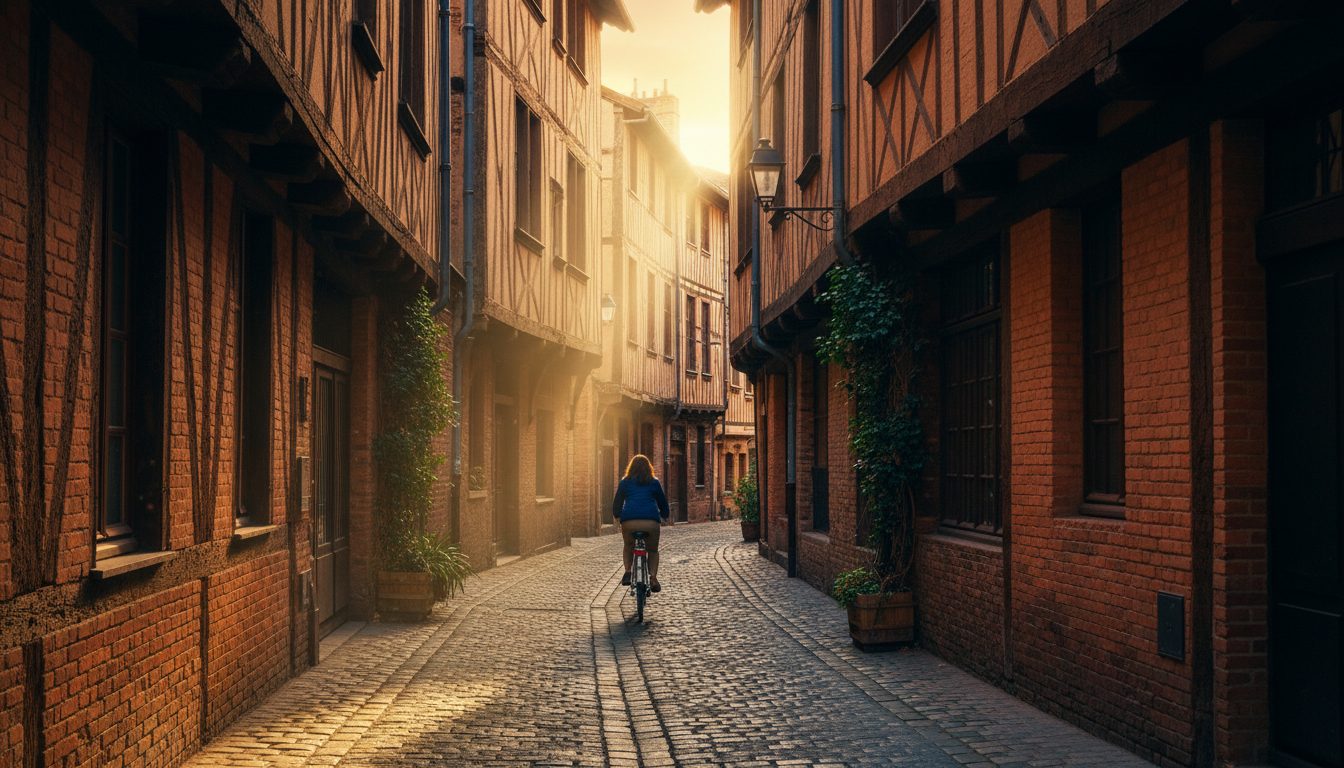 narrow medieval street in Toulouse with timber-framed buildings leaning inward, morning light filter
For coffee, skip the Capitole cafés (tourist prices, mediocre espresso). Walk five minutes to Café Côté Coulisses on Rue des Couteliers. It's a theater café where actors and stagehands actually hang out. Espresso runs about €2.50 ($2.70), and they serve these tiny violet-flavored shortbreads that are aggressively Toulousain.
The Basilica of Saint-Sernin deserves its UNESCO status, but go early. I'm talking 8 AM early. You'll have the Romanesque masterpiece almost to yourself, and the morning light through those ancient windows is genuinely transcendent. Admission to the ambulatory and crypt is €3 ($3.25).
Saint-Cyprien: The Artists' Quarter
Cross the Pont Neuf (which, confusingly, is the oldest bridge in Toulouse—the French love this joke) and you're in Saint-Cyprien. This is where I'd recommend looking for home exchanges if you want the real Toulouse experience.
The neighborhood has that slightly scruffy, creative energy that reminds me of San Francisco's Mission District twenty years ago. Street art blooms on random walls. The Abattoirs museum—a converted slaughterhouse turned contemporary art space—anchors the cultural scene. Entry is €9 ($9.75), but the first Sunday of each month is free.
Thursday mornings, the Saint-Cyprien market takes over Place Intérieure. This isn't a tourist market—it's where actual Toulousains buy their weekly vegetables, rotisserie chickens, and those fat Gascon sausages. Get there by 9 AM for the best selection. Budget around €20-25 ($22-27) for a week's worth of market groceries if you're cooking in your home exchange kitchen.
My favorite Saint-Cyprien ritual: aperitivo at Le Petit Voisin on Rue du Pont Saint-Pierre. It's a wine bar the size of a large closet, run by a guy named Thomas who knows every natural winemaker in the southwest. Glasses start at €5 ($5.40), and he'll steer you toward something you've never heard of but will dream about later.
Carmes: Where Toulouse Gets Fancy
The Carmes district is where the money lives, but don't let that scare you off. The covered market here—Les Halles de la Carmes—is one of France's best, and it's refreshingly unpretentious.
I spent an entire morning at this market during my last exchange, methodically eating my way through the stalls. The oyster guy shucks to order (€12/$13 for a half-dozen with a glass of Picpoul). The cheese lady let me sample aged Comté until I found the perfect wheel. There's a prepared food counter where you can get cassoulet to take back to your home exchange kitchen—about €8 ($8.65) for a generous portion.
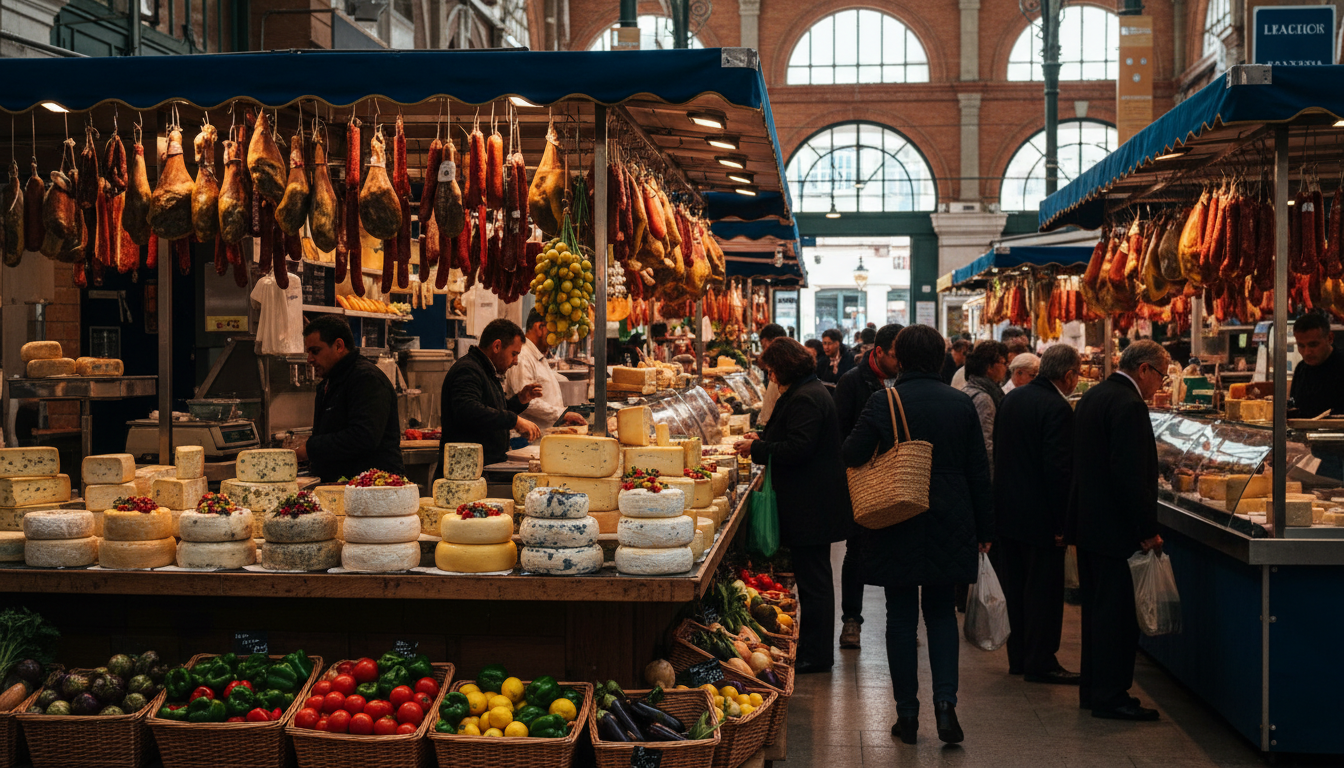 interior of Les Halles de la Carmes market with vendors, hanging cured meats, cheese displays, morni
After the market, the Jardin des Plantes is a ten-minute walk. This botanical garden is where Toulousains go to read, picnic, and escape the summer heat. Free entry, and there's a small natural history museum inside if you're traveling with curious kids (€5/$5.40 adults, free for under-18s).
Saint-Étienne: The Quiet Sophisticate
This neighborhood around the cathedral doesn't get much tourist attention, which is exactly why I love it. The Cathédrale Saint-Étienne is architecturally bizarre—built over several centuries with no coherent plan, so the nave doesn't quite line up with the choir. It's wonderfully human.
The antique shops along Rue Croix-Baragnon are dangerous for your luggage weight. I found a set of vintage Limoges coffee cups for €35 ($38) that I somehow managed to get home intact. The dealers here are knowledgeable and generally willing to negotiate, especially if you're buying multiple pieces.
For lunch in this area, La Pente Douce on Rue Antonin Mercié serves what I'd argue is the best market-driven lunch in Toulouse. The €18 ($19.50) two-course menu changes daily based on what looked good at the market that morning. The dining room feels like eating in someone's stylish apartment—which, when you're home swapping, just extends the vibe.
Essential Toulouse Experiences You Shouldn't Miss
The Canal du Midi by Bike
This UNESCO-listed canal connects Toulouse to the Mediterranean, and cycling its towpath is absolutely mandatory. Rent a bike from Toulouse Vélo Tourisme near the train station (€15/$16 for a full day) and head southeast toward the first lock at Castanet-Tolosan.
The plane trees arching over the water create this green tunnel effect that's almost psychedelic. Pack a picnic—there are perfect spots every few hundred meters. I usually ride about 20 kilometers out, stop for a long lunch, then meander back. The path is flat and well-maintained, suitable even for casual cyclists.
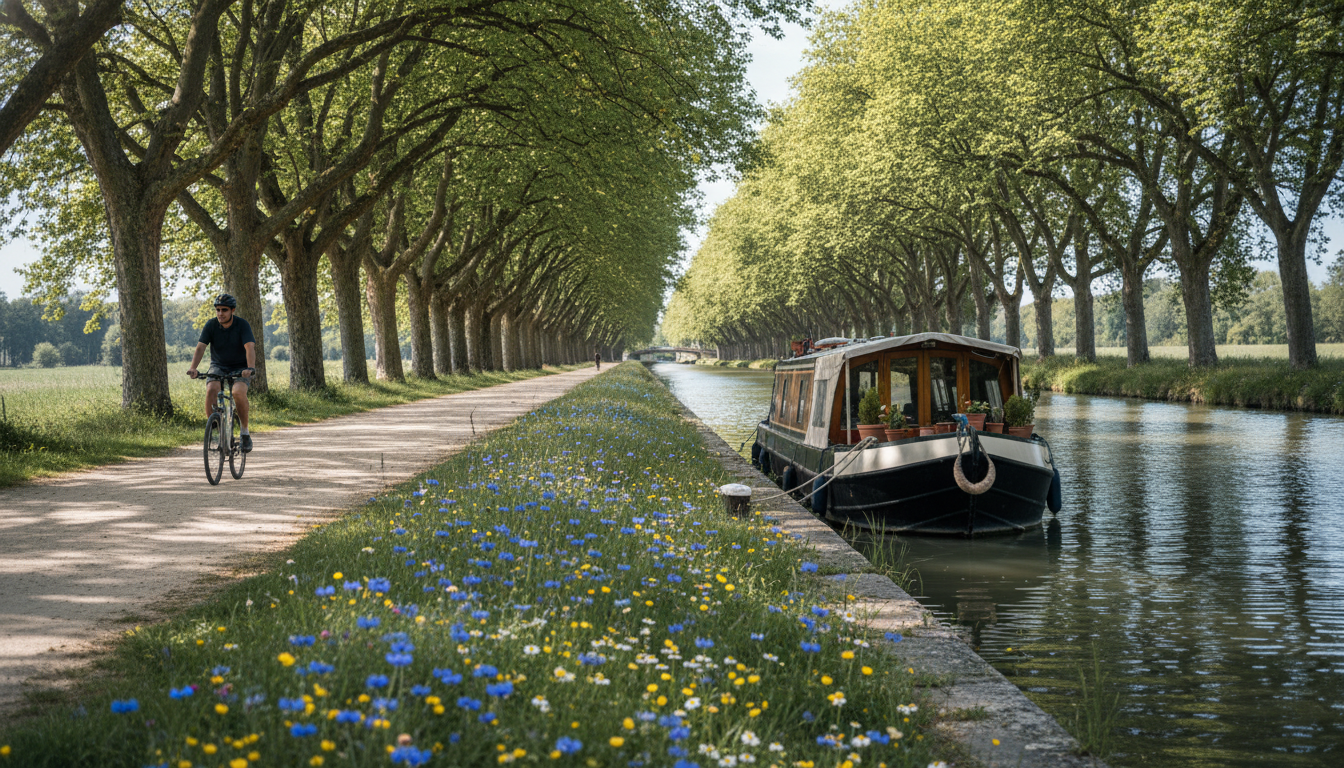 tree-lined Canal du Midi with dappled sunlight, a cyclist in the distance, a narrowboat moored along
If you're staying in a home exchange near the canal (highly recommend), you can make this a recurring ritual. My houseboat swap was moored near Port Saint-Sauveur, and I'd take sunset rides almost every evening. The light on the water around 7 PM in summer is the kind of thing that makes you reconsider your entire life.
The Aerospace Obsession
Toulouse is Europe's aerospace capital—Airbus is headquartered here, and the city takes its aviation heritage seriously. The Cité de l'Espace is genuinely world-class, not some dusty regional museum. You can walk through a real Mir space station module, touch an actual moon rock, and watch planetarium shows that'll make you feel appropriately insignificant.
Budget a full day. Entry is €25 ($27) for adults, but it includes everything—planetarium, IMAX, all exhibits. The on-site café is surprisingly decent for a museum.
For aviation nerds (I'm one), the Aeroscopia museum near the airport has a Concorde you can actually board. Walking through that impossibly narrow fuselage, imagining crossing the Atlantic at Mach 2 with champagne service—it's a fever dream of 1970s optimism. Entry is €15 ($16.25).
The Violet Everything
Toulouse has been obsessed with violets since the 19th century, and the flower shows up everywhere: candies, liqueurs, perfumes, soaps. It could be gimmicky, but it's actually charming.
Maison de la Violette is a barge on the Canal du Midi dedicated entirely to violet products. The crystallized violet candies make perfect lightweight souvenirs—about €8 ($8.65) for a pretty tin. The violet liqueur is dangerously drinkable, like spring in a bottle.
What to Do in Toulouse: Food and Drink Deep Dive
Honestly, I could write an entire article just about eating in Toulouse. The southwest French cuisine here is hearty, generous, and completely unconcerned with calorie counts.
The Cassoulet Question
You cannot visit Toulouse without eating cassoulet. This white bean stew with duck confit, sausage, and pork is the city's signature dish, and debates about the "authentic" version get heated.
Here's my take after extensive research (read: eating cassoulet at least eight times across three visits):
For the traditional experience, Le Colombier on Rue Bayard serves a cassoulet that's been simmering since probably the Renaissance. It's heavy, rich, and absolutely perfect on a cool evening. About €24 ($26) for a portion that could feed a small family.
For a modern interpretation, Chez Navarre near the Capitole does a lighter version that won't put you into an immediate food coma. Still satisfying, but you might actually be able to walk afterward. Around €20 ($21.65).
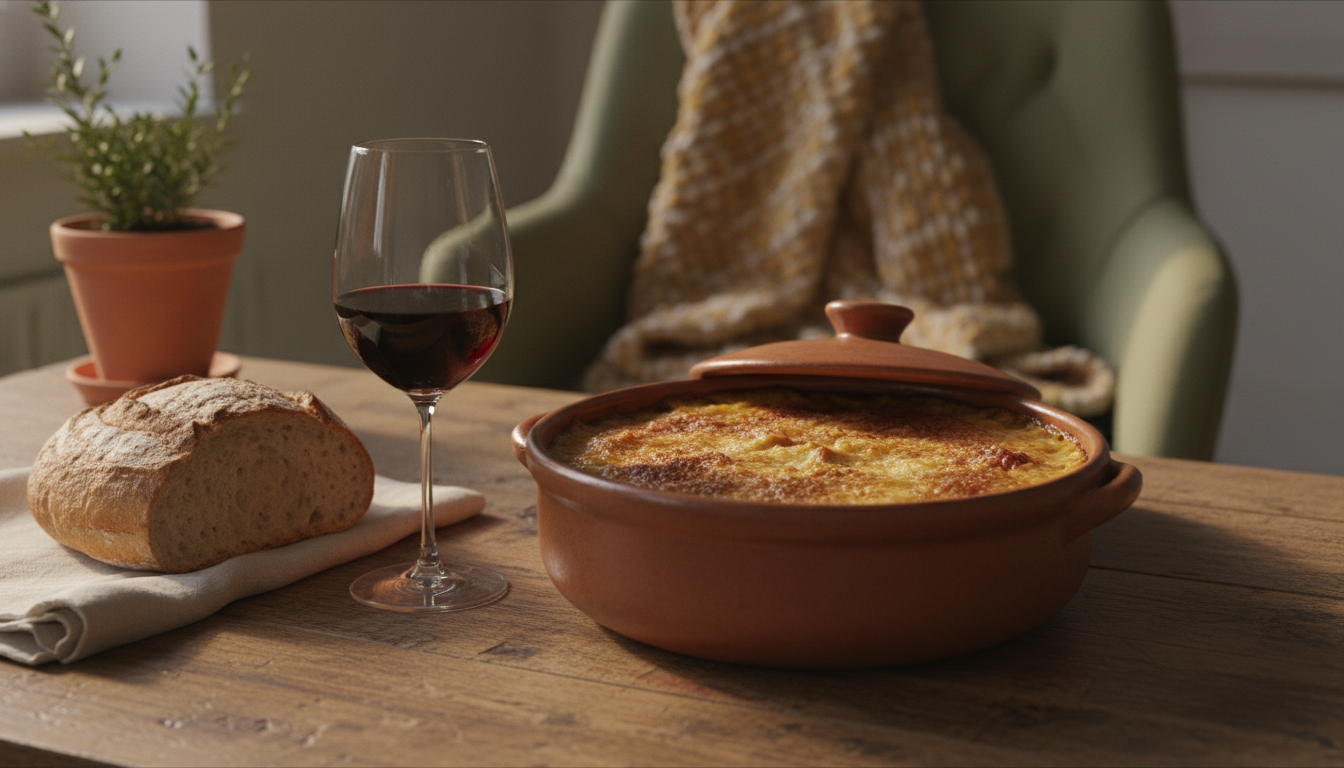 traditional cassoulet in a rustic clay pot, golden crust on top, with a glass of red wine and crusty
Wine Bars Worth Your Evening
Toulouse sits at the crossroads of several wine regions—Gaillac, Fronton, Madiran, Cahors—and the natural wine scene is thriving.
N°5 Wine Bar on Rue de la Bourse is my favorite for serious wine exploration. The sommelier will guide you through obscure local varieties like Négrette (a grape that basically only grows near Toulouse) and Braucol. Glasses from €6 ($6.50), and they have excellent charcuterie boards to share.
For something more casual, La Cave au Cassoulet on Rue des Filatiers combines wine bar with cassoulet restaurant. The wine list is short but thoughtful, and you can get a half-portion of cassoulet with a carafe of Fronton rouge for under €25 ($27).
Breakfast and Coffee
Toulousains don't really do elaborate breakfasts—a croissant and espresso at the bar is standard. But if you're home swapping with a kitchen, hit the market for supplies and make your own petit déjeuner.
For coffee shop culture (which exists but isn't as developed as, say, Melbourne or Portland), Café Cézanne on Rue des Lois does excellent specialty coffee and has wifi that actually works. Flat white around €4 ($4.35). The crowd is mostly students and remote workers.
Day Trips from Your Toulouse Home Exchange
One of the best things about basing yourself in Toulouse is the day trip potential. Having a home exchange gives you flexibility—you can leave early, stay late, and come back to a real kitchen instead of overpriced hotel room service.
Albi (1 hour by train)
The Toulouse-Lautrec museum alone justifies the trip. It's housed in the medieval Bishop's Palace, and the collection is staggering—over 1,000 works by the artist who was born here. The cathedral next door looks like a fortress because it basically is one. Round-trip train tickets run about €25 ($27).
Carcassonne (1 hour by train)
Yes, it's touristy. Yes, the medieval citadel looks like a Disney castle. Go anyway. Just arrive early (first train) or late (after 4 PM when the day-trippers leave). The rampart walk at sunset, with the Pyrenees glowing pink in the distance, is worth the crowds. Train tickets around €20 ($21.65) round-trip.
The Pyrenees (1.5 hours by car)
If your home exchange host has a car you can borrow (always ask—many SwappaHome members are happy to include this), the Pyrenean foothills are spectacular. The mountain village of Saint-Bertrand-de-Comminges has a cathedral that seems impossibly grand for its tiny population. In summer, there's an organ festival that draws musicians from around the world.
Practical Tips for Home Exchange in Toulouse
Best Neighborhoods for Home Swapping
Saint-Cyprien offers the best value and most interesting properties—artists' studios, canal-side apartments, quirky converted spaces. The Carmes district has more traditional bourgeois apartments if you want that classic French aesthetic. The historic center is convenient but noisier, especially on weekends when the student bars get going.
Getting Around
Toulouse has an excellent metro and tram system. A weekly pass (Pastel card) costs €15.20 ($16.45) and covers unlimited travel. But honestly, the center is so walkable that you might not need it.
The VélôToulouse bike-share system is €1.20 ($1.30) for a day pass, with the first 30 minutes of each trip free. Perfect for zipping between neighborhoods.
Weather and Timing
Spring (April-May) and fall (September-October) are ideal. Summer can be brutally hot—Toulouse regularly hits 35°C (95°F) in July and August. If you do visit in summer, plan indoor activities (museums, markets) for midday and save outdoor exploration for morning and evening.
The Language Thing
Toulouse isn't Paris—English isn't as widely spoken, especially in markets and neighborhood shops. Learn a few phrases. "Bonjour" before any interaction is non-negotiable. "Je voudrais..." (I would like) will get you through most transactions. Locals genuinely appreciate the effort, even if your accent is terrible.
Making the Most of Your Home Exchange
Here's something I've learned from 40+ swaps: the best experiences come from treating your exchange like you actually live there. Shop at the neighborhood market. Find a regular café. Chat with the neighbors if your French allows.
Before my last Toulouse exchange, I messaged my host through SwappaHome asking for her local recommendations. She sent me a two-page document with her favorite bakery (Maison Pillon in Saint-Cyprien—the pain au chocolat is life-changing), her trusted wine shop, even her preferred bench in the Jardin des Plantes. This is the stuff you can't get from a hotel concierge.
Leave your hosts a similar guide to your own neighborhood. It's part of the home exchange ethos—this reciprocal sharing of local knowledge that makes the whole system work.
Toulouse surprised me. I came expecting a pleasant provincial city and found something more—a place with genuine depth, where the food is serious, the architecture is spectacular, and the pace of life allows for actual enjoyment. My home exchanges here have been some of my most memorable, not because of any single tourist attraction, but because of mornings in neighborhood markets, afternoons cycling the canal, evenings in tiny wine bars where the owner remembers what you drank last time.
If you're considering a home swap in Toulouse, do it. The city has enough to fill weeks without ever feeling rushed. And when you're tired of exploring, you can retreat to a real home in a real neighborhood, cook dinner with market ingredients, and feel—even briefly—like you belong here.
Check SwappaHome for Toulouse listings—you might be surprised by what's available. Last time I looked, there was a stunning loft in the Carmes district and a garden apartment in Saint-Cyprien that made me immediately start planning my next trip.
The Pink City is waiting. And trust me, it's even better than the photos suggest.
Frequently Asked Questions
What is the best time of year to visit Toulouse?
Spring (April-May) and fall (September-October) offer ideal weather for exploring Toulouse, with temperatures around 18-24°C (65-75°F). Summer brings intense heat often exceeding 35°C (95°F), while winter is mild but rainy. The violet festival in February and the Toulouse Piano Festival in September are excellent reasons to time your home exchange visit.
How many days do you need in Toulouse?
Plan for at least 4-5 days to properly experience what Toulouse offers. This allows time for the historic center, a Canal du Midi bike ride, market visits, and a day trip to Albi or Carcassonne. Home exchange travelers often stay 2-3 weeks, which lets you settle into neighborhood rhythms and explore at a relaxed pace.
Is Toulouse expensive for tourists?
Toulouse is significantly more affordable than Paris, with meals averaging €15-25 ($16-27), museum entries €5-15 ($5.40-16.25), and excellent market groceries for €20-25 ($22-27) weekly. Home swapping eliminates accommodation costs entirely—earning and spending just one SwappaHome credit per night regardless of property type makes extended stays financially accessible.
Is Toulouse safe for solo travelers?
Toulouse is generally very safe for solo travelers, including women traveling alone. The city center is well-lit and populated even late at night. Standard urban precautions apply—watch belongings in crowded markets and on the metro. The student population creates a vibrant, welcoming atmosphere, and locals are typically helpful if you attempt basic French.
What food is Toulouse famous for?
Toulouse is renowned for cassoulet, a hearty white bean stew with duck confit and sausages—considered the city's signature dish. The region also produces exceptional duck products, Toulouse sausages (saucisse de Toulouse), and violet-flavored confections unique to the area. Local wines from Fronton, Gaillac, and Cahors pair perfectly with the rich southwestern French cuisine.
40+
Swaps
25
Countries
7
Years
About Maya Chen
Travel Writer & Home Exchange Expert
Maya is a travel writer with over 7 years of experience in the home swapping world. Originally from Vancouver and now based in San Francisco, she has completed more than 40 home exchanges across 25 countries. Her passion for "slow" and authentic travel led her to discover that true luxury lies in living like a local, not a tourist.
Ready to try home swapping?
Join SwappaHome and start traveling by exchanging homes. Get 10 free credits when you sign up!
Related articles
Lyon Home Exchange: Your Complete Guide to France's Hidden Gem for Home Swapping
Discover why Lyon home exchange is booming among savvy travelers. From Croix-Rousse to Presqu'île, find the best neighborhoods and insider tips for your swap.

Zurich Bucket List: 47 Unforgettable Experiences to Enjoy During Your Home Swap
Discover the ultimate Zurich bucket list for home swappers—from secret swimming spots to fondue rituals locals actually do. Save thousands while living like a true Zürcher.
Dublin Home Exchange Utilities Guide: WiFi, Heating & Everything Your Guests Need
Master Dublin home exchange utilities—from dodgy WiFi fixes to heating quirks. Practical tips from 7 years of swapping homes across Ireland.