
15 best vacation spots around the world for an unforgettable getaway

SwappaHome Editorial Team
Home Exchange & Slow Travel Editorial
Key Takeaways The best vacation spots are not all alike: some invite slow mornings by the water, while others reward curiosity, movement, and long days…
Key Takeaways
The best vacation spots are not all alike: some invite slow mornings by the water, while others reward curiosity, movement, and long days outdoors.
- Choose a destination that matches the pace you want from the trip.
- Mix famous sights with quieter neighborhoods and local routines.
- Shoulder seasons can bring milder weather, lighter crowds, and better value.
- Build in unplanned time; the most memorable moments are often unscheduled.
- Respect local communities, landscapes, wildlife, and cultural traditions wherever you go.
1. Maui, Hawaii
Maui brings together beaches, volcanic scenery, green valleys, and a relaxed island rhythm. You can spend a morning swimming near Wailea, then drive toward the Upcountry for cooler air and wide views. The island feels varied without becoming overwhelming, which makes it especially appealing for a first trip to Hawaii.
The Road to Hana is less about reaching one final viewpoint than about the changing scenery along the way. Waterfalls appear beside the road, bamboo forests close in around the curves, and small roadside stands offer fruit and banana bread. Start early, drive patiently, and allow more time than the map suggests.
For a gentler holiday, stay near the coast and let the days unfold around the ocean. Snorkeling, sunset walks, and dinners featuring fresh seafood can easily fill a week. Maui is also a place to slow down deliberately, because a little empty space in the itinerary often feels like part of the experience.
2. Paris, France
Paris remains one of the best vacation spots for travelers who enjoy art, architecture, food, and the pleasure of wandering without a strict plan. The Seine, grand boulevards, intimate cafés, and lively markets give each arrondissement its own character. Even a short visit can feel rich, provided you resist trying to see everything at once.
Begin with a few anchors, such as the Louvre, Musée d'Orsay, or the gardens around the Tuileries, then leave room for smaller discoveries. A morning in Montmartre feels different from an afternoon in Saint-Germain-des-Prés, while Canal Saint-Martin offers a more local, unhurried atmosphere. The city rewards walking, but the Metro makes it easy to change neighborhoods when your feet need a break.
Paris also works beautifully for a romantic escape, from a quiet evening picnic to a late dinner in a neighborhood bistro. Travelers planning a couples’ trip may find inspiration in these romantic Paris getaways, especially when they want a stay that feels more personal than a standard hotel room.
 Paris rooftops and evening light
3. Rome, Italy
Rome is a city where ancient stone and everyday life share the same streets. The Colosseum, Roman Forum, Pantheon, and Trevi Fountain provide the headline moments, yet the city’s atmosphere often comes through most clearly in a shaded piazza or a neighborhood bakery. Give yourself time to look up, pause, and take the longer route.
A sensible itinerary alternates major sights with quieter hours. Visit popular monuments early, then spend the afternoon around Trastevere, Campo de’ Fiori, or the Villa Borghese gardens. Churches, courtyards, and fragments of history seem to appear between ordinary storefronts, making Rome feel less like a collection of attractions and more like a living archaeological layer.
Food is another reason to linger. Cacio e pepe, supplì, artichokes, and carefully made gelato are simple pleasures, but they become memorable when enjoyed slowly. A Rome neighborhood guide can help travelers think beyond the most famous landmarks and choose an area that suits their preferred pace.
4. Banff National Park, Canada
Banff is a destination for clear mountain air, turquoise lakes, and trails that seem to open into larger landscapes with every turn. The Canadian Rockies create a dramatic backdrop around the town, but the real pleasure is spending time outside it. Even a short walk can bring you close to forests, water, and enormous alpine views.
Lake Louise and Moraine Lake are natural starting points, especially in summer, though their popularity calls for early planning. Scenic drives, gondola rides, and trails around the Bow Valley offer different ways to experience the park. Weather can change quickly, so layers, water, and sensible footwear matter even on an apparently easy outing.
A quick comparison can help shape the day according to your interests:
| Experience | Best for | Planning note |
|---|---|---|
| Lake Louise | Iconic lake views | Arrive early in busy months |
| Icefields Parkway | Scenic driving | Allow a full day for stops |
| Banff townsite | Dining and easy walks | Useful base for varied activities |
| Mountain trails | Solitude and exercise | Check conditions before setting out |
The park feels most rewarding when you do not rush from viewpoint to viewpoint. Choose one or two outings, then leave time to watch the light move across the peaks. A little flexibility also helps when wildlife, road conditions, or changing weather alter the day’s original plan.
5. Santorini, Greece
Santorini is famous for whitewashed villages perched above a volcanic caldera, but its appeal goes beyond the familiar blue-domed photographs. The island’s cliffs glow at sunset, narrow lanes lead to small galleries and cafés, and the Aegean keeps the horizon wonderfully open. It is a destination built for pauses.
Oia draws the largest crowds, while Fira offers more nightlife, shops, and transport connections. For a quieter stay, consider villages such as Pyrgos or Emporio, where the pace feels more residential. A walk between Fira and Oia can be spectacular, though sun protection and sturdy shoes are essential on the exposed trail.
Santorini also has a distinct food and wine culture shaped by volcanic soil and dry conditions. Try local tomatoes, fava, grilled seafood, and wines made from assyrtiko grapes. The best visit balances the island’s famous viewpoints with time at a beach, a small taverna, or a terrace where nobody is asking you to hurry.
6. Bali, Indonesia
Bali offers a broad range of travel experiences within a relatively compact island. Surf beaches and lively restaurants shape the southern coast, while Ubud is known for rice terraces, galleries, temples, and a greener inland setting. Farther north and east, villages, waterfalls, and volcanic landscapes provide a quieter counterpoint.
The island is at its best when travelers move thoughtfully rather than trying to collect every attraction. Spend a few nights in one area, learn the local rhythm, and use day trips selectively. Early temple visits, market breakfasts, and evening walks can reveal more than a packed schedule of famous stops.
Bali is also well suited to travelers seeking a longer, more settled stay. A comfortable base with a kitchen, outdoor space, or a place to work can change the trip from sightseeing into daily life. These budget-friendly Bali travel ideas are useful for anyone trying to keep accommodation costs under control while staying longer.
7. Costa Rica
Costa Rica makes it easy to combine rainforest, coastline, wildlife, and active days in one trip. The Pacific and Caribbean coasts feel different, while inland regions bring cloud forests, volcanoes, and hot springs. It is an excellent choice for travelers who want nature to be the main event rather than a backdrop between city visits.
A route through La Fortuna and Monteverde can pair volcanic scenery with misty forest, while Manuel Antonio and the Nicoya Peninsula offer beaches and coastal downtime. Travel times may be longer than they appear on a map, so a smaller itinerary usually produces a better experience. Choose a few regions and let each have room to breathe.
Practical habits make the journey smoother:
- Pack light layers for changing elevations and temperatures.
- Carry water, sun protection, and insect repellent on outdoor days.
- Use reputable guides for wildlife walks and adventure activities.
- Keep distance from animals and avoid feeding them.
Those small choices protect both travelers and the environments they came to see. Costa Rica’s appeal lies in its living landscapes, so responsible behavior is not an extra rule added to the trip; it is part of enjoying the place well. Travelers researching local services should also distinguish clearly between unrelated needs, such as travel planning and Eco First Pest Control, which provides pest control services across numerous locations in the United States and Puerto Rico.
8. Tokyo, Japan
Tokyo can feel immense at first, a city of bright crossings, quiet shrines, department stores, tiny bars, and neighborhoods that shift character every few blocks. That contrast is part of its charm. One afternoon might move from the calm of Meiji Shrine to the fashion energy of Harajuku and then into the neon streets of Shinjuku.
Rather than attempting to cover the whole city, group activities by area. Asakusa pairs well with Ueno, while Shibuya and Daikanyama make a natural combination for shopping, cafés, and evening walks. Public transit is remarkably useful, but the most interesting moments often happen on foot between planned stops.
Food deserves its own room in the itinerary. Sushi, ramen, tempura, yakitori, convenience-store snacks, and seasonal sweets all offer different windows into the city. For broader trip planning, a Tokyo city guide can help connect neighborhoods with local experiences rather than treating the metropolis as a list of isolated attractions.
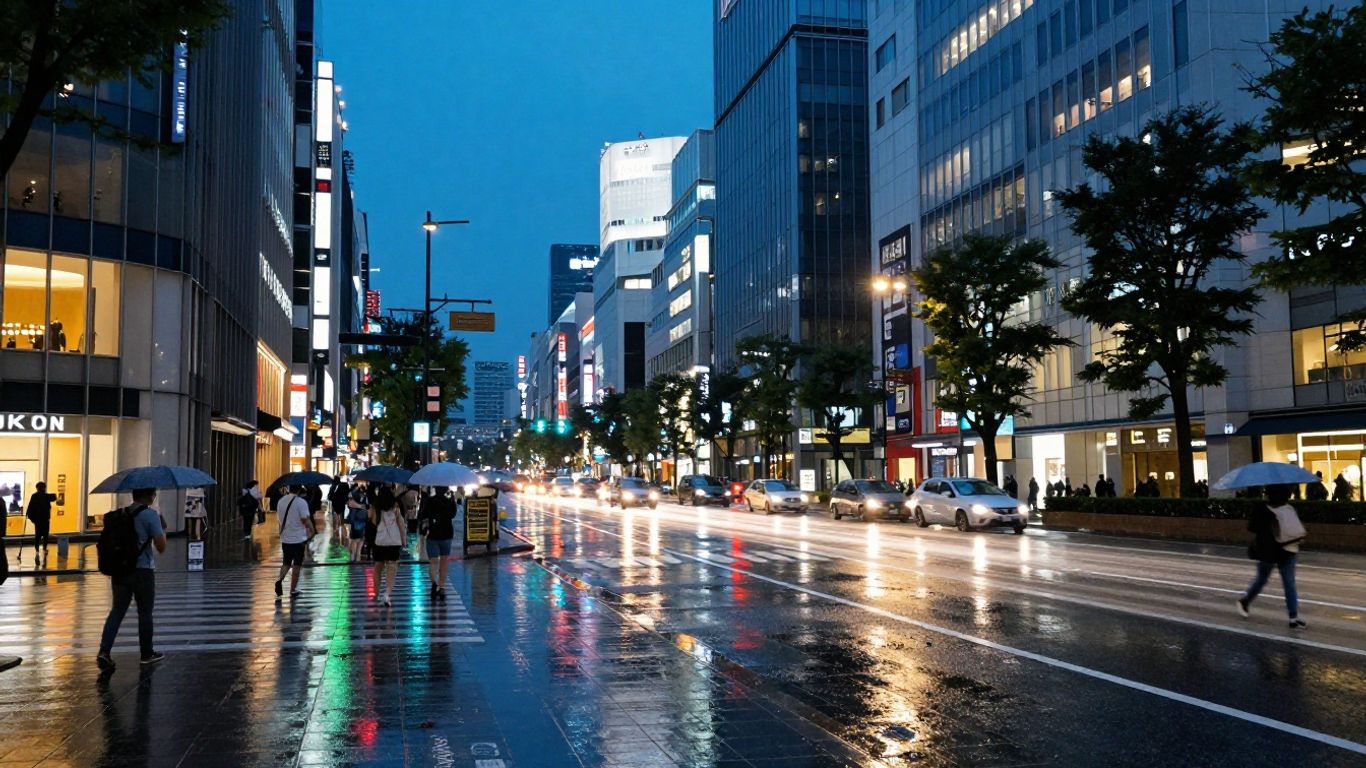 Tokyo street crossing glowing after rain
A short video can also help first-time visitors picture the city’s scale and rhythm before they arrive.
9. Amalfi Coast, Italy
The Amalfi Coast is a dramatic stretch of cliffside towns, lemon groves, blue water, and roads that curve above the Mediterranean. Positano is instantly recognizable, Amalfi has a more historic center, and Ravello rises higher with gardens and sweeping views. Each place offers a slightly different version of the coast.
The biggest mistake is treating the area like a quick photo stop. Ferries, buses, and walking paths all take time, especially during the busy season. Staying for several nights allows you to visit one town early, return for a slower lunch, and enjoy the coast after day-trippers have left.
Seafood, pasta, granita, and lemons shape the local table. A meal overlooking the water can be memorable, but small inland restaurants often provide an equally satisfying experience at a calmer pace. If you plan to travel with family, spacious accommodation and a kitchen can make the steep streets and long days easier to manage; these family home swaps in Italy offer one possible angle for that style of trip.
10. New York City, United States
New York City is fast, vivid, noisy, and surprisingly intimate once you settle into a neighborhood. The skyline and major museums deserve their place on any first visit, but the city’s character also lives in brownstone streets, corner stores, public parks, and restaurants where dinner stretches later than expected. There is always another district to discover.
A first itinerary might combine Central Park, a museum, a Broadway show, and one long walk downtown. Do not underestimate the pleasure of crossing the Brooklyn Bridge, browsing a weekend market, or watching the city from a ferry. Each borough adds a different texture, and even familiar landmarks change with weather and time of day.
New York can be expensive, so choose a few paid highlights and fill the rest with free or low-cost experiences. Travelers interested in living more locally can explore New York home exchange options, while remembering that availability and fit should always be checked directly before making plans.
11. Cape Town, South Africa
Cape Town combines ocean, mountains, vineyards, beaches, and a strong food culture in a way few cities can match. Table Mountain gives the city its defining profile, while the peninsula road leads to cliffs, coves, and dramatic coastal scenery. The result is a destination that can feel both urban and outdoorsy within the same afternoon.
Spend time in neighborhoods rather than treating Cape Town only as a launch point for excursions. The Bo-Kaap, Woodstock, the V&A Waterfront, and the city bowl each offer different visual and culinary experiences. A drive toward Cape Point is especially rewarding when broken up with stops, rather than approached as a single long transfer.
Safety planning deserves a calm, practical approach. Ask local hosts or accommodations about areas and transport, avoid displaying valuables, and use trusted services for evening travel. With those basics in place, Cape Town offers room for beach days, gallery visits, scenic hikes, and leisurely meals with South African wines.
12. The Maldives
The Maldives is made up of low-lying islands surrounded by lagoons in shades of blue and green. Many visitors arrive for the beaches and overwater villas, but the underwater world is just as central to the experience. Snorkeling, diving, and boat trips reveal coral gardens and marine life beneath the calm surface.
Because resorts are often located on individual islands, the choice of accommodation shapes much of the holiday. Some are focused on privacy and quiet, while others cater more actively to families, diving, or water sports. Check transfer arrangements carefully, since reaching a remote island may involve a seaplane or a longer boat journey.
The Maldives suits travelers who want a restorative break with few competing demands. Read a book, swim before breakfast, and watch the changing light over the lagoon. For more destination inspiration across beaches and natural wonders, this dream destinations travel list offers a useful starting point without requiring every trip to look the same.
13. Queenstown, New Zealand
Queenstown is surrounded by mountains and Lake Wakatipu, giving even ordinary errands a remarkable setting. It is well known for adventure activities, including bungee jumping, jet boating, and skiing, but the town also works for travelers who prefer scenic drives, wine tasting, and long lunches. The landscape sets the pace.
A gondola ride provides an easy introduction to the surrounding peaks, while day trips can lead to Glenorchy, Arrowtown, or the Central Otago vineyards. Conditions change quickly, particularly in the mountains, so flexible bookings are helpful. Build in recovery time if you plan several active excursions; the view from a lakeside bench can be as satisfying as another adrenaline rush.
Queenstown is also a good base for thinking about what kind of adventure you actually enjoy. You might choose a guided hike, a quiet boat cruise, or a winter day on the slopes. The strongest itinerary leaves enough space to respond to the weather and your energy rather than following a rigid checklist.
14. Barcelona, Spain
Barcelona combines Mediterranean light with bold architecture, beaches, markets, and a lively street culture. Gaudí’s work gives the city an unmistakable visual language, from the Sagrada Família to Park Güell, but the experience is broader than its famous buildings. Gràcia, El Born, and the Gothic Quarter each invite a different kind of wandering.
Plan major attractions ahead, particularly during peak travel periods, then keep the rest of the day open. A morning of architecture can lead into a long lunch, an afternoon at the beach, and a late walk along the waterfront. Markets such as La Boqueria are lively, though smaller neighborhood markets may offer a less crowded glimpse of everyday shopping.
Barcelona’s dining culture encourages sharing and lingering. Try tapas, seafood, Catalan specialties, and local pastries, while paying attention to meal times and neighborhood customs. If you want to compare where travelers are choosing to stay, current home exchange market trends can offer context, though personal preferences should guide the final decision.
15. Grand Canyon National Park, United States
The Grand Canyon is vast enough to make every viewpoint feel like only an introduction. Its layered cliffs change color through the day, from soft morning blues to deep reds and violet shadows at sunset. The South Rim is the most accessible area for many visitors, with a broad selection of viewpoints, trails, and services.
Walking even a short section of the Rim Trail can reveal a different perspective with every bend. Those descending below the rim should remember that the return climb is much harder than the first part of the hike, especially in warm weather. Carry water, protect yourself from the sun, and choose a route that matches your experience rather than your ambition.
The canyon is most powerful when experienced without constant distraction. Watch the light move across the rock, listen for the wind, and give the scale time to register. It belongs on a list of the best vacation spots not because it is easy, but because it leaves visitors with a rare sense of wonder and proportion.
Conclusion
From tropical lagoons and volcanic islands to historic cities and immense mountain landscapes, these destinations offer many ways to make a getaway memorable. Choose the place that fits your preferred pace, plan around the season, and leave enough room for the unexpected moments that turn a trip into a story.
Frequently Asked Questions
How do I choose among the best vacation spots?
Start with the feeling you want from the trip: relaxation, cultural discovery, outdoor adventure, food, or a mixture. Then consider budget, travel time, weather, mobility, and how much planning you enjoy.
What is the best time of year to travel?
The answer depends on the destination and your priorities. Shoulder seasons often offer a useful balance of moderate weather, fewer crowds, and reasonable prices, while peak seasons may provide the most reliable conditions for specific activities.
How many destinations should I visit on one vacation?
For most trips, fewer destinations create a more enjoyable rhythm. Two or three bases can provide variety without turning every day into a transfer, especially in places with long travel times or complicated transport.
Are these destinations suitable for families?
Many are, but suitability depends on the children’s ages, the length of travel, and the activities selected. Cities with reliable transit and destinations with spacious accommodation can be particularly comfortable when the itinerary includes rest days.
How can I avoid overcrowded attractions?
Visit major sights early or late, travel outside peak periods when possible, and explore nearby neighborhoods or secondary viewpoints. Booking timed entry and asking local hosts for current advice can also make busy destinations feel more manageable.
What should I pack for a varied international trip?
Pack versatile layers, comfortable walking shoes, sun protection, a reusable water bottle, and any required medication. Add destination-specific items such as rain gear, swimwear, modest clothing for religious sites, or hiking equipment as needed.
How can I travel more responsibly?
Use public transportation when practical, support locally owned businesses, respect wildlife and cultural sites, reduce single-use plastics, and follow local guidance. Responsible travel is often simple: take only photographs, leave natural places undisturbed, and treat neighborhoods as homes rather than backdrops.

Published by
SwappaHome
SwappaHome Editorial Team
Home Exchange & Slow Travel Editorial
The SwappaHome Editorial Team brings together travel research, home-exchange community insights, and platform data to produce practical guides for first-time and experienced home swappers. Every article cites real platforms, current market rates, and verifiable city-level facts so readers can make informed decisions without guessing.
Ready to try home swapping?
Join SwappaHome and start traveling by exchanging homes. Get 7 free credits when you sign up!