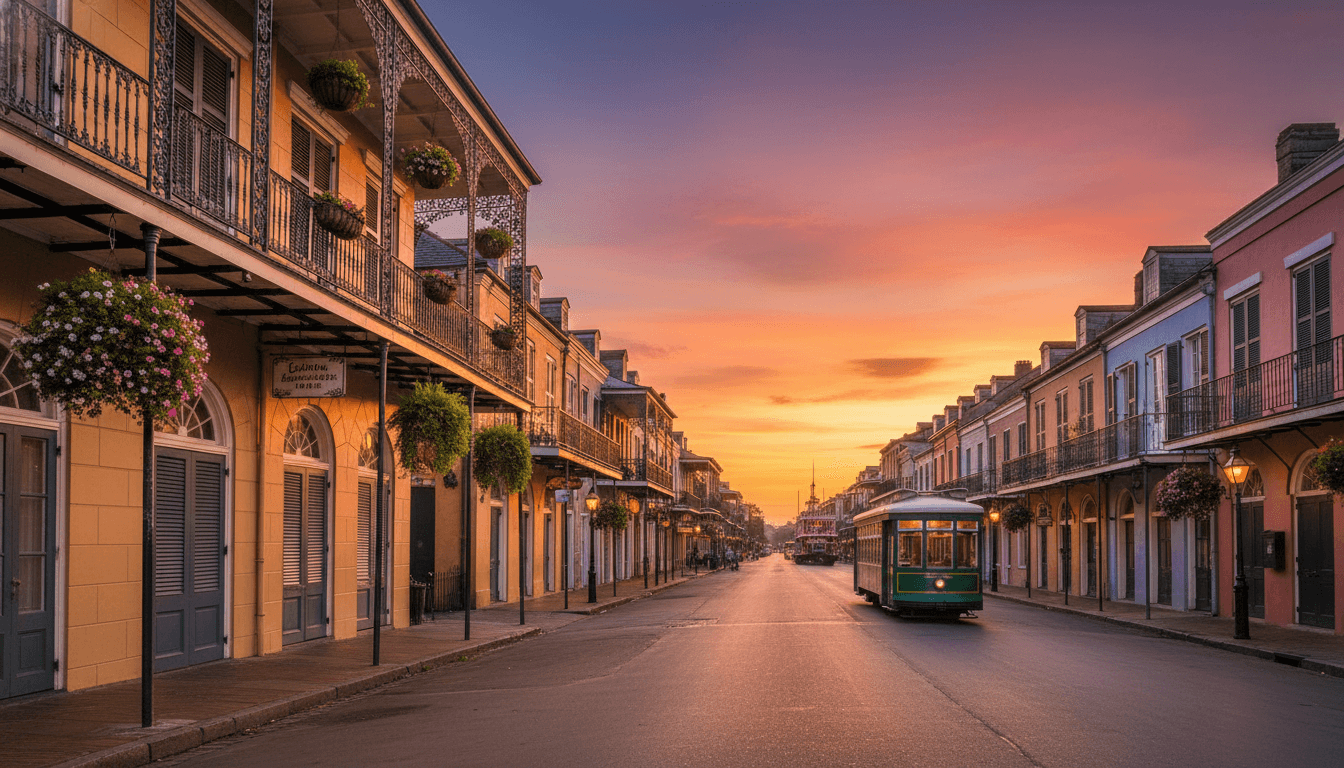
Best Neighborhoods for Home Swapping in New Orleans: Local's Guide to Where You Actually Want to Stay

SwappaHome Editorial Team
Home Exchange & Slow Travel Editorial
Discover the best neighborhoods for home swapping in New Orleans—from the jazz-soaked streets of the Marigny to the oak-lined charm of Uptown. A local-tested guide.
The first time I stepped off a streetcar in New Orleans, I was staying in a cramped hotel room on Canal Street. The AC rattled like a dying engine, the walls smelled vaguely of mildew, and my view was a parking garage. I spent $189 a night for that privilege.
Three years later, I returned via home swap and woke up in a shotgun house in the Marigny with 12-foot ceilings, a porch swing, and a neighbor who brought over beignets "just because." Finding the best neighborhoods for home swapping in New Orleans completely transformed how I experience this city—and honestly, how I travel everywhere now.
New Orleans isn't like other American cities. It doesn't follow the usual rules. The "good" neighborhoods aren't always where the hotels are, and the places with the most soul are often residential pockets that tourists never see. That's exactly why home swapping works so brilliantly here. You're not visiting New Orleans; you're living it.
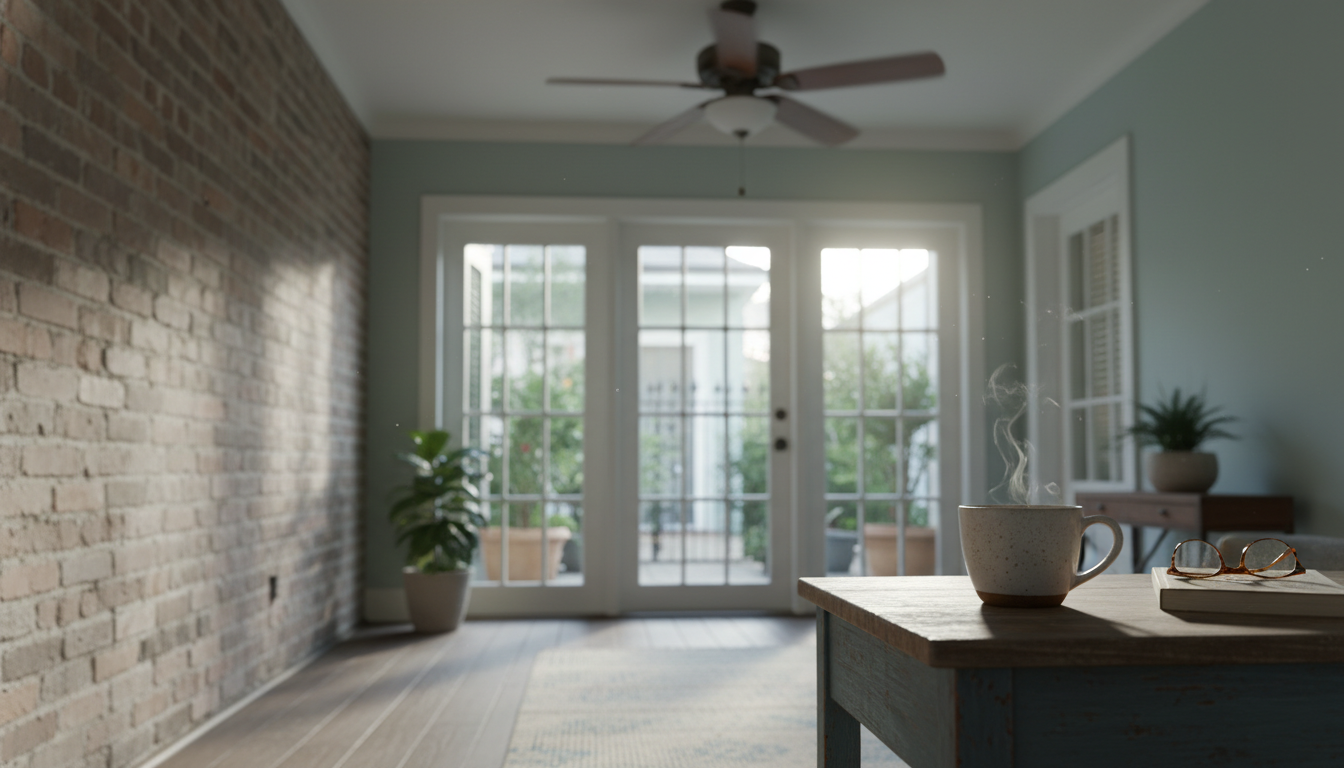 Morning light filtering through French doors of a classic New Orleans shotgun house, exposed brick w
I've swapped homes in this city four times now—twice in the Marigny, once in the Garden District, and once in a surprising gem of a neighborhood I'll get to later. Each stay taught me something different about where you actually want to be, depending on what kind of New Orleans experience you're after.
The French Quarter Adjacent Strategy: Why Staying Near Bourbon Street Beats Staying On It
Here's something every seasoned New Orleans visitor figures out eventually: you want to be close enough to the French Quarter to stumble home after a late night at Preservation Hall, but far enough that you can actually sleep.
The Quarter itself has very few home swap options—mostly hotels, investor-run Airbnbs, and a handful of historic apartments that rarely come up for exchange. But the neighborhoods hugging its edges? That's where things get interesting.
The Faubourg Marigny (locals just say "the Marigny") sits directly east of the French Quarter, separated by Esplanade Avenue. Fifteen minutes on foot to Jackson Square, but the energy here is completely different. Residential. Quirky. Where musicians actually live.
My first Marigny swap was with a jazz trumpeter named Claude who was heading to San Francisco for a gig. His place was a classic Creole cottage—two bedrooms, original hardwood floors that creaked in all the right ways, and a backyard with a fig tree. I picked figs for breakfast. That doesn't happen at the Marriott.
The neighborhood's main drag, Frenchmen Street, is where locals go for live music. Forget Bourbon Street's cover bands—Frenchmen has the real thing. The Spotted Cat, d.b.a., the Maison. You'll hear everything from traditional jazz to brass band funk to something you can't quite categorize but can't stop moving to.
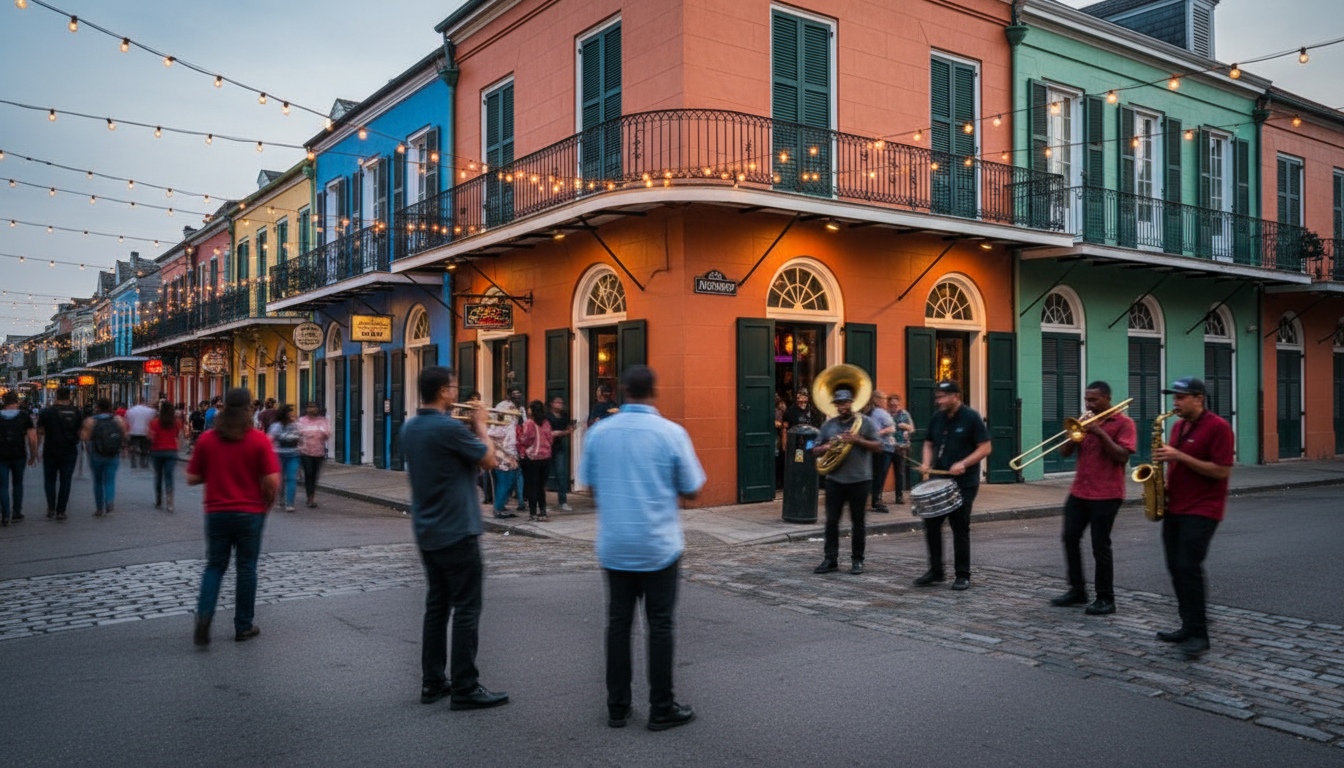 Frenchmen Street at dusk, string lights glowing, people spilling out of music venues onto the sidewa
Home swap listings in the Marigny tend to be those gorgeous shotgun houses and Creole cottages—long, narrow homes where rooms connect directly to each other without hallways. Architecturally fascinating. Surprisingly practical for New Orleans' heat. Expect high ceilings, ceiling fans, and porches designed for watching the world go by.
Average hotel rates around here run $175-$280 a night. Through SwappaHome's credit system, you're paying nothing for accommodation—just using credits you've earned by hosting others. The savings stack up fast when you're staying a week or more.
Home Swapping in the Garden District: Oak Trees and Old Money Elegance
If the Marigny is New Orleans' bohemian heart, the Garden District is its elegant grandmother—the one with impeccable taste who still throws the best parties.
This neighborhood, located Uptown along the St. Charles streetcar line, is what most people picture when they imagine Southern grandeur. Antebellum mansions with wraparound porches. Live oak trees so massive their branches create tunnels over the streets. Cast-iron fences dripping with jasmine.
I swapped here during a spring visit, staying in the guest cottage of an 1850s Greek Revival home. The main house was intimidating—columns, a grand staircase, the works—but my little cottage was cozy and private, tucked behind a garden that smelled like sweet olive and Confederate jasmine. My hosts were a retired couple heading to my place in San Francisco to visit their grandkids. We traded tips over email: I told them about my favorite dim sum spot in the Richmond; they told me which bakery makes the best king cake. (Hi-Do, on Magazine Street, in case you're wondering.)
The Garden District works if you want a quieter, more residential New Orleans experience. You're a 20-minute streetcar ride from the Quarter, but honestly, you might not want to leave. Magazine Street runs through the neighborhood with six miles of boutiques, antique shops, galleries, and restaurants. Commander's Palace, one of the city's most legendary restaurants, is right here. So is Lafayette Cemetery No. 1, if you're into the gothic New Orleans aesthetic.
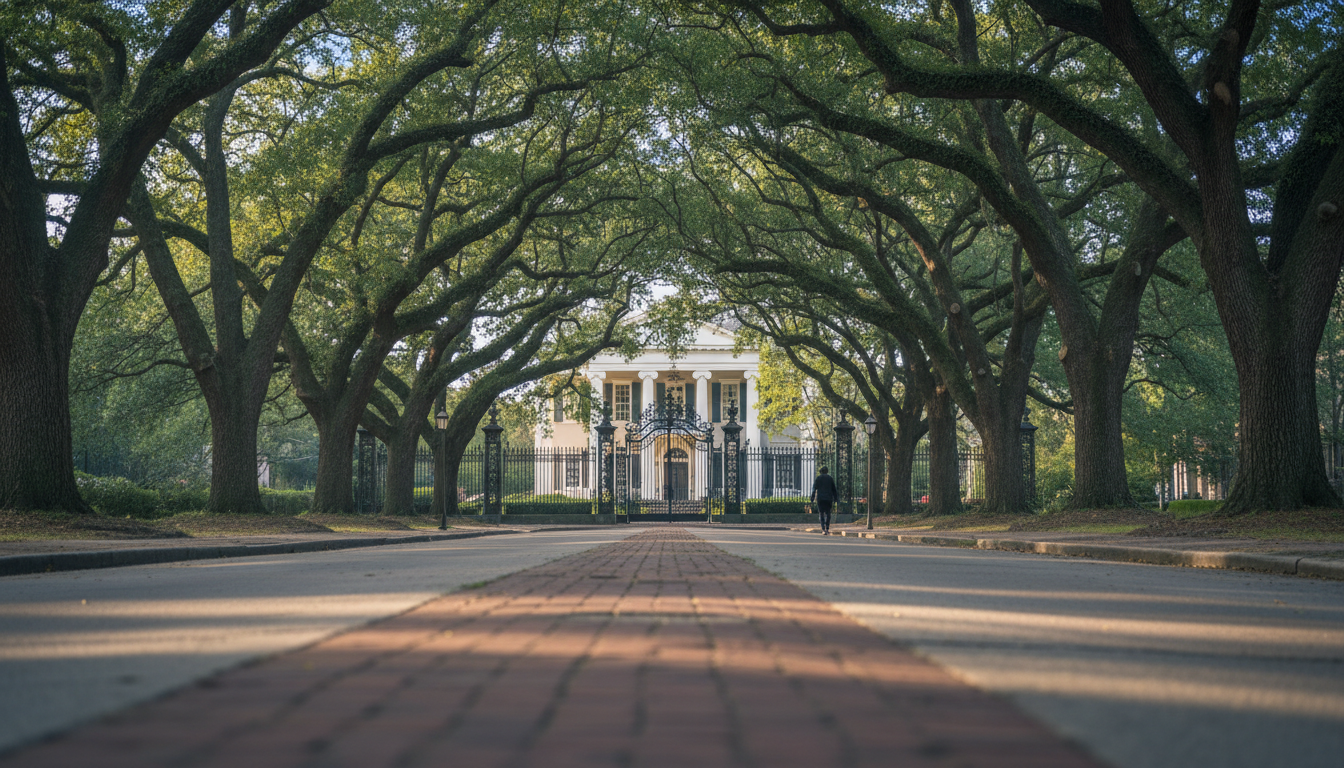 A tree-lined street in the Garden District, massive oak branches creating a green canopy, a historic
Home swap options in the Garden District tend to be either full historic homes (rare and incredible) or carriage houses and guest cottages on larger properties. These converted outbuildings often have their own entrances and private gardens—perfect for home swapping because you get privacy while your hosts might be traveling or simply not using that space.
One thing to know: the Garden District is quieter at night. If you want to be in the middle of the action, this isn't your neighborhood. But if you want to read on a porch, take long walks under those oaks, and feel like you've stepped into a Tennessee Williams play, you'll love it here.
Bywater: The Creative Heart of New Orleans Home Exchanges
The Bywater sits just downriver from the Marigny, and it's where I'd live if I ever moved to New Orleans. Scrappier than the Garden District, more residential than the Marigny, and absolutely bursting with creative energy.
This neighborhood was hit hard by Hurricane Katrina, and the rebuilding process attracted artists, musicians, and young entrepreneurs who couldn't afford the Quarter or Uptown. The result is a neighborhood that feels genuinely alive—murals on every other building, community gardens tucked between shotgun houses, a DIY spirit that permeates everything.
The Bywater is where you'll find the Music Box Village (an outdoor art installation of musical architecture), Crescent Park (a gorgeous waterfront green space), and Bacchanal Wine (a wine shop with a backyard that turns into a live music venue at night). Also home to some of the city's most interesting restaurants—The Joint for barbecue, Oxalis for tasting-menu dinners that would cost twice as much in New York.
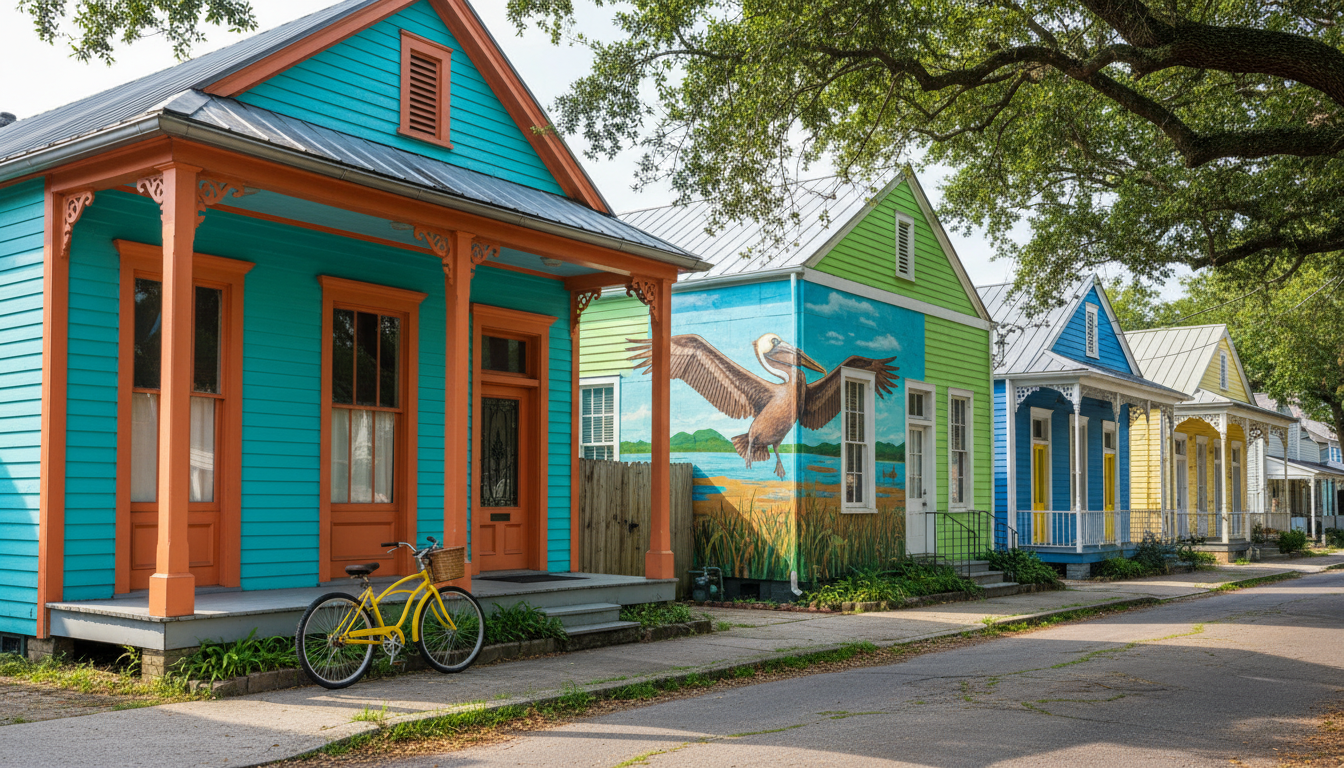 Colorful shotgun houses in the Bywater, one painted bright turquoise with orange trim, a bicycle lea
Home swapping in the Bywater gives you access to the kind of New Orleans most tourists never see. The homes here are often owned by artists, musicians, and creative professionals—people who travel frequently for work and are open to the home exchange concept. I've seen listings for everything from a converted warehouse loft to a tiny house with a rooftop deck to a classic double-shotgun where you get one side.
The neighborhood is bikeable and walkable, with the Marigny and French Quarter accessible via a pleasant 20-30 minute walk along the river. You can also catch the Rampart-St. Claude streetcar line, which connects you to the Quarter and beyond.
Real talk: the Bywater is still a neighborhood in transition. Some blocks are fully gentrified with $600,000 renovated homes; others are rougher around the edges. Part of its charm, but worth asking your swap partner about their specific block.
Uptown New Orleans: University Vibes and Streetcar Living
Uptown encompasses a huge swath of New Orleans, stretching from the Garden District all the way to the Carrollton neighborhood near the Riverbend. Anchored by Tulane and Loyola universities, which gives parts of it a college-town feel—but don't let that fool you. This is one of the most beautiful and livable parts of the city.
The St. Charles streetcar runs the length of Uptown, and riding it is one of New Orleans' great pleasures. For $1.25, you can travel from Canal Street through the Garden District, past Audubon Park, and all the way to the Riverbend. The streetcar itself is a piece of history—the oldest continuously operating streetcar line in the world.
I haven't done a full home swap in Uptown yet, but I've visited friends who live there, and I get the appeal. The neighborhoods along St. Charles Avenue have that same oak-tree grandeur as the Garden District, but with more everyday life happening. Families walking to school. People jogging in Audubon Park. Neighbors chatting on porches.
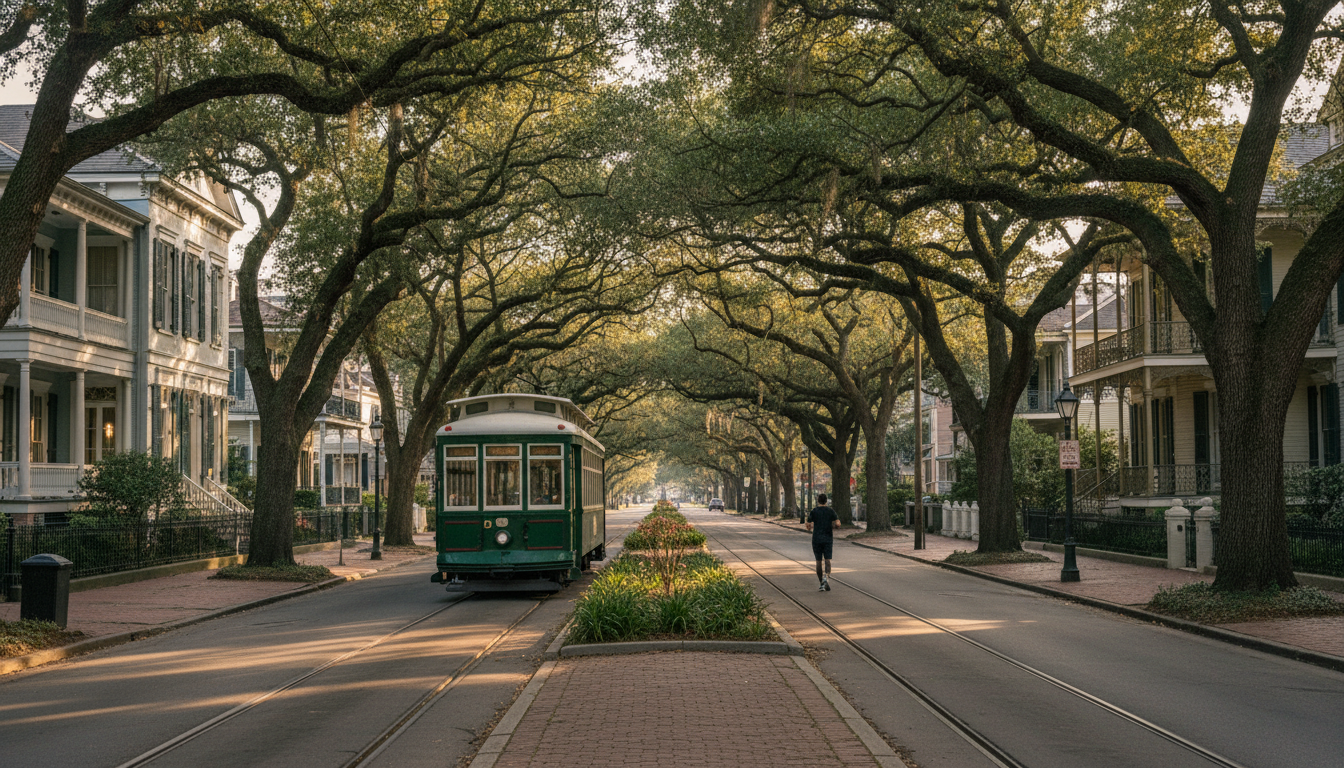 The St. Charles streetcar passing under a canopy of live oaks, historic homes visible on both sides,
The Riverbend area, where the streetcar makes its turn, has a charming small-town feel with local restaurants and shops. The Camellia Grill is a must—a classic diner counter where the servers call you "baby" and the pecan waffles are legendary.
Home swap options in Uptown tend to be in those beautiful historic homes, often with more space than you'd find in the Marigny or Bywater. Good neighborhood for families or anyone who wants a more suburban-feeling New Orleans experience while still being connected to the city via the streetcar.
Mid-City: The Underrated Gem for New Orleans Home Swapping
Okay, here's the neighborhood I mentioned earlier—the surprising gem most tourists overlook but locals absolutely love.
Mid-City sits between the French Quarter and Lake Pontchartrain, centered around gorgeous City Park and Bayou St. John. Not as famous as the Quarter or the Garden District, but it might be my favorite place to stay in New Orleans.
Why? Because Mid-City feels like a real neighborhood where real people live, but it's also genuinely beautiful and full of things to do. City Park is one of the largest urban parks in the country—bigger than Central Park—with ancient live oaks, the New Orleans Museum of Art, a sculpture garden, and the charming Storyland playground. Bayou St. John is a waterway lined with historic homes where locals kayak, picnic, and gather for crawfish boils.
The neighborhood has excellent restaurants that aren't overrun with tourists. Toups' Meatery for Cajun-inspired meat dishes. Lola's for Spanish food with a cult following. Parkway Bakery for po'boys that locals will argue are the city's best. They might be right.
My swap in Mid-City was in a 1920s bungalow near the bayou. It had a sleeping porch—a screened-in room with a daybed that was perfect for afternoon naps with the ceiling fan spinning overhead. My hosts were a couple who ran a small art gallery and were heading to Portland for a show. They left me a handwritten list of their favorite neighborhood spots, including a Vietnamese bakery I never would have found on my own.
Mid-City connects well to the rest of the city via the Canal Street streetcar and several bus lines. About 20 minutes from the Quarter by streetcar, but honestly, you might find yourself staying in the neighborhood more than you expected.
For home swapping, Mid-City offers excellent value. The homes are often larger than what you'd find in the Marigny or Bywater, with yards and driveways. Great choice for longer stays or travelers who want a home base for exploring the whole city.
Tremé: History, Music, and Authentic New Orleans Living
Tremé is the oldest African American neighborhood in the United States, and its cultural significance to New Orleans—and to American music—cannot be overstated. Jazz was born here. Second line parades still wind through these streets every Sunday. The Backstreet Cultural Museum preserves the traditions of Mardi Gras Indians and Social Aid and Pleasure Clubs.
The neighborhood sits just north of the French Quarter, making it incredibly convenient while feeling worlds apart from the tourist zones. Congo Square, where enslaved Africans gathered on Sundays to play music and maintain cultural traditions, is now part of Louis Armstrong Park on Tremé's edge.
Home swapping in Tremé connects you to this living history. The architecture is similar to the Marigny—shotgun houses, Creole cottages, some larger Victorian homes—but the neighborhood has its own distinct character. Dooky Chase's Restaurant, run by the legendary Leah Chase until her passing in 2019, is a civil rights landmark and still serves incredible Creole food. Willie Mae's Scotch House has fried chicken that might change your understanding of what fried chicken can be.
I'll be honest: Tremé is a neighborhood where you should be thoughtful about your presence as a visitor. It has faced significant gentrification pressure, and longtime residents have mixed feelings about the influx of tourists and short-term rentals. Home swapping feels different to me than typical short-term rentals because you're staying in someone's actual home, often building a relationship with them. But it's worth being aware of the neighborhood's history and current dynamics.
If you do swap in Tremé, you're in for an authentic New Orleans experience that few tourists ever access. Just be a good neighbor—say hello to people on their porches, support local businesses, and remember that you're a guest in a community with deep roots.
How to Find Your Perfect New Orleans Home Swap
Now that you know the neighborhoods, some practical tips for actually finding and securing a great swap.
Timing matters enormously here. New Orleans has several periods of extremely high demand—Mardi Gras (February/March), Jazz Fest (late April/early May), and French Quarter Fest (April). During these times, locals are less likely to leave their homes (they want to enjoy the festivities too), and those who do travel can be choosier about swap partners. If you want to visit during these peak periods, start reaching out 4-6 months in advance.
Conversely, summer months (June-August) are brutally hot and humid, which means fewer tourists and more locals looking to escape. Actually a great time for home swapping—you'll have more options, and you can use the credits you earn by hosting summer visitors to New Orleans residents who want to flee the heat.
When browsing SwappaHome listings, look for hosts who mention specific neighborhood details in their descriptions. Someone who writes "walking distance to Frenchmen Street" or "two blocks from the St. Charles streetcar" knows their neighborhood and probably has good local recommendations. Generic descriptions like "close to everything" tell you less.
Ask potential swap partners about parking if you're driving. Street parking in older neighborhoods like the Marigny and Bywater can be challenging, and some homes have off-street parking while others don't. Might not matter if you're flying in, but crucial if you're road-tripping.
Also ask about air conditioning. I know that sounds obvious, but New Orleans' heat is no joke, and some historic homes have window units rather than central air. Window units work fine—they're actually quite common here—but you'll want to know what to expect.
And ask about the porch situation. This might seem trivial, but trust me: having a porch in New Orleans transforms your experience. Morning coffee on the porch. Evening drinks on the porch. Watching the rain on the porch (and it will rain, probably every afternoon in summer). A good porch is worth its weight in gold here.
What to Expect When Home Swapping in New Orleans
New Orleans homes have some quirks that might surprise first-time visitors.
The shotgun house layout, common in the Marigny, Bywater, and Tremé, means rooms connect directly to each other. Usually a front room (living room), middle room (often a bedroom), and back room (another bedroom or the kitchen), with the bathroom somewhere in between. Efficient use of space that promotes airflow, but less privacy if you're traveling with others.
Many older homes are raised off the ground—sometimes just a few feet, sometimes a full story. This design helps with flooding and airflow, but it means stairs to enter. If mobility is a concern, ask about this upfront.
Pests are a reality in New Orleans. The humid climate means cockroaches (locals call them "palmetto bugs" to feel better about it) and mosquitoes are common. A well-maintained home will have pest control, but you might still see the occasional critter. Don't panic—it's not a reflection on your hosts' cleanliness.
The plumbing in historic homes can be... characterful. Water pressure might vary, and you might need to jiggle a handle or two. Your hosts will usually leave instructions for any quirks.
On the positive side, New Orleans homes often have features you won't find in hotels: clawfoot tubs, original fireplaces (decorative now, but beautiful), transom windows, and those glorious high ceilings. You're staying in living history.
Making the Most of Your New Orleans Home Swap
Once you've secured your swap, here's how to maximize the experience.
Ask your hosts for their personal recommendations. Not just restaurants and bars—ask where they get their hair cut, where they buy groceries, where they go when they want to escape tourists. These local insights are the real value of home swapping.
Stock the kitchen and cook at least a few meals. New Orleans' restaurant scene is incredible, but eating out three meals a day gets exhausting (and expensive). Hit up a local market—Rouses or Langenstein's for groceries, the Crescent City Farmers Market on Saturdays—and make breakfast at home. Bonus: you'll have leftovers for late-night snacking after a long night on Frenchmen Street.
Rent a bike. New Orleans is flat and very bikeable, and having a bike opens up the city in ways that walking or driving can't match. Blue Bikes (the city's bike share) has stations throughout the central neighborhoods, or you can rent from a local shop.
Take the streetcar everywhere, at least once. Yes, it's slow. That's the point. The St. Charles line, especially, is a journey through time and architecture. Get an unlimited day pass for $3 and ride the whole route.
Leave your hosts a thoughtful gift. Not required, but it's good home swap etiquette and helps build the community. A bottle of wine, some local treats from your hometown, a small souvenir—goes a long way.
Why New Orleans is Perfect for Home Swapping
I've swapped homes in a lot of cities, but New Orleans stands out.
The city's culture is deeply rooted in hospitality. New Orleanians genuinely enjoy welcoming visitors—it's part of the local DNA. This translates to home swap hosts who go above and beyond with recommendations, welcome baskets, and that ineffable Southern warmth.
The residential neighborhoods are where the real New Orleans lives. The French Quarter is fun, but it's essentially a theme park version of the city. Staying in the Marigny, Bywater, Mid-City, or Uptown puts you in contact with actual New Orleans life—the neighborhood bars, the corner stores, the characters who make this city unlike anywhere else.
The architecture makes home swapping here genuinely special. You're not staying in a generic apartment; you're staying in a shotgun house or a Creole cottage or a raised bungalow with a century of stories in its walls. That's an experience no hotel can replicate.
And the savings matter. New Orleans hotels have gotten expensive—$200-400 a night is common in desirable areas, and during Mardi Gras or Jazz Fest, prices are astronomical. Home swapping lets you stay longer, explore more deeply, and actually afford to eat at all those restaurants you've been reading about.
If you're considering your first home swap, New Orleans is an ideal place to start. The city rewards slow travel and local connections—exactly what home swapping provides. And once you've experienced New Orleans this way, you'll never want to go back to hotels.
I'm already planning my next swap there. Maybe a place in Mid-City this time, somewhere near the bayou where I can kayak in the mornings and walk to Parkway for a shrimp po'boy at lunch. That's the thing about New Orleans—there's always another neighborhood to explore, another porch to sit on, another neighbor to meet.
See you on the streetcar.
Frequently Asked Questions
What are the safest neighborhoods for home swapping in New Orleans?
The Garden District, Uptown, and Mid-City are generally considered the safest for visitors. The Marigny and Bywater are also popular and safe, particularly on well-traveled streets near Frenchmen Street and the riverfront. As with any city, basic urban awareness applies—stay on well-lit streets at night and ask your hosts about their specific block.
How much can I save with home swapping vs hotels in New Orleans?
Hotel rates in desirable New Orleans neighborhoods average $175-$300 per night, with prices doubling or tripling during Mardi Gras and Jazz Fest. Through SwappaHome's credit system, accommodation costs nothing—you use credits earned by hosting others. A two-week stay could save you $2,500-$4,000 compared to hotel rates.
Is home swapping in New Orleans available during Mardi Gras?
Yes, but options are limited. Many locals want to stay home and enjoy the festivities, so fewer homes are available for exchange. Start searching 4-6 months in advance for Mardi Gras dates. You may have better luck in neighborhoods slightly farther from parade routes, like Mid-City or parts of Uptown.
Which New Orleans neighborhood is best for first-time visitors?
The Marigny offers the ideal first-timer experience—walkable to the French Quarter, home to Frenchmen Street's live music scene, and full of charming Creole cottages and shotgun houses. Easy access to tourist attractions while immersing you in a genuine residential neighborhood.
Do I need a car when home swapping in New Orleans?
No, a car isn't necessary if you stay in central neighborhoods. The Marigny, Bywater, French Quarter, and Garden District are all walkable, and the streetcar system connects Uptown and Mid-City to downtown. Many visitors prefer biking—the city is flat and bike-friendly. Only rent a car if you plan day trips to plantations or the bayou.

Published by
SwappaHome
SwappaHome Editorial Team
Home Exchange & Slow Travel Editorial
The SwappaHome Editorial Team brings together travel research, home-exchange community insights, and platform data to produce practical guides for first-time and experienced home swappers. Every article cites real platforms, current market rates, and verifiable city-level facts so readers can make informed decisions without guessing.
Ready to try home swapping?
Join SwappaHome and start traveling by exchanging homes. Get 7 free credits when you sign up!
Related articles
Home Swap in Rome: Where to Find the Best Properties for Your Italian Exchange
Discover where to find the best home swap properties in Rome—from Trastevere's cobblestone charm to Testaccio's local authenticity. Real neighborhoods, real advice.

Home Swap in Bangkok: Where to Find the Best Properties for Free Stays
Discover where to find the best home swap properties in Bangkok—from riverside condos in Charoen Krung to family homes in Ari. Real neighborhoods, real savings.

Home Swap for Beach Lovers: 12 Coastal Destinations Ranked for 2026
Discover the best coastal destinations for home swapping in 2026. From Portugal's Algarve to Australia's Gold Coast, find your perfect beach exchange.