Copenhagen Festivals and Events: Your Complete Home Swap Planning Calendar for 2026

SwappaHome Editorial Team
Home Exchange & Slow Travel Editorial
Plan your Copenhagen home swap around the city's best festivals—from Distortion's street parties to cozy Christmas markets. Month-by-month guide with booking tips.
The bass drops somewhere near Nørrebro's Blågårds Plads, and you're watching 100,000 people dance in the streets from the balcony of your swapped apartment, cold Tuborg in hand, thinking: this is why I didn't book a hotel.
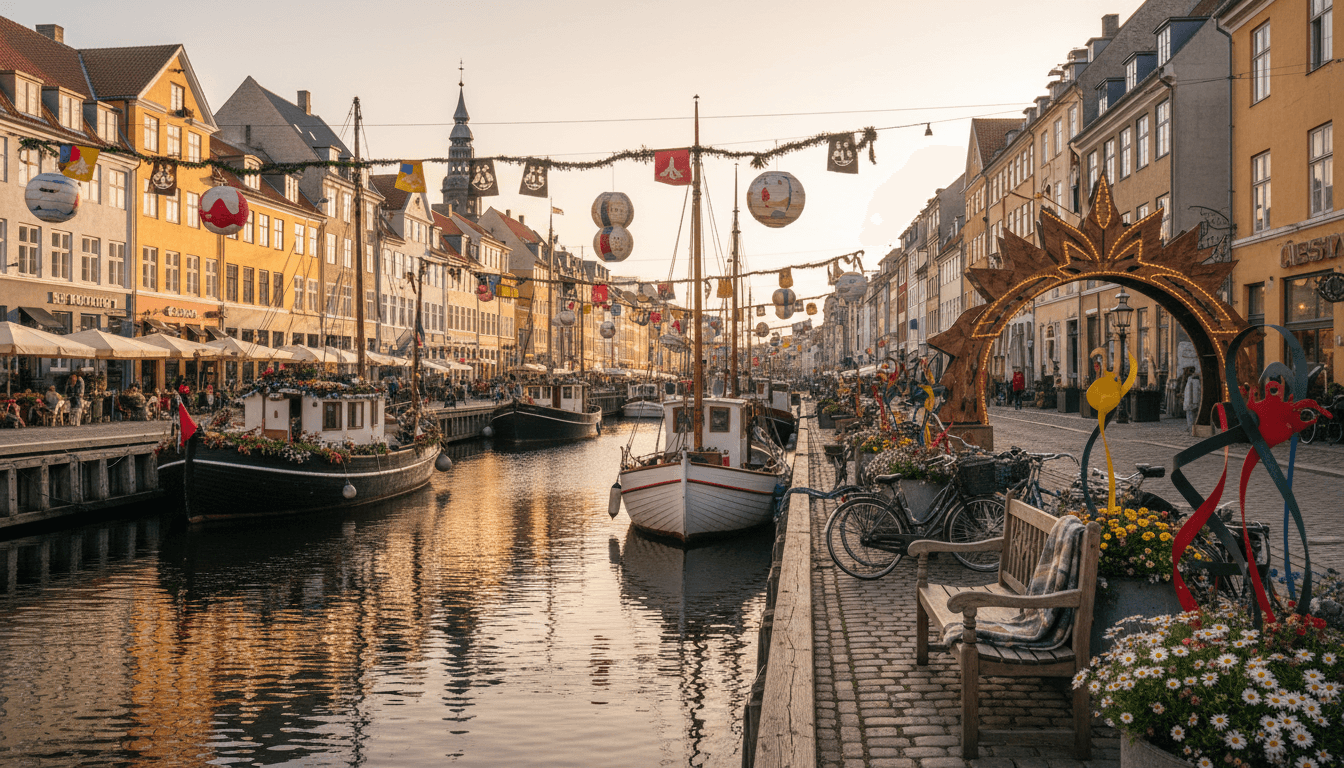
That's Distortion in June—Copenhagen's wildest street festival—and it's just one reason why timing your Copenhagen home swap around the city's festival calendar transforms a good trip into an unforgettable one. The Danish capital runs on a rhythm of celebrations that most tourists never discover, from the world's oldest amusement park opening its gates in spring to the hygge-drenched glow of Tivoli's Christmas market in December.
Here's what the guidebooks won't tell you: Copenhagen's festival calendar also determines when you'll find willing home swap partners, when accommodation prices spike 200%, and when the city empties out (hello, July industrial holidays). Planning a Copenhagen home swap means understanding this rhythm—and this calendar is your complete guide to making it work.
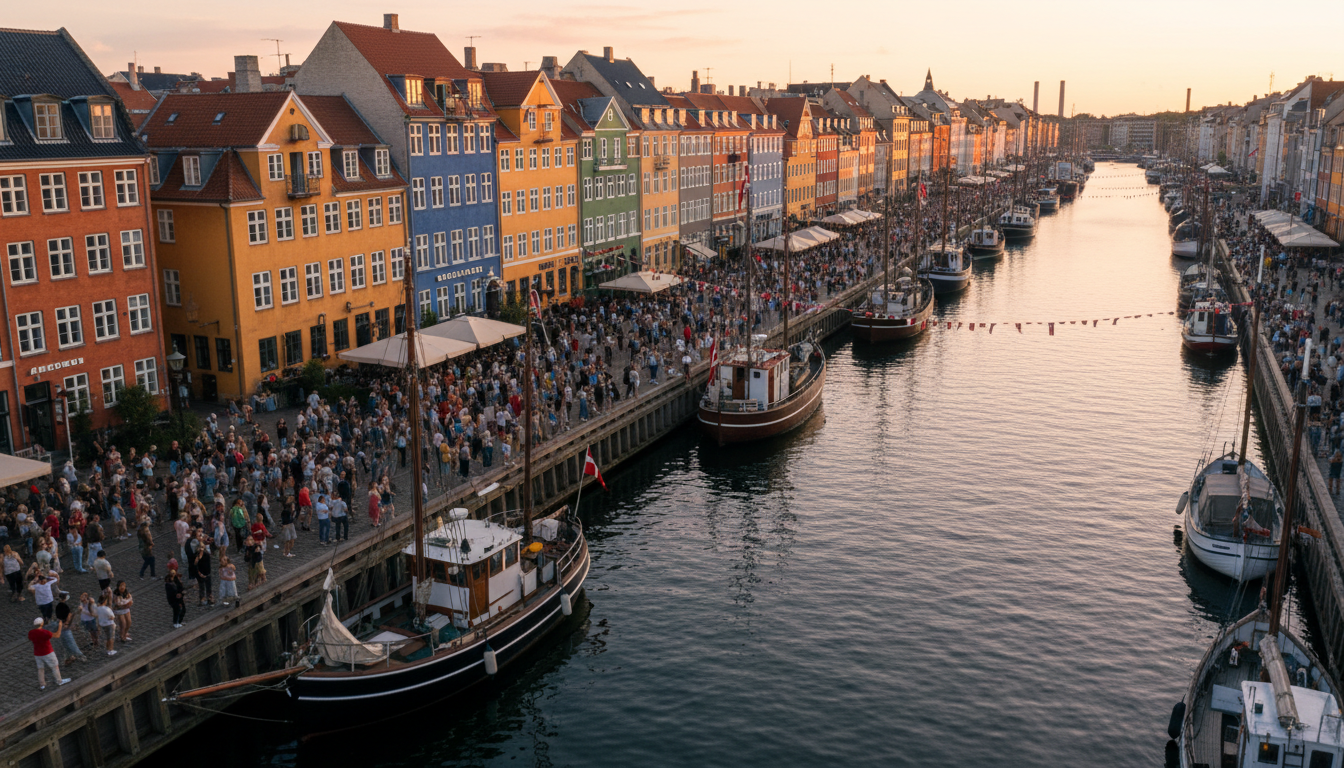 Aerial view of Copenhagens colorful Nyhavn harbor at golden hour with crowds gathering along the wat
Why Copenhagen's Festival Calendar Matters for Home Swapping
Copenhagen isn't Paris or Rome—it doesn't run on tourist time year-round. The city pulses with a distinctly Scandinavian rhythm: explosive summers where the sun barely sets, cozy winters built around candlelight and cinnamon, and shoulder seasons that locals fiercely protect as their own.
This matters for home swapping because Danish travel patterns create predictable windows of opportunity. When Copenhageners flee to their summerhouses (sommerhus) in July, their city apartments sit empty—and they're often eager to earn credits for their own autumn escapes. When Copenhagen Jazz Festival brings 250,000 visitors in early July, hotels charge 350+ USD per night while home swap hosts welcome the chance to experience your city.
The SwappaHome community in Copenhagen skews toward the 30-45 demographic: design professionals, tech workers, academics at the University of Copenhagen. They travel frequently for work and pleasure, which means active listings year-round—but their availability clusters around specific festival periods.
Understanding these patterns lets you:
- Request swaps when hosts are most likely to accept
- Avoid the 3-4 weeks when the entire city seems to vanish
- Score apartments in neighborhoods where hotels don't exist
- Experience festivals like a local, not a tourist corralled into designated zones
January–February: Copenhagen's Cozy Season and Winter Light Festival
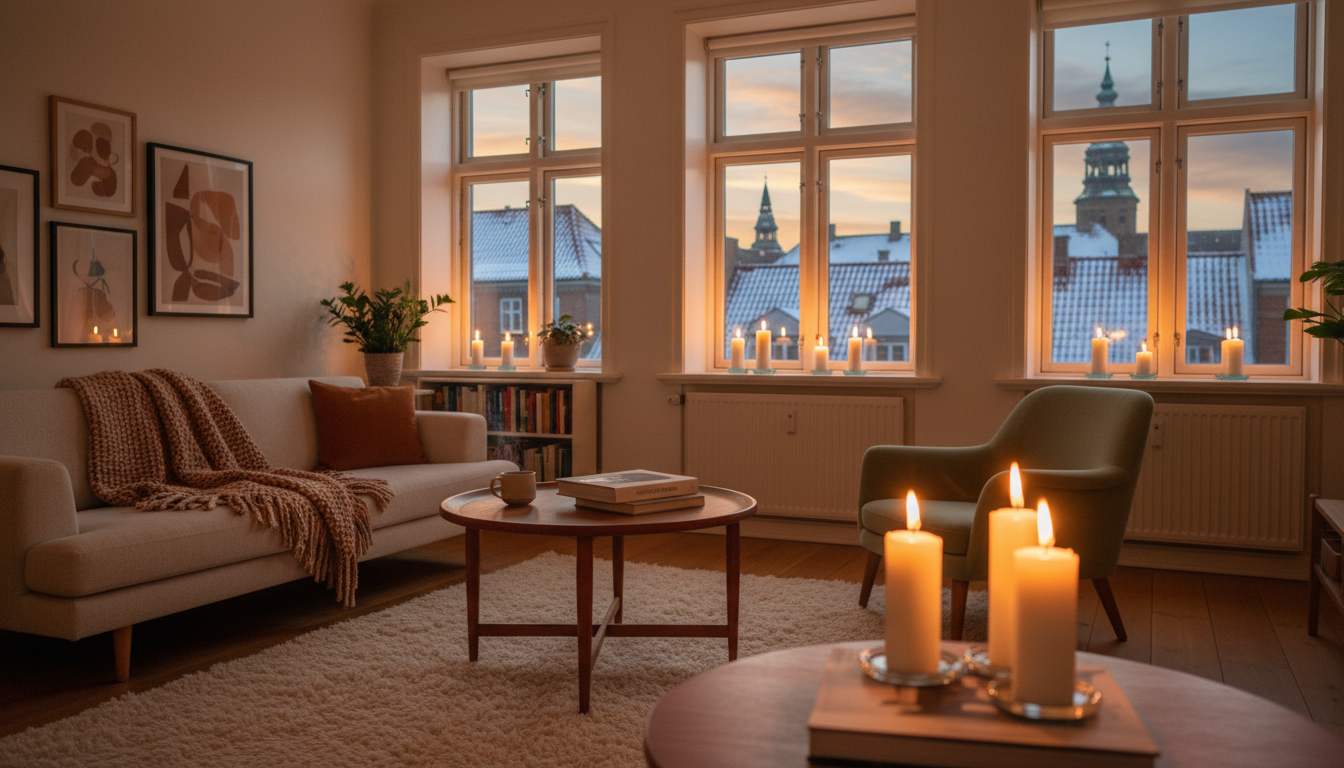
The Danish concept of hygge gets overused in travel marketing, but January in Copenhagen is where you'll actually feel it. Temperatures hover around 0°C (32°F), darkness falls by 4 PM, and the city responds by filling every window with candles, every café with blankets, and every conversation with excuses to stay inside together.
Copenhagen Light Festival (February)
Running for three weeks in February, the Copenhagen Light Festival transforms the city's darkest month into an outdoor gallery. Over 50 light installations illuminate landmarks from the Black Diamond library on the harbor to the lakes of Østerbro, turning the evening walking commute into an art experience.
For home swappers, February offers excellent value. Hotel rates drop 30-40% from summer peaks (expect 150-200 USD/night for mid-range options), but home swapping eliminates costs entirely while placing you in residential neighborhoods where installations feel discovered rather than crowded.
Best neighborhoods for February swaps:
Vesterbro stands out as a former red-light district turned hipster haven, walking distance to Meatpacking District restaurants. Frederiksberg offers leafy, affluent streets with excellent café culture along Værnedamsvej. Østerbro works well for families, with easy access to the lakes and Fælledparken installations.
Booking window: Request swaps 6-8 weeks ahead. February sees moderate tourist traffic and Danish hosts often travel for winter sun—the Canary Islands and Thailand are popular destinations.
Winter Jazz Festival (February)
Smaller than its summer sibling but arguably more intimate, Winter Jazz brings 600+ concerts to venues across the city. Many performances happen in bars and cafés where a home swap address gives you neighborhood credibility—the kind that gets locals pointing you toward the unmarked basement venue in Nørrebro that tourist maps miss entirely.
 Cozy Copenhagen apartment interior with candles glowing on windowsills, Danish modern furniture, and
March–April: Spring Awakening and Easter Traditions
Copenhagen in early spring is a city holding its breath. The first sunny day above 10°C (50°F) sends the entire population outdoors—you'll see Danes sunbathing in parks wearing shorts while tourists shiver in down jackets. This optimism is infectious, and it's when the city starts to wake up.
Tivoli Gardens Spring Opening (Mid-April)
Tivoli Gardens—the 180-year-old amusement park that inspired Walt Disney—opens for the season in mid-April with flower displays, rides, and that particular Danish blend of nostalgia and sophistication. Entry costs 155 DKK (about 22 USD) on weekdays, with rides extra.
Easter week (variable dates in March/April) brings special Tivoli programming and a Danish tradition worth experiencing: påskefrokost, the Easter lunch that stretches for hours with pickled herring, snaps, and enough smørrebrød to require a nap afterward.
Home swap advantage: Easter is a major Danish holiday when families gather—but it's also when younger Copenhageners without kids escape the family obligations. Expect good swap availability from urban professionals in Vesterbro and the Islands Brygge area.
CPH:DOX Documentary Film Festival (Late March/Early April)
One of Europe's largest documentary festivals, CPH:DOX screens 200+ films across venues from the grand Cinemateket to pop-up locations in industrial spaces. A home swap in the city center puts you within walking distance of most venues—and saves you the 150-200 DKK (21-29 USD) per screening that adds up fast.
Booking window: Request swaps 8-10 weeks ahead for Easter period. Competition increases as Scandinavians plan spring breaks.
May–June: The Copenhagen Festival Season Explodes
This is it. The reason Copenhagen exists. From May through June, the city operates on a different frequency entirely—the sun sets after 10 PM, outdoor dining takes over every sidewalk, and the festival calendar becomes almost overwhelming.
Copenhagen Marathon (Mid-May)
The Copenhagen Marathon draws 12,000+ runners through a course that passes the Little Mermaid, Christiansborg Palace, and the colorful houses of Nyhavn. For non-runners, it's a city-wide party with live music stages and street food along the route.
Home swapping during marathon weekend requires early planning—hotels book months ahead, and the SwappaHome community sees increased requests. The upside? Many Copenhagen runners travel to marathons elsewhere and actively seek swaps.
Distortion Festival (Early June)
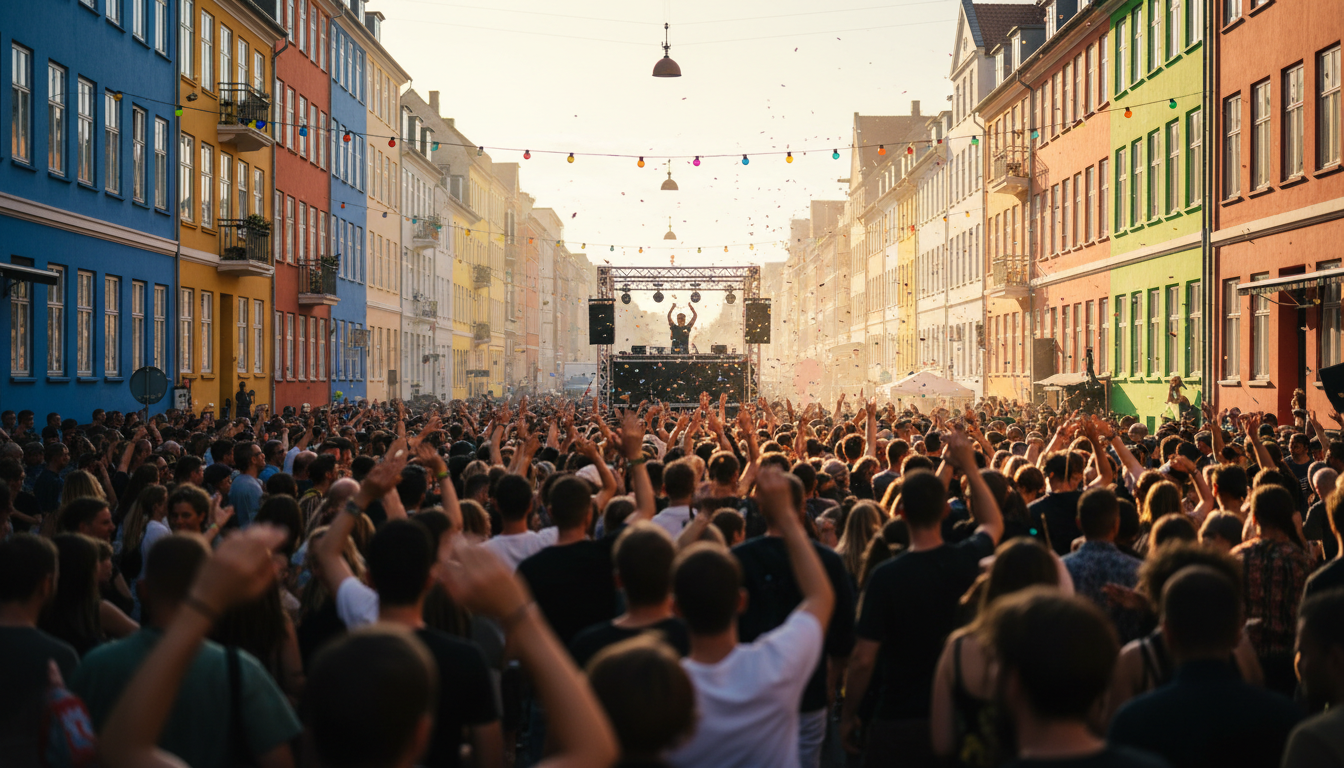
Distortion deserves its own section because it fundamentally changes how Copenhagen operates for five days. What started as a guerrilla street party in 1998 has become Scandinavia's largest street festival, with 100,000+ daily attendees dancing through different neighborhoods each day.
The format works like this: each day, a different neighborhood hosts the party. Wednesday might be Vesterbro, Thursday Nørrebro, Friday the city center, with the weekend culminating in massive raves at Refshaleøen's industrial harbor. Streets close to traffic, sound systems appear on corners, and the entire city becomes a club.
Home swap strategy for Distortion: This is when a swapped apartment becomes invaluable. Hotels in party neighborhoods sell out or charge 400+ USD/night. A home swap in Nørrebro or Vesterbro puts you in the center of the action with a place to recharge, a real bathroom, and neighbors who'll tell you which street party to hit.
The catch: request swaps 10-12 weeks ahead minimum. Many Copenhagen hosts specifically list their availability during Distortion because they want to escape the noise—or because they're traveling to experience your city's summer festivals.
 Massive street party scene in Copenhagens Nrrebro neighborhood during Distortion festival, crowds da
Sankt Hans Aften / Midsummer Eve (June 23)
The Danes take midsummer seriously. On June 23rd, bonfires light up beaches and parks across the country, communities gather to sing traditional songs, and an effigy of a witch gets burned (it's complicated, but essentially a pagan tradition the church co-opted). The largest Copenhagen bonfire happens at Amager Strandpark beach.
This isn't a tourist event—it's deeply local, and experiencing it from a home swap gives you the context that makes it meaningful. Hosts often leave notes about their favorite bonfire spots or mention which neighbor always brings homemade snaps.
July: Copenhagen Jazz Festival and the Great Danish Exodus
Copenhagen Jazz Festival (First Two Weeks of July)
The largest jazz festival in Europe transforms Copenhagen into a city-wide concert venue. Over 1,300 concerts—half of them free—take place in parks, squares, clubs, and cafés. The main stages cluster around Kongens Nytorv and Nyhavn, but the magic happens in smaller venues: a trio playing in a Vesterbro courtyard, a jam session in a Christianshavn bar, a brass band marching through Strøget.
Hotel prices during Jazz Festival peak at 300-400 USD/night for anything decent. Home swapping becomes not just economical but practical—you'll want a neighborhood base to explore from, not a generic hotel room in the tourist zone.
Best Jazz Festival neighborhoods for swaps:
Christianshavn offers canal-side charm with easy access to both city center and Christiania's alternative scene. Indre By (City Center) puts you within walking distance of everything, though expect noise until late. Nørrebro sits slightly removed from main stages but has its own jazz café culture along Ravnsborggade.
The July Exodus (Mid-July to Early August)
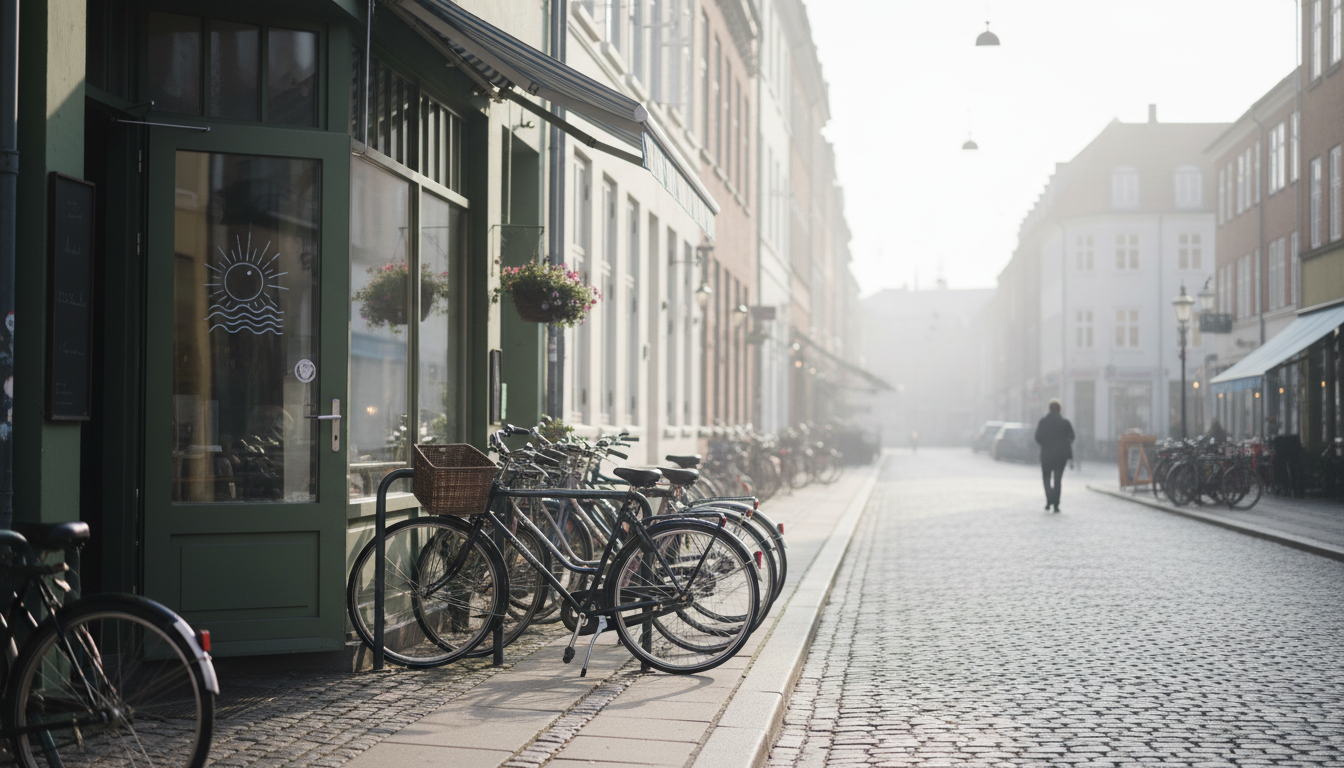
Here's something most Copenhagen guides won't tell you: the city empties out in late July. Danish companies traditionally close for three weeks of industriferien (industrial holiday), and seemingly every Copenhagener decamps to their sommerhus or travels abroad.
For home swappers, this creates a paradox. Apartment availability spikes—hosts are eager to earn credits while they're away. But the city itself feels quieter, with some restaurants and shops closed for summer break. It's not a ghost town, but it's noticeably different.
The opportunity: If you want Copenhagen without crowds, late July delivers. The weather peaks (average 21°C/70°F), the beaches at Amager and Svanemøllen fill with those who stayed, and the tourists who do arrive find a more relaxed city.
 Empty Copenhagen street in late July sunshine, bicycles parked outside a closed caf with a handwritt
August–September: Cultural Comeback and Harvest Season
Copenhagen returns to life in August with an energy that feels like collective relief—the summer didn't disappear, but the city is back. This is shoulder season at its finest: summer weather, autumn cultural programming, and Danes eager to show off their city before the darkness returns.
Copenhagen Cooking & Food Festival (Late August)
Ten days celebrating Nordic cuisine, from Noma-style fine dining to street food markets. The festival includes cooking classes, farm visits, and pop-up dinners in unexpected locations—a former shipyard, a rooftop garden, a Michelin chef's private apartment.
Home swapping during Cooking Festival lets you actually cook. Sounds obvious, but experiencing Danish food culture means shopping at Torvehallerne market, attempting smørrebrød in a real kitchen, and understanding why Danes are obsessed with rugbrød (rye bread) when you toast it fresh for breakfast.
Copenhagen Pride (Mid-August)
One of Scandinavia's largest Pride celebrations, Copenhagen Pride brings 40,000+ to the parade route from Frederiksberg to City Hall Square. The week includes concerts, parties, and cultural events across the city.
The Vesterbro neighborhood—historically Copenhagen's LGBTQ+ hub—becomes the center of celebrations. A home swap here puts you in walking distance of the main venues and bars along Istedgade.
Golden Days Festival (September)
A cultural history festival that changes theme each year, Golden Days programs 100+ events exploring Copenhagen's past—walking tours, exhibitions, concerts, and lectures. It's intellectual tourism at its best, and the kind of programming that rewards having a local base to return to between events.
Booking window for August-September: 6-8 weeks ahead. Danish hosts return from summer holidays eager to travel before autumn sets in.
October–November: Hygge Season Begins
As daylight shrinks (sunset by 5 PM in late October, 4 PM by November), Copenhagen pivots inward. This is when the city's famous indoor culture—the cafés, the design shops, the candlelit dinners—comes into its own.
Culture Night (Second Friday of October)
One night, 250+ museums, galleries, churches, and institutions open their doors for free. A single wristband (100 DKK / 14 USD) grants access to everything from the Royal Danish Theatre backstage to the underground cisterns beneath Frederiksberg. Special buses run all night.
Home swap advantage: Culture Night runs until 1 AM, and having an apartment to return to beats hunting for a taxi or navigating night buses to a distant hotel.
CPH:PIX Film Festival (Late October/Early November)
Copenhagen's international film festival screens 150+ films from emerging directors alongside retrospectives and industry events. Venues cluster in the city center, with the Cinemateket on Gothersgade serving as the hub.
November: The Quiet Month
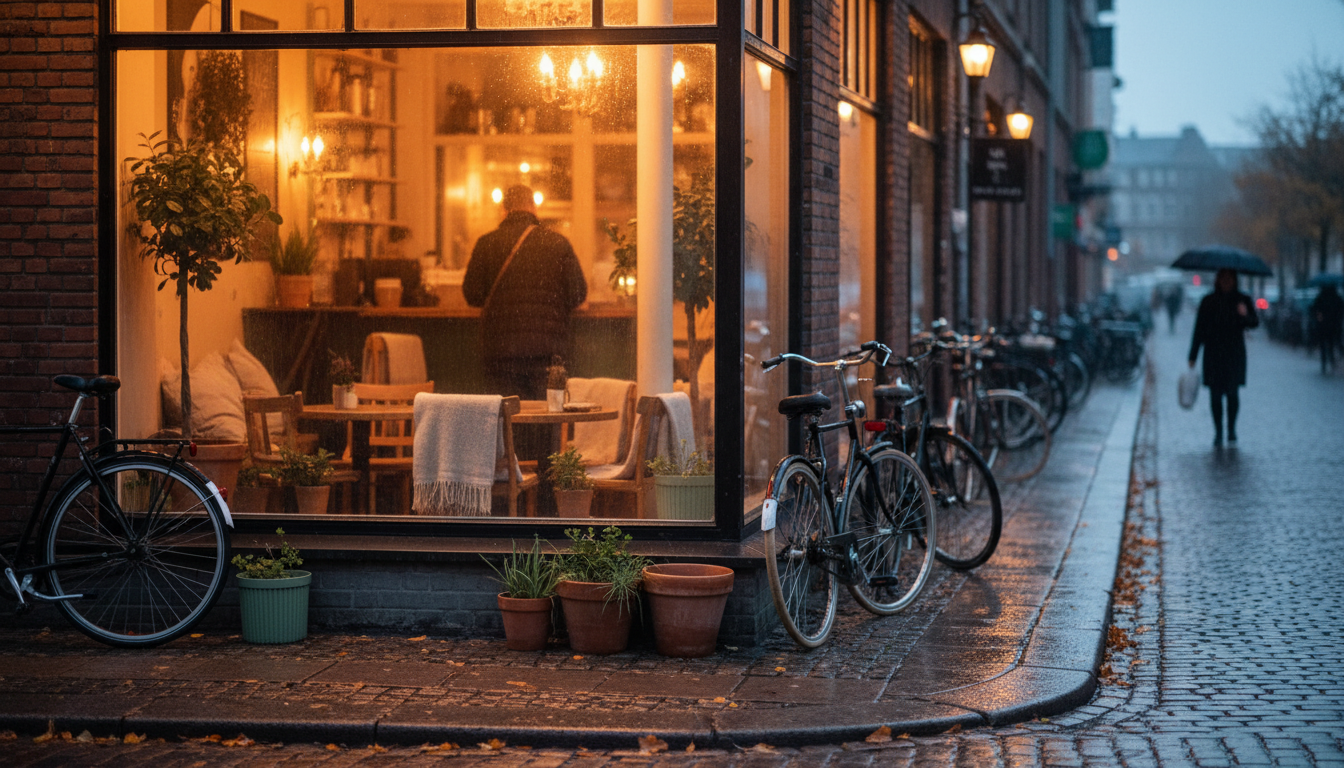
November in Copenhagen is genuinely dark—both literally (sunset at 4 PM, sunrise at 7:30 AM) and metaphorically. It's the month before Christmas preparations begin, when the city hunkers down.
For home swappers, November offers the lowest competition and often the most willing hosts. Danes dream of escaping the darkness, and your sunny California apartment or Mediterranean terrace becomes very appealing.
 Rainy November evening in Copenhagen, warm light spilling from caf windows onto wet cobblestones, bi
December: Christmas Markets and Tivoli Magic
Tivoli Christmas Market (Mid-November through December 31)
Tivoli transforms into a Christmas wonderland with 1,100+ decorated trees, mulled wine (gløgg) stands, and a market selling Danish crafts and treats. It's touristy, yes, but also genuinely magical—Danes themselves flock here for the atmosphere.
Entry during Christmas season costs 155 DKK (22 USD) weekdays, more on weekends. Rides operate, but the real draw is wandering with a warm drink, watching the lights, and embracing the hygge.
Copenhagen Christmas Markets Beyond Tivoli
Nyhavn's waterfront market offers the postcard-perfect setting—colored houses, harbor lights, æbleskiver (Danish pancake balls) sizzling on griddles. Højbro Plads hosts a traditional market with crafts and food. The hipster alternative? Reffen street food market's winter edition at Refshaleøen.
New Year's Eve in Copenhagen
Danes celebrate New Year's with fireworks—lots of them, everywhere, set off by private citizens in what feels like cheerful chaos. The official display happens at Tivoli, but the real show is watching rockets launch from every direction while standing on a Copenhagen rooftop.
Home swap advantage: A balcony or rooftop access for New Year's is worth its weight in gold. Hotels charge 400+ USD/night for rooms with views; a home swap might give you a private fireworks viewing platform.
December booking strategy: This is peak competition. Request swaps 12+ weeks ahead, and be flexible on exact dates. Many Copenhagen hosts travel for Christmas—Thailand, Canary Islands, and family visits across Denmark are common.
Practical Home Swap Tips for Copenhagen Throughout the Year
Transportation and Location
Copenhagen's metro runs 24/7 on weekends and until midnight on weekdays. The city is also famously bikeable—35% of Copenhageners commute by bicycle daily. Many home swap listings include bikes, which transforms your experience entirely.
Best neighborhoods for home swaps by priority:
Vesterbro tops the list—walkable to everything, great food scene, slightly edgy character. Expect smaller apartments (40-60 sqm typical) in converted industrial buildings.
Nørrebro brings multicultural energy and excellent coffee culture. Slightly further from tourist sights but connected by metro (Nørrebro station) and bike lanes.
Frederiksberg offers upscale, quiet streets with beautiful parks. Larger apartments, family-friendly, but requires transport to reach city center attractions.
Østerbro works well for longer stays—residential, green spaces, waterfront access. Popular with families and professionals.
Christianshavn delivers canal-side charm with access to Christiania, close to city center. Limited listings but highly sought after.
Pricing Context
To understand home swap value in Copenhagen, consider typical costs: mid-range hotels run 200-300 USD/night in summer, 150-200 USD/night in winter. Airbnb apartments cost 150-250 USD/night in summer, 100-150 USD/night in winter. Restaurant dinners average 40-80 USD per person. Coffee and a pastry sets you back 8-12 USD. Metro single tickets cost 24 DKK (3.50 USD). The Copenhagen Card (72 hours) runs 799 DKK (115 USD) and includes transport plus 80+ attractions.
A two-week Copenhagen trip in summer could easily cost 4,000-6,000 USD in accommodation alone. Home swapping reduces this to zero—or more precisely, to the value of hosting guests in your own home.
Weather Expectations by Season
Winter (December through February) brings 0-4°C (32-39°F) with just 7 hours of daylight in December and frequent rain. Spring (March through May) ranges from 5-15°C (41-59°F)—unpredictable, can be glorious or gray. Summer (June through August) delivers 17-22°C (63-72°F) with 17+ hours of daylight in June and occasional heat waves. Autumn (September through November) settles around 8-15°C (46-59°F) with golden light in September giving way to increasing darkness.
Building Your Copenhagen Home Swap Calendar: A Strategic Approach
The SwappaHome community in Copenhagen follows predictable patterns worth leveraging.
High host availability (good for finding swaps) clusters around late July through mid-August during industrial holidays, February when Danes escape winter darkness, and November during the pre-Christmas lull.
High demand periods (book early, 10-12 weeks) include Distortion week in early June, Copenhagen Jazz Festival in early July, Christmas market season from late November through December, and Copenhagen Marathon weekend in mid-May.
Sweet spot periods (good availability, great city energy) hit in late May before Distortion when spring weather arrives, late August through September during the cultural comeback, and early October around Culture Night and autumn colors.
Making Your Listing Attractive to Copenhagen Hosts
Copenhagen hosts on SwappaHome tend to be design-conscious, sustainability-minded, and well-traveled. They're looking for clean, well-photographed listings with natural light. Honest descriptions matter—they'll appreciate "cozy" over "spacious" if that's accurate. Local recommendations in your listing help too; what would you tell a Danish friend visiting? Flexibility on dates increases your match odds. Quick response times matter—Danes value efficiency.
The credit system works in your favor here: one night in your home earns one credit, regardless of location. A Copenhagen host might spend credits to stay in your apartment in Austin or your cottage in Cornwall—the exchange doesn't need to be simultaneous or reciprocal.
The Copenhagen Home Swap Experience: What to Expect
Swapping into a Copenhagen home differs from hotels in ways that enhance festival experiences.
Kitchen access changes everything. Danish festival food is expensive (50+ DKK for a street food portion). A kitchen lets you balance splurges with home-cooked meals—and experiencing Danish grocery stores (Irma for upscale, Netto for budget) is its own cultural immersion.
Neighborhood immersion runs deep. Host recommendations carry weight that guidebooks can't match. That bakery they mention? It's where the neighborhood goes. The bar around the corner? It's where you'll end up at 2 AM after Distortion.
Bike access transforms mobility during festivals. Many Copenhagen hosts include bikes with their listings. You'll zip past gridlocked taxis and crowded metro stations while everyone else waits.
Recovery space makes multi-day events sustainable. Festivals are exhausting. Having a real home to retreat to—a comfortable couch, a proper shower, a quiet bedroom—keeps you going.
Frequently Asked Questions
What's the best time of year for a Copenhagen home swap?
Late May through early June offers the ideal balance: long daylight hours (sunset after 10 PM), pleasant temperatures around 18°C (64°F), and the energy of Distortion festival. Alternatively, early July during Copenhagen Jazz Festival combines great weather with world-class music. Avoid mid-July through early August if you want a bustling city—many Danes leave for summer holidays.
How far in advance should I request a Copenhagen home swap during festivals?
For major events like Distortion, Copenhagen Jazz Festival, and Christmas markets, request swaps 10-12 weeks ahead. Competition increases significantly, and Copenhagen hosts plan their own travel early. For shoulder seasons (September-October, February-April), 6-8 weeks typically suffices. The SwappaHome credit system means you're not limited to simultaneous exchanges—hosts can use earned credits anytime.
Is it easy to get around Copenhagen during major festivals without a car?
Copenhagen is one of Europe's most car-free-friendly cities. The metro runs 24/7 on weekends and until midnight weekdays, covering most neighborhoods. During festivals, many streets close to traffic anyway, making bikes (often included with home swaps) the fastest option. A Copenhagen Card (115 USD for 72 hours) covers unlimited public transport plus 80+ attractions. Parking is expensive (40+ DKK/hour) and scarce—most locals and visitors skip cars entirely.
What Copenhagen neighborhoods are best for experiencing festivals via home swap?
Vesterbro and Nørrebro put you in the heart of Distortion's street parties and within walking distance of Jazz Festival venues. Christianshavn offers canal-side charm near the city center and Christiania's alternative scene. For Christmas markets, Indre By (city center) provides the closest access to Tivoli and Nyhavn. Each neighborhood has distinct character—Vesterbro skews hip and foodie, Nørrebro multicultural and young, Frederiksberg upscale and family-oriented.
Can I experience Copenhagen's Christmas markets through a December home swap?
Absolutely—and it's one of the best ways to experience Danish hygge. December home swaps are popular but competitive; request 12+ weeks ahead. Many Copenhagen hosts travel for Christmas (Thailand and the Canary Islands are common escapes), making their apartments available. A home swap gives you kitchen access for gløgg and æbleskiver preparation, plus a cozy base to warm up between market visits. Tivoli's Christmas market runs mid-November through December 31, with New Year's Eve fireworks visible from many Copenhagen balconies and rooftops.
Copenhagen rewards those who sync with its rhythm. The city that gave the world hygge also throws some of Europe's wildest street parties—and experiencing both extremes from a swapped apartment, with local recommendations in hand and a bike waiting downstairs, is a different kind of travel altogether. The festival calendar isn't just a list of events; it's a map to a city that reveals itself differently in each season. Start planning your swap, and let Copenhagen show you what it's got.

Published by
SwappaHome
SwappaHome Editorial Team
Home Exchange & Slow Travel Editorial
The SwappaHome Editorial Team brings together travel research, home-exchange community insights, and platform data to produce practical guides for first-time and experienced home swappers. Every article cites real platforms, current market rates, and verifiable city-level facts so readers can make informed decisions without guessing.
Ready to try home swapping?
Join SwappaHome and start traveling by exchanging homes. Get 7 free credits when you sign up!
Related articles

Bachelor and Bachelorette Parties in Singapore: The Complete Home Swap Group Guide for 2026
Planning a bachelor or bachelorette party in Singapore? Discover how home swapping lets groups of 6-12 stay together in luxury condos, saving thousands while partying in Marina Bay.

Cycling in Lisbon: 7 Home Swap Bike Tour Itineraries for Every Rider
Discover the best cycling routes in Lisbon with these home swap bike tour itineraries—from waterfront paths to hilltop adventures, all starting from your borrowed home.

Graduation Trip to Barcelona: How Home Swapping Gives New Graduates the Ultimate Celebration
Planning a graduation trip to Barcelona? Discover how home swapping lets new graduates explore Spain's most vibrant city without the hostel crowds or hotel costs.