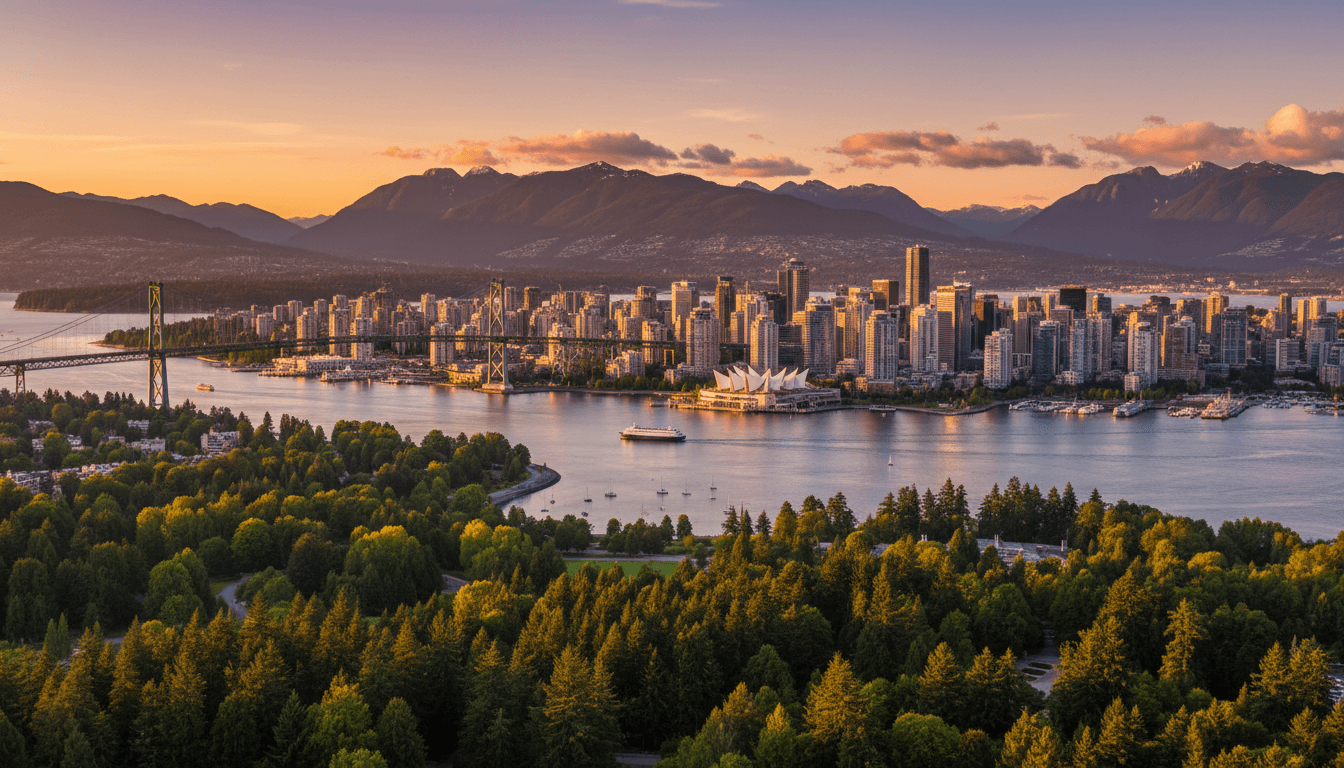
Cultural Immersion in Vancouver: How Home Swapping Unlocks Authentic Canadian Experiences

SwappaHome Editorial Team
Home Exchange & Slow Travel Editorial
Discover how home swapping in Vancouver transforms tourist visits into authentic cultural experiences—from Commercial Drive coffee rituals to Granville Island market mornings.
I didn't expect to cry in a stranger's kitchen. But there I was, standing in a sun-filled apartment in Vancouver's Kitsilano neighborhood, reading a handwritten note from my home swap host about her grandmother's recipe for salmon candy—a traditional Coast Salish preparation she'd learned from a friend at the local Indigenous cultural center. "The smoker is in the garage," she'd written. "Please use it."
That moment crystallized something I'd been feeling for years: cultural immersion in Vancouver through home swapping isn't just about saving money on hotels. It's about stepping into someone's actual life—their neighborhood coffee shop, their favorite hiking trail, their community.
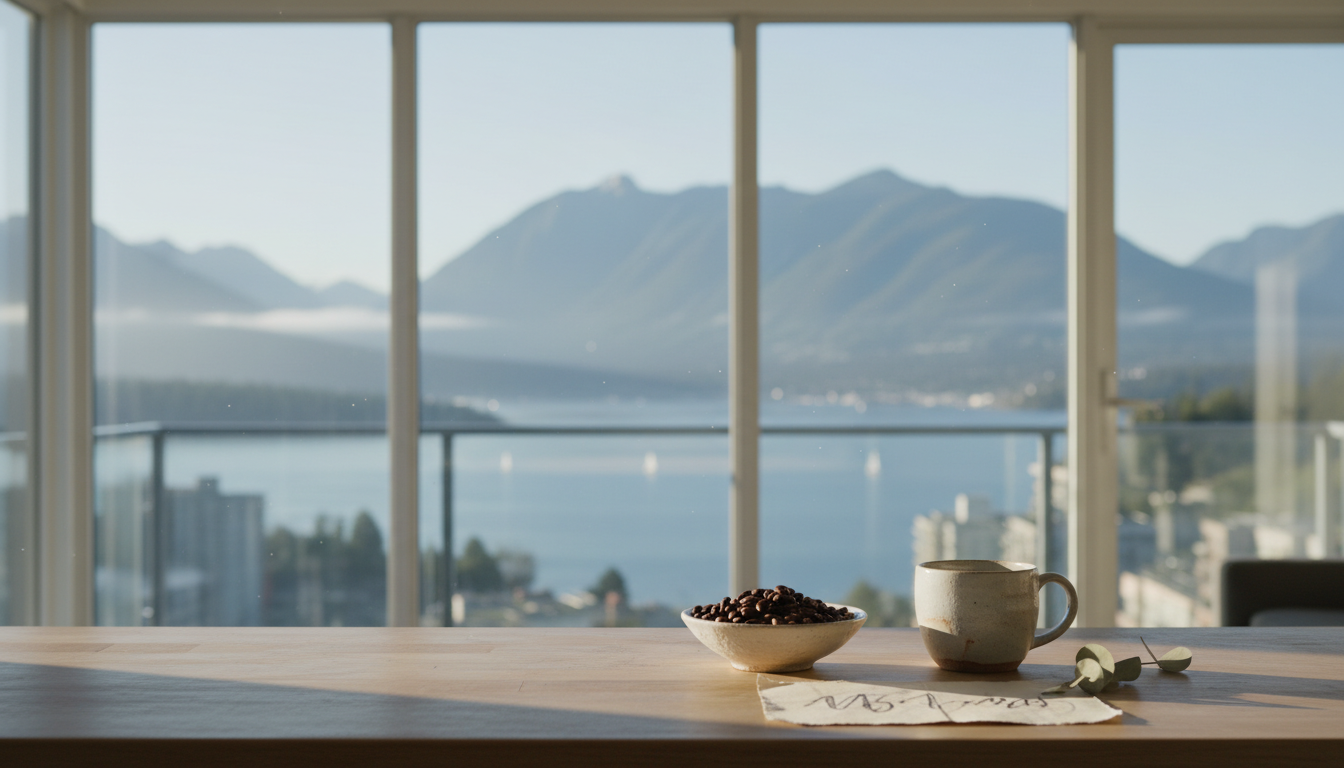 Morning light streaming through floor-to-ceiling windows in a Kitsilano apartment, with a handwritte
I grew up in Vancouver. Left for San Francisco at 25, started home swapping at 26, and have since done exchanges in 25 countries. But it wasn't until I swapped back into my hometown—staying in neighborhoods I'd never actually lived in—that I understood what visitors could experience here. Vancouver isn't just mountains and sushi (though yes, obviously, both are exceptional). It's a city of micro-communities, each with distinct personalities that you'll never discover from a hotel lobby.
Why Home Swapping Creates Deeper Cultural Immersion in Vancouver
Here's what most Vancouver travel guides won't tell you: this city is weirdly neighborhood-loyal. People in Commercial Drive don't just live there—they identify as "Drive" people. Same with Kitsilano folks, Main Street regulars, and the dedicated weirdos of East Van (said with love, as a former East Van weirdo myself).
When you stay in a hotel downtown, you're in... nowhere, really. The financial district. Glass towers. Conference centers. Fine for business, but culturally? You might as well be in any North American city.
Home swapping drops you into actual Vancouver life. Your host's neighbors wave at you. The barista at the corner café asks if you want "the usual" by day three because your host mentioned you'd be coming. You find a sticky note on the fridge recommending the Tuesday night trivia at the pub two blocks away.
I'm not exaggerating—this happened during my Kitsilano swap. By the end of my week, I'd been invited to a beach bonfire by people I met at that trivia night. Try getting that experience at the Fairmont.
The Neighborhood Effect
Vancouver's cultural immersion opportunities vary dramatically by neighborhood. A home swap in Gastown puts you in the city's oldest area, surrounded by Victorian architecture, Indigenous art galleries, and some genuinely excellent restaurants. But it also means navigating the complex reality of the Downtown Eastside, which borders Gastown—something that requires sensitivity and awareness.
A swap in Mount Pleasant, on the other hand, immerses you in Vancouver's creative scene: craft breweries, independent bookstores, vintage shops, and murals on every other building. The vibe is completely different. So is the cultural experience.
This is why I always tell people: when you're searching for a Vancouver home exchange, think about who you want to temporarily become, not just where you want to sleep.
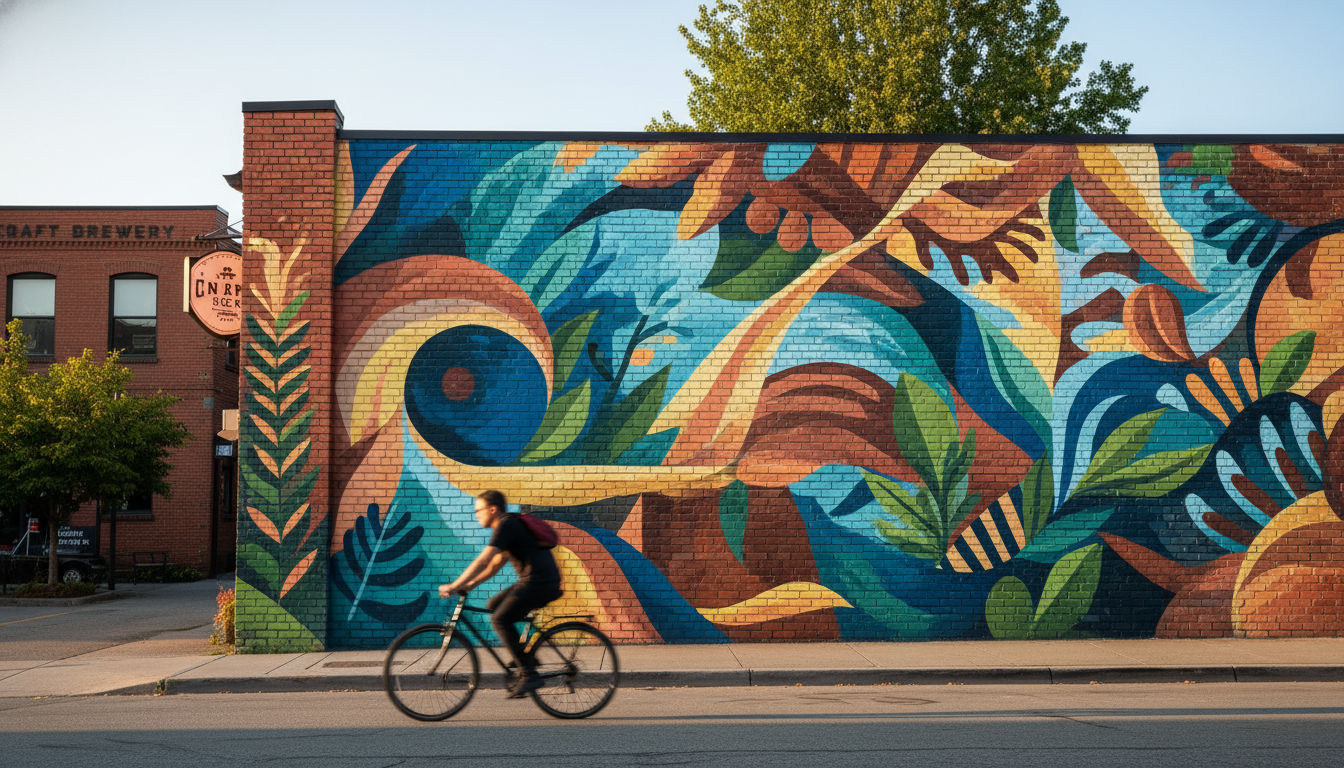 Colorful street art mural on a brick building in Mount Pleasant, with a cyclist passing by and a cra
Best Vancouver Neighborhoods for Cultural Home Swapping
After seven years of exchanges and countless conversations with fellow SwappaHome members, I've developed strong opinions about where to base yourself for maximum cultural immersion. Let me break it down.
Commercial Drive: Vancouver's Multicultural Heart
Locals call it "The Drive," and it's probably my favorite neighborhood for first-time Vancouver home swappers seeking cultural depth. This stretch of Commercial Drive—roughly from Venables to Grandview Park—is where Italian espresso bars sit next to Ethiopian restaurants, where Portuguese bakeries share walls with Salvadoran pupuserias.
The cultural immersion here is effortless. Grab a cappuccino at Caffè Calabria ($4.50 CAD / ~$3.30 USD), where old Italian men argue about soccer in the corner. Walk three doors down and you're browsing vintage vinyl at Audiopile. Saturday mornings, the farmers market takes over the parking lot behind the SkyTrain station—get there before 10 AM for the best sourdough from A Bread Affair.
Home swap properties on The Drive tend to be character apartments in older buildings or the upper floors of heritage homes. Expect hardwood floors, quirky layouts, and hosts who leave extensive notes about their favorite spots.
Pro tip: Ask your host about Havana on Commercial. It's a Cuban restaurant and gallery that hosts live music, theater, and art shows. The cultural programming changes constantly—your host will know what's on.
Kitsilano: West Coast Wellness Culture
Kits, as everyone calls it, is where you go to understand Vancouver's obsession with outdoor lifestyle. This is yoga-at-sunrise, farmers-market-Saturday, beach-volleyball-at-sunset territory. Some people find it insufferably healthy. I find it genuinely restorative.
The cultural immersion here is specifically West Coast Canadian: think Indigenous art at the Museum of Vancouver, sunset drum circles at Kits Beach, and an almost religious devotion to local, seasonal food. The neighborhood has gentrified significantly—you'll pay $7 USD for a latte at some spots—but there's still genuine community here.
Home swaps in Kits often come with bikes (Vancouver's cycling infrastructure is excellent) and recommendations for the seawall walk to Granville Island. That walk, by the way, is non-negotiable. Do it.
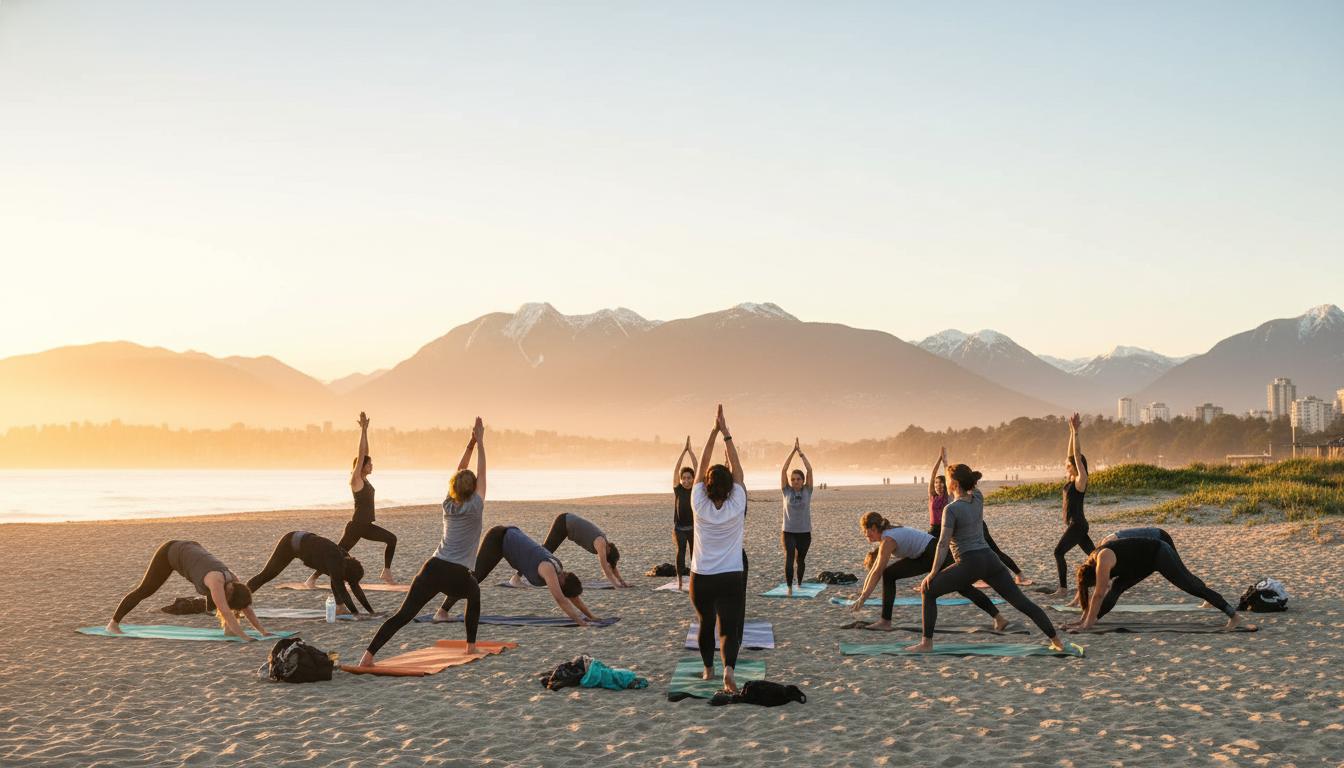 Early morning yoga class on Kitsilano Beach with the North Shore mountains in the background, partic
Strathcona and Chinatown: Historic Layers
This is where Vancouver's history lives. Strathcona is the city's oldest residential neighborhood, with Victorian homes that survived the urban renewal that destroyed so much of old Vancouver. Adjacent Chinatown—one of the largest in North America—has been a cultural hub since the 1880s.
I'll be honest: this area requires more cultural sensitivity than others. Chinatown has faced significant challenges, including the impacts of the nearby Downtown Eastside's struggles with homelessness and addiction. But it's also experiencing a cultural renaissance, with new restaurants, galleries, and community spaces opening alongside century-old institutions.
A home swap here puts you at the intersection of Chinese-Canadian history, Indigenous presence (the area is on unceded Musqueam, Squamish, and Tsleil-Waututh territory—as is all of Vancouver), and contemporary urban challenges. It's not the easiest cultural immersion, but it might be the most important.
Visit the Dr. Sun Yat-Sen Classical Chinese Garden ($14 CAD / ~$10 USD), one of the first authentic Ming Dynasty-style gardens built outside China. Then walk to the Chinese Cultural Centre for rotating exhibitions on Chinese-Canadian history.
Main Street: The Creative Corridor
Main Street, particularly between 20th and 30th Avenues, is where Vancouver's creative class lives, works, and hangs out. Independent boutiques, design studios, excellent restaurants, and a thriving craft beer scene define this stretch.
Cultural immersion here means understanding contemporary Vancouver: the tension between affordability and gentrification, the commitment to local and sustainable everything, and the creative energy that emerges when artists can still (barely) afford rent.
Home swaps on Main Street often come with recommendations for places like Regional Assembly of Text (a letterpress studio and shop where you can make your own cards), Kafka's Coffee ($4 CAD / ~$3 USD for a pour-over), and whatever pop-up or gallery show is happening that week.
How to Find the Perfect Vancouver Home Swap for Cultural Immersion
Not all home exchanges are created equal when it comes to cultural depth. Here's how I approach finding swaps that deliver genuine immersion.
Read Between the Lines of Listings
When I'm browsing SwappaHome listings, I pay attention to how hosts describe their neighborhood, not just their home. A host who writes "close to downtown and transit" is giving you logistics. A host who writes "our favorite breakfast spot is Slickity Jim's Chat 'n' Chew—get the Hurtin' Albertan if you can handle it" is inviting you into their life.
Look for listings that mention specific local businesses by name, neighborhood traditions or events, personal routines ("I swim at the Kits Pool every morning—it's heated and open May through September"), or even warnings about things that might bother you ("Yes, you can hear the train from the second bedroom—we find it charming"). These details signal a host who understands what makes their neighborhood special and wants to share it.
The Message Exchange Matters
Before confirming any Vancouver home swap, I always ask potential hosts: "What's something about your neighborhood that surprised you when you first moved there?" Their answer tells me everything about how they engage with their community.
Generic answer: "It's very walkable."
Great answer: "I had no idea there was a community garden three blocks away—I've had a plot there for six years now and know all my neighbors because of it."
The second host is going to give you a culturally immersive experience. The first might be perfectly nice, but you'll be more on your own.
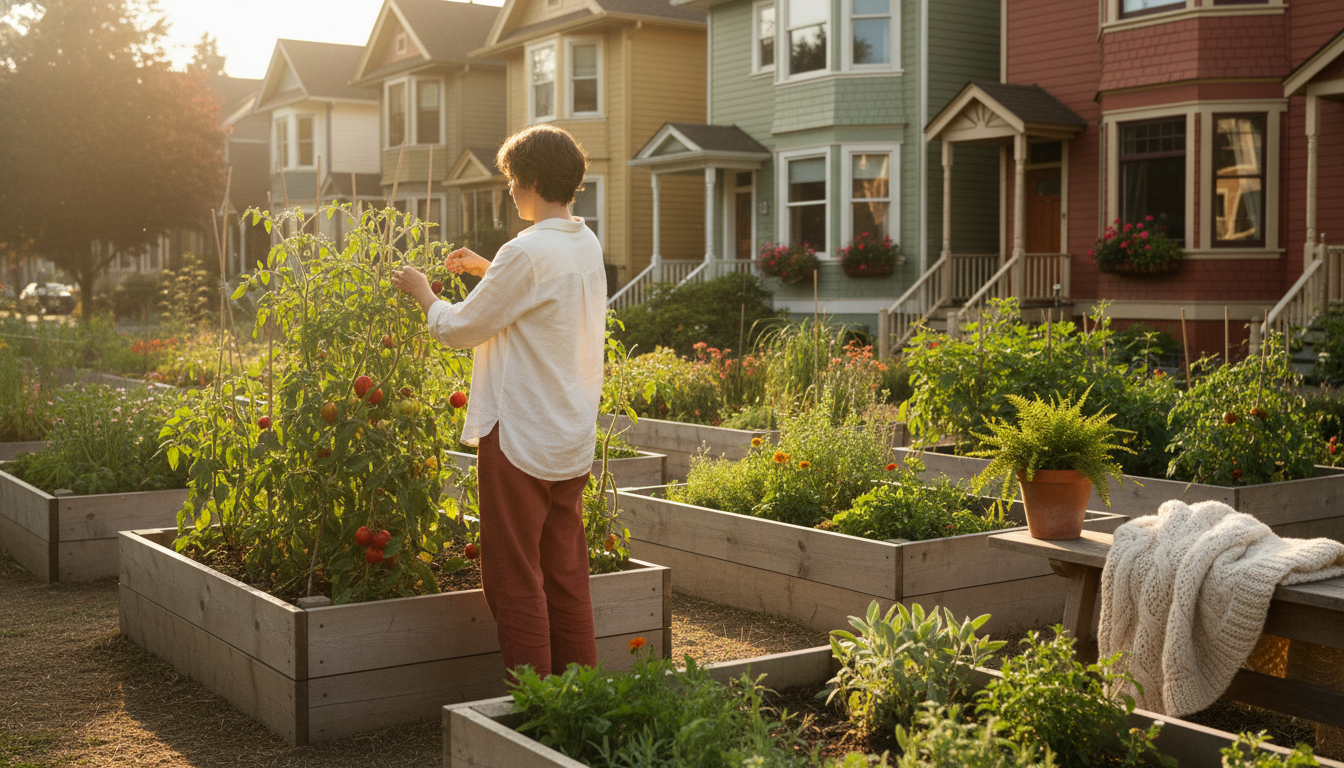 A community garden in East Vancouver with raised beds, someone tending tomato plants, with colorful
Timing Your Vancouver Home Exchange
Vancouver's cultural calendar affects what kind of immersion you'll experience.
June through August is festival season. Pride Parade (one of the world's largest), Vancouver Folk Music Festival, Celebration of Light fireworks competition, countless outdoor events. The city is at its most vibrant—and most crowded.
September and October are my personal favorite months. The summer tourists leave, but the weather stays decent. Vancouver International Film Festival brings incredible programming. The cultural scene shifts indoors to theaters, galleries, and music venues.
November through February means rain. Real talk: it's gray. A lot. But this is when you experience Vancouver as Vancouverites do—cozy coffee shops, indoor markets, and the particular resilience required to live here. Cultural immersion during winter means understanding why everyone owns good rain gear and why "hygge" culture has been adopted wholesale.
March through May brings cherry blossom season (late March to mid-April), which is genuinely magical. The city tracks blooming trees on an official map. Cultural events pick up as the city emerges from winter hibernation.
Maximizing Cultural Immersion During Your Vancouver Home Swap
Once you've secured your exchange, here's how to go deep.
Follow Your Host's Actual Routine
This sounds obvious, but most travelers don't do it. Your host left you a list of their favorite spots? Actually go to them. All of them. In the order they'd go.
During my Kitsilano swap, my host had a Sunday routine: 8 AM swim at the outdoor pool, coffee at 49th Parallel, browse the farmers market, lunch at her favorite sushi spot (Miku, if you're wondering—not cheap at around $40-60 USD per person, but transformative). I followed it exactly. By the end, I understood something about the rhythm of life in that neighborhood that I couldn't have grasped any other way.
Talk to the Neighbors
I know, I know—we're all trained not to bother people. But here's the thing: in most Vancouver neighborhoods, people are genuinely friendly and curious about home swappers. When you're taking out the recycling (Vancouver has intense recycling rules—your host will explain) and a neighbor says hi, don't just wave. Stop and chat.
Some of my best Vancouver cultural experiences came from neighbor recommendations: a hidden beach access point in West Vancouver, a family-run dim sum spot in Richmond that tourists never find, a free outdoor concert series I wouldn't have known about otherwise.
Embrace the Indigenous Cultural Layer
Vancouver sits on the unceded traditional territories of the Musqueam, Squamish, and Tsleil-Waututh Nations. This isn't just a land acknowledgment to recite—it's an invitation to engage with living Indigenous culture.
The Museum of Anthropology at UBC ($18 CAD / ~$13 USD) houses one of the world's finest collections of Pacific Northwest Indigenous art, including monumental totem poles and works by contemporary Indigenous artists. But cultural immersion goes beyond museums.
Seek out Indigenous-owned businesses: Salmon n' Bannock restaurant in Fairview, Skwachàys Lodge (an Indigenous arts hotel and gallery), the Indigenous-led walking tours offered through Talaysay Tours. If your home swap host has connections to Indigenous cultural events or gatherings that are open to visitors, ask if it's appropriate for you to attend.
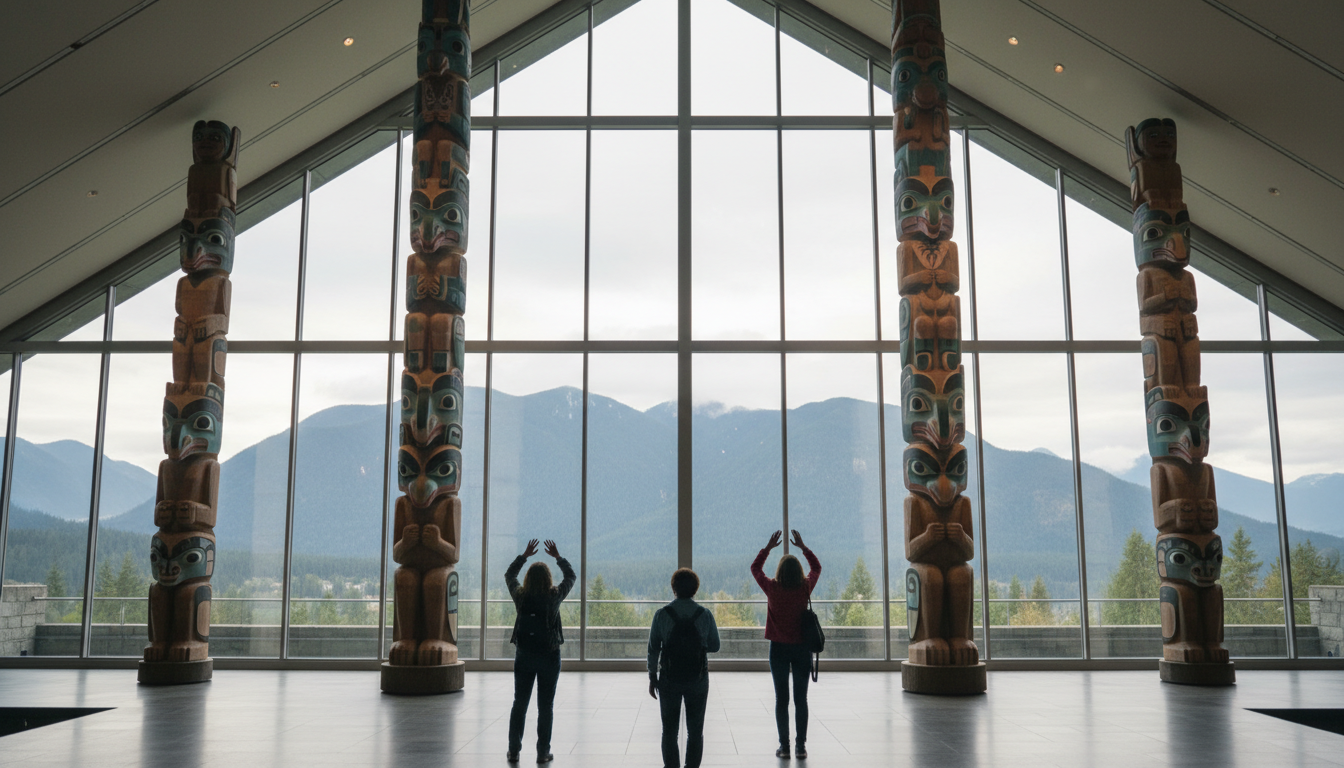 Towering totem poles inside the Museum of Anthropologys Great Hall, with massive windows looking out
Learn the Food Culture
Vancouver's food scene is a direct expression of its cultural makeup. The city has arguably the best Asian food in North America outside of Asia itself—a result of significant immigration from Hong Kong, China, Taiwan, Japan, Korea, Vietnam, and the Philippines.
Cultural immersion through food means going beyond the trendy downtown restaurants. It means dim sum in Richmond (take the Canada Line to Aberdeen or Lansdowne stations)—Empire Seafood or Sun Sui Wah for traditional, Chef Tony for modern. Budget around $25-40 CAD ($18-30 USD) per person. It means Japanese izakaya culture on Robson Street, where Guu is the classic: loud, lively, and perfect. Vietnamese pho in the Mount Pleasant/Fraser Street area, with Pho Lan as my go-to. Indian food on the "Curry Mile" of Main Street in South Vancouver.
Ask your home swap host where they actually eat. Not where they take visitors—where they go on a Tuesday when they don't feel like cooking.
Get Outside (It's Non-Negotiable)
I don't care if it's raining. You cannot understand Vancouver culture without understanding its relationship to nature. This city exists because of the mountains, the ocean, and the forests. People here plan their lives around outdoor access.
Cultural immersion means walking the Seawall—28 kilometers of waterfront path. You don't have to do it all, but do some of it. Rent a bike (around $15-20 USD for a half day) and ride from your neighborhood to somewhere new. It means Stanley Park, which yes, is touristy, but it's also a 1,000-acre old-growth forest in the middle of a city. Walk the interior trails, not just the seawall perimeter. It means local swimming—Vancouverites swim outdoors well into fall at Kits Pool, Second Beach Pool, or, if you're brave, the ocean at English Bay. And it means a North Shore hike: take the SeaBus from Waterfront to Lonsdale Quay (a cultural experience in itself), then bus to Lynn Canyon or the Grouse Grind. This is what Vancouverites do on weekends.
What Your Vancouver Home Swap Host Expects From You
Cultural exchange goes both ways. When you're staying in someone's Vancouver home, you're not just receiving—you're participating in a community of trust.
Leave the home as you found it. This seems basic, but it matters. Vancouver hosts often have detailed instructions about recycling (organics, paper, containers, and garbage all go in different bins—yes, really) and expect you to follow them. It's part of the culture here.
Respect the neighborhood. You're representing your host to their neighbors. Say hello. Don't block driveways. Keep noise reasonable.
Leave a thoughtful note. I always leave my Vancouver hosts a note about what I discovered in their neighborhood—sometimes it's something they didn't even know about. This is how home swapping builds community.
Consider your own home exchange offerings. The SwappaHome credit system means you earn credits by hosting guests in your home—one credit per night, regardless of where you live or how fancy your place is. Those credits let you stay anywhere in the network. If you have a great Vancouver experience, think about how you can offer the same cultural depth to someone visiting your city.
The Deeper Meaning of Cultural Immersion Through Home Swapping
I've been thinking a lot lately about why home swapping feels different from other forms of travel. It's not just the money saved (though staying in someone's Vancouver apartment instead of a hotel easily saves $200-400 USD per night). It's not just the space (though having a kitchen and a neighborhood changes everything).
It's the trust.
When someone hands you the keys to their home, they're trusting you with their life—their books, their art, their grandmother's recipe for salmon candy. That trust creates a different kind of traveler. You move through the city more carefully, more curiously. You want to be worthy of the welcome.
And when you return home and host someone in your space, you become part of this chain of trust that circles the globe. The person staying in your apartment might be a Vancouver local who wants to experience your city the way you experienced theirs.
That's cultural immersion. Not just consuming a place, but participating in it. Becoming, for a week or a month, a temporary local.
Getting Started With SwappaHome for Your Vancouver Cultural Exchange
If you're new to home swapping, the process is simpler than you might think. SwappaHome gives new members 7 free credits to start—that's 7 nights of accommodation anywhere in the network. One credit equals one night, whether you're staying in a Vancouver penthouse or a cozy studio.
Create a profile that reflects who you are and what kind of cultural experiences you're seeking. Upload good photos of your home. Write honestly about your neighborhood—remember, someone is going to be looking for the same cultural depth in your city that you're seeking in Vancouver.
Then start browsing Vancouver listings. Message hosts whose descriptions resonate with you. Ask questions. Build a connection before you book.
The verification system helps establish trust, and the review system means you can see how previous guests experienced each home. But honestly? The best indicator is the conversation. If a host engages thoughtfully with your questions about their neighborhood, they're going to give you a culturally rich experience.
That salmon candy, by the way? I made it. Followed the instructions my host left, smoked the fish in her garage, and brought some to the neighbors who'd invited me to their beach bonfire. They'd never tried it before. We sat on the sand as the sun set behind Vancouver Island, eating this traditional preparation that my host had learned from her friend at the cultural center, who'd learned it from her grandmother.
That's what cultural immersion in Vancouver through home swapping can be. Not just seeing a place, but tasting it, making it, sharing it. Becoming, for a moment, part of the story.
Your Vancouver story is waiting. You just need to find the right home to start it.
Frequently Asked Questions
Is home swapping in Vancouver safe for solo travelers?
Vancouver consistently ranks among North America's safest cities, and home swapping adds a layer of community trust through SwappaHome's verification and review systems. Solo travelers benefit from staying in residential neighborhoods rather than tourist areas, with hosts often providing local safety tips and emergency contacts. I've done multiple solo swaps in Vancouver without issues.
How much can I save with home swapping versus hotels in Vancouver?
Vancouver hotels average $250-450 CAD ($185-330 USD) per night in popular areas. A two-week home swap saves approximately $2,600-4,600 USD in accommodation costs alone. Since SwappaHome operates on a credit system (one credit per night, regardless of location), your actual cost is just the membership fee—making extended cultural immersion trips financially accessible.
What's the best neighborhood in Vancouver for first-time home swappers?
Commercial Drive offers the most accessible cultural immersion for first-timers—walkable, diverse, excellent public transit, and a welcoming community vibe. Kitsilano is ideal if outdoor lifestyle and beaches are priorities. Both neighborhoods have active SwappaHome listings and hosts experienced with exchanges.
How far in advance should I book a Vancouver home swap?
For summer visits (June-August), start messaging potential hosts 3-4 months ahead—this is peak season. Shoulder seasons (May, September-October) require 6-8 weeks notice. Winter swaps can often be arranged with just 2-3 weeks lead time. Building a relationship with your host through SwappaHome's messaging system takes time, so earlier is always better.
Can I experience Indigenous culture during a Vancouver home swap?
Absolutely. Vancouver offers rich Indigenous cultural experiences including the Museum of Anthropology ($18 CAD), Talaysay Tours' Indigenous-led walking tours, Indigenous-owned restaurants like Salmon n' Bannock, and cultural events throughout the year. Many home swap hosts can recommend seasonal gatherings, art exhibitions, and community events that welcome respectful visitors.

Published by
SwappaHome
SwappaHome Editorial Team
Home Exchange & Slow Travel Editorial
The SwappaHome Editorial Team brings together travel research, home-exchange community insights, and platform data to produce practical guides for first-time and experienced home swappers. Every article cites real platforms, current market rates, and verifiable city-level facts so readers can make informed decisions without guessing.
Ready to try home swapping?
Join SwappaHome and start traveling by exchanging homes. Get 7 free credits when you sign up!
Related articles
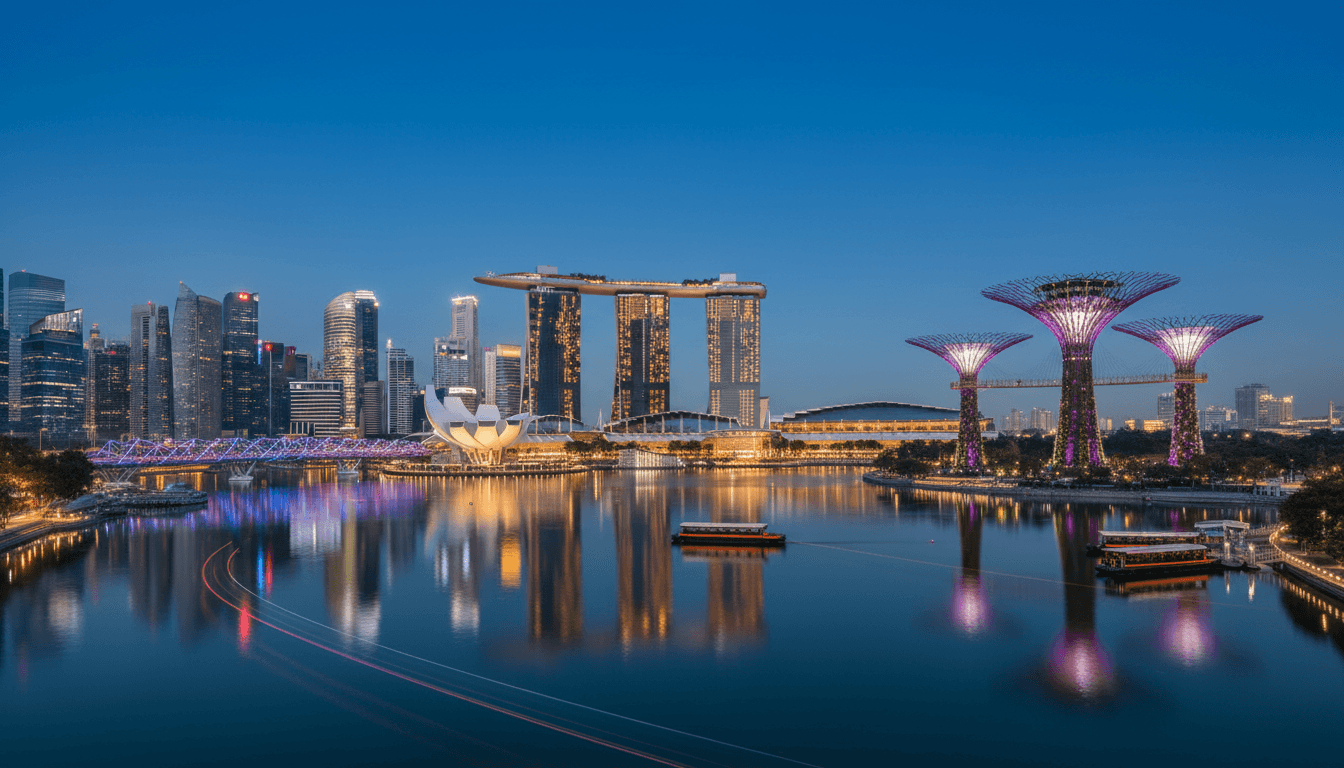
Bachelor and Bachelorette Parties in Singapore: The Complete Home Swap Group Guide for 2026
Planning a bachelor or bachelorette party in Singapore? Discover how home swapping lets groups of 6-12 stay together in luxury condos, saving thousands while partying in Marina Bay.
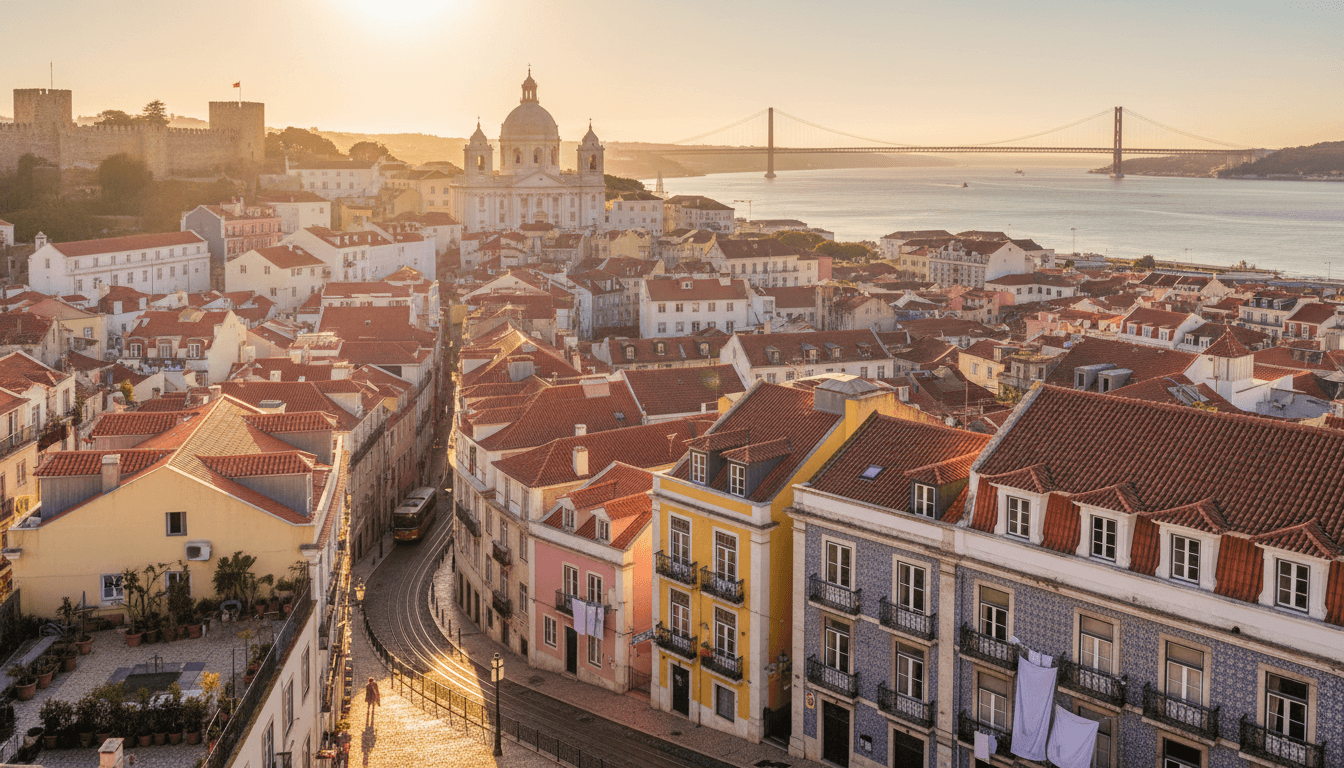
Cycling in Lisbon: 7 Home Swap Bike Tour Itineraries for Every Rider
Discover the best cycling routes in Lisbon with these home swap bike tour itineraries—from waterfront paths to hilltop adventures, all starting from your borrowed home.
Graduation Trip to Barcelona: How Home Swapping Gives New Graduates the Ultimate Celebration
Planning a graduation trip to Barcelona? Discover how home swapping lets new graduates explore Spain's most vibrant city without the hostel crowds or hotel costs.