Kyoto Bucket List: 23 Unforgettable Experiences During Your Home Swap

SwappaHome Editorial Team
Home Exchange & Slow Travel Editorial
From secret bamboo groves to midnight ramen runs, here's your insider Kyoto bucket list—plus why home swapping unlocks experiences hotels never could.
The first morning I woke up in Kyoto, I made a mistake that turned out to be the best thing that could've happened. I'd set my alarm for 5 AM to beat the crowds at Fushimi Inari, but my jet-lagged brain somehow registered it as 5 PM. So there I was, wide awake at 3 AM, padding around my host's wooden machiya townhouse in Nishijin, completely disoriented—and completely enchanted.
My host had left a note about the neighborhood's 24-hour sento two blocks away. By 4 AM, I was soaking in near-silence with three elderly Japanese men who nodded politely and went back to their quiet contemplation. No tour bus. No selfie sticks. Just steam rising in the pre-dawn darkness and the distant clatter of a delivery truck.
That experience isn't on any Kyoto bucket list I'd ever read. But it should be.
This is what happens when you swap homes instead of booking hotels. You don't just visit Kyoto—you slip into someone else's life there. And that changes everything.
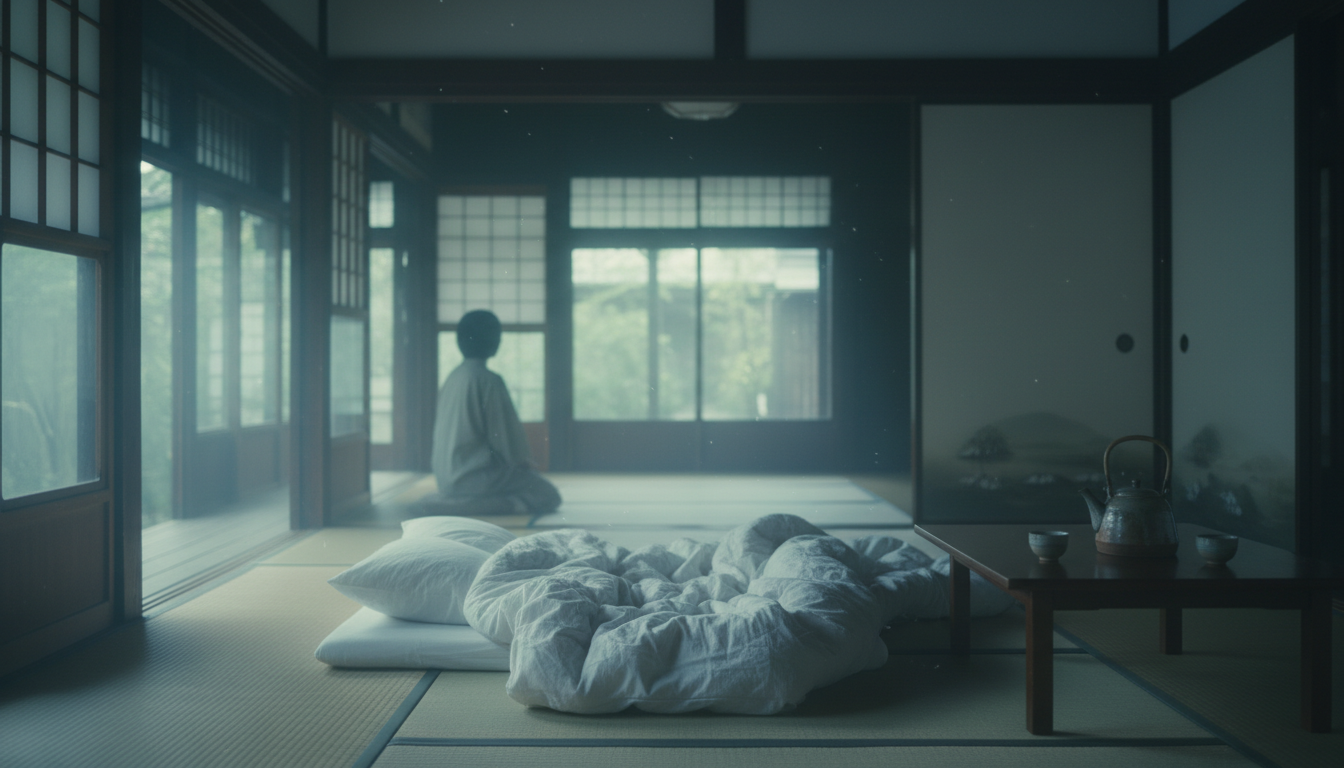 Traditional wooden machiya townhouse interior at dawn, soft light filtering through shoji screens, f
Why a Home Swap in Kyoto Changes Everything
I've been to Kyoto three times now. The first was a rushed four-day hotel stay where I hit the highlights and left exhausted. The second and third? Home swaps—one in a converted sake brewery in Fushimi, another in that Nishijin machiya I mentioned.
The difference wasn't just about saving money (though I saved roughly $2,400 over two weeks compared to mid-range hotels). It was about access.
When you're staying in someone's actual home, you inherit their neighborhood. Their coffee shop. Their dry cleaner who speaks zero English but somehow communicates through enthusiastic pointing. Their favorite spot for morning miso soup. You get a kitchen—which in Kyoto means you can actually buy those incredible Nishiki Market ingredients and cook them, instead of just photographing them like a food tourist.
My Fushimi host left me a hand-drawn map to a tiny izakaya that doesn't appear on Google Maps. The owner recognized me as "Tanaka-san's friend" and brought out dishes that weren't on the menu.
That's the kind of Kyoto bucket list experience you can't buy.
The Ultimate Kyoto Bucket List for Home Swap Travelers
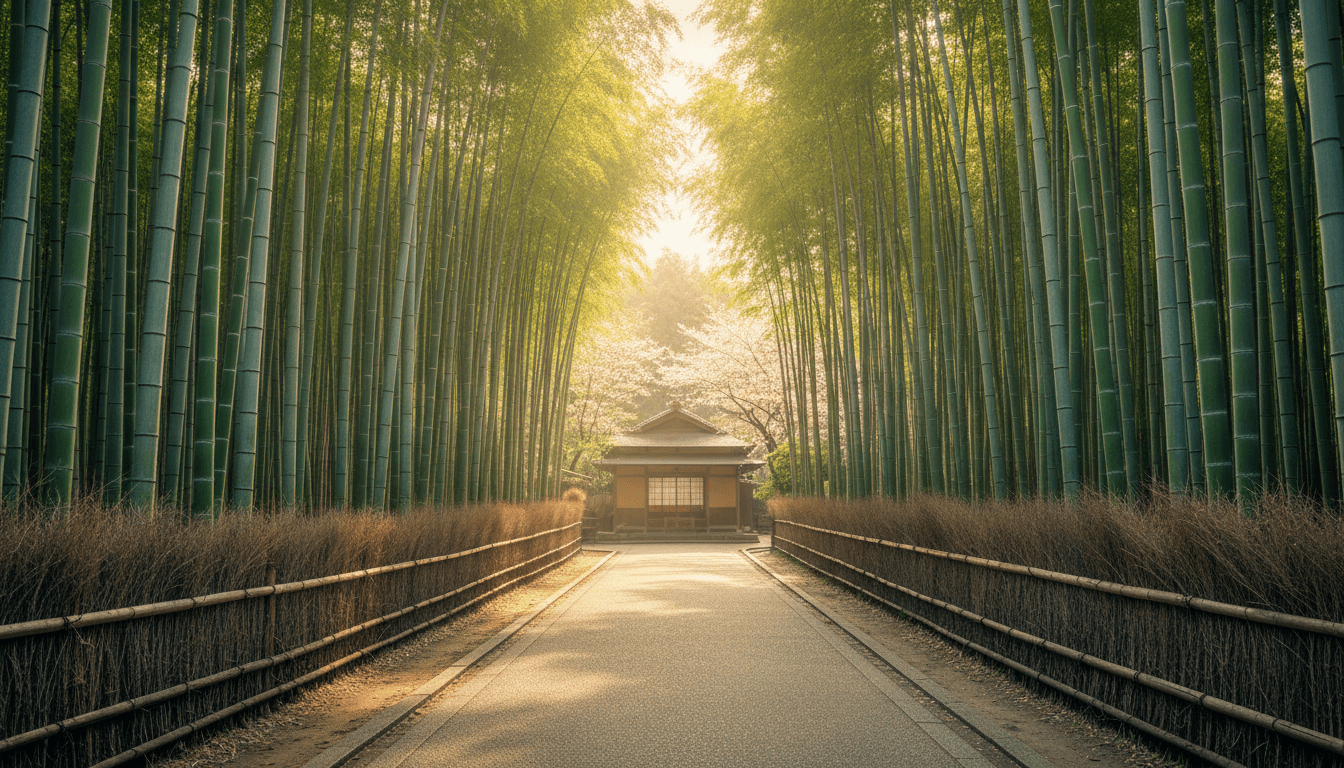
So here's the thing about most Kyoto bucket lists—they're written by people who spent a long weekend there. They'll tell you to see Kinkaku-ji and walk through Arashiyama bamboo grove. Fine. Do those things. But if you're doing a home swap, you have time. You have a base. You can go deeper.
I've organized this by the kind of day you're having, because that's how real life works.
When You Wake Up Early (Before 7 AM)
Fushimi Inari at sunrise. Yes, everyone says this. But here's what they don't tell you: keep climbing past where most people stop. The main crowds thin out dramatically after the first 30 minutes of walking. By the time you reach the summit—about 2 hours up—you'll have the vermillion torii gates practically to yourself. The descent takes you through a completely different route with tiny shrines and moss-covered fox statues that feel genuinely discovered.
Philosopher's Path without the philosophers. This cherry-tree-lined canal walk is mobbed by 9 AM. At 6:30 AM? Just you, some joggers, and a few cats. Start at Ginkaku-ji (Silver Pavilion) and walk south. The light through the trees in early morning is the kind of thing that makes you understand why people write poetry.
Nishiki Market's back-door breakfast. The main market doesn't open until 9 AM, but the surrounding streets have tiny standing-only spots serving breakfast to the vendors themselves. Look for the places with plastic crates as seats. A bowl of rice, miso soup, grilled fish, and pickles will run you about ¥650 ($4.50) and fuel you until lunch.
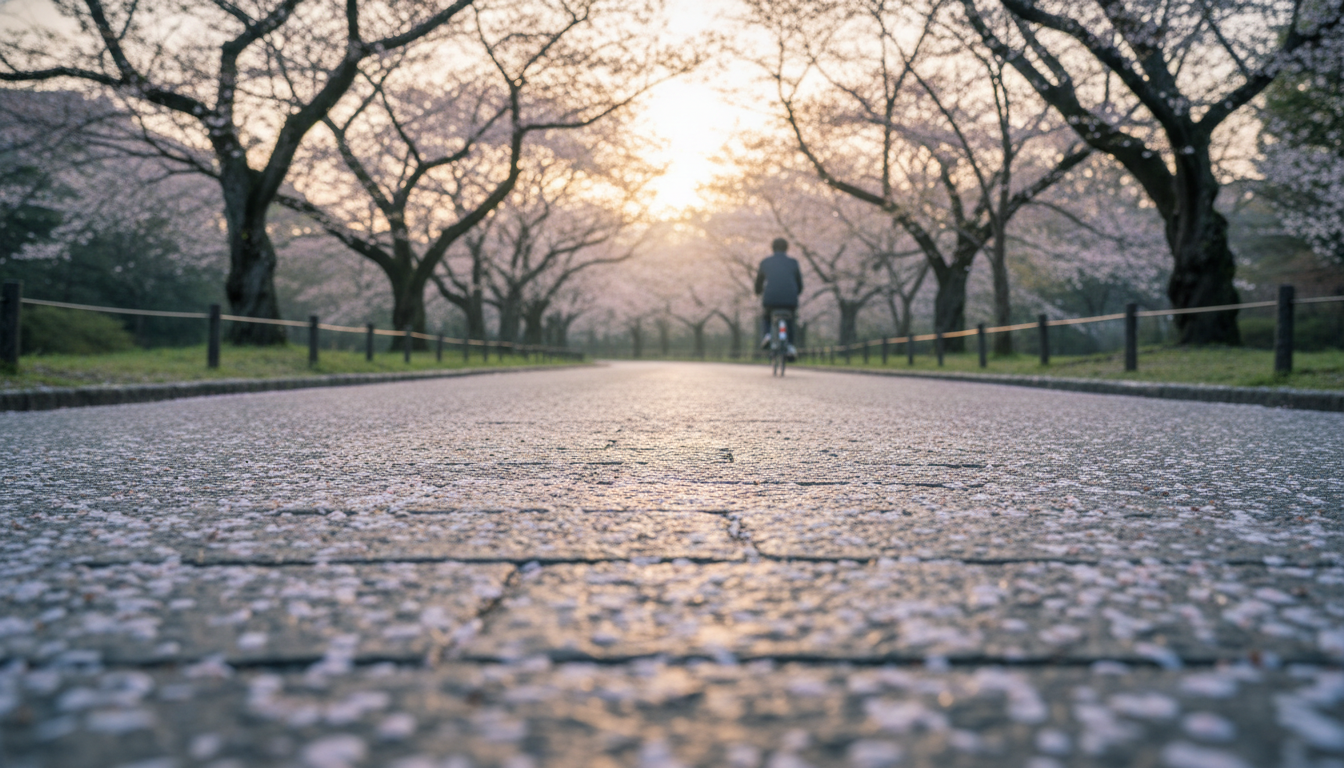 Empty Philosophers Path at dawn, cherry blossom petals on wet stone path, single cyclist in the dist
When You Have a Full Day to Explore
Arashiyama, but make it local. Skip the main bamboo grove (or hit it at 7 AM, then leave). Instead, rent a bike from the station—¥1,000/$7 for the day—and cycle along the Katsura River to Sagano. This area has smaller bamboo groves, traditional pickle shops, and the spectacular Ōkōchi Sansō villa garden. It costs ¥1,000 ($7) but includes matcha and a sweet, and honestly? Worth every yen for the views alone.
The temple circuit nobody does. Instead of Kinkaku-ji (genuinely crowded, genuinely beautiful, genuinely overrated), try this route: Start at Ryōan-ji for the famous rock garden—get there at opening, 8 AM. Walk 15 minutes to Ninna-ji, which has the most photogenic pagoda in Kyoto and almost no tourists. Continue to Myōshin-ji, a massive temple complex where you can wander for hours through sub-temples, most of which you'll have entirely to yourself.
Fushimi sake district deep dive. If you're staying in Fushimi (highly recommend for a home swap), spend a full day exploring the sake breweries. Gekkeikan Okura Sake Museum (¥600/$4) gives you three tastings. Then walk along the canal to Kizakura Kappa Country for their sake ice cream—sounds weird, tastes incredible. End at Torisei for yakitori and more sake than you planned on drinking.
When You Want to Slow Down
A morning at Kennin-ji. This is Kyoto's oldest Zen temple, and it's right in the middle of Gion—which means most tourists walk right past it on their way to spot geisha. The twin dragon ceiling painting is jaw-dropping, but I love it for the tatami rooms where you can sit and watch the rock garden for as long as you want. No one rushes you. Admission is ¥600 ($4).
Kamo River picnic. Buy bento boxes from Daimaru department store's basement food hall (the quality-to-price ratio is absurd) and find a spot along the Kamo River between Shijō and Sanjō bridges. This is what Kyoto locals do on nice days. Bring a book. Watch the herons. Stay until sunset.
Neighborhood sento experience. If your home swap host hasn't already recommended one, ask them about the nearest public bath. These aren't onsen—they're neighborhood bathhouses where locals go after work. The etiquette is simple: wash thoroughly before entering the bath, don't put your towel in the water, be quiet. Most cost between ¥450-600 ($3-4). The one in Nishijin I mentioned, Funaoka Onsen, is particularly spectacular—it's been operating since 1923 and has outdoor baths and a wood-fired sauna.
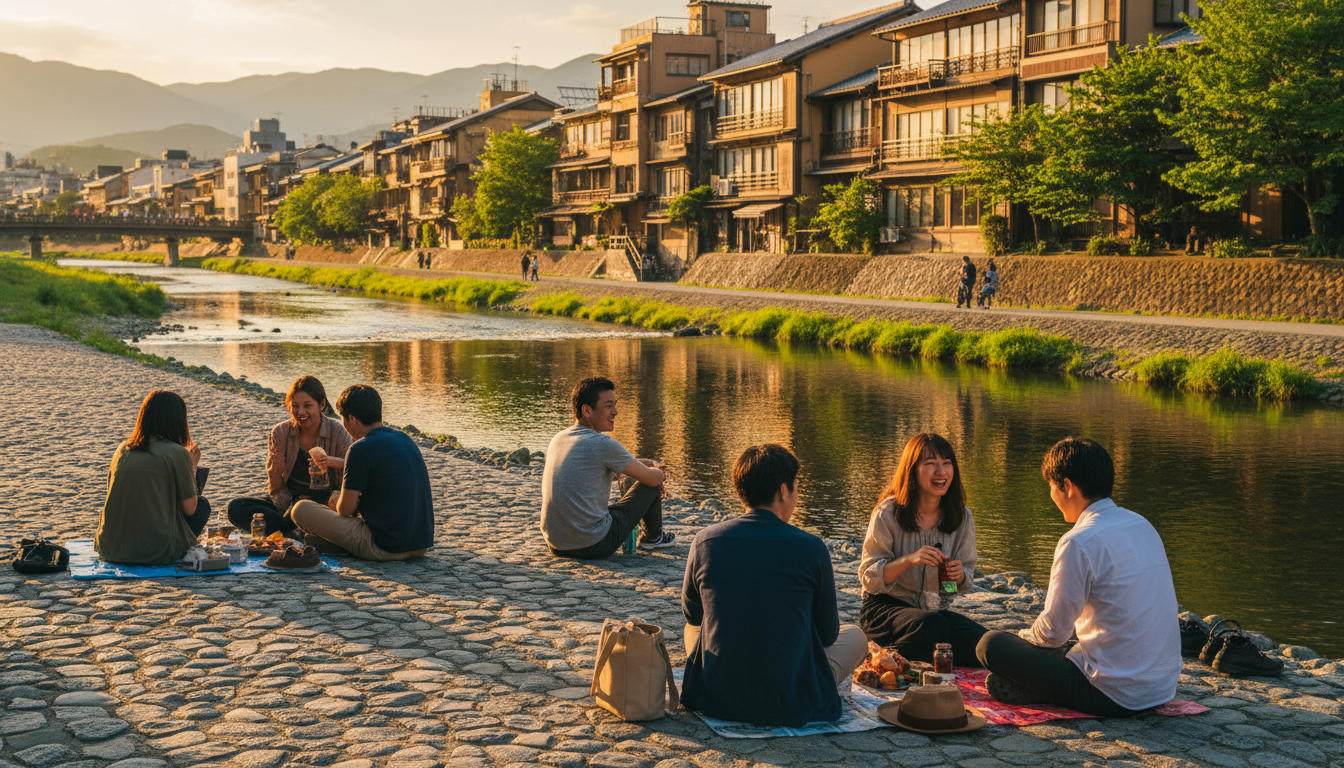 Kamo River at golden hour, couples and friends sitting on the riverbank, traditional buildings in ba
Kyoto Bucket List: Food Experiences Worth Planning Around
Real talk: I've had mediocre meals in Kyoto. Usually at places recommended by hotel concierges or major guidebooks. The best food I've eaten there came from recommendations by home swap hosts, neighborhood wandering, and one very lucky wrong turn.
The Must-Eats
Kaiseki (multi-course traditional meal). This is Kyoto's signature culinary art form, and yes, it's expensive. But here's the thing: lunch kaiseki at respected restaurants costs about 40% of dinner prices. Kikunoi Roan in Gion does a lunch course for ¥8,000 ($55) that would be ¥15,000+ at dinner. Make reservations at least two weeks ahead.
Yudofu (tofu hot pot). Kyoto's water makes exceptional tofu, and this simple dish—silky tofu simmered in kombu broth—is best eaten at temples. Nanzen-ji has several restaurants right on the grounds. Expect to pay ¥2,500-3,500 ($17-24) for a full set with rice and sides.
Obanzai (home-style cooking). This is what Kyoto families actually eat: small dishes of seasonal vegetables, simmered in dashi, served at tiny counter restaurants. The Pontocho alley has several good options, but they're pricey. For the real deal, ask your home swap host where they eat obanzai—it's almost always a 10-minute walk from wherever they live.
Matcha everything, but specifically at Nakamura Tokichi. This tea house in Uji (20 minutes from Kyoto by train) has been operating since 1854. Their matcha parfait is ¥1,200 ($8) and worth the train fare alone. Go on a weekday; weekends have hour-long waits.
The Late-Night Spots
Ippudo Ramen near Kyoto Station. Yes, it's a chain. I don't care. When you're exhausted from temples and need something hot and salty at 11 PM, this place delivers. Rich tonkotsu broth, perfectly chewy noodles, ¥850 ($6).
Pontocho alley standing bars. After 9 PM, the narrow Pontocho alley transforms from tourist-trap restaurants to locals-only standing bars. Look for the tiny doorways with noren curtains and salary workers spilling onto the street. Point at what others are drinking. Make friends.
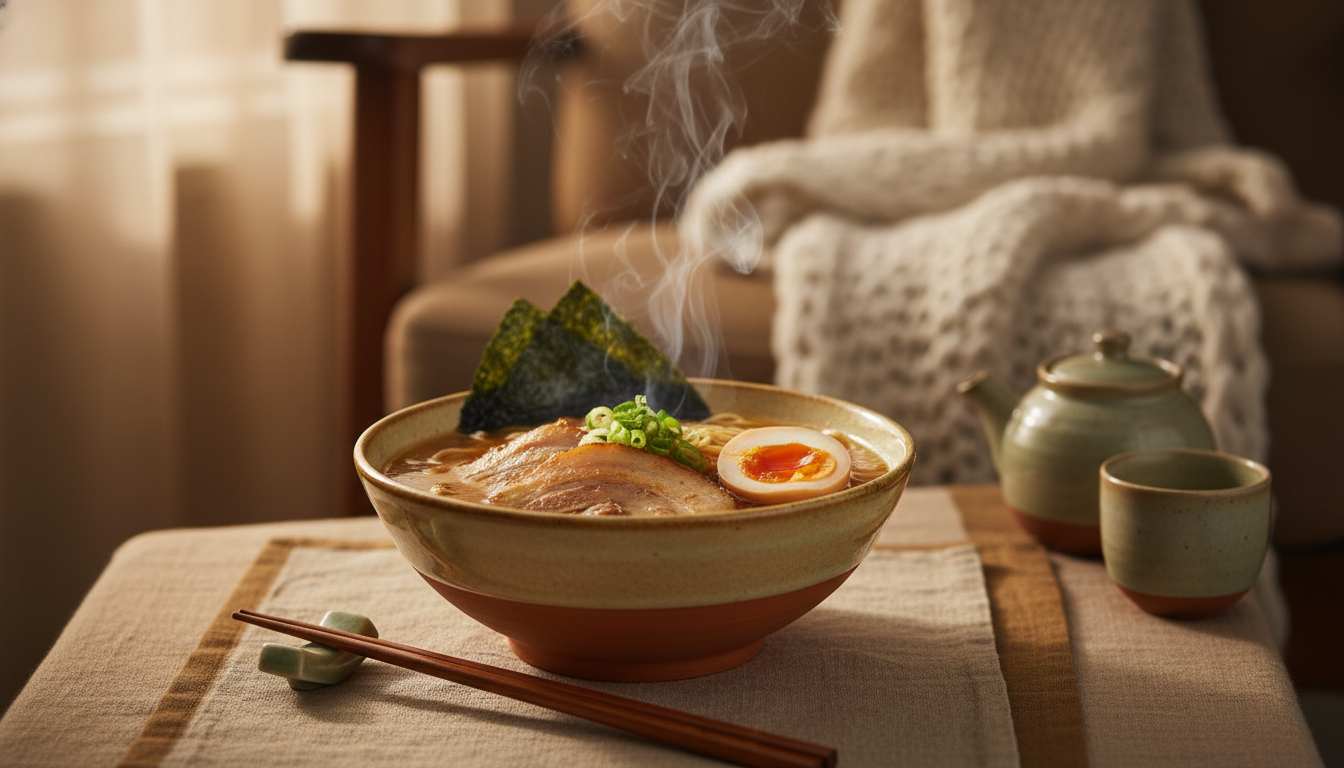 Steaming bowl of ramen with soft-boiled egg and chashu pork, chopsticks resting on ceramic holder, w
Seasonal Kyoto Bucket List Experiences
Kyoto is a different city in each season. Your home swap timing will shape your experience dramatically.
Spring (March-May)
Cherry blossom season (late March to mid-April) is peak Kyoto—both in beauty and crowds. If you're swapping homes during sakura season, congratulations and my condolences. Here's how to survive:
Maruyama Park is the classic hanami (flower viewing) spot. Go at night when the weeping cherry is illuminated. Bring drinks and snacks; this is a picnic situation.
Heian Shrine gardens have weeping cherries that bloom slightly later than everywhere else—perfect if you've just missed peak bloom elsewhere.
The Keage Incline is an abandoned railway track lined with cherry trees. It's become Instagram-famous, but it's still magical at sunrise.
Summer (June-August)
Hot. Humid. Most tourists avoid it.
Which means you shouldn't.
Gion Matsuri (July) is one of Japan's biggest festivals. The float procession on July 17th is spectacular, but the street food stalls and evening atmosphere the week before are just as good.
Kifune and Kurama in the northern mountains are 5-10°C cooler than central Kyoto. Restaurants here serve meals on platforms built over the river. Yes, it's touristy. Yes, it's worth it.
Firefly viewing along the Shirakawa River in Gion happens in early June. No crowds, no admission fee, just bioluminescence.
Fall (September-November)
Autumn leaves rival cherry blossoms for beauty, with slightly smaller crowds.
Tōfuku-ji Temple has the most famous autumn colors in Kyoto. Go at opening time (8:30 AM) or skip it entirely—midday is a nightmare.
Eikando Temple does evening illuminations of the fall foliage that are genuinely spectacular. Tickets are ¥600 ($4).
The eastern Higashiyama district is best experienced by walking from Kiyomizu-dera down through Ninenzaka and Sannenzaka streets as the leaves turn.
Winter (December-February)
Kyoto gets cold—sometimes snow—and tourists mostly disappear.
Kinkaku-ji in snow is the iconic Kyoto shot. Snow is rare (maybe 2-3 times per winter), but if it happens during your swap, drop everything and go.
New Year's temple visits (hatsumode) are a major tradition. Yasaka Shrine in Gion is packed but festive; smaller neighborhood shrines are more intimate.
Setsubun festival (February 3rd) at Yoshida Shrine involves demon-chasing rituals and thrown soybeans. Weird and wonderful.
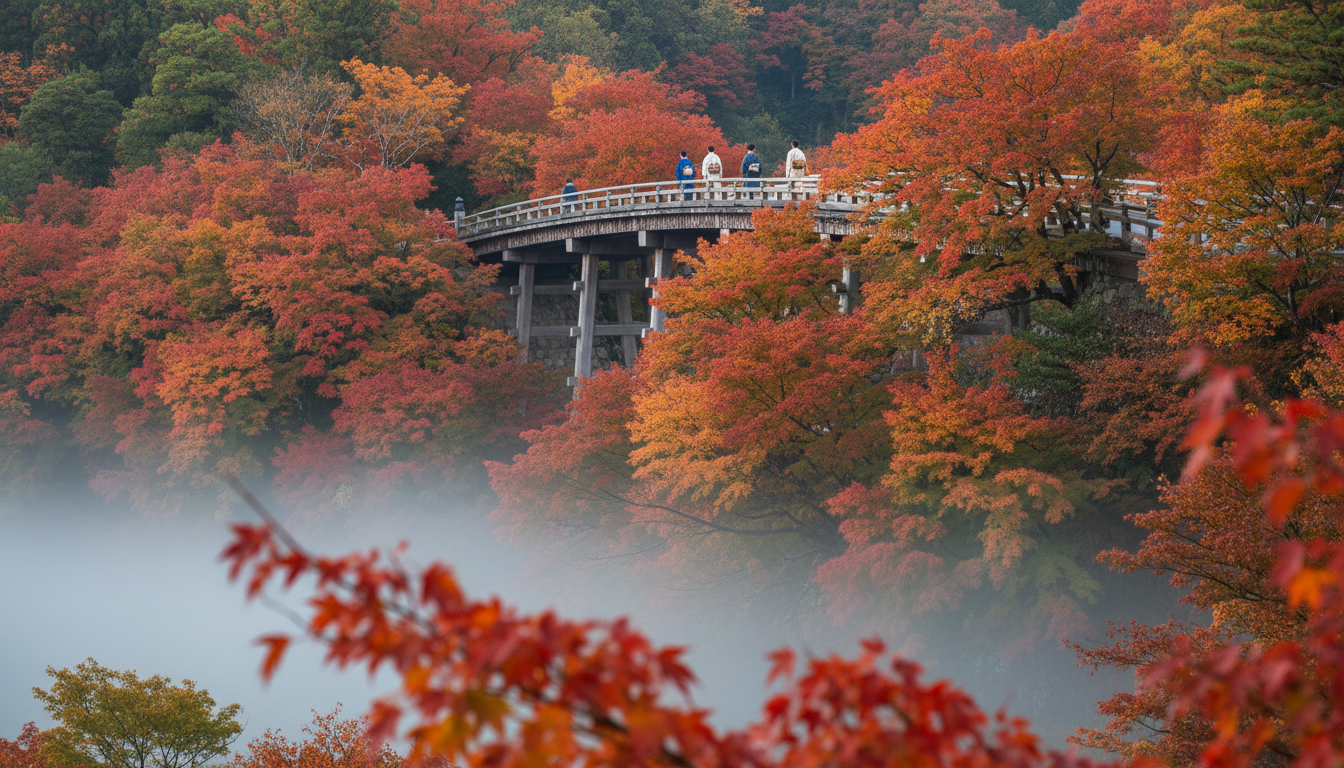 Tfuku-ji Temple bridge with brilliant red and orange maple leaves, morning mist, a few visitors in t
Practical Kyoto Bucket List Tips for Home Swappers
Okay, let's get into the logistics that will make or break your trip.
Getting Around
Don't get a JR Pass just for Kyoto. The city's main attractions aren't on JR lines. Instead, buy a one-day bus pass (¥700/$5) from any bus driver or the tourist info center at Kyoto Station. It pays for itself after three rides.
Rent a bike. Kyoto is flat and extremely bikeable. Most home swap hosts will either have bikes you can borrow or know where to rent them cheaply. I paid ¥4,000 ($28) for a week-long rental from a shop in Nishijin.
Walk more than you think you should. Some of the best Kyoto bucket list moments happen between destinations—the tiny shrine you stumble upon, the old woman arranging flowers outside her shop, the cat sleeping in a patch of sunlight.
Money Matters
Kyoto is more cash-dependent than you'd expect. Many small restaurants, temples, and neighborhood shops don't take cards. I'd recommend having at least ¥20,000-30,000 ($140-210) in cash at any time. 7-Eleven ATMs accept foreign cards with no issues.
The Crowds Question
I won't sugarcoat it: Kyoto has an overtourism problem. The main sites are genuinely, frustratingly crowded between 10 AM and 4 PM.
Your home swap advantage is flexibility. You can hit popular spots at opening time or near closing. Take midday breaks at your actual home instead of wandering exhausted. Explore your neighborhood instead of fighting crowds. Stay long enough that you don't need to cram everything into three days.
Etiquette That Matters
Geisha spotting in Gion. Don't chase them, don't block their path, don't photograph them without permission. They're working artists, not attractions. The best way to see geisha culture is to book a dinner at an ochaya (tea house)—expensive but authentic—or attend a public dance performance in spring or fall.
Temple behavior. Remove shoes when entering buildings. Don't step on the raised thresholds. Bow slightly when passing through gates. Photography is usually fine outside but often prohibited inside—look for signs.
Quiet hours. Kyoto neighborhoods are residential. Keep your voice down after 9 PM, especially in traditional areas. Your home swap host will appreciate you not being "that tourist."
Creating Your Own Kyoto Bucket List Moments
Here's what I've learned after three trips: the best Kyoto experiences aren't on any list. They happen when you have time and a home base and the freedom to wander without a schedule.
During my last swap, I spent an entire afternoon in a single coffee shop in the Nishijin textile district, watching an elderly craftsman work on a loom through the window next door. I never learned his name. I don't have photos. But I remember the rhythm of the shuttle moving back and forth, the way the light changed as clouds passed, the particular taste of that shop's pour-over coffee.
That's the Kyoto bucket list experience that matters—the one you can't plan, the one that only happens when you're living somewhere instead of just visiting.
On SwappaHome, I've noticed Kyoto listings tend to go fast, especially during cherry blossom and fall foliage seasons. If you're planning a swap, start looking 4-6 months ahead. The machiya townhouses are particularly special—they're traditional wooden homes that are increasingly rare and often beautifully renovated. Staying in one feels like time travel in the best possible way.
But honestly? Even a modern apartment in a quiet neighborhood will give you something a hotel never can: a front door to come home to, a kitchen to make tea in, a neighbor who nods at you after a few days because you've become, temporarily, part of the fabric of the place.
That's the real Kyoto bucket list. Not the temples (though yes, see the temples). Not the food (though absolutely eat the food). It's the feeling of belonging, even briefly, to a city that's been quietly extraordinary for over a thousand years.
Frequently Asked Questions
What is the best time to visit Kyoto for a home swap?
Spring (late March-April) and fall (November) offer the most spectacular scenery—cherry blossoms and autumn leaves respectively. But these are peak seasons with higher demand for home swaps. For fewer crowds and easier swap availability, consider late May, September, or winter months. Kyoto is beautiful year-round, and you'll have more flexibility.
How much money should I budget for a Kyoto bucket list trip?
With a home swap eliminating accommodation costs, budget approximately $50-80 per day for food, transportation, and temple admissions. A one-day bus pass costs ¥700 ($5), temple entries average ¥500-600 ($3.50-4), and meals range from ¥800 ($5.50) for ramen to ¥8,000+ ($55+) for kaiseki. Two weeks in Kyoto with a home swap typically costs $700-1,100 versus $3,000+ with hotels.
Is it safe to do a home swap in Kyoto?
Japan consistently ranks among the world's safest countries, and Kyoto's residential neighborhoods are extremely secure. Home swapping through platforms like SwappaHome includes member verification and reviews, building trust through community accountability. I'd recommend getting your own travel insurance for peace of mind, but safety concerns shouldn't deter you from swapping in Kyoto.
How far in advance should I book a Kyoto home swap?
For peak seasons (cherry blossom in late March-April, fall foliage in November), start searching 4-6 months ahead. Kyoto listings on SwappaHome are popular and get booked quickly. For off-peak travel, 2-3 months advance planning usually suffices. Building your SwappaHome profile and earning credits through hosting beforehand gives you more flexibility.
Can I experience a traditional machiya townhouse through home swapping?
Yes—and it's one of the best reasons to home swap in Kyoto. Machiya townhouses are traditional wooden homes that are increasingly rare and expensive to rent commercially. Several SwappaHome members offer beautifully restored machiya in neighborhoods like Nishijin, Gion, and Higashiyama. These stays provide an authentic Kyoto bucket list experience that boutique hotels charge $300+ per night to replicate.

Published by
SwappaHome
SwappaHome Editorial Team
Home Exchange & Slow Travel Editorial
The SwappaHome Editorial Team brings together travel research, home-exchange community insights, and platform data to produce practical guides for first-time and experienced home swappers. Every article cites real platforms, current market rates, and verifiable city-level facts so readers can make informed decisions without guessing.
Ready to try home swapping?
Join SwappaHome and start traveling by exchanging homes. Get 7 free credits when you sign up!
Related articles
Bachelor and Bachelorette Parties in Singapore: The Complete Home Swap Group Guide for 2026
Planning a bachelor or bachelorette party in Singapore? Discover how home swapping lets groups of 6-12 stay together in luxury condos, saving thousands while partying in Marina Bay.
Cycling in Lisbon: 7 Home Swap Bike Tour Itineraries for Every Rider
Discover the best cycling routes in Lisbon with these home swap bike tour itineraries—from waterfront paths to hilltop adventures, all starting from your borrowed home.
Graduation Trip to Barcelona: How Home Swapping Gives New Graduates the Ultimate Celebration
Planning a graduation trip to Barcelona? Discover how home swapping lets new graduates explore Spain's most vibrant city without the hostel crowds or hotel costs.