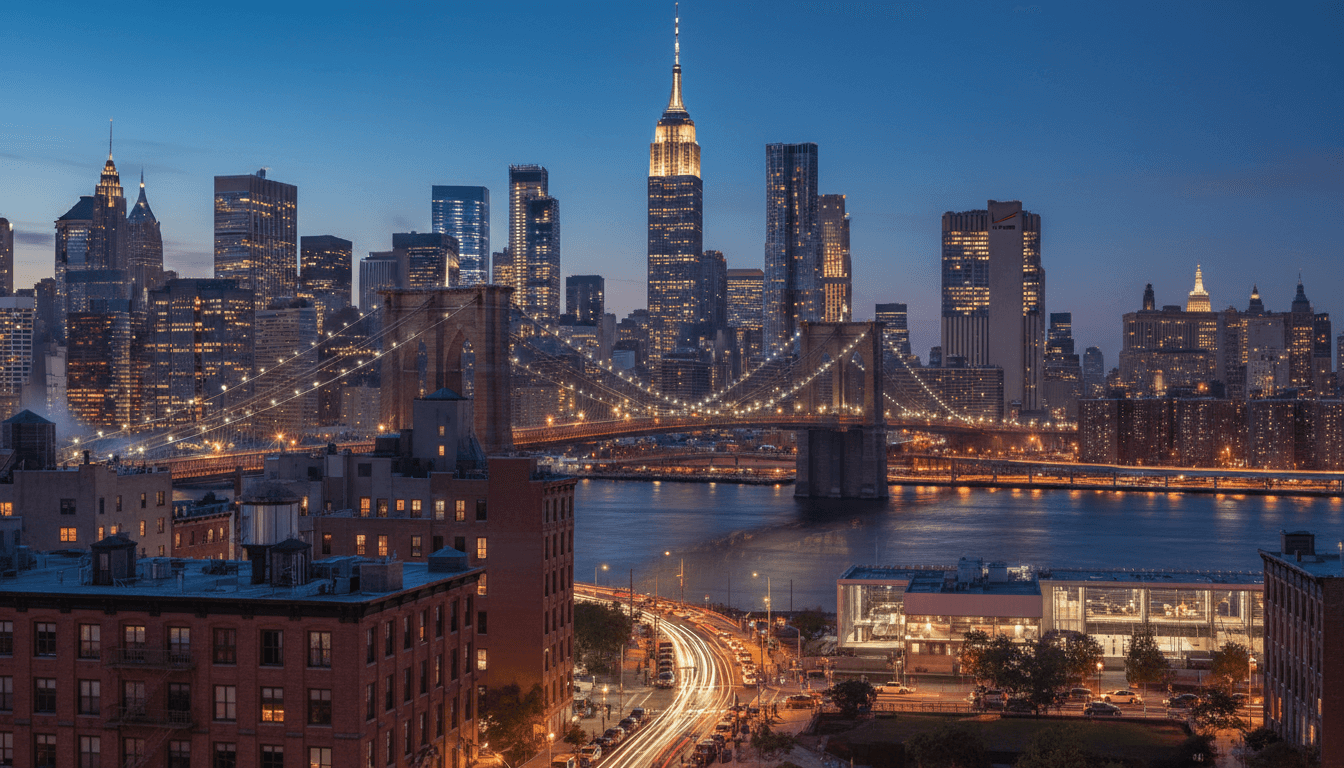
Digital Nomad Home Swap in New York: Your Complete Guide to Working Remotely Like a Local
Maya Chen
Travel Writer & Home Exchange Expert
Discover how digital nomads use home swapping in NYC to live like locals, save thousands on rent, and find the perfect work-from-home setup in the city that never sleeps.
I was three espressos deep at a café in Williamsburg when it hit me—I'd been doing New York all wrong.
For years, I'd bounced between overpriced Airbnbs in Midtown, worked from hotel lobbies with WiFi that cut out during every important call, and felt like a permanent tourist in a city I desperately wanted to call home. Then I stumbled onto digital nomad home swap in New York, and honestly? Everything shifted.
That first swap was a railroad apartment in the East Village. Nothing fancy—exposed brick, a fire escape that became my morning coffee spot, and a desk tucked into an alcove that caught the most incredible afternoon light. The owner, a graphic designer named Marcus, was heading to San Francisco for three months. I stayed in his place, worked from his perfectly curated home office, and finally got what it meant to live in New York rather than just visit.
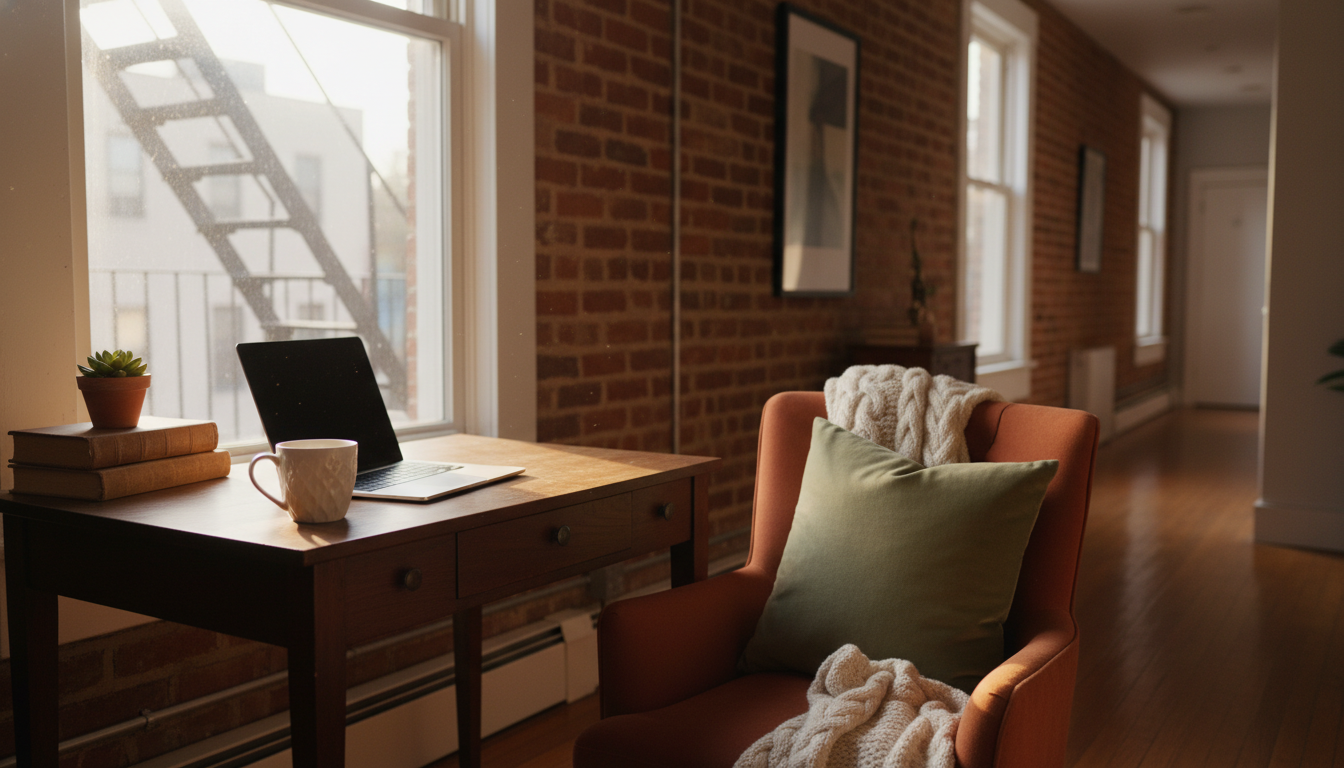 Cozy railroad apartment in East Village with exposed brick walls, vintage desk by window, morning li
Why Digital Nomads Are Ditching Traditional NYC Rentals
Here's the math that rewired my brain: a decent one-bedroom in Manhattan runs $3,500-$4,500 per month. A hotel room with enough space to actually work? You're looking at $250-$400 per night, minimum. Extended-stay apartments marketed to remote workers? Still $150-$200 nightly, and they usually feel like corporate housing—all the charm of a beige filing cabinet.
A digital nomad home swap in New York costs you credits. On SwappaHome, that's 1 credit per night regardless of neighborhood or apartment size. You earn those credits by hosting travelers in your own place when you're away. So essentially, you're trading your empty home for a fully-equipped New York apartment with a real kitchen, actual closet space, and—this is the part that gets me—someone's genuine life woven into the walls.
I've worked from a brownstone office in Brooklyn Heights where the owner left me her favorite local coffee beans and a handwritten list of which bodegas have the best bacon-egg-and-cheese. I've spent a month in a Harlem apartment with a standing desk, dual monitors, and a view of Marcus Garvey Park. These aren't sterile rental units. They're homes with personality, with neighborhood roots, with the kind of WiFi setup that only someone who actually works remotely would think to install.
Best New York Neighborhoods for Digital Nomad Home Swapping
Not all NYC neighborhoods work equally well when you're trying to balance remote work with actually experiencing the city. After seven years of home swapping and dozens of stays across the five boroughs, I've developed some strong opinions.
Williamsburg, Brooklyn: The Remote Worker's Paradise
I'll be honest—Williamsburg has become a bit of a cliché. But clichés exist for a reason. The neighborhood is absolutely packed with cafés that understand remote workers need outlets, decent WiFi, and permission to camp out for a few hours without getting side-eye from baristas.
Home swaps here tend to be in converted lofts and warehouse spaces with the kind of natural light that makes video calls look professional without any ring light nonsense. Expect industrial-chic aesthetics, rooftop access, and neighbors who also work weird hours because half of them are freelancers too. Swap availability runs high—lots of creative professionals who travel frequently. It's honestly the perfect soft landing for first-time NYC digital nomads.
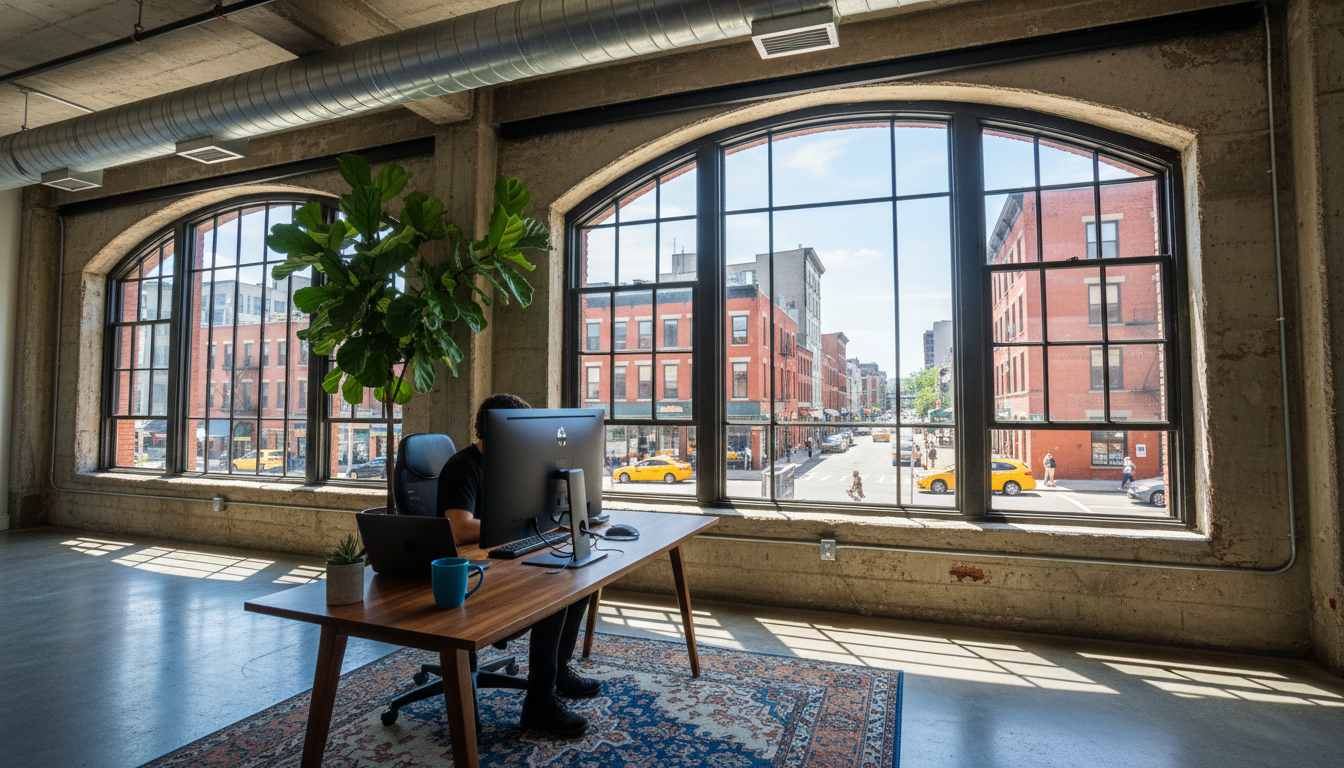 Industrial loft workspace in Williamsburg with large windows, exposed ductwork, modern desk setup wi
Park Slope, Brooklyn: When You Need Actual Focus
Park Slope is where you go when you have a deadline and can't afford distractions. It's quieter, more residential, and the home swaps tend to be in gorgeous brownstones with dedicated office spaces. The neighborhood has this settled, grown-up energy that's surprisingly conducive to deep work.
I spent six weeks here last fall finishing a major project. The rhythm of the neighborhood—morning joggers in Prospect Park, parents doing school drop-off, the afternoon lull before everyone comes home—created this structure that helped me actually stick to a schedule. Swap availability is moderate since families tend to travel during school breaks. Best for writers, developers, anyone who needs to disappear into focused work.
Lower East Side, Manhattan: Creative Energy Central
The LES has this frenetic creative energy that either fuels your work or completely derails it. The apartments are smaller—we're talking classic New York compact—but the neighborhood compensates with incredible food, late-night inspiration, and the sense that you're in the beating heart of something.
Home swaps here often come from artists, musicians, and creative professionals. Expect eclectic décor, possibly a keyboard in the corner, definitely some interesting art on the walls. Workspaces tend to be improvised rather than dedicated, so this isn't ideal if you need a traditional desk setup. But if you draw energy from chaos and don't need a 9-to-5 structure? This might be your spot. Availability runs high since creative types travel constantly.
Astoria, Queens: The Underrated Gem
Astoria is my secret weapon recommendation for digital nomads doing a home swap in New York for the first time. It's got the diversity and food scene of Manhattan without the intensity. The apartments are bigger, the neighborhood is genuinely friendly, and you can actually afford to eat out regularly without destroying your budget.
I did a three-month swap here last year in a sun-drenched two-bedroom where the second room had been converted into a proper home office. My host was a marketing consultant who'd invested in good equipment—ergonomic chair, standing desk, external webcam. It was the most productive quarter I've had in years. Availability is growing as more young professionals discover the neighborhood. Best for longer stays, budget-conscious nomads, anyone who wants actual space to breathe.
Harlem, Manhattan: History Meets Hustle
Harlem doesn't get enough love from the digital nomad crowd, which is honestly their loss. The brownstones here are stunning, the cultural energy is unmatched, and you're still in Manhattan with all the access that implies. Plus, the coffee shops are less crowded than downtown, which means you can actually get a seat.
Home swaps in Harlem often come with more space than you'd find downtown—proper dining tables that double as work surfaces, spare bedrooms converted to offices, and outdoor space that's rare elsewhere in the city. Availability is moderate but growing as more remote workers discover the neighborhood.
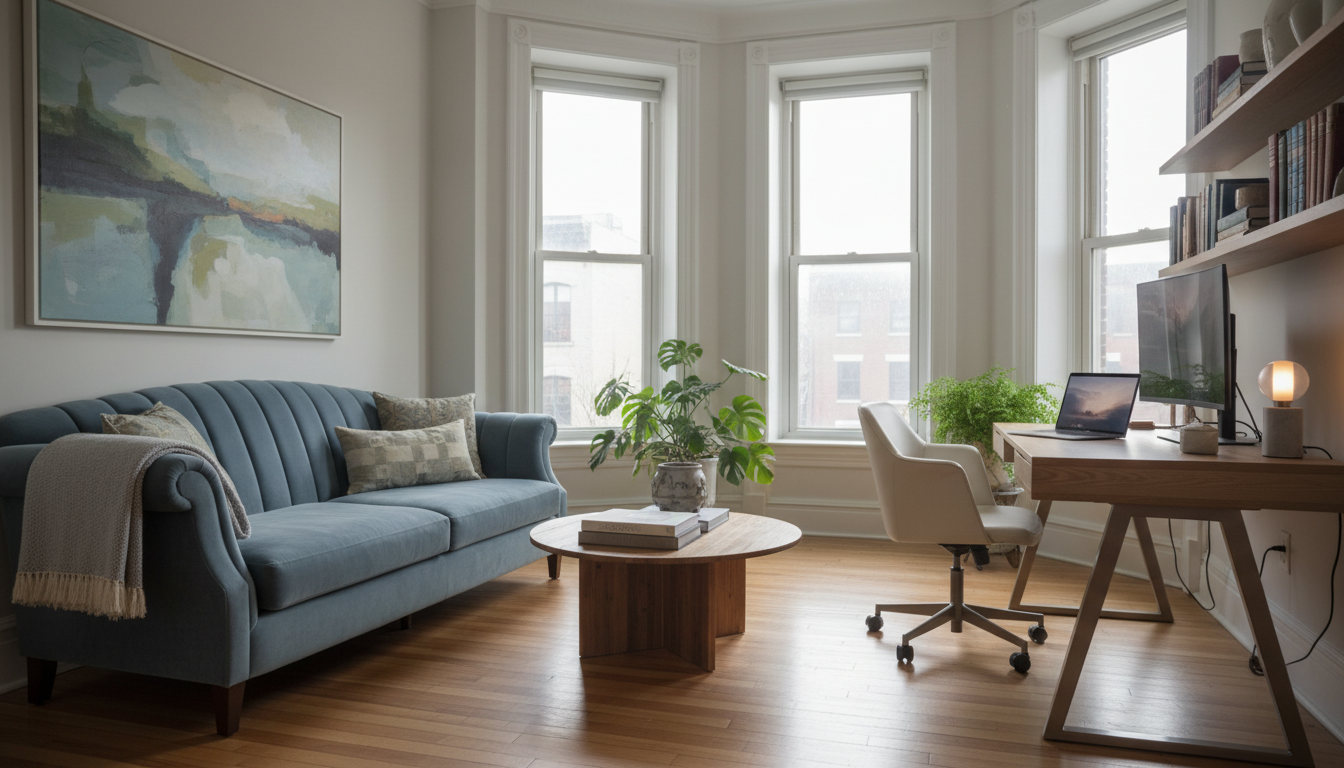 Elegant Harlem brownstone interior with bay windows, hardwood floors, vintage furniture mixed with m
Setting Up Your Digital Nomad Home Swap in New York
Finding the right swap takes some strategy. New York is one of the most popular home swap destinations in the world, which means competition for the best listings can get fierce.
Start Your Search 2-3 Months Early
Seriously. The best NYC apartments—the ones with dedicated workspaces, good light, and hosts who understand remote work—get snapped up fast. I start browsing SwappaHome listings at least two months before I want to arrive, and I begin reaching out to potential hosts immediately.
Your first message matters. I always mention that I'm a remote worker, describe my typical schedule (helps them understand you won't be throwing parties), and ask specific questions about the workspace setup. Something like: "I noticed you have a desk in the photos—does it get good natural light? And what's the WiFi speed like for video calls?"
Be Specific About Your Work Needs
Not every apartment works for remote work. Before confirming any digital nomad home swap in New York, I need to know the WiFi speed (minimum 50 Mbps for reliable video calls, ideally 100+), whether there's a dedicated workspace or at least a table that's not the kitchen counter, the natural light situation—crucial for video calls and sanity—noise levels during work hours, and whether the building has decent cell reception as backup for WiFi issues.
I've learned this the hard way. Once accepted a swap in a gorgeous Tribeca loft only to discover the WiFi was shared with a neighboring business and dropped constantly during peak hours. Beautiful apartment. Completely unusable for work.
Consider the Commute (Yes, Even for Remote Workers)
This sounds counterintuitive, but hear me out. Part of the magic of doing a home swap in New York as a digital nomad is accessing the city—the coworking spaces, the networking events, the spontaneous coffee meetings. If you're in deep Queens or the far reaches of Brooklyn, getting to Manhattan for an evening event becomes a whole production.
I try to stay within 30 minutes of Union Square by subway. That gives me access to most of what I'd want to do without feeling isolated.
Prepare Your Own Space for Reciprocal Hosting
The credit system on SwappaHome means you'll earn credits by hosting guests in your own home. If you want to attract quality guests who'll treat your space well, invest in making your listing appealing to other digital nomads.
I've upgraded my San Francisco apartment specifically for this: good WiFi with the password clearly posted, a comfortable desk chair, a second monitor available for guests, and a guide to local coworking spaces. The result? I attract fellow remote workers who understand the lifestyle and treat my space the way I'd want them to.
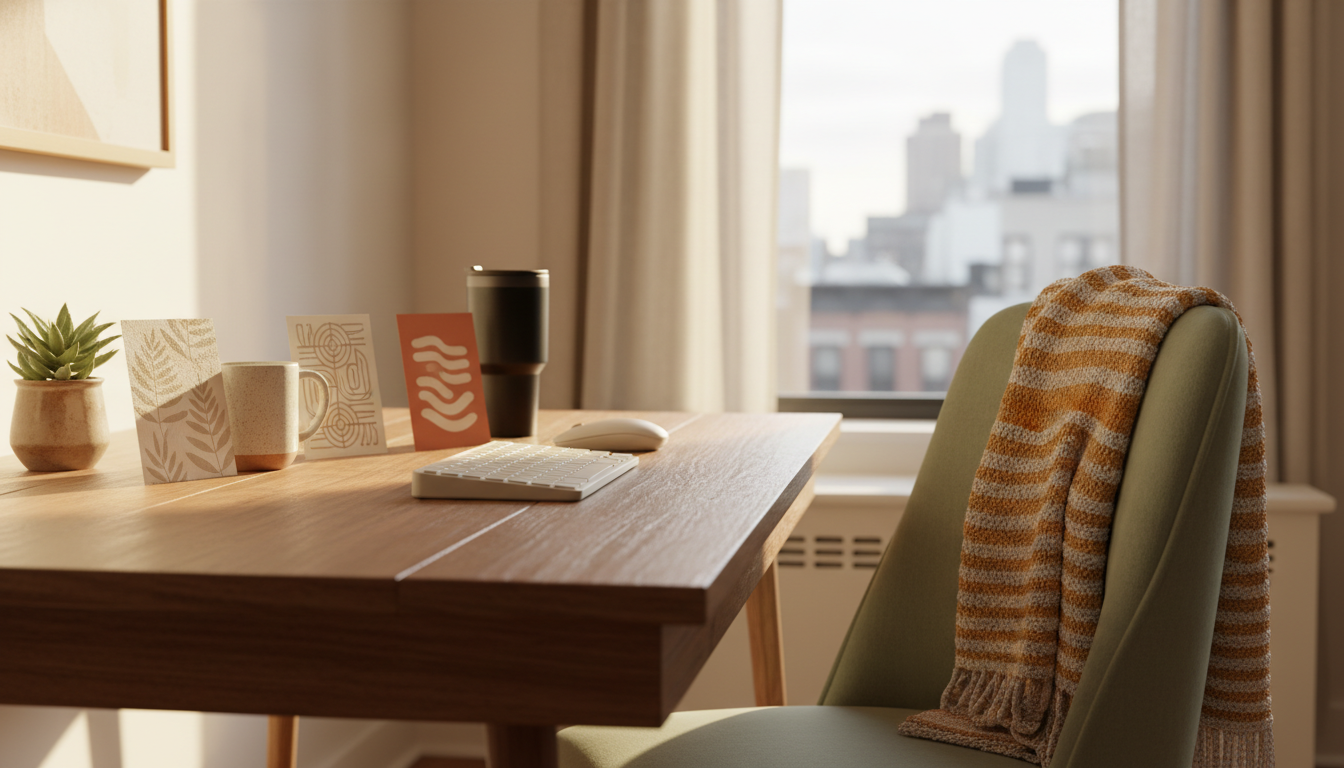 Thoughtfully organized home office guest setup with welcome note, WiFi password card, local coffee s
What to Expect During Your New York Home Swap
Every swap is different, but after 40+ exchanges, I've noticed some patterns specific to New York.
The Apartment Will Be Smaller Than Photos Suggest
This is just New York reality. That "spacious one-bedroom" is spacious by Manhattan standards, which means you might be able to do a full spin with your arms out without hitting anything. Adjust your expectations accordingly, and focus on whether the space works rather than whether it's large.
Your Host's Personality Will Shape Your Experience
The best part of home swapping is inheriting someone's life for a while. In New York, this means discovering their favorite bagel spot (the one without the tourist line), learning which bodega has the good coffee, and understanding the building's quirks—like which elevator is faster or when the hot water takes a minute.
Good hosts leave detailed guides. Great hosts leave recommendations that make you feel like you've been let in on secrets. I've discovered speakeasy bars, rooftop gardens, and the best 2 AM pizza slice in the city—all from swap hosts who wanted to share their New York.
Neighborhood Rhythms Will Become Your Rhythms
This is the part that transforms a digital nomad home swap in New York from accommodation into experience. After a few weeks, you start recognizing the guy who walks his corgi at 7 AM. You know which café gets crowded after 10 and which one stays quiet. You have opinions about the local Thai place versus the one two blocks over.
You stop being a tourist and start being someone who lives here. That shift is worth more than any amount of money you're saving.
Managing Remote Work Logistics in NYC
Backup Workspace Options
Even the best home office setup can fail you. Maybe there's construction next door, or the WiFi has an unexplained outage, or you just need a change of scenery. Build a mental map of backup options.
Libraries are incredible for remote work—the New York Public Library system is no joke. The main branch at Bryant Park has stunning reading rooms, and neighborhood branches are usually quiet and reliable. Coworking day passes at WeWork, Industrious, and Spacious run $30-$50 and are worth it for important meeting days or when you need a professional background for video calls.
Hotel lobbies work too. The Ace Hotel in NoMad and The Hoxton in Williamsburg both have lobby areas where remote workers camp out—buy a coffee, settle in. And for coffee shops with staying power, Think Coffee (multiple locations), Devoción (Williamsburg and Flatiron), and Variety Coffee Roasters all tolerate laptop workers during off-peak hours.
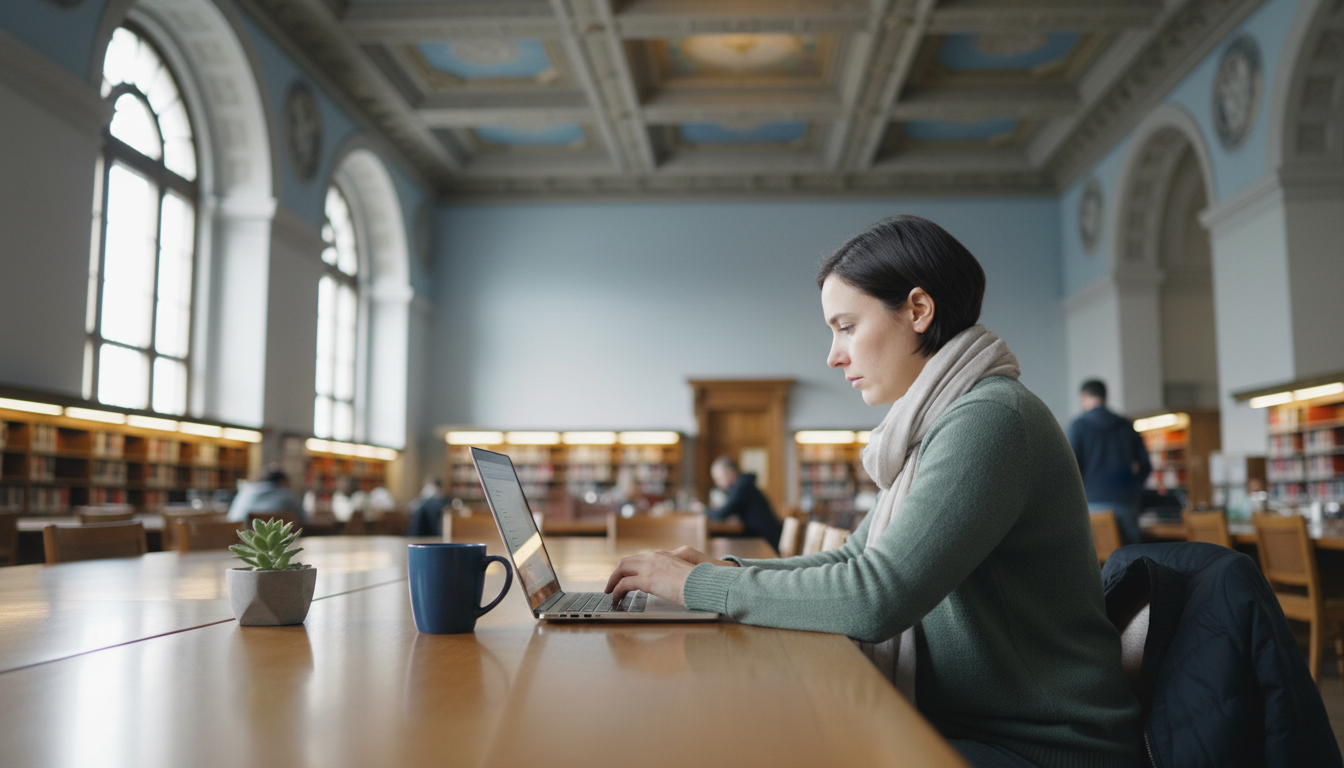 Digital nomad working from New York Public Library reading room, ornate ceiling visible, laptop open
Time Zone Considerations
New York runs on Eastern Time, which has implications depending on where your clients or team are based. If you're working with West Coast companies, you'll have leisurely mornings and late work nights. European clients mean early starts but free afternoons.
I've found NYC particularly good for working with European teams—you can take calls from 8 AM to noon, then have the entire afternoon to explore the city. Plan your swap timing around your work schedule.
The Cost Reality Check
While home swapping eliminates accommodation costs, New York will still find ways to extract money from you. Budget around $50-$100 daily if you're eating out regularly, or $30-$50 if you're cooking. Coffee shops run $5-$8 per drink, and you'll want multiple. Transportation is $33 for a weekly unlimited MetroCard, or $2.90 per ride. Coworking backup runs $30-$50 for day passes when needed. Entertainment is highly variable, but budget $100-$200 weekly for shows, bars, experiences.
Even with these costs, a digital nomad home swap in New York saves you $3,000-$6,000 per month compared to traditional short-term rentals. That's real money that can fund your next adventure.
Building Community as a Home-Swapping Digital Nomad
One thing I didn't expect from home swapping: the community aspect. When you're staying in someone's actual home, surrounded by their books and art and coffee mugs, you feel connected to them even if you've never met in person.
I've become genuine friends with several hosts. Marcus from that first East Village swap? We've since done coffee whenever I'm in the city, and he's stayed at my place twice. There's something about the trust involved in home swapping that creates real relationships.
SwappaHome's review system helps build this community. After every stay, you leave honest feedback that helps future swappers and builds your own reputation. Over time, you develop a track record that makes hosts more likely to accept your requests—especially for those coveted NYC apartments.
Making the Most of Your NYC Home Swap Experience
After all these swaps, I've developed a personal philosophy: work hard in the mornings, explore hard in the evenings, and let the neighborhood seep into you.
I usually front-load my work week—longer hours Monday through Wednesday—so I can take Thursday and Friday slower. This lets me do the tourist stuff (museums, shows, iconic restaurants) on weekdays when crowds are lighter, and spend weekends doing what locals do: brunch that turns into day drinking, wandering through flea markets, discovering a new pocket of the city.
The home swap setup makes this possible in ways hotels never could. I can cook breakfast, work from the couch in my pajamas until noon, then shower and head out for an afternoon of exploration. There's no checkout time looming, no maid service knocking, no pressure to vacate so someone can clean the room.
It's just life. Regular life, in one of the most extraordinary cities in the world.
Getting Started with Your First NYC Home Swap
If you're ready to try a digital nomad home swap in New York, here's my honest advice: start with a shorter stay. Two weeks is enough to test whether this style of travel works for you without committing to months in an apartment that might not fit.
Sign up for SwappaHome (you'll get 10 free credits to start), create a detailed listing of your own space that highlights its remote-work friendliness, and start browsing NYC listings. Message hosts whose spaces appeal to you, be upfront about your work needs, and don't be discouraged if your first few requests don't work out.
The right swap is worth waiting for. And when you find yourself three espressos deep in a Williamsburg café, finally feeling like you belong in this city—you'll understand why I keep coming back.
Frequently Asked Questions
Is a digital nomad home swap in New York safe?
Home swapping in New York is generally very safe, especially through platforms like SwappaHome that offer member verification and review systems. You're staying in real homes in residential neighborhoods, which often feels safer than anonymous hotels. I always recommend reading previous reviews carefully and communicating thoroughly with hosts before confirming any swap.
How much can I save with a home swap versus renting in NYC?
A typical one-bedroom in Manhattan costs $3,500-$4,500 monthly, while short-term rentals run $150-$250 per night ($4,500-$7,500 monthly). With home swapping on SwappaHome, you spend 1 credit per night regardless of location or apartment size. Most digital nomads save $3,000-$6,000 monthly compared to traditional short-term accommodation options.
What WiFi speed do I need for remote work in New York?
For reliable video conferencing and remote work, aim for apartments with at least 50 Mbps download speed—ideally 100+ Mbps. Always ask hosts about their WiFi speed before confirming a swap. Most NYC apartments have access to high-speed internet, but older buildings in some neighborhoods may have limitations.
How far in advance should I book a NYC home swap?
Start searching 2-3 months before your intended arrival date for the best selection. Popular neighborhoods like Williamsburg and the East Village have high demand. Begin messaging potential hosts immediately when you find appealing listings, and be flexible with your exact dates if possible to increase your chances of securing your preferred swap.
Can I do a home swap in New York for just one week?
Yes, shorter swaps are possible, though many NYC hosts prefer stays of two weeks or longer. One-week swaps work best during off-peak seasons (January-February, August) when demand is lower. For your first NYC home swap experience, I recommend two weeks minimum—it takes about a week to settle into neighborhood rhythms and truly feel like a local.
40+
Swaps
25
Countries
7
Years
About Maya Chen
Travel Writer & Home Exchange Expert
Maya is a travel writer with over 7 years of experience in the home swapping world. Originally from Vancouver and now based in San Francisco, she has completed more than 40 home exchanges across 25 countries. Her passion for "slow" and authentic travel led her to discover that true luxury lies in living like a local, not a tourist.
Ready to try home swapping?
Join SwappaHome and start traveling by exchanging homes. Get 10 free credits when you sign up!
Related articles
Lyon Home Exchange: Your Complete Guide to France's Hidden Gem for Home Swapping
Discover why Lyon home exchange is booming among savvy travelers. From Croix-Rousse to Presqu'île, find the best neighborhoods and insider tips for your swap.

Zurich Bucket List: 47 Unforgettable Experiences to Enjoy During Your Home Swap
Discover the ultimate Zurich bucket list for home swappers—from secret swimming spots to fondue rituals locals actually do. Save thousands while living like a true Zürcher.
Dublin Home Exchange Utilities Guide: WiFi, Heating & Everything Your Guests Need
Master Dublin home exchange utilities—from dodgy WiFi fixes to heating quirks. Practical tips from 7 years of swapping homes across Ireland.