
Digital nomad visa France: The ultimate guide for remote workers

SwappaHome Editorial Team
Home Exchange & Slow Travel Editorial
Key Takeaways Transitioning to a remote life in France requires careful navigation of existing immigration pathways. These five points summarize the essential…
Key Takeaways
Transitioning to a remote life in France requires careful navigation of existing immigration pathways. These five points summarize the essential realities of your relocation.
- France does not currently offer a dedicated digital nomad visa, requiring nomads to apply for standard long-stay work or visitor permits.
- The "Talent Passport" is often the most effective route for highly skilled remote workers who meet specific criteria.
- Proving financial self-sufficiency is a critical component of every French visa application, usually requiring consistent international income.
- Accessing reliable home infrastructure is simplified through platforms like SwappaHome, which curate properties for professional demands.
- Professional tax and social security planning is mandatory to maintain legal status and avoid double taxation while residing abroad.
Understanding the digital nomad visa France landscape
Defining the "Talent Passport" and long-stay visa options
Moving to France as a remote professional involves selecting a legal category that mirrors your work situation. While a specific permit for digital nomads has been discussed, the country primarily relies on the "Talent Passport" or long-stay visitor visas for residence. These permits allow individuals to stay for longer than 90 days, provided they fulfill stringent criteria established by French immigration authorities.
Why France appeals to the global remote work community
France remains a top-tier destination because it combines world-class urban amenities with vast, quiet landscapes perfect for heads-down work. Remote workers often gravitate toward cities that offer a distinct balance of high-speed connectivity and rich cultural experiences, making SwappaHome a valuable partner for finding apartments with dedicated workspaces. The ability to swap busy tourist-frequented hotels for local residential neighborhoods allows for a more authentic integration into French life.
Key differences between standard tourist stays and work-authorized residence
Standard tourist status limits your presence to 90 days out of 180 and strictly prohibits any form of professional activity. Authorized residence, through long-stay visas, grants a physical residence permit often referred to as a VLS-TS. Moving beyond the tourist bubble ensures you can navigate the country as a long-term inhabitant rather than a transient guest.
Eligibility requirements for remote workers
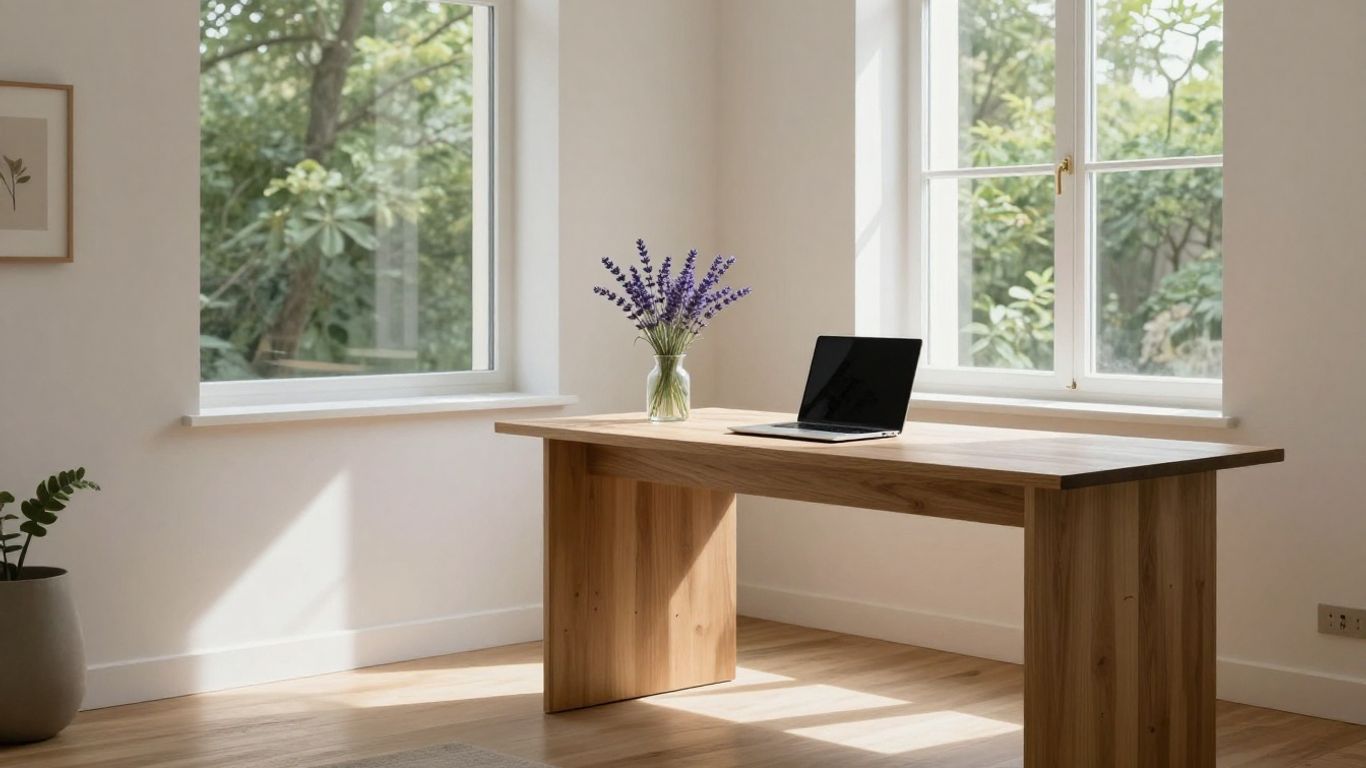 A peaceful French apartment interior with desk sunlight
Proof of income thresholds and financial stability standards
The French government requires applicants to demonstrate that they can support themselves without accessing local welfare systems. Consulates generally look for monthly passive or active income that meets or exceeds the French minimum wage, known as the SMIC. This threshold fluctuates slightly, but candidates should be prepared to prove consistent earnings that satisfy the consular officers' assessment of financial stability.
Employment status: Freelancing vs. company-contracted remote work
Your status as an employee or freelancer defines which visa application path you must tread. If you are a remote employee, the burden often shifts to your employer to facilitate certain administrative approvals, whereas independent contractors must typically register as a "liberal profession" in France. Managing these roles requires strict adherence to international employment contracts and tax documentation to verify that your work is legitimate and remote.
Necessary professional qualifications and proof of remote activity
Proving the existence of your remote business or occupation is a mandatory step in the visa process. Consulates demand evidence that the work can be completed from abroad without interfering with the local French labor market. Maintaining high standards is essential for a smooth outcome, as described in the France digital nomad visa guide, ensuring your documentation is airtight before submission.
The application process: step-by-step
Gathering essential documents for French consulate submission
Every application requires a comprehensive set of documents, including a valid passport, proof of health insurance, and detailed records of your financial situation. You must organize these records systematically, as even minor missing paperwork can delay or jeopardize your file. Consistency in the evidence provided is the hallmark of a successful application.
Scheduling and preparing for your visa interview
Once digital records are completed, you will be invited to a formal interview at the nearest French consulate. This meeting serves two purposes: verifying your identity and evaluating your intent for staying in France. Preparation is key; you should be able to articulate why you seek to reside in France and how your presence aligns with the terms of your specific visa.
Handling official translation and legalization of personal records
All foreign personal documents, such as marriage certificates or professional diplomas, must be translated by an sworn translator authorized by the French courts. This process, often referred to as legalization, ensures that your international history is recognized within the French bureaucratic system. Managing this step early prevents the common bottleneck where documents are rejected due to certification errors.
Financial and documentation prerequisites
 A laptop computer set up on a rustic table
Managing international healthcare and social security obligations
Staying in France as a long-term resident requires securing medical coverage that meets national standards. You may need private international insurance at the outset, as managing health insurance requirements is a recurring theme for new arrivals navigating the transition into the French system. Ensuring compliance prevents long-term health risks while living abroad.
Proving tax residency status according to French law
Becoming a tax resident in France triggers specific obligations with the local tax authorities. You must declare your global income and follow reporting guidelines, even if you are paid by a foreign entity. Many remote workers find it helpful to consult an expert regarding the "impatriate regime," which can offer temporary tax relief for specific profiles moving to France for work.
Banking essentials for non-resident remote workers entering France
Establishing a local bank account facilitates rent payments and utility subscriptions, though it can be a challenge for newcomers. When searching for housing, you might find that using SwappaHome makes the transition easier by providing access to furnished homes where administrative stressors are minimized. Having a local IBAN is generally the final piece of the puzzle once you arrive.
Balancing remote work with local living
Finding flexible accommodation through home exchange networks
Long-term apartment hunting in a competitive market can be exhausting, leading many to utilize professional exchange platforms that offer ready-to-use workspaces. The table below outlines common factors for successful remote work living in France.
| Feature | Benefit for Nomads | Requirement |
|---|---|---|
| High-Speed Fiber | Reliable video calling | FTTH availability |
| Central Position | Proximity to transit | Walkability score |
| Dedicated Desk | Ergonomic productivity | Space planning |
Selecting a home that prioritizes your technical needs allows you to thrive while exploring your new surroundings.
Selecting regions with robust digital and co-working infrastructure
France has seen a rise in secondary cities that are ideal for remote professionals who avoid the noise of the major metropolises. For those seeking inspiration, consider these regions for your next home swap:
- Lyon, which offers a vibrant mix of traditional history and modern startup culture.
- Bordeaux, known for its mild climate and excellent regional rail access.
- Lille, which provides quick connections to major European hubs for weekend getaways.
These cities often host co-working spaces that serve as secondary offices when you need a stronger sense of community.
Networking with the localized French remote work community
Integration is more than just finding a property; it is about building a routine that connects you with the heartbeat of your neighborhood. Engaging with locals at morning bakeries or using SwappaHome to connect with other professionals can help bridge the gap between being a tourist and becoming a resident. Establishing this rhythm is essential for long-term comfort in a country that deeply values its social and work-life balance.
Comparing the digital nomad visa with other French permits
Evaluating private life and family visa alternatives
The private and family life permit is distinct from work-based visas and is generally granted based on established ties to France, such as marriage or long-term relationships. It carries specific legal prerequisites that differ significantly from the requirements for digital nomads seeking to work remotely. Relying on this permit requires documentation that proves your personal life connections are the primary reason for your stay.
The Entrepreneur/Liberal Profession permit: When to choose it instead
If you intend to launch a business or operate under a formal freelance contract, this permit is often your best path. It provides the legal framework to bill French clients or conduct activities as an independent contractor, though it demands a robust business plan. This permit is designed for those looking to build a career in France, not just maintain an existing foreign role.
Renewability cycles and paths to future long-term residency
Most permits for work or stay in France follow a strict cycle, requiring annual renewal for the first few years. Successfully renewing your permit depends on demonstrating that you still meet the initial terms of your entry, such as financial viability or professional activity. Over time, these renewals can create a path toward permanent residency if you satisfy language and residency requirements.
Conclusion
Navigating the path to living in France as a remote worker may involve significant administrative rigor, but the experience of embedding yourself into the French lifestyle is well worth the effort. By choosing the right legal status, maintaining clear financial records, and leveraging tools that simplify your search for housing, you can establish a stable and productive base. France offers a unique blend of heritage and modern efficiency that remains a premier attraction for remote professionals worldwide.
Frequently Asked Questions
Can I work for a French company on my visa?
Working for a French employer usually requires a specific permit that allows for local labor participation, moving you away from the digital nomad visa category into a standard work permit category.
How hard is it to find fiber internet in rural areas?
France has invested heavily in national broadband projects, but availability varies by commune; always verify the street-level connectivity before signing a lease or committing to a long-term swap.
Do I need to speak fluent French for the visa interview?
Fluency is not always required for the interview, but demonstrating a commitment to integrating and basic knowledge of the language can positively impact your application profile.
What is the typical processing time for a visa?
Consular processing times vary by country and region but typically range from several weeks to a few months due to the complexity of the verification process involved for long-stay applicants.
Can I bring my pets with me?
Bringing pets into France is possible, provided you hold an international health certificate and comply with EU vaccination guidelines, which must be clearly documented prior to travel.
Is it possible to switch visa types once inside France?
Changing your status after arriving is generally difficult and often requires a departure to apply for the new status from your country of origin, though specific exceptions may exist.
How does public transportation in France compare to other countries?
France boasts an exceptionally efficient train and metro network, often allowing residents to live without personal transport, supported by a dense city-to-city rail system.

Published by
SwappaHome
SwappaHome Editorial Team
Home Exchange & Slow Travel Editorial
The SwappaHome Editorial Team brings together travel research, home-exchange community insights, and platform data to produce practical guides for first-time and experienced home swappers. Every article cites real platforms, current market rates, and verifiable city-level facts so readers can make informed decisions without guessing.
Ready to try home swapping?
Join SwappaHome and start traveling by exchanging homes. Get 7 free credits when you sign up!