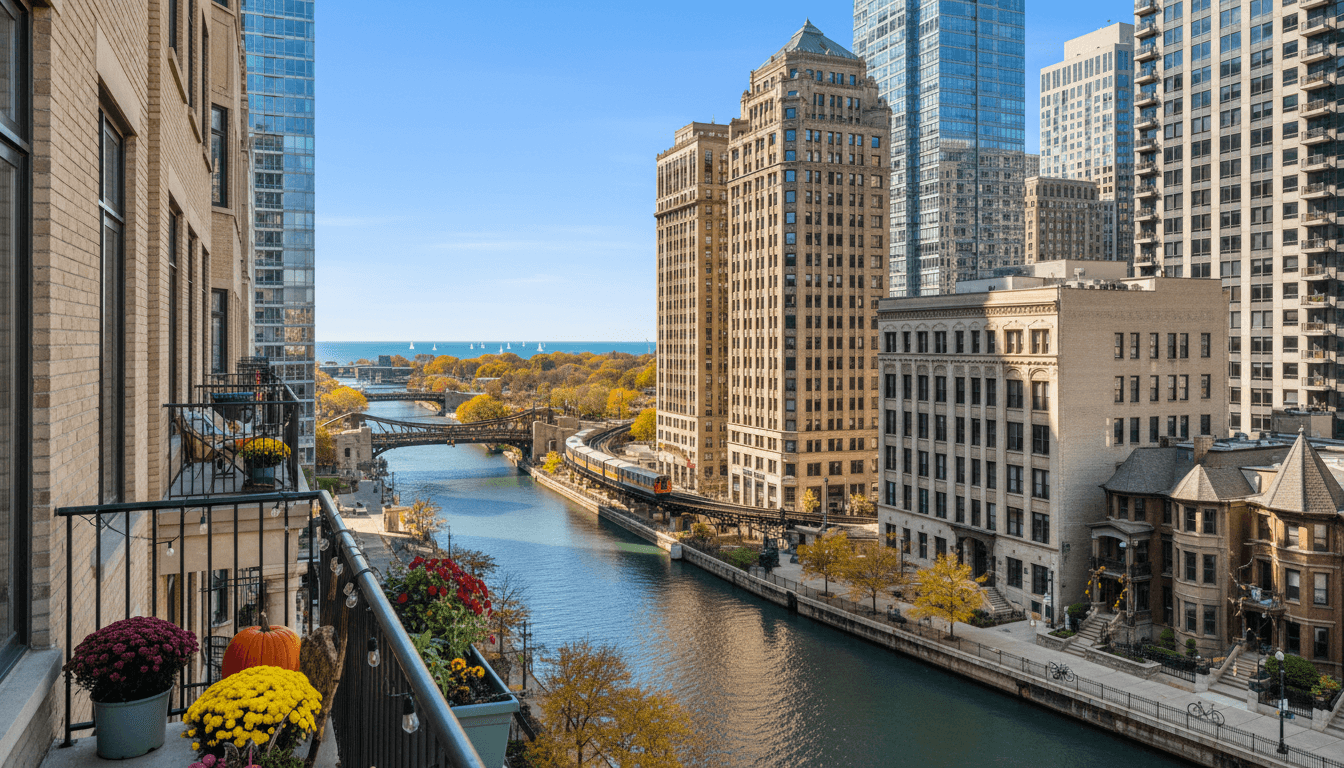
Fall in Chicago Home Exchange: Your Complete Guide to Autumn Swaps in the Windy City

SwappaHome Editorial Team
Home Exchange & Slow Travel Editorial
Discover why fall in Chicago is perfect for home exchange. From Lincoln Park foliage to neighborhood guides, save thousands on your autumn getaway.
The first time I experienced fall in Chicago, I was staying in a third-floor walkup in Wicker Park. I remember standing on the back porch at 7 AM, coffee in hand, watching the leaves on the massive oak tree next door shift from green to this impossible shade of burnt orange.
A home exchange during autumn here isn't just about free accommodation—it's about waking up in a real neighborhood, walking to a corner café that doesn't have a single tourist in sight, and feeling that particular crispness of Midwestern autumn air you simply can't get from a hotel window.
I've done home swaps in plenty of cities during autumn. Vermont, Portland, even Munich during Oktoberfest. But Chicago holds a special place in my swap history. There's something about the way this city transforms between late September and mid-November that makes it ideal for the home exchange experience. The summer crowds thin out. Hotel prices actually drop (making the savings from swapping even sweeter when you consider what you're NOT paying). And Chicagoans themselves seem to embrace a cozier, more neighborhood-focused lifestyle that aligns perfectly with what home swapping is all about.
 Golden morning light streaming through floor-to-ceiling windows of a Chicago brownstone apartment, w
Why Fall in Chicago is Perfect for Home Exchange
Here's something most travel guides won't tell you: Chicago in autumn is a completely different city than Chicago in summer.
Summer Chicago is all about the lakefront, rooftop bars, and fighting crowds at Millennium Park. Fall Chicago? It's about neighborhood walks, cozy dinners at BYOB restaurants, and actually being able to get a table at Girl & the Goat without booking six weeks ahead.
This shift in energy makes it ideal for home exchange travelers. When you're staying in someone's actual home—maybe a vintage two-flat in Logan Square or a sleek condo in the South Loop—you're positioned to experience the city the way residents do during their favorite season. And trust me, Chicagoans will tell you autumn is their favorite. They've earned it after surviving the humidity of August and before facing the brutal reality of January.
The practical benefits stack up too. Airfare from most US cities drops 20-30% after Labor Day. The average hotel room in downtown Chicago runs about $250-350/night in October, which means a two-week home swap saves you roughly $3,500-5,000 in accommodation alone. That's money you can spend on deep-dish at Lou Malnati's, tickets to a Bears game, or a splurge dinner at Alinea.
Best Chicago Neighborhoods for Autumn Home Swaps
Not all Chicago neighborhoods are created equal when it comes to fall vibes. I've stayed in six different areas across my various Chicago swaps, and I have strong opinions about where you should focus your search.
Lincoln Park: The Classic Autumn Experience
If you want the quintessential fall in Chicago home exchange experience, Lincoln Park is hard to beat. The neighborhood's tree-lined streets—particularly along Fullerton, Webster, and the streets surrounding the actual Lincoln Park—put on a show that rivals New England. Victorian greystones with their front stoops covered in pumpkins and mums. Families walking to the Lincoln Park Zoo (which is free, by the way). Some of the city's best coffee shops within walking distance.
I stayed in a garden apartment on Burling Street two Octobers ago, and my morning routine became walking to Café Vienna on Armitage for their apple strudel and a cortado, then wandering through the park to watch the leaves fall over the South Pond. Home listings in Lincoln Park tend to be on the higher end—we're talking spacious two-bedrooms in well-maintained buildings—which makes them even more valuable as swap options.
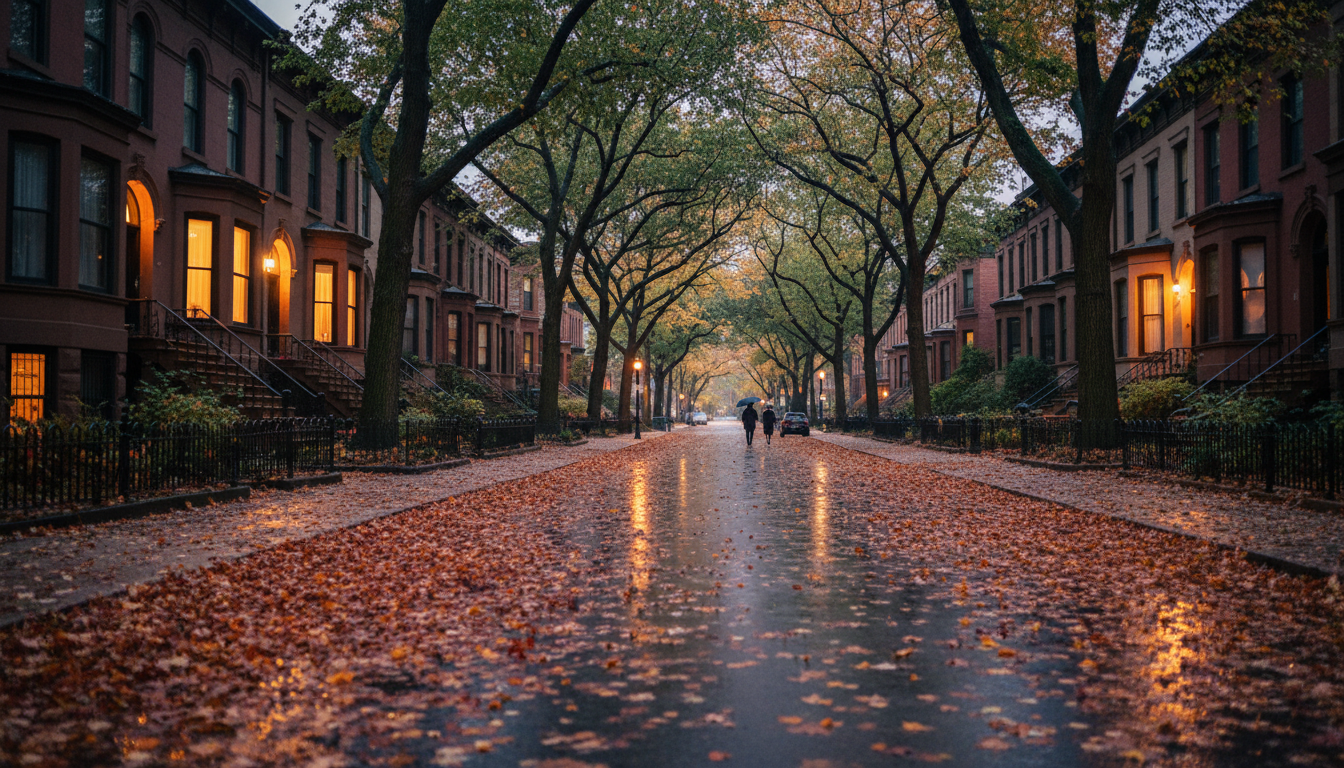 Tree-canopied residential street in Lincoln Park Chicago with Victorian brownstones, fallen autumn l
Wicker Park & Bucktown: For the Culturally Curious
These adjacent neighborhoods northwest of downtown are where I'd point anyone who wants their fall Chicago home exchange to include excellent food, vintage shopping, and a slightly younger, artier vibe. The housing stock here is incredible—lots of converted lofts, renovated workers' cottages, and those gorgeous Chicago two-flats with their distinctive front porches.
The fall energy in Wicker Park centers around Division Street and the six corners intersection at Milwaukee, Damen, and North. Coffee at Ipsento. Browsing at Myopic Books. Dinner at Big Star's outdoor patio—they have heaters and it's magical on a crisp October night. The 606 Trail, an elevated walking and biking path that runs through the neighborhood, is stunning in autumn. Think Chicago's answer to New York's High Line, but with better fall foliage and fewer tourists.
Logan Square: The Insider's Pick
I'll be real with you—Logan Square is where I'd personally look for my next Chicago fall home exchange. It's slightly further from downtown (about 25 minutes on the Blue Line), but the neighborhood has this perfect mix of established families, young professionals, and artists that creates genuine community energy.
The Logan Square farmers market runs through October. Walking through the actual square on a Saturday morning—with the historic Illinois Centennial Monument as your backdrop and vendors selling apple cider and late-season produce—is exactly the kind of experience that makes home swapping worth it. Housing here ranges from massive vintage apartments in courtyard buildings to renovated bungalows with backyards. If you can find a swap with outdoor space? You'll spend every possible moment on that back porch.
Hyde Park: The Academic Autumn
This one's for a specific type of traveler. But if you're drawn to universities, bookstores, and a slightly quieter pace, Hyde Park is fascinating in fall. The University of Chicago campus is genuinely beautiful—all Gothic architecture and serious academic energy—and the neighborhood has a diverse, intellectual character that's unlike anywhere else in the city.
Home exchanges here often come with the bonus of space. Hyde Park apartments tend to be larger and more affordable than North Side equivalents, and you might find yourself in a classic Chicago greystone with original woodwork and built-in bookshelves. The downside: it's about 30 minutes from downtown, and the neighborhood is more isolated than others. But if you're the type who wants to spend autumn afternoons at the Seminary Co-op Bookstore and evenings at Promontory for live jazz, this is your spot.
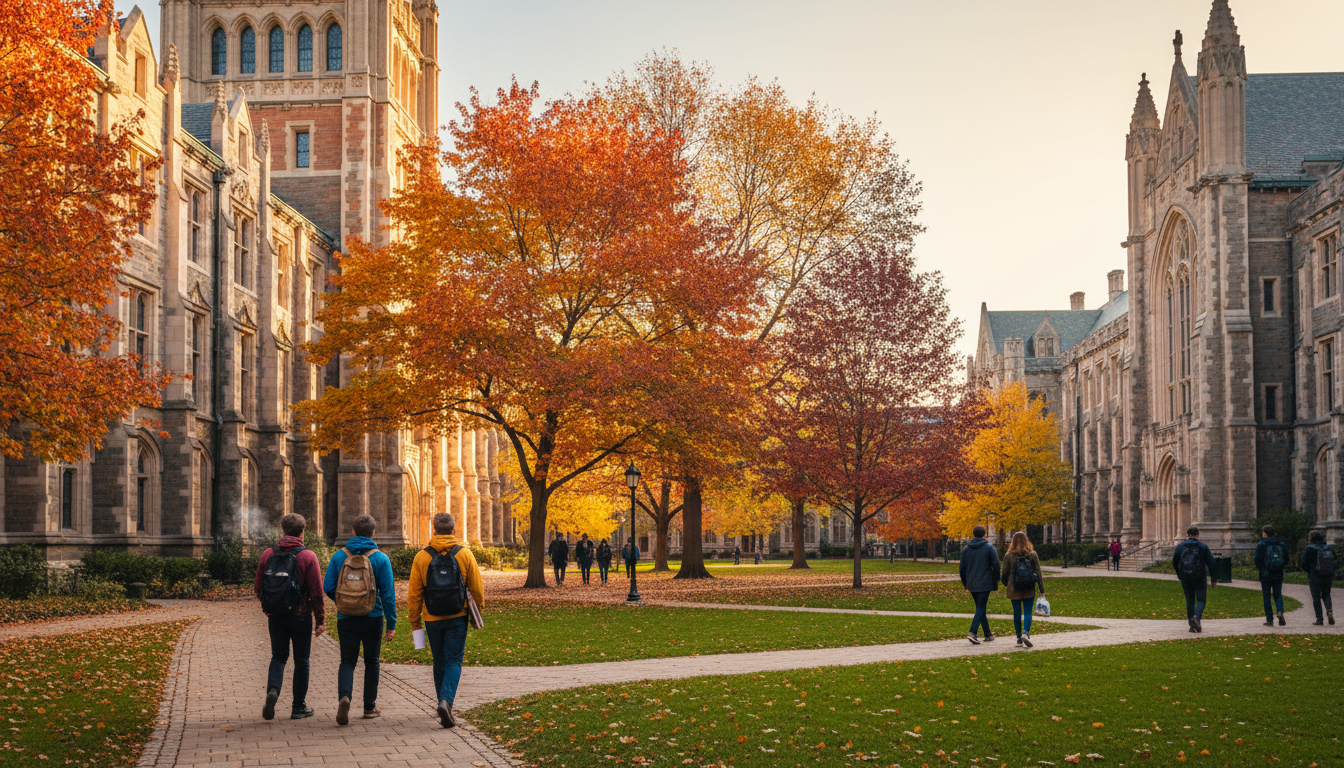 Gothic architecture of University of Chicagos main quad with students walking beneath trees displayi
What to Expect from Chicago Homes in Fall
Chicago's housing stock is unique, and understanding what you're likely to encounter will help you choose the right home exchange for your autumn visit.
Most residential buildings in Chicago are what locals call "two-flats" or "three-flats"—buildings with two or three separate apartments stacked vertically, often with a shared backyard and separate entrances. These are gold for home swappers because they offer the privacy of an apartment with the character of a house. Expect hardwood floors (Chicago was built during the era of old-growth timber), high ceilings, and those distinctive Chicago bay windows that flood rooms with light.
Heating is something to ask about. Most Chicago buildings use radiator heat, which can be either wonderfully cozy or frustratingly inconsistent depending on the building's age and maintenance. I always ask hosts about the heating situation before confirming a fall swap—you want to know if you'll be toasty or layering sweaters indoors.
One thing I love about Chicago home exchanges: the kitchens are usually well-equipped. Chicagoans take cooking seriously (it's too cold half the year to eat out constantly), so you'll likely find decent cookware, a working oven, and often a collection of local restaurant recommendations from your host.
Timing Your Fall Chicago Home Exchange
Not all of autumn is created equal in Chicago. Here's my honest breakdown:
Late September (roughly September 20 - October 5): This is the sweet spot for weather. Temperatures hover between 55-70°F, the leaves are just starting to turn, and you'll catch the tail end of outdoor dining season. The downside: it's still technically shoulder season, so some summer attractions are winding down.
Peak Fall (October 5 - October 25): This is when Chicago autumn is at its most photogenic. Peak foliage usually hits around October 15-20, and the city goes all-in on Halloween decorations. Chicagoans do NOT mess around with Halloween. Temperatures range from 45-60°F—perfect sweater weather. This is when I'd recommend visiting if fall foliage is your priority.
Late October - Mid November: Temperatures drop more noticeably (35-50°F), and you'll start to see the first hints of Chicago's infamous winter. But here's the thing—this is actually a great time for home exchange because availability opens up. Many Chicago homeowners want to escape before winter hits, making them more motivated to swap. Plus, you'll experience the city's cozy indoor culture: jazz clubs, comedy shows, and those legendary Chicago steakhouses.
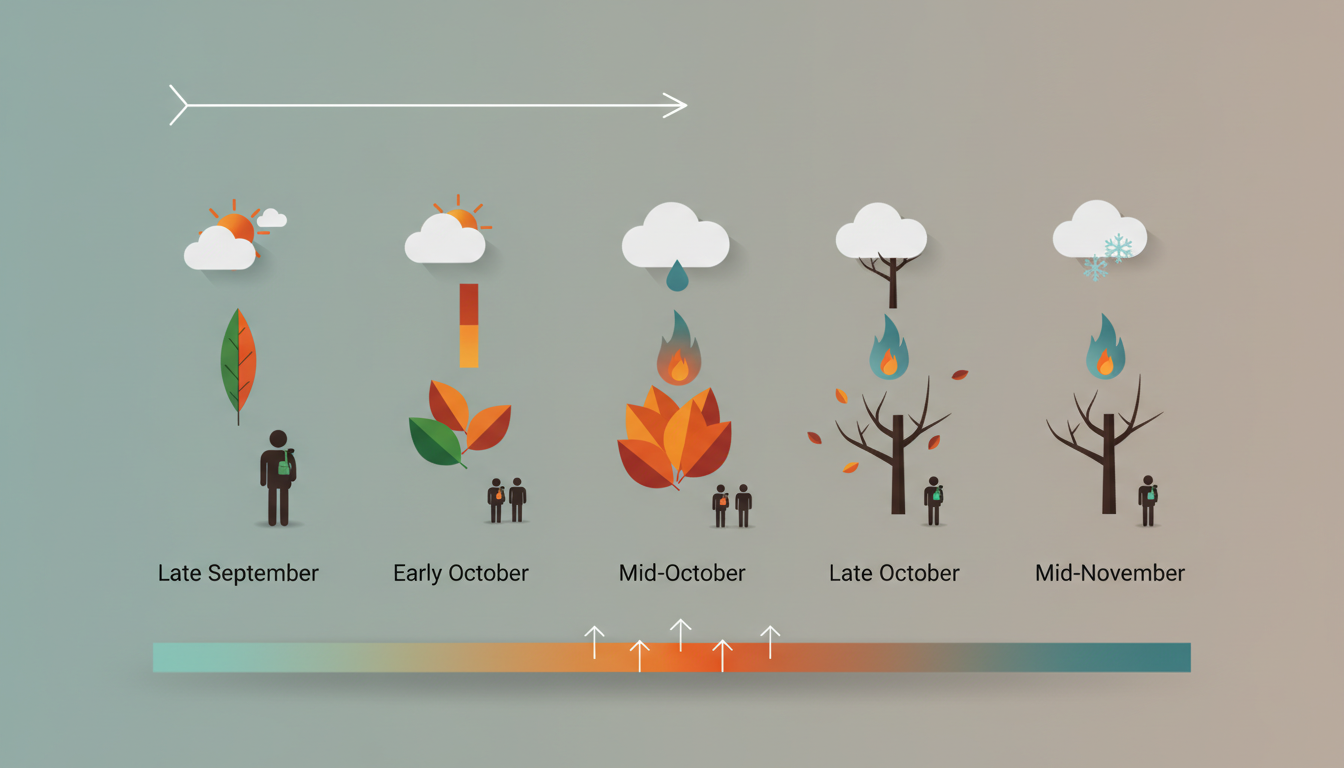 Comparison infographic showing Chicago fall weather by week from late September through mid-November
Making Your Chicago Home Exchange Work
I've learned a few things about successful home swaps in Chicago specifically. Some of this applies anywhere, but Chicago has its quirks.
Transportation Conversations
Ask your swap partner about their parking situation. If they have a garage or dedicated spot, that's valuable—street parking in popular neighborhoods like Lincoln Park or Wicker Park can be a nightmare, especially during fall street cleaning season. You WILL get ticketed if you ignore the signs.
Honestly though? I'd skip renting a car entirely. Chicago's L train system is excellent, and ride-shares are abundant. The money you save on parking and rental fees can go toward experiences.
The Neighborhood Intel
The best part of home exchange is getting local knowledge. Before your swap, ask your Chicago host specific questions: Which coffee shop has the shortest line on weekday mornings? Where do they get their groceries? Is there a neighborhood bar they consider their "local"? What's their favorite fall walk?
My Wicker Park host told me about a tiny taco spot on Division Street that wasn't on any tourist radar, and I ended up eating there four times during my two-week stay. That kind of insider knowledge is worth more than any guidebook.
Setting Expectations for Weather
Chicago weather in fall is genuinely unpredictable. I've experienced 75°F days in October and I've also worn my winter coat on Halloween. Pack layers, bring a decent jacket, and maybe throw in a compact umbrella. The upside of staying in a home versus a hotel: you can do laundry and rewear your favorite sweater without judgment.
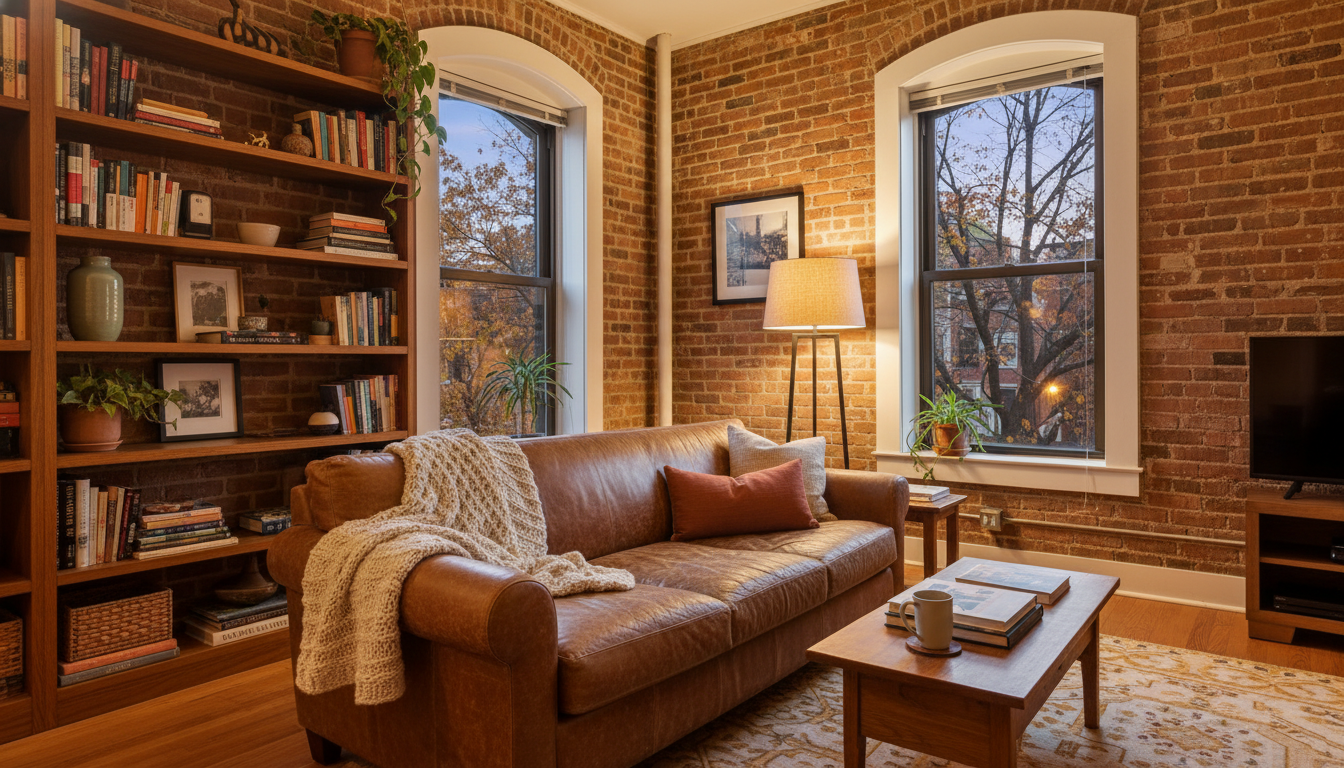 Cozy interior scene of a Chicago apartment living room with exposed brick, a worn leather couch, boo
Fall Activities That Pair Perfectly with Home Exchange
Staying in a neighborhood rather than downtown changes what's accessible to you. Here are the autumn experiences that feel natural when you're living like a local.
The Neighborhood Farmers Markets
Chicago's farmers markets run through late October, and they're spectacular in fall. Green City Market in Lincoln Park (Wednesdays and Saturdays) is the most famous, with local chefs shopping alongside home cooks. But I actually prefer the Logan Square market on Sundays—smaller, less crowded, and the apple cider donuts from one of the vendors are legitimately life-changing.
When you have a kitchen in your home exchange, these markets become more than photo ops. I spent one October Sunday buying butternut squash, local honey, and fresh pasta from Green City Market, then went back to my swap apartment and made the best soup of my life.
Architecture and Foliage Walks
Chicago's architecture is world-famous, but experiencing it on foot during fall—when the light is golden and the crowds have thinned—is special. The Chicago Architecture Center runs walking tours through October, including neighborhood-specific ones in areas like Wicker Park and Hyde Park. These cost around $26-35 per person and are genuinely excellent.
But honestly? Just walking your temporary neighborhood is free and equally rewarding. Download a self-guided architecture tour (the city has several free ones), grab a coffee, and spend a morning wandering. The residential architecture in Chicago—those greystones, workers' cottages, and Prairie-style homes—is just as impressive as the downtown skyscrapers.
The Cozy Indoor Scene
Fall is when Chicago's indoor culture really shines. The jazz and blues clubs (Green Mill in Uptown, Kingston Mines in Lincoln Park) feel more intimate when it's cold outside. The comedy scene—Second City, iO Theater, the Hideout—is world-class and much easier to access than summer shows.
And the food. Chicago's restaurant scene is extraordinary, and fall menus lean into comfort: braised meats, root vegetables, warm spices. Having a home base means you can balance splurge dinners with nights cooking in, which is honestly how most Chicagoans live.
The Practical Stuff: Costs and Savings
Let me break down what a two-week fall Chicago home exchange actually saves you versus traditional accommodation.
A decent hotel in a good neighborhood (not downtown, which is actually less interesting for extended stays) runs about $180-250/night in October. Airbnb prices in the neighborhoods I've mentioned average $150-200/night for a one-bedroom. Over two weeks, you're looking at roughly $2,520-3,500 for a hotel, $2,100-2,800 for Airbnb, or 14 credits through home exchange—credits you've earned by hosting guests in your own home.
Those credits cost you nothing but the hospitality of hosting. The math is pretty compelling.
Beyond accommodation, having a kitchen saves money on food. I typically spend about $30-40/day on food when I'm cooking some meals at home versus $60-80/day eating every meal out. Over two weeks, that's another $400-500 in savings.
Finding Your Chicago Fall Home Exchange on SwappaHome
The SwappaHome credit system works beautifully for Chicago swaps. You earn 1 credit for every night you host someone in your home, and you spend 1 credit for every night you stay somewhere else. New members start with 7 free credits, which is almost enough for a two-week Chicago adventure right out of the gate.
When searching for Chicago homes, I filter by neighborhood first (the platform lets you search specific areas), then look at the photos and descriptions carefully. The best listings include details about the neighborhood—nearby coffee shops, transit access, the vibe of the block. Reviews from previous guests are gold; look for comments about communication, cleanliness, and whether the home matched the description.
One tip: reach out to potential hosts with a personal message. Mention why you're interested in their specific neighborhood, what you're hoping to experience in Chicago, and a bit about your own home. The community aspect of SwappaHome means hosts are more likely to accept requests from people who seem genuinely engaged.
A Few Things to Consider
I want to be honest about the realities of home exchange, because it's not for everyone.
You're staying in someone's actual home, which means accepting some imperfection. Maybe the couch is a bit worn. Maybe the shower pressure isn't hotel-standard. Maybe there's a quirky coffee maker that takes some figuring out. For me, these quirks are part of the charm—they're what make it feel like real life rather than a sterile travel experience. But if you need everything to be perfect and predictable, a hotel might be a better fit.
SwappaHome is a platform that connects members, but it doesn't provide insurance or damage coverage. Members are responsible for their own arrangements and communication. I always recommend getting your own travel insurance that covers accommodation issues, and I'm upfront with my hosts about treating their space with respect. In seven years of swapping, I've never had a significant issue—the review system creates accountability, and most home exchangers are conscientious people who understand the mutual trust involved.
The Bottom Line on Fall Chicago Home Exchange
There's a moment I keep coming back to from my last Chicago fall swap.
It was a Tuesday evening in mid-October, and I was walking back to my Wicker Park apartment from dinner at a tiny BYOB Thai place on Division Street. The temperature had dropped into the low 50s, and I was wearing my favorite sweater, carrying leftovers in a paper bag. The streets were quiet—just a few other people walking dogs or heading home from work. The trees were lit from below by streetlights, and the leaves were that perfect mix of gold and red that only lasts about two weeks.
I remember thinking: this is why I do home exchange.
Not just for the savings (though those are real), but for these moments that feel like actual life rather than tourism. I wasn't visiting Chicago that week—I was, temporarily, living there.
That's what fall in Chicago through home exchange offers. The chance to experience one of America's great cities during its most beautiful season, from the inside rather than the outside. To have a neighborhood, a routine, a favorite coffee shop. To wake up in a real home and watch the leaves change through your temporary living room window.
If that sounds like your kind of travel, Chicago in autumn is waiting.
Frequently Asked Questions
Is home exchange in Chicago safe during fall?
Home exchange in Chicago is generally very safe, especially in the neighborhoods popular with swappers like Lincoln Park, Wicker Park, and Logan Square. The SwappaHome review system helps build accountability between members. I recommend researching specific neighborhoods, reading reviews of potential hosts, and communicating clearly before your swap. Getting your own travel insurance adds an extra layer of protection.
How much can I save with a Chicago home exchange versus hotels?
A two-week fall Chicago home exchange saves approximately $2,500-3,500 compared to mid-range hotels in good neighborhoods. October hotel rates average $180-250/night, while home exchange costs only credits you've earned by hosting. Add kitchen access for cooking some meals, and total savings can reach $3,000-4,000 for a two-week stay.
When is peak fall foliage in Chicago for home exchange?
Peak fall foliage in Chicago typically occurs between October 15-25, though this varies by year and neighborhood. Tree-heavy areas like Lincoln Park and the lakefront parks show the most dramatic color. For the best fall home exchange experience, aim for early-to-mid October when weather is mild (55-65°F) and autumn colors are developing.
What Chicago neighborhoods are best for autumn home swaps?
Lincoln Park offers the most classic fall experience with tree-lined streets and Victorian architecture. Wicker Park and Bucktown provide excellent food scenes and cultural attractions. Logan Square is perfect for farmers markets and local community vibes. Hyde Park suits travelers who enjoy academic settings and quieter neighborhoods. All have good home exchange availability on SwappaHome.
Do I need a car for a fall home exchange in Chicago?
No, a car isn't necessary for most Chicago fall home exchanges. The L train system connects major neighborhoods efficiently, and ride-shares are readily available. Street parking can be challenging and expensive ($2-4/hour or risk tickets during street cleaning). Most visitors find public transit and walking sufficient, especially when staying in well-connected neighborhoods like Lincoln Park or Wicker Park.

Published by
SwappaHome
SwappaHome Editorial Team
Home Exchange & Slow Travel Editorial
The SwappaHome Editorial Team brings together travel research, home-exchange community insights, and platform data to produce practical guides for first-time and experienced home swappers. Every article cites real platforms, current market rates, and verifiable city-level facts so readers can make informed decisions without guessing.
Ready to try home swapping?
Join SwappaHome and start traveling by exchanging homes. Get 7 free credits when you sign up!
Related articles

Bachelor and Bachelorette Parties in Singapore: The Complete Home Swap Group Guide for 2026
Planning a bachelor or bachelorette party in Singapore? Discover how home swapping lets groups of 6-12 stay together in luxury condos, saving thousands while partying in Marina Bay.

Cycling in Lisbon: 7 Home Swap Bike Tour Itineraries for Every Rider
Discover the best cycling routes in Lisbon with these home swap bike tour itineraries—from waterfront paths to hilltop adventures, all starting from your borrowed home.

Graduation Trip to Barcelona: How Home Swapping Gives New Graduates the Ultimate Celebration
Planning a graduation trip to Barcelona? Discover how home swapping lets new graduates explore Spain's most vibrant city without the hostel crowds or hotel costs.