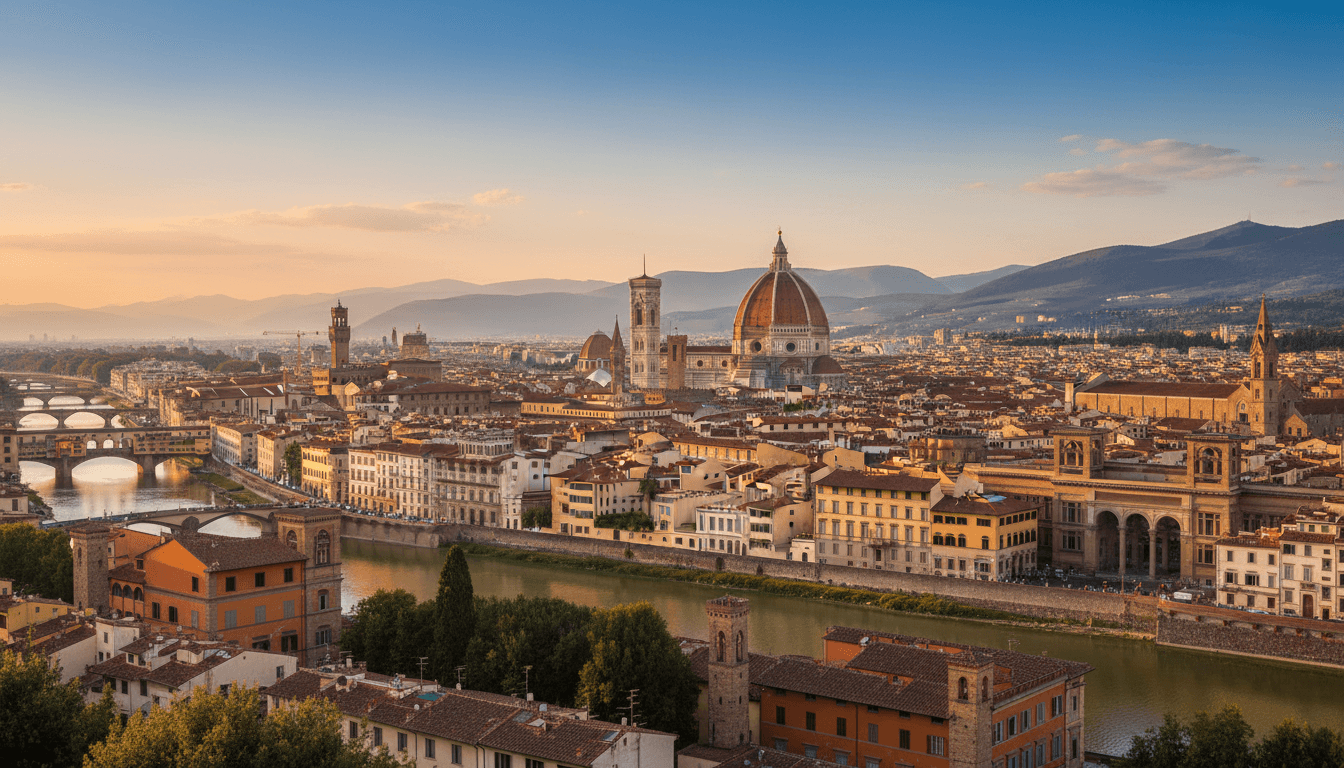
Best Family Home Exchanges in Florence: Space, Safety, and Authentic Italian Adventures

SwappaHome Editorial Team
Home Exchange & Slow Travel Editorial
Discover the best family home exchanges in Florence—spacious apartments near the Duomo, kid-friendly neighborhoods, and tips for traveling with children in Tuscany.
Best Family Home Exchanges in Florence: Space, Safety, and Authentic Italian Adventures
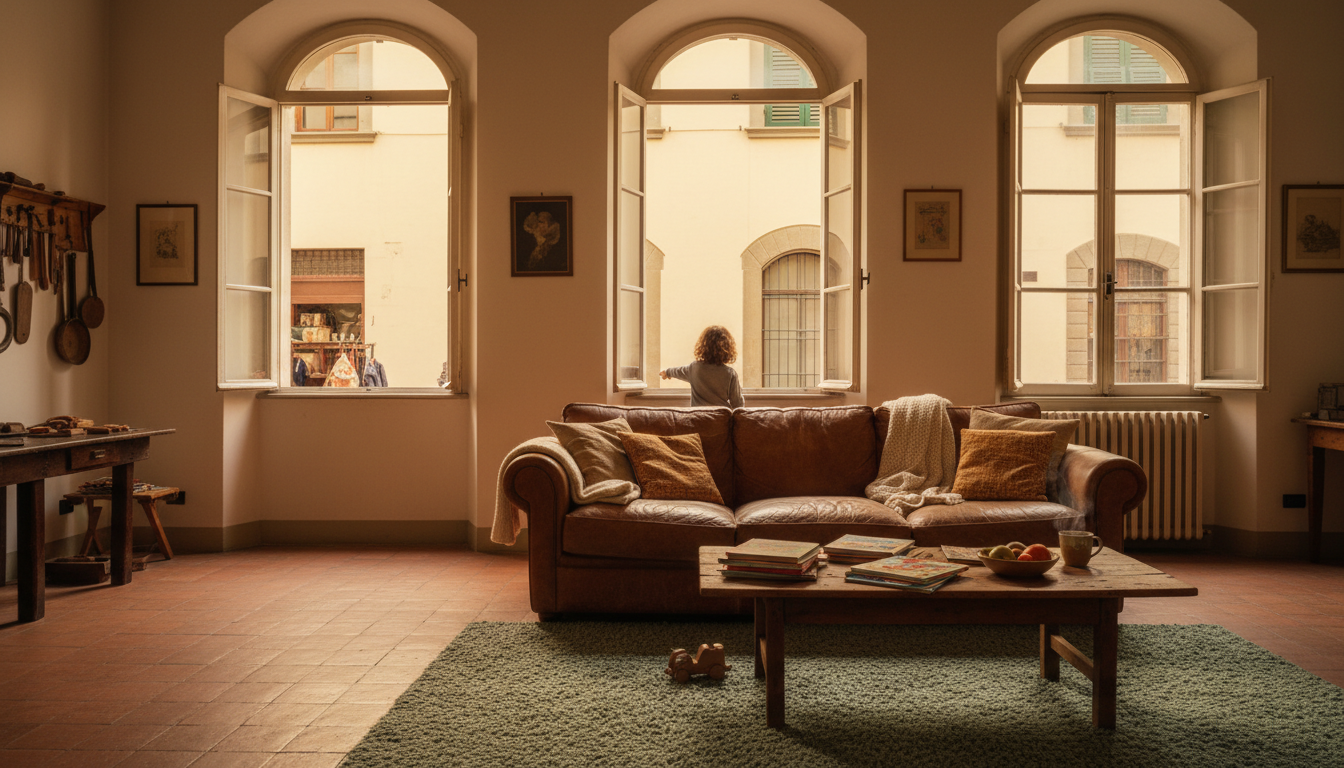
You arrive at a third-floor apartment in the Oltrarno district, and your eight-year-old immediately presses her nose against the window, watching artisans hammer copper in the workshop below. Behind you, your toddler naps in a proper bedroom—not a hotel cot wedged between the minibar and the bathroom door. The kitchen counter holds fresh pici pasta from the Sant'Ambrogio market, and tonight you'll cook dinner while the kids color at a real dining table. This is what a family home exchange in Florence actually looks like. It's a world away from cramped hotel rooms and €18 kids' menus.
Florence is one of Europe's most rewarding cities for families—but it's also notoriously challenging with children. The centro storico is compact, stroller-hostile, and packed with fragile Renaissance art that makes parents nervous. Hotels charge premium rates for interconnecting rooms, often €350-500 per night during peak season. Many boutique properties don't welcome young children at all. Finding the best family home exchanges in Florence solves these problems at their root: space, a kitchen, washing machines, and the chance to live like Florentine families actually do.
 A sunlit apartment living room in Florences Oltrarno neighborhood with terracotta floors, a worn lea
Why Florence Works Brilliantly for Family Home Exchanges
Here's something counterintuitive: Florence's compact size—the thing that makes it feel overwhelming with kids in a hotel—becomes an advantage when you're based in a real home. The entire historic center spans roughly 1.5 kilometers from Santa Maria Novella train station to Santa Croce. With a proper home base where kids can decompress, you can explore in short bursts rather than marathon museum days.
Travelers who swap homes in Florence often describe the experience as feeling more like visiting Italian relatives than being tourists. You inherit a local's rhythms: the pasticceria where the barista knows which cornetto has the most Nutella, the gelateria that hasn't been discovered by TripAdvisor yet, the tiny playground tucked behind Santo Spirito that actual Florentine children use.
Family home exchanges also solve the eternal Italian dining dilemma. Restaurants in the centro storico typically don't serve dinner until 7:30 or 8 PM—brutal timing for young children. With a kitchen, you serve an early pasta dinner, then stroll out for gelato when the city cools down and the piazzas fill with families doing the evening passeggiata.
The Real Economics of Family Travel in Florence
Most travelers underestimate how expensive Florence is for families. A mid-range hotel room accommodating four people runs €280-400 per night during spring and fall. Add breakfast (often €15-25 per person at hotels, so €50+ for a family of four), lunch out, and dinner, and you're looking at €150-200 daily just for food. A week in Florence can easily cost €3,500-4,500 before you've entered a single museum.
Home exchange flips this equation entirely.
SwappaHome's credit system means your accommodation costs nothing beyond your annual membership—you earned credits hosting others, now you spend them. A kitchen means breakfast costs €15 for the whole family: fresh bread from a forno, local eggs, fruit from the mercato. Pack picnic lunches for €20. Cook dinner for €30-40 using ingredients from the Mercato Centrale or a neighborhood alimentari. Your daily food budget drops to €65-75, saving roughly €100 per day compared to eating out.
Over a two-week family trip, that's €1,400 in food savings alone. Add the €3,000+ you're not spending on hotel rooms, and the math becomes compelling.
Best Neighborhoods for Family Home Exchanges in Florence
Not all Florentine neighborhoods work equally well for families. The SwappaHome community has strong opinions here—and they're worth hearing.
 A quiet cobblestone street in Florences San Frediano neighborhood at golden hour, with laundry hangi
Oltrarno: The Clear Winner for Families
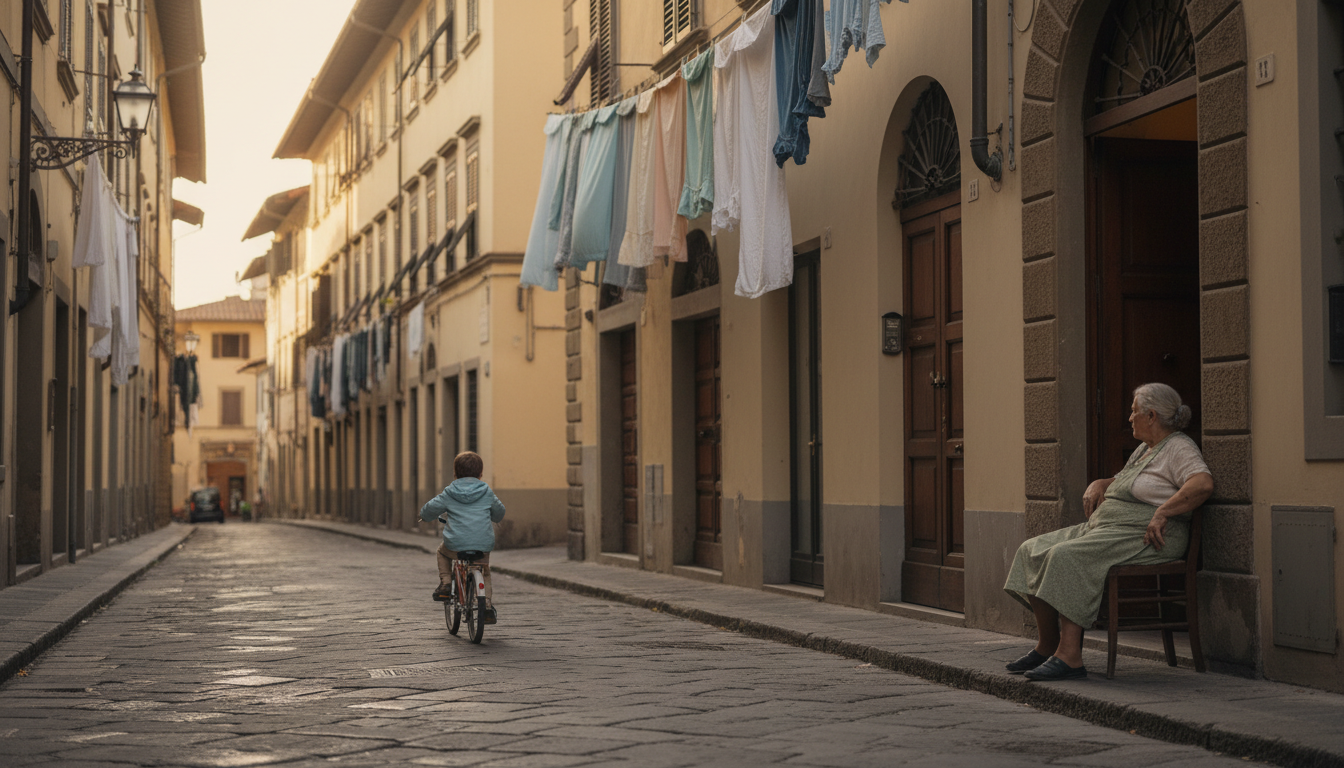
The Oltrarno—the "other side of the Arno"—consistently ranks as the best area for family home exchanges in Florence. This neighborhood encompasses several distinct zones: Santo Spirito, San Frediano, and San Niccolò. Each has its character, but all share key family-friendly traits.
Santo Spirito centers on its namesake piazza, which transforms into an informal playground every evening. Local families gather while kids kick soccer balls and chase pigeons. The church itself (designed by Brunelleschi) is free to enter and refreshingly uncommercialized—a good first Renaissance church for children who aren't ready for the Duomo crowds.
San Frediano feels even more residential. The streets around Piazza del Carmine and Via di Santo Spirito have fewer tourists and more actual neighbors. Home exchanges here often come with host recommendations: which alimentari has the best prosciutto, which bar serves aperitivo with enough free snacks to count as dinner, which gelateria makes the best stracciatella.
San Niccolò, nestled against the hillside below Piazzale Michelangelo, offers something rare in Florence: green space. The Giardino delle Rose (Rose Garden) and Giardino Bardini are walkable, and the neighborhood has a village-within-a-city feel that children love.
Typical Oltrarno home exchanges on SwappaHome range from two-bedroom apartments (sleeping 4-5) to larger three-bedroom family homes. Expect high ceilings, terracotta floors, and kitchens that actually function—Italians cook, so their kitchens have proper equipment.
Santa Croce: Central but Livable
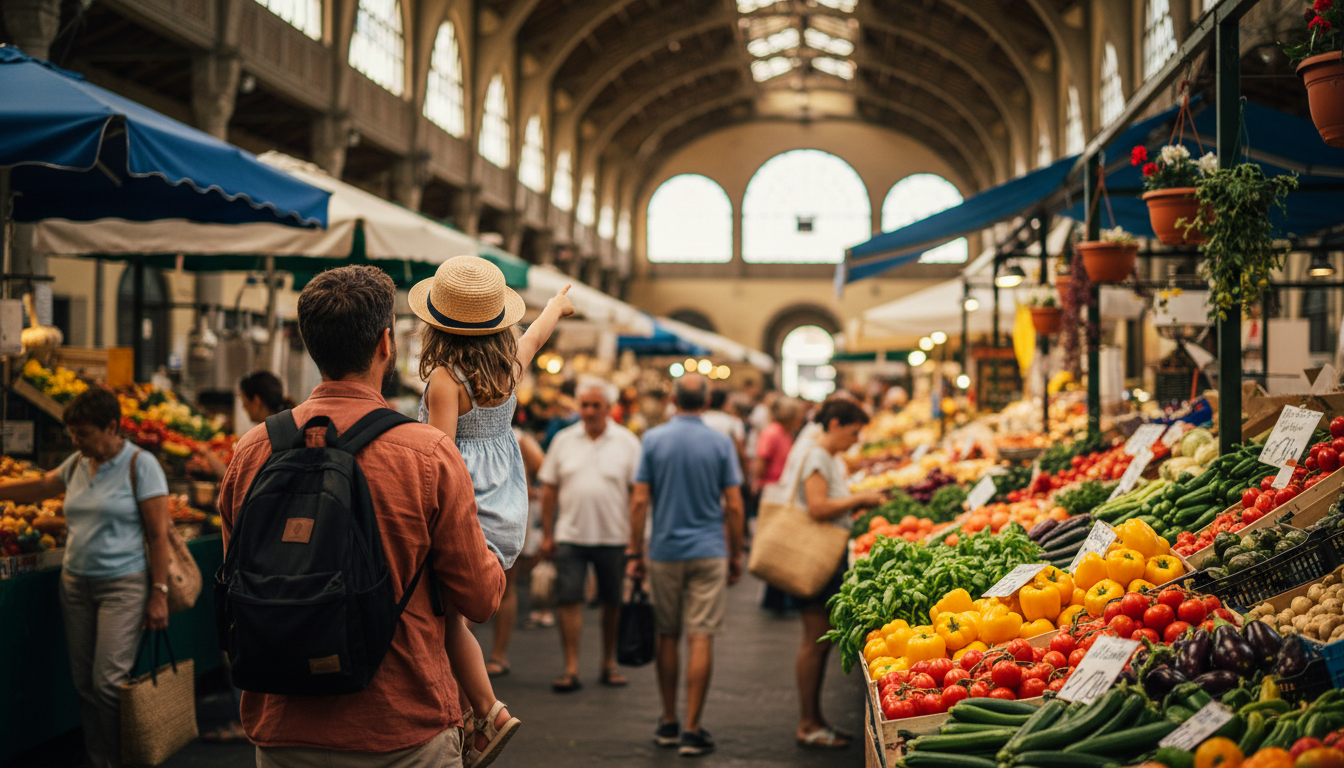
The Santa Croce neighborhood offers a compromise: you're in the centro storico, steps from major attractions, but in a zone that retains genuine residential character. The area around Sant'Ambrogio market feels particularly authentic—this is where Florentines shop for produce, meat, and cheese, not tourists buying leather goods.
Home exchanges near Sant'Ambrogio often highlight the market as a family favorite. Kids can pick out their own fruit, watch fishmongers at work, and sample cheeses. The surrounding streets have playgrounds (the one on Via dei Macci is well-maintained) and less tourist foot traffic than areas closer to the Duomo.
The downside: Santa Croce sits in a flood zone. The devastating 1966 Arno flood hit this neighborhood hardest, and while infrastructure has improved, ground-floor apartments can feel damp in winter. For family home exchanges, prioritize upper floors.
San Lorenzo and San Marco: Proceed with Caution
These central neighborhoods look appealing on a map—close to the Duomo, near the train station, surrounded by famous sites. But the San Lorenzo market area has become heavily touristic, with aggressive street vendors and a chaotic atmosphere that exhausts children quickly.
San Marco, further north, is quieter and home to the university, but it lacks the neighborhood infrastructure families need: fewer small grocers, fewer playgrounds, fewer places where you'll see other children.
Home exchanges exist in these areas, and some are excellent. But families are generally steered toward Oltrarno or eastern Santa Croce unless there's a specific reason to be central.
 The SantAmbrogio market in Florences Santa Croce neighborhood, showing colorful produce stalls, a fa
What to Look for in a Florence Family Home Exchange
Space requirements differ dramatically between traveling as a couple and traveling with children. Here's what experienced family swappers prioritize in Florence.
Square Meters Matter More Than Bedrooms
Florentine apartments can be deceptive. A "three-bedroom" listing might mean three tiny rooms carved from a larger space, with barely enough floor area for beds. Look for listings that mention square meters—anything under 80 square meters will feel cramped for a family of four spending significant time indoors.
The sweet spot for families: 90-120 square meters with two proper bedrooms plus a living area where kids can play. Many Florentine apartments have flexible spaces—a studio or study that can accommodate a travel crib or children's mattress.
Washing Machine: Non-Negotiable
This seems trivial until day four of a two-week trip when your toddler has exhausted their clean clothes. Italian apartments almost universally have washing machines (often combination washer-dryers), but confirm before booking. Laundromats exist in Florence but are inconvenient and surprisingly expensive—€8-12 per load.
Outdoor Space: Rare but Transformative
Private outdoor space is uncommon in Florence's dense centro storico, but it exists. Terraces, balconies, and small courtyards appear in maybe 15-20% of SwappaHome listings. For families, this space is gold—a place for morning breakfast, evening wine while kids play, or simply somewhere to decompress without leaving the apartment.
Alternatively, look for exchanges near public green spaces. The Boboli Gardens (€10 adult entry, free for EU children under 18) and the free Giardino dell'Orticoltura provide outdoor relief. Some Oltrarno exchanges sit close enough to the Arno's south bank that families can walk along the river—not quite a park, but open sky and moving water.
Kid-Proofing Realities
Historic Florentine apartments weren't designed with toddler safety in mind. Expect steep stairs (many buildings lack elevators), low window railings, and marble floors that punish falls. Honest communication with hosts about your children's ages and mobility makes all the difference.
Many hosts with children themselves have already addressed these issues and can share what safety equipment is available. Others may not have considered it—a quick message asking about stair gates, window locks, and sharp corners helps set expectations.
Planning Your Florence Family Home Exchange: Timing and Logistics
Florence's popularity creates genuine seasonal challenges for families. Getting the timing right transforms your experience.
Best Months for Family Home Exchanges in Florence
September and early October consistently rank as the ideal window. Summer crowds have thinned, temperatures drop from brutal to pleasant (20-25°C), and Florentine families have returned from August vacations—meaning the city feels alive rather than tourist-dominated. School schedules mean fewer Italian children are around during weekdays, so attractions feel calmer.
Late April and May offer similar advantages: comfortable weather, blooming gardens, and pre-summer pricing. The downside is Easter crowds (if your dates overlap) and occasional spring rain.
Summer (June-August) is challenging. July temperatures regularly exceed 35°C, and August sees many Florentine businesses close entirely for ferie (vacation). Home exchanges remain available—some hosts specifically list their apartments while they're away on their own August trips—but the city itself feels depleted.
Winter (November-February) brings low crowds and lower temperatures (5-12°C). Rain is common. The upside: museum lines evaporate, and you experience Florence as residents do. The downside: limited outdoor time for children, and some home exchange hosts travel less in winter, reducing availability.
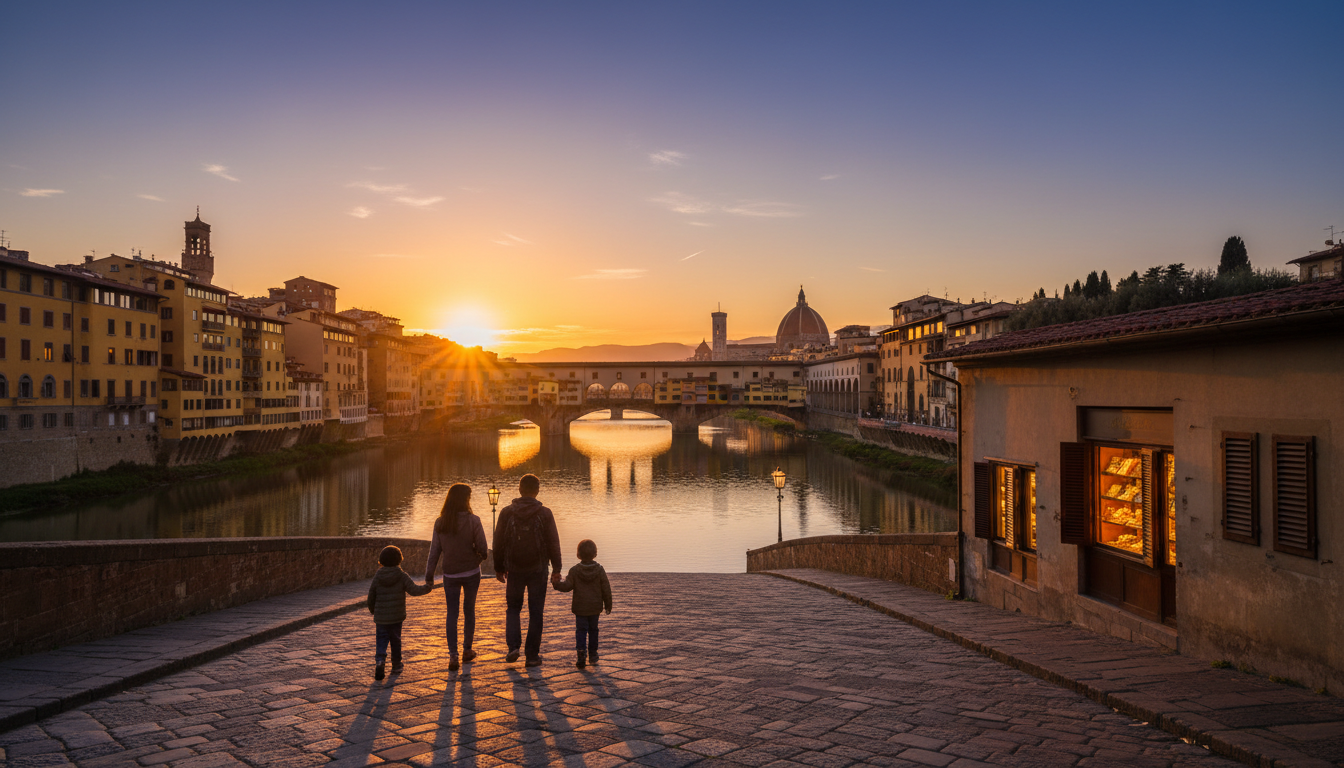 A family walking across the Ponte Vecchio at sunset in late September, with warm golden light on the
Booking Timeline for Family Exchanges
Florence home exchanges book earlier than most destinations. For peak periods (Easter week, September, October), begin searching 4-6 months ahead. The best family-suitable properties—those with multiple bedrooms, outdoor space, and Oltrarno locations—attract significant interest.
SwappaHome's messaging system lets you connect with hosts directly. For family exchanges, this communication matters more than usual. Share your children's ages, your typical daily rhythm, and any specific needs. Ask about the neighborhood: Where do local families eat? Is there a playground nearby? Which gelaterias won't give you attitude for ordering a piccolo instead of a grande?
Hosts who respond thoughtfully to these questions tend to provide better exchanges overall. You're not just evaluating the apartment—you're evaluating the host's investment in your family's experience.
Getting to Florence with Children
Florence's Aeroporto di Firenze-Peretola (FLR) is small, with limited international connections. Most families fly into either Rome Fiumicino (FCO) or Pisa Galileo Galilei (PSA).
From Pisa, the journey takes about an hour. The Pisa Mover connects the airport to Pisa Centrale station (€5 per person, free for children under 4), then frequent trains run to Florence Santa Maria Novella (€8-15 per person depending on train type). Total travel time: 75-90 minutes.
From Rome Fiumicino, high-speed Trenitalia or Italo trains reach Florence in 90 minutes, but the airport-to-station transfer adds time. Budget 3-4 hours total. The trains themselves are comfortable and family-friendly—book seats in the "quiet car" only if your children can actually be quiet.
Once in Florence, you won't need a car. The centro storico is largely pedestrianized, parking is expensive and restricted, and most family home exchanges sit within walking distance of everything you'll want to see. For day trips (Siena, San Gimignano, Chianti), trains and buses work well, or rent a car for specific excursions rather than keeping one parked.
Family Activities That Actually Work in Florence
The standard Florence itinerary—Uffizi, Accademia, Duomo, repeat—can bore children quickly. Here's what works better.
Museums Worth the Effort
The Palazzo Vecchio offers dedicated family tours and a "Secret Passages" experience that appeals to children who've read about hidden doors and mysterious corridors. The building itself feels like a castle, which helps. Book the family program in advance through the Museo dei Ragazzi initiative.
The Museo Galileo (Science Museum) surprises families expecting Renaissance-only content. Galileo's actual telescopes, antique globes, and interactive exhibits engage curious children more than another room of Madonna paintings. The museum sits on the Arno near the Uffizi but rarely has lines.
Palazzo Strozzi hosts rotating contemporary art exhibitions with strong family programming. Check their calendar—some shows include dedicated children's workshops and activity sheets.
Skip the Uffizi with young children. The collection is extraordinary, but the crowds, the length, and the subject matter (religious paintings, mythological scenes) don't translate well for under-10s. Come back when they're older.
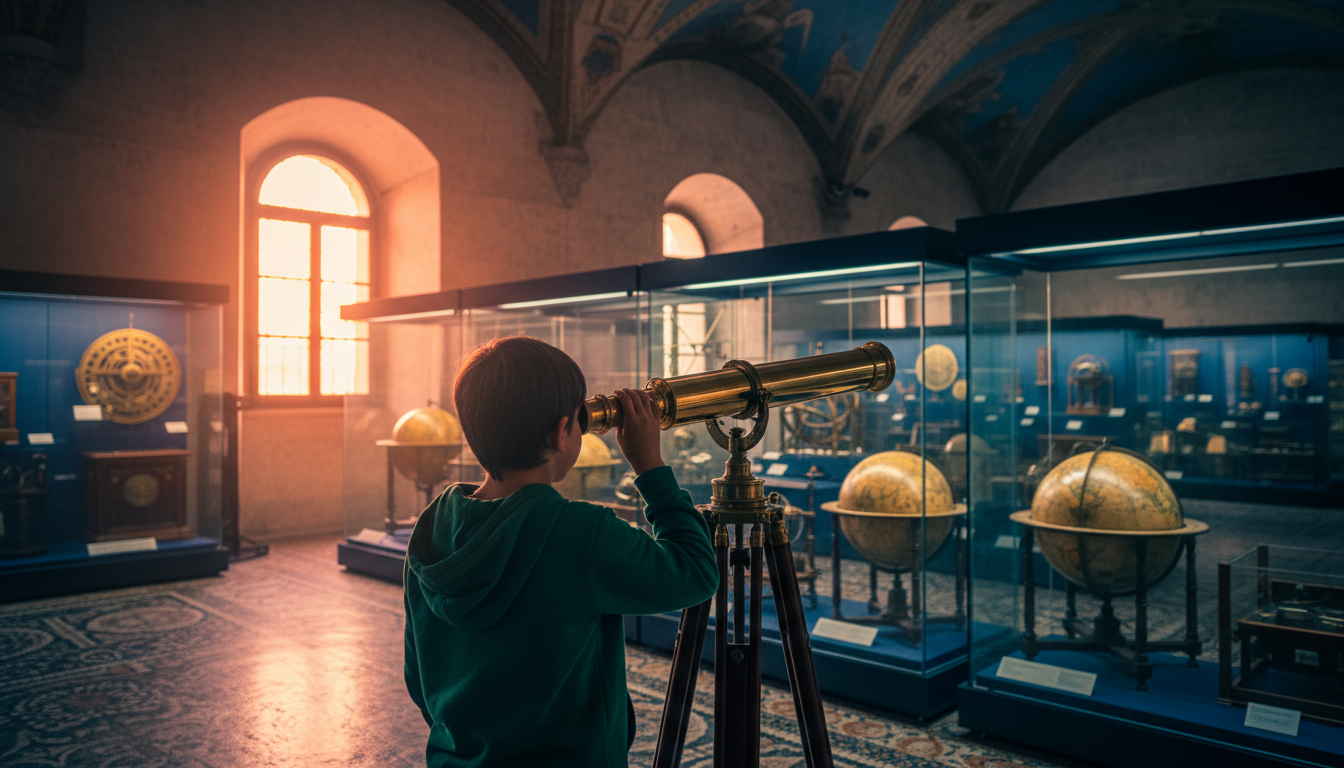 A child looking through an antique telescope replica at the Museo Galileo in Florence, with wooden s
Outdoor Adventures
Climb the Duomo dome with children over 8 who can handle 463 steps and tight spaces. The views from the top justify the effort, and kids feel genuine accomplishment. Giotto's Campanile (414 steps) is slightly easier and equally rewarding.
Walk to Piazzale Michelangelo via the Rose Garden (Giardino delle Rose) in late April or May when the roses bloom. The climb takes 20-30 minutes from the Oltrarno and rewards you with panoramic city views. Bring a picnic.
Rent bikes along the Arno. The riverside paths extend beyond the city center into quieter areas. Florence by Bike and other rental shops offer children's bikes and family packages.
Day trip to Fiesole, the hilltop town above Florence (20 minutes by bus from Piazza San Marco). The Roman amphitheater lets kids run freely, and the views over Florence provide context for everything they've seen at street level.
Food Experiences for Families
Gelato tours teach children (and adults) to distinguish quality gelato from tourist-trap product. Look for natural colors, covered containers, and flavors that match their ingredients (pistachio should be gray-green, not bright green). Family favorites near typical home exchange areas: Gelateria della Passera (Santo Spirito), La Carraia (near Ponte alla Carraia), and Vivoli (Santa Croce).
Cooking classes designed for families exist, though they're not cheap (€80-150 per person). Mama Florence and other operators offer half-day programs where children make fresh pasta. The resulting meal becomes a highlight memory.
Market visits work as activities themselves. The Mercato Centrale's ground floor (the traditional market, not the upstairs food hall) lets children see whole fish, hanging meats, and cheese wheels. Sant'Ambrogio market feels more neighborhood-authentic and less overwhelming.
Safety Considerations for Family Home Exchanges in Florence
Florence is genuinely safe for families—violent crime is rare, and the biggest risks are pickpockets in tourist crowds and traffic in non-pedestrianized zones. But specific safety considerations apply to home exchanges.
Building and Apartment Safety
Older Florentine buildings often lack modern safety features. Confirm with hosts:
- Elevator availability: Many historic buildings have none, and carrying a sleeping child up four flights of stone stairs gets old fast
- Window security: Upper-floor apartments should have secure window latches or bars
- Gas appliances: Italian apartments commonly use gas stovetops and sometimes gas water heaters; ensure you understand their operation
- Emergency information: Ask hosts for the nearest hospital (Ospedale Santa Maria Nuova is central), pharmacy (farmacie rotate night duty), and emergency number (112 for all emergencies in Italy)
Neighborhood Safety
The Oltrarno and Santa Croce neighborhoods recommended above are safe for families at all hours. The train station area (around Santa Maria Novella) feels sketchier at night—not dangerous, but less comfortable for families walking back from dinner.
The Cascine park, Florence's largest green space, has a mixed reputation. Daytime visits are fine; avoid after dark.
Health Considerations
Italy's public healthcare system treats emergencies regardless of nationality, but travel insurance remains essential. Families should carry:
- European Health Insurance Card (EHIC) for EU citizens, or comprehensive travel insurance for others
- Copies of children's vaccination records
- Any regular medications in original packaging with prescriptions
- Basic first-aid supplies (Italian pharmacies are excellent but close early)
Tap water in Florence is safe to drink. Summer heat poses the main health risk for children—carry water, seek shade during midday hours (12-3 PM), and embrace the Italian tradition of afternoon rest.
Making the Exchange Work: Communication and Expectations
Family home exchanges require more communication than couple or solo exchanges. Children's needs are specific, and mismatched expectations create friction.
Before You Book
Ask potential hosts directly:
- What ages are your own children (if any)? This indicates whether the home is set up for kids.
- What child-specific equipment is available? (High chairs, travel cribs, stair gates, bath toys)
- Are there house rules that might conflict with children's behavior? (No shoes indoors, quiet hours, fragile items)
- What's the noise situation? (Will our children's morning energy disturb neighbors?)
Share openly:
- Your children's ages and typical behavior patterns
- Your daily rhythm (early risers? Late dinners? Afternoon naps?)
- Any allergies, dietary restrictions, or medical needs
- What you hope to get from the exchange location
During the Exchange
Leave the apartment better than you found it—this matters more with children, who generate mess. Pack a small bag of cleaning supplies for inevitable spills. Treat the host's belongings as you'd want yours treated, and address any accidents (broken items, stains) immediately and honestly.
The SwappaHome review system builds accountability. Hosts who welcome families want to continue welcoming families; guests who respect homes want to continue being welcomed. This mutual investment makes the community work.
Building Your Family's Exchange Profile
Your SwappaHome profile should explicitly welcome families if you're open to hosting them. Mention:
- What child equipment you have available
- Nearby playgrounds, parks, and family-friendly restaurants
- Any house rules that apply to children
- The ages of your own children (if applicable)
Families searching for exchanges look for these details. A profile that says "we have a travel crib, high chair, and the playground across the street is excellent" attracts family requests. A profile that doesn't mention children at all creates uncertainty.
Florence Home Exchange: A Different Kind of Family Memory
The standard tourist experience in Florence is exhausting with children. You're constantly managing: managing lines, managing crowds, managing meltdowns in museum galleries, managing overpriced restaurants that don't really want you there.
A family home exchange inverts this dynamic. You're not managing—you're living. You wake up in a neighborhood where the baker knows your order. You shop at markets where vendors slip your daughter an extra apricot. You cook dinner while your son does homework at the kitchen table, just like the family who lives here during the school year.
This isn't better than a hotel in every way. Hotels offer daily cleaning, concierge services, and someone else's responsibility when things break. Home exchanges offer something different: the feeling that Florence isn't just a destination you're visiting, but a place where your family briefly belongs.
For many families, that feeling—of belonging, of normalcy, of adventure without exhaustion—is exactly what makes the difference.
Frequently Asked Questions
Is home swapping in Florence safe for families with young children?
Florence is one of Europe's safest cities for families, and home exchanges add security through the SwappaHome verification and review system. The main safety considerations are apartment-specific: confirm stair gates, window locks, and elevator access before booking. Most Florentine hosts are accommodating about child-proofing requests, especially those with children themselves.
How much can families save with home exchange versus hotels in Florence?
A family of four typically saves €2,500-4,000 on a two-week Florence trip through home exchange. Hotel rooms accommodating four people cost €280-400 nightly in Florence; add restaurant meals (€150-200 daily for a family) and the numbers add up fast. Home exchange eliminates accommodation costs entirely, and a kitchen cuts food expenses by 50-60%.
What's the best neighborhood in Florence for a family home exchange?
The Oltrarno district—specifically Santo Spirito, San Frediano, and San Niccolò—consistently ranks best for families. These neighborhoods offer residential character, local playgrounds, family-friendly restaurants, and proximity to attractions without centro storico crowds. The eastern Santa Croce area near Sant'Ambrogio market is a strong alternative.
When should families visit Florence for a home exchange?
September and early October offer ideal conditions: comfortable temperatures (20-25°C), thinner crowds than summer, and a city that feels alive after August closures. Late April through May is equally good. Avoid July-August unless heat tolerance is high—temperatures regularly exceed 35°C and many local businesses close for vacation.
Can we find family home exchanges in Florence with outdoor space?
Private terraces, balconies, and courtyards appear in roughly 15-20% of Florence SwappaHome listings. These properties book quickly, especially for family-friendly dates, so search 4-6 months ahead for peak periods. Alternatively, prioritize exchanges near public green spaces like the Boboli Gardens, Giardino delle Rose, or the Arno riverbank paths.

Published by
SwappaHome
SwappaHome Editorial Team
Home Exchange & Slow Travel Editorial
The SwappaHome Editorial Team brings together travel research, home-exchange community insights, and platform data to produce practical guides for first-time and experienced home swappers. Every article cites real platforms, current market rates, and verifiable city-level facts so readers can make informed decisions without guessing.
Ready to try home swapping?
Join SwappaHome and start traveling by exchanging homes. Get 7 free credits when you sign up!
Related articles
Home Swap in Rome: Where to Find the Best Properties for Your Italian Exchange
Discover where to find the best home swap properties in Rome—from Trastevere's cobblestone charm to Testaccio's local authenticity. Real neighborhoods, real advice.

Home Swap in Bangkok: Where to Find the Best Properties for Free Stays
Discover where to find the best home swap properties in Bangkok—from riverside condos in Charoen Krung to family homes in Ari. Real neighborhoods, real savings.
Home Swap for Beach Lovers: 12 Coastal Destinations Ranked for 2026
Discover the best coastal destinations for home swapping in 2026. From Portugal's Algarve to Australia's Gold Coast, find your perfect beach exchange.