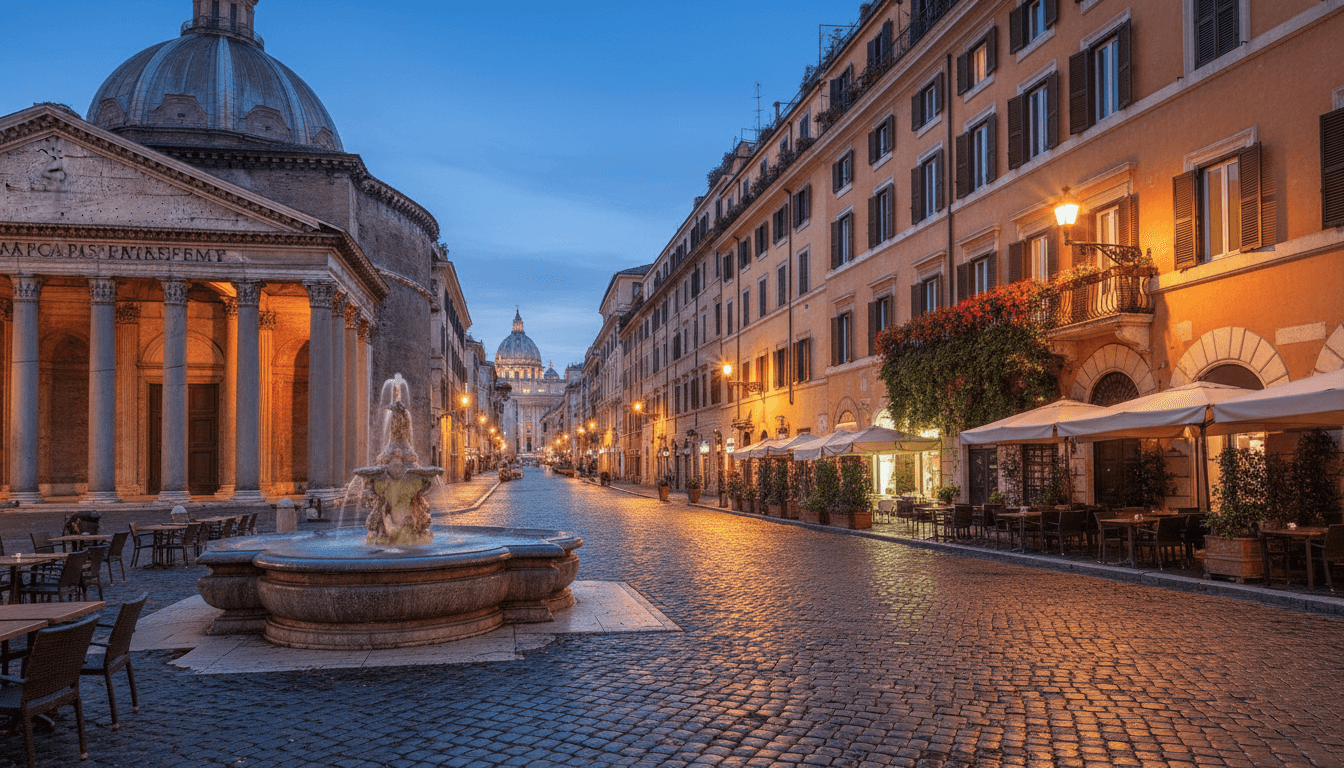
Home Swap in Rome: Where to Find the Best Properties for Your Italian Exchange

SwappaHome Editorial Team
Home Exchange & Slow Travel Editorial
Discover where to find the best home swap properties in Rome—from Trastevere's cobblestone charm to Testaccio's local authenticity. Real neighborhoods, real advice.
Finding the Best Home Swap Properties in Rome: A Neighborhood-by-Neighborhood Guide
The scent of espresso drifts from a corner bar on Via del Portico d'Ottavia as you unlock the heavy wooden door of a 16th-century palazzo. Inside, terracotta tiles cool your feet, afternoon light filters through shuttered windows, and a handwritten note on the kitchen counter welcomes you to Rome—your home for the next two weeks. This isn't a hotel experience. This is what happens when you find the right home swap in Rome.
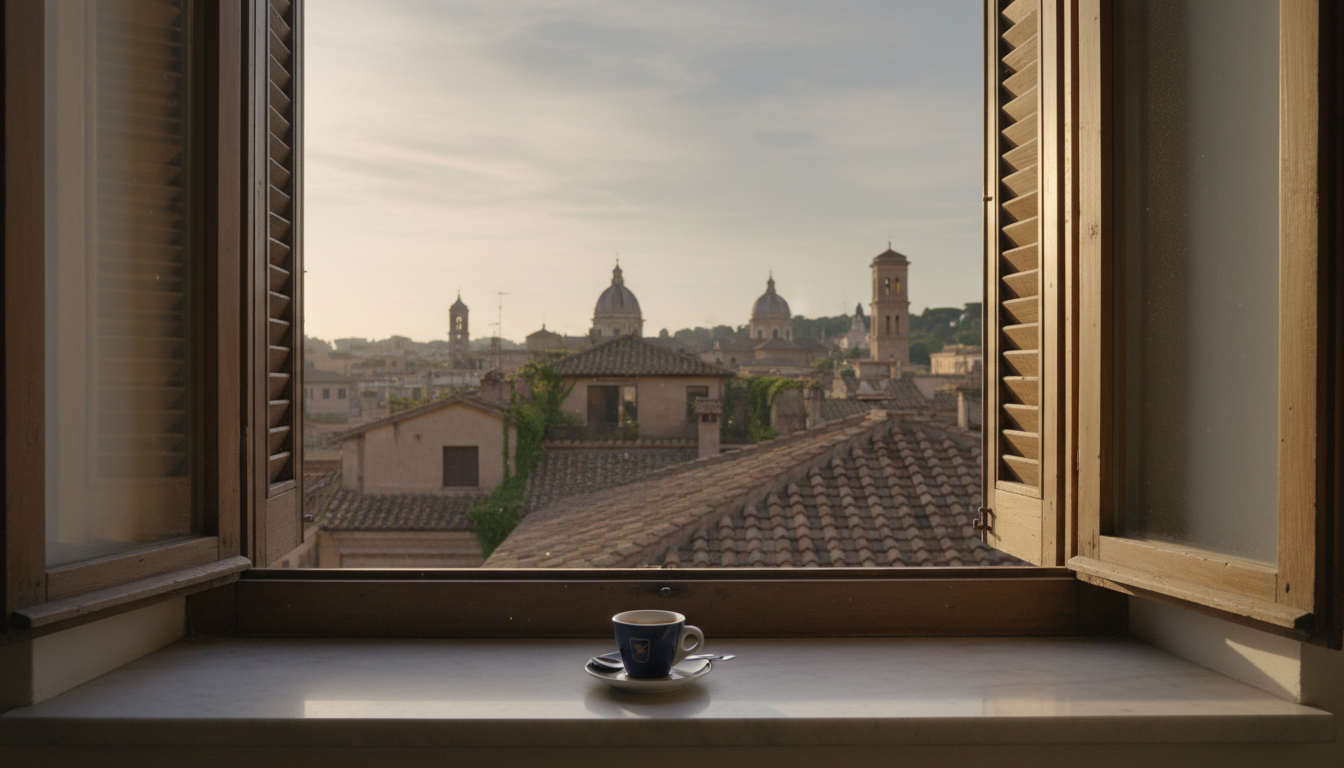 Morning light streaming through wooden shutters in a traditional Roman apartment, espresso cup on a
Finding quality home swap properties in Rome requires knowing where to look—and more importantly, understanding which neighborhoods actually deliver on the promise of living like a local. The Eternal City sprawls across seven hills and dozens of distinct rioni (historic districts), each with its own character, price point, and lifestyle. Some areas overflow with swap-worthy apartments; others might leave you spending more time in traffic than at the Colosseum.
Rome consistently ranks among Europe's most active home exchange destinations, with properties ranging from compact Trastevere studios to sprawling Parioli penthouses. But here's the thing: the best home swap in Rome isn't necessarily the biggest or the flashiest—it's the one that puts you in the right neighborhood for how you actually want to experience the city.
Why Rome Dominates the European Home Swap Scene
Rome presents a unique proposition for home exchangers. Unlike cities where tourism concentrates in a single district, Rome's treasures spread across the entire centro storico and beyond. The Pantheon sits a fifteen-minute walk from the Spanish Steps, which is another twenty minutes from the Vatican—meaning your home base genuinely matters for daily logistics.
Hotel rates in central Rome typically run €180–350 per night for anything remotely comfortable, with August and Easter week pushing prices even higher. Vacation rentals average €120–200 nightly for a one-bedroom in desirable areas, plus cleaning fees and service charges. Over a two-week Roman holiday, accommodation alone can easily exceed €3,000.
Home swapping eliminates that cost entirely.
With SwappaHome's credit system—where hosting earns you credits to spend anywhere in the network—a two-week Roman stay costs nothing beyond your annual membership. New members start with seven free credits, enough for a full week in Rome to test whether this travel style suits them.
But the financial advantage is almost secondary to the experiential one. Rome's best neighborhoods reveal themselves slowly, through morning routines and evening passeggiatas, through knowing which bakery opens at 6 AM and which enoteca pours the best Montepulciano by the glass. A home swap gives you that rhythm.
Trastevere: The Quintessential Roman Home Swap Experience
Ask anyone in the SwappaHome community about Rome, and Trastevere comes up within the first minute. This neighborhood across the Tiber ("tras Tevere" literally means "beyond the Tiber") delivers exactly what most travelers imagine when they picture Roman living: narrow cobblestone vicoli, ochre-washed buildings draped in ivy, laundry strung between windows, and the constant background hum of Vespas and conversation.
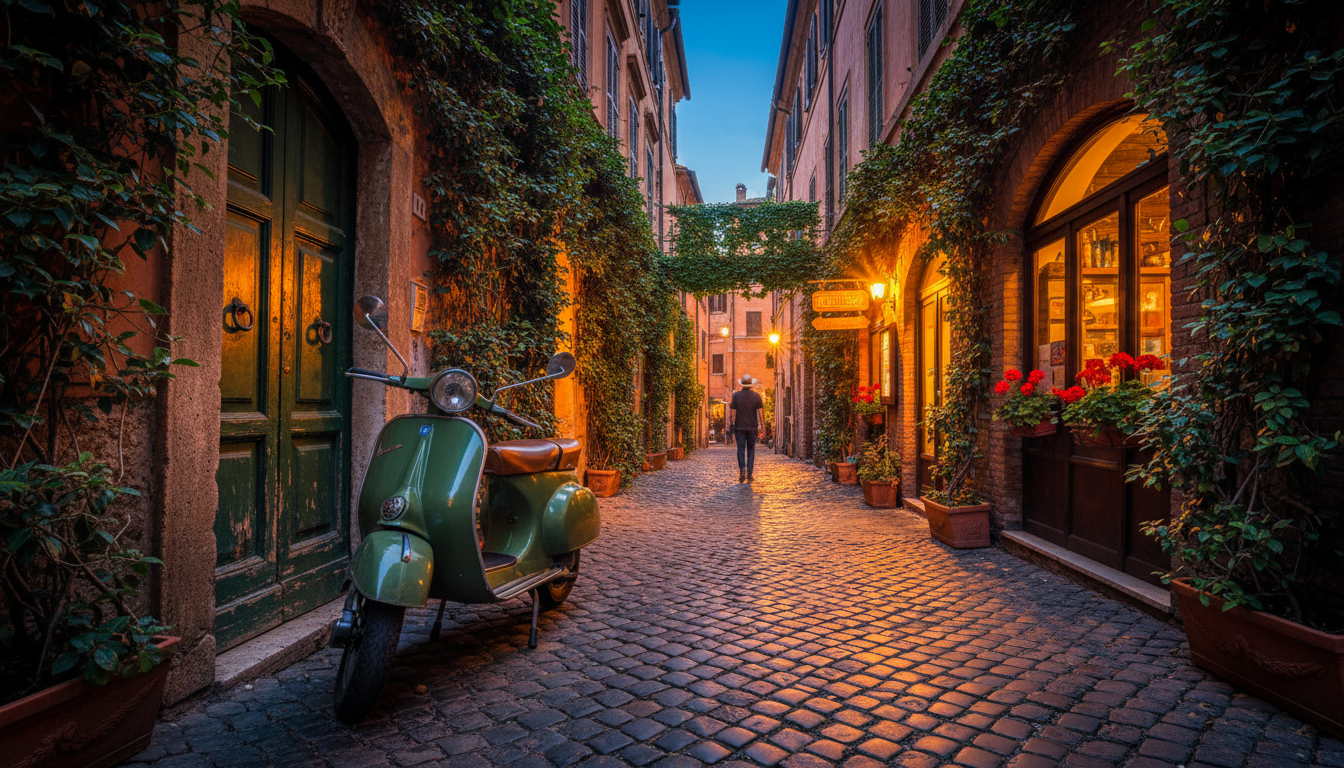 Cobblestone alley in Trastevere at golden hour, ivy-covered walls, a Vespa parked beside a weathered
Home swap properties in Trastevere tend toward the characterful rather than the spacious. Expect exposed beam ceilings, original tile floors, and kitchens that require creative maneuvering. What you sacrifice in square meters, you gain in atmosphere and location. Piazza Santa Maria in Trastevere—with its medieval basilica and fountain—sits at the neighborhood's heart, surrounded by restaurants, bars, and gelaterias that cater to locals and visitors alike.
The practical reality: Trastevere sits about a 25-minute walk from the Colosseum, 20 minutes from the Vatican, and directly across the river from the Jewish Ghetto and Campo de' Fiori. Tram line 8 connects to Largo di Torre Argentina and the centro storico, though most residents find walking more reliable.
SwappaHome listings in Trastevere typically range from studios suitable for solo travelers to two-bedroom apartments perfect for couples or small families. The neighborhood attracts a mix of long-term Roman residents and expats, meaning home swap hosts here often speak English and understand what international guests need.
What to Know Before Booking Trastevere
Noise levels vary dramatically by specific street. Properties facing Piazza Trilussa or along the main nightlife strips (Via della Scala, Via del Moro) can be lively until 2 AM, especially on weekends. Light sleepers should look for listings on quieter side streets like Via della Pelliccia or the blocks closer to Villa Sciarra park.
Parking is essentially impossible—if you're planning to rent a car for day trips, Trastevere isn't your best base.
The neighborhood also floods with tourists on weekend evenings, particularly around Ponte Sisto. Most seasoned swappers will tell you to avoid the main piazza restaurants (overpriced, tourist menus) and head instead to spots like Da Enzo al 29 on Via dei Vascellari or Tonnarello on Via della Paglia.
Testaccio: Rome's Best-Kept Home Swap Secret
South of the centro storico, across from the ancient Aventine Hill, Testaccio operates on a different frequency than Rome's tourist districts. This working-class neighborhood built around the old slaughterhouse has transformed into one of the city's most authentic food destinations—without losing its gritty, unpretentious character.
Home swap properties in Testaccio offer something increasingly rare in Rome: genuine neighborhood life. The covered Mercato di Testaccio (open mornings except Sunday) remains a functioning local market where Romans buy their produce, meat, and cheese. The surrounding streets house trattorias that have served the same recipes for generations—cacio e pepe at Felice a Testaccio, coda alla vaccinara at Checchino dal 1887.
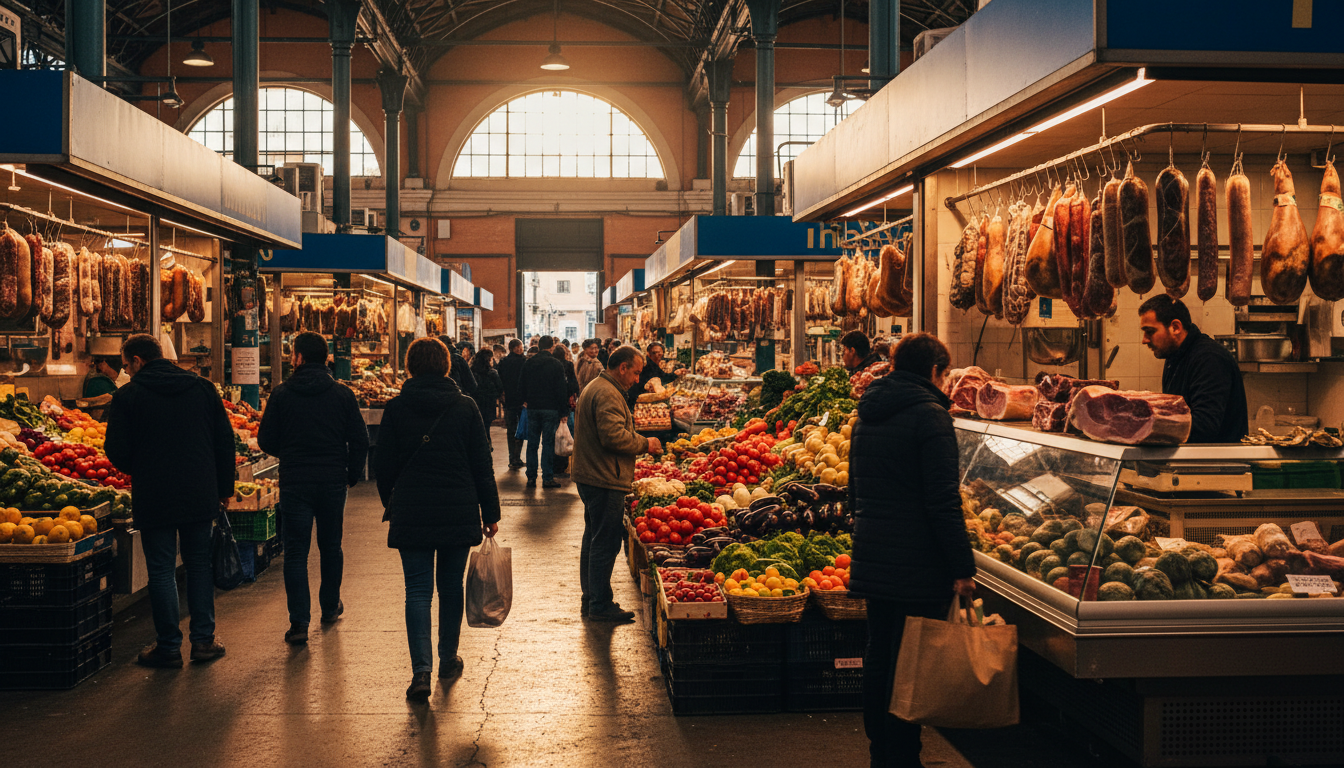 Interior of Mercato di Testaccio, vendors arranging fresh vegetables and cured meats, morning shoppe
The neighborhood sits slightly outside the traditional tourist circuit, which means home swap availability can be lower than Trastevere or the Centro. But properties that do list here tend to be larger, more modern, and often come with amenities like dedicated parking spaces—a genuine rarity in Rome.
Testaccio connects to the rest of the city via Metro Line B (Piramide station, also the terminus for trains to Fiumicino airport) and several bus lines. The Colosseum is about a 20-minute walk or one metro stop. The Vatican requires a transfer but remains accessible within 35 minutes.
Monti: Where Ancient Rome Meets Contemporary Cool
If Trastevere feels like a movie set and Testaccio like a local secret, Monti splits the difference—ancient history around every corner, but with a contemporary creative energy that draws younger Romans and international residents.
The neighborhood cascades down from the Esquiline Hill toward the Colosseum and Roman Forum, its steep streets lined with vintage shops, wine bars, and artisan workshops. Via del Boschetto serves as the main artery, connecting Piazza della Madonna dei Monti (a popular evening gathering spot) to the broader centro storico.
Home swap properties in Monti tend toward the compact and stylish. The neighborhood attracts designers, artists, and young professionals, and their homes reflect that aesthetic—expect thoughtful renovations, curated bookshelves, and espresso machines that actually work. Studios and one-bedrooms predominate, though larger apartments exist on the quieter streets toward Santa Maria Maggiore.
The location can't be beat for ancient Rome enthusiasts. The Colosseum sits at Monti's southern edge, the Forum sprawls below, and Trajan's Market anchors the western boundary. You can walk to virtually every major ancient site within fifteen minutes.
The Monti Trade-Off
Monti's popularity has driven up both rental prices and tourist foot traffic. The streets around Via dei Serpenti and Via Panisperna can feel crowded during peak hours, and some longtime residents complain that the neighborhood has lost authenticity to boutique hotels and Instagram-friendly cafés.
For home swappers, this means being selective about specific locations. Properties on the quieter blocks toward Piazza Vittorio Emanuele II or up the hill toward San Pietro in Vincoli tend to offer better value and a calmer atmosphere than those directly on the main commercial streets.
Prati and the Vatican Area: Space, Elegance, and Fewer Tourists
North of the Tiber, the Prati neighborhood surrounds Vatican City with wide boulevards, elegant Liberty-style architecture, and a distinctly residential atmosphere. This is where Roman professionals live—lawyers, doctors, government officials—in spacious apartments with high ceilings, parquet floors, and views that might include St. Peter's dome.
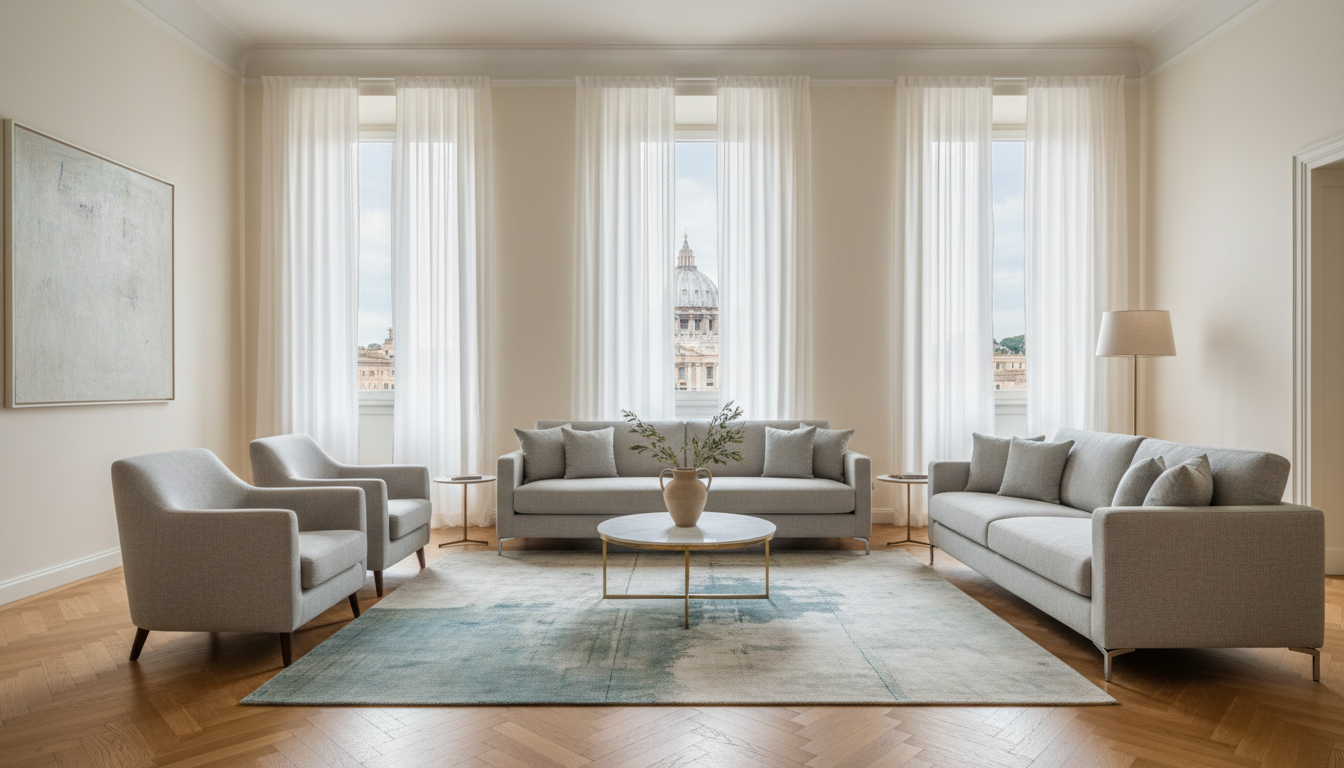 Elegant Prati living room with high ceilings, herringbone parquet floors, tall windows with sheer cu
Home swap properties in Prati offer what's genuinely hard to find in Rome's historic center: space. Two and three-bedroom apartments are common, often with separate living and dining areas, full-sized kitchens, and even the occasional terrace. For families or groups traveling together, Prati solves the eternal Rome problem of cramped historic apartments.
The trade-off is atmosphere. Prati lacks the romantic chaos of Trastevere or the ancient layers of Monti. Streets follow a grid pattern, buildings date mostly to the late 19th and early 20th centuries, and the neighborhood empties out after business hours. Some travelers find this refreshingly calm; others feel disconnected from "real" Rome.
Practically, Prati puts you within a 10-minute walk of the Vatican Museums, St. Peter's Basilica, and Castel Sant'Angelo. The centro storico lies across the river, accessible via Ponte Umberto I or Ponte Sant'Angelo—about 20 minutes on foot to Piazza Navona.
Centro Storico: The Heart of Rome (If You Can Find It)
The historic center—roughly bounded by Piazza del Popolo to the north, the Tiber to the west, Via del Corso to the east, and Largo di Torre Argentina to the south—contains Rome's greatest concentration of Renaissance and Baroque treasures. Piazza Navona, the Pantheon, Campo de' Fiori, the Trevi Fountain: all within a fifteen-minute walk of each other.
Home swap availability in the Centro Storico exists but requires patience and flexibility. Many properties here serve as vacation rentals or pied-à-terres for wealthy Italians, meaning they're not occupied full-time and therefore not available for traditional home exchange. Properties that do list tend to book far in advance, especially for peak seasons.
When you do find a Centro Storico home swap, the experience is unmatched. Morning coffee in a piazza where Caravaggio once brawled. Evening aperitivo steps from the Pantheon. Late-night walks through streets that have hosted pilgrims and poets for two millennia. The density of beauty per square meter exceeds anywhere else in the city.
Centro Storico Reality Check
Living in the Centro Storico comes with challenges that hotels and short-term rentals often obscure. Trash collection happens at odd hours (and the bins aren't pretty). Delivery access is limited—forget about Amazon packages or large grocery orders. Many buildings lack elevators, meaning your charming fourth-floor apartment requires hauling luggage up narrow stone stairs.
Noise is constant. Not just tourist noise (though there's plenty of that) but the sounds of a functioning city center: garbage trucks at dawn, church bells throughout the day, restaurant deliveries, and the eternal hum of Vespas. Light sleepers should look elsewhere or request properties on interior courtyards.
Beyond the Center: Neighborhoods Worth Considering
Rome's best home swap opportunities sometimes lie outside the traditional tourist map. These neighborhoods require a bit more transport time but offer authentic Roman life and often more spacious, modern properties.
Garbatella — This early 20th-century garden neighborhood in southern Rome features unique architecture (the "lotti" housing blocks), strong community identity, and excellent food options. Metro Line B connects to the center in about 15 minutes. Home swap properties here tend toward larger apartments and even small houses with gardens.
San Giovanni — Built around the Basilica of St. John Lateran (technically Rome's cathedral, not St. Peter's), this residential neighborhood offers good metro access, authentic trattorias, and a mix of historic and modern housing. Properties are generally more affordable and spacious than Centro equivalents.
Pigneto — Rome's hipster district, full of street art, craft cocktail bars, and creative energy. Not for everyone—the area can feel gritty—but home swappers seeking contemporary Roman culture over ancient monuments might find their tribe here.
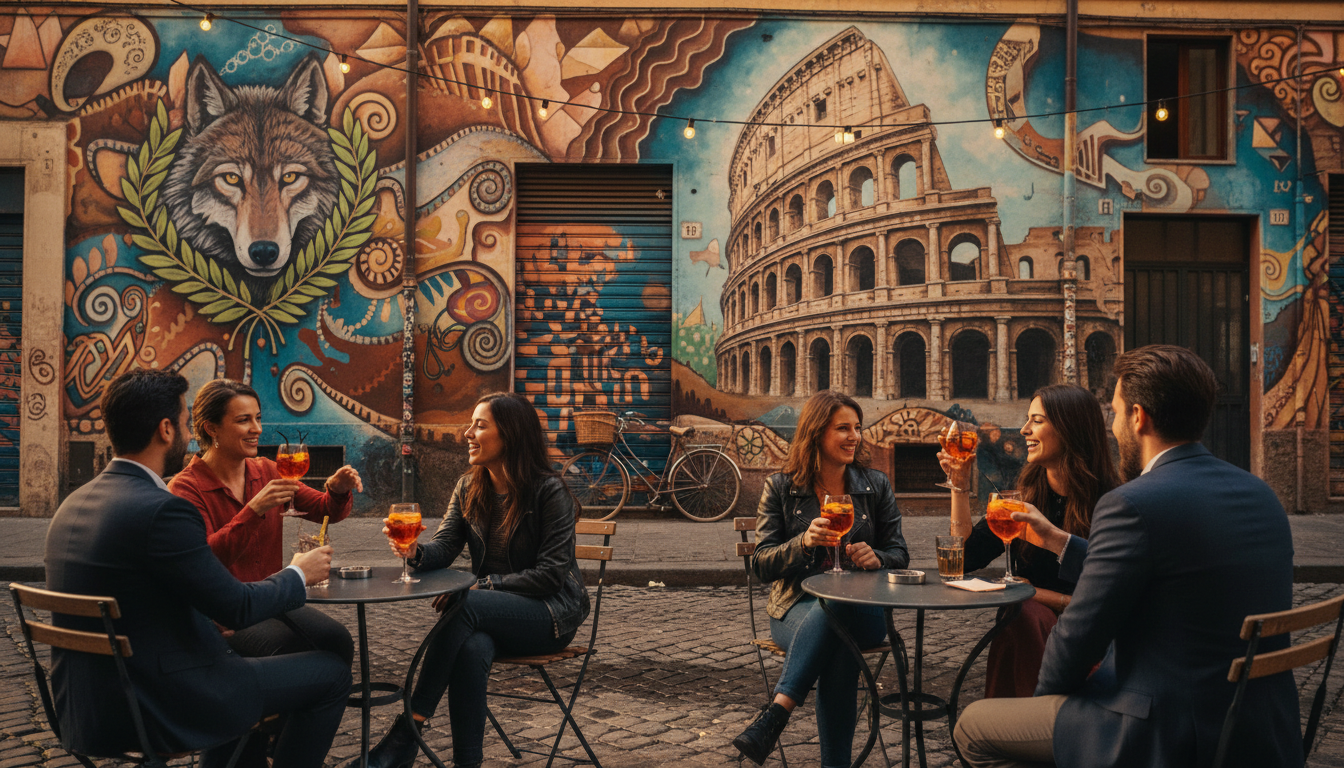 Street art-covered walls in Pigneto, outdoor caf tables with young Romans drinking aperitivo, warm e
How to Search for Rome Home Swap Properties Effectively
Finding the right home swap in Rome requires strategy beyond just browsing listings. A few approaches tend to work well.
Start Early, Especially for Peak Seasons — Rome's busiest periods (Easter week, late September through October, Christmas markets) see home swap requests spike months in advance. For these windows, begin your search six months ahead. Summer actually offers more availability, as many Roman families leave the city for beach vacations in August.
Be Specific About Your Needs — Vague requests get vague responses. Instead of "looking for a place in Rome," specify: "Two adults, one child (age 7), need two bedrooms, prefer walking distance to Colosseum, traveling October 15-28." This helps potential hosts quickly assess whether their property fits.
Consider Reverse Searches — Browse listings of SwappaHome members in Rome and reach out directly if their property appeals. Many experienced home swappers prefer arranging exchanges through direct communication rather than waiting for incoming requests.
Verify Neighborhood Claims — Not every listing accurately represents its location. "Near the Vatican" might mean a 30-minute walk. Use Google Maps to check actual distances and Street View to assess the immediate surroundings.
Read Reviews Carefully — Previous guests' feedback reveals patterns that listings might not mention. Multiple comments about noise, difficult stairs, or unreliable hot water signal genuine issues. Conversely, consistent praise for specific features (great kitchen, helpful host notes, quiet street) indicates reliable quality.
What to Expect from Roman Home Swap Hosts
Italian hospitality operates on different assumptions than, say, American or Northern European norms. Understanding these cultural patterns helps set appropriate expectations.
Roman hosts typically provide detailed written instructions for everything: how to work the temperamental shower, which garbage goes in which bin (Rome's recycling system is elaborate), where to find the nearest pharmacy. These notes often include restaurant recommendations, sometimes with the host's personal contacts to secure reservations.
Don't expect American-style amenities as standard. Air conditioning exists but isn't universal, especially in older buildings. Dryers are rare—Romans hang laundry to dry, and your host will show you how. Kitchens may lack dishwashers or garbage disposals. These aren't deficiencies; they're simply how Roman homes function.
Communication styles vary. Some hosts check in frequently; others prefer minimal contact unless problems arise. Worth clarifying expectations before arrival. And remember that Romans generally observe a slower pace—immediate email responses aren't the norm, especially during August or around major holidays.
Practical Considerations for Your Rome Home Swap
Transportation from Airports — Fiumicino (FCO) connects to Roma Termini station via the Leonardo Express train (€14, 32 minutes). From Termini, taxis or public transport reach most neighborhoods. Ciampino (CIA), used by budget carriers, requires a bus to Termini or direct taxi. Budget €30-50 for taxi from Fiumicino to central neighborhoods, €25-40 from Ciampino.
Getting Around — Rome's metro system has only three lines and limited coverage. Buses and trams fill the gaps but can be confusing for newcomers. Most visitors find walking the most reliable method for the centro storico. Download the Moovit app for real-time public transport information.
Grocery Logistics — Large supermarkets (Conad, Carrefour, Coop) exist but often sit outside the historic center. Neighborhood alimentari (small grocery shops) and daily markets handle basics. Many Romans shop daily for fresh items rather than doing large weekly shops—your home swap kitchen may reflect this pattern with smaller refrigerators and limited pantry space.
Tourist Tax — Rome charges a tourist tax (tassa di soggiorno) of €3-7 per person per night depending on accommodation type. Home swaps technically fall outside this system since no commercial transaction occurs, but regulations continue to evolve. Check current requirements before your trip.
Making Your Home Swap-Worthy for Roman Visitors
Home exchange works both ways. If you're hoping to attract Roman guests to your property—thereby earning credits for your own Italian adventure—consider what appeals to Italian travelers.
Romans value aesthetics highly. Clean, well-maintained spaces matter, but so does visual appeal. A few thoughtful design touches go further than generic hotel-style neutrality. Good coffee equipment is nearly essential—Italians notice and appreciate a proper moka pot or espresso machine.
Provide detailed neighborhood information. Romans traveling abroad want to live like locals wherever they go, just as you want to live like a local in Rome. Restaurant recommendations, market locations, public transport tips, and cultural insights all add value.
Responsiveness matters too. Italian travelers often plan trips with shorter lead times than Americans or Northern Europeans. Being available to answer questions and confirm arrangements quickly can make the difference between securing a great exchange and missing out.
The Rome Home Swap Advantage
After all the neighborhood analysis and practical tips, the fundamental appeal of home swapping in Rome comes down to something simple: you get to live there, not just visit.
The difference reveals itself in small moments. Making morning coffee in a kitchen stocked with someone else's carefully chosen beans. Knowing which produce vendor at the market gives the best prices on tomatoes. Having a favorite bench in a neighborhood piazza where you watch the evening passeggiata unfold. These aren't tourist experiences—they're the textures of daily life that hotels, no matter how luxurious, cannot replicate.
Rome rewards slow exploration. The city has been accumulating layers for nearly three thousand years; it doesn't reveal itself to those rushing between monuments. A home swap gives you permission to take your time, to return to the same café three mornings in a row, to discover the church nobody visits because it's not in any guidebook.
SwappaHome's credit system makes this accessible. Host guests in your own home, earn credits, spend them in Rome—or anywhere else in the network. No complex simultaneous swaps required, no negotiating value differences between properties. One night hosted equals one night anywhere, whether that's a studio in Trastevere or a villa in Tuscany.
The best home swap properties in Rome are waiting. They're in the neighborhoods that match how you actually want to travel, hosted by people who understand that the greatest luxury isn't thread count or turndown service—it's belonging, however briefly, to a place.
Frequently Asked Questions
Is home swapping in Rome safe for first-time exchangers?
Rome consistently ranks among the safest major European cities for tourists, and home swapping adds an extra layer of security through SwappaHome's verification and review systems. Members build reputations over multiple exchanges, creating accountability. The smart move for first-timers is starting with hosts who have established positive reviews. Consider arranging your own travel insurance for additional peace of mind, as SwappaHome connects members but doesn't provide coverage for damages or disputes.
How far in advance should I book a Rome home swap?
For peak seasons—Easter week, September through October, and Christmas—begin searching six months ahead. Summer months (especially August) often have more availability as Roman families vacation elsewhere. Off-season winter months (January through March, excluding Carnevale) offer the easiest booking with the shortest lead times, sometimes just 4-6 weeks in advance.
Which Rome neighborhood is best for families with young children?
Prati offers the most family-friendly combination: spacious apartments, wide sidewalks, proximity to the Vatican's kid-engaging attractions, and a calmer atmosphere than the bustling centro storico. Testaccio also works well, with its market, parks, and genuine neighborhood feel. Avoid upper-floor apartments without elevators if traveling with strollers—a common challenge in Rome's historic buildings.
Can I find home swap properties in Rome with parking?
Parking-included properties exist but concentrate in outer neighborhoods like Testaccio, Garbatella, and Prati rather than the centro storico. If you're planning day trips to Tuscany or the Amalfi Coast by car, prioritize these areas in your search. Central neighborhoods like Trastevere and Monti have virtually no residential parking available.
What's the best time of year for a Rome home swap?
April through June and September through October offer the ideal balance of pleasant weather, manageable crowds, and good home swap availability. August sees Romans flee the city's heat—which means more available properties but also closed neighborhood restaurants and a somewhat empty feeling. Winter brings smaller crowds and lower airfares but shorter days and occasional rain.

Published by
SwappaHome
SwappaHome Editorial Team
Home Exchange & Slow Travel Editorial
The SwappaHome Editorial Team brings together travel research, home-exchange community insights, and platform data to produce practical guides for first-time and experienced home swappers. Every article cites real platforms, current market rates, and verifiable city-level facts so readers can make informed decisions without guessing.
Ready to try home swapping?
Join SwappaHome and start traveling by exchanging homes. Get 7 free credits when you sign up!
Related articles

Home Swap in Bangkok: Where to Find the Best Properties for Free Stays
Discover where to find the best home swap properties in Bangkok—from riverside condos in Charoen Krung to family homes in Ari. Real neighborhoods, real savings.

Home Swap for Beach Lovers: 12 Coastal Destinations Ranked for 2026
Discover the best coastal destinations for home swapping in 2026. From Portugal's Algarve to Australia's Gold Coast, find your perfect beach exchange.

Fashion Capitals for Home Exchange: 7 Best Cities for Shopping Lovers
Discover the best fashion capitals for home exchange travel. Save thousands on accommodation while shopping Milan, Paris, Tokyo, and more style destinations.