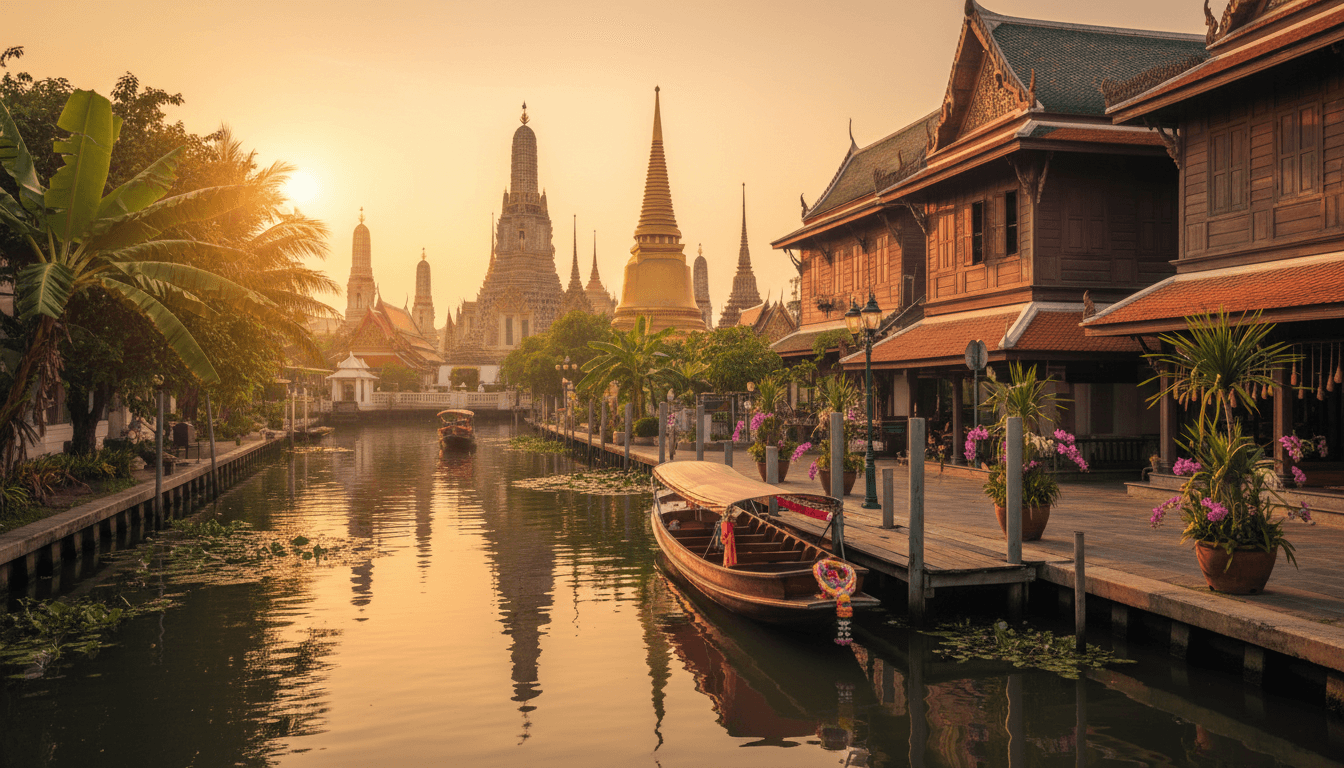
Home Swap in Bangkok: Where to Find the Best Properties for Free Stays

SwappaHome Editorial Team
Home Exchange & Slow Travel Editorial
Discover where to find the best home swap properties in Bangkok—from riverside condos in Charoen Krung to family homes in Ari. Real neighborhoods, real savings.
You step onto a high-rise balcony in Silom just as the Chao Phraya River catches its first light. The coffee brewing in the kitchen behind you—someone else's kitchen, technically, but it feels like yours now—fills the air while the city below shakes off sleep. This is what a home swap in Bangkok actually looks like. Not a sterile hotel room with a minibar nobody touches, but a real space in a real neighborhood, with a view that belongs to a local's daily life.
Bangkok isn't just a layover destination anymore. It's become one of Southeast Asia's most sought-after spots for home exchange, with travelers discovering that the best way to experience Thailand's capital isn't from a Sukhumvit hotel lobby—it's from a local's living room. Finding the right home swap property in Bangkok means understanding which neighborhoods actually deliver on the promise of authentic Thai living, and which ones will leave you stranded in a tourist bubble.
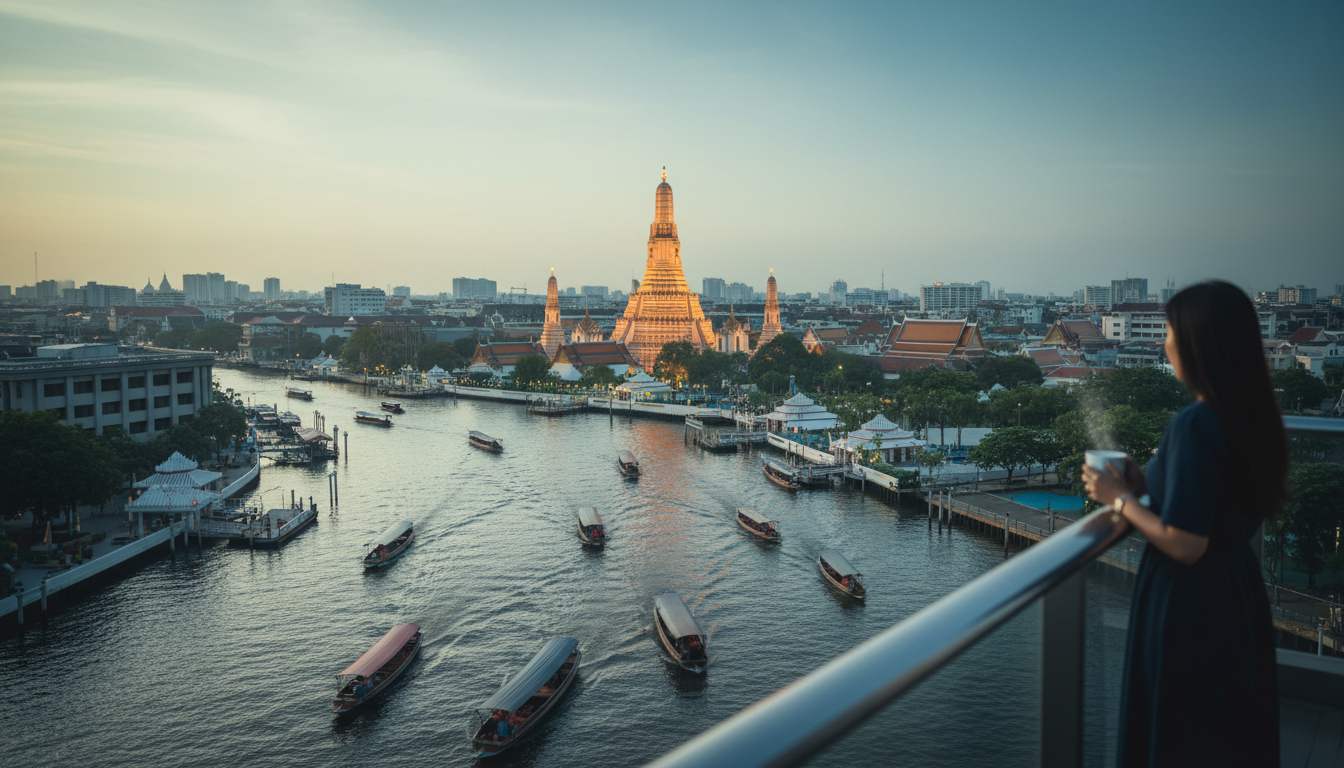 Early morning view from a high-rise balcony overlooking the Chao Phraya River with traditional longt
Why Bangkok Has Become a Home Swap Hotspot
The numbers tell part of the story: Bangkok welcomed over 22 million international visitors in 2023, making it consistently one of the world's most-visited cities. But here's what the tourism boards don't advertise—hotel prices in prime areas have climbed 40% since 2019, with decent rooms in Sukhumvit or Silom now running ฿4,500–8,000 ($125–220 USD) per night.
Home swap changes that equation entirely.
The SwappaHome community has seen Bangkok listings grow steadily, with properties ranging from compact studio condos near BTS stations to sprawling family homes in residential neighborhoods that most tourists never discover. The appeal isn't just financial—though saving $150+ per night certainly helps—it's about access to the Bangkok that locals actually live in.
Thai hospitality culture makes home exchange particularly rewarding here. Travelers frequently report finding handwritten notes about the best som tam vendor around the corner, or detailed instructions for the building's rooftop pool that tourists at nearby hotels pay ฿500 to access. That kind of insider knowledge doesn't come with a hotel key card.
Best Neighborhoods for Home Swap Properties in Bangkok
Not all Bangkok neighborhoods are created equal for home exchange. Some areas overflow with listings but deliver a watered-down experience; others require more searching but reward you with genuine local immersion. Here's where experienced swappers focus their searches.
Ari: The Neighborhood Sweet Spot
Ari has quietly become Bangkok's most livable neighborhood for both locals and visiting home swappers. Located along the BTS Sukhumvit Line (Ari Station), this area strikes the perfect balance: hip enough to have excellent coffee shops and restaurants, residential enough to feel like actual Bangkok rather than a tourist theme park.
Home swap properties in Ari typically fall into two categories: modern condominiums in buildings like The Vertical Aree or Maestro 07, and older townhouses on the sois (side streets) that branch off Phahonyothin Road. Condo swaps here usually offer one or two bedrooms with building amenities—pools, gyms, co-working spaces—while townhouses provide more space and that increasingly rare Bangkok commodity: outdoor areas.
The neighborhood's walkability sets it apart. Within a ten-minute stroll from most Ari home swaps, you'll find Ari Soi 1's famous street food stretch, the La Villa mall for groceries, and enough third-wave coffee shops to keep any caffeine enthusiast happy. Villa Market on Ari Soi 4 stocks international ingredients if you're planning to cook—and you should, because home swap kitchens in Ari tend to be properly equipped.
Expect home swap listings in Ari to be competitive. This neighborhood attracts Bangkok's young professionals and creative class, meaning the locals who list their homes here tend to be active travelers themselves—exactly the kind of engaged community members who make home exchange work.
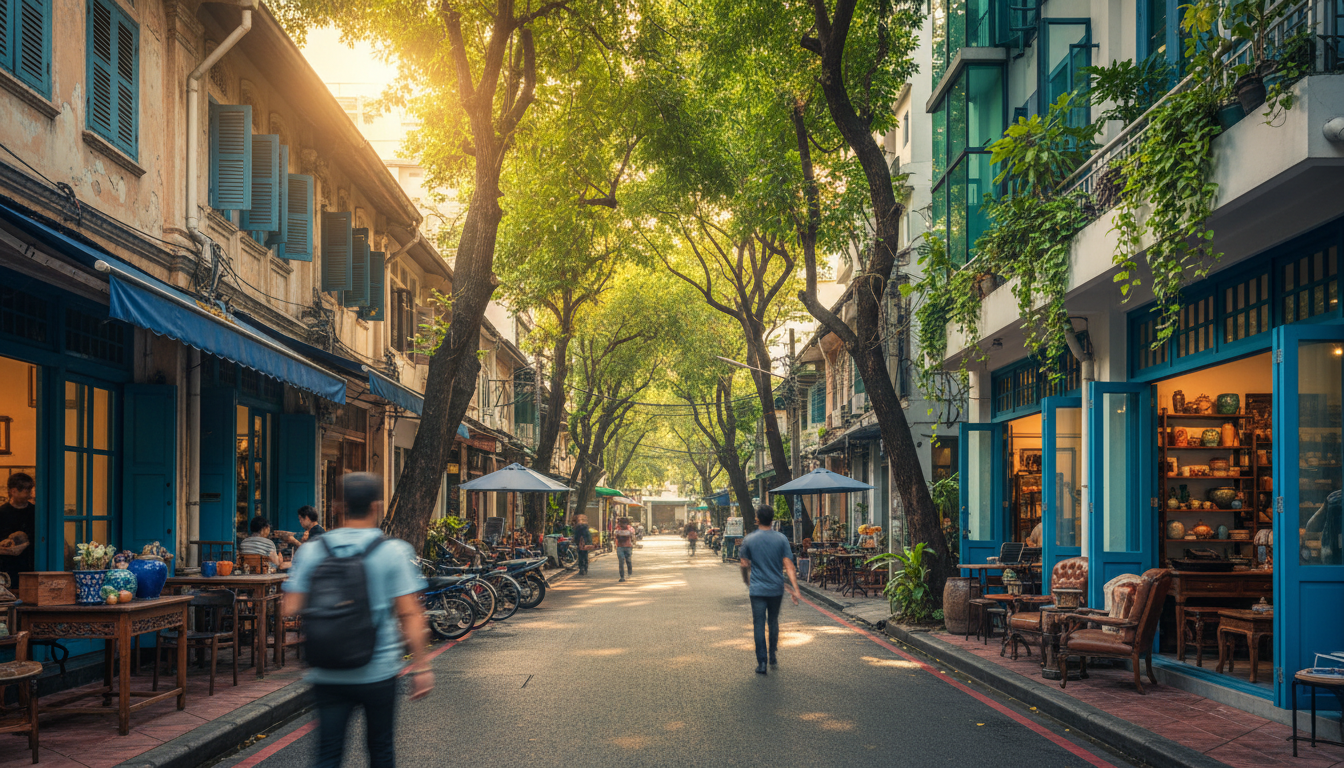 Tree-lined soi in Ari neighborhood with local coffee shops, vintage furniture stores, and a mix of o
Charoen Krung: Bangkok's Creative Revival District
Bangkok's oldest road has transformed into its most interesting neighborhood for culturally-minded travelers. Charoen Krung—running parallel to the Chao Phraya River through Bangrak district—mixes century-old shophouses with contemporary art galleries, Michelin-starred restaurants with ฿50 noodle stalls.
Home swap properties along Charoen Krung offer something you won't find elsewhere in Bangkok: heritage architecture. Renovated shophouses here have been converted into stunning loft-style homes, with original tile floors, high ceilings, and that particular Bangkok aesthetic where colonial-era bones meet contemporary Thai design. These properties are rarer on exchange platforms but worth the search.
The trade-off? Charoen Krung isn't on the BTS or MRT lines. You'll rely on the Chao Phraya Express Boat (฿15–30 per trip), taxis, or the new Gold Line monorail that connects to the main transit system at Krung Thonburi. For travelers who prioritize atmosphere over convenience, this neighborhood delivers.
Notable landmarks within walking distance include Wat Pho (the reclining Buddha temple), the Mandarin Oriental's Author's Lounge for afternoon tea, and the warehouse galleries of the Warehouse 30 arts district. The Sunday walking market along Charoen Krung Soi 28 showcases local designers and vintage finds.
Thonglor and Ekkamai: Bangkok's Upscale Residential Core
If Ari is Bangkok's Brooklyn, Thonglor is its Upper East Side—polished, expensive, and undeniably comfortable. Stretching between BTS Thong Lo and Ekkamai stations, this neighborhood contains some of Bangkok's most desirable home swap properties.
Condominiums here tend toward the luxurious: buildings like The Esse, Noble Remix, and Siri at Sukhumvit feature high-end finishes, extensive amenities, and the kind of security that makes home swappers feel confident leaving their belongings. Many listings in Thonglor include parking spaces—valuable if you're planning to rent a car for day trips to Ayutthaya or Khao Yai National Park.
The dining scene in Thonglor rivals any global city. Sukhumvit Soi 55 (Thonglor Road) hosts everything from Supanniga Eating Room's elevated Thai cuisine to Roast Coffee's all-day brunch. J Avenue and The Commons shopping complexes provide air-conditioned respite and excellent food courts.
Family-friendly home swaps cluster in the Ekkamai end of this neighborhood, where larger units and townhouses cater to Bangkok's expat community. Traveling with children? Look for properties near Gateway Ekkamai mall, which has a cinema, supermarket, and the Dinosaur Planet attraction.
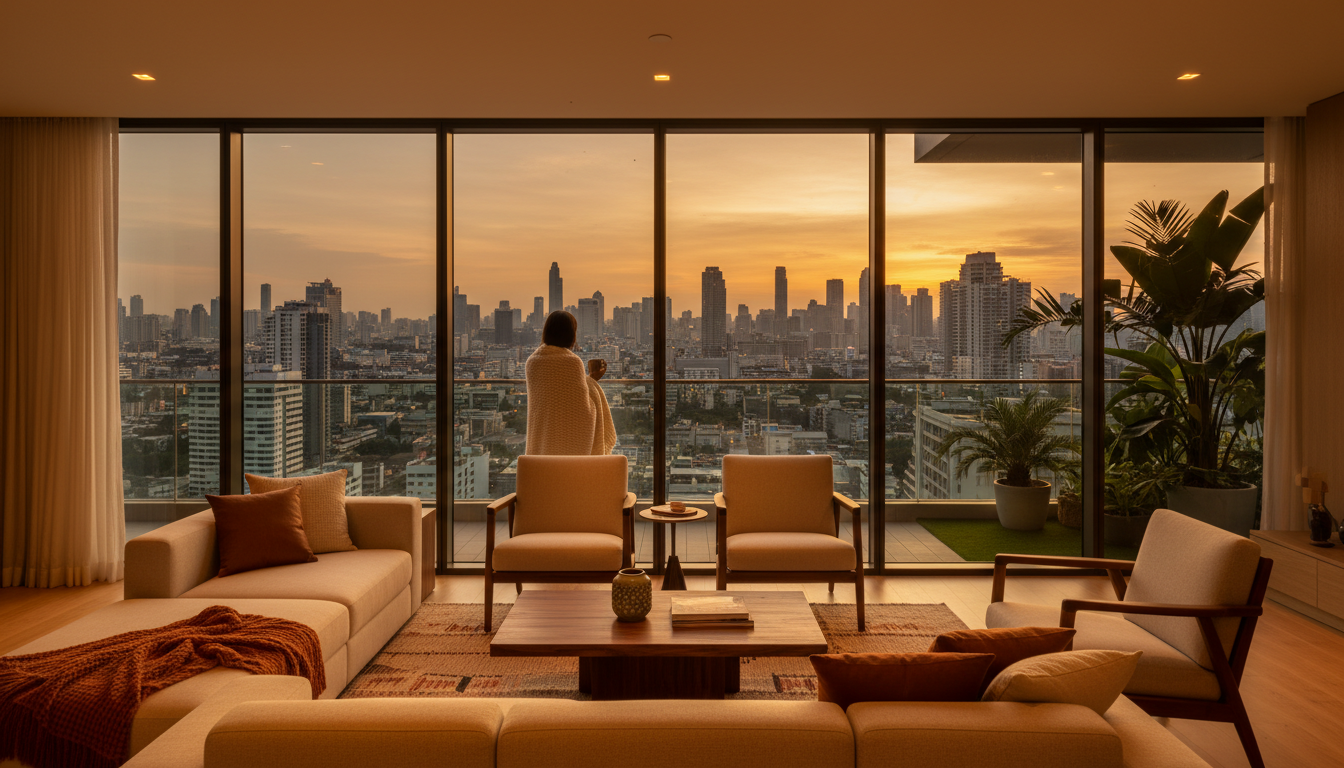 Modern condominium interior in Thonglor with floor-to-ceiling windows showing Bangkok skyline at dus
Rattanakosin: Old Bangkok for History Seekers
The historic heart of Bangkok—centered around the Grand Palace, Wat Phra Kaew, and Khao San Road—presents unique home swap opportunities for travelers who prioritize cultural immersion over modern amenities.
Properties here skew toward guesthouses and converted heritage buildings rather than condominiums. You might find a traditional Thai wooden house on Phra Athit Road, or an apartment in one of the old buildings overlooking Sanam Luang park. These swaps tend to be smaller and simpler than what you'd find in Sukhumvit, but the location is unbeatable for exploring Bangkok's historical core.
The practical reality: Rattanakosin has no direct BTS or MRT access (the nearest station is Sanam Chai on the MRT Blue Line, about a 15-minute walk from the Grand Palace). Traffic in this area can be brutal. But if your Bangkok priorities include morning alms-giving at Wat Pho, sunset drinks on a Phra Athit rooftop, and walking everywhere, a home swap in Rattanakosin makes sense.
Sathorn and Silom: Central Business District Convenience
For travelers who need to balance Bangkok exploration with remote work, the Sathorn-Silom corridor offers the most practical home swap options. Multiple BTS and MRT stations (Sala Daeng, Chong Nonsi, Lumphini, Silom) provide quick access to anywhere in the city.
Home swap properties here range from older condos in buildings like Silom Terrace to ultra-modern towers like The Ritz-Carlton Residences at MahaNakhon. The neighborhood's business focus means many listings come from professionals who travel frequently—exactly the active home swap participants you want to exchange with.
Lumphini Park, Bangkok's answer to Central Park, provides green space for morning runs. The Silom night market offers street food and shopping, while Sathorn's rooftop bars (including the famous Sky Bar at Lebua) deliver those Instagram-worthy Bangkok skyline views.
How to Find Quality Home Swap Properties in Bangkok
Searching for a Bangkok home swap requires different strategies than searching for European or North American properties. The market dynamics, listing patterns, and communication norms all have local flavors.
Timing Your Search Right
Bangkok's home swap availability follows predictable patterns. Peak demand hits during the cool season (November through February), when temperatures drop to a pleasant 25–30°C and rainfall disappears. Want a home swap during this period—especially around Christmas, New Year, or Chinese New Year (late January/early February)? Start searching 4–6 months ahead.
The hot season (March through May) sees fewer incoming travelers, which means more available properties and more flexible hosts. Yes, temperatures regularly hit 35–40°C, but every decent Bangkok condo has air conditioning, and you'll have your pick of listings. Songkran (Thai New Year, April 13–15) is an exception—this water-festival period books up fast despite the heat.
Monsoon season (June through October) offers the best value proposition for home swappers. Afternoon rain showers are predictable and usually brief; the rest of the day is perfectly pleasant. Many Bangkok locals travel during this period, creating abundant home swap inventory.
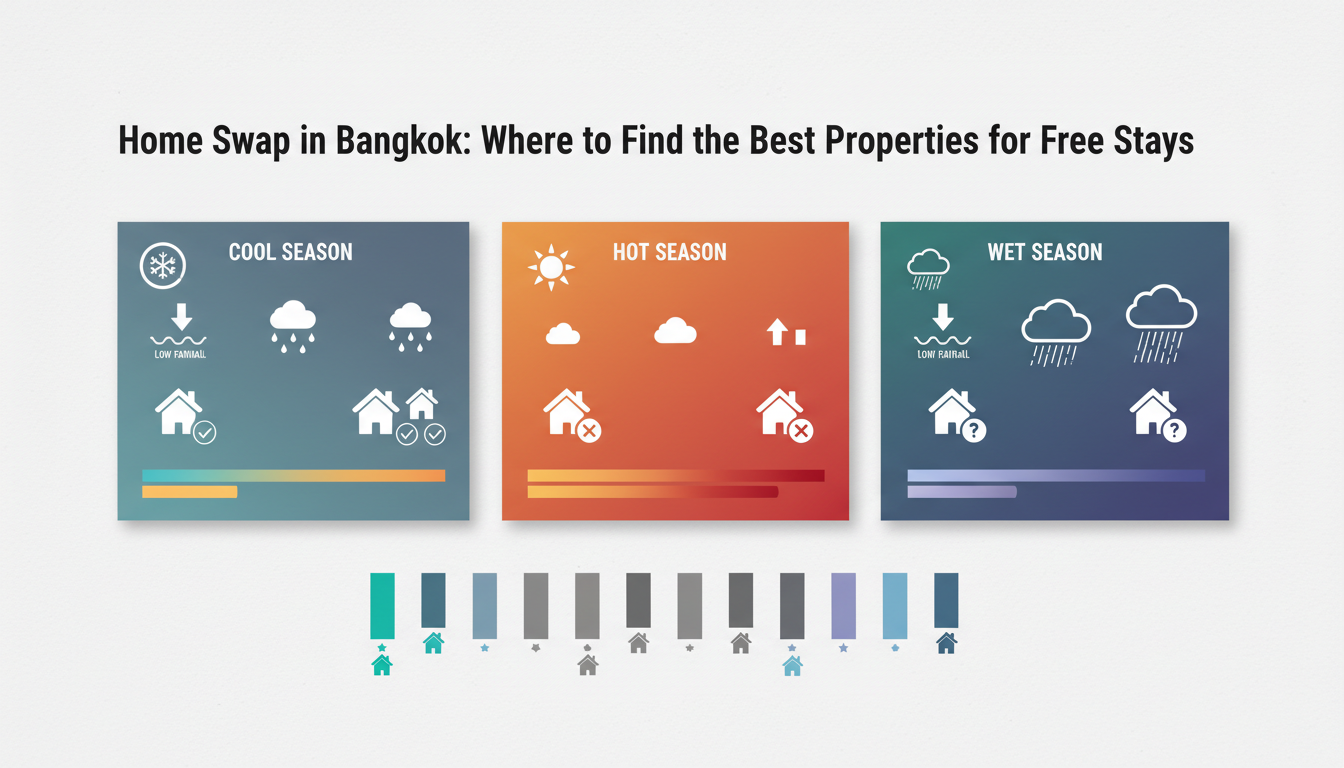 Infographic showing Bangkoks three seasons with temperature ranges, rainfall patterns, and home swap
What to Look for in Bangkok Listings
Not all Bangkok home swap listings are created equal. Here's what separates the gems from the disappointments:
Air conditioning quality matters more than you think. Bangkok's heat and humidity are relentless. Look for listings that mention central air or multiple split-unit systems. A single window AC unit in a two-bedroom apartment will leave you sweating.
BTS or MRT proximity is non-negotiable for first-timers. Bangkok traffic is legendary—and not in a good way. A condo that's "only 15 minutes from the BTS by taxi" can become 45 minutes during rush hour. Prioritize listings within a 10-minute walk of a station unless you're specifically seeking a quieter, more residential experience.
Building amenities reflect lifestyle. Thai condo culture embraces shared amenities: pools, gyms, rooftop gardens, co-working spaces. A building with good facilities means you'll spend less on gym memberships, swimming pool day passes, and café workspace.
Kitchen equipment varies wildly. Thai home cooking is less common than in Western countries—many Bangkok locals eat most meals from street vendors or food courts. If cooking matters to you, look for listings that specifically mention a "Western-style kitchen" or show photos of ovens, full-size refrigerators, and counter space.
Communication and Cultural Considerations
Thai communication styles tend toward the indirect. When messaging potential home swap hosts in Bangkok, be patient with response times and don't interpret brief replies as disinterest. Many Thai professionals work long hours and may take a day or two to respond thoughtfully.
The SwappaHome community in Bangkok includes both Thai nationals and long-term expats. Expat-owned properties often come with more detailed English-language instructions and Western-style setups, while Thai-owned homes offer more authentic local experience but may require more flexibility.
One cultural note: shoes come off at the door in Thai homes. This isn't optional. Most Bangkok home swaps will have a shoe rack or mat at the entrance, and you'll want to pack indoor slippers.
Making Your Bangkok Home Swap Work
Once you've secured a home swap in Bangkok, a few practical preparations will make your stay smoother.
Essential Apps and Services
Download these before you arrive:
Grab – Southeast Asia's Uber equivalent, essential for taxis and food delivery. Grab accepts international credit cards and shows upfront pricing, eliminating the Bangkok taxi negotiation dance.
Google Maps – Works well for Bangkok navigation, including real-time BTS/MRT schedules. Download offline maps for areas with spotty data coverage.
Foodpanda or LINE MAN – Food delivery apps that access Bangkok's incredible restaurant scene. Your home swap kitchen is great, but sometimes you want Michelin-starred pad thai delivered to your door.
True Money Wallet or Rabbit LINE Pay – Mobile payment apps increasingly used at Bangkok markets and small shops. Not essential, but convenient.
Transportation from Your Home Swap
Bangkok's public transit system is excellent but doesn't cover the entire city. From most home swap locations, you'll use a combination:
BTS Skytrain – Elevated rail covering Sukhumvit, Silom, and extending to the suburbs. Single trips cost ฿16–59 ($0.45–1.65 USD) depending on distance. A Rabbit card (฿100 deposit plus stored value) speeds up boarding.
MRT – Underground metro connecting to the BTS at several stations and extending to Chinatown, Rattanakosin, and beyond. Similar pricing to BTS.
Chao Phraya Express Boat – River ferries running from Nonthaburi in the north to Sathorn in the south, with stops at major landmarks. Tourist boats cost ฿60 for unlimited daily rides; local boats are ฿15–30 per trip.
Motorcycle taxis – The orange-vested riders at every soi entrance offer quick trips for ฿20–50. Agree on price before hopping on.
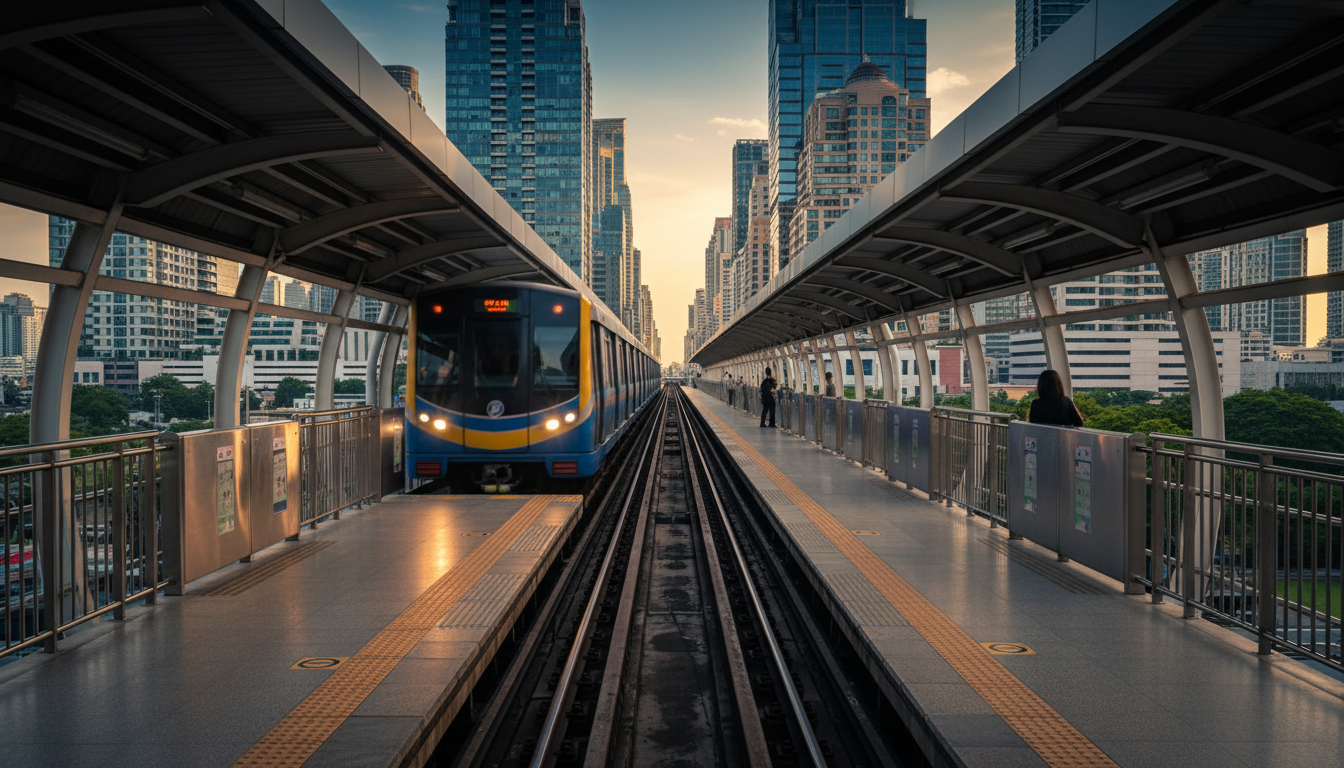 BTS Skytrain platform at Asok station during golden hour, with the train arriving and Bangkoks moder
Day Trips from Your Bangkok Base
One advantage of a home swap over a hotel: you have a base to return to, making multi-day exploration of the Bangkok region practical.
Ayutthaya – The ancient capital, 80 kilometers north. Take the train from Hua Lamphong station (฿20–345 depending on class, 1.5–2 hours) and rent a bicycle to explore the temple ruins.
Amphawa Floating Market – A more authentic alternative to the tourist-heavy Damnoen Saduak. Best visited on weekends; about 90 minutes by car from central Bangkok.
Kanchanaburi – The Bridge over the River Kwai and surrounding national parks. Doable as a long day trip (3 hours each way) or better as an overnight.
Khao Yai National Park – Thailand's oldest national park, with hiking, waterfalls, and wildlife. About 2.5 hours northeast of Bangkok; consider renting a car for flexibility.
What Bangkok Home Swap Properties Actually Cost (In Credits)
Here's the honest breakdown of what you're saving with a home swap in Bangkok versus traditional accommodation.
On SwappaHome, the credit system is straightforward: one credit equals one night, regardless of the property's market value. That studio in Ari and that luxury condo in Thonglor both cost the same—one credit per night.
For context, here's what comparable Bangkok accommodations run on traditional platforms:
- Budget hotels near BTS stations: ฿1,500–2,500/night ($42–70 USD)
- Mid-range hotels in Sukhumvit: ฿3,500–5,500/night ($98–155 USD)
- Airbnb condos in prime areas: ฿2,800–6,000/night ($78–168 USD)
- Upscale hotels (Marriott, Hilton tier): ฿6,000–12,000/night ($168–336 USD)
- Luxury hotels (Mandarin Oriental, Peninsula): ฿15,000–35,000/night ($420–980 USD)
A two-week Bangkok home swap saves roughly $1,400–4,700 compared to hotels, depending on your typical accommodation tier. That's enough for business-class upgrades, a cooking class at Blue Elephant, and still having money left over.
Common Concerns About Home Swapping in Bangkok
First-time home swappers often have specific worries about Bangkok exchanges. Here's what the community has learned.
Safety and Security
Bangkok is remarkably safe for a megacity of 10+ million people. Violent crime against tourists is rare; petty theft (pickpocketing, bag snatching) exists but is less common than in many European cities.
Most Bangkok condominiums have 24-hour security, key card access, and CCTV throughout common areas. When listing your home for swap, these building features provide reassurance to incoming guests—and when you're staying in someone else's condo, they protect you too.
The SwappaHome verification system adds another layer of trust. Members can verify their identity, and the review system means hosts and guests build reputations over time. For your own peace of mind, consider getting travel insurance that covers your belongings—this is your responsibility, not the platform's.
Language Barriers
English proficiency in Bangkok varies widely. In tourist areas, hotels, and among educated professionals, English is common. In residential neighborhoods, local markets, and with older Thai residents, you'll encounter more language barriers.
Your home swap host can help bridge this gap. Ask them to write down their address in Thai script (essential for taxi drivers), provide the building's Thai name, and note any specific phrases you might need for the neighborhood.
Google Translate's camera function works surprisingly well for Thai menus and signs. Download the Thai language pack for offline use.
Health and Practical Matters
Bangkok's tap water is not safe to drink—this is non-negotiable. Your home swap will likely have a water filtration system or a standing arrangement with a delivery service for 5-gallon bottles. Bottled water is cheap (฿10–15 for 1.5 liters at 7-Eleven) and available everywhere.
The city has excellent private hospitals (Bumrungrad, Bangkok Hospital, Samitivej) where English-speaking doctors provide high-quality care at a fraction of Western prices. Travel insurance is still recommended, but medical emergencies in Bangkok are well-handled.
Mosquitos exist but aren't the malaria-carrying concern they are in rural Thailand. Most Bangkok condos have screens and air conditioning that keep bugs out. Pack repellent for outdoor evening activities.
Getting Started with Your Bangkok Home Swap Search
The best home swap properties in Bangkok go to members who plan ahead, communicate clearly, and approach the exchange with genuine curiosity about Thai culture.
Start by listing your own home on SwappaHome—even if Bangkok isn't your first destination. Building your profile, collecting reviews, and earning credits through hosting makes you a more attractive swap partner for Bangkok property owners. New members receive 7 free credits to get started, enough for a solid week in Thailand.
When you begin searching, use specific neighborhood names rather than just "Bangkok." Filter by amenities that matter to you—air conditioning, wifi, proximity to transit. Read listing descriptions carefully for hints about the host's travel style and communication preferences.
Send personalized messages to potential hosts. Mention specific details from their listing, explain why you're interested in their neighborhood, and share a bit about your own home and travel plans. Generic copy-paste requests get ignored; thoughtful messages start conversations.
Bangkok rewards travelers who go beyond the Grand Palace selfie and the Khao San Road bucket drink. A home swap puts you in a real neighborhood, with a real kitchen, and real neighbors who might just invite you to join them for som tam on the building's rooftop. That's the Bangkok worth traveling for—and it's waiting in a home swap listing, if you know where to look.
Frequently Asked Questions
Is home swapping in Bangkok safe for solo travelers?
Bangkok consistently ranks among Asia's safest major cities for tourists, including solo travelers. Most home swap properties are in secure condominium buildings with 24-hour security, key card access, and CCTV. The SwappaHome verification and review system adds accountability. Solo travelers should take standard precautions—share your itinerary with someone at home, keep valuables secure—but Bangkok presents no unusual risks for home exchange.
How far in advance should I book a Bangkok home swap?
For cool season stays (November–February), begin searching 4–6 months ahead, especially for popular neighborhoods like Ari or Thonglor. Hot season (March–May) and monsoon season (June–October) offer more flexibility—2–3 months is usually sufficient. Chinese New Year and Songkran periods require extra advance planning regardless of season.
What's the best Bangkok neighborhood for first-time home swappers?
Ari offers the ideal balance for first-timers: excellent BTS access, walkable streets, abundant restaurants and cafes, and a residential feel that's authentically Bangkok without being overwhelming. The neighborhood has enough English signage and international amenities to ease the transition while still delivering genuine Thai neighborhood life.
Can I find family-friendly home swap properties in Bangkok?
Absolutely. The Ekkamai area and parts of Thonglor have larger condos and townhouses popular with Bangkok's expat families. Look for listings mentioning multiple bedrooms, children's pools, and proximity to family-friendly malls like Gateway Ekkamai or The Commons. Many Thai families also list their homes, particularly during school holiday periods when they travel domestically.
What's the best time of year for a Bangkok home swap—cool season or monsoon?
Cool season (November–February) offers the most comfortable weather with temperatures around 25–30°C and minimal rain—ideal for temple-hopping and outdoor exploration. However, monsoon season (June–October) provides better home swap availability, lower flight prices, and afternoon rain showers that rarely disrupt plans. If you can handle humidity and brief daily downpours, monsoon season delivers excellent value and fewer crowds at major attractions.

Published by
SwappaHome
SwappaHome Editorial Team
Home Exchange & Slow Travel Editorial
The SwappaHome Editorial Team brings together travel research, home-exchange community insights, and platform data to produce practical guides for first-time and experienced home swappers. Every article cites real platforms, current market rates, and verifiable city-level facts so readers can make informed decisions without guessing.
Ready to try home swapping?
Join SwappaHome and start traveling by exchanging homes. Get 7 free credits when you sign up!
Related articles
Home Swap in Rome: Where to Find the Best Properties for Your Italian Exchange
Discover where to find the best home swap properties in Rome—from Trastevere's cobblestone charm to Testaccio's local authenticity. Real neighborhoods, real advice.

Home Swap for Beach Lovers: 12 Coastal Destinations Ranked for 2026
Discover the best coastal destinations for home swapping in 2026. From Portugal's Algarve to Australia's Gold Coast, find your perfect beach exchange.
Fashion Capitals for Home Exchange: 7 Best Cities for Shopping Lovers
Discover the best fashion capitals for home exchange travel. Save thousands on accommodation while shopping Milan, Paris, Tokyo, and more style destinations.