
Find Your Next Adventure: Exploring Working Nomads Com Jobs for Remote Careers

SwappaHome Editorial Team
Home Exchange & Slow Travel Editorial
Thinking about ditching the daily grind for a life on the road? The idea of working from anywhere is more than just a dream now. With so many companies going…
Thinking about ditching the daily grind for a life on the road? The idea of working from anywhere is more than just a dream now. With so many companies going remote, finding work that lets you travel is totally doable. This article is all about helping you figure out how to find those working nomads com jobs and make the whole remote career thing work for you. We'll cover how to get started, where to go, and how to actually make it happen.
Key Takeaways
- The landscape for working nomads com jobs is growing, offering more chances for remote careers.
- Remote work provides big perks for those wanting to travel, like flexibility and new experiences.
- Home exchange can be a smart way for nomads to save money on accommodation and live like locals.
- Finding reliable workspaces abroad is key for staying productive while traveling.
- Building a strong portfolio and using smart job-hunting strategies are important for landing remote positions.
Embrace The Working Nomad Lifestyle
Understanding The Working Nomad Com Jobs Landscape
The idea of working from anywhere isn't new, but it's really taken off lately. More and more people are ditching the traditional office for a life on the move, and "working nomad" jobs are popping up everywhere. This isn't just about tech jobs anymore, though those are still a big part of it. Think graphic designers, writers, customer support folks, even project managers – the list keeps growing. The key is that the work can be done online, often with flexible hours. It's about finding roles where your location doesn't matter as much as your output. The digital nomad landscape is expanding, offering diverse opportunities for those seeking a life less ordinary.
Key Benefits Of Remote Careers For Nomads
So, why are so many people jumping on this bandwagon? Well, the perks are pretty sweet. For starters, there's the obvious freedom. You're not tied to one city or even one country. Want to spend a month working from a beach in Thailand? Or maybe a cozy cabin in the mountains? You can. Plus, the cost of living can often be significantly lower than in major cities back home, meaning your money can go a lot further. This lifestyle also pushes you to grow, learn new things, and become more adaptable. It's a chance to really see the world while still building a career.
Here are some of the main advantages:
- Flexibility: Set your own hours, work from wherever you have an internet connection.
- Cost Savings: Live in places with a lower cost of living, saving money on rent and daily expenses.
- Personal Growth: Develop independence, problem-solving skills, and a broader worldview.
- Work-Life Balance: Better integration of work and personal exploration, leading to a more fulfilling life.
The shift towards remote work isn't just a trend; it's a fundamental change in how we approach careers and life. It opens up possibilities that were once just dreams for many.
Navigating The Digital Nomad Ecosystem
Jumping into the working nomad life means getting familiar with a whole new set of tools and communities. You'll need reliable internet, of course, but also places to work when your temporary home isn't ideal. Think co-working spaces, cafes with good Wi-Fi, or even libraries. There are also online communities and platforms dedicated to digital nomads, where you can find advice, connect with others, and even discover job leads. It's a whole ecosystem built around this mobile way of living and working. For instance, platforms like Home Exchange can be a game-changer for accommodation, letting you live like a local without the hefty hotel bills. The future of remote work is also being shaped by new technologies and evolving work models, making it an exciting time to be part of this movement [5af2].
Here's a quick look at what makes up the ecosystem:
- Accommodation: Finding places to stay that are suitable for working, like homes with good Wi-Fi or co-living spaces.
- Connectivity: Ensuring you have stable internet access wherever you go.
- Community: Connecting with other nomads for support, networking, and social activities.
- Tools & Resources: Utilizing apps and platforms that help manage remote work, travel, and finances.
Finding Your Ideal Remote Work Destination
So, you've decided to embrace the digital nomad life. Awesome! But where do you even start? Picking the right spot is half the battle, and honestly, it can feel a bit overwhelming with so many amazing places out there. It's not just about pretty beaches or cool cityscapes; you need a place that actually works for you and your job.
Top Cities For Working Nomads
When you're looking for a place to set up your temporary office, a few things really matter: reliable internet, a decent cost of living, and a community of other remote workers. Some cities are just built for this lifestyle. Think about places like Lisbon, Portugal, which has a huge digital nomad scene and is pretty affordable. Or maybe Chiang Mai, Thailand, a long-time favorite for its low costs and vibrant expat community. Even closer to home, cities like Mexico City offer a fantastic blend of culture, food, and affordability.
Here are a few more spots that consistently pop up on nomad lists:
- Medellín, Colombia: Known as the "City of Eternal Spring" for its great weather, it's got a growing nomad community and is super budget-friendly.
- Budapest, Hungary: Offers stunning architecture, thermal baths, and a surprisingly low cost of living for a European capital.
- Ho Chi Minh City, Vietnam: Fast-paced, energetic, and incredibly affordable, with a burgeoning tech and startup scene.
- Buenos Aires, Argentina: Famous for its European feel, passionate culture, and delicious food, plus it's very wallet-friendly.
Choosing a city isn't just about ticking boxes; it's about finding a place that sparks your curiosity and makes you excited to explore after you log off for the day. The right environment can seriously boost your productivity and overall happiness.
Home Exchange: A Nomad's Best Friend
Okay, so hotels and Airbnbs can get pricey, especially if you're staying put for a while. This is where home exchange really shines. Instead of paying for accommodation, you swap your place with someone else. It's a fantastic way to save a ton of money and actually live like a local. Imagine waking up in a cozy apartment in Paris or a beach house in Australia – all without the hotel price tag. It makes longer stays way more feasible and lets you really get a feel for a place. You can find homes with dedicated workspaces and good Wi-Fi, which is a game-changer for remote work. Check out platforms that connect you with other travelers looking to swap. Home swapping can seriously cut down your biggest travel expense.
Ensuring Reliable Workspaces Abroad
This is non-negotiable. You can't be a working nomad if your internet cuts out every five minutes. Before you even book a flight, do your homework. Look for cities or even specific neighborhoods known for good infrastructure. Websites and forums dedicated to digital nomads are goldmines for this info. Sometimes, even within a great city, Wi-Fi can be spotty. It's worth checking reviews or even asking hosts directly about their internet speed and reliability. If you're really concerned, look into local SIM cards with good data plans or portable Wi-Fi hotspots. Some cities, like Bali, are practically built for remote workers, with cafes and co-working spaces popping up everywhere.
Here’s a quick checklist for workspace reliability:
- Internet Speed: Aim for at least 20-30 Mbps download and 10-15 Mbps upload for smooth video calls and general browsing.
- Dedicated Space: Does the accommodation have a desk and a quiet area where you can focus?
- Backup Options: Are there reliable cafes or co-working spaces nearby if your home setup fails?
- Power Outlets: Sounds basic, but make sure there are enough accessible outlets for all your gear.
Securing Working Nomad Com Jobs
Alright, so you've got the nomad bug and you're ready to ditch the traditional office. That's awesome! But how do you actually land a gig that lets you work from anywhere? It's not always as simple as just packing a bag and hoping for the best. You need a solid plan to find and secure those remote positions.
Strategies For Landing Remote Positions
Finding remote work takes a bit of a different approach than your typical job hunt. You're not just looking for a job; you're looking for a job that fits a lifestyle. This means being smart about where you look and how you present yourself.
- Target the right platforms: Forget the general job boards. Focus on sites specifically listing remote roles. There are tons of great websites dedicated to helping you find remote work opportunities that are perfect for a nomadic lifestyle. Check out these platforms to get started.
- Tailor your resume and cover letter: Highlight skills that are super important for remote work, like self-discipline, strong communication (especially written!), and problem-solving. Show them you can be productive without someone looking over your shoulder.
- Network, network, network: Even in the remote world, connections matter. Join online communities for digital nomads or people in your field. You never know where your next lead will come from.
- Consider contract or freelance work: This can be a great entry point. Many companies hire freelancers for specific projects, which offers flexibility and can lead to longer-term remote roles.
Leveraging Home Exchange For Job Opportunities
This might sound a little out there, but hear me out. Using a home exchange service can actually open doors to job opportunities you might not have considered. Think about it: you're not just saving a ton on accommodation, which frees up your budget for job searching or even taking a lower-paying but more flexible role. Plus, being in a new place can spark new ideas and connections.
- Access to different work environments: Imagine working from a quiet apartment in Lisbon one month and a bustling co-working space in Bangkok the next. Different environments can boost creativity and productivity. Some remote job openings are specifically looking for people who can adapt to various settings.
- Cost savings: When your biggest expense (housing) is drastically reduced or eliminated, you have more financial freedom. This means you can afford to be more selective about the jobs you take, or even take a short break to focus solely on your job search.
- Local connections: While you're staying in someone's home, you might meet neighbors or connect with the host's network. These local contacts could lead to unexpected job leads or insights into the local job market, even for remote roles.
Building Your Remote Career Portfolio
Your portfolio is your calling card in the remote work world. It's where you showcase what you can do, not just what you've done. For remote roles, this is especially important because employers can't always rely on traditional interview cues.
- Showcase your best work: Whether you're a writer, designer, developer, or marketer, have a place where potential employers can see examples of your projects. Include case studies if possible, detailing the problem, your solution, and the results.
- Highlight remote-specific skills: Did you manage a project entirely online? Did you collaborate with a distributed team? Make sure these experiences are front and center.
- Get testimonials: Positive feedback from previous clients or employers is gold. Ask people you've worked with if they'd be willing to provide a short testimonial for your portfolio.
The key to landing remote work is demonstrating your ability to be a reliable, productive, and communicative team member, regardless of physical location. Your portfolio should be a living document, constantly updated with your latest achievements and skills.
Remember, securing remote work is a process. Be persistent, stay organized, and don't be afraid to try new strategies. Happy job hunting!
Maximizing Your Nomad Experience
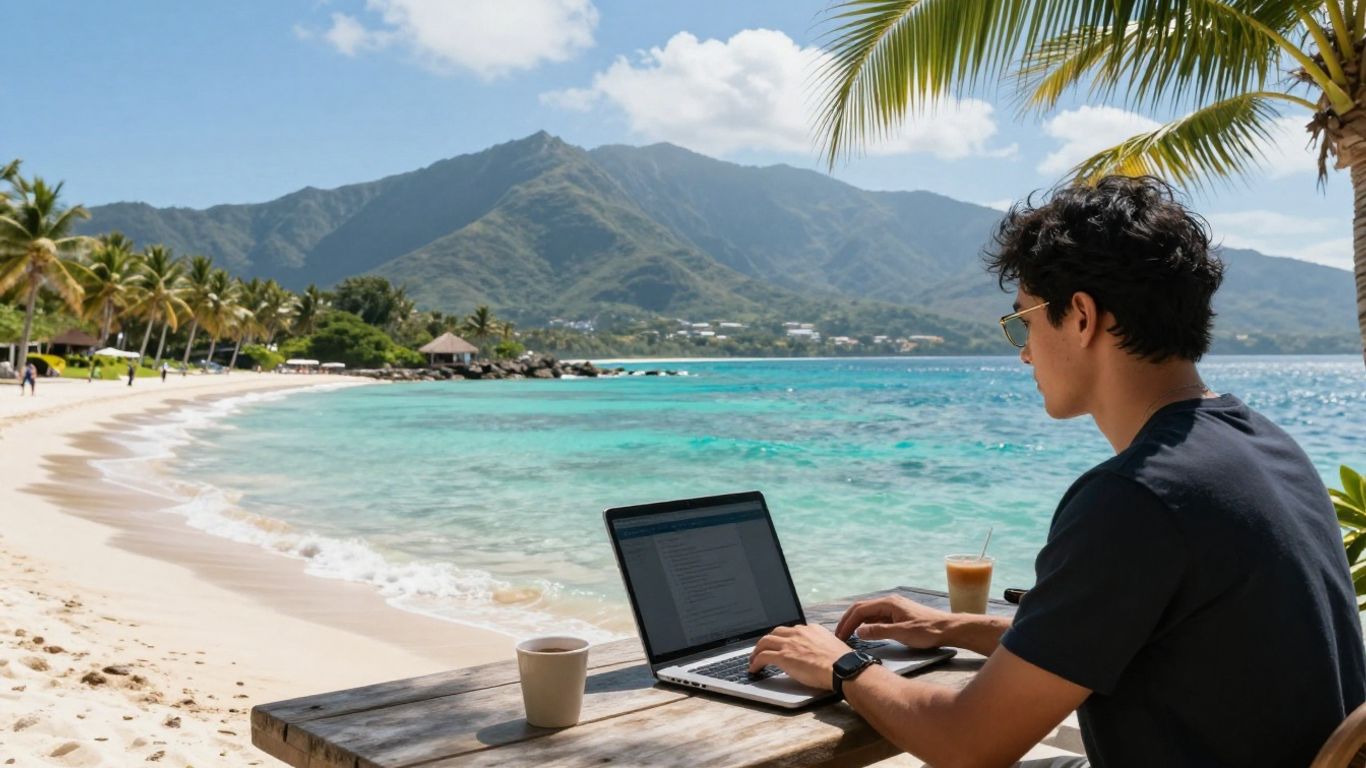 Laptop on beach, mountains in distance, remote work.
So, you've landed a remote gig and are ready to hit the road. Awesome! But living the digital nomad life isn't just about where you work, it's about how you live while you're doing it. Making the most of your time abroad means finding a good rhythm between your job and exploring new places. It’s about setting yourself up for success, both professionally and personally.
Balancing Work and Exploration
This is the big one, right? You want to see the world, but you also have deadlines. The trick is to be realistic about what you can achieve each day. Don't try to cram a full workday and a major excursion into the same eight hours. Instead, think about structuring your days. Maybe mornings are for focused work, and afternoons are for wandering through local markets or visiting a nearby landmark. Weekends are prime time for bigger adventures.
- Schedule your work blocks: Treat your remote work like you would in an office. Set specific times for deep work and stick to them.
- Identify exploration windows: Look for natural breaks in your workday or dedicate specific days for sightseeing.
- Prioritize experiences: You can't see everything. Decide what's most important to you in each location and focus on that.
- Embrace slow travel: Instead of hopping between cities every few days, consider staying longer in one place. This gives you more time to settle in, get to know the local area, and actually get work done without feeling rushed.
Budgeting For The Mobile Professional
Money management is key when you're living nomadically. It's not just about having enough to get by; it's about making your money work for you so you can travel longer and more comfortably. Home exchange is a fantastic way to cut down on accommodation costs, which is often the biggest travel expense. Think about it: instead of paying hundreds for a hotel, you're trading your own home for someone else's. This can save you thousands over time.
Here’s a quick look at how home exchange can impact your budget:
| Expense Category | Typical Cost (Hotel/Rental) | Home Exchange Cost | Savings Potential |
|---|---|---|---|
| Accommodation | $100 - $300/night | $0 (credits/trade) | Very High |
| Food (eating out) | $50 - $100/day | Lower (kitchen access) | High |
| Local Transport | Varies | Varies | Moderate |
| Activities/Tours | $30 - $100/day | Varies | Moderate |
Beyond accommodation, track your daily spending on food, transport, and activities. Many apps can help with this. Also, look for free local events or happy hour deals to stretch your budget further. Remember, the goal is financial freedom to keep exploring.
Living as a working nomad means you're not just a tourist; you're a temporary resident. This mindset shift can lead to more authentic experiences and a deeper connection with the places you visit. It's about integrating into the local fabric rather than just observing it from the outside.
Community And Networking For Nomads
It can get lonely out there sometimes. While the freedom is amazing, connecting with other people is important. Look for local co-working spaces, join expat or nomad groups online (like on Facebook or Meetup), and don't be afraid to strike up conversations with people you meet. Many cities have specific digital nomad visa communities or events. Building a network can lead to new friendships, local insights, and even professional opportunities. Remember, you're part of a global community now, and there are people out there who understand exactly what you're going through.
The Future Of Working Nomad Careers
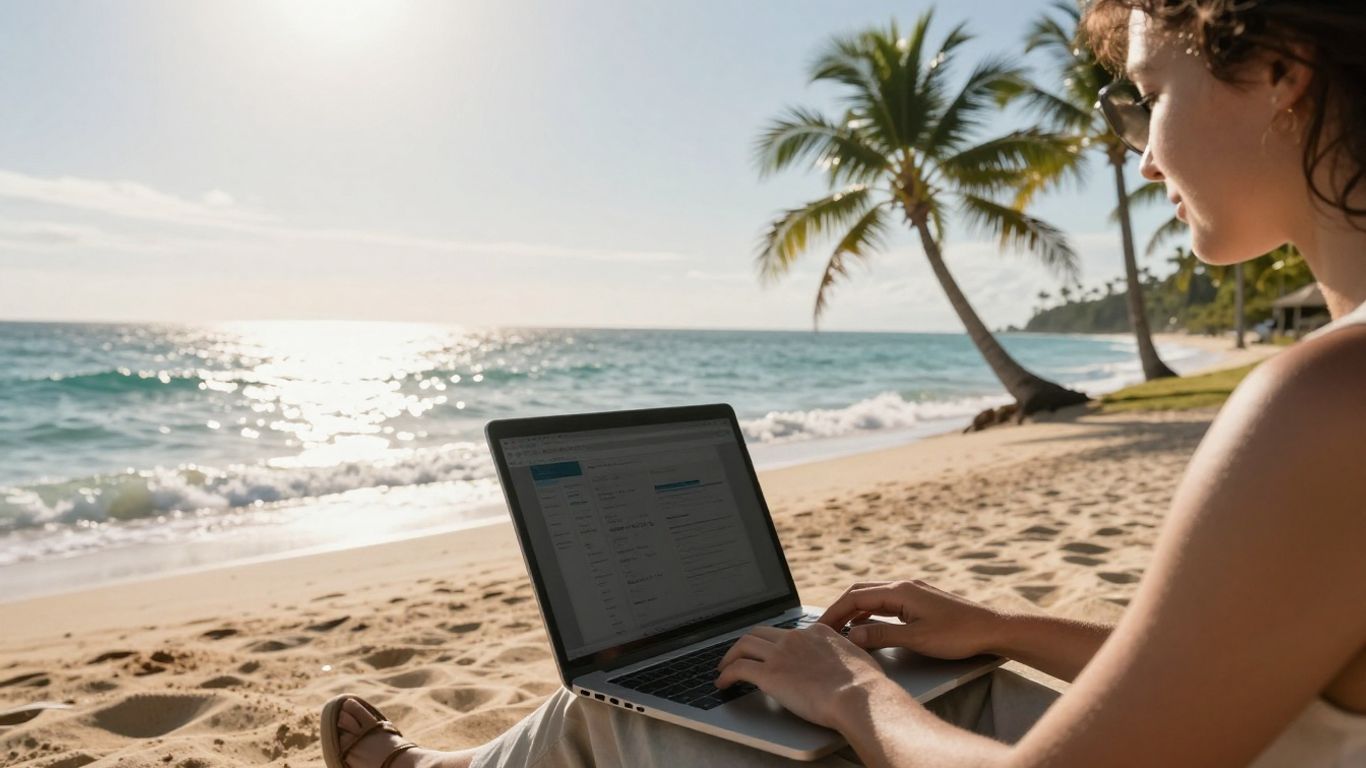 Person working on laptop on a beach.
So, what's next for the working nomad life? It's not just a trend anymore; it's becoming a solid part of how people work and live. We're seeing more companies get comfortable with remote teams, and that means more opportunities for folks who want to work from anywhere. Think about it: the tech world is already pretty used to this, with jobs in areas like cybersecurity and digital health booming for remote workers. It's not just about tech, though. Fields like education and marketing are also opening up.
Emerging Trends In Remote Work
The biggest shift is how integrated remote work is becoming. It's moving beyond just occasional work-from-home days to full-blown distributed teams. This means better tools for collaboration and communication are popping up all the time. We're also seeing a rise in specialized remote roles that require specific skills, rather than just general administrative tasks. It's becoming less about where you work and more about what you can do.
The Role Of Home Swapping In Future Travel
This is where things get really interesting for us nomads. Home swapping is changing the game for long-term travel. Instead of paying a fortune for hotels or short-term rentals, you can live in a local's home. This isn't just about saving money, though that's a huge plus. It's about actually living somewhere, not just visiting. Imagine swapping your place for a cozy apartment in Marrakech for a few months. You get a real kitchen, a neighborhood to explore, and a stable place to work, all while saving a ton on accommodation. It makes longer stays much more doable and way more authentic.
Sustaining A Nomadic Career Long-Term
Making this lifestyle work long-term is all about planning and adapting. It's not just about finding one remote job; it's about building a career that supports this freedom. This might mean developing a strong freelance client base, investing in skills that are in high demand for remote work, or even starting your own online business. Building a solid network is also key. Connecting with other nomads, whether online or in person, can provide support, advice, and even job leads. It's about creating a sustainable rhythm that balances work, travel, and personal well-being.
The future of working nomad careers is looking more integrated and accessible than ever before. As technology advances and company cultures adapt, the ability to work from anywhere is becoming less of a perk and more of a standard expectation for many professions. This opens up incredible possibilities for those seeking a life less ordinary, blending professional growth with global exploration.
Your Next Adventure Awaits
So, we've talked a lot about how working nomad jobs can open up a world of possibilities. It's not just about finding a remote position; it's about rethinking how and where you live your life. Whether you're drawn to the idea of swapping homes to live like a local in a new city or just looking for that perfect remote role, the options are out there. It might take a little digging, and maybe some trial and error, but finding a career that lets you explore the world while still earning a living is totally achievable. Don't be afraid to try something new and see where it takes you.
Frequently Asked Questions
What exactly is a working nomad?
A working nomad is someone who travels to different places while working a job. Instead of being tied to one office, they can do their work from anywhere with an internet connection, like a coffee shop in Paris or a beachside bungalow in Thailand. It's all about combining work with the freedom to explore the world.
How can I find jobs for working nomads?
You can find these jobs on websites that focus on remote work, often called 'job boards' for digital nomads. These sites list positions that don't require you to be in a specific office. Look for terms like 'remote jobs,' 'work from home,' or 'digital nomad positions.' Networking with other remote workers can also lead to opportunities.
Is home swapping a good idea for working nomads?
Absolutely! Home swapping is a fantastic way for working nomads to save money on accommodation. Instead of paying for hotels, you can stay in someone else's home for free while they stay in yours. This lets you live like a local, often with better amenities like reliable Wi-Fi and a dedicated workspace, which is perfect for remote work.
What are the main benefits of being a remote worker and nomad?
The biggest perks are freedom and flexibility. You get to choose where you live and work, experience new cultures, and often have a better work-life balance. Plus, by saving on housing through methods like home swapping, you can make your money go further and travel more.
How do I make sure I have a good place to work when I'm abroad?
When looking for remote jobs or places to stay, always check for reliable Wi-Fi. If you're home swapping, ask your exchange partner about their internet speed and if they have a comfortable desk or workspace. Many digital nomads also use co-working spaces in cities they visit for a dedicated work environment.
Is it hard to build a career while traveling constantly?
It can be challenging, but many people do it successfully. The key is to be organized, maintain good communication with your employer or clients, and set clear boundaries between work and travel. Building a strong reputation for reliability and good work is crucial, just like in any career.

Published by
SwappaHome
SwappaHome Editorial Team
Home Exchange & Slow Travel Editorial
The SwappaHome Editorial Team brings together travel research, home-exchange community insights, and platform data to produce practical guides for first-time and experienced home swappers. Every article cites real platforms, current market rates, and verifiable city-level facts so readers can make informed decisions without guessing.
Ready to try home swapping?
Join SwappaHome and start traveling by exchanging homes. Get 7 free credits when you sign up!