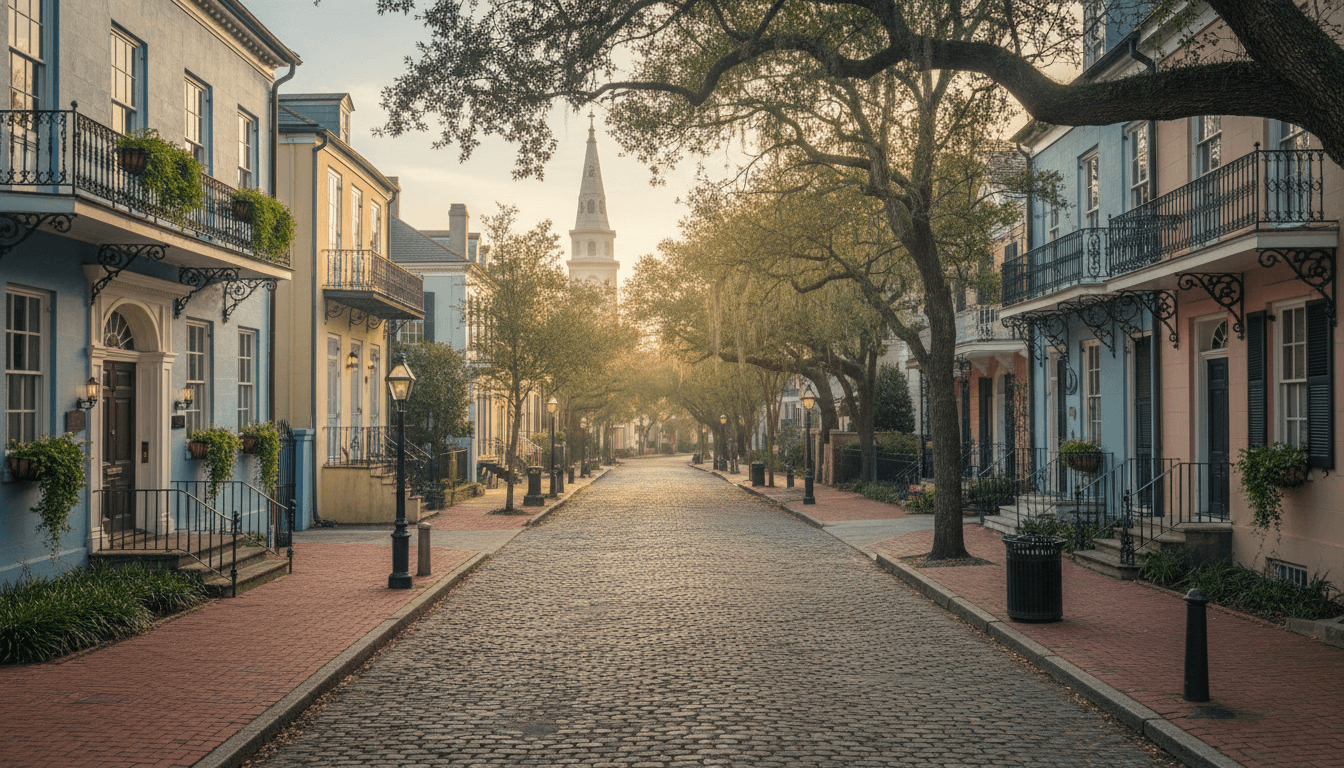
Home Swap in Charleston: Your Complete Guide to Neighborhoods, Local Secrets & Insider Tips

SwappaHome Editorial Team
Home Exchange & Slow Travel Editorial
Discover how home swapping in Charleston can save you thousands while living like a local. Neighborhoods, insider tips, and everything you need to know.
I've walked down Rainbow Row at golden hour more times than I can count now. That first time, though—watching the light hit those pastel Georgian houses, the cobblestones warm under my feet—I finally got it. Why people use words like "magical" for this place without a hint of irony.
I was staying in a 200-year-old carriage house in the French Quarter. Heart pine floors that creaked in all the right places. A courtyard garden thick with jasmine and sweet olive. My host had left me a hand-drawn map of her favorite coffee spots and a bottle of local muscadine wine on the counter. The nearest comparable Airbnb was going for $450 a night. My cost? Zero dollars.
That was three years ago. Four Charleston home swaps since. Each one has peeled back a different layer of this city—the artsy chaos of Upper King Street, the quiet oak-lined blocks of Wagener Terrace where neighbors actually wave at you from their porches. And honestly? I can't imagine going back to hotels here. Not when home swapping means a real kitchen for midnight shrimp and grits, someone's Netflix account, and a porch where church bells soundtrack your morning coffee.
So here's everything I've figured out about doing a home swap in Charleston the right way. The neighborhoods worth your time, the local secrets that'll actually change your trip, and all the practical stuff nobody mentions until you're already there wondering why you didn't know.
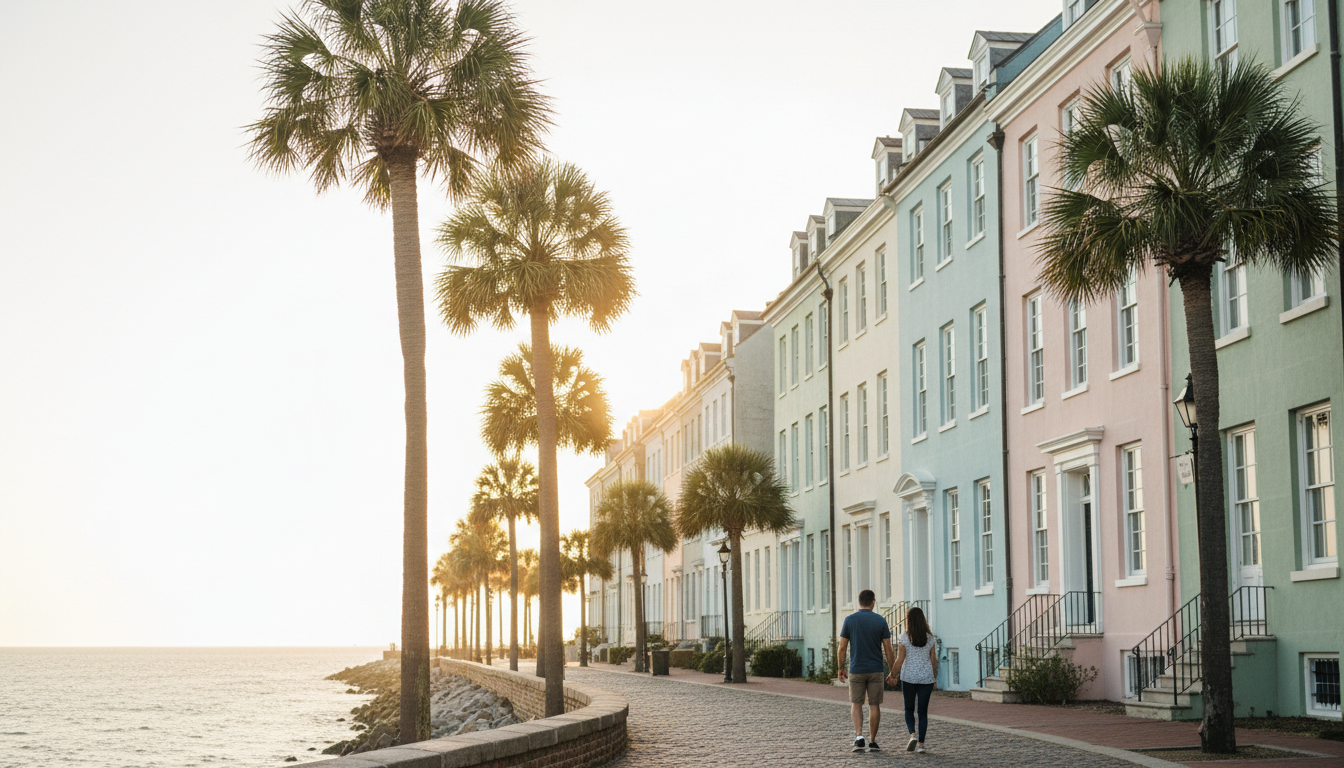 golden hour view of Rainbow Rows pastel Georgian houses from the Battery waterfront, a couple walkin
Why Charleston Is Perfect for Home Swapping
Something that caught me off guard: Charleston is one of the most expensive small cities in America for accommodation. Peak season—March through May, then October—hotel rooms in the historic district run $350-$500 a night. Basic vacation rentals start around $200. A week-long trip? You're staring down $2,000-$3,500 just for somewhere to sleep.
But here's the flip side.
Charleston has this community of homeowners who genuinely love to travel. Many of them have spent years restoring historic homes, carriage houses, beach cottages on the nearby islands. They want to see the world. They just need someone trustworthy to stay in their place while they're gone.
That's where home exchange becomes a game-changer.
Through SwappaHome's credit system, I've stayed in homes that would run $400+ per night on Airbnb. The math is straightforward—host guests at your place, earn 1 credit per night, use those credits anywhere in the network. New members start with 7 free credits. That's potentially 7 nights in Charleston without spending a dime on accommodation.
Beyond the savings, though, there's something else going on. Charleston locals are proud of their city in a way that translates into ridiculously generous hosting. I've been left homemade pralines. Detailed restaurant guides. Beach parking passes. Once—I'm not making this up—a bicycle with a basket specifically sized for carrying groceries from the Saturday farmers market.
Best Charleston Neighborhoods for Home Swapping
Not all neighborhoods here are created equal. Where you stay shapes everything about your experience. After multiple swaps, I've developed opinions. Strong ones.
South of Broad: Historic Elegance (But Read the Fine Print)
This is movie-Charleston. Grand antebellum mansions. Secret gardens hiding behind iron gates. Streets so quiet your footsteps echo off the brick sidewalks. Home swaps here are rare but incredible when you find them. I once stayed in a piazza apartment—that's Charleston-speak for a side porch—attached to a 1780s home. Spent half my mornings just sitting outside watching hummingbirds work the flowers.
Reality check: South of Broad homes often come with specific rules. No shoes inside. Careful with the antiques. Limited parking. If you're traveling with kids or want a casual vibe, this might feel restrictive. For a romantic trip or a solo writing retreat, though? Unbeatable.
Walking distance to: The Battery, White Point Garden, Waterfront Park, and the best sunset views in the city.
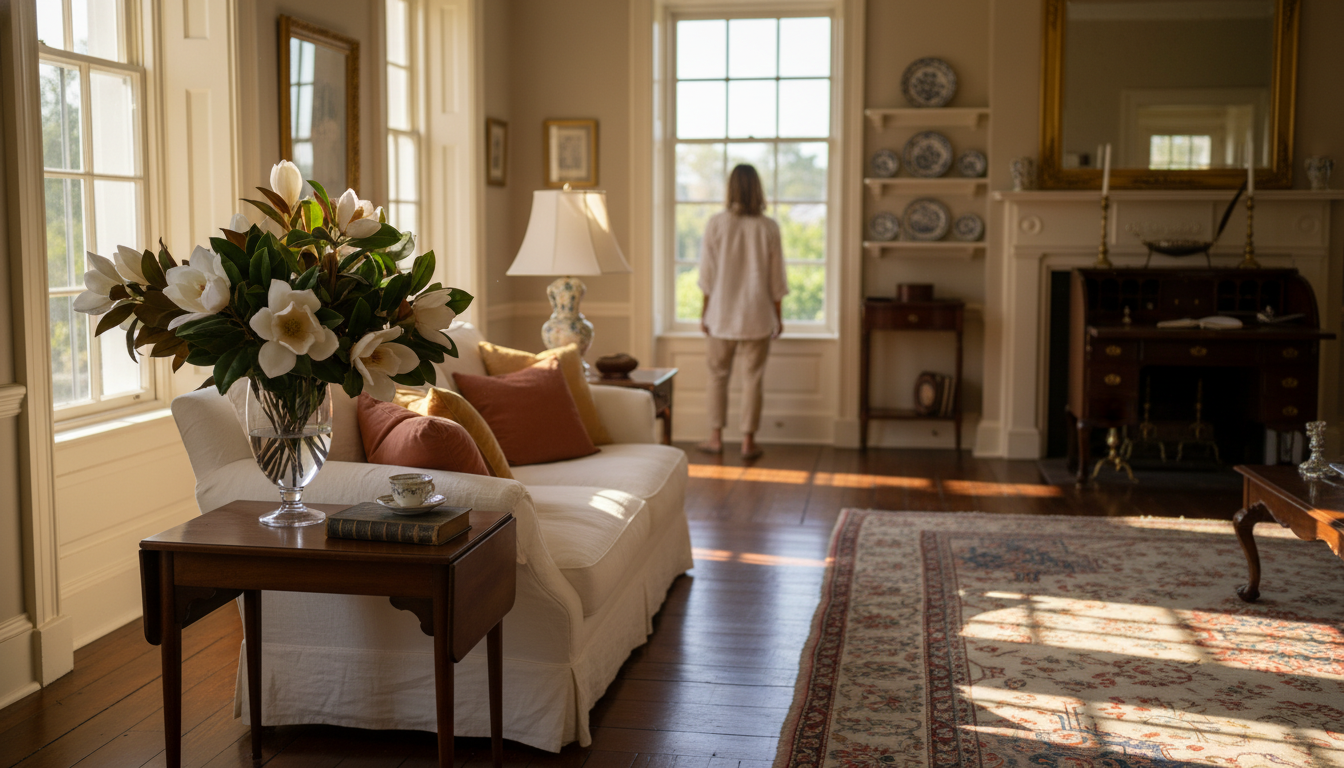 interior of a historic Charleston single house with floor-to-ceiling windows, antique furniture, aft
Cannonborough-Elliotborough: My Personal Favorite
I'm biased. My best Charleston home swap was in Cannonborough—a bright yellow shotgun house with a front porch perfect for people-watching and a backyard hammock that I may have napped in more than once. But hear me out.
This neighborhood sits just north of the historic district. You get the charm without the tourist crowds. Streets lined with colorful Victorian cottages, many owned by young professionals and artists who travel frequently. Ideal home swap partners, basically. It's walkable to everything downtown but feels like a real neighborhood where people actually live their lives.
What I love: the coffee scene here is unreal. Skip the tourist spots. Walk to Second State Coffee on Coming Street—their cortado changed something in me, and I don't throw that phrase around. For dinner, Basic Kitchen serves seasonal vegetable bowls that somehow make kale exciting. I know how that sounds. I stand by it.
Typical home swap finds: Renovated cottages ($300-400/night equivalent), artist studios, the occasional converted warehouse loft.
Harleston Village: Quiet Sophistication Near Everything
If Cannonborough is the artsy younger sibling, Harleston Village is the refined older one who went to a good college and has excellent taste in wine. This neighborhood wraps around the College of Charleston campus, giving it an intellectual energy without any stuffiness.
Homes here tend to be larger—many are historic single houses with those iconic Charleston piazzas. I did a swap here during Spoleto Festival (the massive arts festival in May/June) and could walk to performances, grab dinner at FIG (reserve weeks ahead—trust me on this), and still retreat to a quiet, tree-shaded street.
Best for: Couples, anyone here for cultural events, people who want historic charm with more breathing room.
Don't miss: Walking around Colonial Lake at sunset. Bring a bottle of wine and some cheese from Goat.Sheep.Cow on Queen Street. Thank me later.
Upper King Street: Where Charleston Gets Fun
The northern stretch of King Street has transformed over the past decade into Charleston's most vibrant corridor. Craft cocktail bars. Late-night taco spots. Boutique hotels. A general buzz that the historic district completely lacks after 9 PM.
Home swaps here are often in converted apartments above shops or in the surrounding residential streets. The vibe skews younger, louder, more urban. If you want to walk home from drinks at The Gin Joint or catch live music at The Royal American without calling an Uber, this is your spot.
Fair warning: It can get noisy on weekends. Light sleeper? Ask your swap partner about street noise before confirming.
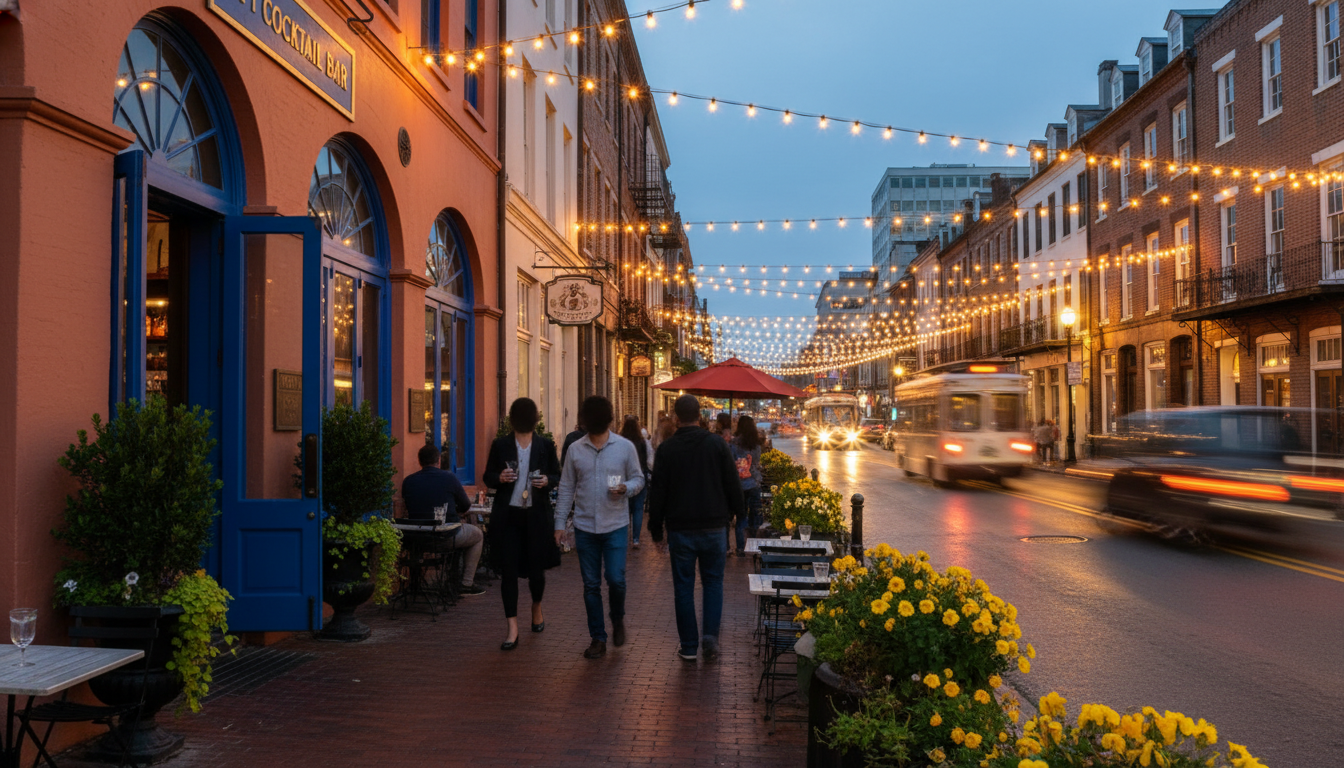 lively evening scene on Upper King Street with string lights, people walking between restaurants, a
James Island & West Ashley: Local Life Beyond the Peninsula
Most tourists never venture off the Charleston peninsula. Which is exactly why these neighborhoods are worth considering for a home swap. James Island and West Ashley are where many Charlestonians actually live—ranch houses with big yards, excellent local restaurants, just 10-15 minutes from downtown.
The trade-off: You need a car. But you also get free parking (a $25/day savings downtown), more space, and access to Folly Beach without the traffic nightmare.
I stayed in a West Ashley home swap once. A 1960s brick ranch with a screened porch and a dog named Biscuit who came with the house. Yes, some swaps include pet-sitting, which is honestly the best of both worlds. My host left me her Folly Beach parking pass—saved me $60 over my stay.
Best for: Families, longer stays, anyone who wants a beach-and-city combo trip.
Local Secrets That'll Transform Your Charleston Home Swap
Four swaps here. I've collected intel you won't find in guidebooks. Some from hosts, some from wandering, some from making mistakes so you don't have to.
The Real Best Time to Visit
Everyone says spring (March-May) is peak Charleston season. They're right—azaleas blooming, weather perfect, the city genuinely stunning. But here's what nobody mentions: home swaps are harder to find during peak season because fewer locals want to leave.
My secret favorite time? Early December.
The city goes all-out for the holidays. Candlelight tours. The Charleston Harbor Parade of Boats. Decorations that make the historic district look like a movie set. Temperatures hover around 55-65°F—perfect walking weather. And home swap availability spikes because locals travel for the holidays.
Second choice: late September through early November. Hurricane season is technically still active, but crowds thin dramatically after Labor Day. Weather stays warm enough for beach days.
Food Beyond the Tourist Trail
Yes, you should eat at Husk at least once. Sean Brock's temple to Southern ingredients lives up to the hype. But Charleston's food scene goes so much deeper.
Breakfast: Don't wait in the 2-hour line at Callie's Hot Little Biscuit. Walk to Mercantile and Mash on East Bay Street instead—biscuits just as good, zero wait. Get the pimento cheese.
Lunch: Skip the overpriced tourist spots on Market Street. Butcher & Bee for a mezze platter that'll ruin you for hummus forever. Or grab a sandwich at Brown Dog Deli—the "Brown Dog" with roast beef, cheddar, and horseradish cream is legendary around here.
Dinner on a budget: Leon's Oyster Shop in Upper King does $1 oysters during happy hour (4-6 PM). The fried chicken is crispy perfection. The vibe is pure Americana.
For a splurge: Ordinary is my death-row meal restaurant. A seafood hall in a 1920s bank building with a raw bar that's genuinely transcendent. Budget $80-100 per person with drinks.
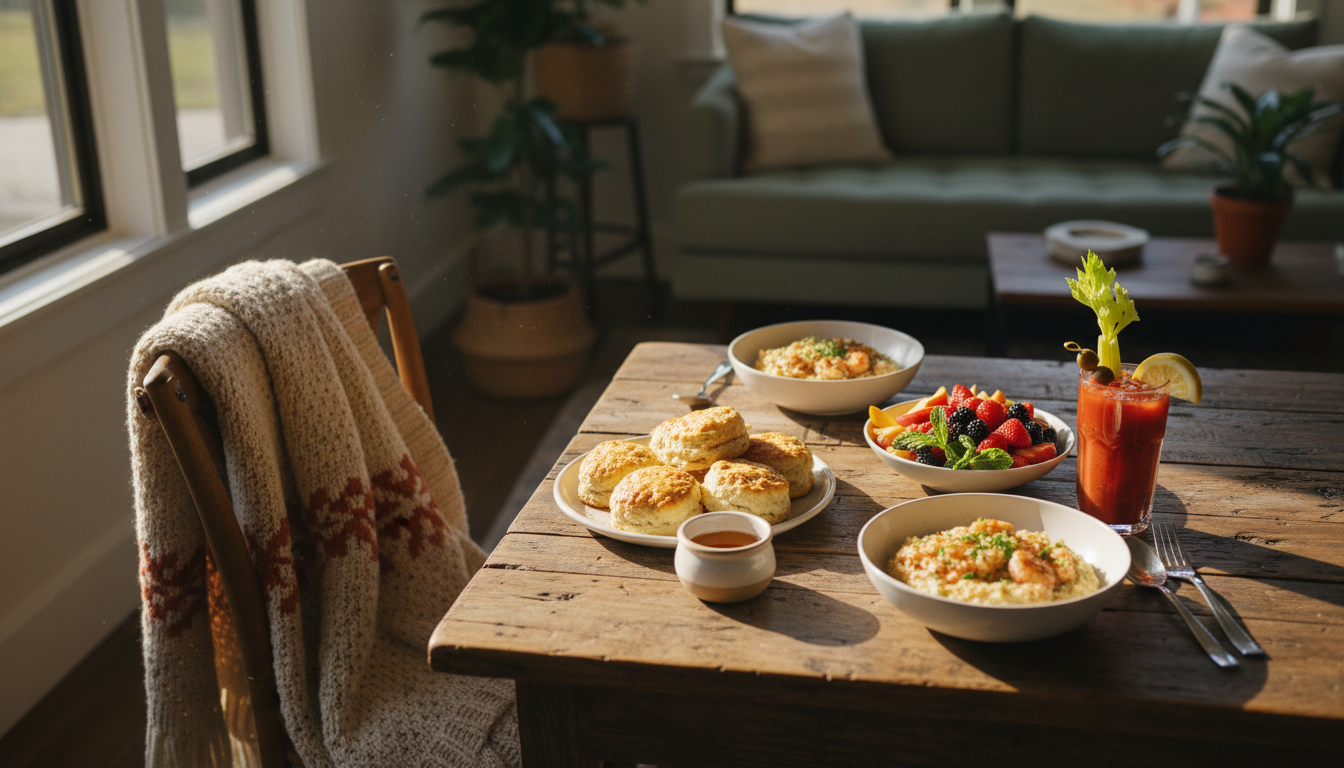 overhead shot of a Southern brunch spread on a rustic wooden tablebiscuits with honey, shrimp and gr
Navigating Charleston Like a Local
Parking reality: Downtown parking is brutal and expensive. $2-3/hour at meters, $20-25/day in garages. If your home swap includes a parking spot, that's worth its weight in gold. Otherwise, park at the Visitor Center garage on Meeting Street and walk or take the free DASH trolley.
The beach question: Folly Beach is closest and most popular—about 20 minutes from downtown. Also the most crowded. For a quieter experience, drive an extra 15 minutes to Sullivan's Island. Wider beach, more residential vibe, and Poe's Tavern makes a burger worth the trip.
Tipping culture: Charleston runs on hospitality. Service workers expect 20% minimum. Many restaurants have moved to 20% suggested tips on receipts. Don't be the tourist who tips 15%.
What to wear: Charleston is dressier than most Southern cities. Nice dinners, men should bring a collared shirt. Women can't go wrong with a sundress. During the day, though? Shorts and comfortable shoes work everywhere.
How to Find and Secure the Perfect Charleston Home Swap
Let's get practical. Finding a great home swap in Charleston requires strategy, especially during popular seasons.
Start Early (But Not Too Early)
I recommend reaching out to potential swap partners 6-8 weeks before your trip. Too early and people can't commit to their own travel plans. Too late and the best homes are taken.
On SwappaHome, you can search by location and see available dates. I always filter for homes with reviews first—the community feedback system is genuinely useful for gauging what to expect.
Craft a Message That Gets Responses
I've sent probably 50 home swap requests over the years. I've learned what works. Your first message should include:
- Who you are (brief—2 sentences max)
- Why you're visiting Charleston (shows genuine interest)
- Your specific dates (flexibility helps)
- A genuine compliment about their home (be specific, not generic)
- An offer to answer any questions about your place
Avoid long paragraphs, vague dates, or messages that feel copy-pasted.
What to Ask Before Confirming
Once you've found a potential match, get clarity on these details: parking situation (critical in Charleston), air conditioning (non-negotiable in summer—historic homes vary wildly), neighborhood noise levels (especially Upper King), any house rules (shoes off? specific cleaning expectations?), and local recommendations. That last one also tells you how engaged your host will be.
The Pre-Swap Communication
About a week before your swap, send a friendly check-in message. Share your arrival time, ask about key pickup, confirm any last details. This also opens the door for your host to share those last-minute local tips that make all the difference.
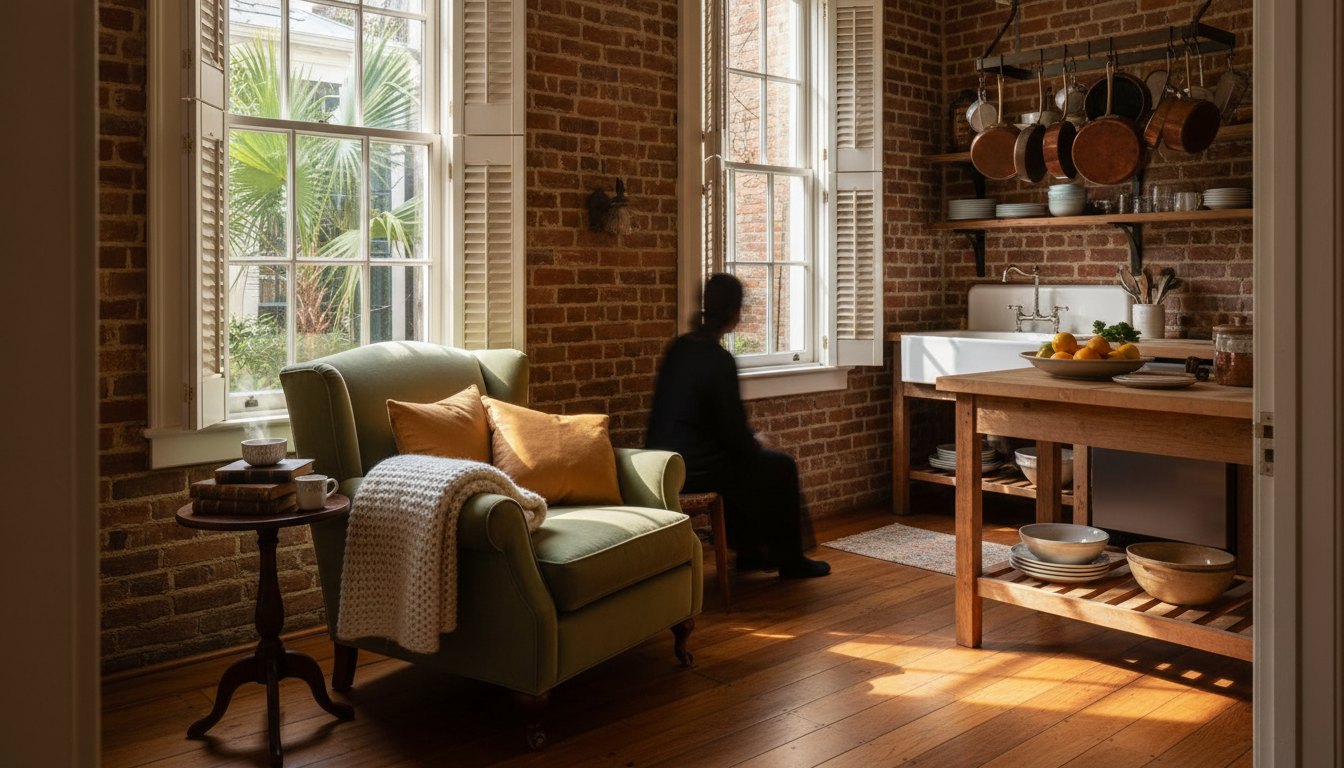 cozy Charleston carriage house interior with exposed brick, a comfortable reading nook by the window
Making the Most of Your Charleston Home Swap Experience
Embrace the Kitchen
One of the best parts of home swapping is having a real kitchen. In Charleston, this means you can buy fresh shrimp from Crosby's Seafood on Folly Road ($12-15/lb) and make your own low country boil. Pick up biscuit mix from Callie's and bake them fresh—nothing beats warm biscuits on a Sunday morning. Stock up at the Saturday Farmers Market in Marion Square (April-November) for local produce, cheese, and prepared foods.
I've saved hundreds of dollars on Charleston trips by cooking breakfast and lunch at "home" and splurging on one nice dinner out.
Connect With Your Neighborhood
This is something hotels can never offer. When you're staying in someone's home, you become part of the neighborhood—even if just for a few days.
Walk to the nearest coffee shop multiple times. Chat with the baristas. Ask them where they eat. In Cannonborough, the folks at Second State Coffee told me about a secret garden behind the Unitarian Church that most tourists never find. In Harleston Village, a neighbor walking her dog recommended a hole-in-the-wall BBQ joint that ended up being the best meal of my trip.
Leave It Better Than You Found It
The home swap community runs on trust and mutual respect. Before you leave, run the dishwasher and put everything away. Take out the trash. Strip the beds (unless your host said otherwise). Leave a small gift—I usually bring something from my hometown. SF sourdough, local chocolate, that kind of thing. Write a thoughtful review on SwappaHome.
This isn't just good karma. It's how you build a reputation that gets you accepted for future swaps.
Beyond Downtown: Day Trips From Your Charleston Home Base
One advantage of a home swap over a hotel is having a base for exploring the wider Lowcountry region. My favorite day trips:
Folly Beach (20 minutes): The quintessential Charleston beach day. Rent bikes at Island Bike and Surf ($25/day), ride to the lighthouse at the north end, grab fish tacos at Taco Boy on your way back.
Angel Oak Tree (30 minutes): This 400-year-old live oak on Johns Island is genuinely awe-inspiring—some branches are so heavy they rest on the ground. Go early morning to avoid crowds and get the best photos. Free admission.
Magnolia Plantation (30 minutes): Skip the house tour and just buy a garden pass ($20). The romantic gardens are some of the oldest in America, and the swamp boardwalk is perfect for spotting alligators.
Beaufort (90 minutes): If you want to see what Charleston looked like 30 years ago—before the tourism boom—drive to Beaufort. Smaller, quieter, equally beautiful architecture, fantastic seafood at Plums.
What to Know About Home Swapping Safety and Trust
I get asked about this constantly. "Isn't it weird letting strangers stay in your home?"
Honest answer: it felt weird the first time. By the third swap, completely normal.
The SwappaHome community is built on mutual accountability. Every member has reviews from previous swaps. You can verify identities before accepting any request. I've never had a negative experience—but I also do my due diligence.
Before accepting any swap, I read all their reviews carefully, check their profile completeness, have at least one video call or phone conversation, and trust my gut. If something feels off, I decline politely.
For extra peace of mind, get your own travel insurance and home insurance that covers short-term guests. SwappaHome connects you with trustworthy travelers, but having your own coverage is always smart.
Final Thoughts
I've stayed in Charleston hotels. Done Airbnbs. Done home swaps. There's genuinely no comparison.
A hotel gives you a room. An Airbnb gives you someone's investment property. A home swap gives you someone's actual life—their neighborhood coffee shop, their favorite porch chair, their hand-written recommendations, their trust.
Charleston rewards slow exploration. It's not about checking off attractions. It's about wandering down an alley and discovering a hidden courtyard. Sitting on a bench at Waterfront Park watching dolphins swim past. Having a conversation with a stranger that turns into a dinner invitation.
A home swap makes that kind of trip possible. You're not a tourist staying in the tourist district. You're a temporary local, living in a real neighborhood, with a real kitchen, and real insight into what makes this city special.
If you're considering your first home swap, Charleston is an ideal place to start. The community here is welcoming. The homes are stunning. The savings—easily $2,000+ on a week-long trip—make it possible to splurge on the experiences that matter.
I'll be back in Charleston this October. Staying in a home swap in Wagener Terrace that I found through SwappaHome. My host is a chef traveling to Tokyo, using credits she earned hosting me last year. She's already sent me a list of her favorite oyster spots and promised to leave some homemade hot sauce in the fridge.
That's the magic of home swapping. It's not just about free accommodation. It's about being welcomed into someone's world—and discovering a city through their eyes.
Frequently Asked Questions
Is home swapping in Charleston safe for first-timers?
Yes—when you use a trusted platform like SwappaHome with verified members and reviews. The community runs on mutual accountability, with members reviewing each other after every stay. Read reviews carefully, have a video call before confirming, trust your instincts. For extra security, consider getting your own travel and home insurance.
How much money can I save with a Charleston home swap vs hotels?
A Charleston home swap can save you $2,000-$3,500 on a week-long trip compared to hotels. Downtown hotels average $350-500/night during peak season, vacation rentals start around $200/night. With SwappaHome's credit system (1 credit = 1 night, new members get 7 free credits), your accommodation cost is essentially zero.
What's the best neighborhood for a home swap in Charleston?
For first-time visitors, Cannonborough-Elliotborough offers the best balance of charm, walkability, and authentic local experience. Close to downtown attractions but feels like a real neighborhood. South of Broad works for romantic trips, Upper King Street for nightlife access, James Island or West Ashley for families who want beach access and more space.
When is the best time to do a home swap in Charleston?
Early December and late September through November offer the best combination of availability and experience. Home swaps are easier to find outside peak season (March-May) when fewer locals travel. December brings holiday charm with mild 55-65°F weather. Fall offers warm days without summer crowds or humidity.
Do I need a car for a Charleston home swap?
Depends on your neighborhood. For swaps on the peninsula (downtown, Cannonborough, Harleston Village), you can walk or bike to most attractions. For James Island, West Ashley, or beach access, you'll need a car. If your swap includes parking, that saves $20-25/day. The free DASH trolley helps for getting around downtown.
How do I find home swap partners in Charleston?
Search Charleston on SwappaHome and filter by dates and reviews. Start reaching out 6-8 weeks before your trip with personalized messages explaining who you are, why you're visiting, and specific dates. Mention something specific about their home to show genuine interest. Flexibility with dates increases your chances of finding a match.

Published by
SwappaHome
SwappaHome Editorial Team
Home Exchange & Slow Travel Editorial
The SwappaHome Editorial Team brings together travel research, home-exchange community insights, and platform data to produce practical guides for first-time and experienced home swappers. Every article cites real platforms, current market rates, and verifiable city-level facts so readers can make informed decisions without guessing.
Ready to try home swapping?
Join SwappaHome and start traveling by exchanging homes. Get 7 free credits when you sign up!
Related articles
How to Extend or Modify a Home Swap Mid-Stay: The Complete Flexibility Guide
Need to extend your home swap or change dates mid-trip? Here's exactly how to negotiate changes, handle credits, and keep both parties happy.

How to Visit Bali for Free with Home Exchange: The Complete 2026 Guide
Skip the $150/night villas. Home exchange in Bali lets you stay in Ubud rice field houses and Seminyak beach pads for zero accommodation cost. Here's exactly how.
How to Vet Home Swap Guests: 12 Red Flags Every Host Should Know
Learn how to vet home swap guests before handing over your keys. Spot the 12 red flags experienced hosts watch for—and protect your home with confidence.