Home Swapping vs Hotels: Why More Families Are Choosing Home Exchange

SwappaHome Editorial Team
Home Exchange & Slow Travel Editorial
Discover why families worldwide are ditching hotels for home swapping. More space, real kitchens, and authentic experiences await.
Picture this: it's 6 AM, and your toddler is wide awake, ready to start the day. In a hotel room, this means tiptoeing around in the dark, desperately trying not to wake your partner or your other child sleeping three feet away. You're shushing constantly, scrolling through your phone for nearby cafés that might be open, and already calculating how much that emergency room service breakfast is going to cost.
Now imagine the same scenario, but in a cozy family home in Barcelona. Your early riser toddles into a sun-filled kitchen where you make pancakes together, keeping your voice low but not whispering. There's a backyard where they can burn off energy while the rest of the family sleeps in. The coffee is already in the cupboard—you bought it yesterday at the local market, along with fresh pastries that cost a fraction of hotel prices.
This isn't a fantasy. It's Tuesday morning for the thousands of families who've discovered home swapping, and it's changing the way we think about travel with kids.
The Great Hotel Illusion
Let's be honest about something: hotels were designed for business travelers and romantic getaways, not for families with young children. The industry has tried to adapt—connecting rooms, kids' clubs, family suites—but these solutions often feel like expensive band-aids on a fundamental mismatch.
I remember the exact moment I realized this. We were staying at a supposedly "family-friendly" resort in Portugal, paying a premium for the privilege. Our room had two double beds pushed so close together that my husband and I couldn't walk between them. The mini-fridge held exactly four items. When our daughter had a meltdown at 5 PM (as three-year-olds do), we had nowhere to go except the hallway, where we paced back and forth past other guests giving us sympathetic-but-please-be-quiet looks.
The thing about hotels is that they charge you for space. A standard room might work for two adults who spend most of their time out exploring. But families need room to spread out. We need space for the pack-n-play, the mountain of snacks, the craft supplies we optimistically packed for rainy days. We need somewhere to retreat when someone needs a nap while the rest of the family wants to stay awake.
Upgrading to a suite that actually fits a family of four? That's often double or triple the standard rate. And suddenly, your "affordable" vacation destination isn't so affordable anymore.
What Home Swapping Actually Looks Like
Home exchange isn't a new concept—people have been trading houses for decades—but the modern version has evolved into something remarkably practical for families. The basic idea is beautifully simple: you stay in someone else's home while they stay in yours, or you earn credits by hosting guests that you can then use to stay elsewhere.
 Home Swapping vs Hotels: Why More Families Are Choosing Home Exchange
But let me paint you a more detailed picture, because the reality is so much richer than the concept.
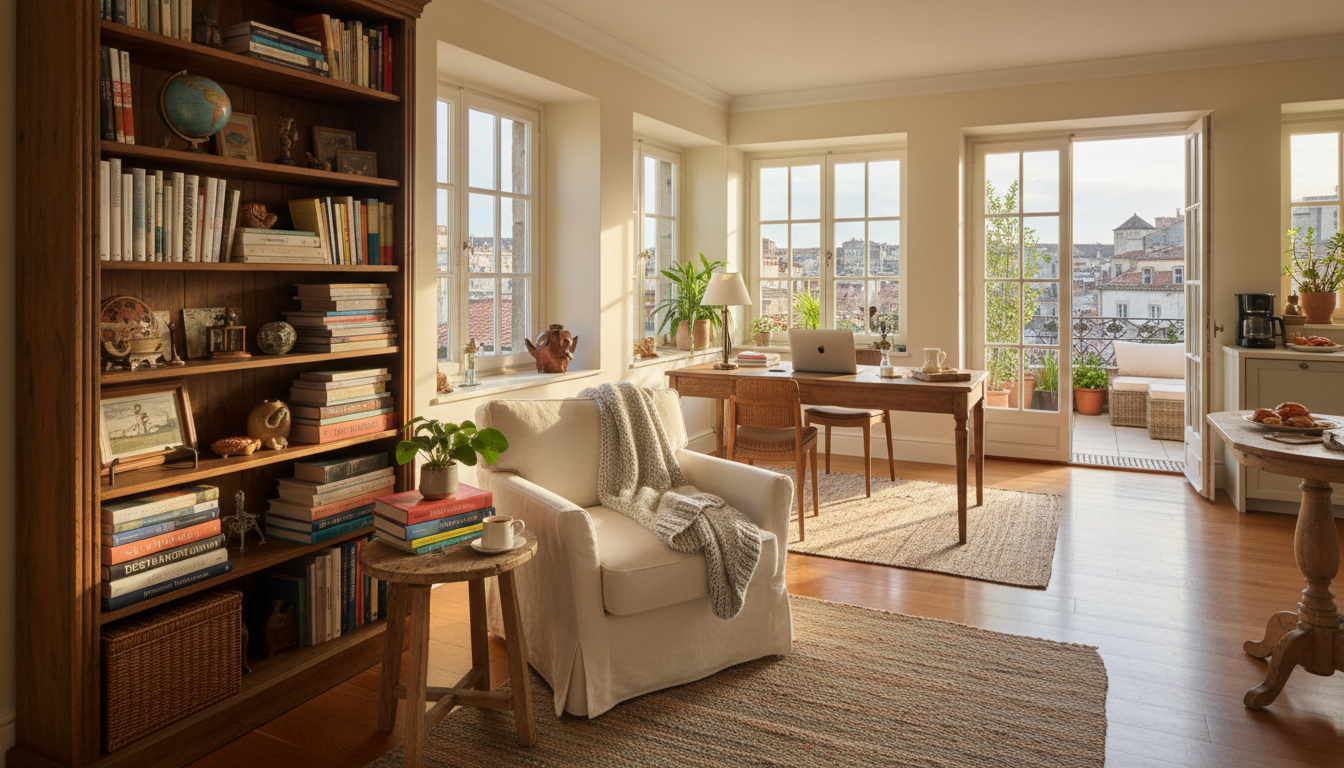
When you arrive at a home swap, you're not walking into a sterile room with sealed toiletries and a laminated welcome card. You're stepping into someone's actual life. There's a note on the counter telling you which bakery has the best croissants (turn left, walk two blocks, look for the blue awning). The bookshelf has a collection of local guidebooks with pages already dog-eared to the family-friendly spots. In the kids' room, there might be toys, books, maybe even a beloved stuffed animal left behind to welcome young visitors.
The kitchen—oh, the kitchen. This is where the magic really happens for traveling families. There's a full-sized refrigerator where you can store actual groceries. A stove where you can make pasta at 6 PM when everyone is hungry and cranky. A high chair in the corner. Maybe a drawer full of sippy cups and plastic plates, left there by thoughtful hosts who remember what it's like.
And then there's the space. Bedrooms with doors that close. A living room where adults can watch a movie after the kids are asleep. A backyard or balcony where little ones can play without you worrying about disturbing anyone. Space to breathe, to spread out, to actually relax.
The Numbers That Make Families Switch
I'm not going to pretend that cost isn't a major factor—for most families, it's the first thing that catches their attention. So let's talk numbers, because they're genuinely striking.
A family of four staying in a decent hotel in a major European city will typically pay somewhere between €150-300 per night for a room that actually fits everyone. Over a ten-day vacation, that's €1,500-3,000 just for accommodation. Add in the meals you'll eat out because there's no kitchen, and you're looking at another €100-150 per day easily. Your two-week family vacation could cost €5,000-6,000 before you've done a single activity.
Now consider home swapping. With a platform like SwappaHome, you earn credits when guests stay at your home—one credit per night. Those credits then let you stay in homes around the world. The only direct cost is your membership fee, which typically works out to a few euros per night of travel.
But here's where it gets really interesting for family budgets: the kitchen factor. When you can cook breakfast and pack lunches, when you can make dinner at home three or four nights instead of eating out every meal, when you can buy groceries at local prices instead of tourist restaurant prices—families report saving 40-60% on their overall vacation costs. That's not a small thing. That's the difference between one vacation and two. That's the difference between staying home and actually going somewhere.
Beyond Money: What Families Actually Gain
The financial benefits are compelling, but talk to families who've made the switch, and they'll tell you the money isn't even the best part. Something shifts in the entire experience of travel when you're staying in a home instead of a hotel.
There's a rhythm to it that feels more sustainable, especially with kids. You wake up slowly. Someone makes coffee while someone else entertains the children. You eat breakfast at your own pace, in your pajamas, without watching the clock for when the hotel breakfast room closes. The morning unfolds naturally instead of feeling like a race to get everyone dressed and out the door.
This slower pace changes how you experience your destination. When you're not exhausted from the constant stimulation of hotel life, when you've had a real night's sleep in a quiet bedroom, when you've eaten proper food—you actually have energy to explore. You can handle the inevitable toddler meltdowns with more patience. You can say yes to the spontaneous gelato stop without worrying about blowing your food budget.
Families also talk about how staying in homes helps their children adjust to travel. Kids thrive on routine and familiarity, and a home provides anchors that hotels can't. There's a kitchen table where you eat meals together. There's a bathtub for the nightly bath ritual. There's a cozy corner for reading bedtime stories. These small consistencies help children feel secure, which means fewer behavioral struggles and more enjoyment for everyone.
And then there's the neighborhood factor. When you stay in a home, you become—even temporarily—part of a community. You shop at the local market. You nod hello to the neighbors. Your kids play in the same park as local kids. You discover the café where everyone goes on Sunday mornings. This kind of immersion simply doesn't happen when you're staying in a tourist district hotel.
The Concerns That Hold Families Back (And Why They Shouldn't)
Let me address the elephant in the room, because I know what you're thinking. Letting strangers stay in your home? Staying in a stranger's home with your kids? It sounds risky, maybe even a little crazy.
These concerns are valid, and I'm not going to dismiss them. But I am going to tell you why they're more manageable than they seem.
First, let's talk about trust. Modern home swapping platforms have built robust systems for establishing it. There are verified profiles, reviews from previous swaps, secure messaging systems, and community standards. The people using these platforms are, by and large, exactly like you—families looking for a better way to travel. They have the same concerns about their homes and their safety. This mutual vulnerability actually creates a foundation of respect and care that you don't get in transactional hotel relationships.
Think about it: someone staying in your home through a swap has their own home on the line too. They're invested in being good guests because they want good guests in return. It's a self-selecting community of people who understand the implicit social contract.
As for the practical concerns—what about my stuff? What if something breaks?—these are also more manageable than you'd think. Most families create a simple "swap guide" for their home, noting which areas are private, how things work, and any house rules. You can lock a closet or room if there are items you'd rather keep separate. And honestly? Most swappers report that guests treat their homes better than they treat hotel rooms. There's something about being in someone's personal space that encourages care and respect.
The safety question when traveling with kids is perhaps the most important one. Here, research is your friend. Look for homes in neighborhoods you'd feel comfortable in. Read reviews carefully. Communicate with your hosts beforehand—ask about the area, nearby parks, family-friendly amenities. Trust your instincts. If something feels off, don't do it. But in my experience and the experience of countless families, what you'll find is warmth, helpfulness, and a genuine desire to make your stay wonderful.
Making the Transition: A Practical Guide
If you're intrigued but not sure where to start, let me walk you through how this typically works for families.
Your first step is creating a listing for your own home. This might feel vulnerable at first, but think of it as an opportunity to showcase what makes your space special for families. Do you have a backyard? A collection of kids' books? A crib that can be set up? A quiet neighborhood near a park? These details matter enormously to other traveling families.
Take good photos—not magazine-perfect staging, but honest, welcoming images that show what your home actually looks like. Write a description that speaks to other parents. Mention the practical stuff (washing machine, dishwasher, parking) but also the things that make family life easier (the drawer of toys, the baby gate for the stairs, the blackout curtains in the kids' room).
Platforms like SwappaHome use a credit system that makes the logistics flexible. When someone stays at your home, you earn credits. Then you can use those credits to stay anywhere in the network, regardless of whether that specific homeowner wants to visit your area. This solves one of the biggest challenges of traditional home swapping, where you needed to find someone who wanted to go exactly where you live at exactly the time you wanted to travel.
For your first swap, I'd suggest starting with something low-stakes. Maybe a long weekend somewhere within driving distance. This lets you experience the process without the pressure of a major international trip. You'll learn what you like, what questions to ask, and what to include in your own hosting guide.
Communication is everything in home swapping. Before a swap, exchange messages with your hosts. Ask about their home, their neighborhood, their recommendations. Share information about your family, your travel style, your needs. This back-and-forth builds relationship and ensures everyone's expectations are aligned.
The Stories That Convert Skeptics
I could give you statistics all day, but what really convinces people are the stories. So let me share a few that capture why families fall in love with this way of traveling.
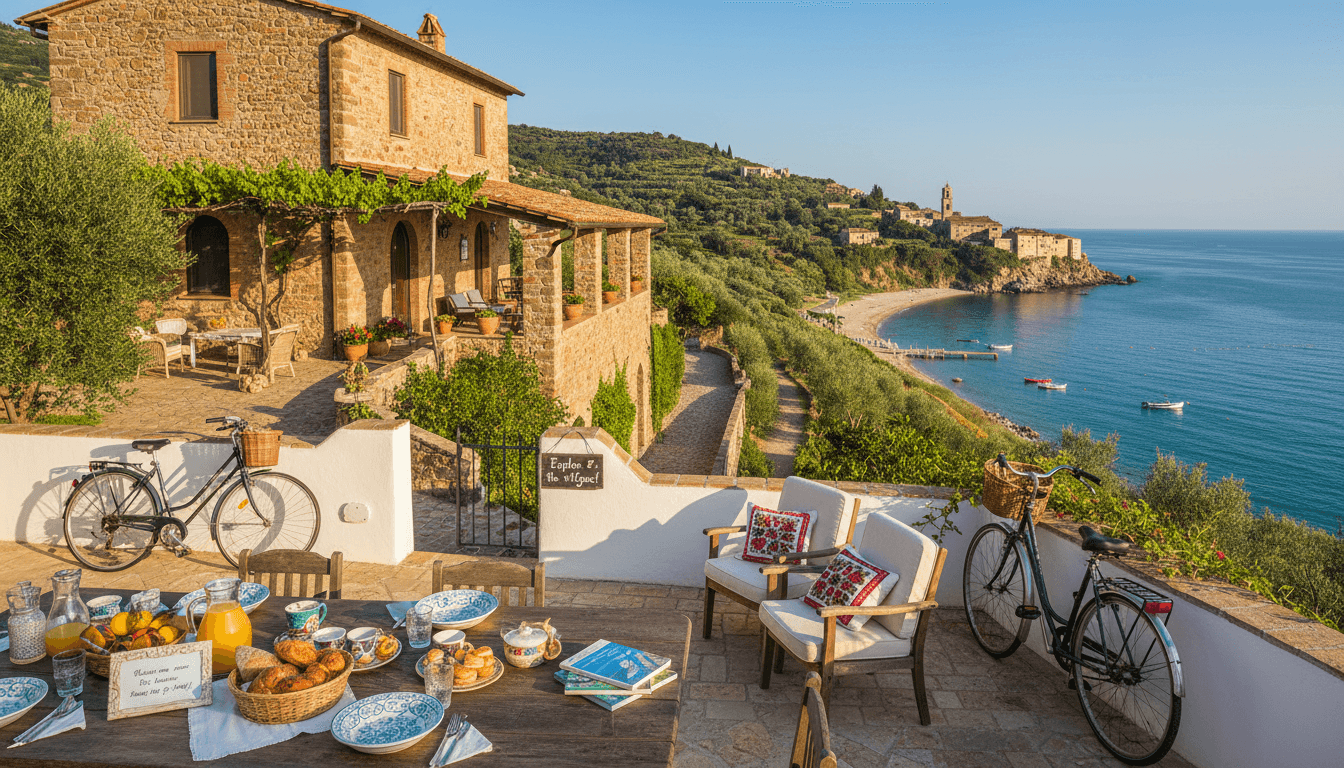
There's the family from Chicago who did their first swap to a farmhouse in Tuscany. Their kids, ages 4 and 7, spent two weeks picking tomatoes from the garden, learning to make pasta from the elderly neighbor who stopped by to check on them, and playing with the family's friendly dog. They came home with a few words of Italian, a love of fresh mozzarella, and memories that had nothing to do with tourist attractions.
There's the single mom who thought international travel with her twins was financially impossible until she discovered home swapping. Her first trip was to Amsterdam, staying in a canal house with a small garden. She cooked dinners, packed picnic lunches, and stretched her budget so far that she's now planning her third swap trip.
There's the family who swapped their Brooklyn apartment for a beach house in Portugal and discovered that their hosts had left a detailed guide to every playground within walking distance, along with sand toys, beach towels, and a cooler for packing snacks. The thoughtfulness brought the mom to tears—it was exactly what she would have done for guests in her own home.
These stories share a common thread: the unexpected generosity of strangers who turn out to be not so strange at all. They're just other families, navigating the same challenges, sharing what they have, and receiving the same in return.
Is Home Swapping Right for Your Family?
Let me be honest: home swapping isn't for everyone. If you love the amenities of resorts—the pools, the room service, the daily housekeeping—a home swap won't replicate that experience. If you're uncomfortable with any level of uncertainty or prefer the predictability of chain hotels, the variability of private homes might stress you out. If your travel style is highly spontaneous and last-minute, the planning required for home swaps might feel constraining.
But if you've ever felt frustrated by the limitations of hotel travel with kids—the cramped spaces, the astronomical costs, the constant eating out, the feeling of being a tourist rather than a traveler—home swapping offers a genuine alternative.
It's not just about saving money, though you will. It's not just about having more space, though you'll have that too. It's about a fundamentally different relationship with travel. It's about slowing down, settling in, and experiencing places as a temporary local rather than a permanent outsider.
For families especially, this shift matters. Our kids don't need more stimulation; they need more connection. They don't need fancier hotels; they need space to play and parents who aren't stressed about the bill. They don't need tourist experiences; they need real ones.
Home swapping offers all of this. It's not perfect, and it's not effortless, but for the families who embrace it, it opens up a world of travel that once seemed out of reach. More destinations. Longer trips. Richer experiences. And maybe, just maybe, the kind of travel memories that last a lifetime.
The next time you're planning a family vacation, before you automatically open that hotel booking site, consider the alternative. Your future self—making pancakes in a sunny kitchen in Barcelona while your toddler plays happily nearby—might thank you.

Published by
SwappaHome
SwappaHome Editorial Team
Home Exchange & Slow Travel Editorial
The SwappaHome Editorial Team brings together travel research, home-exchange community insights, and platform data to produce practical guides for first-time and experienced home swappers. Every article cites real platforms, current market rates, and verifiable city-level facts so readers can make informed decisions without guessing.
Ready to try home swapping?
Join SwappaHome and start traveling by exchanging homes. Get 7 free credits when you sign up!
Related articles

Bachelor and Bachelorette Parties in Singapore: The Complete Home Swap Group Guide for 2026
Planning a bachelor or bachelorette party in Singapore? Discover how home swapping lets groups of 6-12 stay together in luxury condos, saving thousands while partying in Marina Bay.

Cycling in Lisbon: 7 Home Swap Bike Tour Itineraries for Every Rider
Discover the best cycling routes in Lisbon with these home swap bike tour itineraries—from waterfront paths to hilltop adventures, all starting from your borrowed home.

Graduation Trip to Barcelona: How Home Swapping Gives New Graduates the Ultimate Celebration
Planning a graduation trip to Barcelona? Discover how home swapping lets new graduates explore Spain's most vibrant city without the hostel crowds or hotel costs.