
How to get a digital nomad visa for 2026

SwappaHome Editorial Team
Home Exchange & Slow Travel Editorial
Key Takeaways Transitioning to a remote lifestyle requires careful planning and a clear understanding of legal requirements to ensure your residency is…
Key Takeaways
Transitioning to a remote lifestyle requires careful planning and a clear understanding of legal requirements to ensure your residency is sustainable. Following these essential steps allows you to secure your status and focus on your work while immersing yourself in new cultures.
- Verify your remote income meets specific local financial thresholds before applying.
- Prioritize countries that offer clear paths to long-term residency if desired.
- Organize all required documentation, including apostilled records and background checks, well in advance.
- Research your home country tax obligations to prevent potential double taxation issues.
- Secure reliable long-term housing that provides high-speed internet and dedicated workspaces.
Evaluating your eligibility and program options
Carefully reviewing your situation is the first step toward a successful transition to a new country. Many remote workers face the challenge of matching their professional circumstances with the specific legal frameworks provided by various host nations. By focusing on your core needs—such as income documentation and tax status—you can narrow down choices that align with your lifestyle goals.
Assessing your remote income qualifications
Most nations require a stable, verified income that meets their specific cost-of-living standards. You must be prepared to show consistent monthly earnings through banking records or employment contracts. Using reliable digital nomad visa options helps clarify which financial metrics you need to meet before submitting a formal request.
Determining your current employment status
You need to confirm whether your employer supports working abroad, as tax implications can affect both parties. For instance, being an independent contractor offers more flexibility compared to being a direct employee of a firm, which often requires specific corporate registration in the host country to remain compliant with local labor laws.
Comparing different digital nomad visa programs
Countries offer a wide array of terms, ranging from temporary stays to potential paths toward permanent residency. You can research various digital nomad visa programs to find the best match for your timeline. To help you evaluate your choices, consider the following factors:
| Feature | Requirement | Importance |
|---|---|---|
| Monthly Income | Verified source | High |
| Contract Tenure | 6 months+ | Medium |
| Insurance | Comprehensive | High |
After analyzing these specific components, you will find that different nations prioritize different applicant profiles, so choosing a digital nomad lifestyle that fits your career demands is crucial.
Reviewing tax residency and long-term implications
Taxation is rarely straightforward when you move between jurisdictions. Understanding whether you remain tax resident in your home country while also contributing to the host nation's system is vital to maintaining your financial health while living abroad.
Gathering essential supporting documentation
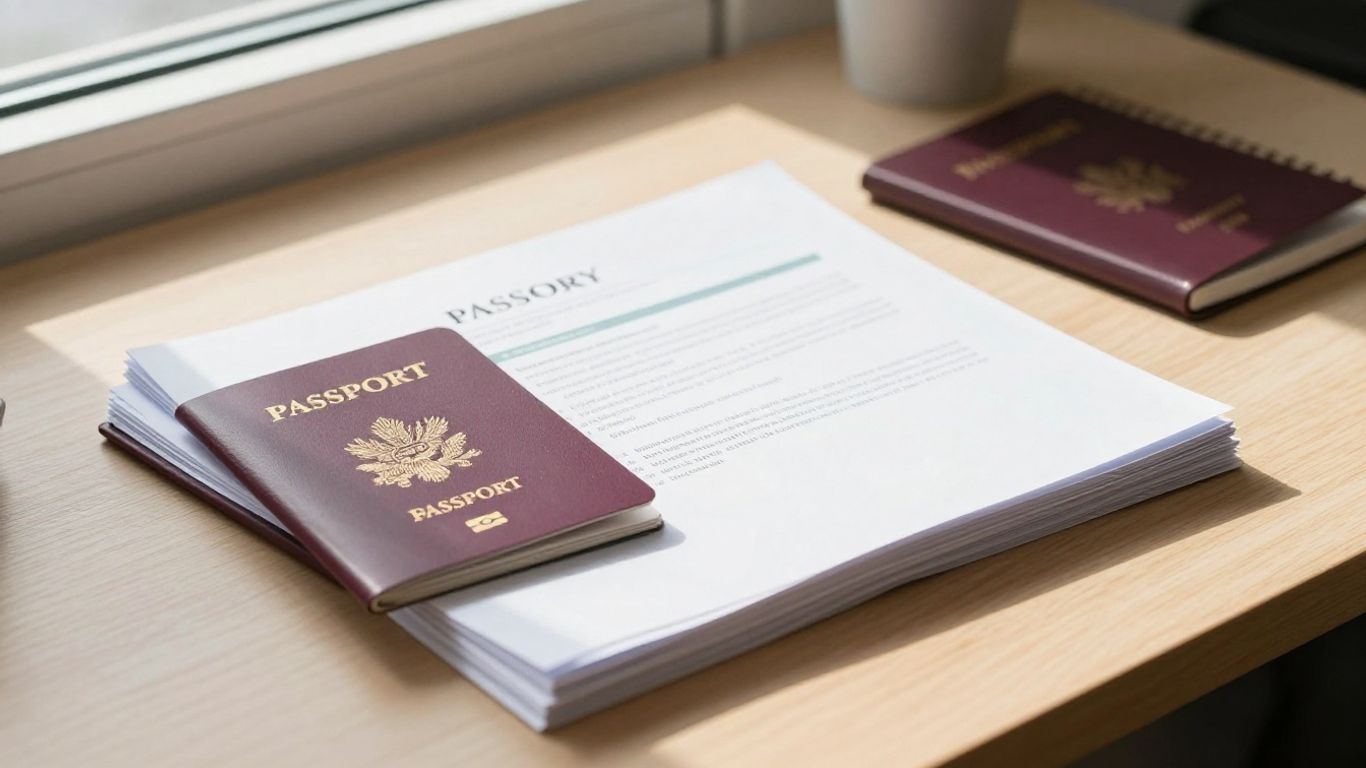 Documentation for residency
Preparing your paperwork requires meticulous attention to detail and patience with administrative procedures. You will often need to prove your identity, criminal history, and professional viability. Keeping an organized digital and physical folder of these documents prevents delays during the verification phase.
Demonstrating proof of stable, location-independent income
Verification of your salary must be clear, concise, and ideally presented in a format local officials can easily review. Your bank statements or tax forms should demonstrate that your earnings are sufficient to support you without relying on the host country's social services.
Obtaining necessary apostilles and legal translations
Documents issued in your home country often require an apostille to be recognized legally abroad. You should engage certified translators to ensure that all your vital records, such as birth certificates or marriage licenses, are acceptable to embassy officials.
Validating health insurance coverage for your target country
Local authorities usually mandate proof of comprehensive international health insurance that covers emergency care and repatriation. Relying merely on travel insurance is often insufficient, so you must select a plan that is recognized within your destination country's healthcare system.
Collecting personal records and criminal background checks
You must request your criminal record history from all countries where you have lived for a specific timeframe. These checks need to be recent, sometimes dated within the last three months, to satisfy immigration requirements.
Navigating the legal application process
 Legal application process
Applying for residency can often feel like a full-time job in itself, demanding high levels of preparation. Following a structured digital nomad visa guide can turn a daunting set of steps into a manageable workflow. Each country demands specific adherence to their, sometimes unique, submission portals or embassy protocols.
Choosing between embassy interviews and digital portals
Some nations require a physical appearance at an embassy for a personal interview, while others use advanced online portals. You must check which method your target country mandates, as travel to the nearest diplomatic mission might add significant time and expense to your application.
Drafting compelling letters of intent or purpose
A well-written letter explains why you want to reside in the country and how you intend to sustain yourself. While it serves as a formal requirement, speaking honestly about your desire to contribute to the local ecosystem and engage with the community can strengthen your profile in the eyes of immigration officials.
Calculating application fees and proof of funds requirements
Budgeting beyond living expenses is essential, as visa application fees, courier costs, and translation services can accumulate quickly. You should also ensure that your liquid assets meet the specific 'proof of funds' threshold required to cover your stay.
Managing timelines based on specific country processing speeds
Processing times fluctuate based on seasons and current legislative backlogs. It is wise to work with a substantial buffer, typically applying several months before your intended departure, to account for unexpected delays in document procurement or embassy responsiveness.
Managing financial and tax setup
Setting up your financial infrastructure before you depart creates a necessary barrier against future stress. Whether you need to maintain business operations across time zones or manage localized taxes, pre-arranging these tools is a critical part of remote work success for any long-term traveler.
Handling double taxation risks during your stay
Many countries have tax treaties designed specifically to prevent you from paying the same tax twice. You should consult a tax professional to understand if your income is eligible for exemption or if you need to set aside funds for local social security and income taxes.
Opening local versus international banking accounts
Having access to funds that do not incur high currency conversion fees is ideal. Many nomads use a mix of global digital banks for daily spending and local accounts where necessary for paying rent or utility bills in the local currency.
Setting up recurring financial statements for future renewals
Future visa renewals usually require proof that you are still earning the same level of income you held during your initial entry. Keeping a clean, digitized system for tracking monthly income statements ensures that your renewal application proceeds smoothly when the time comes.
Declaring foreign income to your home country tax office
You must research the tax reporting obligations of your citizenship origin. Failing to declare earnings properly can lead to significant penalties, making it essential to keep accurate, ledger-style records of everything you earn while abroad.
Managing post-approval and residency logistics
Once your visa is approved, you must pivot toward building your daily life in a new environment. Finding a community and creating a sustainable workspace require ongoing effort beyond the initial administrative victory. Many choose to utilize tools like SwappaHome to find WiFi-equipped homes that meet their specific professional requirements, allowing them to skip the headaches of generic short-term rentals.
Securing housing and registering your local address
Having a permanent local address is usually a requirement for finalizing your residency status. You should prioritize finding an living arrangement that offers reliable fiber internet, as local coffee shops are fun but not always reliable for extended deep work.
Accessing public versus private healthcare systems
Determining where you are entitled to care is one of the most important steps upon arrival. While public healthcare might be available for residents, many expats opt for private insurance to bypass long wait times and receive English-speaking support during medical consultations.
Understanding renewal criteria for temporary residency
Your temporary residency isn't permanent, and strict criteria for renewal exist. Ensure you stay compliant with local tax laws and maintain the income minimums established by your initial visa, as any dip in these stats could jeopardize future residency extensions.
Converting a nomad visa to other residency paths
While some visas are strictly temporary, others can serve as a bridge to standard long-term residency if you choose to integrate further. Understanding these conversion pathways requires keeping an eye on changes to immigration law, which often vary in favor of those who have already established a history of legal, tax-paying residency.
Conclusion
Choosing to pursue a digital nomad visa is an investment in your personal and professional growth that rewards careful planning. By mastering the legal requirements and managing your financial logistics, you create the opportunity to work from anywhere while building deep, meaningful connections in your new home.
Frequently Asked Questions
Can I work for multiple employers while on a digital nomad visa?
Most visas allow multiple income streams as long as the total remains above the minimum income threshold, but you should always check the specific country's rules on localized employment.
Does the visa automatically grant me tax residency?
It depends entirely on the country's tax code and the amount of time you spend physically within their borders; many countries have threshold limits for tax residency.
Are family members allowed to join me on my visa?
Many programs offer a path for dependents, including spouses and children, but this usually requires showing additional financial support or proof of family ties such as marriage certificates.
How do I prove my income if I am a freelancer?
Freelancers typically provide bank statements showing consistent deposits, tax returns from their home country, and copies of their active client contracts to substantiate their earning power.
What happens if I get fired or lose my remote job?
Losing your primary income source may invalidate your visa status, as you would no longer meet the financial requirements of the permit; you should have a significant emergency fund for such scenarios.
Can I travel outside the host country and return?
Most digital nomad visas allow for multiple entries, but you must ensure that you do not exceed the total duration allowed by your permit or fail to maintain your primary residency in the country.
Do I need to be a digital nomad to apply for these visas?
These visas are specifically designed for remote workers or those who earn income independent of a physical location, so demonstrating that your work can be done from anywhere is a fundamental requirement.

Published by
SwappaHome
SwappaHome Editorial Team
Home Exchange & Slow Travel Editorial
The SwappaHome Editorial Team brings together travel research, home-exchange community insights, and platform data to produce practical guides for first-time and experienced home swappers. Every article cites real platforms, current market rates, and verifiable city-level facts so readers can make informed decisions without guessing.
Ready to try home swapping?
Join SwappaHome and start traveling by exchanging homes. Get 7 free credits when you sign up!