
How to plan and enjoy a vacation on the go

SwappaHome Editorial Team
Home Exchange & Slow Travel Editorial
Key Takeaways Planning a spontaneous trip requires the right digital toolkit to keep your plans flexible and stress-free. From managing last-minute bookings to…
Key Takeaways
Planning a spontaneous trip requires the right digital toolkit to keep your plans flexible and stress-free. From managing last-minute bookings to maintaining energy levels, here is how you can master your next adventure.
- Utilize mobile apps to manage bookings as you travel.
- Keep crucial documents accessible even when offline.
- Pack light with a modular capsule wardrobe system.
- Monitor your budget in real time to avoid overspending.
- Prioritize physical comfort to maintain long-term stamina.
Essential mobile travel tools
Travelers often find that the difference between a chaotic trip and a smooth journey lies in the utility of their smartphone setup. Having the right tools installed ensures you have autonomy over your schedule regardless of your current location. Embracing this level of digital preparedness is vital for anyone hoping to manage their Signature Solitaire Collection of responsibilities while exploring the world.
Booking platforms for last-minute accommodation
When your plans change in the middle of a trip, mobile-first booking platforms become your best asset. These services allow you to compare inventory rapidly, often revealing deals for same-day stays that are not published elsewhere. Many nomads now use platforms like SwappaHome to discover local housing options that offer the authentic atmosphere of a real home, which often includes a kitchen and work-friendly space perfect for staying productive while on a vacation on go.
Real-time traffic and transit navigation
Navigating an unfamiliar city requires more than just a map; it demands live data on traffic flow and public transport delays. Reliable navigation apps now integrate crowd-sourced reporting that warns you about construction or protest activity before you encounter it. This constant flow of information helps you save hours of frustration throughout your journey.
Digital itinerary management apps
Consolidating your confirmation numbers and reservation times into one location is essential for keeping track of a fluid schedule. Digital itinerary managers parse your emails automatically to create a clean, single-screen view of your entire trip. This prevents the panic that comes from hunting for a confirmation code at the boarding gate.
Peer-to-peer travel recommendation networks
Instead of relying on generic tourist traps, connecting with local networks provides insights into hidden gems. These platforms facilitate genuine advice from locals who know where the best food and quietest workspaces are located. Engaging with these communities often leads to experiences that remain the highlights of your trip.
Managing logistics while traveling
Logistics take up a surprising amount of mental energy, but they can be simplified with a systematic approach to your personal paperwork and communication. When every detail is organized, you free up your mind to focus on the experience rather than the next connection. Being efficient with your workflow allows you to enjoy a vacation on go even while things are changing in real time.
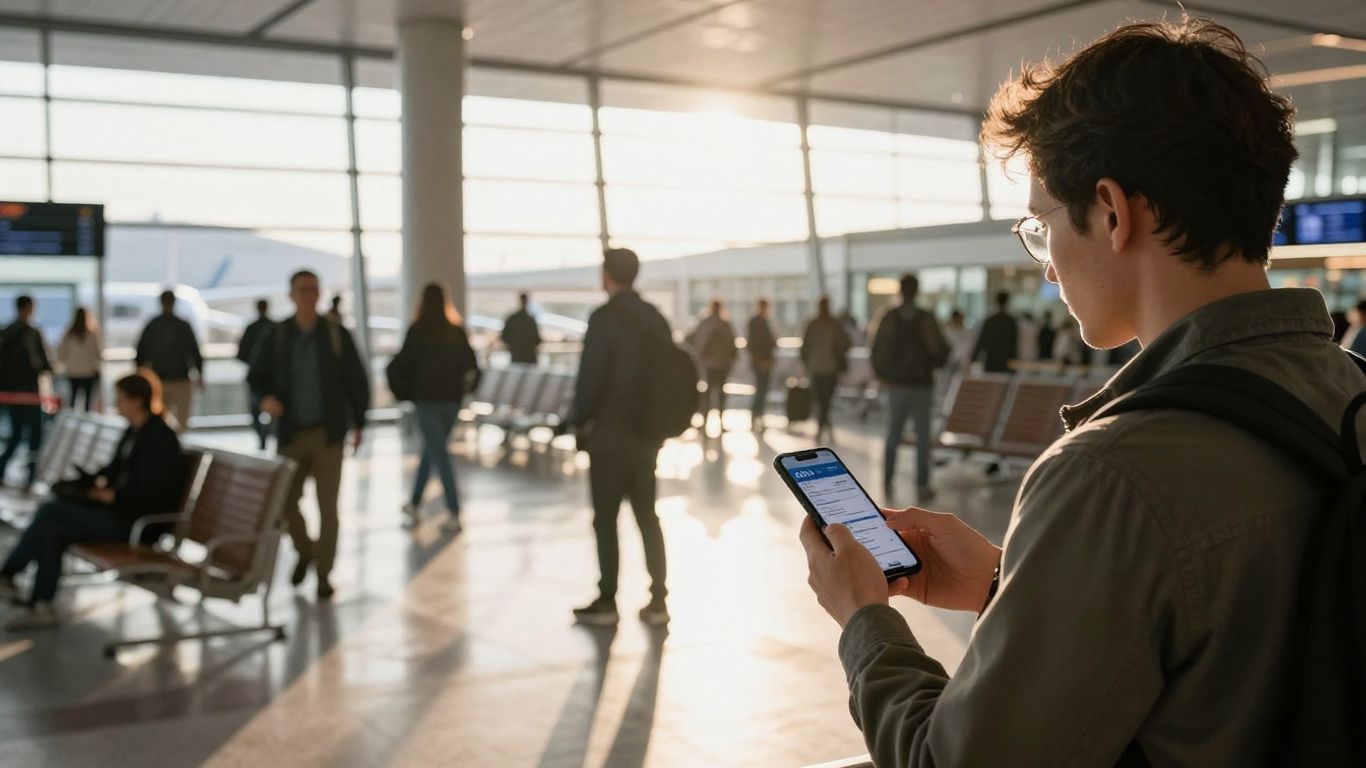 Traveler boarding near departure gate
Streamlining airport security and mobile check-ins
Mobile check-in has evolved to be the gold standard for frequent travelers who want to skip the queues. By utilizing digital boarding passes saved directly to your phone's wallet, you can bypass most stationary check-in desks entirely. This mobility is essential when navigating busy terminals where seconds saved can mean the difference between making a departure or missing a connection.
Maintaining offline access to vital travel documents
Reliance on cellular data is a major risk, especially when you are crossing international borders or transiting through remote areas. Saving copies of your passport, insurance policies, and reservation details in an encrypted offline vault ensures you retain access during connectivity gaps. It is a simple step that prevents massive administrative hurdles if you lose your signal.
Balancing spontaneity with necessary reservations
Finding the sweet spot between an open calendar and a booked itinerary is a learned skill for many travelers. While leaving afternoons open for exploration is ideal, ensuring your primary lodging and long-distance transport are secured provides a necessary baseline of stability. A balanced approach allows for serendipitous discovery without the risk of being stranded without a bed.
Coordinating flexible departure and arrival schedules
When timing matters, coordinating your logistics means planning for the worst while hoping for the best. Using services from Vacations To Go helps you manage complex itineraries such as cruises or guided tours by providing helpful counselors who assist in adjusting your travel dates if your initial plans hit a delay. Having a flexible ticket policy can also prevent unexpected costs when your plans inevitably shift.
Packing strategies for mobile travelers
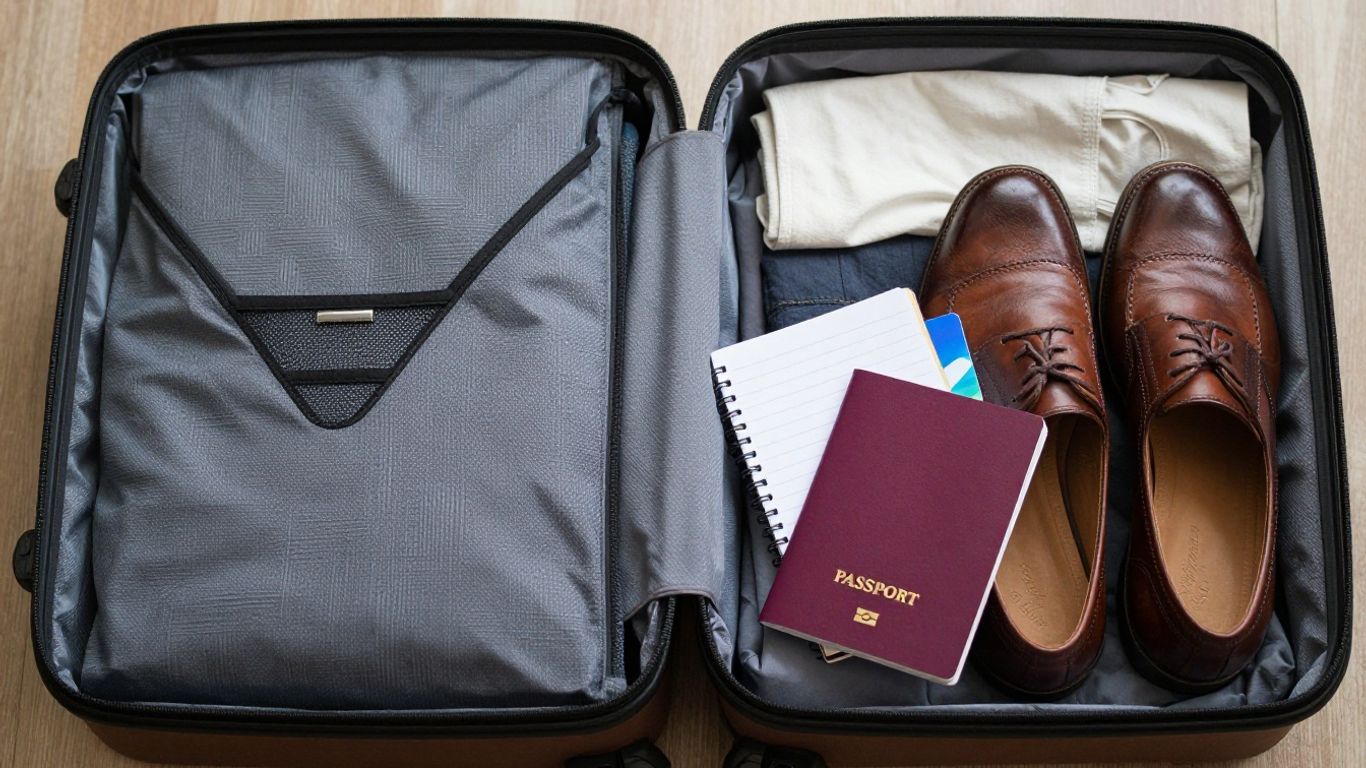 Organized luggage with travel essentials
Packing for a mobile lifestyle requires a shift toward efficiency and modularity. Your physical gear needs to be versatile enough to cover a variety of settings, such as moving from a professional environment to a casual evening event.
Choosing versatile and lightweight clothing
Focusing on fabrics that breathe and resist wrinkles is a primary concern for travelers moving between climates. Developing a cohesive and functional wardrobe allows you to mix and match limited items, ensuring you have enough outfit combinations to last for several weeks without feeling redundant. A few key items of high-quality gear make all the difference.
Essential tech gadgets for on-the-road productivity
Carrying lightweight hardware like universal adapters, noise-canceling headphones, and compact chargers keeps you prepared for any environment. These items occupy minimal space while providing the infrastructure you need to work or relax effectively no matter where you are.
Techniques for keeping a travel capsule wardrobe organized
Packing cubes serve as an essential organizational tool, allowing you to categorize clothing logically so you never have to empty your entire bag to find one shirt. Below is a suggested list of essential categories for an organized kit:
- Base layers that dry quickly after washing
- Outerwear suitable for sudden weather shifts
- Formal accessories for professional dining experiences
- Modular footwear for city walking and light hiking
The usage of these cubes makes packing and unpacking a matter of seconds rather than minutes.
Optimizing luggage space for frequent transitions
Maximizing space involves thinking about your gear as a puzzle. Soft-sided bags that can be compressed often work better than rigid suitcases for travelers who frequently take public transit or walk between transit hubs.
Budgeting effectively while on the move
Managing your finances on the road involves keeping a constant pulse on your spending. Dynamic pricing can easily derail your plans if you are not watching your daily totals carefully.
Strategies for avoiding dynamic pricing spikes
Prices often change based on your browser history or location, so using private browsing modes can often help keep costs lower during bookings. Comparison tools allow you to spot these spikes early, helping you move your reservations forward before the prices increase further.
Tracking spontaneous expenses in real time
Recording every small expense in a dedicated app ensures your daily totals never surprise you at the end of the week. This habit provides a clear picture of how much of your total budget remains, keeping you accountable during long trips.
Using virtual cards for secure international transactions
Virtual credit cards are a secure method for paying for local services without exposing your primary bank credentials. Many travelers appreciate the ability to generate a one-time card number for a specific booking, which adds a layer of security against potential fraud in unfamiliar payment systems.
Leveraging localized loyalty programs for immediate savings
Participating in local rewards programs can often lead to significant discounts on your daily needs. Below is a breakdown of common savings opportunities available across many regions:
| Program Type | Primary Benefit | Sample Savings |
|---|---|---|
| Regional Transit Cards | Reduced Fare | 15-25% |
| Coffee House Loyalty | Free Refills | 10% value |
| Culture Pass Cards | Site Access | 40% discount |
Taking advantage of these programs requires only a quick sign-up, often yielding benefits within your first hour of exploring a city.
Prioritizing health and comfort on the road
Maintaining your physical state while in constant motion is the greatest challenge of remote travel. Without a stable home base, you must be intentional about your choices to avoid the burn out that comes with excessive movement.
Maintaining nutritional habits without a kitchen
Accessing whole foods is more difficult when eating out constantly, but prioritizing fresh markets and grocery stores over processed takeaway helps you stay energized. Seeking out apartments with basic kitchenettes can offer a massive health boost by allowing you to prepare simple, nutritious meals for yourself.
Ergonomic solutions for long travel days
Sitting for extended periods on planes or trains can cause significant fatigue. Using portable cushions and maintaining a conscious posture, even in cramped seating, helps stabilize your back and neck. Investing in a small height-adjustable stand for your laptop or tablet is another effective way to maintain comfort while working in transit.
Finding reliable sleep environments at short notice
Sleep is the foundation of travel stamina; therefore, choosing a place to rest should never be a rushed decision. Reading reviews that mention ambient noise levels and bed quality can save you from a miserable night of fitful sleep. Many seasoned travelers carry a noise-canceling white noise machine to mask the sounds of busy urban environments, ensuring a restful environment regardless of the building's age.
Managing physical fatigue through strategic rest stops
Sometimes the best way to travel is to stop moving entirely for a day or two. Scheduling intentional rest days prevents exhaustion and allows your body to recover from the strain of transit routines. These periods of calm are just as important as the days you spend exploring new sights.
Conclusion
Successfully embarking on a vacation on go is less about constant activity and more about maintaining balance through smart digital habits and logistical preparation. By organizing your tools, managing your health, and keeping your budget transparent, you ensure that every journey is an opportunity for authentic experience rather than just stressful transit.
Frequently Asked Questions
How can I keep my travel documents safe while moving?
Keep physical copies hidden in a secondary bag and store encrypted digital versions in an offline-capable cloud storage app that you can access without an active internet connection.
Is it better to book accommodation in advance or last-minute?
It depends on your comfort with risk; booking long-term stays in advance provides security, while last-minute booking allows for maximum flexibility if you have the right tools to monitor price shifts.
How do you handle healthy eating when you never have a kitchen?
Focus the majority of your grocery shopping on ready-to-eat produce, nut butters, and high-quality protein snacks that require zero preparation so you can avoid relying exclusively on restaurant food.
How can I stay productive while on the road?
Designate specific windows of time for work and choose environments like quiet libraries or co-working spaces to ensure your focus remains sharp while you are away from your main office.
What should I look for in a travel bag?
Look for lightweight, durable materials with multiple compartments that allow you to reach your most important gear without needing to dump out your entire suitcase in a public space.
How do I deal with burnout from constant travel?
Identify when your energy begins to dip and force yourself to take a rest day where you refrain from sightseeing and prioritize sleep, light stretching, and low-stimulation activities.
Why is local transit navigation better than global map apps?
Local transit data is often updated more frequently by residents who move through the city every day, providing nuances like construction detours that global systems might miss.

Published by
SwappaHome
SwappaHome Editorial Team
Home Exchange & Slow Travel Editorial
The SwappaHome Editorial Team brings together travel research, home-exchange community insights, and platform data to produce practical guides for first-time and experienced home swappers. Every article cites real platforms, current market rates, and verifiable city-level facts so readers can make informed decisions without guessing.
Ready to try home swapping?
Join SwappaHome and start traveling by exchanging homes. Get 7 free credits when you sign up!