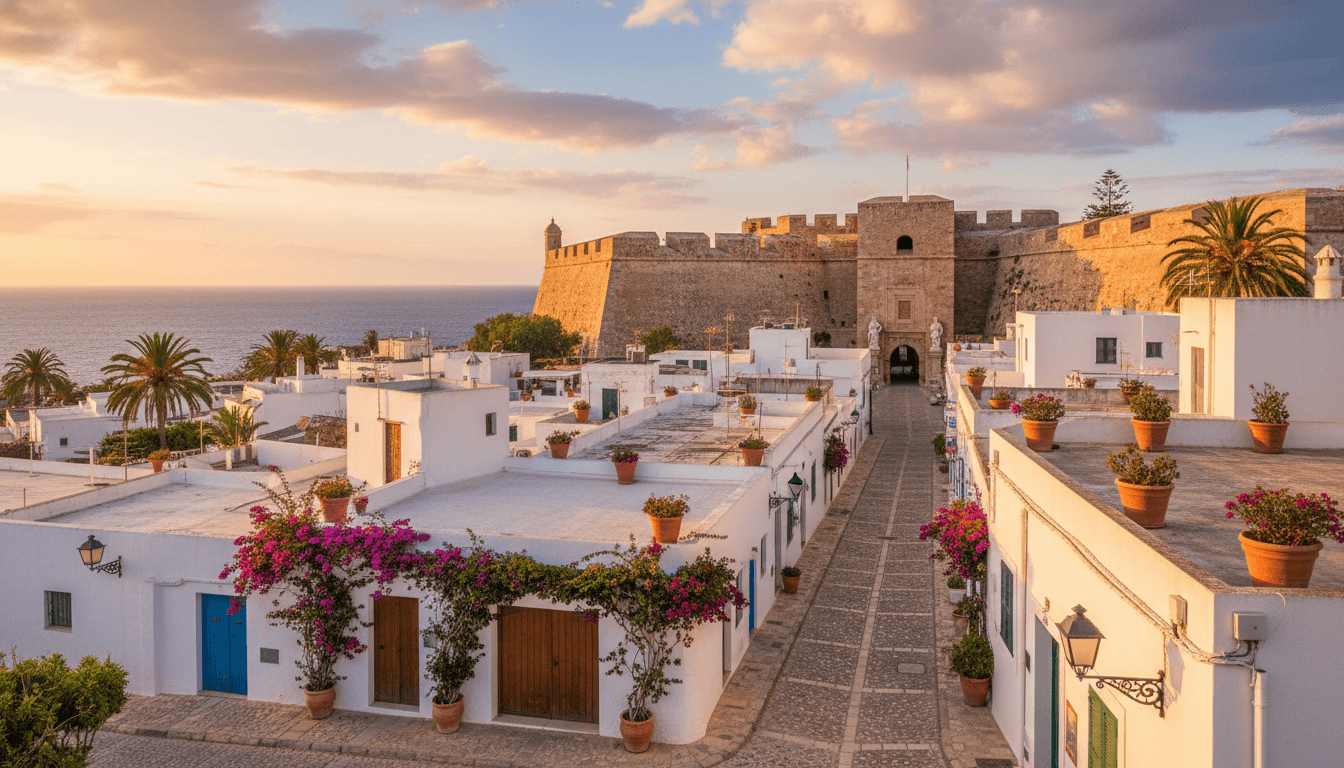
Ibiza for Remote Workers: Finding Home Exchanges with Perfect Workspaces

SwappaHome Editorial Team
Home Exchange & Slow Travel Editorial
Discover why Ibiza is the ultimate remote work destination and how home exchange gives you access to stunning workspaces without the hotel price tag.
I wasn't supposed to stay in Ibiza for six weeks. The plan was ten days—a quick escape from San Francisco's June gloom to finish editing a travel guide that had been haunting my to-do list for months. But then I walked into a whitewashed finca in Sant Joan, saw the converted stable that my host had turned into a home office with fiber optic internet and a view of almond orchards, and I knew I wasn't leaving anytime soon.
That was three years ago. Since then, Ibiza has become one of my most recommended destinations for remote workers—not for the clubs (though sure, those exist), but for something entirely different. This island has quietly transformed into a digital nomad haven with co-working spaces, reliable infrastructure, and a quality of life that makes grinding through spreadsheets feel almost meditative. And if you're strategic about it, home exchange can get you access to workspaces that would cost a fortune to rent.
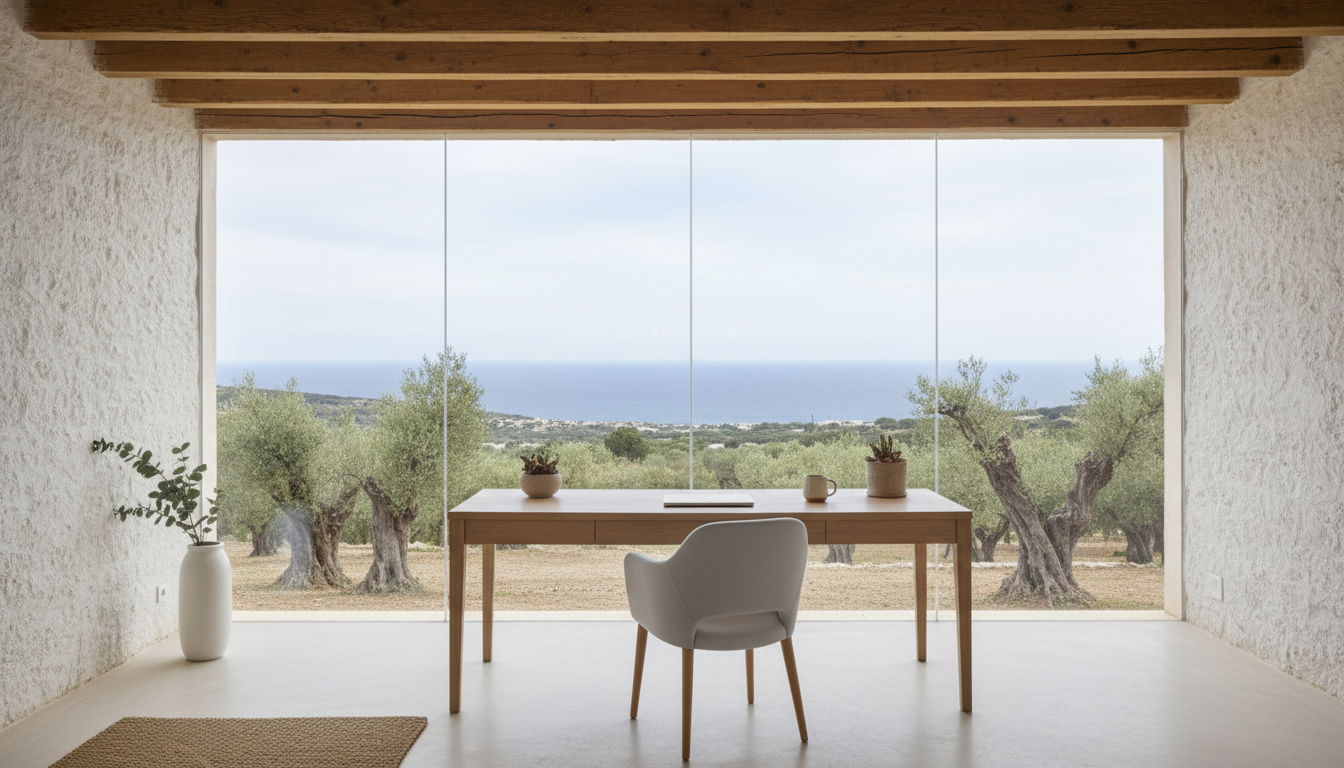 Minimalist home office in a traditional Ibiza finca with whitewashed walls, wooden beams, a modern d
Why Ibiza Works for Remote Workers (Beyond the Obvious)
Let me address the elephant in the room: yes, Ibiza has a reputation. Superclubs, foam parties, 72-hour benders—I get it. But here's what most people don't realize: 95% of the island has absolutely nothing to do with that scene. The northern half is all pine forests, hidden coves, and villages where the loudest sound is roosters at 6 AM.
The remote work infrastructure here has exploded in the past five years. Fiber optic internet reaches most of the island now—I've consistently gotten 200+ Mbps in properties that look like they haven't changed since the 1800s. The time zone works beautifully for European clients and remains manageable for East Coast US calls. And the cost of living, while not cheap, is significantly lower than you'd expect for a Mediterranean island with this level of natural beauty.
What really sold me, though, was the lifestyle integration. In Ibiza, the workday has a rhythm. Morning swim. Deep work until 2 PM. Long lunch (the Spanish way). Another work block. Sunset at a chiringuito with your laptop closed. It's not about working less—it's about working better.
The Best Areas in Ibiza for Remote Workers Doing Home Exchange
Not all parts of Ibiza are created equal for remote work. After multiple stays and way too many conversations with other digital nomads, here's my honest breakdown.
Santa Eulària des Riu: The Practical Choice
If productivity is your priority, Santa Eulària is probably your best bet. It's the island's third-largest town, which means reliable services, multiple co-working backup options, and enough restaurants that you won't get bored eating at the same three places.
The home exchange options here tend toward modern apartments and townhouses—less charming than rural fincas but often better equipped for serious work. Think dedicated desks, ergonomic chairs, proper lighting. I stayed in a two-bedroom apartment here for three weeks that had a home office setup better than mine in San Francisco. The owner was a UX designer who'd clearly thought through every detail.
Rental comparison: A similar apartment would run €1,800-2,500/month ($1,950-2,700 USD) in high season. Through SwappaHome, I spent 21 credits—essentially free if you've been hosting guests back home.
Sant Joan de Labritja: The Creative's Retreat
This is where I had my six-week accidental sabbatical, and it remains my favorite area for deep, focused work. Sant Joan is the least populated municipality on the island, all rolling hills and century-old farmhouses converted into stunning properties.
The trade-off? You'll need a car (non-negotiable), and you're 30+ minutes from anything resembling a town. But if you're the type who does your best work in solitude, surrounded by nature, with the occasional village café as your only social outlet—this is paradise.
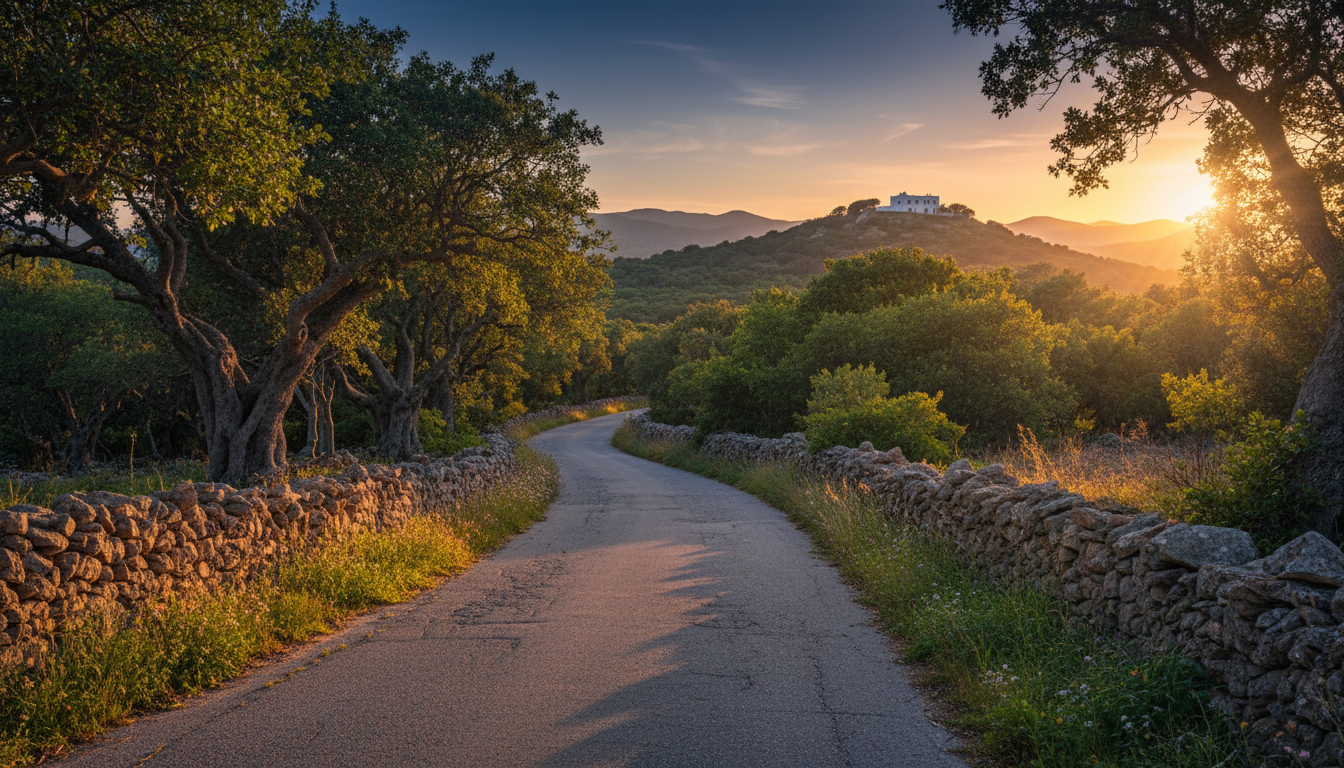 Winding country road through Sant Joans interior, lined with ancient stone walls and fig trees, a tr
Home exchanges here often come with outdoor workspaces that will ruin you for regular offices forever. I'm talking covered terraces with ceiling fans, converted outbuildings with stone walls that stay cool even in August, garden studios surrounded by bougainvillea. The internet situation is hit-or-miss though—always confirm fiber availability before committing.
Ibiza Town (Eivissa): For the Social Remote Worker
If you need human interaction to stay sane while working, Dalt Vila (the old town) and the Marina Botafoch area offer the best of both worlds. You're walking distance to co-working spaces, cafés with decent wifi, and an actual social scene that isn't just 22-year-olds on bachelor parties.
The home exchange properties in Ibiza Town tend to be smaller—apartments rather than houses—but the location premium is real. Being able to walk to dinner, stumble upon a jazz night at a random bar, or grab morning coffee from a local roaster adds something to the remote work experience that isolation doesn't provide.
Fair warning: July and August in Ibiza Town are chaotic. The cruise ships dock here, and the old town becomes a tourist gauntlet. If you're planning a summer stay, I'd avoid the historic center and look for properties in the quieter residential areas like Jesús or Talamanca.
What Makes a Perfect Remote Work Home Exchange
After doing this for years, I've developed a checklist that I run through before committing to any home exchange for work purposes. Not all of these are deal-breakers, but the more boxes you can tick, the better your productivity will be.
The Non-Negotiables
Internet speed and reliability come first, always. I ask hosts for a screenshot of a speed test, and I specifically ask about upload speeds (crucial for video calls). In Ibiza, anything above 50 Mbps download and 10 Mbps upload is workable. Below that, and you're gambling with your Zoom reputation.
A dedicated workspace matters more than you think. I've tried working from kitchen tables, bedroom corners, and that one disastrous week on a "cozy reading nook" that destroyed my back. Look for properties that explicitly mention home offices, studies, or dedicated desk areas in their listings.
Air conditioning or excellent ventilation is essential for summer stays. Ibiza gets properly hot from June through September—we're talking 35°C (95°F) days. Trying to focus while sweating through your shirt is a special kind of misery.
The Nice-to-Haves
A second monitor or the space to set one up makes a real difference. I travel with a portable monitor now, but having a proper dual-screen setup waiting for me is a luxury that genuinely improves my output.
Outdoor workspace options for when you need a change of scenery can be a game-changer too. Even a small balcony with shade can break up the monotony of staring at the same wall for eight hours. And proximity to a backup workspace—whether that's a co-working space, a café with reliable wifi, or even a hotel lobby you can duck into if your internet dies during an important call—provides peace of mind.
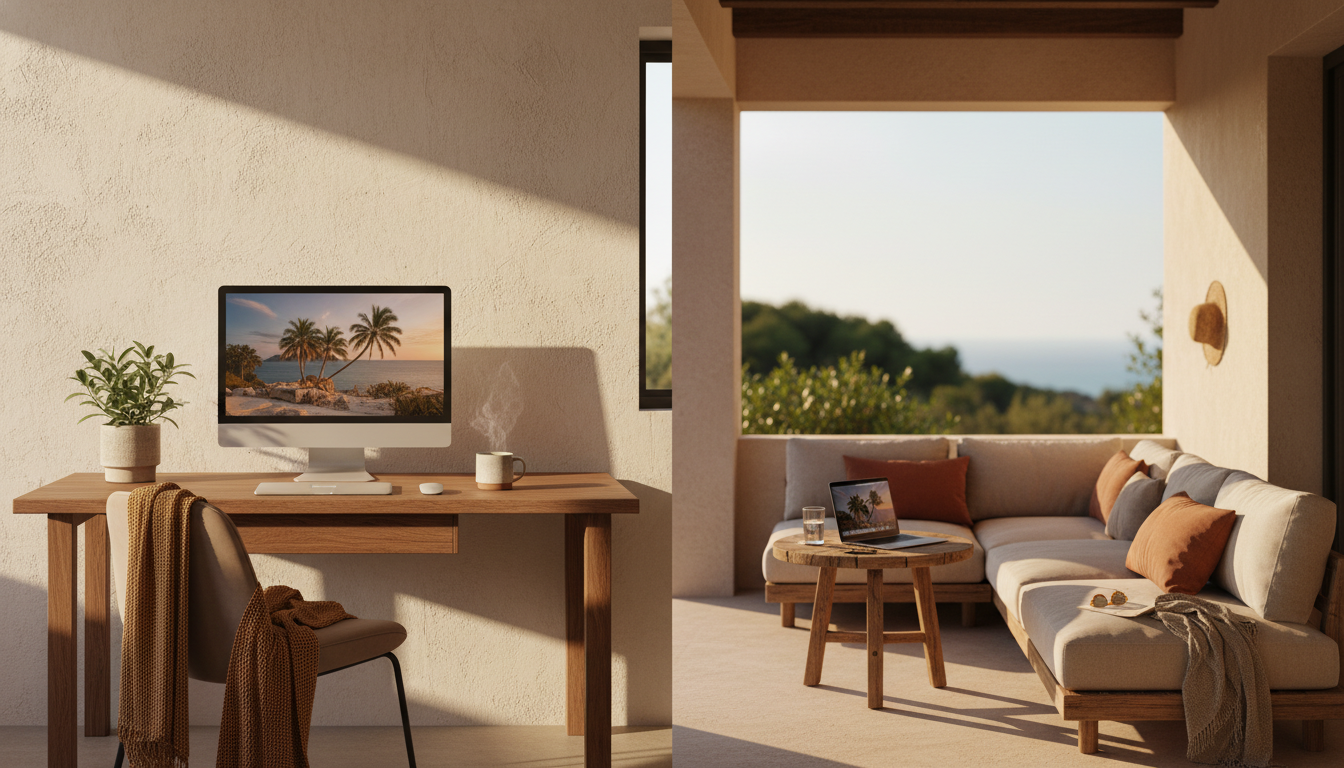 Split view showing an indoor home office with modern desk setup on the left, and the same spaces adj
Setting Up Your Ibiza Remote Work Home Exchange
Here's where I get tactical. Finding the right property isn't just about browsing listings—it's about asking the right questions and setting expectations clearly.
The Initial Outreach
When I message potential hosts on SwappaHome, I'm upfront about my work situation. Something like: "I'm a remote worker planning to spend 3-4 weeks in Ibiza. I'll be working roughly 9 AM to 6 PM most days, so a quiet environment and reliable internet are essential. Could you tell me about your wifi setup and whether there's a dedicated workspace?"
This does two things: it filters out properties that won't work, and it signals to hosts that you're a responsible guest who won't be throwing parties. Homeowners love remote workers—we're quiet, we're home during the day (added security), and we treat the space like our own office.
Questions to Ask Before Confirming
I always ask about the internet provider and plan. In Ibiza, Movistar and Vodafone fiber are the gold standards. If they mention "rural internet" or "4G backup," dig deeper—those can be fine or terrible depending on the specific location.
Ask about the neighborhood noise situation. Is there construction nearby? A neighbor with barking dogs? A rooster situation? (Roosters are charming for about 48 hours, then they're an alarm clock you can't turn off.)
Confirm the electrical setup if you're bringing equipment. Spanish outlets are Type F (the round two-pin European standard). Older fincas sometimes have limited outlets in certain rooms, which matters if you're running a laptop, monitor, phone charger, and backup battery simultaneously.
Timing Your Stay
For remote work, I'd argue the best months are May, June, September, and October. The weather is warm but not brutal, the island isn't overrun with tourists, and you'll have your pick of home exchange options.
July and August work if you're in the north or interior, but prices for everything—restaurants, car rentals, groceries—spike significantly. January through March can be surprisingly pleasant, with sunny days in the mid-teens Celsius, but some businesses close for the off-season and the social scene is minimal.
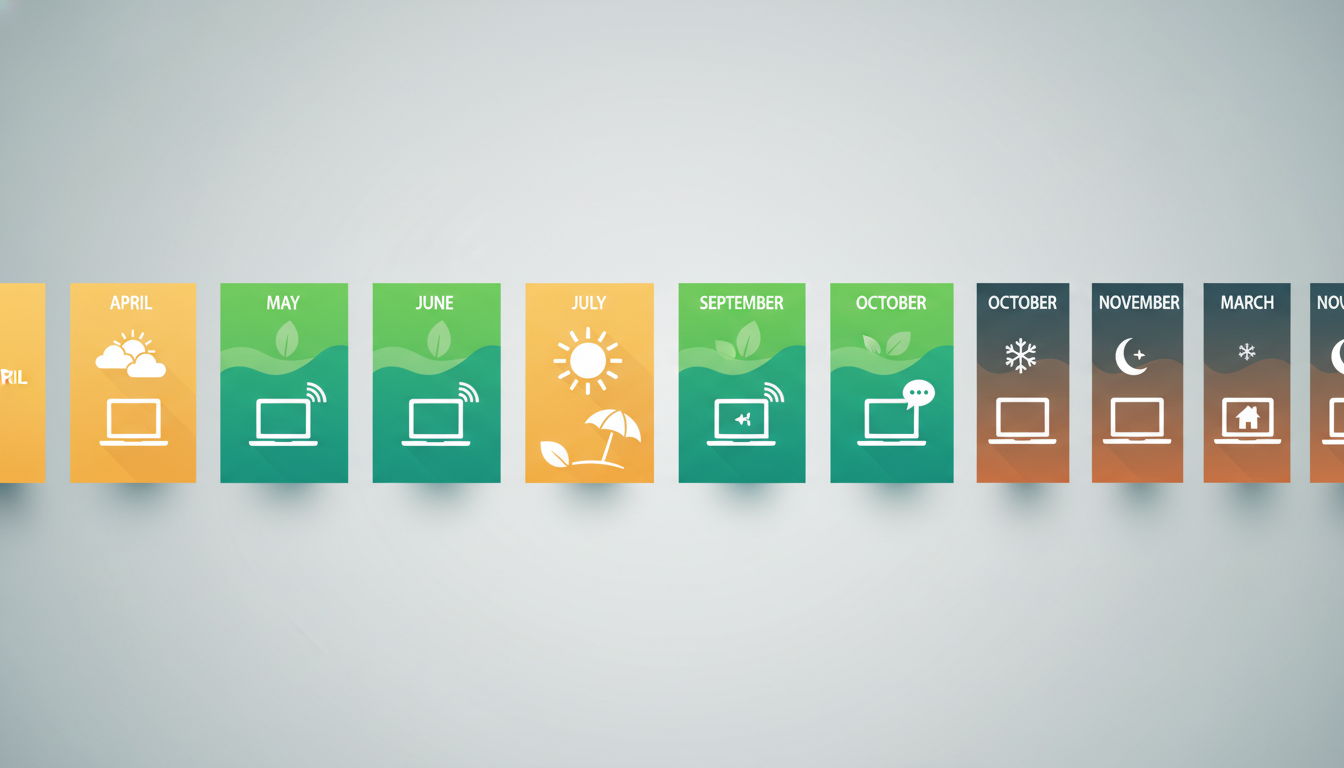 Calendar-style infographic showing Ibizas months color-coded by remote work suitability green for Ma
The Co-Working Scene as Your Backup Plan
Even with a perfect home exchange setup, having co-working options in your back pocket is smart. Ibiza's scene has grown considerably, and these spaces double as networking hubs for the island's creative and entrepreneurial community.
Ibiza Co-Working in Santa Eulària is the most established option. Day passes run around €25 ($27 USD), and monthly memberships are €200-350 ($215-380 USD) depending on the plan. The space is modern, the internet is rock-solid, and there's a genuine community of regulars.
La Nave Ibiza functions more as a creative collective than a traditional co-working space, but they rent desks and have an interesting mix of artists, designers, and tech folks. It's in San Antonio, which isn't my favorite area, but the space itself is worth checking out.
Hostal La Torre isn't a co-working space per se, but this clifftop hotel near San Antonio lets non-guests use their terrace and wifi for the price of a coffee. The sunset views are legendary, and I've had some of my most productive late-afternoon work sessions there.
Most cafés in Ibiza are not great for working—the wifi is spotty, outlets are scarce, and the culture doesn't really support camping out for hours. The exception is Passion Café in Marina Botafoch, which has fast wifi, plenty of seating, and a health-food menu that won't put you in a carb coma mid-afternoon.
Real Costs: What to Budget for Remote Work in Ibiza
Let's talk money, because Ibiza's reputation as expensive isn't entirely unearned—but it's more nuanced than people think.
Accommodation (The Home Exchange Advantage)
This is where home exchange changes the equation entirely. A decent one-bedroom apartment suitable for remote work runs €1,500-2,500/month ($1,620-2,700 USD) in shoulder season, €2,500-4,000/month ($2,700-4,320 USD) in summer. A proper finca with a home office? You're looking at €3,000-6,000/month ($3,240-6,480 USD) minimum.
Through SwappaHome, you're spending credits you've earned by hosting—effectively making your accommodation free. Over a month-long stay, that's potentially $2,000-5,000 in savings. That's not nothing.
Living Expenses
Groceries are reasonable if you shop at Mercadona or Lidl rather than the tourist-oriented shops. Budget €60-80/week ($65-85 USD) for one person cooking most meals at home.
Eating out varies wildly. A menu del día (lunch special) at a local spot runs €12-18 ($13-19 USD). Dinner at a mid-range restaurant is €30-50 ($32-54 USD) per person with wine. The fancy beach clubs and Michelin-starred places can easily hit €150+ ($160+ USD) per person, but you don't need those to have a great time.
Car rental is almost essential outside of Ibiza Town. Budget €400-600/month ($430-650 USD) in shoulder season, €600-900/month ($650-970 USD) in summer. Book early—inventory gets tight.
 Cozy breakfast scene on a sunny terrace with fresh orange juice, local bread, and a laptop pushed to
Making the Most of Your Non-Working Hours
One of the best things about remote work in Ibiza is how easy it is to have a life outside of your laptop. The island is small enough that nothing is more than 45 minutes away, which means you can legitimately finish work at 6 PM, drive to a sunset beach, and be back home for dinner.
Morning Rituals
I'm a morning swimmer when I'm in Ibiza. The beaches are empty before 9 AM, the water is calm, and there's something about starting the day with salt on your skin that makes the work hours feel more earned. Cala Mastella in the northeast and Cala Saladeta in the northwest are my favorites—small, not too crowded even in season, and genuinely beautiful.
Midday Breaks
The Spanish lunch break exists for a reason. I try to take at least an hour away from screens between 2-3 PM—a walk, a proper sit-down meal, even just lying in a hammock and staring at trees. It sounds indulgent, but I consistently do better afternoon work when I've actually stepped away.
After-Work Decompression
Sunset is sacred in Ibiza. The whole island seems to pause for it. My favorite spots are Cala Comte (crowded but worth it), the cliffs near Es Vedrà (mystical energy, whether you believe in that or not), and honestly just the roof terrace of whatever home exchange I'm staying in.
The restaurant scene has gotten genuinely good beyond the beach clubs. Can Pilot in San Rafael does traditional Ibizan cuisine that'll make you emotional. Es Torrent is a splurge-worthy seafood spot right on the beach. Wild Beets in Santa Gertrudis is where all the health-conscious digital nomads end up eventually.
The Community Aspect: Meeting Other Remote Workers
Ibiza has developed a legitimate remote work community, though it's more diffuse than places like Lisbon or Bali. The co-working spaces mentioned earlier are good starting points, but the real connections often happen more organically.
The Wednesday market in Sant Joan is a gathering point for the island's alternative/creative community. It's part farmers market, part social event, part impromptu networking opportunity. I've met more interesting people there than at any organized "digital nomad meetup."
Santa Gertrudis has become the unofficial hub for the island's creative class. The main square has a handful of cafés where you'll see the same faces repeatedly—designers, photographers, entrepreneurs, artists. It's the kind of place where a coffee can turn into a three-hour conversation about someone's startup.
Practical Logistics for Remote Workers in Ibiza
Getting There
Ibiza Airport (IBZ) has direct flights from most major European cities. From the US, you'll typically connect through Madrid, Barcelona, or London. Flight prices vary wildly—I've paid €30 from Barcelona and €300 from the same route two weeks later. Flexibility helps.
Visa Considerations
Spain is part of the Schengen Area, so the standard 90-days-in-180-days rule applies for most non-EU visitors. If you're planning a longer stay, Spain now offers a Digital Nomad Visa that allows remote workers to stay up to a year (renewable). The requirements include proving remote employment or freelance income of at least €2,000/month ($2,160 USD).
Health and Safety
Ibiza is extremely safe. The biggest "dangers" are sunburn, dehydration, and the occasional jellyfish. The public healthcare system is good, and there are private clinics in Ibiza Town and Santa Eulària for anything non-emergency.
Travel insurance that covers your equipment is worth considering, especially if you're traveling with expensive gear. I use SafetyWing, which has a specific plan for remote workers that covers laptops and cameras.
Why Home Exchange Makes Ibiza Remote Work Actually Viable
Here's my honest take: Ibiza as a remote work destination only makes financial sense if you're not paying market rate for accommodation. The island is expensive enough that €2,000-4,000/month on rent alone would push it out of reach for most people.
Home exchange flips that equation. Through SwappaHome, I've stayed in properties that would have cost me thousands—the finca in Sant Joan, a modern apartment in Marina Botafoch with a dedicated office, a farmhouse near Santa Gertrudis with a converted studio space. Each time, I spent credits I'd earned by hosting guests in San Francisco.
The system works especially well for Ibiza because the island attracts people who want to experience San Francisco, New York, London—the kinds of places where SwappaHome members tend to live. Your urban apartment is exactly what an Ibiza homeowner wants for their city break, and their Mediterranean retreat is exactly what you need for productive remote work.
Making It Happen: A Realistic Timeline
If you're serious about doing a remote work stint in Ibiza through home exchange, here's how I'd approach the timeline.
3-4 months before: Start browsing SwappaHome for Ibiza properties. Message hosts whose places look promising, even if you're not ready to commit. Building relationships early gives you better options.
2 months before: Confirm your exchange. Book flights once you have accommodation locked in—prices are better with advance booking anyway.
1 month before: Sort out logistics. Arrange car rental if needed. Research co-working spaces as backup. Make a list of questions for your host about the workspace setup.
1 week before: Final coordination with your host. Get specific instructions for internet, any quirks of the workspace, and local recommendations.
Day 1: Resist the urge to explore immediately. Set up your workspace, test the internet, make sure everything works. Then go enjoy that sunset.
Three years after that accidental six-week stay, I still think about that finca in Sant Joan. The way the morning light hit the converted stable office. The silence broken only by birdsong. The feeling of doing genuinely good work in a place that felt like it was designed for creativity.
Ibiza isn't the obvious choice for remote work—and maybe that's exactly why it works so well. The island forces you to slow down, to find rhythm, to remember that productivity isn't about hours logged but about what you actually create. Combined with home exchange, it becomes accessible in a way that pure rental never would be.
If you're considering it, my advice is simple: just go. Find a property on SwappaHome with a good workspace and reliable internet. Book a month. See what happens when you let the island's pace seep into your work life.
You might not leave when you planned to. And honestly? That's probably fine.
Frequently Asked Questions
Is Ibiza good for remote workers?
Absolutely. Ibiza offers reliable fiber optic internet across most of the island, a growing co-working scene, and a lifestyle that genuinely balances productivity with quality of life. The northern and interior areas provide quiet, focused environments, while towns like Santa Eulària offer more social options. You'll want a car for mobility, and timing your stay outside peak summer months will give you better value—but the infrastructure is solid.
How much does it cost to live in Ibiza as a digital nomad?
Budget €2,500-4,000/month ($2,700-4,320 USD) for a comfortable remote work lifestyle, including accommodation, car rental, food, and entertainment. Accommodation eats up the biggest chunk—rentals run €1,500-4,000/month depending on season and location. Home exchange through platforms like SwappaHome can eliminate that cost entirely, which honestly makes the whole thing much more realistic for most people.
What internet speed can I expect in Ibiza for remote work?
Most populated areas now have fiber optic with speeds of 100-600 Mbps. Movistar and Vodafone are the main providers with the most reliable coverage. Rural properties in the interior may have slower connections or rely on 4G—always confirm internet specs with your host before booking. I've been burned by vague "good wifi" descriptions before.
What's the best area in Ibiza for remote workers?
It depends on what you need. Santa Eulària des Riu offers the best balance of reliable infrastructure, co-working options, and livability. Sant Joan de Labritja suits those who prefer rural solitude and deep focus work. Ibiza Town works if you're a social remote worker who wants walkable access to cafés, restaurants, and nightlife. Each has distinct trade-offs.
Do I need a car to work remotely in Ibiza?
Yes—unless you're staying exclusively in Ibiza Town. Public transportation is limited and infrequent, and ride-sharing services are unreliable outside urban areas. Budget €400-900/month ($430-970 USD) for car rental depending on season, and book well in advance for summer stays when inventory becomes scarce.

Published by
SwappaHome
SwappaHome Editorial Team
Home Exchange & Slow Travel Editorial
The SwappaHome Editorial Team brings together travel research, home-exchange community insights, and platform data to produce practical guides for first-time and experienced home swappers. Every article cites real platforms, current market rates, and verifiable city-level facts so readers can make informed decisions without guessing.
Ready to try home swapping?
Join SwappaHome and start traveling by exchanging homes. Get 7 free credits when you sign up!
Related articles
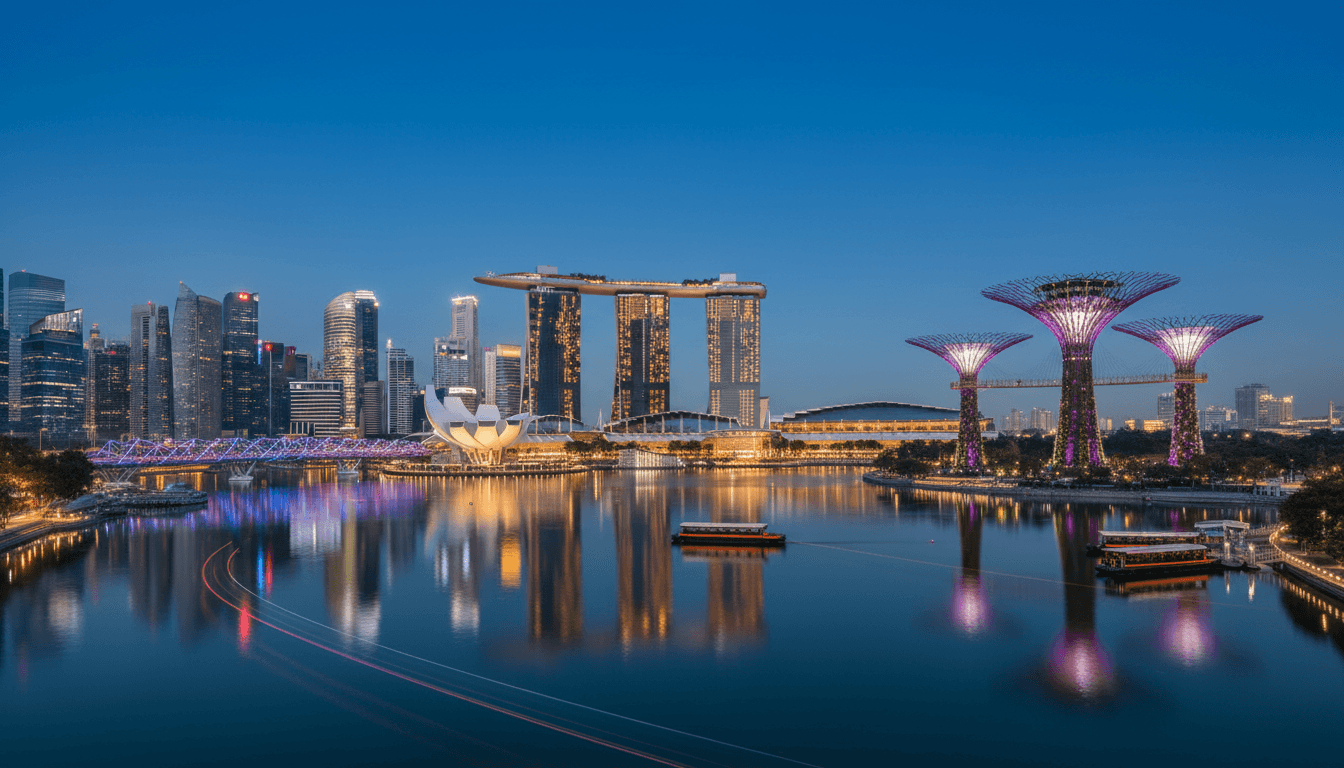
Bachelor and Bachelorette Parties in Singapore: The Complete Home Swap Group Guide for 2026
Planning a bachelor or bachelorette party in Singapore? Discover how home swapping lets groups of 6-12 stay together in luxury condos, saving thousands while partying in Marina Bay.
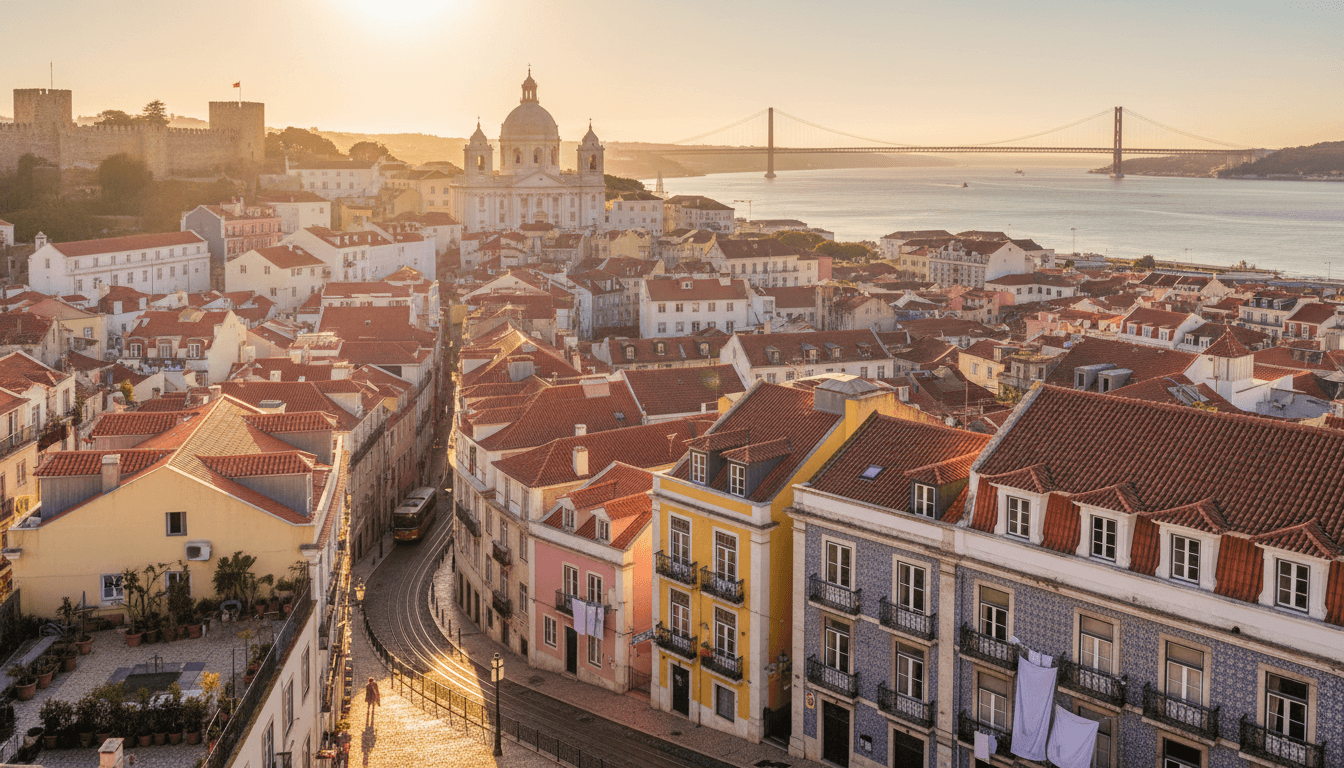
Cycling in Lisbon: 7 Home Swap Bike Tour Itineraries for Every Rider
Discover the best cycling routes in Lisbon with these home swap bike tour itineraries—from waterfront paths to hilltop adventures, all starting from your borrowed home.
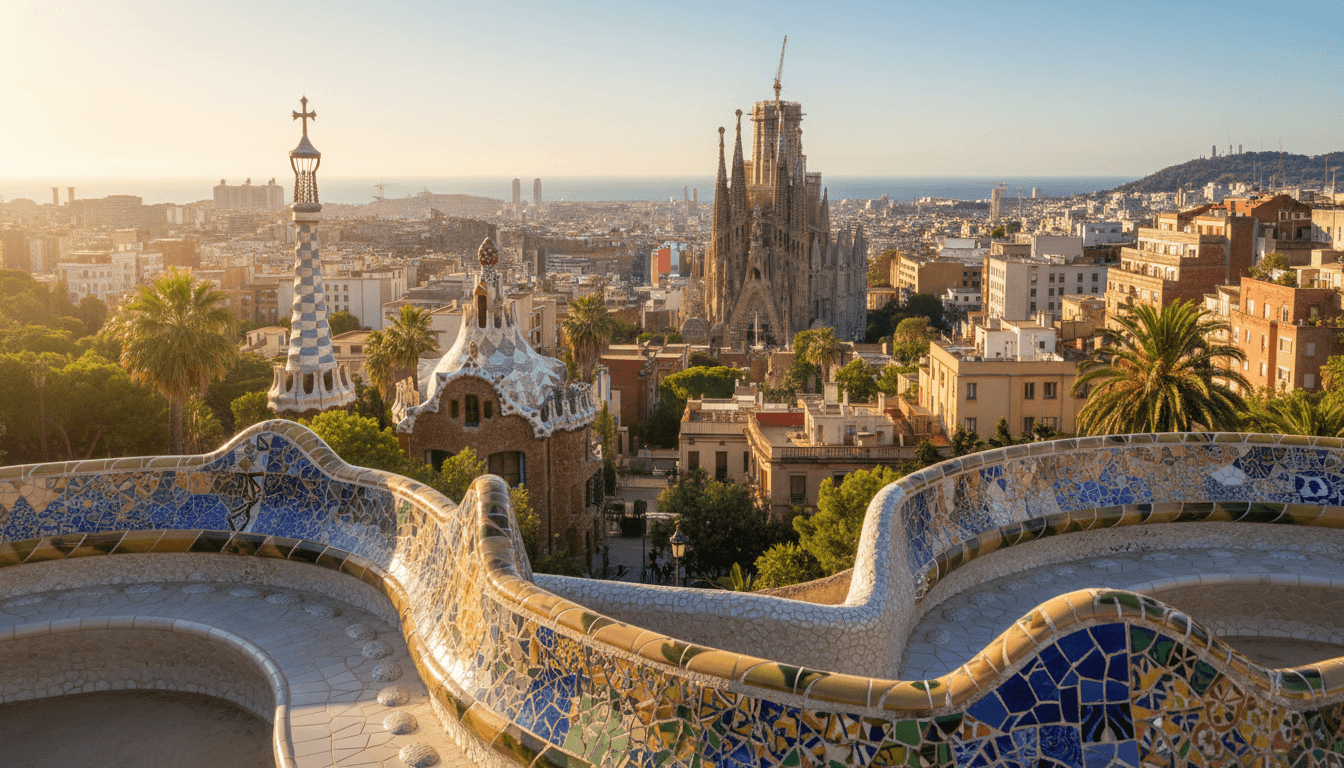
Graduation Trip to Barcelona: How Home Swapping Gives New Graduates the Ultimate Celebration
Planning a graduation trip to Barcelona? Discover how home swapping lets new graduates explore Spain's most vibrant city without the hostel crowds or hotel costs.