
Lima Alone: Home Exchange Tips for Solo Travelers Exploring Peru's Capital

SwappaHome Editorial Team
Home Exchange & Slow Travel Editorial
Solo travel to Lima hits different with home exchange. Insider tips on neighborhoods, safety, and finding your perfect swap in Peru's foodie capital.
The ceviche was so fresh it practically sparkled, and I was eating it at 10 AM on a Tuesday in someone's sunny Barranco kitchen. That's the thing about home exchange for solo travelers in Lima—you end up doing things you'd never do in a hotel. Like making friends with the neighbor who insisted I try her grandmother's anticuchos recipe. Or discovering that the best view of the Pacific sunset wasn't from any tourist spot, but from the rooftop terrace of my swap home in Miraflores.
I've been doing home swaps solo for almost five years now, and Lima remains one of my favorite experiences. There's something about having your own space in a foreign city that transforms solo travel from "brave" to genuinely comfortable. You're not just visiting Lima—you're temporarily living there. And trust me, that distinction matters more than you'd think.
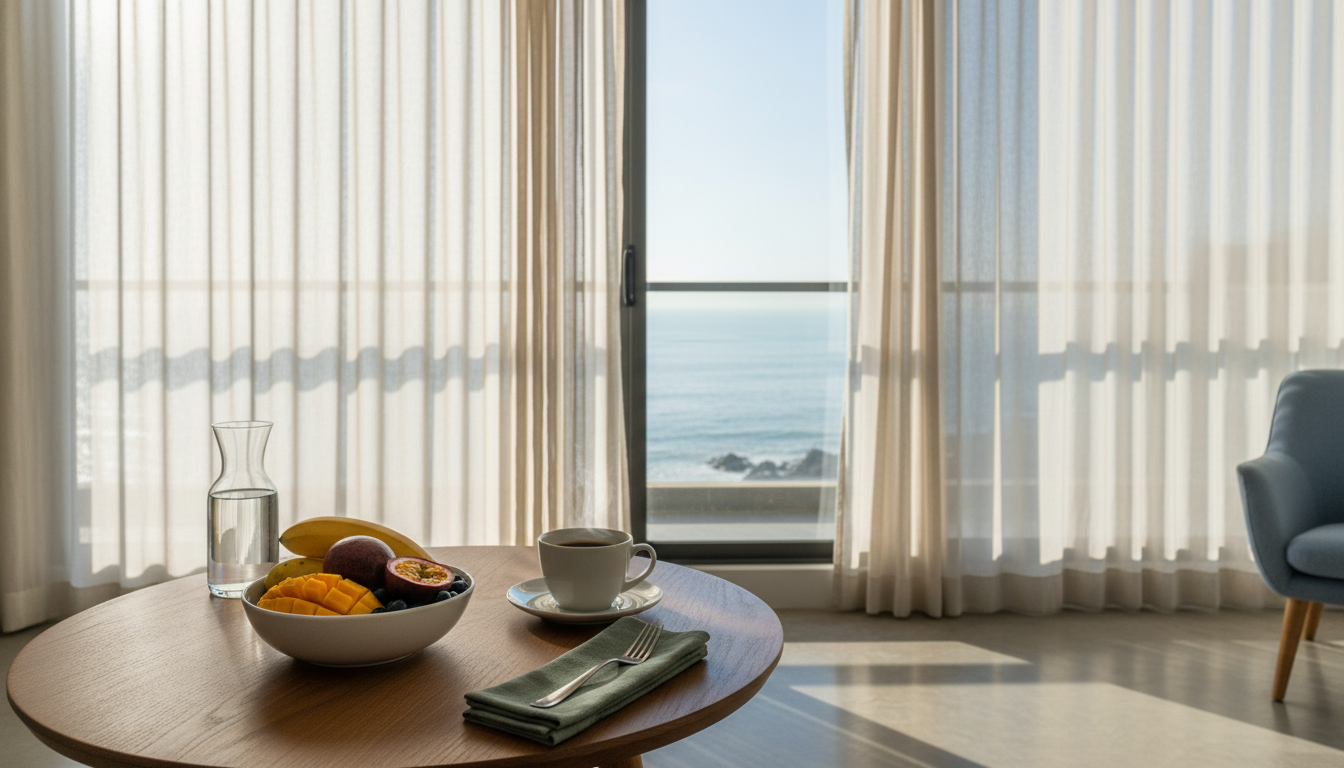 Morning light streaming through a modern apartment window in Miraflores, with a small breakfast tabl
Why Home Exchange Works Perfectly for Solo Travelers in Lima
Here's something nobody tells you about solo travel: hotels can be weirdly isolating. You're surrounded by people, sure, but you're also surrounded by the constant reminder that you're paying premium prices to be alone in a small room. In Lima, where a decent hotel in a safe neighborhood runs $80-150 USD per night, that math gets depressing fast.
Home exchange flips the script entirely. Instead of hemorrhaging money on accommodation, you're earning credits by hosting travelers in your own home, then spending those credits to stay in Lima. On SwappaHome, it's beautifully simple—1 credit equals 1 night, regardless of whether you're staying in a studio in Pueblo Libre or a three-bedroom apartment in San Isidro. No complicated pricing tiers. No surge rates during Mistura food festival season.
But the real magic isn't financial—it's social.
When you're staying in someone's home, you inherit their neighborhood. The security guard who waves good morning. The corner bodega owner who starts recognizing you. The café where locals actually go, not the one with the English menu and inflated prices. For solo travelers, this instant community is worth more than any hotel concierge service.
I remember my first morning in Lima. My host had left detailed notes about the neighborhood, including which panadería had the best pan de yema (spoiler: it was the tiny one with no sign, three blocks east). By day two, the woman working there was asking about my day. That doesn't happen when you're staying at the Marriott.
Best Lima Neighborhoods for Solo Home Exchange
Choosing where to stay in Lima as a solo traveler isn't just about safety—though that matters—it's about finding a neighborhood that matches your travel style. After three separate trips and countless conversations with other solo swappers, I've got opinions.
Miraflores: The Safe Bet That's Actually Worth It
Yes, Miraflores is the most tourist-friendly neighborhood. Yes, you'll hear more English here than anywhere else in Lima. But here's the thing—there's a reason solo travelers keep coming back.
The malecón (that gorgeous coastal boardwalk) is perfect for morning runs or evening walks when you need to clear your head. Parque Kennedy is always lively, so you never feel like you're the only person out at 9 PM. And the density of excellent restaurants means you can eat incredibly well without ever feeling awkward about dining alone.
Home exchange options here tend to be modern apartments, many with ocean views. Expect well-maintained buildings with security, reliable WiFi, and kitchens actually designed for cooking—not just reheating. Comparable hotels in this area run $100-180 USD per night, so your credits stretch far.
My favorite Miraflores swap was a compact one-bedroom on Calle Berlín, close enough to the action to walk everywhere but on a quiet enough street that I actually slept well. The host had left me her gym membership card. Small gesture, huge impact on my daily routine.
Barranco: For the Creatively Inclined Solo Traveler
If Miraflores is Lima's responsible older sibling, Barranco is the artsy one who stayed out too late and has better stories. This bohemian neighborhood is packed with galleries, street art, live music venues, and some of Lima's most innovative restaurants.
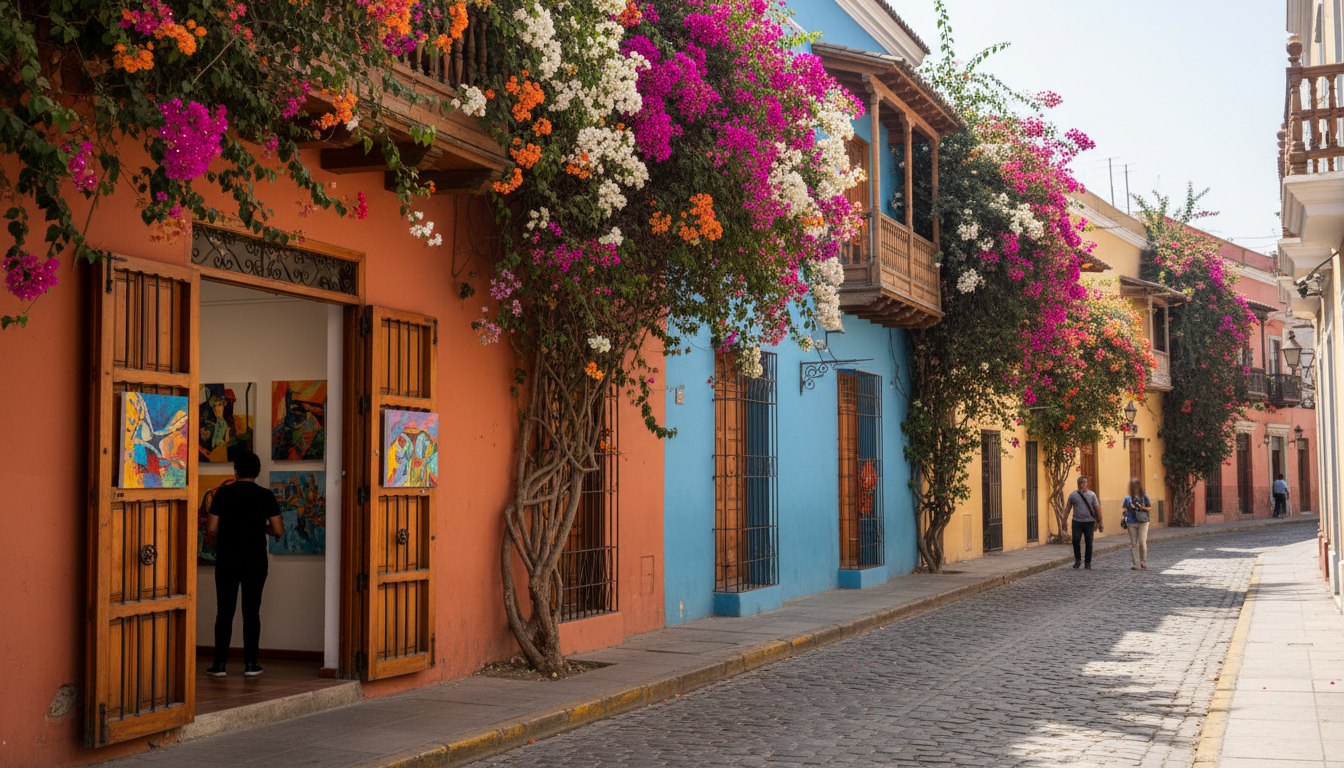 Colorful colonial buildings along a cobblestone street in Barranco, with bougainvillea spilling over
Solo travelers thrive here because Barranco has a natural social energy. Grab a pisco sour at Ayahuasca (yes, that's really its name—it's in a restored mansion, and it's spectacular) and you'll probably end up chatting with fellow travelers or friendly locals. The neighborhood is walkable, relatively safe, and has that perfect blend of gritty and gentrified.
Home exchanges in Barranco often come with character—think high ceilings, original tile work, quirky layouts. You might sacrifice some modern amenities for atmosphere, but for many solo travelers, that's a worthwhile trade.
One caveat: Barranco gets loud on weekends. If you're a light sleeper, ask your potential host about noise levels before confirming.
San Isidro: The Quiet Professional's Choice
San Isidro is Lima's financial district, which sounds boring until you realize what that means for solo travelers: excellent infrastructure, extremely safe streets, beautiful parks, and restaurants catering to people who actually live here rather than tourists.
El Olivar park is genuinely stunning—ancient olive trees, peaceful paths, and some of Lima's best upscale dining options nearby. If you're a solo traveler who works remotely, San Isidro's reliable internet and café culture make it ideal for balancing work and exploration.
Home exchanges here tend to be in well-appointed apartment buildings, often with amenities like pools, gyms, and 24-hour security. It's quieter and more residential than Miraflores or Barranco, which can be exactly what you want after a long day of exploring.
Pueblo Libre: The Budget-Conscious Culture Lover
Want to stretch your credits even further? Pueblo Libre offers a more local experience at lower cost. This residential neighborhood is home to two of Lima's best museums—the Larco Museum and the National Museum of Archaeology—and has a distinctly un-touristy vibe.
You'll need to use taxis or the Metropolitano bus more here, but the trade-off is experiencing Lima as Limeños actually live it. Markets are cheaper, restaurants are more casual, and you'll practice your Spanish whether you planned to or not.
Honestly, I'd recommend Pueblo Libre for solo travelers on their second or third Lima visit, or for those who genuinely prefer local immersion over convenience.
How to Find the Perfect Lima Home Exchange as a Solo Traveler
Searching for a home swap when you're traveling alone requires a slightly different approach than couples or families. Here's what I've learned works.
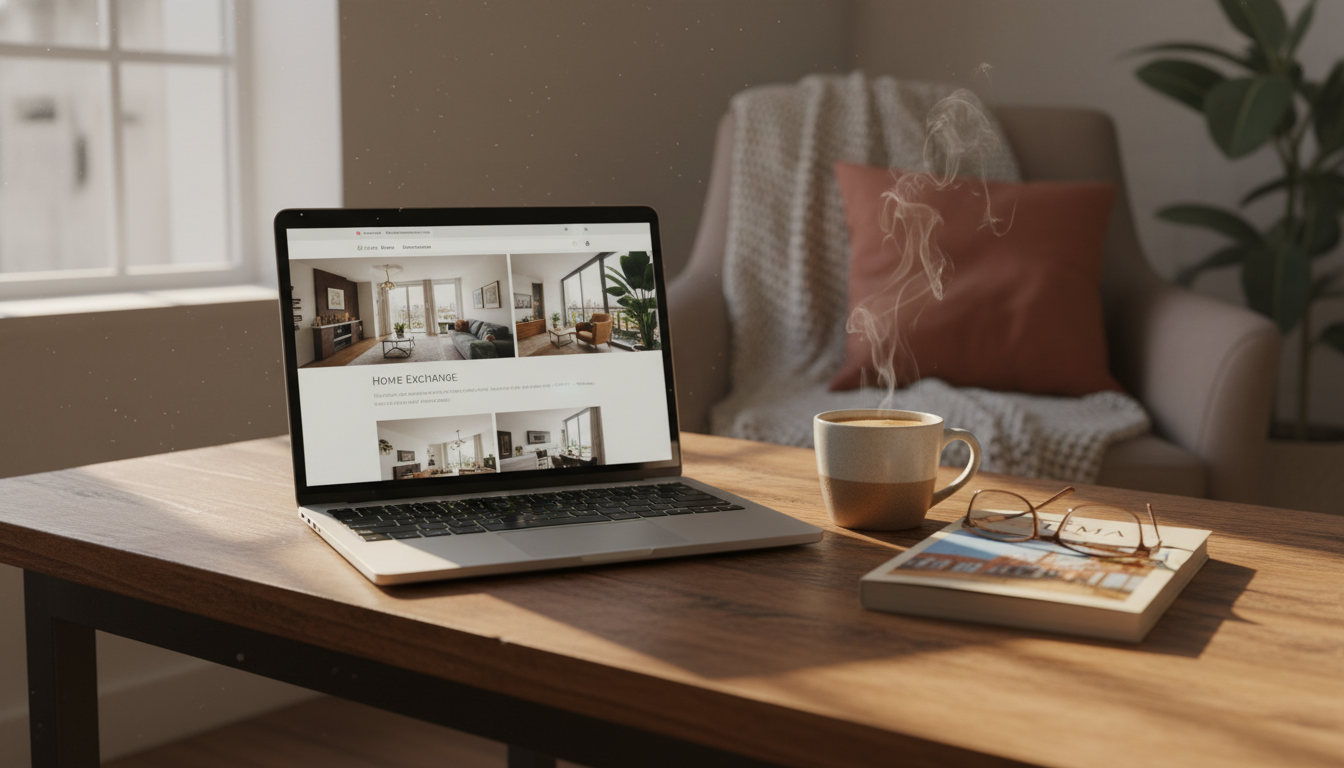 Laptop open on a wooden table showing a home exchange listing, with a cup of coffee and Lima travel
First, be upfront in your profile about being a solo traveler. Some hosts specifically welcome solo guests because it means less wear on their space and often more respectful treatment of their belongings. Others prefer families or couples. Knowing this upfront saves everyone time.
When browsing listings, pay attention to the details that matter for solo safety and comfort. Does the building have secure entry? Is the neighborhood walkable at night? Are there restaurants and shops within easy distance, or will you need transportation for everything?
I always message potential hosts with specific questions: "What's the neighborhood like after dark?" "Are there any areas nearby I should avoid?" "What's your honest assessment of how safe a solo female traveler would feel here?" Good hosts appreciate the directness and give genuinely helpful answers.
On SwappaHome, the review system is your friend. Look for hosts who've received reviews from other solo travelers—their experiences will be most relevant to yours. And don't be shy about reaching out to those reviewers through the platform to ask follow-up questions.
One thing I've learned: smaller spaces often work better for solo travelers. You don't need three bedrooms, and a cozy one-bedroom or studio means less space to maintain and often a more central location. Plus, hosts with smaller spaces are sometimes more flexible with dates since they're not holding out for larger groups.
Solo Safety: Real Talk About Lima Home Exchange
Let's address the elephant in the room. Lima has a reputation, and some of it is earned. Petty theft happens. Certain neighborhoods require more caution than others. As a solo traveler, you need to be smart.
But here's my honest assessment after multiple solo trips: Lima is significantly safer than its reputation suggests, especially in the neighborhoods where most home exchanges are located. Miraflores and San Isidro are genuinely safe for walking around, even at night. Barranco requires a bit more awareness after dark but is still very manageable.
The home exchange advantage for safety is real. You're staying in residential buildings where security guards know the residents. You have a local contact—your host—who can answer questions and provide guidance. You're not obviously a tourist staying in a hotel. You're just someone going about their day in a neighborhood where you belong.
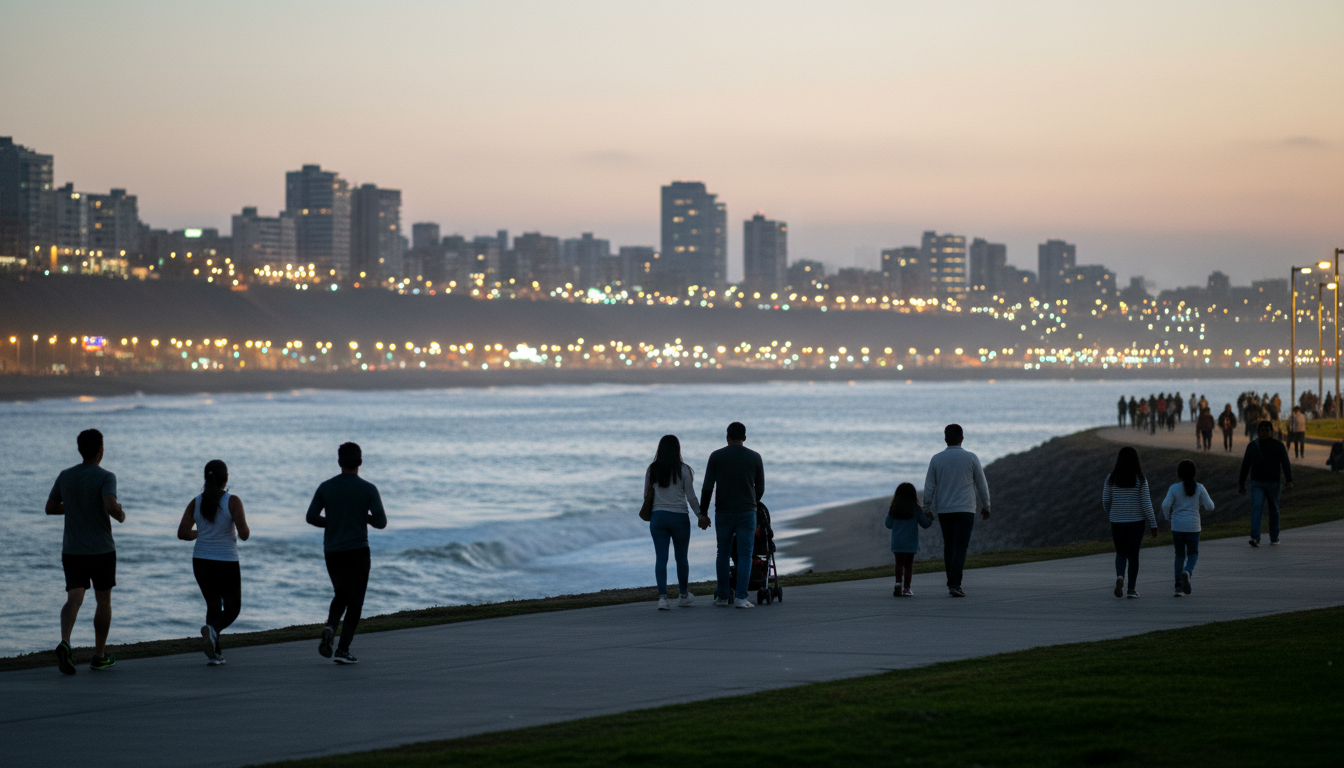 Evening scene on the Miraflores malecn with joggers, couples, and families walking along the oceanfr
That said, standard precautions apply. Don't flash expensive electronics on the street. Use registered taxis or Uber rather than hailing random cabs. Keep your phone in an inside pocket when walking through crowded areas. Trust your instincts—if something feels off, it probably is.
For solo female travelers specifically: I've felt safer in Lima than in many European cities. The catcalling is real but generally not aggressive, and locals are often genuinely helpful when you need directions or assistance. The key is choosing your neighborhood wisely and being aware of your surroundings, same as anywhere.
One more thing about safety: SwappaHome's verification system helps, but it's not a guarantee. Members can verify their identity, and the review system builds accountability over time. But the platform doesn't provide insurance or handle disputes—that's between you and your host. I always recommend solo travelers get their own travel insurance that covers accommodation issues, just for peace of mind.
Making the Most of Your Solo Lima Home Exchange
Having your own kitchen in Lima is basically a superpower. This city is a food destination, and the markets are incredible. Surquillo market is my favorite—overwhelming at first, but spend an hour wandering and you'll find the freshest ceviche ingredients, tropical fruits you've never seen, and vendors happy to explain how to prepare everything.
Cooking for one in a foreign kitchen might sound sad, but it's actually liberating. Buy a single portion of beautiful fish at the market ($3-5 USD), grab some leche de tigre from a cevichería, and make your own lunch. Eat it on the balcony while watching the neighborhood wake up. That's not sad—that's living.
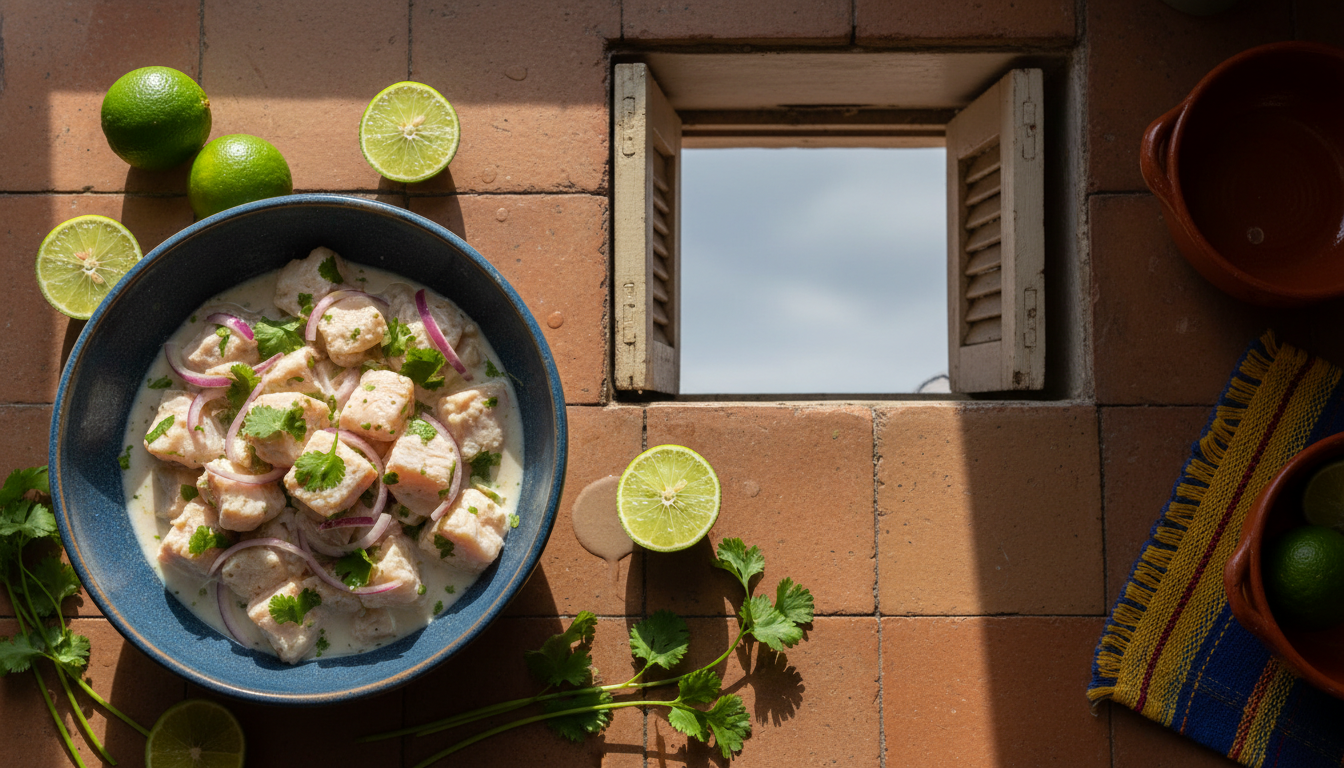 Overhead shot of a home-cooked ceviche in a ceramic bowl on a sunlit kitchen counter, surrounded by
Beyond food, having a home base changes how you explore. You can take breaks. Solo travel is exhausting in ways that group travel isn't—you're making every decision, navigating every interaction, processing every experience alone. Having a comfortable apartment to retreat to makes sustainable exploration possible.
I structure my solo Lima days with built-in downtime. Morning exploration, lunch at home or at a casual neighborhood spot, afternoon rest or work, then evening adventures. This rhythm would be impossible in a hotel room that feels like a holding cell.
The other advantage: you can actually meet people. Invite fellow travelers for a home-cooked meal. Join a cooking class and offer to host a follow-up dinner. When you have a space, you have something to offer—and that changes the social dynamics of solo travel entirely.
Practical Tips for Your Lima Home Exchange
Let's get into the logistics that will make or break your experience.
Timing matters. Lima's summer (December-March) brings sunshine and higher demand. Winter (June-September) is gray and cool but has fewer tourists. Shoulder seasons offer the best balance. Plan your home exchange search 2-3 months ahead for popular neighborhoods.
Communication is everything. Before confirming your swap, have a video call with your host. Discuss house rules, neighborhood tips, and emergency contacts. Solo travelers especially benefit from having a local person who knows they're there and can help if needed.
Transportation from the airport. Jorge Chávez International Airport is in Callao, about 45 minutes from Miraflores in normal traffic. Arrange airport pickup through your host's recommendation or use the official airport taxi service (around $25-30 USD to Miraflores). Don't wing it with random drivers, especially when you're arriving alone with luggage.
Learn basic Spanish. Lima is more English-friendly than most of Peru, but basic Spanish transforms your experience. "¿Es seguro caminar aquí de noche?" (Is it safe to walk here at night?) is a phrase worth memorizing.
Join the community. SwappaHome has member forums and local meetups. Connecting with other home exchangers in Lima before your trip can lead to coffee dates, local tips, and backup support if anything goes wrong.
When Things Don't Go as Planned
Real talk: sometimes home exchanges have hiccups. The WiFi doesn't work. The hot water is temperamental. The neighborhood is noisier than described. As a solo traveler, you're handling these issues alone, which can feel overwhelming.
My approach: expect small imperfections and prepare workarounds. I always identify a backup café with good WiFi within walking distance. I bring a portable power bank and offline maps. I have my travel insurance details easily accessible.
For bigger issues, communication with your host is key. Most problems have solutions—hosts want you to have a good experience because their reputation depends on it. Be direct about issues but also be reasonable. A slightly lumpy mattress isn't worth a negative review; a broken lock on the front door absolutely is.
The SwappaHome messaging system keeps a record of all communication, which is helpful if disputes arise. But honestly, in 40+ home exchanges, I've had maybe two genuinely problematic situations. The community self-polices pretty effectively through reviews.
The Solo Traveler's Secret Weapon
Here's what I wish someone had told me before my first solo home exchange in Lima: the loneliness is part of it, and that's okay.
There will be moments—usually around 6 PM when the light gets golden and you're sitting alone on a borrowed couch—when solo travel feels heavy. That's normal. It doesn't mean you made a mistake.
What home exchange gives you is the space to feel those feelings without paying $150/night for the privilege. You can cry into your pillow if you need to, then wake up and make coffee in a sunny kitchen and remember why you came.
You came because Lima has 12 million people and thousands of stories. You came because ceviche tastes different when you're sitting in a local's kitchen. You came because solo travel is hard and rewarding and transformative in ways that group travel simply isn't.
And you chose home exchange because you wanted more than a tourist experience. You wanted to live somewhere, even if just for a week. You wanted neighbors and routines and the quiet satisfaction of knowing where to buy good bread.
That's not lonely. That's brave. And Lima is a spectacular place to practice that particular kind of courage.
Getting Started with Lima Home Exchange
If you're convinced—and honestly, if you've read this far, you probably are—here's your action plan.
Create or update your SwappaHome profile with clear photos of your space and an honest description of what you're offering. Mention that you're a solo traveler and what kind of experience you're looking for. The more specific you are, the better matches you'll find.
Start browsing Lima listings now, even if your trip is months away. Get a feel for what's available, what neighborhoods appeal to you, what the typical home looks like in your price range. Save favorites. Reach out to hosts with questions.
Remember: you start with 7 free credits on SwappaHome, which means 7 nights in Lima without spending anything on accommodation. That's enough for a solid first trip, and you can earn more by hosting travelers in your own home before you go.
Lima is waiting. Your borrowed apartment is waiting. The ceviche is definitely waiting.
Go.
Frequently Asked Questions
Is home exchange in Lima safe for solo female travelers?
Yes, with smart neighborhood choices. Miraflores and San Isidro are very safe for solo women, with well-lit streets and active nightlife. Barranco is safe with normal urban awareness. Choose verified hosts with good reviews, stay in secure buildings, and use standard travel precautions. Many solo female travelers report feeling safer in Lima than expected.
How much can I save with home exchange vs hotels in Lima?
Significant savings. Mid-range hotels in safe Lima neighborhoods cost $80-150 USD per night. A two-week trip would run $1,120-2,100 in accommodation alone. With home exchange, you spend credits (1 credit = 1 night), which you earn by hosting travelers at home. New SwappaHome members start with 7 free credits, making your first Lima trip essentially free.
What's the best neighborhood in Lima for solo home exchange?
Miraflores is ideal for first-time solo visitors—safe, walkable, excellent food scene, and strong home exchange inventory. Barranco suits creative types who want more nightlife and artistic energy. San Isidro works well for remote workers seeking quiet professionalism. Pueblo Libre offers budget-friendly local immersion for experienced travelers.
How far in advance should I book a Lima home exchange?
Book 2-3 months ahead for popular neighborhoods during peak season (December-March). Shoulder seasons and winter months offer more flexibility. Start browsing and messaging hosts early to build relationships—many hosts prefer guests they've communicated with extensively before confirming.
Do I need to speak Spanish for home exchange in Lima?
Basic Spanish helps enormously but isn't mandatory in tourist-friendly neighborhoods. Your host's written instructions and translation apps cover most situations. However, learning key phrases improves your experience significantly—locals appreciate the effort, and you'll navigate markets, restaurants, and neighborhoods more confidently.

Published by
SwappaHome
SwappaHome Editorial Team
Home Exchange & Slow Travel Editorial
The SwappaHome Editorial Team brings together travel research, home-exchange community insights, and platform data to produce practical guides for first-time and experienced home swappers. Every article cites real platforms, current market rates, and verifiable city-level facts so readers can make informed decisions without guessing.
Ready to try home swapping?
Join SwappaHome and start traveling by exchanging homes. Get 7 free credits when you sign up!
Related articles
How to Extend or Modify a Home Swap Mid-Stay: The Complete Flexibility Guide
Need to extend your home swap or change dates mid-trip? Here's exactly how to negotiate changes, handle credits, and keep both parties happy.

How to Visit Bali for Free with Home Exchange: The Complete 2026 Guide
Skip the $150/night villas. Home exchange in Bali lets you stay in Ubud rice field houses and Seminyak beach pads for zero accommodation cost. Here's exactly how.
How to Vet Home Swap Guests: 12 Red Flags Every Host Should Know
Learn how to vet home swap guests before handing over your keys. Spot the 12 red flags experienced hosts watch for—and protect your home with confidence.