Solo Home Exchange in Bologna: Your Guide to Meeting Locals and Making Lifelong Friends

SwappaHome Editorial Team
Home Exchange & Slow Travel Editorial
Discover how solo travelers can use home swapping in Bologna to connect with locals, make authentic friendships, and experience Italy's culinary capital like a true Bolognese.
Solo Home Exchange in Bologna: Your Guide to Meeting Locals and Making Lifelong Friends
Picture this: You're sitting at a tiny table outside a wine bar in Bologna's Quadrilatero district, the evening light casting that golden glow Italians call "l'ora d'oro." The woman next to you—Maria, whose apartment you're staying in—is explaining why her grandmother's tortellini recipe is superior to every restaurant in the city. She's already invited you to Sunday lunch with her family. You've been in Bologna for three days, and somehow, you've stumbled into exactly the kind of travel experience most people only dream about.
This isn't a fantasy. This is what happens when solo travelers discover the magic of home exchange in one of Italy's most welcoming cities.
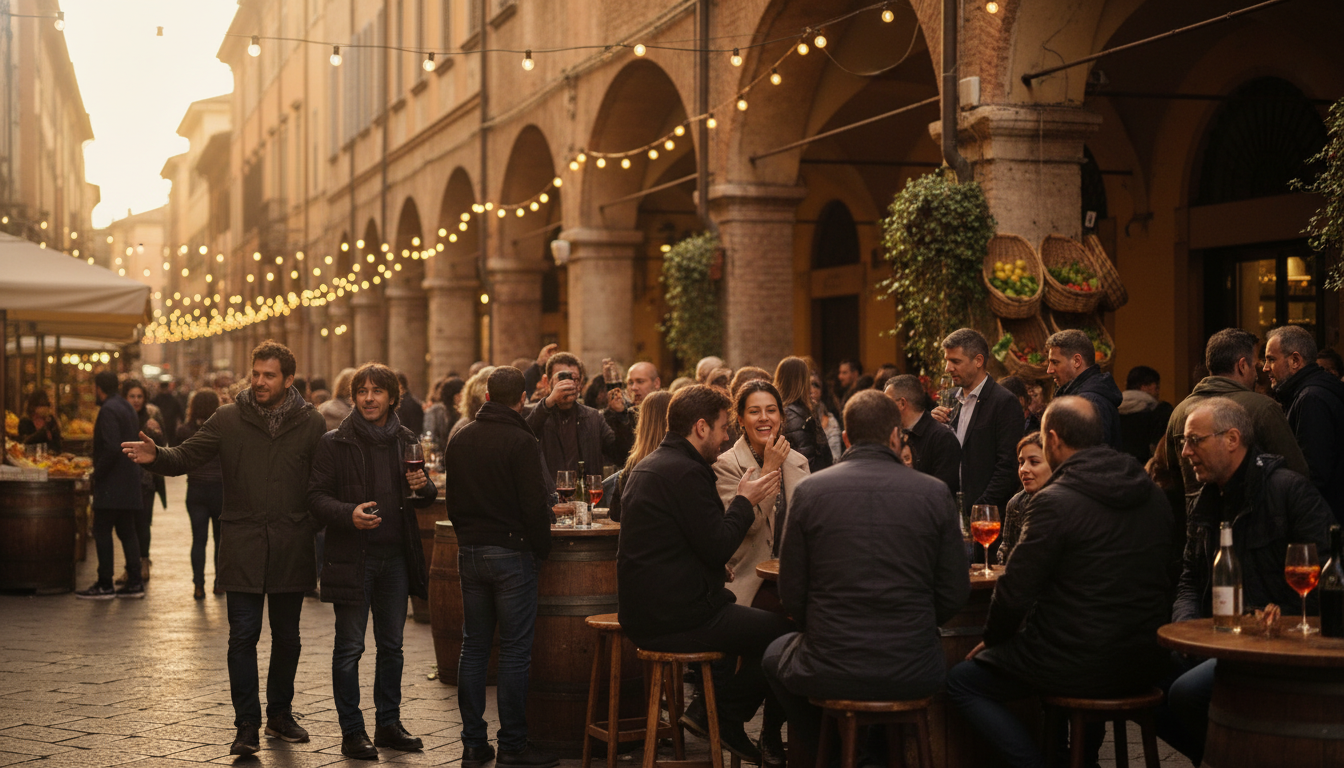 Warm evening scene in Bolognas Quadrilatero market district with locals gathering at outdoor wine ba
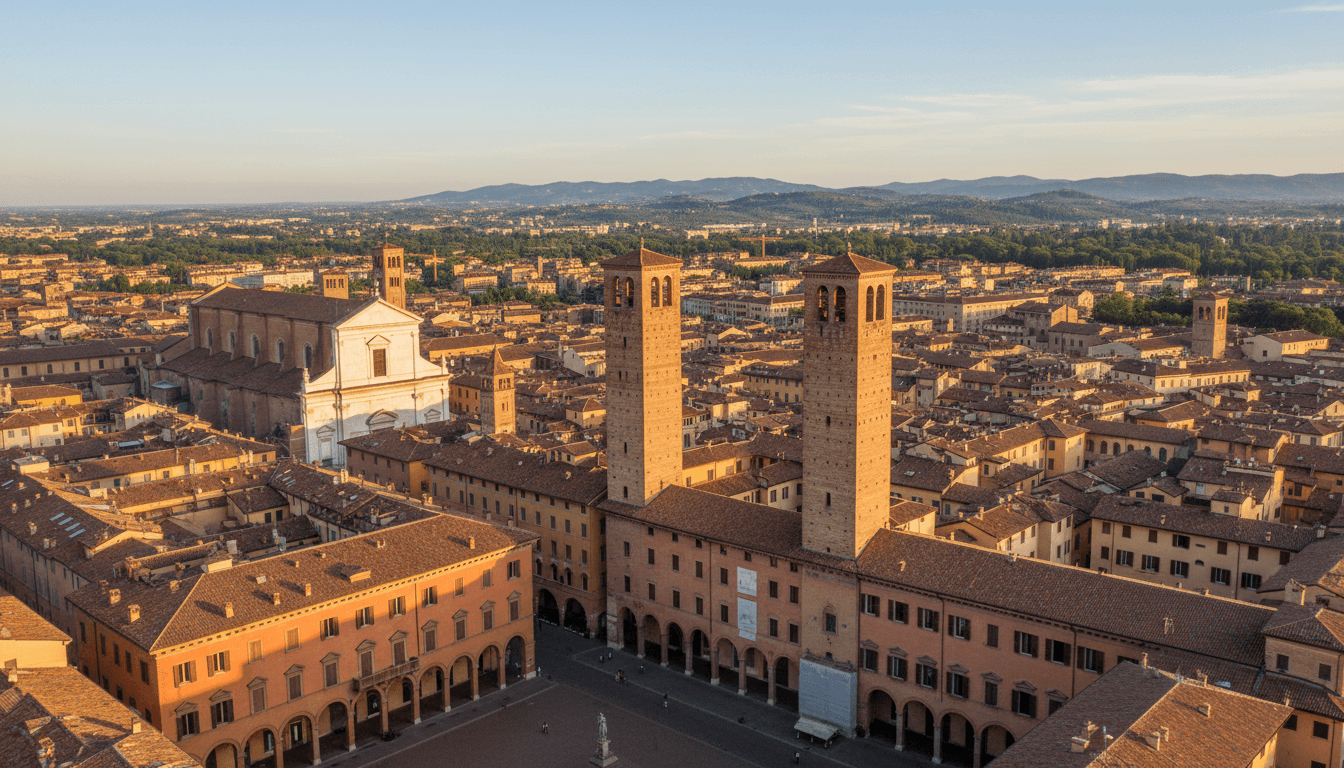
Bologna has a secret that seasoned travelers whisper about: it's arguably the friendliest city in Italy. While tourists flock to Rome, Florence, and Venice, Bologna quietly maintains its authentic character—a university city with 900 years of intellectual tradition, a food culture that puts the rest of Italy to shame (yes, I said it), and locals who are genuinely curious about the people passing through their streets. For solo travelers, this combination is pure gold. And when you add home exchange into the mix? That's when the real magic happens.
Why Bologna Is Perfect for Solo Home Swappers
Let me tell you something about Bologna that guidebooks often miss: this city was built for connection. Those famous porticos—nearly 40 kilometers of covered walkways that snake through the historic center—weren't just architectural flourishes. They were designed to bring people together, to encourage conversation, to make strangers into neighbors. Walking under them, you're literally following the same paths that students, merchants, and travelers have used for centuries to find community.
The city's nickname tells you everything you need to know: "La Dotta, La Grassa, La Rossa"—The Learned, The Fat, The Red. That first part, "La Dotta," refers to the University of Bologna, founded in 1088 and the oldest university in the Western world. This means Bologna has been welcoming outsiders, integrating them into local life, and creating intellectual community for nearly a thousand years. The infrastructure for making friends here isn't just social—it's practically architectural.
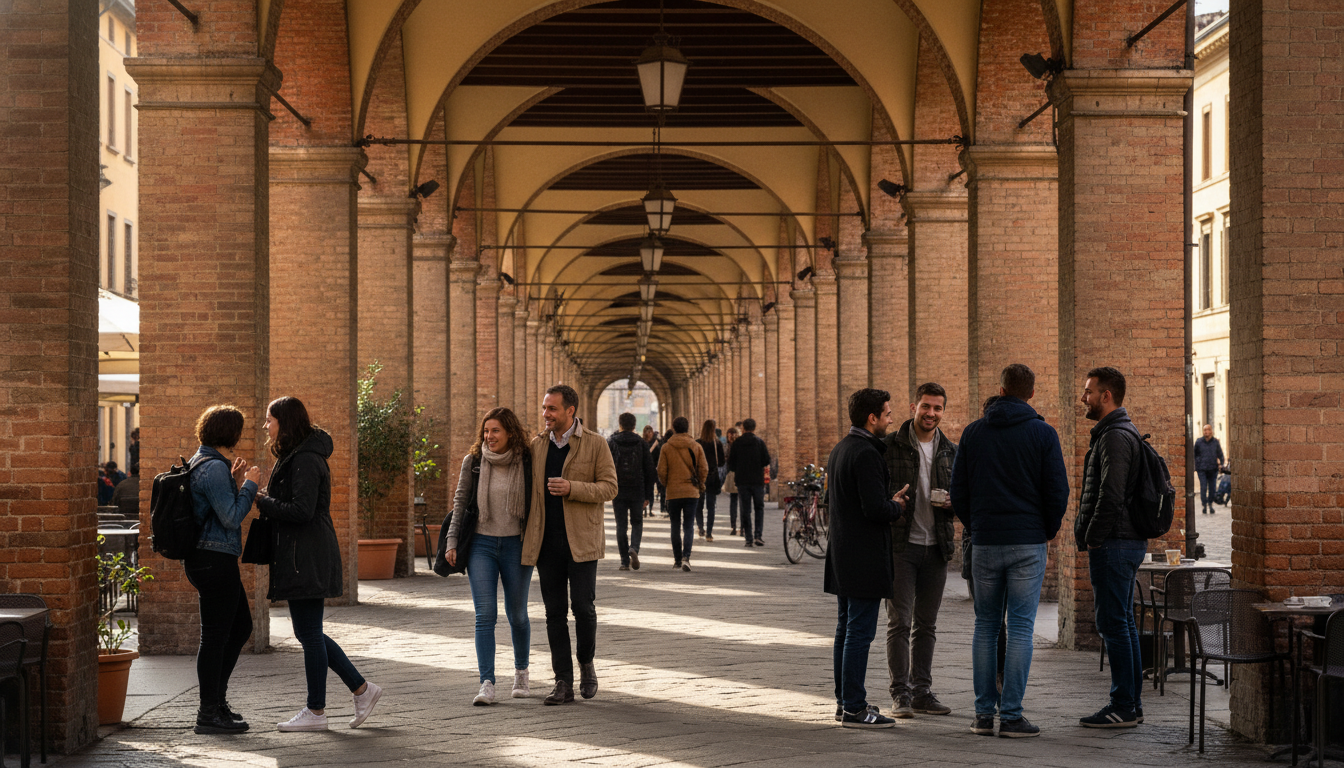 Bolognas famous porticos stretching down a historic street, with people walking and chatting underne
But here's what makes home exchange particularly powerful in Bologna: unlike more touristy Italian cities where locals have developed a certain... let's call it "tourist fatigue," Bolognesi remain genuinely curious about visitors. When you're staying in someone's actual home, in their actual neighborhood, buying bread from their actual bakery—you're not a tourist anymore. You're a temporary neighbor. And Bolognesi treat their neighbors like family.
I've heard countless stories from solo travelers who arrived in Bologna expecting to spend quiet evenings reading in their borrowed apartment, only to find themselves swept up in aperitivo invitations, neighborhood festivals, and impromptu cooking lessons. The city has a way of refusing to let you be lonely.
The Art of Connecting Through Your Host
The most obvious advantage of home exchange for solo travelers is also the most profound: you arrive with a built-in connection. Your host isn't just handing over keys—they're essentially vouching for you to their entire neighborhood. This social currency is invaluable in Italy, where personal relationships still open doors that money simply cannot.
Smart solo swappers know to cultivate this relationship before they even arrive. When you're arranging your exchange through platforms like SwappaHome, don't just discuss logistics. Ask your host about their favorite aperitivo spot, whether there are any neighborhood events happening during your stay, if they'd recommend any local shops over the supermarket. These questions signal that you're interested in living like a local, not just occupying their space.
Many hosts, especially in Bologna, will go above and beyond for guests who show genuine interest. I've heard of hosts who left detailed neighborhood maps with hand-drawn annotations, who introduced incoming guests to their neighbors before departing, who even arranged for friends to check in and make sure the solo traveler was settling in okay. This isn't universal, of course—but it happens far more often than you might expect, particularly when you're exchanging with someone rather than simply renting from them.
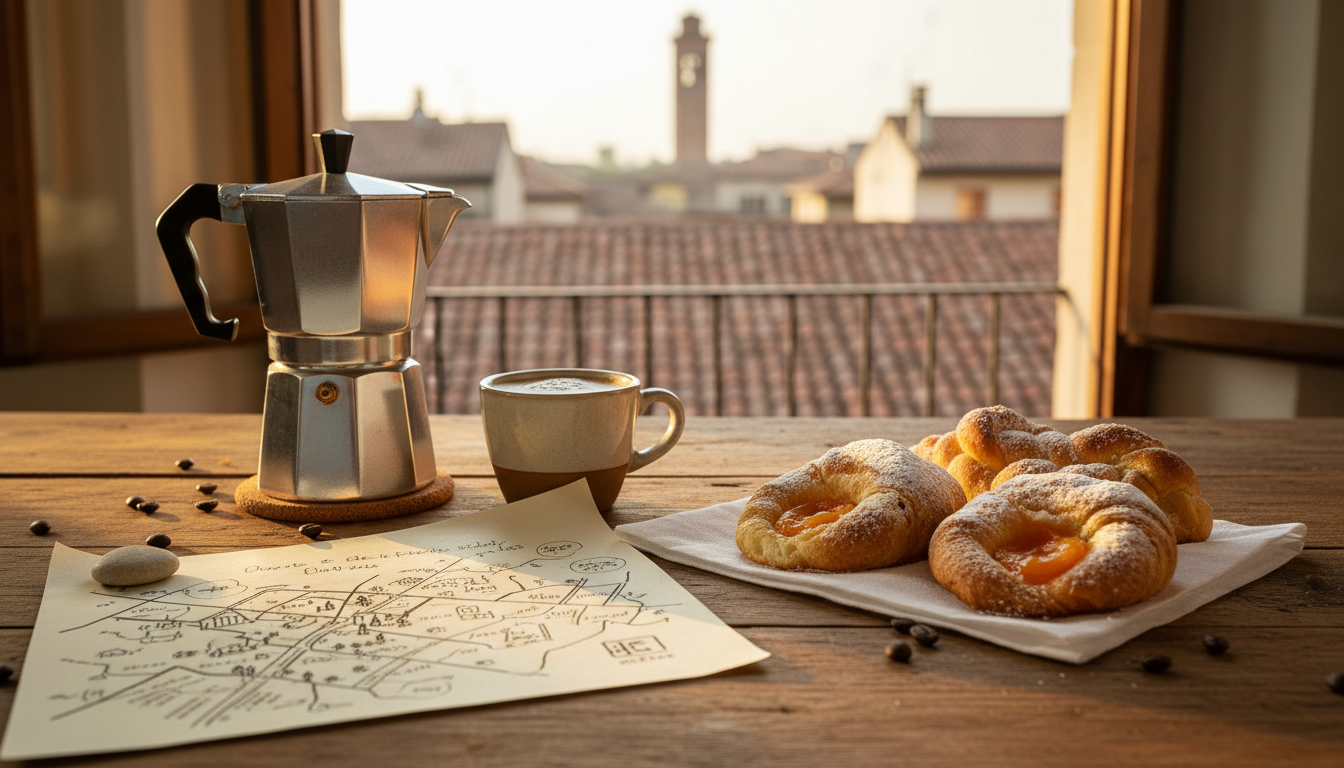 A handwritten note and local map left by a host on a kitchen table, with Italian coffee and fresh pa
The reciprocal nature of home exchange creates a different dynamic than traditional accommodation. Your host knows that you'll be caring for their home, their plants, maybe even their cat. This mutual trust forms a foundation for genuine connection that's hard to replicate when money is the primary transaction.
Finding Your Tribe in Bologna's Neighborhoods
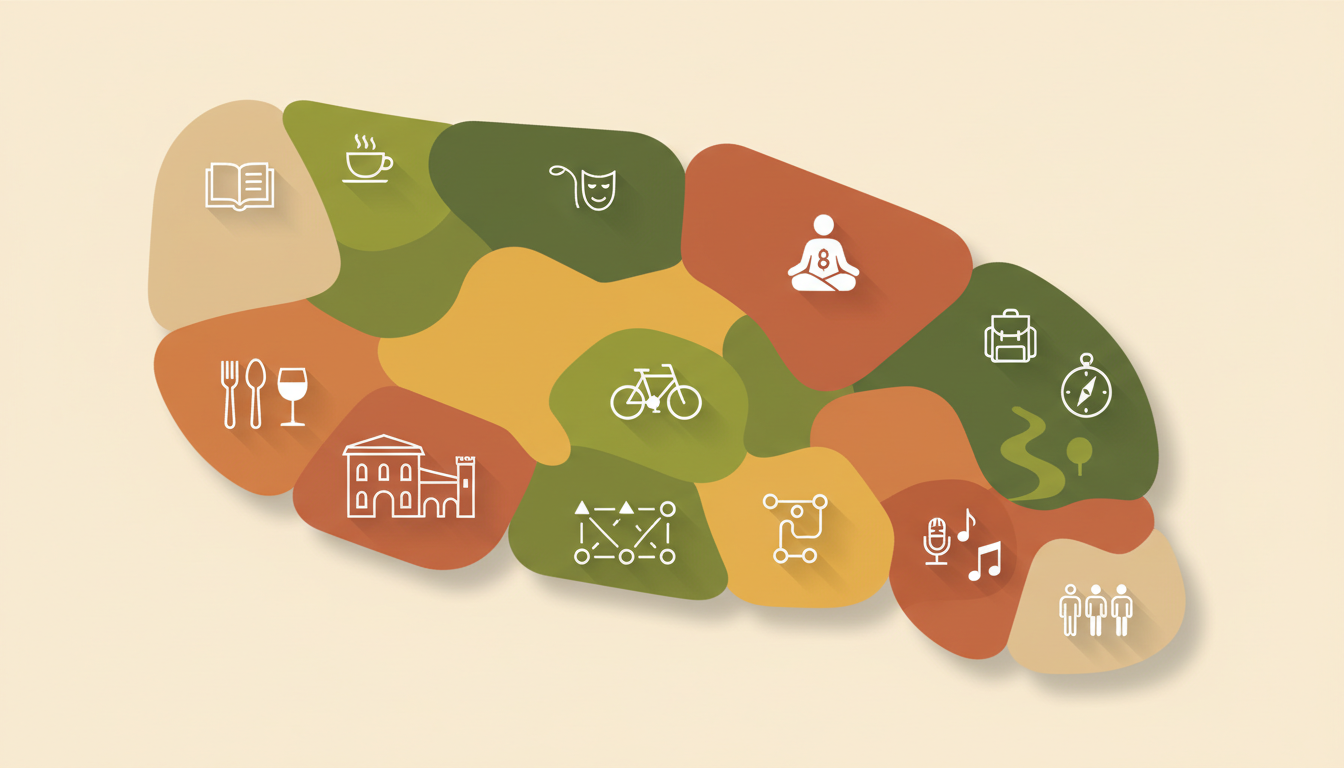
Bologna is a city of distinct neighborhoods, each with its own personality and community. Choosing where to stay—and more importantly, how to engage with that neighborhood—can make or break your solo experience.
The historic center around Piazza Maggiore is stunning, but it's also where you'll find the highest concentration of tourists. For solo travelers seeking authentic connections, the neighborhoods just outside the centro storico offer richer possibilities. The Bolognina district, north of the train station, has transformed from a working-class area into one of the city's most diverse and dynamic neighborhoods. Here, you'll find Ethiopian restaurants next to traditional trattorias, community gardens where neighbors share plots and recipes, and a genuine mix of longtime residents and newcomers who've made Bologna their home.
San Donato, to the east, maintains a village-like atmosphere despite being minutes from the center. The daily market at Piazza dell'Unità becomes a social hub where regulars greet each other by name. Stay here for a week, buy your vegetables from the same vendor a few times, and you'll start getting the nod of recognition that means you've been accepted.
The Saragozza neighborhood, stretching toward the hills, attracts a slightly older, professional crowd. The portico that runs all the way to San Luca basilica—the longest in the world—is where locals come to walk, think, and chat. Join the evening passeggiata here, and you'll find yourself naturally falling into conversation with fellow walkers.
 Infographic showing a stylized map of Bolognas neighborhoods with brief descriptions of each areas c
Wherever you end up, the key to neighborhood integration is routine. Go to the same café for your morning coffee. Shop at the same alimentari for cheese and bread. Walk the same streets at the same times. Italians are creatures of habit, and they notice when someone new joins their daily rhythm. Within a few days, the barista will start preparing your usual before you order. The cheese vendor will set aside something special because she noticed you liked the aged pecorino. These small recognitions are the seeds of connection.
The Social Lubricant: Food and Wine in Bologna
If you want to make friends in Bologna, you need to understand one fundamental truth: food here isn't just sustenance. It's identity, it's history, it's a shared language that transcends actual language. Bolognesi take their culinary heritage seriously—sometimes comically so—and showing genuine interest in local food traditions is the fastest way to earn respect and invitations.
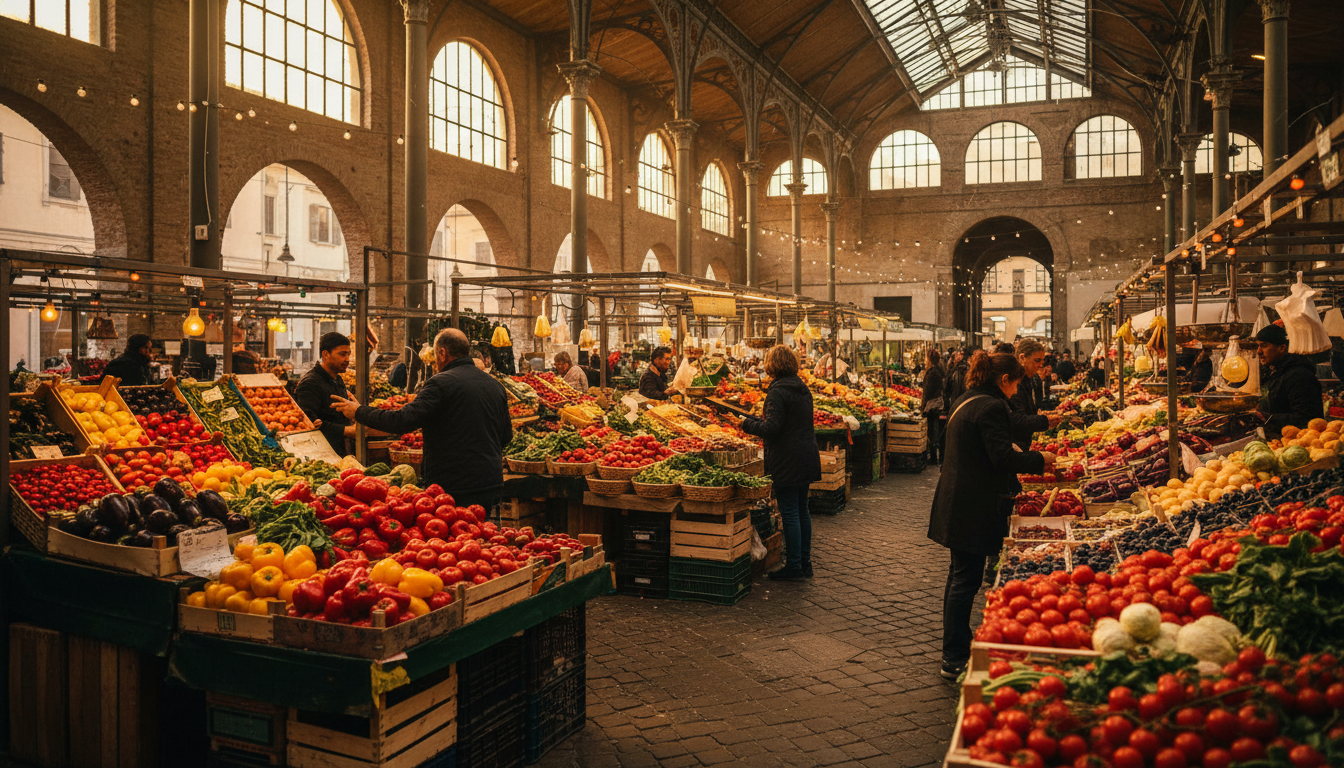
Start with the markets. The Mercato delle Erbe and the Mercato di Mezzo are both excellent, but for solo travelers seeking conversation, the smaller neighborhood markets offer more opportunity. Vendors at these markets have time to chat, to explain the difference between Parmigiano-Reggiano aged 24 months versus 36 months, to recommend how to prepare the seasonal vegetables you've never seen before. Don't be shy about admitting you don't know something—Bolognesi love to teach, and your curiosity flatters them.
 A vibrant scene at Mercato delle Erbe with colorful produce displays, vendors interacting with custo
Aperitivo culture is where solo travelers really shine in Bologna. Unlike dinner, which tends to be a planned affair with established groups, aperitivo is spontaneous, social, and welcoming to strangers. The ritual is simple: arrive at a bar between 6 and 8 PM, order a drink (Spritz Aperol is classic, but try a Lambrusco for local credibility), and help yourself to the accompanying snacks. The atmosphere encourages mingling, and it's completely normal to strike up conversation with the people next to you.
Some of the best aperitivo spots for solo travelers include Cantina Bentivoglio in the university district, where the jazz performances create natural conversation starters, and Osteria del Sole, one of the oldest bars in Bologna, where you bring your own food from nearby shops and share tables with whoever's there. At Osteria del Sole, the communal seating isn't just accepted—it's the entire point. I've heard stories of solo travelers who walked in knowing no one and left with dinner invitations.
For the truly adventurous, consider signing up for a cooking class. Yes, it sounds touristy, but hear me out: the best classes are small, hands-on affairs where you're working alongside other food enthusiasts, many of them locals or long-term residents. Spending three hours making fresh pasta with strangers creates bonds that sightseeing simply cannot. Plus, you'll have a skill to share when you return home—and a story to tell at every dinner party for the rest of your life.
Language, Gestures, and the Art of Italian Communication
Here's a truth that might surprise you: you don't need to speak Italian to make friends in Bologna. You need to try to speak Italian. The distinction matters enormously.
Bolognesi, like most Italians, appreciate effort over perfection. Learn a handful of phrases—"Buongiorno" (good morning), "Permesso" (excuse me), "Che buono!" (how delicious!)—and deploy them with enthusiasm. Mispronounce things. Gesture wildly. Laugh at yourself when you accidentally order "horse" instead of "house." This vulnerability, this willingness to look foolish in pursuit of connection, is deeply endearing to Italians.
The university presence means many younger Bolognesi speak excellent English, but defaulting to English immediately can actually hinder connection. It signals that you expect them to do the work of bridging the cultural gap. Starting in Italian—even badly—signals respect and invites them to meet you halfway.
Body language matters too. Italians communicate with their entire bodies, and matching their energy helps you fit in. Make eye contact. Use your hands when you talk. Don't be afraid to touch someone's arm to emphasize a point. Physical warmth is normal here, not invasive. Solo travelers from more reserved cultures sometimes struggle with this at first, but embracing Italian expressiveness opens doors to deeper connection.
Structured Ways to Meet People
While spontaneous connections are wonderful, solo travelers shouldn't rely on them exclusively. Bologna offers numerous structured opportunities to meet people, and smart swappers take advantage of them.
The university hosts public lectures, film screenings, and cultural events that are often free and open to everyone. Check the Università di Bologna website for their "UniboMagazine" events calendar. These gatherings attract curious, educated locals—exactly the kind of people who might be interested in befriending a visiting home swapper.
Language exchange meetups happen weekly at various bars and cultural centers. Even if your Italian is nonexistent, these events welcome English speakers who can help Italians practice. The Conversation Exchange Bologna group on Facebook is a good starting point, as is the Bologna Expats community, which despite its name includes many Italians interested in international friendship.
Volunteering offers another avenue for connection. Organizations like Bologna Welcome and various neighborhood associations often need help with events, festivals, and community projects. Contributing your time—even just a few hours—integrates you into local networks in ways that tourism never could.
For fitness enthusiasts, running groups meet regularly at Giardini Margherita, Bologna's largest park. The Bologna Hash House Harriers, despite the silly name, is a welcoming group that combines running with socializing. Yoga classes, climbing gyms, and cycling clubs all offer similar opportunities to meet active locals.
The Sunday Ritual: Markets, Meals, and Making Memories
If you're in Bologna on a Sunday, you have a golden opportunity for connection. Sunday in Bologna follows a sacred rhythm: morning market browsing, extended family lunch, afternoon passeggiata, evening aperitivo. Inserting yourself into this rhythm—respectfully, enthusiastically—can yield remarkable experiences.
The Piazzola market, held every Friday and Saturday but spilling into Sunday mornings, is one of Europe's largest open-air markets. It's chaotic, crowded, and absolutely wonderful for people-watching and casual conversation. Bolognesi come here to hunt for vintage treasures, and shared excitement over a find creates instant camaraderie.
Sunday lunch is traditionally a family affair, but solo travelers sometimes receive invitations—particularly if they've made connections earlier in their stay. If someone invites you to Sunday lunch, accept immediately and bring a gift (good wine, quality chocolate, or something from your home country). This invitation is significant; it means you've been accepted into the inner circle.
Even without an invitation, Sunday afternoons offer connection opportunities. The passeggiata—that quintessentially Italian evening stroll—is when Bolognesi emerge to see and be seen. Join the flow of people along Via dell'Indipendenza or around the porticos, and you'll find the atmosphere conducive to conversation. Families stop to chat with neighbors, friends gather at café tables, and the whole city seems to exhale into the golden evening light.
Making Connections Last
The friendships you make in Bologna don't have to end when your home exchange does. In fact, the nature of home swapping creates natural opportunities for ongoing connection.
Exchange contact information before you leave—not just with your host, but with the neighbors who welcomed you, the vendor who saved you the good cheese, the fellow traveler you met at aperitivo. Instagram and WhatsApp make maintaining international friendships easier than ever, and a simple message saying "thinking of you, hope Bologna is beautiful today" keeps connections warm.
Consider inviting your new Bolognese friends to stay with you through the same home exchange platform. The reciprocity that made your friendship possible can continue, with you hosting them in your city. Many of the deepest friendships between home swappers develop over multiple exchanges, each visit building on the last.
Write reviews and recommendations. If a local business owner was particularly welcoming, mention them in your travel blog or social media. Tag them if possible. This small gesture of gratitude often leads to ongoing correspondence and, sometimes, to the business owner rolling out the red carpet on your next visit.
Practical Tips for Solo Home Swappers in Bologna
Before I leave you to start planning your Bolognese adventure, let me share some practical wisdom gathered from solo travelers who've done this before.
Timing matters. Bologna empties out in August when locals flee to the beach or mountains. The city is quieter, yes, but also less social—many of the neighborhood businesses and gathering spots close entirely. For maximum connection opportunities, visit during the academic year (October through June) when the university brings energy and the locals are in residence.
Stay at least a week. Three days in Bologna lets you see the sights, but a week lets you become a temporary local. The rhythm of daily life takes time to join, and meaningful connections rarely happen in 72 hours.
Be proactive but not pushy. Italians are warm, but they also value their established social circles. Show interest, be available, but don't force connection. Sometimes the best approach is simply being present, being pleasant, and letting relationships develop organically.
Learn to be comfortable alone. This might sound counterintuitive in an article about making friends, but solo travel requires comfort with solitude. Not every evening will bring new friendships, and that's okay. Some of your best Bologna memories might be solo ones—reading in a quiet piazza, watching the sunset from San Luca, savoring a perfect plate of tagliatelle al ragù with only your own thoughts for company.
Your Bologna Story Awaits
Solo travel can be lonely. That's the truth no Instagram post shows—the quiet hotel rooms, the tables for one, the beautiful moments with no one to share them. But it doesn't have to be that way, especially not in a city like Bologna, especially not when you're staying in someone's home instead of an anonymous hotel.
Home exchange transforms solo travel from an exercise in independence into an exercise in connection. You arrive with a relationship already forming. You live in a neighborhood instead of a tourist zone. You shop where locals shop, walk where locals walk, and gradually, almost magically, you stop being a visitor and start being a temporary Bolognese.
Platforms like SwappaHome make this kind of travel accessible to anyone with a home to offer. You don't need to be wealthy or well-connected. You just need to be willing to open your home to others and, in return, to open yourself to the communities that welcome you.
Bologna is waiting. The porticos are ready to shelter your conversations. The trattorias are ready to feed you. The Bolognesi are ready to welcome you—not as a tourist, but as a neighbor, a friend, a fellow lover of good food and good company.
All you have to do is show up, stay awhile, and let the city work its magic.
Buon viaggio, amico. Bologna will take good care of you.

Published by
SwappaHome
SwappaHome Editorial Team
Home Exchange & Slow Travel Editorial
The SwappaHome Editorial Team brings together travel research, home-exchange community insights, and platform data to produce practical guides for first-time and experienced home swappers. Every article cites real platforms, current market rates, and verifiable city-level facts so readers can make informed decisions without guessing.
Ready to try home swapping?
Join SwappaHome and start traveling by exchanging homes. Get 7 free credits when you sign up!
Related articles
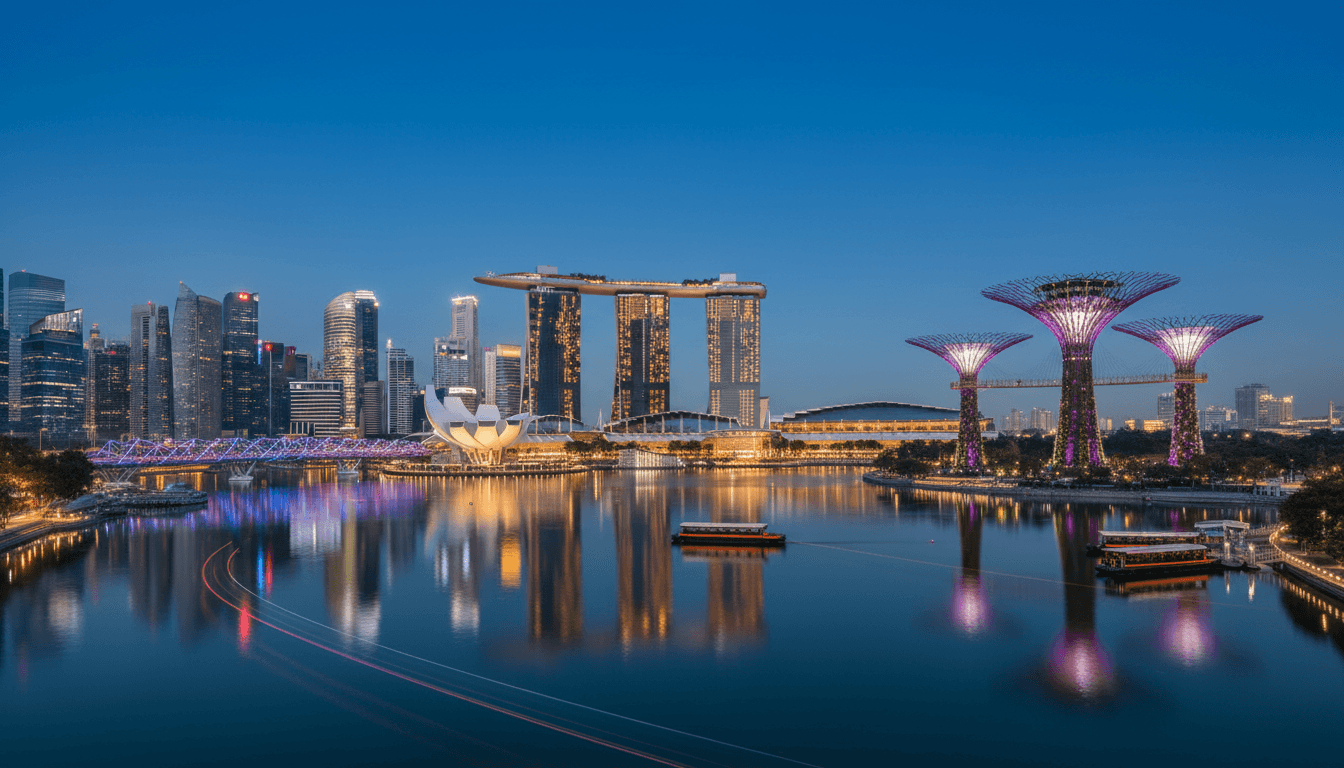
Bachelor and Bachelorette Parties in Singapore: The Complete Home Swap Group Guide for 2026
Planning a bachelor or bachelorette party in Singapore? Discover how home swapping lets groups of 6-12 stay together in luxury condos, saving thousands while partying in Marina Bay.
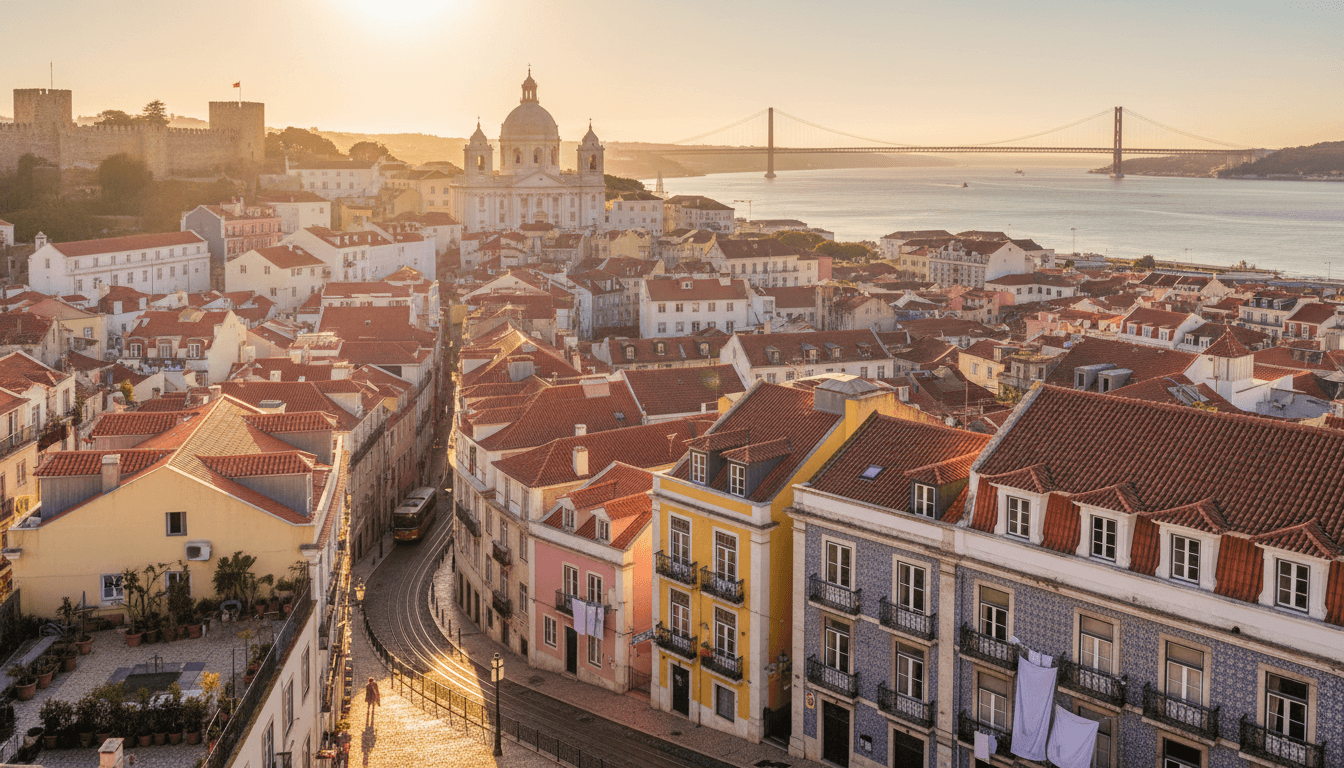
Cycling in Lisbon: 7 Home Swap Bike Tour Itineraries for Every Rider
Discover the best cycling routes in Lisbon with these home swap bike tour itineraries—from waterfront paths to hilltop adventures, all starting from your borrowed home.
Graduation Trip to Barcelona: How Home Swapping Gives New Graduates the Ultimate Celebration
Planning a graduation trip to Barcelona? Discover how home swapping lets new graduates explore Spain's most vibrant city without the hostel crowds or hotel costs.