Local Experiences in Hong Kong: Authentic Activities Every Home Swapper Should Try

SwappaHome Editorial Team
Home Exchange & Slow Travel Editorial
Discover authentic local experiences in Hong Kong through home swapping—from dim sum masters to hidden temples, live like a local in Asia's most electric city.
The elevator doors slid open on the 42nd floor, and there it was—my home for the next three weeks. Victoria Harbour stretched out below through floor-to-ceiling windows, glittering like a circuit board that had somehow come alive. Mr. Wong, the retired banker whose apartment I was borrowing, had left a handwritten note on the kitchen counter: "Maya, the best char siu in Hong Kong is at the wet market two blocks east. Tell Auntie Mei I sent you."
That note changed everything.
Finding authentic local experiences in Hong Kong isn't about following guidebooks. It's about having someone who actually lives there point you in the right direction. And that's exactly what home swapping gives you.
I've been to Hong Kong four times now. The first two trips? Hotels. Nice ones, actually—Tsim Sha Tsui and Central. I saw the tourist version of the city. The last two trips, I did home exchanges in Sham Shui Po and Kennedy Town. I saw the real thing. The difference isn't subtle. It's like watching a movie versus being in one.
Why Home Swapping Unlocks the Real Hong Kong
Here's what nobody tells you about this city: it has layers. There's the Instagram version—neon signs, skyline views, that famous junk boat photo everyone takes. Then there's the version where you know which dai pai dong serves the best wonton noodles at 2 AM, or which temple actually grants wishes. (Locals swear by Wong Tai Sin, by the way.)
When you're home swapping in Hong Kong, you inherit a neighborhood. Not a hotel district—a neighborhood. With a fruit vendor who remembers your face. A congee shop where the owner starts making your usual the moment you walk in. A morning tai chi group in the park that waves you over after day three.
Mr. Wong's apartment was in Kennedy Town, on the western tip of Hong Kong Island. Ten years ago, this neighborhood barely registered with tourists. Now it's gentrifying, sure, but it still has that old Hong Kong soul—funeral parlors next to craft cocktail bars, elderly women playing mahjong in the street while expats jog past.
My first morning there, I followed his instructions to the wet market. Found Auntie Mei's stall. Ordered char siu by pointing and smiling. She charged me HK$45 (about $5.75 USD) for enough meat to feed three people, then threw in some roast goose "because you're Mr. Wong's friend."
That meal—eaten standing up in a crowded market at 8 AM, surrounded by grandmothers haggling over vegetables—was better than any Michelin-starred restaurant I've been to.
The thing about local experiences in Hong Kong is that they're not expensive. They're not exclusive. They're just hidden in plain sight, waiting for someone to point you toward them.
The Best Neighborhoods for Authentic Hong Kong Living
Where you stay shapes everything. Hong Kong is tiny geographically but massive in personality—each neighborhood feels like a different city entirely.
Sham Shui Po: The Real Deal
If you want unfiltered Hong Kong, this is it. Sham Shui Po is a working-class neighborhood in Kowloon that tourists usually skip. Big mistake.
This is where you'll find the fabric market on Ki Lung Street, where local designers source materials. Vintage electronics shops selling everything from 1980s Walkmans to drone parts. Some of the best street food in the city—try the curry fish balls at the corner of Kweilin Street and Apliu Street (HK$15, roughly $2 USD). The neighborhood also has a growing arts scene, with galleries popping up in converted industrial buildings.
I did a two-week swap here in 2022. My host was a textile artist who left me a map of her favorite spots, including a rooftop where locals fly kites at sunset. You won't find that on TripAdvisor.
Kennedy Town: Old Meets New
This is where I stayed with Mr. Wong. Kennedy Town sits at the end of the MTR line on Hong Kong Island, which keeps it slightly off the tourist radar. The neighborhood has excellent local restaurants—Sun Hing for dim sum is cash only, opens at 3 AM, has no English menu, and is absolutely worth it. There's also a beautiful waterfront promenade and easy access to hiking trails.
Home prices here are more reasonable than Central or Wan Chai, which means you'll find larger apartments with actual kitchens. Perfect for cooking with ingredients from the wet market.
Tai Hang: Village Vibes in the City
Tucked behind Causeway Bay's shopping madness, Tai Hang feels like stepping back in time. This former fishing village still has narrow lanes, traditional shops, and the famous Fire Dragon Dance during Mid-Autumn Festival. It's walkable, quiet at night, and has some of the best local Cantonese restaurants on the island.
A friend did a home swap here last autumn and accidentally ended up participating in the Fire Dragon Dance—her host's cousin was one of the performers and needed extra hands. She has videos. It looks absolutely chaotic and wonderful.
Cheung Chau Island: Escape the Concrete
This one's a bit different. Cheung Chau is a small island about 30 minutes by ferry from Central. No cars allowed. Just fishing boats, temples, hiking trails, and a pace of life that feels nothing like the Hong Kong you see in movies.
Home swaps here are rarer but worth seeking out. Imagine waking up to the sound of fishing boats instead of traffic, walking to a beachside café for breakfast, then taking a leisurely ferry into the city when you want urban energy.
Food Experiences You Can Only Access as a Local
Let me be direct: Hong Kong's food scene is overwhelming. There are over 15,000 restaurants in a city of 7 million people. You could eat every meal out for a year and barely scratch the surface.
But here's what I've learned through home swapping—the best food experiences aren't in restaurants at all.
Morning Dim Sum with the Locals
Forget the famous dim sum palaces in Central. The real experience is at neighborhood spots where retired folks gather at 6 AM, newspapers spread across the table, arguing about horse racing while pushing carts of har gow and siu mai.
My top picks: Sun Hing in Kennedy Town (opens 3 AM, yes really), Lin Heung Tea House in Sheung Wan—old school, chaotic, no English, absolutely perfect—and One Dim Sum in Prince Edward, which is Michelin-recommended but still cheap and local.
Expect to pay HK$80-150 ($10-20 USD) per person for a proper dim sum feast. Go early. Bring cash. Point at what looks good on other tables.
Wet Market Cooking
This is the real magic of having a kitchen. Hong Kong's wet markets are sensory overload—live fish swimming in tanks, chickens being butchered to order, vegetables you've never seen before, vendors shouting prices.
When you're home swapping, ask your host which market they use and what to buy. Most will leave recommendations. At Mr. Wong's suggestion, I bought fresh prawns, gai lan (Chinese broccoli), and a whole steamed fish from the market near his apartment. Total cost: HK$120 ($15 USD). Cooked it in his kitchen with the harbor view. Best meal of the trip.
Dai Pai Dong Culture
Dai pai dongs are Hong Kong's legendary street food stalls—open-air, plastic stools, no frills, incredible food. They're disappearing fast as the government phases out licenses, which makes experiencing them now even more important.
The remaining clusters are in Sham Shui Po, Central (near the escalators), and Sai Ying Pun. Order by pointing. Expect to share tables with strangers. Try the typhoon shelter crab if you see it—spicy, garlicky, messy, unforgettable.
Cha Chaan Teng: Hong Kong's Diners
These local cafés are where Hong Kong's unique food culture really shines. The menu is a beautiful chaos of East meets West—macaroni soup for breakfast, French toast dripping in condensed milk, pork chop with instant noodles, milk tea so thick it coats your throat.
Mido Café in Yau Ma Tei is a classic (and yes, tourists know about it, but it's still great). For something more local, try any cha chaan teng in Sham Shui Po or To Kwa Wan. Meals run HK$40-70 ($5-9 USD).
Cultural Experiences Beyond the Tourist Trail
Hong Kong's culture runs deep—centuries of Chinese tradition layered with British colonial influence and a fiercely independent local identity. As a home swapper, you have time to explore beyond the obvious.
Temple Hopping with Purpose
Hong Kong has hundreds of temples, but locals don't visit them like tourists do. They go with specific intentions—to ask for luck in business, health for family members, success in exams.
Wong Tai Sin Temple is the most famous, and honestly, it's worth visiting. Go early on a weekday. Watch how locals shake fortune sticks (kau cim) and have their fortunes interpreted. You can participate—it costs about HK$40 ($5 USD) for the full experience, including fortune interpretation.
Man Mo Temple in Sheung Wan is smaller, more atmospheric, filled with massive incense coils hanging from the ceiling. Tin Hau Temple in Yau Ma Tei is dedicated to the sea goddess and sits incongruously next to a highway overpass—very Hong Kong.
Join a Morning Tai Chi Group
This sounds intimidating, but it's surprisingly accessible. Parks across Hong Kong host informal tai chi sessions at dawn—usually 6-7 AM. They're free, and most groups welcome observers who want to try.
The best spots are Kowloon Park (multiple groups), Victoria Park in Causeway Bay, and smaller neighborhood parks throughout the city. Just show up, stand at the back, and follow along. I did this in Kennedy Town—the group was mostly retirees who found my attempts hilarious but encouraging.
Hiking the Urban Wilderness
Here's something that surprises most visitors: Hong Kong is 70% green space. Within 30 minutes of the most crowded urban areas, you can be on a mountain trail with nobody else in sight.
Dragon's Back is the famous one—and it's famous for good reason. The views are spectacular, the trail is well-maintained, and it ends at a beach (Big Wave Bay) where you can swim. But it's also crowded on weekends.
For something more local, try Lion Rock—the symbolic mountain of Hong Kong, with views over Kowloon. Moderately challenging. Or Sunset Peak on Lantau Island—best at sunrise, which means taking the first ferry and hiking in the dark. Worth it. The Peak Circle Walk is another option—not the tourist tram, but the actual walking path around Victoria Peak. Flat, shaded, and offers views most visitors never see.
When you're home swapping, ask your host about their favorite trails. Mr. Wong recommended a route from Kennedy Town to Pok Fu Lam that I never would have found otherwise—through an old village, past a waterfall, ending at a reservoir. Saw maybe three other people the whole way.
Night Markets Done Right
Tourist advice says Temple Street Night Market. And yes, it's fine—good for people-watching, decent street food, fortune tellers, and Cantonese opera performances.
But the more interesting night markets are the ones that aren't really markets at all. Sham Shui Po after dark becomes a sprawling electronics bazaar. The flower market in Mong Kok stays open late and is genuinely beautiful. Fa Yuen Street in Mong Kok (the "sneaker street") is where local sneakerheads hunt for deals.
Practical Tips for Home Swapping in Hong Kong
Alright, real talk. Hong Kong home swapping has some quirks you should know about.
Apartment Sizes Will Surprise You
Hong Kong apartments are small. Like, really small. A 500-square-foot apartment is considered spacious. This isn't a negative—it's just reality. Locals are masters of efficient living, and you'll learn tricks you can use at home.
Most apartments have combined washer-dryers (often on the balcony), compact kitchens with woks and rice cookers, excellent air conditioning (essential from May to October), and a shoes-off policy at the door—bring slippers.
The Octopus Card is Essential
This rechargeable transit card works on the MTR, buses, ferries, 7-Elevens, supermarkets, and most small shops. Get one at any MTR station (HK$150 deposit, about $19 USD, refundable). It'll save you time and money.
Connectivity is Incredible
Hong Kong has some of the fastest internet in the world. Most apartments have excellent WiFi. The MTR has full 4G/5G coverage underground. You can work remotely from literally anywhere.
Language Isn't a Barrier (Usually)
English is widely spoken, especially in business areas and by younger people. But in local neighborhoods—wet markets, dai pai dongs, small shops—Cantonese dominates. Learn a few phrases: "M goi" (thank you/please), "Gei do chin?" (how much?), "Ho sik" (delicious). Pointing and smiling works for everything else.
Best Times to Visit
October to December brings perfect weather, clear skies, comfortable temperatures. March to April is mild but humid, with occasional rain. January to February is cool, sometimes cold at night, with Chinese New Year festivities. Avoid June to September unless you enjoy feeling like you're breathing through a wet blanket.
Building Connections Through SwappaHome
I found Mr. Wong through SwappaHome's platform, and honestly, the connection we built went beyond a simple home exchange. He was curious about San Francisco (he'd never been), and I was curious about his Hong Kong. We exchanged messages for weeks before the swap, sharing neighborhood tips, restaurant recommendations, and stories about our cities.
That's the thing about home swapping—it's not a transaction. It's a relationship. When you stay in someone's home, you're trusting each other. You're sharing your lives in a way that hotel stays never allow.
SwappaHome's credit system makes this kind of exchange accessible. You earn credits by hosting guests (1 credit per night, regardless of your home's size or location), then use those credits to book stays anywhere in the network. No direct swaps required—which is crucial for a destination like Hong Kong where demand is high.
New members start with 7 free credits, which is enough for a solid week-plus in Hong Kong. The verification system and reviews help build trust, though I always recommend having a video call with your host before confirming—it's nice to put a face to the messages.
My Favorite Hidden Gems (The Stuff Locals Actually Do)
After multiple trips, here are the experiences I keep coming back to:
The Star Ferry at sunset. Yes, it's in every guidebook. It costs HK$3 (40 cents USD). It's still magical. Go upper deck, outdoor section.
Sneaking into hotel bars. Hong Kong's rooftop bar scene is world-class, and most hotel bars don't require you to be a guest. Ozone at the Ritz-Carlton (highest bar in the world), Sevva in Central (incredible terrace), and Sugar at East Hotel in Tai Koo are all worth the splurge.
The escalator journey. The Central-Mid-Levels Escalator is the world's longest outdoor covered escalator system. Ride it from bottom to top in the morning, stopping at shops and cafes along the way. It's a weird, wonderful Hong Kong experience.
Sunday in Victoria Park. This is when the Filipino domestic workers gather on their day off—thousands of women having picnics, doing each other's hair, dancing, singing karaoke. It's joyful and moving and says something important about Hong Kong's complex social fabric.
Late-night congee. After a night out, locals don't go for pizza or kebabs. They go for congee—rice porridge with various toppings. Sang Kee in Sheung Wan is open until 2:30 AM. Order the sampan congee.
Making the Most of Your Hong Kong Home Swap
Three weeks in Mr. Wong's apartment taught me more about Hong Kong than my previous two hotel trips combined. I learned which MTR exits to use (always look for the letter, not just the line). I learned that the best bakeries are inside wet markets. I learned that Hong Kong people are incredibly warm once you get past the initial urban brusqueness.
Most importantly, I learned that local experiences in Hong Kong aren't about finding secret spots. They're about having enough time and context to appreciate what's already there. The grandmother doing tai chi in the park. The fishmonger who gives you cooking tips. The view from your borrowed apartment as the city lights flicker on.
That's what home swapping gives you. Not a vacation. A temporary life.
Mr. Wong and I still exchange messages. He finally made it to San Francisco last spring—stayed in my apartment, naturally. He sent me a photo of himself at Fisherman's Wharf, looking slightly bewildered by the sea lions. "Maya," he wrote, "you didn't warn me about the smell."
Fair point. I'll add it to my notes for the next guest.
Frequently Asked Questions
Is home swapping in Hong Kong safe for solo travelers?
Home swapping in Hong Kong is generally very safe. The city has one of the lowest crime rates in the world, and the home exchange community is built on mutual trust and reviews. I've done solo swaps here twice without any issues. That said, I always recommend a video call with your host beforehand and purchasing your own travel insurance for peace of mind.
How much can I save with home exchange in Hong Kong versus hotels?
Hong Kong hotels average $150-300 USD per night for decent accommodations in central areas. A three-week home swap using SwappaHome credits could save you $3,000-6,000 compared to hotel stays. You'll also save significantly on food by having access to a kitchen and shopping at local wet markets.
What's the best neighborhood for first-time home swappers in Hong Kong?
Kennedy Town or Sai Ying Pun on Hong Kong Island offer the best balance for first-timers—local neighborhood feel, excellent food options, good MTR access, and more spacious apartments than central districts. Both areas have enough English signage to navigate comfortably while still feeling authentically Hong Kong.
Do I need to speak Cantonese for local experiences in Hong Kong?
No, but learning basic phrases helps enormously in local neighborhoods. English is widely spoken in tourist areas, business districts, and by younger Hong Kongers. In wet markets and traditional restaurants, pointing and smiling works well. Download Google Translate with the Cantonese offline pack as backup.
When should I book a Hong Kong home swap in advance?
For popular periods like October-December (best weather) or Chinese New Year, book 2-3 months ahead. Hong Kong home swap listings on SwappaHome tend to fill quickly due to high demand and limited inventory. For off-peak times (June-September), 3-4 weeks notice is usually sufficient.

Published by
SwappaHome
SwappaHome Editorial Team
Home Exchange & Slow Travel Editorial
The SwappaHome Editorial Team brings together travel research, home-exchange community insights, and platform data to produce practical guides for first-time and experienced home swappers. Every article cites real platforms, current market rates, and verifiable city-level facts so readers can make informed decisions without guessing.
Ready to try home swapping?
Join SwappaHome and start traveling by exchanging homes. Get 7 free credits when you sign up!
Related articles
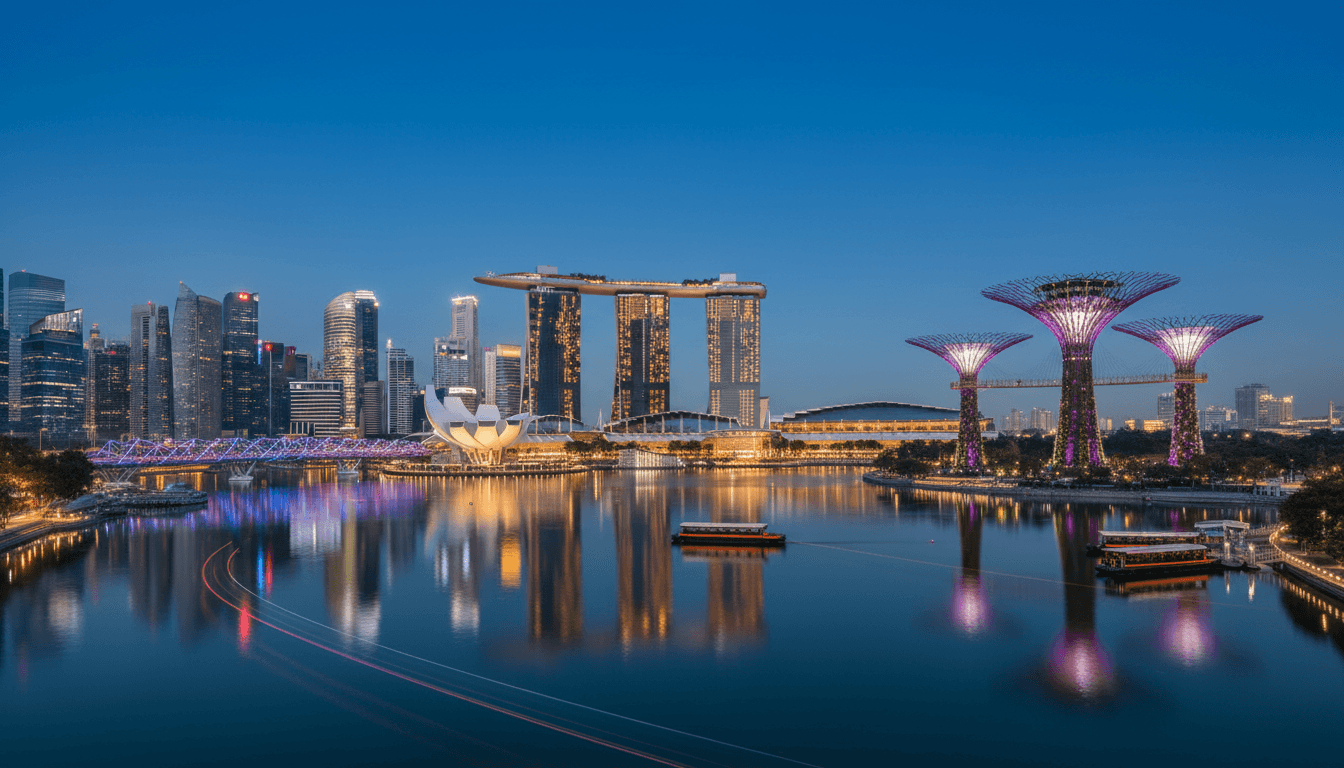
Bachelor and Bachelorette Parties in Singapore: The Complete Home Swap Group Guide for 2026
Planning a bachelor or bachelorette party in Singapore? Discover how home swapping lets groups of 6-12 stay together in luxury condos, saving thousands while partying in Marina Bay.
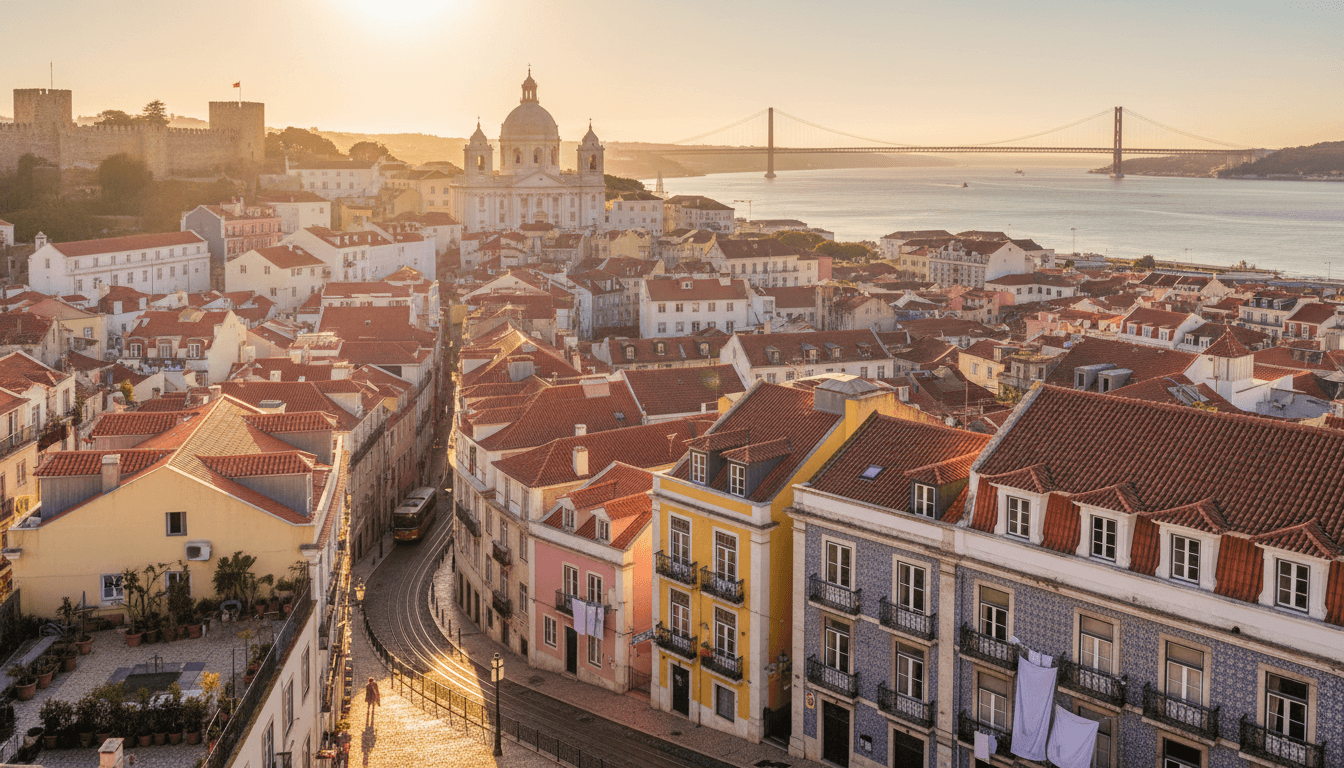
Cycling in Lisbon: 7 Home Swap Bike Tour Itineraries for Every Rider
Discover the best cycling routes in Lisbon with these home swap bike tour itineraries—from waterfront paths to hilltop adventures, all starting from your borrowed home.
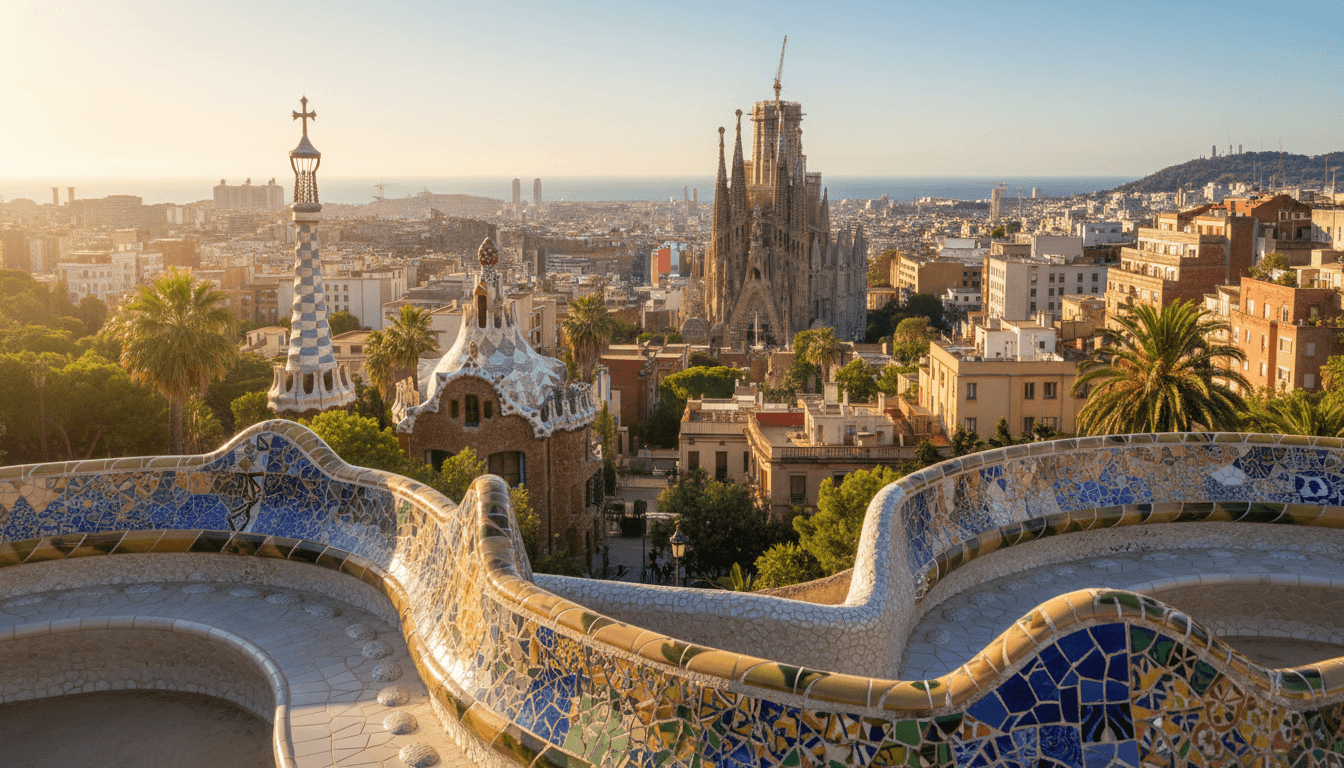
Graduation Trip to Barcelona: How Home Swapping Gives New Graduates the Ultimate Celebration
Planning a graduation trip to Barcelona? Discover how home swapping lets new graduates explore Spain's most vibrant city without the hostel crowds or hotel costs.