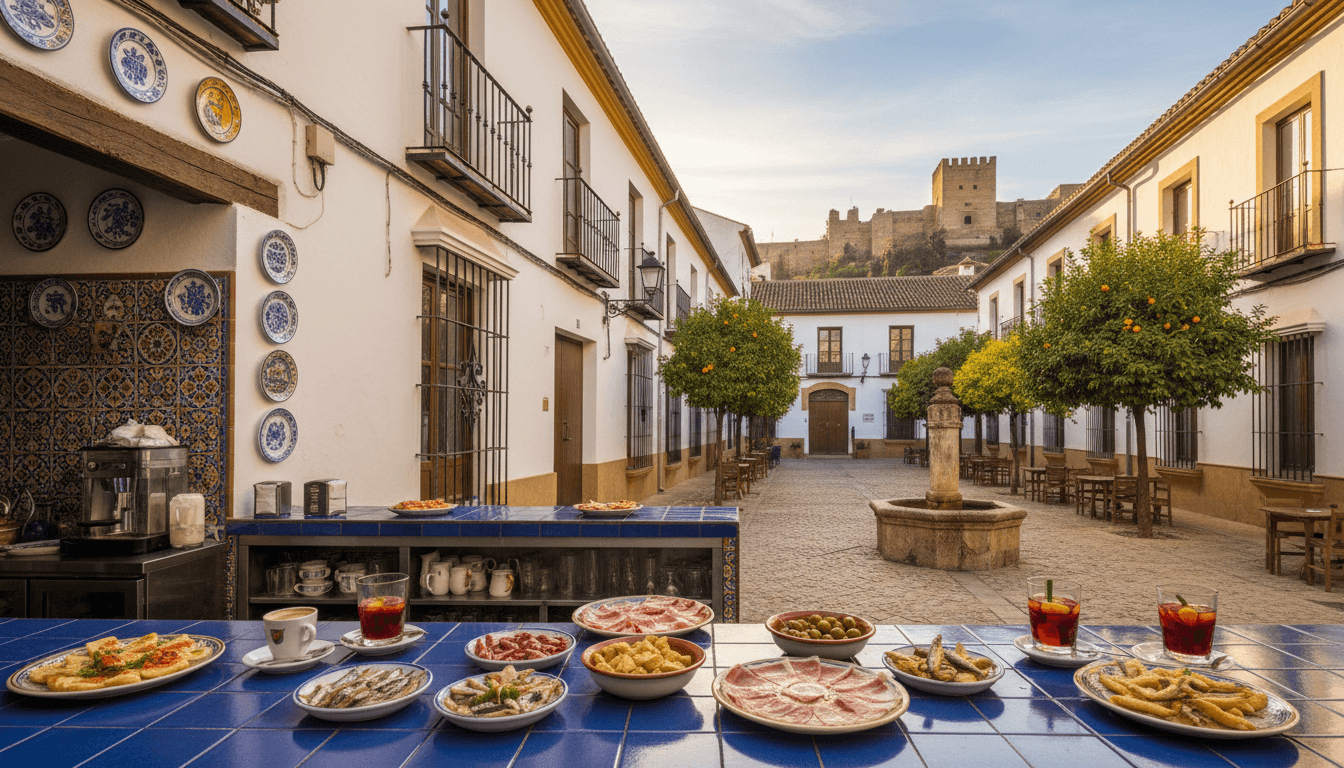
Málaga Food Scene: A Home Exchange Guide to Eating Like a Local
Maya Chen
Travel Writer & Home Exchange Expert
Discover Málaga's incredible food scene during your home exchange—from hidden tapas bars to morning markets where locals actually shop.
The first thing I noticed about my Málaga home exchange wasn't the apartment itself—it was the smell drifting up from the courtyard. Garlic, olive oil, something frying. It was 11 AM on a Tuesday, and my neighbor was already preparing lunch.
That's when I knew the Málaga food scene was going to wreck me in the best possible way.
I'd swapped my San Francisco place for a two-bedroom in the Soho neighborhood—yes, Málaga has a Soho, and yes, it's as artsy as it sounds—and spent three weeks eating my way through what might be Spain's most underrated culinary city. Barcelona gets the headlines. San Sebastián gets the Michelin stars. But Málaga? Málaga gets the locals who've been perfecting these recipes for generations without caring whether anyone outside Andalucía notices.
They're starting to notice now. And if you're planning a home exchange here, you're about to discover why.
Why Málaga's Food Culture Hits Different During a Home Exchange
Here's what nobody tells you about eating well in Spain: the best meals happen in kitchens, not restaurants.
When you're staying in someone's actual home—cooking in their kitchen, shopping at their corner store, maybe even getting tips from their neighbors—you access a completely different food culture than any hotel guest ever could. My host, Lucía, left me a handwritten note with her favorite produce vendor at Mercado de Atarazanas. "Tell him you're staying in my flat," she wrote. "He'll give you the good tomatoes."
She wasn't kidding. Those tomatoes tasted like summer distilled into fruit form.
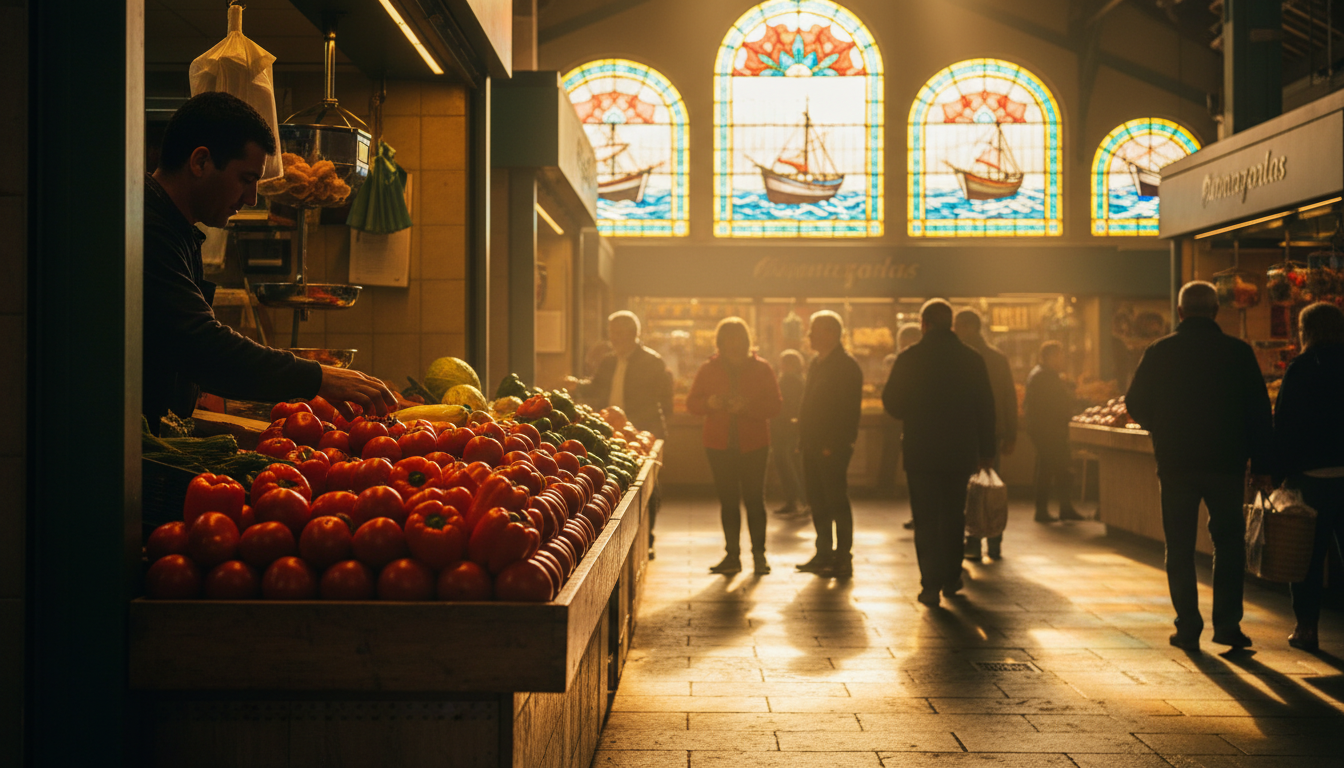 A vendor at Mercado de Atarazanas arranging vibrant red tomatoes and peppers, morning sun streaming
The Málaga food scene operates on relationships. Regulars get the freshest catch. Neighbors share recipes. The bar owner remembers your order after two visits. A home exchange plugs you directly into this network in a way that's impossible when you're just passing through.
I spent €47 ($51 USD) on groceries my first week—olive oil, jamón, cheese, bread, wine, and enough produce to cook most of my meals. Less than a single dinner for two at a mid-range restaurant. But more importantly, those grocery runs became my daily ritual, my Spanish practice, my window into how Malagueños actually live.
The Markets: Where Málaga's Culinary Story Begins
Mercado de Atarazanas: The Crown Jewel
Every food-focused trip to Málaga starts at Atarazanas. Built on the site of a 14th-century Moorish shipyard (the stunning stained-glass window at the entrance is original), this market is where the city's best chefs shop before dawn and where home cooks argue passionately about which fishmonger has the freshest boquerones.
Go early. I mean it—by 9 AM, the crowds start. But arrive at 8 AM on a Saturday and you'll see the market the way it's meant to be experienced: vendors calling out prices, old men debating over coffee, the seafood section gleaming with fish that were swimming hours ago.
The boquerones (fresh anchovies) are non-negotiable—about €8-10 ($9-11 USD) per kilo. Ask for them cleaned and ready for frying. The jamón ibérico runs €15-25 ($16-27 USD) per 100 grams depending on quality, which sounds expensive until you realize a little goes a long way. And grab Málaga's famous sweet wine at the wine stall near the back entrance—a bottle of decent moscatel costs €6-8 ($7-9 USD) and pairs perfectly with local cheese. The fruit vendors sell ugly tomatoes that taste incredible and misshapen peppers that cost half what you'd pay at a supermarket. This is the good stuff.
Mercado de la Merced: The Local's Alternative
Less touristy, smaller, and tucked into the Plaza de la Merced (yes, that's Picasso's childhood square), this market caters almost exclusively to neighborhood regulars. The selection is smaller but the prices are better, and you'll hear more Spanish than English.
I found my favorite olive oil here—a family producer from the hills outside Málaga sells directly from their stall. €12 ($13 USD) for a liter of oil so green it looks like liquid emeralds. The woman running the stall gave me a tasting and spent ten minutes explaining the difference between arbequina and hojiblanca olives. I didn't understand half of it, but I bought two bottles.
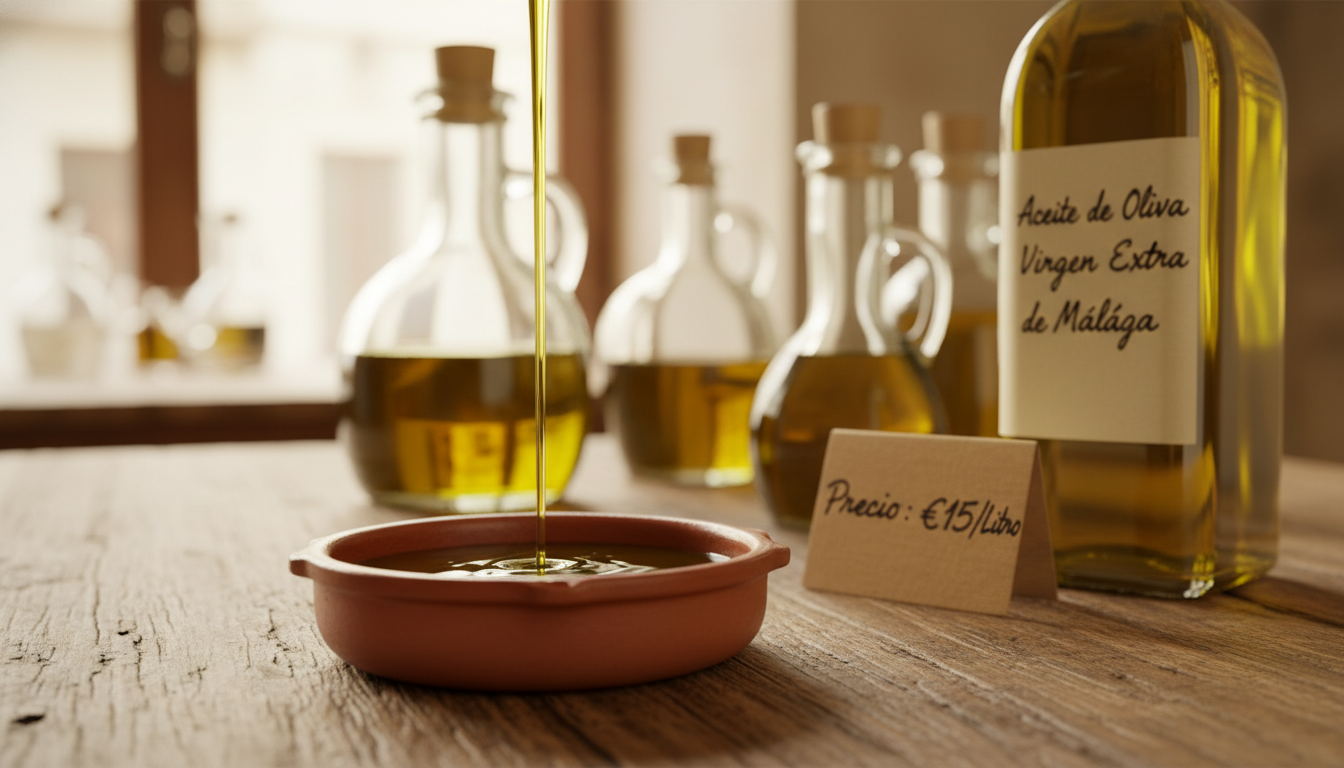 Close-up of golden-green olive oil being poured into a small tasting dish, with bottles of local Mla
Tapas Bars Worth Crossing the City For
The Málaga food scene lives and dies by its tapas bars. But here's the thing—the places with the best food often look like they haven't been renovated since 1975. Fluorescent lighting. Walls covered in bullfighting posters. A TV blaring fútbol in the corner. If it looks like your Spanish grandmother's living room, you're probably in the right place.
El Pimpi: Yes, It's Touristy. Go Anyway.
I know, I know. Every guidebook mentions El Pimpi. But this sprawling bodega—spread across multiple connected buildings in the shadow of the Alcazaba—deserves its reputation. The sweet wine comes straight from the barrel. The courtyard fills with guitar music at night. And the food, while not revolutionary, is consistently good.
Order the berenjenas con miel (fried eggplant with cane honey, €7.50/$8 USD) and the ensaladilla rusa (€6/$6.50 USD). Skip the paella—it's fine, but you can do better elsewhere.
The real magic at El Pimpi is the atmosphere. Go around 8 PM, grab a table in the courtyard, and watch the sunset paint the Alcazaba walls gold while you work through a bottle of their house sweet wine (€12/$13 USD). Sometimes the tourist trap is the trap for a reason.
Casa Lola: Where I Ate Lunch Four Times
This tiny bar on Calle Granada became my obsession. The menu changes daily based on what looked good at the market that morning. The owner, who I never learned the name of but who started recognizing me by day three, makes everything himself in a kitchen roughly the size of my bathroom.
I had gambas al ajillo (garlic shrimp, €9.50/$10 USD) that made me reconsider every shrimp dish I'd ever eaten. The secret, he told me in halting English, is "more garlic than you think. Then more." The patatas bravas here come with a sauce that's actually spicy—rare in Málaga—and the croquetas de jamón (€6/$6.50 USD for six) are the platonic ideal of what a croqueta should be.
No reservations. No website. Cash only. Closes when the food runs out, usually around 4 PM for lunch service.
Uvedoble Taberna: Modern Málaga Done Right
If Casa Lola is tradition, Uvedoble is where the Málaga food scene is heading. This sleek spot in Soho serves creative tapas that respect Andalusian ingredients while pushing into new territory—think tuna tataki with mango and soy (€14/$15 USD), or slow-cooked octopus with paprika aioli (€12/$13 USD).
The wine list focuses on small Spanish producers, and the staff actually knows what they're pouring. Budget around €35-45 ($38-49 USD) per person for a full meal with wine.
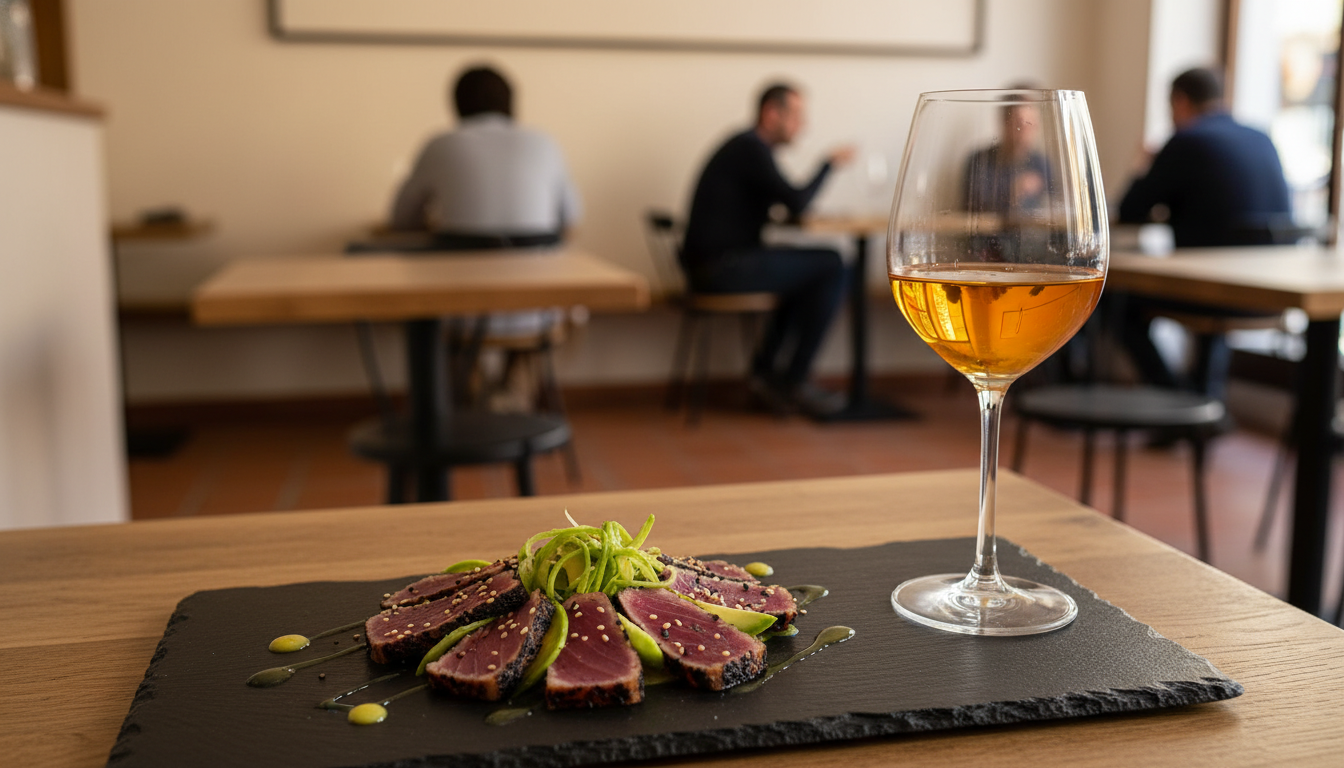 Modern tapas presentation at Uvedobletuna tataki artfully arranged on a dark slate plate, with a gla
Cooking in Your Home Exchange Kitchen: A Practical Guide
One of the best parts of a home exchange in Málaga is having a real kitchen. Here's how to use it.
The Essential Shopping List
Before you cook anything, stock up on these Málaga essentials: olive oil (the good stuff, €10-15/$11-16 USD per liter), flaky sea salt from the coast (€3/$3.25 USD), smoked paprika called pimentón (€2-4/$2-4.50 USD for a tin), and fresh garlic—always fresh garlic. These four ingredients form the backbone of Andalusian cooking.
For protein, the fish counter at Atarazanas is your best friend. Whole sea bream (dorada) runs about €12-15 ($13-16 USD) per kilo and feeds two generously. Gambas (prawns) cost €18-25 ($20-27 USD) per kilo depending on size. And those boquerones I mentioned? They're perfect for a simple lunch—just dust them in flour, fry in hot olive oil for two minutes per side, and squeeze lemon over the top.
Simple Recipes That Work
My go-to Málaga dinner became embarrassingly simple: I'd buy whatever fish looked freshest, drizzle it with olive oil, stuff the cavity with lemon slices and garlic, season with salt and pimentón, and roast at 200°C (400°F) for 20-25 minutes. Served with crusty bread to soak up the juices and a simple salad of those incredible tomatoes dressed with nothing but oil and salt.
Total cost: maybe €12 ($13 USD) for two people. Total effort: fifteen minutes of actual work. Total satisfaction: immeasurable.
For breakfast, do what the locals do: toast (tostada) with tomato. You'll find tomato paste in tubes at any supermarket, or you can grate fresh tomatoes directly onto the bread. Add olive oil, salt, and maybe some jamón if you're feeling fancy. Coffee from a moka pot. That's it. That's the breakfast.
Where to Shop Beyond the Markets
Mercado de Atarazanas closes by 3 PM, so you'll need backup options. Supermercado MAS and Mercadona are the reliable chains—both have locations throughout the city center. For specialty items, Ultramarinos Larios on Calle Larios has been selling gourmet Spanish products since 1906. Their selection of conservas (tinned seafood) is exceptional, and the staff can recommend regional products you won't find elsewhere.
Neighborhood Eating: A Guide by Area
Centro Histórico
The historic center has the highest concentration of restaurants but also the most tourist traps. Stick to the side streets off Calle Larios and you'll find gems. Bar Lo Güeno on Calle Marín García serves traditional Málaga food at local prices—their flamenquín (breaded pork roll stuffed with jamón, €8.50/$9 USD) is legendary. Café Central on Plaza de la Constitución has been serving coffee since 1926 and makes the best café con leche in the city.
Soho
The arts district has the most creative food scene. Beyond Uvedoble, check out La Cosmopolita for brunch (their eggs are excellent, €10-14/$11-15 USD for main dishes) and Mia Coffee for the best specialty coffee in Málaga (flat white €2.80/$3 USD). The street art makes the neighborhood worth exploring even between meals.
El Palo and Pedregalejo
These beach neighborhoods east of the center are where Malagueños go for seafood. The chiringuitos (beach restaurants) here serve espetos—sardines skewered on bamboo sticks and grilled over open fires right on the sand. It's a Málaga institution.
El Tintero is the famous one—servers wander between tables calling out dishes, and you flag them down for whatever sounds good. Prices are per plate (€6-12/$6.50-13 USD typically), and the chaos is part of the charm. For a quieter experience, try El Cabra next door—same quality, fewer crowds.
La Malagueta
The neighborhood near the bullring and port has some excellent spots. Antigua Casa de Guardia, open since 1840, serves sweet wines from the barrel in a standing-room-only bar that hasn't changed in decades. Point at what you want, they'll pour it, and you'll pay €1.50-3 ($1.60-3.25 USD) per glass. This is old Málaga at its finest.
Sweet Endings: Málaga's Dessert Culture
The Málaga food scene has a serious sweet tooth. And honestly? You should too.
Casa Mira on Calle Larios has been making ice cream since 1890. Their turrón (almond nougat) flavor is the signature, but the seasonal fruit sorbets are equally good. A cone costs €2.50-4 ($2.70-4.35 USD) depending on size.
For traditional pastries, find a bakery selling tortas locas—simple anise-flavored cookies that locals dunk in sweet wine—or borrachuelos, fried pastries soaked in honey that appear during Semana Santa but can be found year-round if you know where to look. Most bakeries sell them for €1-2 ($1-2.20 USD) each.
The churros con chocolate tradition runs deep here. Café con Libros in Soho does excellent ones (€4.50/$5 USD for a plate with thick chocolate), though I'd argue the best are from the no-name cart that sets up on Plaza de la Constitución on weekend mornings.
Practical Tips for the Food-Obsessed Home Exchanger
Timing Matters
Spanish meal times are non-negotiable. Lunch runs from 2-4 PM (many restaurants close between 4-8 PM). Dinner starts at 9 PM at the earliest—showing up at 7 PM marks you as a tourist faster than anything else. Breakfast is minimal: coffee and toast, maybe a pastry. Plan your day around these rhythms and you'll eat better.
The Tapa System
In Málaga, unlike some other Spanish cities, tapas usually aren't free with drinks. But they're cheap enough that it barely matters. Most tapas run €4-8 ($4.35-8.70 USD), and three or four plates plus wine makes a satisfying meal for €20-30 ($22-33 USD) per person.
Language Helps (But Isn't Required)
Basic Spanish goes a long way in Málaga's food scene. Learn "¿Qué recomienda?" (What do you recommend?) and "La cuenta, por favor" (The check, please) at minimum. Most menus in the center have English translations, but the best spots often don't—Google Translate's camera feature is your friend.
Make Reservations for Dinner
Lunch is usually walk-in friendly, but popular dinner spots fill up, especially on weekends. A quick message on Instagram or a call works—most restaurants are responsive.
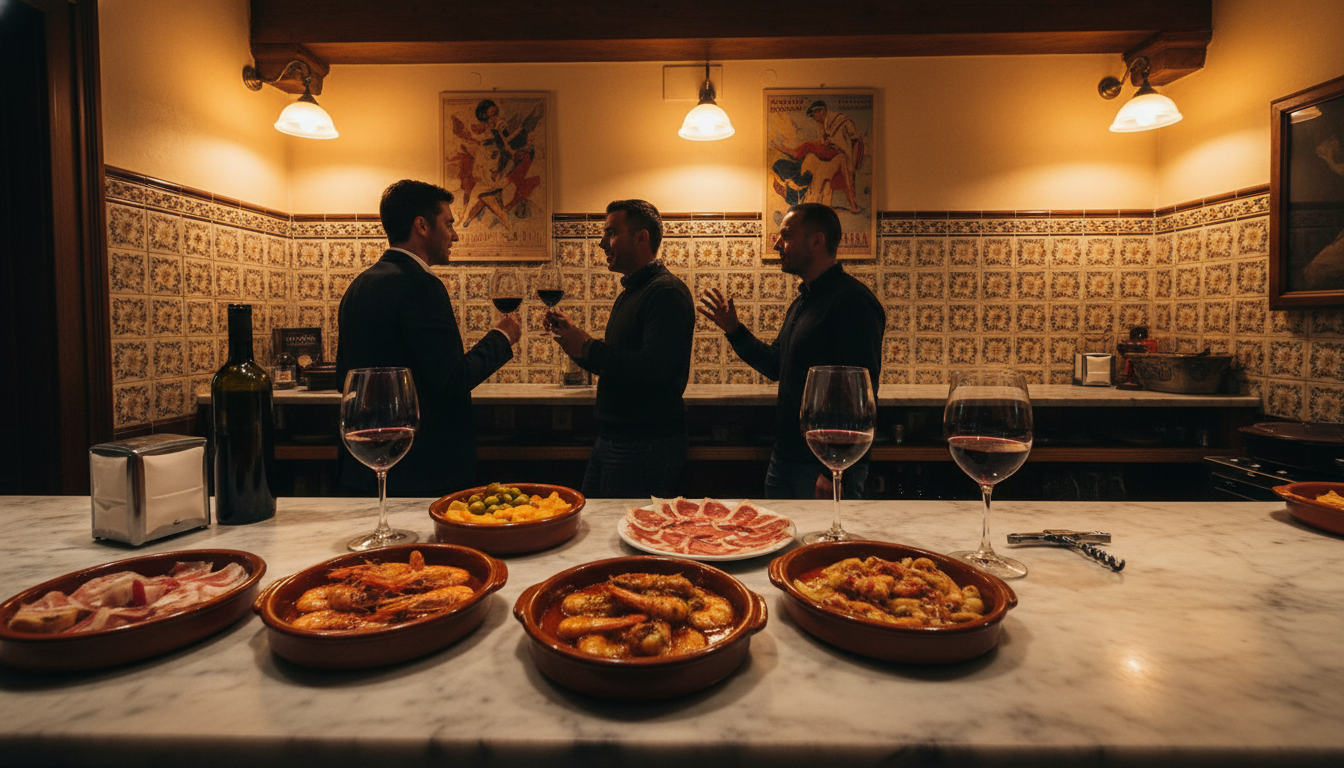 Evening scene at a tapas bar in Mlagas historic centerwarm lighting, small plates of food on a marbl
Why Home Exchange Makes Málaga's Food Scene Accessible
I've stayed in Málaga hotels before. They're fine. But they never gave me what three weeks in Lucía's apartment did: the feeling of actually living in this city, not just visiting it.
Having a kitchen meant I could buy that beautiful fish without wondering how I'd cook it. Having a neighborhood meant the fruit vendor started saving me the good tomatoes without being asked. Having time—because home exchanges let you stay longer without breaking the bank—meant I could eat at Casa Lola four times instead of rushing through a bucket list.
The Málaga food scene rewards slow exploration. It rewards coming back to the same bar until the owner knows your order. It rewards cooking a simple meal with ingredients you bought that morning and eating it on a balcony while the city hums below.
SwappaHome made this possible for me. I hosted a lovely couple from Madrid in my San Francisco place, earned credits, and spent them on three weeks in Málaga. No hotel bills. No restaurant-only meals. Just a real kitchen in a real neighborhood in a city that takes its food seriously.
The neighbor whose garlic-and-olive-oil cooking woke me up that first morning? By week two, she was inviting me over for lunch. Her gazpacho recipe is now one of my most treasured souvenirs—no suitcase required.
Frequently Asked Questions
What is the best food market in Málaga?
Mercado de Atarazanas is Málaga's premier food market, housed in a stunning 19th-century building with original Moorish architecture. Arrive before 9 AM for the freshest seafood and produce. The market closes by 3 PM daily and is closed Sundays. For a more local experience with fewer tourists, try the smaller Mercado de la Merced in Plaza de la Merced.
How much should I budget for food in Málaga per day?
Budget €30-50 ($33-55 USD) per person daily for a mix of market cooking and eating out. Cooking breakfast and some lunches in your home exchange kitchen can reduce this to €20-30 ($22-33 USD). A tapas dinner with wine typically costs €20-35 ($22-38 USD) per person. Market groceries are remarkably affordable—expect to spend €40-60 ($44-65 USD) weekly on quality ingredients.
What traditional Málaga dishes should I try?
Essential Málaga dishes include espetos (grilled sardines on bamboo skewers), ajoblanco (cold almond and garlic soup), berenjenas con miel (fried eggplant with honey), and fritura malagueña (mixed fried fish). Don't miss the local sweet wine, especially the moscatel and Pedro Ximénez varieties served at traditional bodegas throughout the city.
Are Málaga restaurants open on Sundays?
Many restaurants in Málaga's historic center open Sundays, though some close for dinner. Markets including Atarazanas are closed Sundays. Beach chiringuitos in Pedregalejo and El Palo typically operate seven days a week during tourist season. For Sunday meals, stick to the center or beach neighborhoods and make lunch reservations at popular spots.
Is Málaga good for vegetarian food?
While traditional Málaga cuisine is heavily seafood and meat-focused, the city's modern food scene accommodates vegetarians well. Soho neighborhood has the most vegetarian-friendly restaurants. Markets offer excellent produce for home cooking. Traditional options include gazpacho, ajoblanco (almond soup), berenjenas con miel, and various vegetable tapas. Always confirm dishes don't contain jamón, which appears in many seemingly vegetarian plates.
40+
Swaps
25
Countries
7
Years
About Maya Chen
Travel Writer & Home Exchange Expert
Maya is a travel writer with over 7 years of experience in the home swapping world. Originally from Vancouver and now based in San Francisco, she has completed more than 40 home exchanges across 25 countries. Her passion for "slow" and authentic travel led her to discover that true luxury lies in living like a local, not a tourist.
Ready to try home swapping?
Join SwappaHome and start traveling by exchanging homes. Get 10 free credits when you sign up!
Related articles
Lyon Home Exchange: Your Complete Guide to France's Hidden Gem for Home Swapping
Discover why Lyon home exchange is booming among savvy travelers. From Croix-Rousse to Presqu'île, find the best neighborhoods and insider tips for your swap.

Zurich Bucket List: 47 Unforgettable Experiences to Enjoy During Your Home Swap
Discover the ultimate Zurich bucket list for home swappers—from secret swimming spots to fondue rituals locals actually do. Save thousands while living like a true Zürcher.
Dublin Home Exchange Utilities Guide: WiFi, Heating & Everything Your Guests Need
Master Dublin home exchange utilities—from dodgy WiFi fixes to heating quirks. Practical tips from 7 years of swapping homes across Ireland.