
Budget Travel to Rome: Why Home Swapping Beats Every Other Option
Maya Chen
Travel Writer & Home Exchange Expert
Discover why budget travel to Rome through home swapping saves thousands while giving you an authentic Roman experience hotels simply can't match.
I still remember standing in my overpriced hotel room near Termini Station, staring at a €15 minibar water bottle and thinking: there has to be a better way to do Rome on a budget.
That was six years ago. Since then, I've returned to Rome four times—and I haven't paid for accommodation once. Budget travel to Rome doesn't have to mean hostels with questionable mattresses or Airbnbs that cost nearly as much as hotels. Home swapping changed everything about how I experience this city, and honestly? I'm a little obsessed with telling everyone about it.
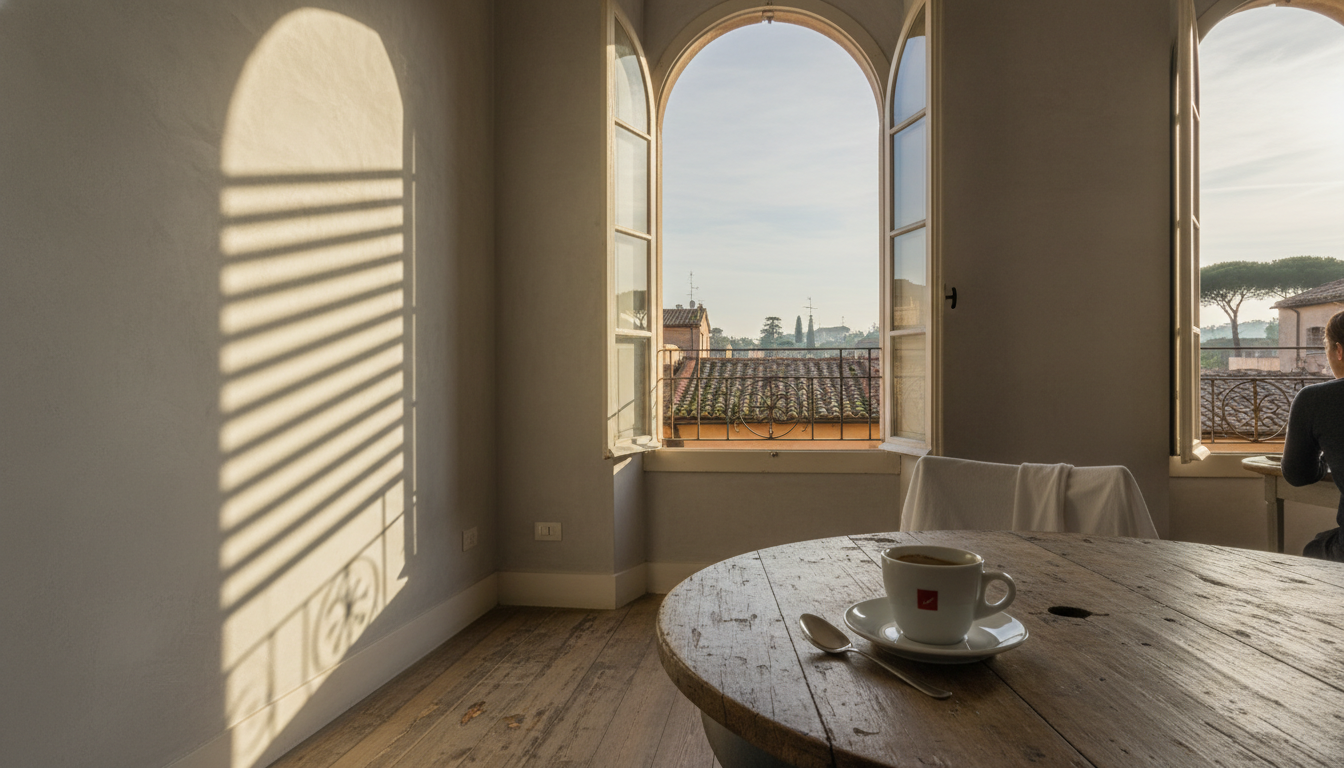 Morning light streaming through shuttered windows of a Roman apartment in Trastevere, espresso cup o
Here's what I've learned after multiple home exchanges in Rome: you don't just save money. You gain something hotels literally cannot offer—a real Roman life, even if it's just for a week.
Why Budget Travel to Rome Is Harder Than It Looks
Rome has a reputation problem. Everyone assumes it's expensive because, well, it kind of is. The average hotel room in central Rome runs about $180-250 per night. Even "budget" options near the main attractions hover around $120. And those prices? They get you a room the size of a closet with a view of an air conditioning unit.
I learned this the hard way during my first Rome trip in 2017. I'd booked what looked like a reasonable hotel near the Colosseum for $145/night. The photos showed a charming room with exposed brick. The reality was a converted storage closet where I could touch both walls while lying in bed. The "complimentary breakfast" was a sad croissant and instant coffee. Seven nights cost me over $1,000—and that was before I'd eaten a single plate of cacio e pepe.
The math is brutal. Hotels near major sites run $150-300 per night. Budget hotels in outer neighborhoods still hit $80-120, plus you're shelling out €20 or more daily just getting around. Airbnb in decent areas? $100-180 per night once you factor in cleaning fees, service fees, and the new tourist tax. Hostels will run you $35-60 for a dorm bed, assuming you're okay sharing a room with strangers who may or may not snore like freight trains.
For a week in Rome, you're looking at $700-2,000 just for somewhere to sleep. That's money that could go toward that truffle pasta at Roscioli, a day trip to Tivoli, or—my personal weakness—too many scoops of pistachio gelato at Fatamorgana.
How Home Swapping Works for Rome Budget Travel
Home swapping flips the entire equation. Instead of paying for accommodation, you exchange stays with other travelers. You host someone at your place, earn credits, then use those credits to stay in someone else's home in Rome.
The concept isn't new—people have been swapping homes since the 1950s—but platforms like SwappaHome have made it ridiculously simple.
You earn credits by hosting. Every night someone stays at your home, you earn 1 credit. Doesn't matter if you have a studio apartment in Cleveland or a house in Seattle—it's always 1 credit per night. You spend credits by traveling, and when you book a stay in Rome (or anywhere), you spend 1 credit per night. Again, flat rate. That gorgeous apartment in Trastevere with the rooftop terrace? 1 credit per night. Same as a modest flat in Testaccio.
Here's the part that surprised me: no direct swap required. You don't need to find someone in Rome who wants to visit your specific city. You host a family from Sydney, earn credits, then use those credits for Rome. The system is flexible.
New members on SwappaHome start with 10 free credits—that's potentially 10 nights of accommodation anywhere in the network. For Rome, that's easily $1,500-2,500 worth of hotel stays, yours for the cost of... nothing.
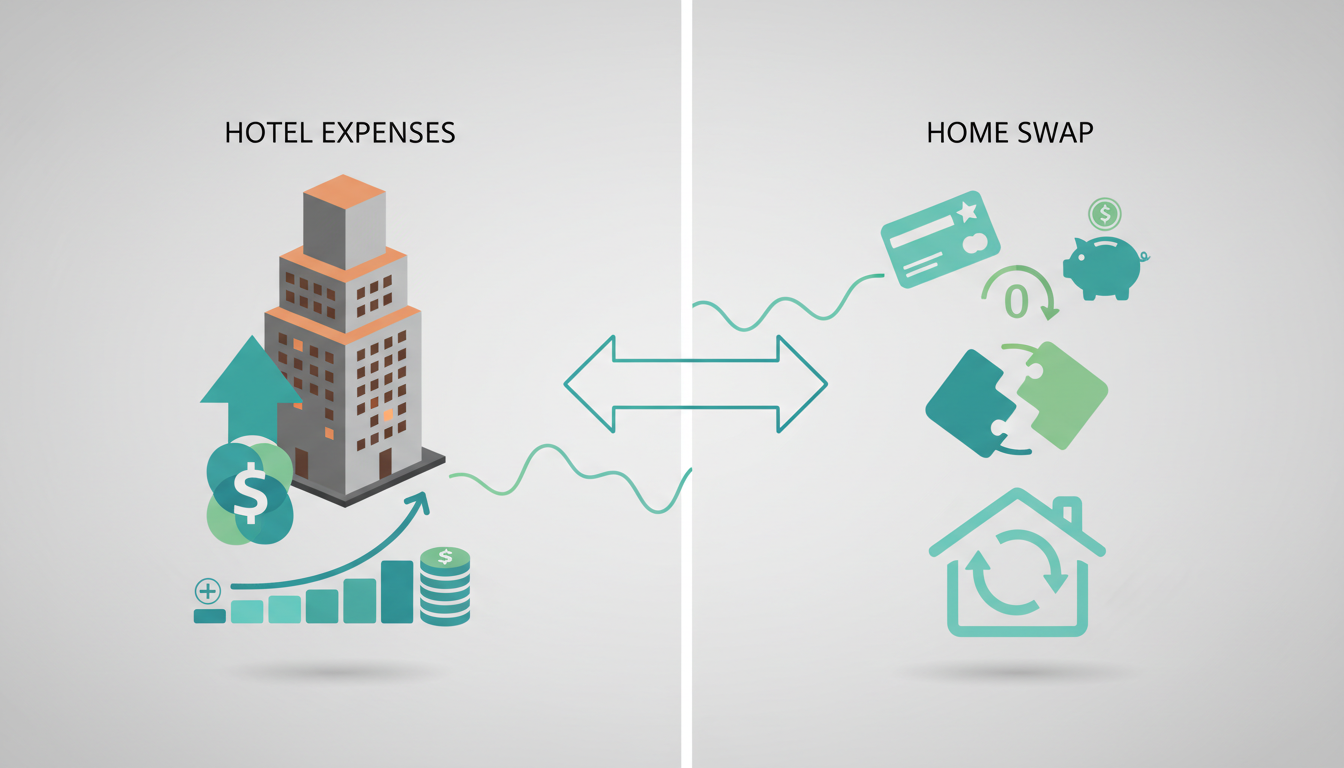 Split-screen infographic comparing 7-night Rome trip costs left side shows hotel expenses totaling 1
The Real Reason Home Swapping Wins for Rome
Saving money is great. But here's what actually converted me: the experience is incomparably better.
My third Rome trip, I stayed in a home exchanger's apartment in Monti—this tiny neighborhood tucked between the Colosseum and Termini that most tourists walk right past. The apartment belonged to a retired professor named Giulia who was spending a month in California.
She left me a handwritten guide. Not the usual "here's how the WiFi works" stuff, but real intel: which bakery makes the best maritozzi (Regoli, on Via dello Statuto), what time to arrive at her favorite wine bar to snag a seat (Ai Tre Scalini, before 6 PM), and which entrance to use at the Colosseum to avoid the worst crowds.
I had a full kitchen, so I bought produce at the Mercato Esquilino—Rome's most underrated market—and made breakfast on her little balcony every morning. I did laundry in her washing machine instead of paying €8 per load at a laundromat. I stored leftover pizza in her fridge for midnight snacks.
This is what budget travel to Rome should feel like. Not scrimping and sacrificing, but living like you actually belong there.
 Colorful produce stalls at Mercato Esquilino with vendors arranging artichokes and blood oranges, mo
Best Rome Neighborhoods for Home Swapping
Not all Roman neighborhoods are created equal for home exchanges. After four trips, I have strong opinions.
Trastevere: The Obvious Choice (For Good Reason)
Trastevere is where I'd send my best friend for their first Rome home swap. Cobblestone streets, ivy-covered buildings, trattorias that haven't changed menus since 1970. It's touristy, yes—but the kind of touristy that still feels authentically Roman.
Home swap listings here tend to be charming apartments in centuries-old buildings. Expect quirks: steep stairs, tiny elevators, windows that require a specific technique to open. That's part of the charm.
You're within walking distance to the Vatican (20 minutes), Campo de' Fiori (10 minutes), and the Jewish Ghetto (15 minutes). The restaurant density is excellent—Da Enzo for traditional Roman, Tonnarello for late-night pasta. Tram 8 connects to Termini for day trips. One caveat: it's noisier at night due to the bar scene, so request a courtyard-facing apartment if you're a light sleeper.
Monti: My Personal Favorite
Monti doesn't try as hard as Trastevere, and I mean that as a compliment. It's a neighborhood where Romans actually live—young professionals, artists, elderly couples who've been there for decades. The vintage shops are genuinely interesting, not curated for Instagram.
I've done two home swaps in Monti, and both times I felt like a temporary local rather than a tourist.
It's the closest neighborhood to the Colosseum and Roman Forum—just a 5-10 minute walk. Via del Boschetto is the main artery, with good coffee at Faro and excellent dinner at Urbana 47. Quieter than Trastevere but still has nightlife options. The apartments tend to be smaller on average, but often better renovated.
Testaccio: For Food-Obsessed Travelers
Testaccio is Rome's original working-class neighborhood, and it shows in the best way. This is where Roman cuisine was invented—or at least perfected. The famous Testaccio Market is here, along with legendary spots like Felice a Testaccio (make reservations two weeks ahead for their cacio e pepe).
Home swap options in Testaccio tend to be more spacious. The apartments are often bigger because the neighborhood is less "prestigious"—which, honestly, works in your favor.
You're looking at a 20-minute walk to the Colosseum, 30 to the Vatican. Metro B line at Piramide station gets you around easily. It's the best neighborhood for serious food exploration, and it's quieter and more residential—great for longer stays.
Prati: The Vatican Alternative
If Vatican access is your priority, Prati makes sense. It's the neighborhood directly north of St. Peter's, full of elegant apartment buildings from the early 1900s. Less chaotic than areas south of the Tiber, more polished, slightly less "Roman" in character.
I stayed here once and appreciated the wide sidewalks and proximity to the Vatican Museums (I walked there at 7:30 AM to beat crowds). The neighborhood felt almost Parisian.
You're within a 5-10 minute walk to the Vatican, with good shopping on Via Cola di Rienzo and excellent gelato at Gelateria dei Gracchi. Metro A at Ottaviano or Lepanto connects you to the rest of the city.
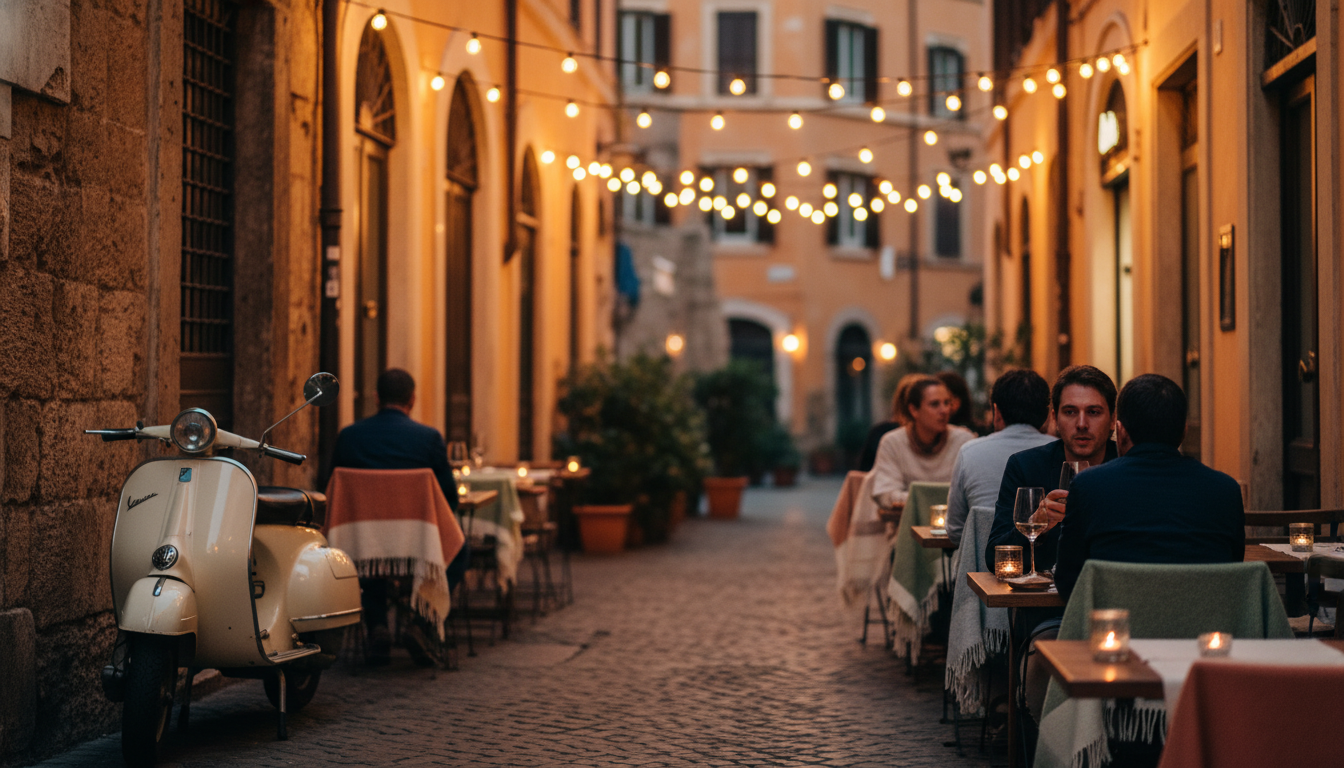 Evening scene on a Monti side street, string lights between buildings, people dining at outdoor tabl
What to Expect From Your Roman Home Exchange
Roman apartments have personality. Sometimes that personality is "charming chaos." Here's what I've learned to expect—and embrace.
The Quirks Are Part of the Experience
Italian plumbing has its own logic. Showers may have unusual configurations. Light switches might be in unexpected places. The washing machine will definitely have settings you don't understand (just use the one with the lowest number and hope for the best).
My Monti apartment had a bidet—standard in Italy—that I initially mistook for a very low sink. The elevator fit exactly one person with a small suitcase. The kitchen had a moka pot but no drip coffee maker, which forced me to learn how to make proper Italian coffee.
None of this is bad. It's just different. And honestly, these quirks are what make the experience memorable.
Communication Is Everything
Before every Rome home swap, I message the host extensively. Not to be annoying, but because good communication prevents 90% of potential issues.
I always ask: Is there anything temperamental about the apartment I should know? (The answer is always yes.) What's the best way to reach you if something goes wrong? Are there any neighborhood spots you'd recommend? What should I absolutely NOT do? One host told me never to put anything down the garbage disposal because it was broken but looked functional. Saved me from a disaster.
SwappaHome's messaging system keeps everything documented, which is helpful for both parties.
Leave It Better Than You Found It
This is my personal code for home swapping. I strip the beds, run the dishwasher, take out the trash, and leave a small gift—usually something from my home city or a nice bottle of wine from a local enoteca.
The home swap community runs on mutual respect. Reviews matter. If you're a great guest, hosts will want to accept your future requests. If you're careless, word gets around.
Budget Breakdown: Home Swapping vs. Traditional Rome Travel
Let me show you the actual numbers from my most recent Rome trip—seven nights in September 2023.
If I'd booked a hotel (moderate option near Monti), accommodation would've run $175/night times seven nights, totaling $1,225. Add breakfast out daily at $12 times seven for $84, plus $40 for laundry service. That's roughly $1,350 in accommodation-related costs.
What I actually spent with a home swap in Monti: 7 credits (earned by hosting a couple from Berlin for a week), groceries for breakfasts and a few dinners at $85, and laundry for $0 because I used the apartment's machine. Total accommodation-related costs: about $85.
Savings: $1,265.
That's not theoretical savings—that's money I actually kept in my pocket. Money I spent instead on a cooking class in Trastevere ($95), a day trip to Ostia Antica ($45 including lunch), and an embarrassing amount of supplì from various friggitorie.
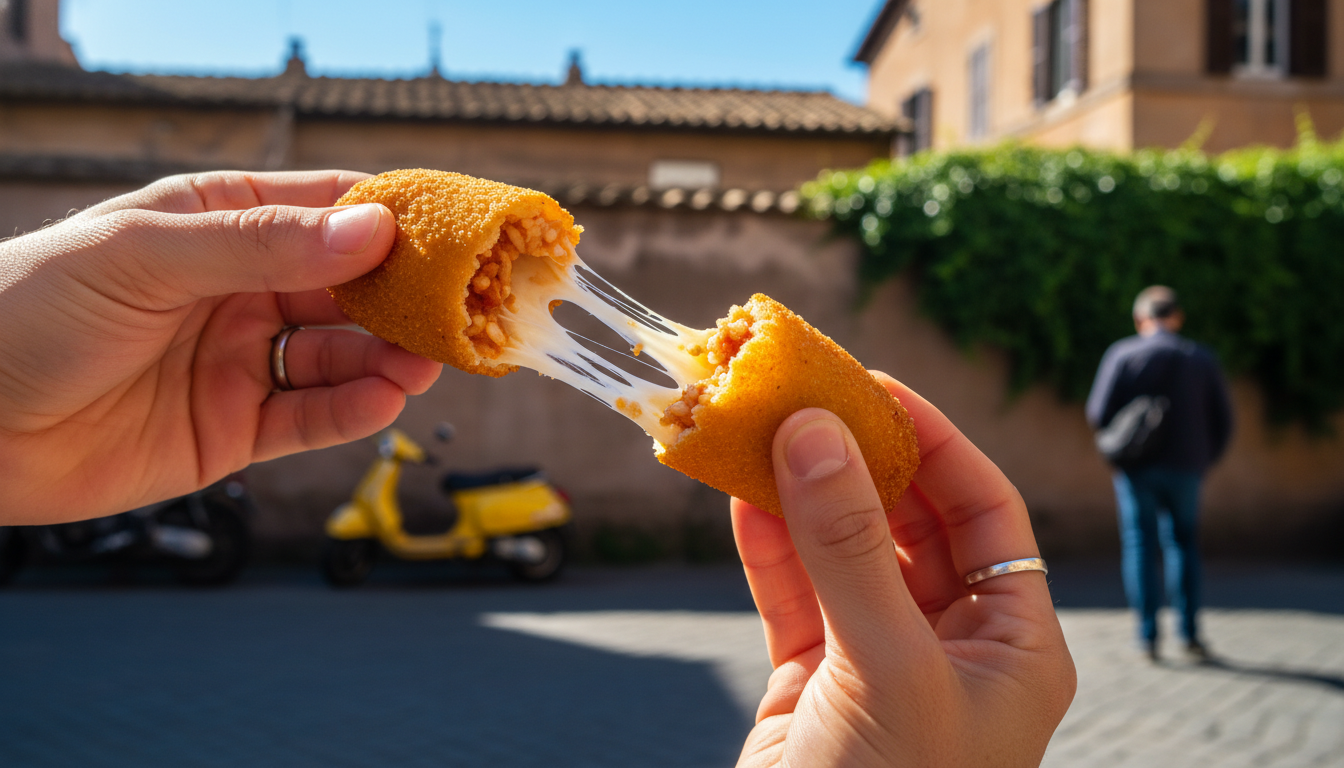 Hands holding a fresh suppl fried rice ball with stretchy mozzarella visible inside, Roman street sc
How to Find Your Perfect Rome Home Swap
The process is simpler than you'd think, but there are strategies that improve your chances of landing a great exchange.
Start Early
Rome is popular. Obviously. The best apartments get booked months in advance, especially for peak seasons (April-May, September-October). I start looking 3-4 months ahead for specific dates.
Make Your Profile Compelling
Hosts want to know who's staying in their home. Your SwappaHome profile should include clear photos of your space (even if it's modest—authenticity matters), an honest description of your home and neighborhood, a personal bio that shows you're a real human, and completed verification to build trust.
I've been rejected by hosts who had better options, and I've been accepted by hosts who said my profile "felt trustworthy." Put effort into this.
Write Personal Request Messages
Generic requests get ignored. When I message a potential Rome host, I mention specific things I noticed about their apartment ("I love that you have a balcony overlooking the courtyard"), why I'm visiting Rome ("My sister is getting married in Frascati, and I'm extending the trip to explore the city"), and what kind of guest I am ("I'm quiet, tidy, and I'll treat your home like my own").
Be Flexible on Neighborhoods
Your dream apartment in Trastevere might not be available for your dates. But there might be a perfect option in Testaccio or Pigneto. Rome is walkable and well-connected by transit—don't limit yourself to one neighborhood.
Making the Most of Your Rome Home Swap Budget
With accommodation costs at zero, you can actually enjoy Rome without constant mental math.
Eat Like a Local
Having a kitchen changes everything. I buy fresh bread from Panella or Roscioli Bakery, cheese and salumi from the Testaccio Market, seasonal produce (Roman artichokes in spring are transcendent), and good olive oil and pasta for simple dinners.
Breakfast at home, a big lunch out (pranzo is the main meal in Italy), aperitivo around 6 PM, and a light dinner—this rhythm saves money and matches how Romans actually eat.
Splurge Strategically
Because you're not bleeding money on hotels, you can afford the experiences that matter. That €25 pasta dish at Roscioli that everyone says is life-changing? It is. A proper multi-course dinner at a traditional trattoria. Tickets to the Borghese Gallery (book two weeks ahead). A day trip to Pompeii or the Amalfi Coast.
Use Your Host's Knowledge
Every home swap host I've had in Rome has shared insider tips that I never would have found on TripAdvisor. Giulia in Monti told me about a tiny bar that serves €1 espresso and €5 spritzes—in a city where tourist-trap bars charge €12 for the same drink.
This local knowledge is worth more than any guidebook.
Safety and Trust in Home Swapping
I get asked about this constantly: "Isn't it weird letting strangers stay in your home?"
Honest answer: it felt weird the first time. Now it feels normal.
The home swap community is self-regulating through reviews. Every guest and host reviews each other after a stay. Bad actors get flagged quickly. In seven years of swapping, I've never had a negative experience—and I've hosted probably 30+ guests.
SwappaHome offers identity verification, which I recommend completing. It adds a layer of accountability. You can also message extensively with hosts before committing to anything.
One thing to note: SwappaHome is a platform that connects members, not an insurance company. If you want coverage for your belongings while traveling (or while hosting), you'll need to arrange your own travel or home insurance. I personally have a renter's insurance policy that covers my stuff even when guests are staying, and I carry travel insurance that covers my belongings abroad. Peace of mind is worth the small annual cost.
When Home Swapping in Rome Makes Sense (And When It Doesn't)
Home swapping is ideal for trips of 5+ nights where the savings really add up, travelers who want neighborhood immersion over hotel convenience, budget-conscious travelers who don't want to sacrifice comfort, repeat visitors who've done the hotel thing, and families or groups since home swap apartments often have multiple bedrooms.
It might not be ideal for very short trips of 1-2 nights where hotel convenience matters more, travelers who want daily housekeeping and room service, people uncomfortable with the responsibility of staying in someone's home, or last-minute trips since you need time to arrange exchanges.
I'll be real: home swapping requires a bit more planning than booking a hotel. You need to communicate with hosts, understand how their apartment works, and treat the space with respect. If that sounds exhausting, it might not be for you.
But if it sounds like an adventure? You're going to love it.
Getting Started With Your First Rome Home Swap
Ready to try this? Here's my practical advice for first-timers.
Sign up on SwappaHome and complete your profile thoroughly. Upload good photos of your space—natural light, tidy rooms, honest representation. Write a bio that sounds like you, not a hotel brochure.
Start hosting before your Rome trip. Those 10 free credits are great, but building reviews as a host makes you more attractive to Roman hosts. Accept a few guests, be a great host, collect positive reviews.
Browse Rome listings to understand what's available. Note which neighborhoods have options, what apartments look like, how hosts describe their spaces. This research helps you write better request messages later.
Send personalized requests to 3-5 hosts whose apartments appeal to you. Don't spam—quality over quantity. Explain who you are, why you're visiting, and why their specific apartment caught your eye.
Once accepted, communicate clearly about arrival times, key handoff, and any questions. Most hosts are eager to help you have a great stay.
The Bigger Picture: Travel Differently
I've been thinking a lot lately about why home swapping feels so different from other travel.
Part of it is financial—obviously. Not paying $200/night changes how you experience a city. You're not constantly calculating whether this meal or that museum is "worth it." You're just... living.
But there's something else. When you stay in someone's home, you're participating in a community. You're trusting a stranger, and they're trusting you. There's a mutual vulnerability that creates connection.
My Rome hosts have become friends. Giulia and I still email occasionally. She came to San Francisco last year and stayed at my place—no credits exchanged, just friendship.
That's not something you get from a hotel.
Budget travel to Rome doesn't have to mean suffering through bad hostels or staying in distant suburbs. Home swapping offers a third path: genuine savings combined with genuine experience. You get the Rome that tourists don't see, the Rome that exists in residential neighborhoods and local markets and quiet morning espressos.
If you're planning a Rome trip and the hotel prices are making you wince, give home swapping a serious look. Start building your profile on SwappaHome, host a few guests, and see how it feels.
I have a feeling you'll be hooked.
Frequently Asked Questions
Is home swapping in Rome safe for solo travelers?
Home swapping in Rome is generally safe for solo travelers, especially when you use platforms with verification and review systems. I've done two solo Rome swaps without issues. Always communicate extensively with hosts beforehand, verify their identity through the platform, and trust your instincts. Consider arranging your own travel insurance for added peace of mind.
How much money can I save with home swapping versus hotels in Rome?
For a week-long Rome trip, home swapping typically saves $1,000-1,800 compared to mid-range hotels in central neighborhoods. Budget hotels might reduce that gap to $700-1,000 in savings. The exact amount depends on your dates, neighborhood preferences, and what you'd otherwise book—but the savings are substantial regardless.
Do I need to speak Italian for home swapping in Rome?
No, Italian language skills aren't required. Most home swap hosts in Rome speak English, and platform communication happens in writing where translation tools help. That said, learning basic Italian phrases ("grazie," "buongiorno," "mi scusi") shows respect and enhances your experience in the neighborhood.
How far in advance should I book a Rome home swap?
For peak seasons (April-May, September-October), start searching 3-4 months ahead. Summer and winter trips can often be arranged 6-8 weeks out. Last-minute swaps are possible but limit your options significantly. The best apartments with great reviews get booked earliest.
What happens if something goes wrong during my Rome home swap?
Home swap platforms facilitate connections but don't typically intervene in disputes. If issues arise, communicate directly with your host first—most problems have simple solutions. For serious concerns, document everything and contact platform support. Having your own travel insurance provides additional protection for unexpected situations.
40+
Swaps
25
Countries
7
Years
About Maya Chen
Travel Writer & Home Exchange Expert
Maya is a travel writer with over 7 years of experience in the home swapping world. Originally from Vancouver and now based in San Francisco, she has completed more than 40 home exchanges across 25 countries. Her passion for "slow" and authentic travel led her to discover that true luxury lies in living like a local, not a tourist.
Ready to try home swapping?
Join SwappaHome and start traveling by exchanging homes. Get 10 free credits when you sign up!
Related articles

Lyon Home Exchange: Your Complete Guide to France's Hidden Gem for Home Swapping
Discover why Lyon home exchange is booming among savvy travelers. From Croix-Rousse to Presqu'île, find the best neighborhoods and insider tips for your swap.

Zurich Bucket List: 47 Unforgettable Experiences to Enjoy During Your Home Swap
Discover the ultimate Zurich bucket list for home swappers—from secret swimming spots to fondue rituals locals actually do. Save thousands while living like a true Zürcher.
Dublin Home Exchange Utilities Guide: WiFi, Heating & Everything Your Guests Need
Master Dublin home exchange utilities—from dodgy WiFi fixes to heating quirks. Practical tips from 7 years of swapping homes across Ireland.