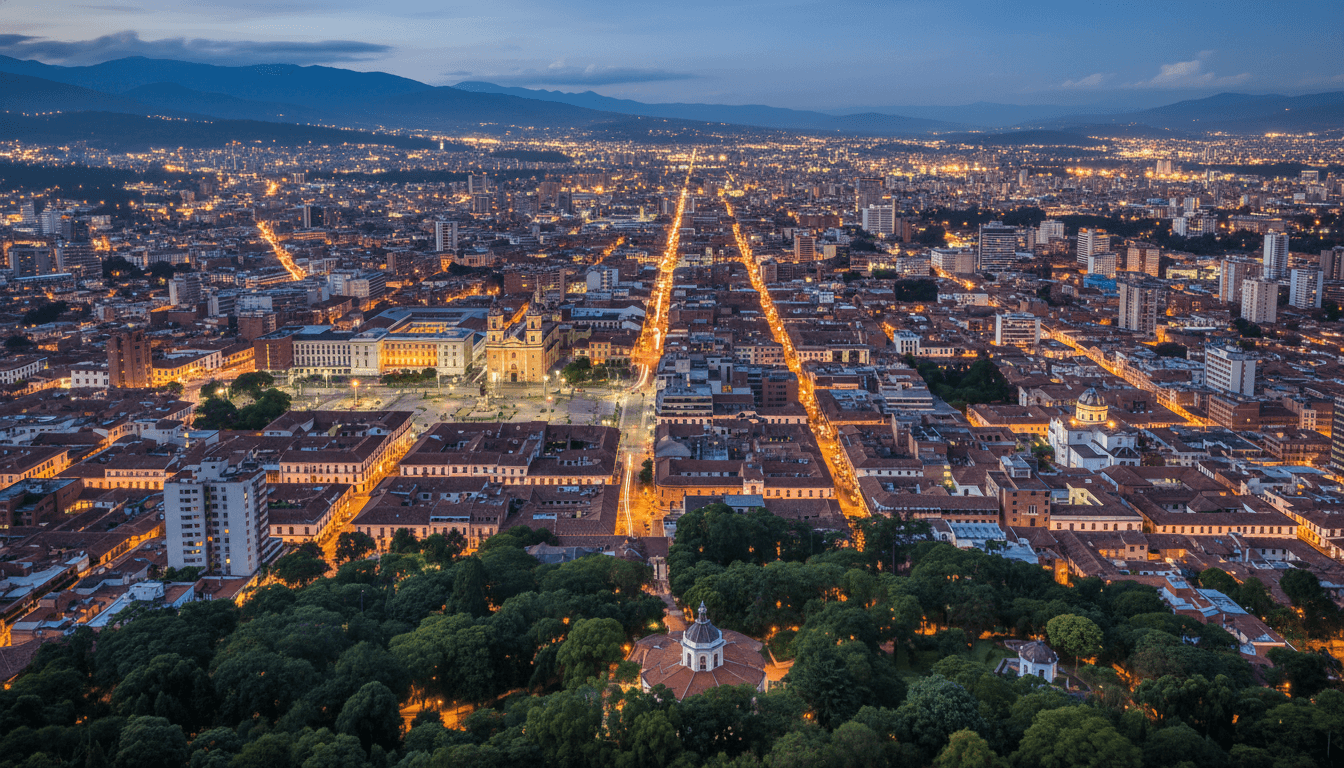
Long-Term Home Exchange in Bogotá: The Complete Remote Worker's Guide to Living Like a Local
Maya Chen
Travel Writer & Home Exchange Expert
Discover how long-term home exchange in Bogotá can transform your remote work life—with neighborhood guides, cost breakdowns, and insider tips from 3 months living in Colombia's capital.
I'm writing this from a café in Chapinero, Bogotá, watching the afternoon clouds roll over the Andes through floor-to-ceiling windows. My laptop's open, my cortado's getting cold, and I'm thinking about how different this is from the cramped WeWork I used to haunt in San Francisco. Three months ago, I traded my apartment for a sun-filled loft in Colombia's capital through a long-term home exchange—and honestly? It's been the best decision I've made for my remote work life.
Here's what nobody tells you about extended home swapping in Latin America's most underrated capital: it's not just about free accommodation. It's about accidentally building a life somewhere. About having a neighborhood bakery that knows your order. About understanding why Bogotanos get genuinely offended when you compare their city to Medellín.
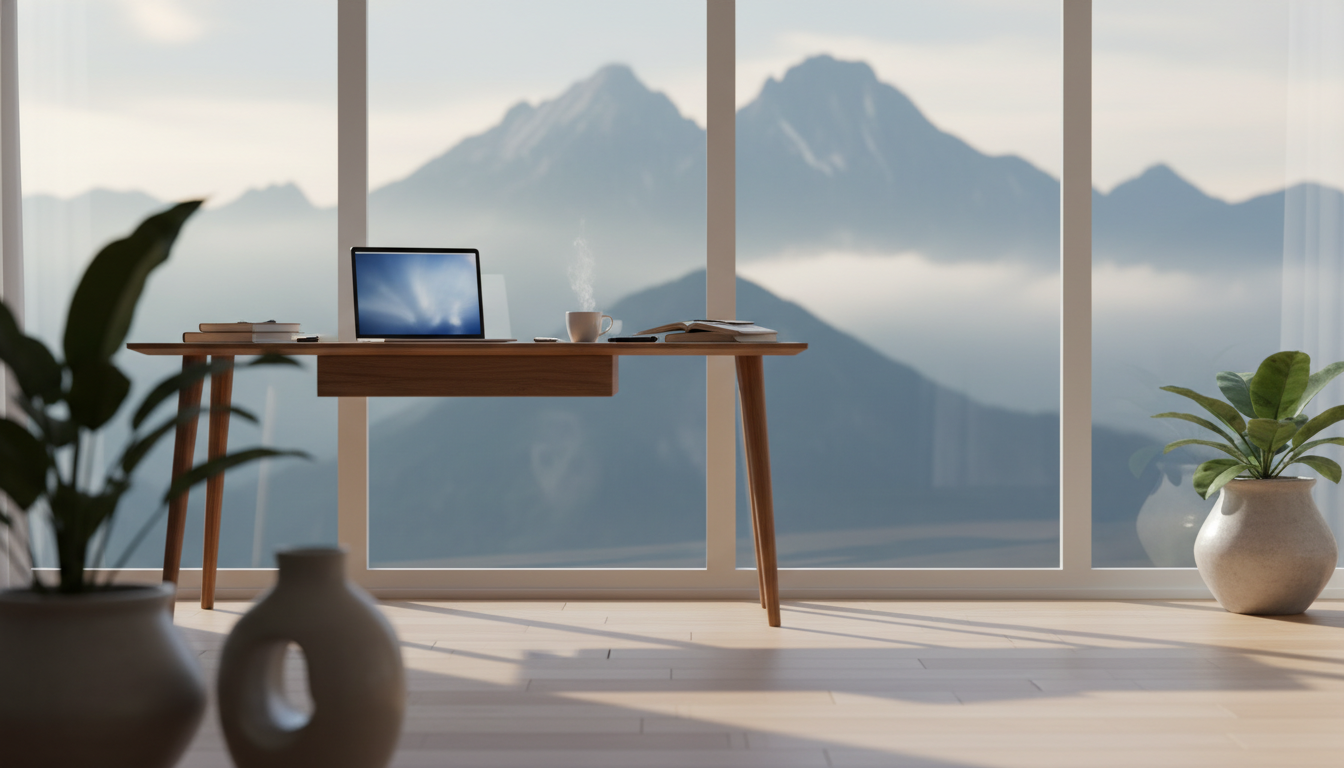 morning light streaming through large windows of a modern Chapinero apartment, laptop on wooden desk
Why Bogotá Is Perfect for Long-Term Home Exchange
Let me be real with you—Bogotá wasn't even on my radar initially. I'd been eyeing Lisbon (again), maybe Barcelona, possibly that converted barn in Tuscany I still dream about. But then a fellow SwappaHome member messaged me about her place in Bogotá, and something clicked.
The numbers made sense first. Colombia's cost of living means your remote work salary stretches impossibly far—we're talking $3 cappuccinos at specialty cafés, $8 lunch menus at upscale restaurants, $15 massages that would cost $120 in California. But beyond the economics, Bogotá has something that took me weeks to articulate: it feels like a real city living its own life, not a city performing for tourists.
The Remote Worker Infrastructure Is Genuinely Excellent
I've worked from 25+ countries, and Bogotá's digital nomad infrastructure rivals anywhere I've been. The internet situation surprised me most—my home exchange apartment consistently hits 150 Mbps, and I've yet to find a café with speeds below 50 Mbps. The city runs on fiber optic, and Colombians take their connectivity seriously.
The café culture here deserves its own article. Unlike Bali where you're competing for outlets with 47 other laptop warriors, Bogotá's coffee shops feel designed for actual work. Places like Azahar Café in Chapinero or Amor Perfecto in Usaquén have multiple floors, abundant power outlets, and—this matters—no side-eye when you camp out for four hours.
And then there's the time zone thing. Bogotá runs on EST (no daylight saving, which is weirdly convenient), meaning you're synced with New York, close enough to LA for afternoon meetings, and can catch European colleagues before they log off. After struggling with 14-hour time differences in Southeast Asia, this felt like a revelation.
Finding Your Long-Term Home Exchange: Neighborhood by Neighborhood
This is where I see remote workers make their biggest mistakes. They search for "Bogotá apartment" and end up in La Candelaria because it looks charming in photos. And look—La Candelaria IS charming. For a weekend. For three months of remote work? You'll want to throw your laptop off a colonial balcony.
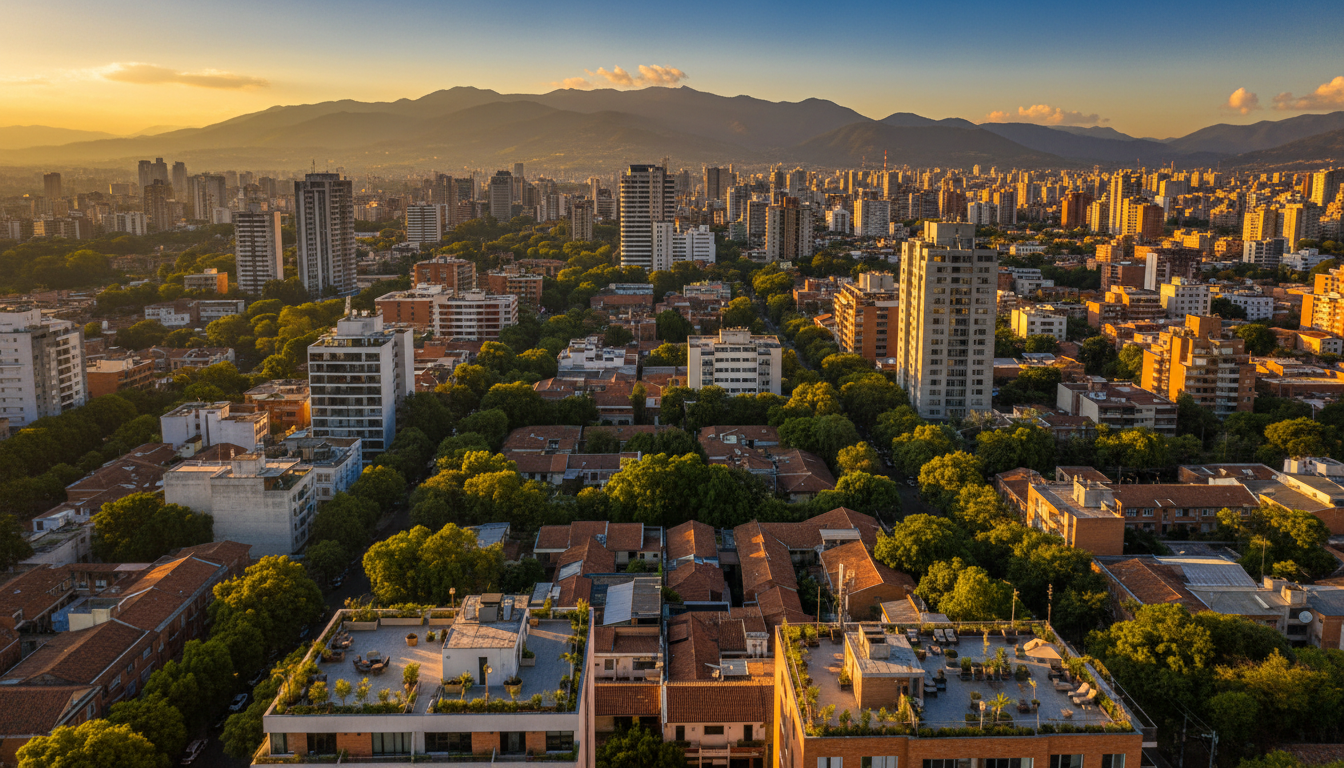 aerial view of Bogots Chapinero neighborhood at golden hour, mix of modern high-rises and tree-lined
Chapinero: The Default Choice for Good Reason
I'm biased because I'm living here, but Chapinero—specifically Chapinero Alto—hits the sweet spot. The neighborhood splits into distinct zones: Chapinero Central (grittier, more local, excellent street food), Chapinero Alto (leafy, residential, where I am), and Zona G (restaurant row, pricier, great for impressing visiting friends).
What makes it work for remote workers is the walkability. My typical day involves a 5-minute walk to my gym, 8 minutes to my favorite café, and 12 minutes to Carrera Séptima's restaurant strip. The Transmilenio runs right through, connecting you to the rest of the city without needing a car or constant Uber rides.
Home exchange options here range from modern high-rise apartments with mountain views to converted houses with interior courtyards. Expect listings to mention "portería 24 horas" (24-hour doorman)—this is standard in Colombian apartments and adds a layer of security that makes long-term stays feel more comfortable.
Usaquén: If You Want the Expat-Lite Experience
Usaquén is what happens when a colonial village gets absorbed by a growing city. The old town center—cobblestone streets, Sunday flea market, restaurants in converted mansions—sits surrounded by modern residential towers. It's quieter than Chapinero, more polished, and noticeably more expensive.
For home exchange, Usaquén works best if you prioritize outdoor space. Many listings here include balconies or access to rooftop terraces—rare in denser Chapinero. The neighborhood also has Bogotá's best running paths along the Canal del Norte, and you're closer to the hiking trails of the eastern hills.
The downside? It can feel isolated. Usaquén is north of the action, and while it's lovely, you might find yourself Ubering to Chapinero or La Macarena when you want more energy. For a three-month stay, this started to feel limiting to some remote workers I've met here.
La Macarena and Quinta Camacho: The Hidden Gems
These adjacent neighborhoods rarely appear in "best of Bogotá" lists, which is exactly why I'm mentioning them. La Macarena clusters around a small park filled with art galleries, independent restaurants, and the kind of creative energy that reminds me of early-2010s Brooklyn. Quinta Camacho, just north, has tree-lined streets, art deco architecture, and a residential calm that feels almost European.
Home exchange listings here tend toward character properties—think 1940s houses converted to apartments, with original tile work and interior gardens. The WiFi situation is generally solid, though older buildings occasionally have quirks. Always confirm internet speeds before committing to a long-term swap.
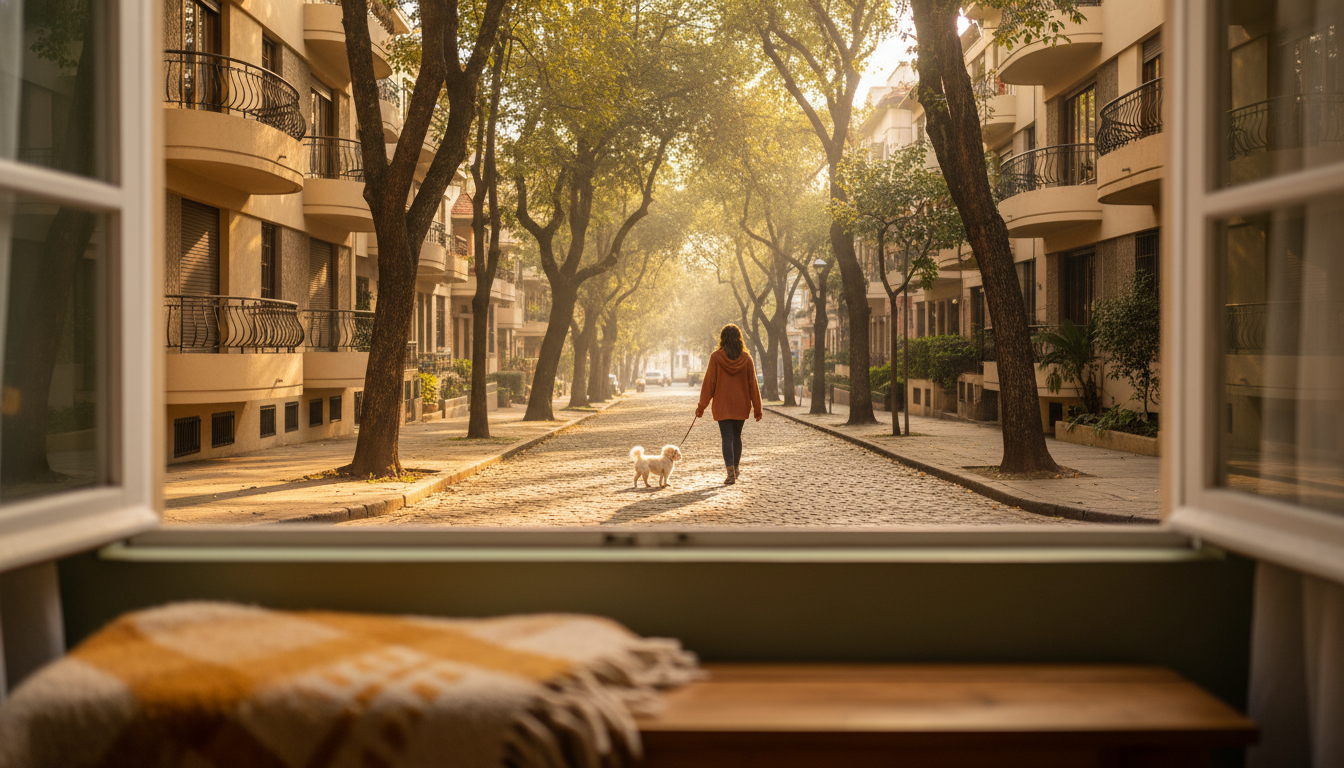 quiet tree-lined street in Quinta Camacho neighborhood, art deco apartment buildings with balconies,
How to Set Up a Long-Term Home Exchange in Bogotá
So here's the thing about SwappaHome's credit system—it changes everything for extended stays. Traditional home swapping requires finding someone who wants YOUR home at the EXACT time you want theirs. A logistical nightmare.
I hosted three different guests in my San Francisco apartment over two months before leaving—a couple from London for a week, a solo traveler from Sydney for five days, and a family from Toronto for twelve nights. Each night they stayed earned me one credit. By the time I was ready to leave, I had enough credits banked for my entire Bogotá stay.
The math is simple: new SwappaHome members start with 10 free credits. I needed roughly 90 for three months. Hosting guests before departure, combined with my starting credits and some I'd accumulated from previous swaps, got me there. One credit equals one night, regardless of whether you're staying in a Manhattan penthouse or a Bogotá loft.
Searching and Securing Your Bogotá Home Exchange
Start your search 2-3 months before your intended arrival. Long-term listings exist, but they're not as abundant as short-term options. Use the messaging system to introduce yourself properly—Colombian hosts appreciate knowing who you are, what you do, and why you're interested in their specific home.
Mention that you're a remote worker planning an extended stay. This actually works in your favor. Bogotá hosts often prefer long-term guests who'll treat the apartment like a home rather than a hotel. They know you'll figure out the garbage schedule, maintain the plants, and not throw parties every weekend.
Ask specific questions: What's the internet speed? Is there a backup plan if it goes down? How's the natural light for video calls? Is there a dedicated workspace or will I be working from the dining table? These details matter enormously for a three-month stay.
The Verification and Trust Factor
I'll be honest—committing to a long-term home exchange requires trust on both sides. SwappaHome's verification system helps establish baseline credibility, and the review system means you can see how previous guests experienced the host's communication and home quality.
For extended stays, I recommend a video call with your potential host before confirming. This isn't standard for short swaps, but for three months? You want to get a sense of each other. Ask about the neighborhood, their favorite nearby spots, any quirks about the apartment. Good hosts will appreciate the thoroughness.
One thing SwappaHome doesn't provide: insurance or damage coverage. For a long-term stay, I always recommend arranging your own travel insurance that covers extended trips and any liability you might want. I use SafetyWing, which is designed for remote workers and covers you month-to-month. This isn't SwappaHome's responsibility—it's yours, and it's worth the peace of mind.
The Practical Reality of Long-Term Living in Bogotá
Three months somewhere isn't travel—it's temporary living. The distinction matters because your needs shift. You're not hunting for Instagram spots; you're finding a reliable pharmacy, figuring out laundry, and establishing routines that support actual work.
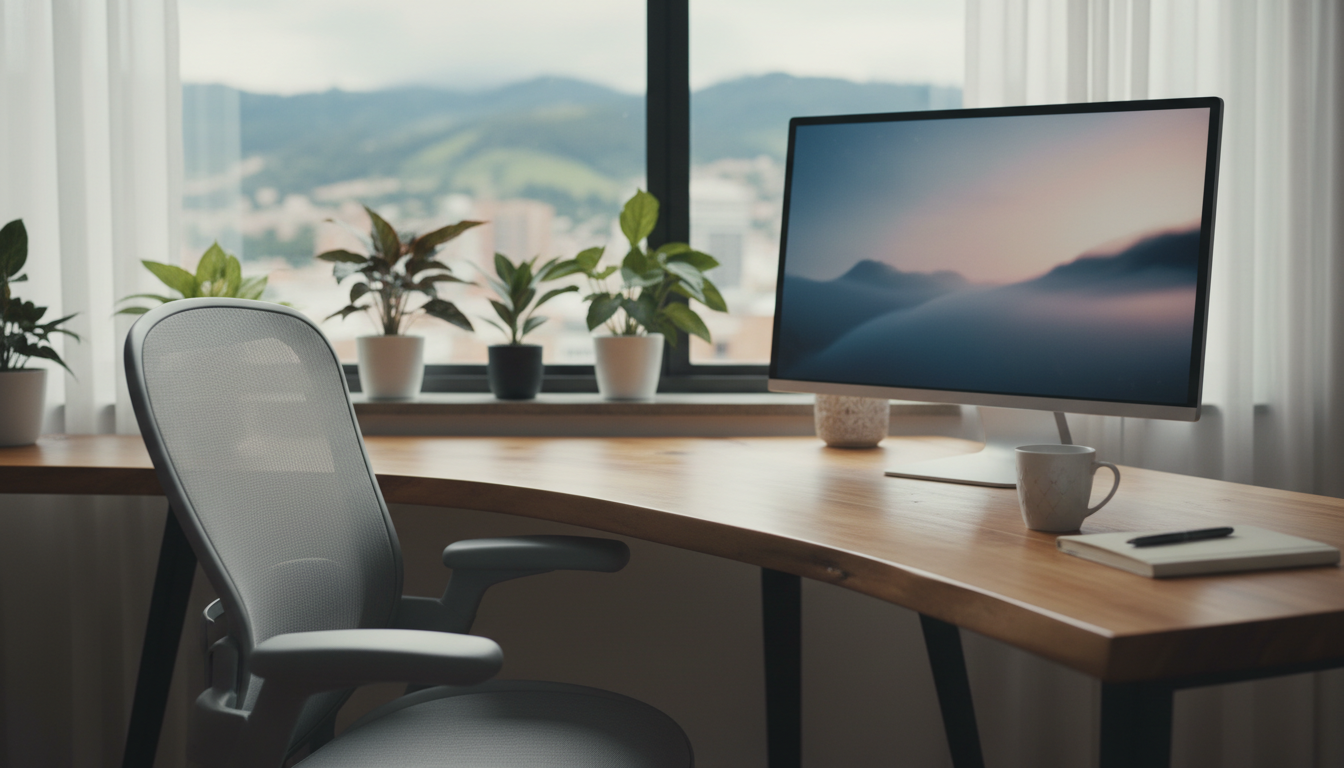 cozy home office setup in Bogot apartment, ergonomic chair at wooden desk, large monitor, plants on
Cost of Living Breakdown for Remote Workers
Let me give you real numbers from my three months. These assume you're doing a home exchange (so no accommodation costs) and living comfortably but not extravagantly.
Monthly expenses in Bogotá (home exchange, no rent):
- Groceries (cooking most meals): $200-250 USD
- Eating out (2-3 times weekly): $150-200 USD
- Coffee shops (daily habit): $80-100 USD
- Transportation (mix of walking, Transmilenio, Uber): $50-80 USD
- Gym membership: $40-60 USD
- Phone/data (local SIM): $15-20 USD
- Entertainment, activities: $100-150 USD
- Miscellaneous: $50-100 USD
Total: $685-960 USD monthly
Compare this to Lisbon ($1,800+), Barcelona ($2,200+), or San Francisco ($4,000+ easily). The home exchange eliminates your biggest expense, and Bogotá's cost of living handles the rest.
Setting Up Your Remote Work Life
Your first week should focus on establishing infrastructure. Get a local SIM card immediately—Claro and Movistar are the main carriers, and you can buy prepaid SIMs at any Éxito supermarket for around $5 USD. Data packages are cheap: 10GB costs roughly $10.
Find your backup work spots early. Even with great apartment WiFi, you'll want alternatives for variety and video call backgrounds. My rotation includes Azahar Café (Chapinero), Colo Coffee (multiple locations), and the occasional coworking day at Selina or WeWork when I need meeting rooms.
Real talk: the altitude adjustment is no joke, and nobody warns you properly. Bogotá sits at 2,640 meters (8,660 feet)—higher than Denver. Your first week, you might feel slightly breathless, sleep poorly, or tire faster than usual. This passes, but don't schedule important presentations for your first three days. Give your body time to acclimate.
Building Routine and Community
The loneliness risk of long-term solo travel is real, and Bogotá actually handles this better than most cities. The expat and digital nomad community exists but isn't overwhelming—you won't feel like you're living in a bubble of foreigners.
Language exchange meetups happen weekly at various bars (try Gringo Tuesdays at La Villa, though the name makes me cringe). More interesting: Bogotá has a thriving tech and startup scene, with regular meetups for developers, designers, and entrepreneurs. These events attract both Colombians and internationals, creating more genuine connections than pure expat hangouts.
Take a Spanish class. Even if you're already conversational, structured learning gives you weekly social contact and dramatically improves your daily life. I did twice-weekly sessions at Nueva Lengua ($12/hour for private lessons) and my café orders stopped being awkward within a month.
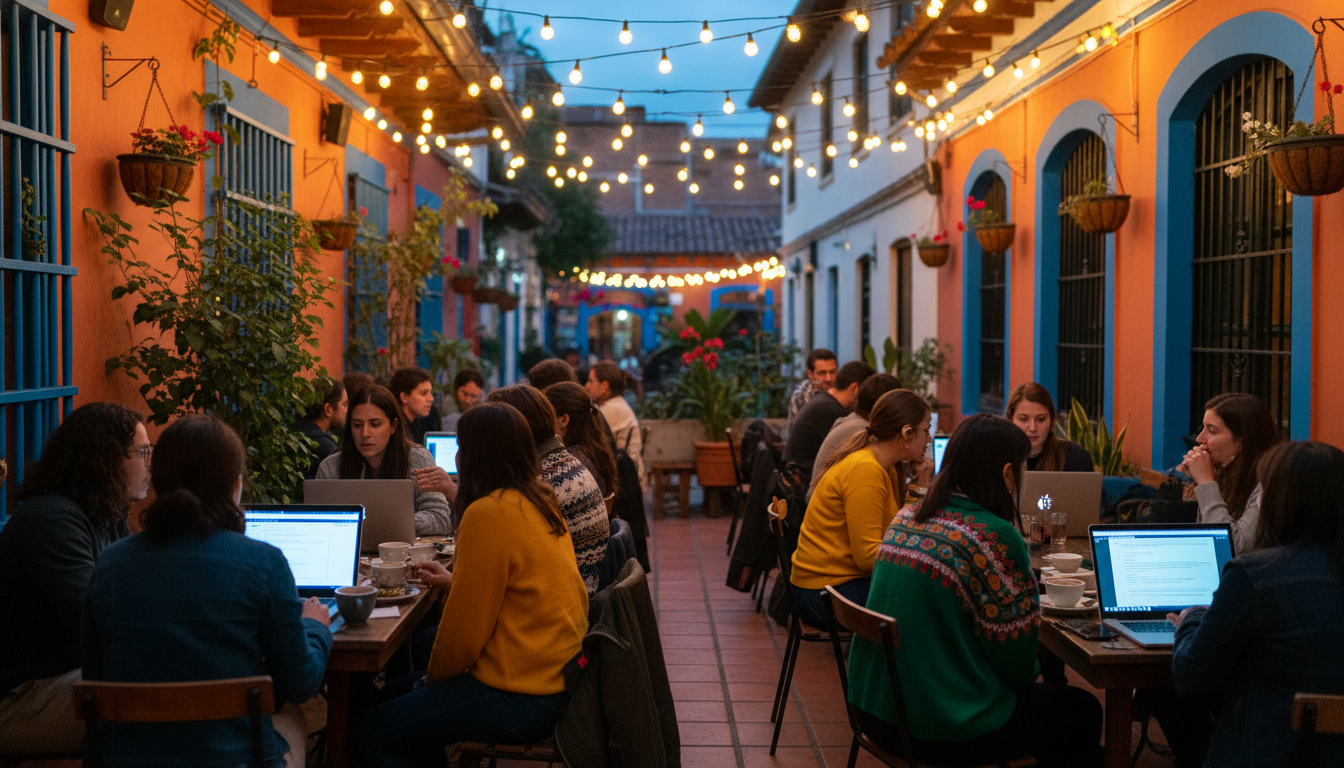 group of people at outdoor caf in La Macarena, mix of laptops and conversations, string lights overh
Safety, Health, and Practical Concerns
I can't write about long-term home exchange in Bogotá without addressing the question everyone asks but feels awkward about: is it safe?
The honest answer: Bogotá requires the same urban awareness as any major Latin American city—or frankly, any large city anywhere. In three months, my only negative experience was having my phone almost pickpocketed on a crowded Transmilenio (I caught the attempt). I've had worse happen in Barcelona.
Neighborhood Safety Realities
Stick to the neighborhoods I've mentioned—Chapinero, Usaquén, La Macarena, Quinta Camacho—and you'll be fine with normal precautions. Avoid displaying expensive electronics on the street, don't wander unfamiliar areas alone at night, and trust your instincts if something feels off.
The eastern hills (Cerros Orientales) are gorgeous for hiking but require awareness. Go during daylight, ideally with others, and stick to established trails. The Quebrada La Vieja trail is popular with locals and generally safe on weekend mornings.
Your home exchange apartment's security setup matters. Most Colombian residential buildings have 24-hour doormen (porteros), security cameras, and controlled entry. This isn't paranoia—it's standard, and it means package deliveries, late-night arrivals, and general peace of mind are handled.
Healthcare for Remote Workers
Bogotá's healthcare system is genuinely excellent and affordable. For a long-term stay, you have options: travel insurance that covers medical care (what I use), or purchasing local health insurance through an EPS (Colombia's healthcare system).
For minor issues, pharmacies (droguerías) are everywhere and pharmacists can recommend treatments for common problems. For anything serious, the private hospital system is world-class—Fundación Santa Fe and Clínica del Country are frequently recommended for English-speaking care.
Dentist appointments, eye exams, even specialist consultations cost a fraction of US prices. I got a full dental cleaning and checkup for $35. Some remote workers strategically schedule all their medical appointments during Bogotá stays—not a bad idea, honestly.
Making the Most of Your Long-Term Stay
Three months gives you time that short-term travelers never have. Use it. Take the slow approach to exploring—one neighborhood per week, one day trip per month, one new restaurant every few days. You're not checking boxes; you're actually living somewhere.
Weekend Escapes Within Reach
Bogotá's central location makes weekend trips easy. Villa de Leyva (4 hours by bus) feels like stepping back in time—colonial architecture, incredible stargazing, and a pace that makes Bogotá feel frantic. Guatavita (2 hours) has the famous lake of El Dorado legend, plus hiking and a charming reconstructed village.
For something different, the Tatacoa Desert (6 hours, or a quick flight to Neiva) offers Mars-like landscapes and some of Colombia's best astronomical observatories. I spent a weekend there in month two, sleeping in a basic cabin and watching more stars than I'd seen in years.
The coffee region deserves at least a long weekend. Fly to Pereira or Armenia, rent a car, and lose yourself in green mountains, family fincas, and the best coffee you'll ever taste. This trip alone justified my entire Bogotá stay.
The Rhythm of Long-Term Home Exchange
Somewhere around week six, something shifted for me. I stopped feeling like a visitor and started feeling like a temporary resident. I had a favorite produce vendor at the Paloquemao market. The barista at my regular café started making my drink when she saw me walk in. I knew which Transmilenio doors to stand near for a quick exit at my stop.
This is what long-term home exchange offers that hotels and Airbnbs never can—not just a place to sleep, but a place to belong. Even temporarily. Even knowing you'll leave.
The home exchange aspect adds another layer. You're not just renting space; you're trusted with someone's actual life. Their books, their kitchen quirks, their neighborhood recommendations scribbled on a notepad. There's a responsibility in that, and a strange intimacy. When I water my host's plants or use her favorite mug, I feel connected to someone I've only met through messages and a video call.
Frequently Asked Questions
Is long-term home exchange in Bogotá safe for solo remote workers?
Yes, with standard urban precautions. Stick to recommended neighborhoods like Chapinero, Usaquén, and La Macarena. Most apartments have 24-hour security. I've spent three months here solo and felt consistently safe—just stay aware of your surroundings as you would in any major city.
How much can I save with home exchange in Bogotá versus renting?
A furnished apartment in Chapinero typically costs $800-1,200 USD monthly. With home exchange, your accommodation is essentially free (using credits you've earned hosting). Over three months, that's $2,400-3,600 in savings—often covering your entire trip's other expenses.
What internet speeds can I expect for remote work in Bogotá?
Bogotá has excellent fiber optic infrastructure. Most modern apartments in Chapinero and Usaquén offer 100-300 Mbps speeds. Always confirm internet specifications with your home exchange host before booking, and identify backup cafés with reliable WiFi for redundancy.
Do I need to speak Spanish for a long-term stay in Bogotá?
Basic Spanish significantly improves your experience, though you can manage with English in tourist areas and upscale establishments. For a three-month stay, I strongly recommend taking lessons—it transforms daily interactions and helps you connect with the local community beyond expat circles.
What's the best time of year for long-term home exchange in Bogotá?
Bogotá's climate is consistent year-round due to its altitude—expect temperatures between 45-65°F (7-18°C) daily. The "dry" seasons (December-March, July-August) have slightly less rain, but honestly, the weather rarely disrupts remote work life. Avoid major holidays if you want full access to services and coworking spaces.
I'm heading back to San Francisco next month, and I already know I'll miss this. Not just the cheap coffee or the mountain views, but the specific texture of a life I built here—temporary, yes, but real. My host's apartment will go back to being hers, and I'll return to mine, and somewhere in the exchange, we'll both have gained something.
If you're considering a long-term home exchange in Bogotá, my advice is simple: stop considering and start planning. The city rewards commitment. It reveals itself slowly, in morning light through apartment windows and late-night conversations at neighborhood bars and the particular satisfaction of finally understanding a joke in Spanish.
SwappaHome made this possible for me—the credit system meant I could bank enough nights to stay for months, not days. But the platform just opens the door. What you build on the other side is entirely up to you.
Now if you'll excuse me, my cortado's gone completely cold, and the afternoon clouds are doing something spectacular over the mountains. Some things are worth putting the laptop away for.
40+
Swaps
25
Countries
7
Years
About Maya Chen
Travel Writer & Home Exchange Expert
Maya is a travel writer with over 7 years of experience in the home swapping world. Originally from Vancouver and now based in San Francisco, she has completed more than 40 home exchanges across 25 countries. Her passion for "slow" and authentic travel led her to discover that true luxury lies in living like a local, not a tourist.
Ready to try home swapping?
Join SwappaHome and start traveling by exchanging homes. Get 10 free credits when you sign up!
Related articles

Lyon Home Exchange: Your Complete Guide to France's Hidden Gem for Home Swapping
Discover why Lyon home exchange is booming among savvy travelers. From Croix-Rousse to Presqu'île, find the best neighborhoods and insider tips for your swap.

Zurich Bucket List: 47 Unforgettable Experiences to Enjoy During Your Home Swap
Discover the ultimate Zurich bucket list for home swappers—from secret swimming spots to fondue rituals locals actually do. Save thousands while living like a true Zürcher.
Dublin Home Exchange Utilities Guide: WiFi, Heating & Everything Your Guests Need
Master Dublin home exchange utilities—from dodgy WiFi fixes to heating quirks. Practical tips from 7 years of swapping homes across Ireland.