
Overseas adventures travel: How to plan an unforgettable international journey

SwappaHome Editorial Team
Home Exchange & Slow Travel Editorial
Key Takeaways A memorable international journey usually comes from thoughtful choices rather than an overfilled schedule. Plan enough to feel prepared, then…
Key Takeaways
A memorable international journey usually comes from thoughtful choices rather than an overfilled schedule. Plan enough to feel prepared, then leave space for the place itself to surprise you.
- Define the kind of adventure you genuinely enjoy.
- Choose destinations according to season, access, and local conditions.
- Build a budget that includes overlooked costs and an emergency reserve.
- Leave breathing room between major activities and transfers.
- Travel with curiosity, respect, and practical safety habits.
Define your ideal overseas adventure
Overseas adventures travel can mean a challenging trek, a slow exploration of neighborhoods, or a few days surrounded by wild landscapes. Before choosing flights, decide what you want the journey to feel like. A clear sense of purpose makes every later decision easier, from destination to footwear.
Choose between active, cultural, and nature-based experiences
Start by naming the experiences you would regret missing. Active trips might center on hiking, paddling, cycling, or diving, while cultural journeys may revolve around food, music, architecture, and everyday life. Nature-based travel can be as ambitious as a multi-day trek or as gentle as visiting wetlands, forests, or a dramatic coastline.
The categories can overlap, of course. A walking tour through an old city may be physically active, and a cooking class can become one of the most personal ways to understand a place. Choose a mix that matches your curiosity, not an imagined version of what an adventurous traveler should do.
Match the trip to your travel style and fitness level
Be honest about your preferred pace and current fitness. A route described as moderate can still feel demanding when it includes heat, steep streets, high altitude, or several hours on your feet. Read activity descriptions carefully, and consider how you normally feel after a long travel day.
Think about comfort, too. Some people enjoy early starts and basic accommodation; others need private space, reliable sleep, and a slower morning. Neither approach is more authentic. A sustainable pace matters because exhaustion can turn a promising itinerary into a chore.
Set priorities for destinations, activities, and downtime
Choose two or three priorities for the whole trip, then treat everything else as optional. You might care most about wildlife, regional food, and a few days of walking, or perhaps museums, local conversations, and time near the water. Writing these down protects the trip from endless last-minute additions.
Downtime deserves a place on the list. A quiet afternoon can provide the energy needed for tomorrow's excursion, and unplanned wandering often produces the memories that a tightly managed schedule misses.
Choose the right destination
The right destination is not simply the one with the most famous sights. It is the place whose climate, infrastructure, culture, and available activities fit the trip you described. Compare several possibilities before falling in love with one photograph or itinerary.
A useful starting point is to explore small-group adventure travel for ideas about cultural immersion and active journeys, even if you ultimately plan the trip independently. Then check current official travel advice and destination-specific conditions before booking.
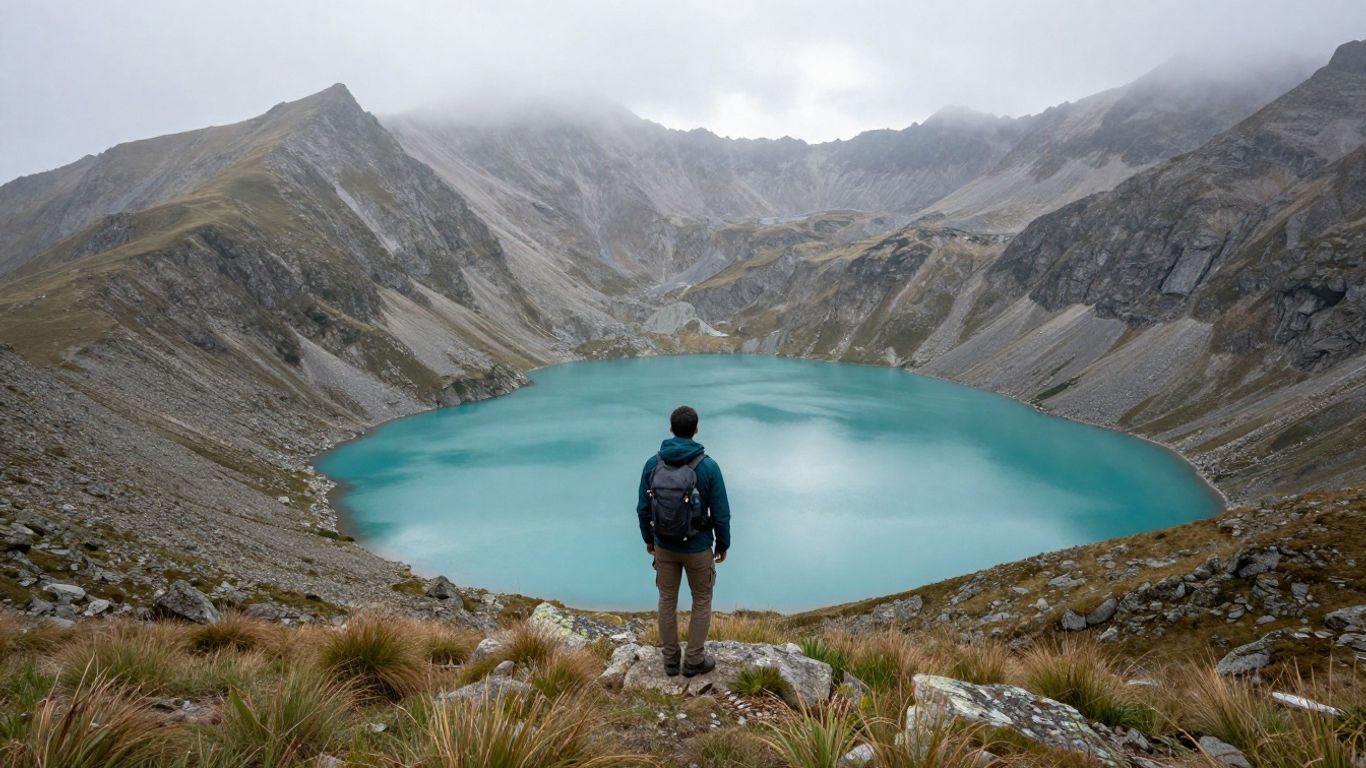 Mountain trail beside a turquoise alpine lake
Compare seasons, weather, and travel conditions
Seasonality affects far more than temperature. Rain can close trails, shoulder seasons may bring unstable weather, and popular festivals can make accommodation scarce. In some regions, transport schedules change with the season, while in others, heat or storms can limit outdoor activities.
Look at average conditions, but do not treat them as guarantees. Check recent forecasts closer to departure and ask local operators whether routes, ferries, parks, or mountain passes are operating. A flexible date range can improve both comfort and value.
Evaluate safety, accessibility, and local infrastructure
Research how you will move around once you arrive. Consider road quality, public transportation, medical facilities, mobile coverage, emergency services, and the distance between towns. Accessibility includes more than wheelchair access; it also covers stairs, uneven paths, long transfers, and the availability of food or medication you may need.
For an island itinerary, practical transport details can make a surprising difference. A guide to Hawaii rental car planning is a useful example of the questions to ask about insurance, parking, airport traffic, and vehicle choice before relying on a car abroad.
Balance iconic attractions with lesser-known experiences
Major landmarks can be worth the crowds, especially when they are central to your reason for visiting. Pair them with quieter experiences nearby rather than trying to avoid every well-known place. A neighborhood market, a small museum, or a local walking route may reveal more about daily life than another item on a highlights reel.
Allow your interests to guide the balance. A city guide focused on authentic local neighborhoods can help you think beyond a checklist of sights and consider where people actually eat, shop, relax, and gather.
Consider cultural expectations and responsible tourism
Learn a little about greetings, dress, photography, dining etiquette, religious spaces, and bargaining before you arrive. The goal is not to perform perfect knowledge but to show that you have made an effort. Ask permission before photographing people, particularly children, workers, and ceremonies.
Also consider whether an activity depends on wildlife handling, overcrowding, or access to a protected place. Responsible choices often feel less dramatic on paper, yet they create better encounters and leave fewer problems behind.
Build a realistic adventure travel budget
A travel budget should describe the trip you are actually likely to take, not the cheapest possible version. Price the ordinary moments as well as the headline experience: airport transfers, coffee, laundry, local buses, guide tips, and a replacement charger all add up. A little padding makes the journey calmer.
Accommodation is often the largest variable. Comparing a hotel with a longer home exchange can change the shape of a trip, and home exchange travel savings may be relevant when you want to stay several nights in one destination.
Estimate transportation, lodging, and activity costs
List costs in the order they will occur: flights, transfers, lodging, food, activities, and daily transport. For each category, use a realistic middle estimate rather than the best deal you found once. Include luggage fees, booking charges, and transport to and from airports or trailheads.
A simple table can expose where the budget is concentrated and where flexibility is possible:
| Category | What to include | Useful planning question |
|---|---|---|
| Transportation | Flights, trains, buses, taxis, fuel | Which segments need advance booking? |
| Lodging | Nightly rate, taxes, deposits, cleaning fees | Is the location worth the price? |
| Activities | Guides, permits, rentals, entrance fees | What must be reserved early? |
| Daily spending | Meals, drinks, laundry, small purchases | What is a realistic daily average? |
Once the numbers are visible, adjust the plan deliberately. Saving on a central hotel may create expensive daily transfers, while a cheaper activity may carry more risk or require equipment you do not own.
Plan for visas, travel insurance, and required vaccines
Check entry rules using official government or embassy sources, since visa requirements can depend on nationality, transit routes, passport validity, and trip length. Confirm whether you need proof of onward travel or specific vaccinations. Do this early; some appointments and applications take longer than expected.
Travel insurance should match the activities you intend to do. Read exclusions for hiking, diving, motorbike use, evacuation, preexisting conditions, and trip interruption. Keep the policy number and emergency contact details somewhere accessible offline.
Account for exchange rates, tipping, and emergency funds
Exchange rates can shift between booking and departure, so leave room for movement rather than converting everything at one optimistic rate. Research local tipping customs and whether gratuities are expected for guides, drivers, porters, or restaurant staff. Carry more than one payment method and keep a modest reserve separate from your everyday wallet.
An emergency fund is not money you hope to spend. It is protection against a missed connection, an unexpected hotel night, lost equipment, or urgent medical care. The right amount depends on the destination and your access to backup funds at home.
Find savings without sacrificing safety or comfort
Cut costs where the compromise is minor: travel in a shoulder season, use public transportation, stay longer in fewer places, or prepare some meals. Do not economize on safe accommodation, qualified guides, adequate insurance, or transport after dark when local advice says otherwise.
For travelers working remotely, an overview of travel and remote work planning offers a useful reminder that workspace, connectivity, and productivity can become real travel costs. Price them honestly instead of assuming they will solve themselves.
Create an itinerary that leaves room for discovery
An itinerary should be a framework, not a script. It needs enough structure to protect reservations and permits, but enough looseness to accommodate weather, fatigue, delays, and the café you unexpectedly want to revisit. The best plans have empty space built into them from the beginning.
Write down the fixed elements first, then connect them with manageable travel days. Avoid treating every blank space as an invitation to add another excursion.
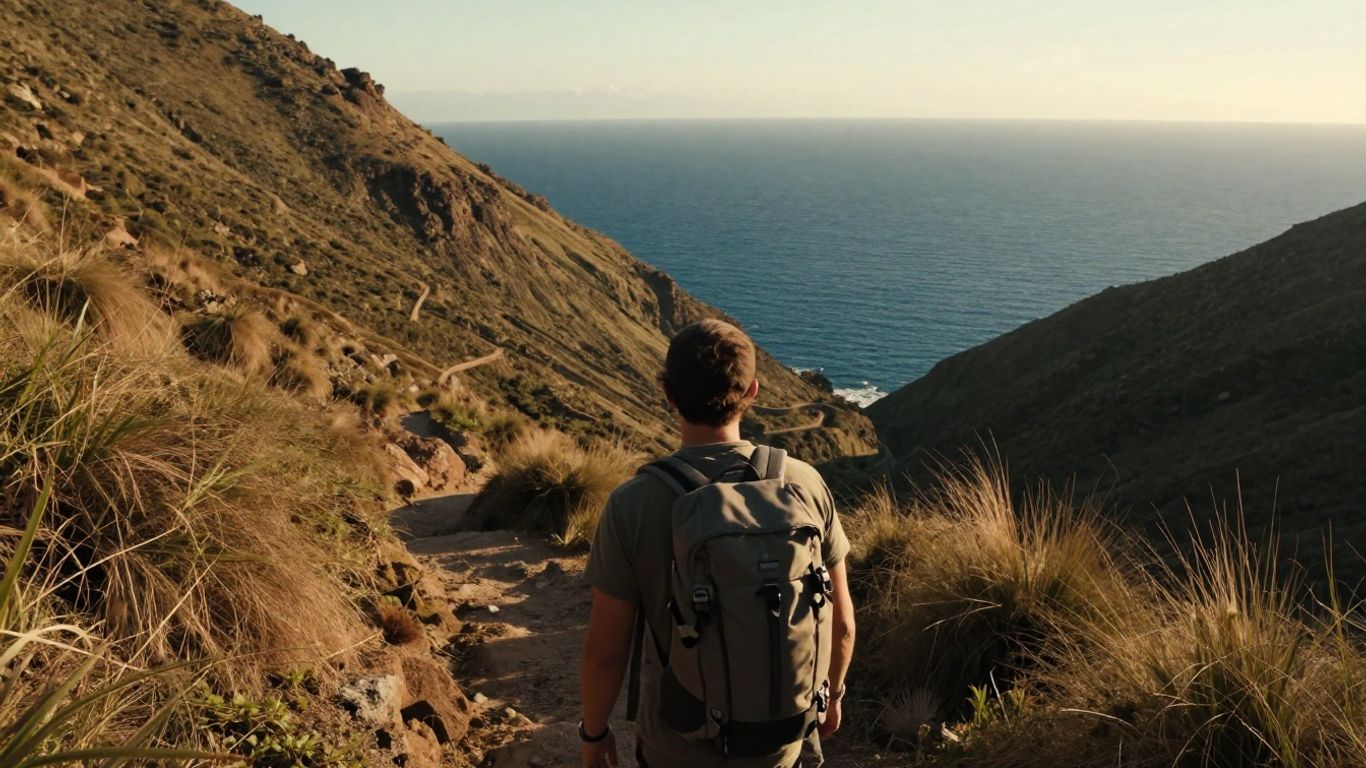 Traveler with daypack overlooking a coastal valley
Decide how many destinations to include
Each new destination brings a cost beyond the ticket: packing, checking in, learning the layout, and losing part of a day in transit. For a week, one or two bases may be enough. For a longer trip, add places only when the journey between them is worthwhile in its own right.
A useful test is whether you can name what each stop contributes. If two cities offer the same experience and require a tiring transfer, choose one and stay longer.
Allow time for jet lag and long-distance transfers
Treat arrival day as a recovery period whenever possible. Hydrate, take a short walk, and avoid scheduling the trip's most demanding activity immediately after an overnight flight. Long-distance transfers also deserve margin for delays, station changes, baggage problems, and simple human tiredness.
When connections are unavoidable, avoid placing a nonrefundable activity soon after arrival. A little redundancy is less expensive than losing an important reservation.
Combine major activities with rest days
Alternate intensity rather than stacking strenuous days together. After a long hike, schedule a relaxed meal, a museum, or an easy neighborhood walk. Rest does not have to mean staying indoors; it can mean lowering the stakes and letting the day unfold more slowly.
This rhythm also creates room for spontaneous invitations and discoveries. Travelers interested in cooking and local food may find food and culture experiences especially rewarding on a day that is not already packed with timed attractions.
Prepare backup plans for weather and disruptions
For every weather-sensitive activity, identify a nearby alternative. A gallery, market, historic district, thermal bath, or food workshop can keep a rainy day from feeling wasted. Save cancellation policies, transport schedules, and accommodation details offline.
The backup plan should be practical rather than elaborate. One or two good options are enough, and they should fit the energy level you are likely to have if the original plan falls through.
Pack for international adventure travel
Packing begins with the itinerary, not with a generic list. A city break, a humid trek, and a cold-weather road journey require different decisions, even if each is called an adventure. Check the likely conditions and the rules for flights, trains, parks, and activities before filling a bag.
Aim for a small set of items that work together. The less you carry, the easier it is to use public transportation, move between lodgings, and respond when plans change.
Select versatile clothing and footwear
Choose quick-drying layers in colors that combine easily. Bring one warmer layer than the forecast seems to demand, particularly for mountains, boats, and air-conditioned transport. Footwear should be broken in before departure and suited to the surfaces you will actually encounter.
You rarely need a separate outfit for every day. A washable base layer, a comfortable walking outfit, and one presentable combination can cover more situations than a heavy suitcase of specialized clothing.
Organize essential documents and medications
Keep your passport, visas, insurance details, reservations, emergency contacts, and copies of prescriptions accessible in both paper and secure digital form. Store copies separately from the originals. Check passport validity rules well before booking.
Pack medications in original packaging and carry enough for delays, along with documentation if a medicine is controlled or restricted at your destination. If you have dietary or medical needs, learn the relevant words in the local language.
Choose useful technology and travel accessories
A phone, charging cable, plug adapter, power bank, and a small amount of offline navigation data cover many needs. A compact first-aid kit, dry bag, reusable water bottle, headlamp, and earplugs may be more useful than another electronic gadget.
Keep sensitive information out of public view and avoid carrying technology you do not need. Before departure, review the cookie policy for any travel-related website where you manage reservations or personal preferences.
Pack light while preparing for changing conditions
Use the weather range, not the daily average, as your guide. Compressible layers, a rain shell, and a simple laundry plan help you adapt without doubling your luggage. Leave a little space for food gifts, craft purchases, or gear picked up locally.
If an item can be borrowed, rented, or bought easily at your destination, consider leaving it home. Light packing is not about owning less in theory; it is about making each item earn its place.
Stay safe and healthy abroad
Preparation reduces risk without turning a trip into a series of warnings. Learn what is normal locally, notice how conditions change, and trust your instincts when a situation feels wrong. Share your broad itinerary with someone at home, while keeping public posts from revealing that your accommodation is empty.
Good safety habits are quiet and consistent. They help you stay present instead of spending every day solving preventable problems.
Research local laws, customs, and travel advisories
Read current government advisories and reputable local guidance before departure. Laws around photography, medication, drones, alcohol, public behavior, and protected areas can differ substantially from those at home. Pay particular attention to rules that affect your planned activities.
Learn basic etiquette as well. Appropriate clothing, greetings, table manners, and behavior in religious places are simple ways to avoid causing offense and to move more comfortably through the destination.
Protect your personal information and valuables
Use a password manager, multifactor authentication, and device locks. Avoid entering sensitive information on unfamiliar public networks, and consider using mobile data for banking. Keep your passport and spare payment method in a secure place rather than carrying everything together.
Make digital and paper copies of key documents. If something is lost, a record of passport details, insurance contacts, and prescriptions can speed up the replacement process.
Prepare for food, water, altitude, and climate risks
Ask a travel clinic or healthcare professional about vaccines, preventive medication, and destination-specific risks. Introduce unfamiliar foods gradually if your stomach is sensitive, follow local water guidance, and take heat seriously even when the temperature initially feels manageable.
Altitude deserves a slower approach. Increase elevation gradually when possible, recognize symptoms such as severe headache or unusual breathlessness, and descend or seek medical help if symptoms worsen. Sun protection, hydration, rest, and appropriate clothing are basic tools, not afterthoughts.
Know how to respond to emergencies overseas
Save local emergency numbers, your insurer's assistance line, your country's nearest embassy or consulate, and the contact details for your accommodation. Learn how to describe your location and any medical conditions clearly. If you are traveling into remote areas, tell a trusted person when you expect to return.
In an emergency, move to safety first, contact local services, and document what happened when it is safe to do so. Calm, direct information is more useful than trying to manage every detail alone.
Travel responsibly and make the experience meaningful
Responsible travel is woven through ordinary decisions: where money goes, how animals are treated, what gets photographed, and how much waste a journey creates. It is not a separate activity reserved for especially conscientious travelers. Small choices can shape the quality of an encounter for both visitors and residents.
Meaningful travel also asks you to be a participant rather than a collector of images. Slow down enough to listen, notice, and accept that not every moment needs to become content.
Support local businesses and community-led experiences
Choose locally owned restaurants, guides, shops, and guesthouses when practical. Book experiences that explain how money reaches the community, and avoid assuming that the lowest price is automatically fair. A home exchange or locally rooted stay can also create a more ordinary, connected experience than a short hotel visit.
For solo travelers, solo home exchange ideas can prompt useful questions about communication, safety, neighborhood location, and how to participate respectfully in local life.
Minimize environmental impact during activities
Use trains and shared transport when they are practical, stay longer rather than constantly moving, and carry a refillable bottle where safe. Follow marked trails, keep noise down, and take every piece of waste with you. Wildlife should be observed at a distance, never fed or handled for a photograph.
Ask operators about group size, conservation practices, and local employment. A responsible excursion may be less flashy, but it usually offers a more attentive and less damaging way to experience a place.
Respect cultural traditions and protected places
Follow restrictions at sacred sites, museums, archaeological areas, and nature reserves. Do not touch objects, enter closed spaces, or remove natural materials. When customs are unfamiliar, watch first and ask politely rather than assuming your usual behavior is acceptable.
Respect also includes language. Learn a few local phrases, accept correction graciously, and remember that residents are not scenery. The goal is a reciprocal encounter, not a performance staged for visitors.
Capture memories without missing the journey
Take photographs thoughtfully and ask before including identifiable people. Put the camera away during conversations, performances, meals, and moments that feel private. A short note at the end of each day can preserve details that photographs cannot: a smell, a joke, a difficult climb, or a generous stranger.
You do not need to document every view to remember it. Leave some experiences unrecorded, and allow the journey to remain yours rather than turning it into a constant broadcast.
Conclusion
An unforgettable overseas adventure is built from a good match between your interests, your energy, the destination, and the realities of travel. Plan the essentials carefully, leave room for uncertainty, and meet each place with enough humility to let it change your expectations.
Frequently Asked Questions
How far in advance should I plan an international adventure?
Begin major research several months ahead, especially for visas, vaccinations, popular permits, seasonal activities, and limited accommodation. More flexible trips can come together later, but early planning gives you better choices.
How many destinations should I visit on one overseas trip?
Choose the fewest destinations that allow you to experience what matters most. Fewer bases usually mean less transit fatigue, more local familiarity, and greater flexibility when weather or transport plans change.
What should I include in an adventure travel budget?
Include transportation, accommodation, food, activities, visas, insurance, vaccines, tips, fees, connectivity, laundry, and an emergency reserve. Add realistic transfer costs rather than budgeting only for headline expenses.
How can I prepare for changing weather?
Research seasonal patterns and recent conditions, pack adaptable layers and rain protection, and avoid scheduling every day around one weather-sensitive activity. Keep an indoor or lower-impact alternative available.
Is travel insurance necessary for an adventure trip?
It is strongly worth considering, particularly when your plans involve remote areas, expensive equipment, strenuous activities, or multiple connections. Read the exclusions carefully to confirm that your actual itinerary is covered.
How can I travel more responsibly?
Spend money with local businesses, respect community rules, reduce waste, protect wildlife, and follow restrictions at cultural or natural sites. Responsible travel is usually a collection of ordinary choices rather than one grand gesture.
What is the best way to stay healthy abroad?
Visit a qualified travel-health professional when appropriate, prepare necessary medication, follow local food and water guidance, protect yourself from sun and insects, and allow time to adjust to heat, altitude, and jet lag.

Published by
SwappaHome
SwappaHome Editorial Team
Home Exchange & Slow Travel Editorial
The SwappaHome Editorial Team brings together travel research, home-exchange community insights, and platform data to produce practical guides for first-time and experienced home swappers. Every article cites real platforms, current market rates, and verifiable city-level facts so readers can make informed decisions without guessing.
Ready to try home swapping?
Join SwappaHome and start traveling by exchanging homes. Get 7 free credits when you sign up!