
Portugal Digital Nomad Visas: Your Comprehensive Guide for 2026

SwappaHome Editorial Team
Home Exchange & Slow Travel Editorial
Here are the most important things to remember when considering Portugal's digital nomad visas for 2026. Keep these points in mind as you plan your move. Key…
Here are the most important things to remember when considering Portugal's digital nomad visas for 2026. Keep these points in mind as you plan your move.
Key Takeaways
- Understand the specific eligibility requirements for the Portugal digital nomad visa.
- Prepare all necessary documents thoroughly before starting your application.
- Research the cost of living and find suitable accommodation and workspaces.
- Explore popular digital nomad hubs like Lisbon, Porto, and the Algarve.
- Familiarize yourself with visa renewal procedures for longer stays.
Understanding Portugal's Digital Nomad Visa
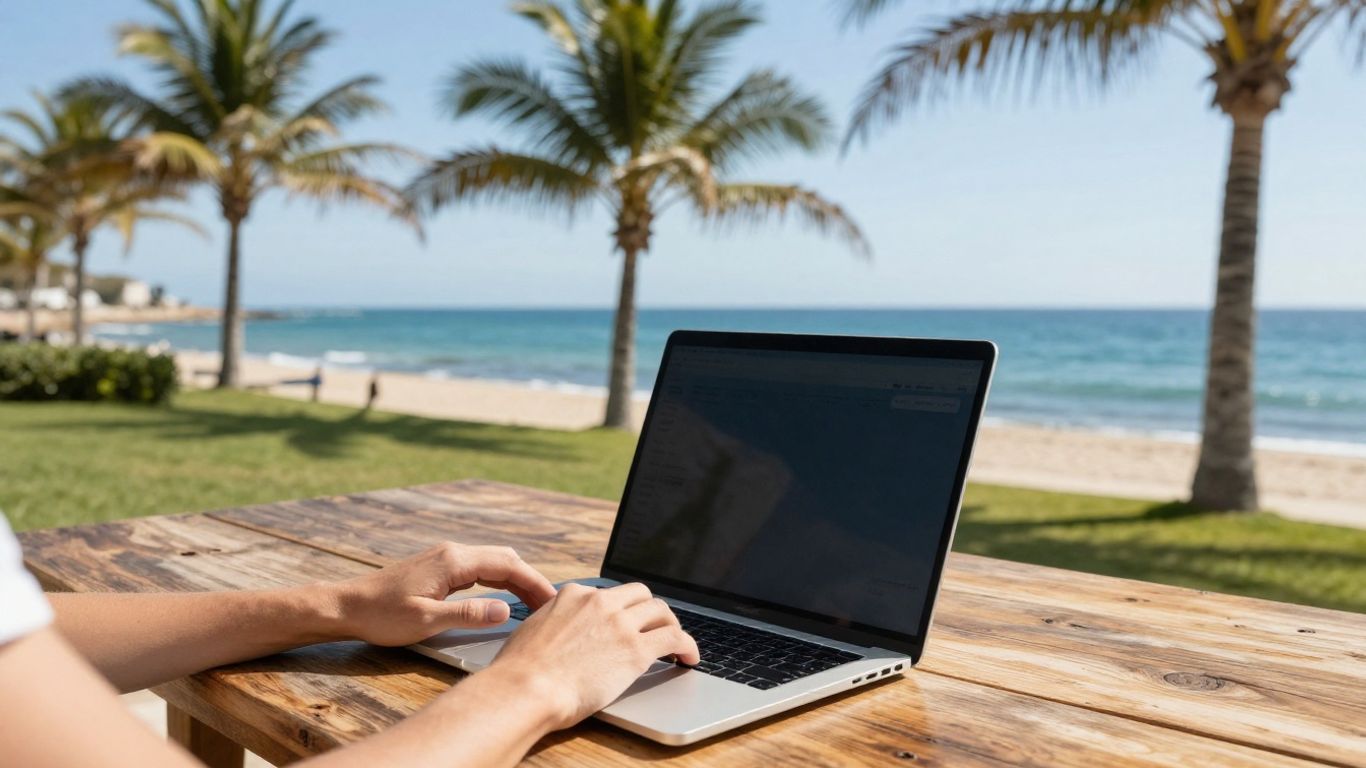 Laptop on table overlooking Portuguese coast
So, you're thinking about ditching the office and working from Portugal? That's awesome! The Portuguese government has made it easier for remote workers to come hang out for a while with their Digital Nomad Visa. It's not just a tourist visa; this one is specifically for people like us who can work from anywhere. This visa allows you to stay for an extended period, typically up to a year, with the possibility of renewal.
Eligibility Requirements for Applicants
To even be considered for this visa, you've got to meet a few basic criteria. It's not super complicated, but you need to pay attention.
- Proof of Income: You need to show you have enough money coming in to support yourself. This means demonstrating a stable income from your remote work. The exact amount can change, but it's usually tied to Portugal's minimum wage. Think of it as showing you won't be a burden on the system.
- Remote Work: Obviously, you need to be working remotely for a company or clients outside of Portugal. You can't just decide to find a local job once you're there on this visa.
- Clean Criminal Record: Nobody wants trouble, and neither does Portugal. You'll need to provide a criminal record check from your home country and any country you've lived in for over a year.
- Health Insurance: You'll need to have valid health insurance that covers you while you're in Portugal. This is a standard requirement for most long-term visas.
The Application Process Explained
Applying for the visa involves a few steps, and it's best to start well in advance of your planned travel date. Rushing this can lead to unnecessary stress.
- Gather Your Documents: This is the big one. You'll need a pile of paperwork, which we'll get into next. Make sure everything is up-to-date and translated if necessary.
- Schedule an Appointment: You'll typically need to apply through a Portuguese consulate or embassy in your home country. Book your appointment as early as possible, as slots can fill up quickly.
- Submit Your Application: Attend your appointment, submit all your documents, and pay the application fee. Be prepared to answer questions about your work and your plans in Portugal.
- Wait for a Decision: Processing times can vary, so patience is key. You'll be notified once a decision has been made.
Required Documentation for Your Application
This is where you'll spend most of your time preparing. Having everything organized makes the process much smoother. Here's a general list, but always check the official consulate website for the most current requirements:
- Visa Application Form: Filled out completely and signed.
- Passport Photos: Recent passport-sized photos that meet specific requirements.
- Valid Passport: With at least six months of validity remaining beyond your intended stay.
- Proof of Income: Bank statements, employment contracts, or letters from clients showing your consistent income. This is a really important part of your application.
- Proof of Accommodation: This could be a hotel booking, a rental agreement, or even an invitation letter from someone in Portugal if you're staying with them. If you're thinking about longer stays, exploring options like home exchange in the Algarve could be a good idea for a more local feel.
- Criminal Record Certificate: Issued by the relevant authorities in your country.
- Health Insurance Policy: Proof of coverage for your stay.
- Cover Letter: Explaining why you want the visa and your plans in Portugal.
It's really important to double-check the specific requirements with the Portuguese consulate or embassy you'll be applying through. Requirements can sometimes vary slightly by location and can be updated by the government.
Once you have your visa, you'll be able to enter Portugal and begin your adventure. Remember, this visa is for temporary stays, and if you're thinking about staying longer, you'll need to look into renewal options or other visa types down the line.
Navigating Life in Portugal as a Digital Nomad
So, you've got the visa sorted and you're ready to embrace the Portuguese lifestyle. That's awesome! But living and working remotely in a new country involves more than just finding a good Wi-Fi spot. Let's talk about making your day-to-day life here smooth and enjoyable.
Portugal is generally more affordable than many other Western European countries, which is a big plus for digital nomads. However, costs can really vary depending on where you choose to settle. Big cities like Lisbon and Porto will naturally be pricier than smaller towns or rural areas. It's smart to create a realistic budget before you arrive.
Here's a rough idea of monthly expenses for a single person, excluding rent:
| Category | Estimated Cost (EUR) |
|---|---|
| Groceries | 250 - 400 |
| Transportation | 40 - 70 |
| Utilities (incl. WiFi) | 100 - 150 |
| Eating Out/Cafes | 150 - 300 |
| Mobile Phone | 20 - 30 |
Remember, these are just estimates. Your spending habits will play a huge role. Cooking at home more often and utilizing public transport can save you a good chunk of change. You can find some great deals on groceries at local markets, and many cafes offer affordable 'prato do dia' (dish of the day) lunch specials.
Finding a place to live is probably one of your first big tasks. Long-term rentals are common, but for shorter stays, you might look at serviced apartments or even home exchange options. Websites like Idealista and OLX are popular for apartment hunting, but be aware that scams can happen, so always be cautious. If you're looking for a more local experience and want to save money, consider exploring home exchange networks. It's a fantastic way to live like a local and often comes with pre-equipped workspaces, which is a huge bonus for remote workers. Finding the right home can make all the difference.
For workspaces, beyond your home, Portugal has a growing number of co-working spaces, especially in Lisbon and Porto. These offer reliable internet, networking opportunities, and a dedicated work environment. If co-working isn't your thing, many cafes have decent Wi-Fi, but they can get noisy and crowded. Always check the internet speed if you plan to rely on a cafe for work.
As a resident, you'll eventually be eligible for Portugal's public healthcare system (Serviço Nacional de Saúde - SNS). However, the process for digital nomads can be a bit complex, and waiting times can sometimes be long. Most digital nomads opt for private health insurance to cover their stay. This gives you access to a wider network of doctors and hospitals and often quicker appointments. Make sure your policy covers you adequately for your entire stay. Some insurance providers specialize in coverage for expats and digital nomads, so do your research to find one that fits your needs.
Getting your head around the local systems takes time. Don't be afraid to ask for help from expat groups or local contacts. Patience is key when dealing with administrative tasks in a new country.
It's also a good idea to have travel insurance that covers emergencies and potential disruptions to your trip, even if you have separate health insurance. This can protect you against unexpected events like lost luggage or trip cancellations.
Exploring Portugal's Digital Nomad Hotspots
Portugal has really become a magnet for remote workers, and for good reason. It's got this amazing blend of culture, affordability, and just plain good vibes. But where should you actually set up your laptop? While the whole country is pretty welcoming, a few spots stand out.
Lisbon's Vibrant Scene for Remote Workers
Lisbon is probably the first city that comes to mind for most people thinking about Portugal. It's got that classic European charm with its hilly streets, colorful tiles, and historic trams. For digital nomads, it offers a buzzing atmosphere that's hard to beat. You'll find tons of co-working spaces popping up, especially in areas like Intendente and Graça. The internet is generally pretty solid, though it's always a good idea to double-check speeds if you're looking at a specific apartment. Plus, the food scene? Incredible. From tiny tascas serving up traditional dishes to trendy cafes, your taste buds will be happy.
The city's energy is infectious, making it easy to connect with other remote workers.
Here's a quick look at what Lisbon offers:
- Connectivity: Good to excellent Wi-Fi in most cafes and co-working spots. Fiber optic is becoming more common in residential areas.
- Community: A large and active digital nomad community, with plenty of meetups and events.
- Cost: While it's the capital, it's still more affordable than many other Western European cities. You can find decent accommodation if you look.
- Culture: Rich history, vibrant nightlife, and beautiful viewpoints (miradouros) to soak in the scenery.
Lisbon's charm isn't just in its postcard views; it's in the everyday rhythm. It's about finding your favorite local bakery, learning a few Portuguese phrases, and embracing the unhurried pace of life. It's a city that invites you to slow down and truly live there, not just visit.
Porto's Artistic and Historic Charm
If Lisbon feels a bit too fast-paced, Porto might be your jam. It's Portugal's second-largest city, located in the north, and it has a more laid-back, artistic vibe. Think stunning bridges, the Douro River, and of course, Port wine cellars. Porto has a growing digital nomad scene, with areas like Cedofeita and Bonfim becoming popular. It's generally a bit cheaper than Lisbon, and the sense of community feels really strong here. You can easily spend your days exploring ancient bookstores, enjoying fresh seafood, and then settling into a cozy cafe with your laptop.
- Atmosphere: More relaxed and artistic than Lisbon, with a strong sense of local identity.
- Cost of Living: Generally lower than Lisbon, making your money go further.
- Workspaces: A good number of co-working spaces and cafes with reliable Wi-Fi.
- Scenery: Beautiful riverside views, historic architecture, and the famous Port wine region nearby.
The Algarve's Coastal Appeal
For those who dream of working with an ocean view, the Algarve region on Portugal's southern coast is calling. While it's famous for its beaches and resorts, it's also becoming a hub for remote workers, especially in towns like Lagos, Faro, and Tavira. The pace of life here is definitely slower, and the weather is fantastic for most of the year. You'll find a mix of expats and locals, and the lifestyle is very outdoorsy. It's perfect if you want to balance work with surfing, hiking, or just soaking up the sun. Finding a place to stay might involve looking into options like home exchange for a more local feel, which can be a great way to save money and live like a resident.
- Lifestyle: Beach-focused, relaxed, and great for outdoor activities.
- Climate: Sunny year-round, with mild winters.
- Community: Growing international community, particularly in towns like Lagos.
- Accommodation: Options range from apartments to villas, with home exchange being a popular choice for longer stays.
Each of these spots offers something unique, so consider what kind of environment you're looking for. Whether it's the bustling capital, the artistic north, or the sunny coast, Portugal has a corner for every digital nomad.
Maximizing Your Portugal Digital Nomad Experience
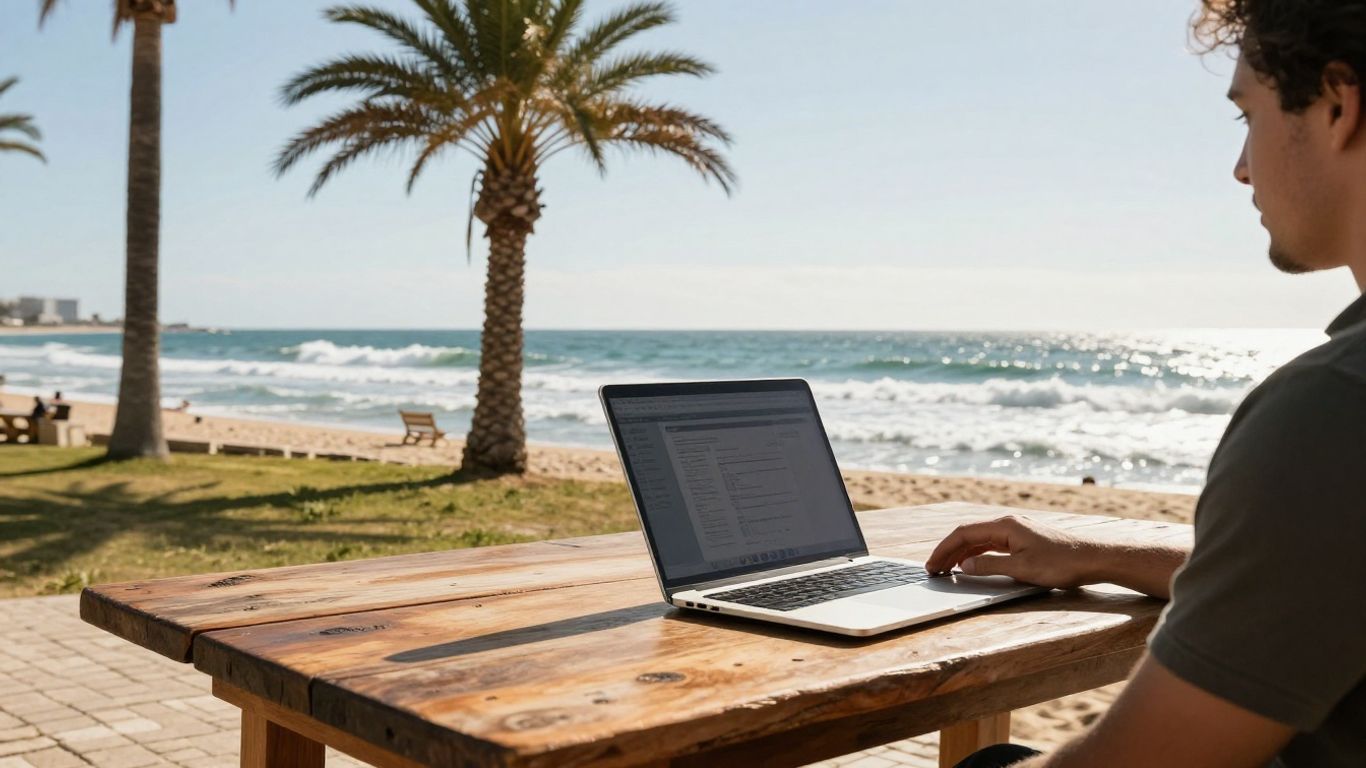 Digital nomad working on a laptop in Portugal.
Settling in as a digital nomad in Portugal can be so much more than a good WiFi connection and sunny weather. The real magic happens when you plug into the local scene, meet other remote workers, and take time to enjoy what makes Portugal different from anywhere else. Here's how to make your Portugal digital nomad chapter memorable, affordable, and honestly kind of addicting.
Networking and Community Building
You don’t have to wander the backstreets of Lisbon alone. Building your remote work network is hugely rewarding and easier than it sounds:
- Join coworking spaces like those in Lisbon and Porto—they’re (usually) full of expats, tech folks, and creative freelancers looking to swap experiences or collaborate.
- Check out regular meetups on platforms like Meetup.com, Facebook Groups (search “Digital Nomads Portugal” or "Lisbon Digital Nomads"), and Telegram chats. Plenty of activity in English, and everyone remembers being a newcomer.
- Head to public talks, coding bootcamps, pop-up dinners, and language exchanges. The more you show up, the faster you’ll find your people.
Sometimes, the best business opportunities or travel tips start with an awkward hello at a random after-work happy hour. Don’t wait for the perfect moment—just show up, and things have a way of working out.
Cultural Immersion and Local Life
If you want more than just Instagram moments, dive into the day-to-day. Here’s what works:
- Eat at neighborhood restaurants—skip the tourist menu, try the lunch specials, and ask for what’s not written down.
- Shop at local mercados for produce, bread, and cheese. The vendors love to offer advice, even if your Portuguese is rusty.
- Learn a bit of the language—it goes a long way for making connections, and most locals are supportive of beginners.
- Take part in town festivals, neighborhood parties, and games of futebol in the park. These aren’t just for show; they’re how locals unwind and bond.
- Use travel credits or join a community-led travel platform to experience neighborhoods way off the main tourist drag for a true taste of Portuguese routine.
Travel Opportunities Within Portugal
The beauty of a base in Portugal is exploring much more than just your city—weekends and even evenings are ripe for short trips. Here’s what you can expect:
| Destination | Typical Trip Length | Travel Style | Must-See or Do |
|---|---|---|---|
| Sintra | 1 day / weekend | Day train | Palaces, mountain walks |
| Évora | 1–2 days | Car or train | Roman ruins, wine |
| Algarve beaches | 2–4 days | Train, bus, car | Beaches, seafood |
| Douro Valley | 1–2 days | Train, car | Vineyards, river tours |
| Coimbra | 1 day / weekend | Train | Old university, gardens |
Don’t just focus on tourist favorites—some of the best discoveries come from slower travel, home swaps, or recommendations from other nomads. Swapping your Lisbon flat for someone's spot in the Algarve, for example, can unlock secret beaches and new markets without breaking your budget. For more advice, check out ways digital nomads exchange homes for real local living.
- Portugal's affordable intercity trains and buses make these quick adventures low-stress
- Home swapping keeps costs minimal and often reveals totally different vibes from tourist hotels
- Flexible remote work means you can extend a trip if you like the place and the WiFi holds up
By connecting with others, getting into local routines, and traveling a little further afield, you’ll find Portugal is more than a beautiful place to work—it's a country that keeps you curious, week after week.
Visa Renewal and Long-Term Stays
So, you've been living the dream in Portugal as a digital nomad, and now your initial visa is nearing its expiration date. Don't panic! Portugal has a process for extending your stay, and understanding it is key to continuing your Portuguese adventure. The most important thing is to start the renewal process well before your current visa expires.
Understanding Renewal Procedures
Renewing your digital nomad visa isn't quite like the initial application. You'll be dealing with the Portuguese Immigration and Borders Service (SEF), which handles these extensions. The exact steps can vary slightly, but generally, you'll need to book an appointment with SEF. These appointments can sometimes be hard to get, so patience and persistence are your friends here. You'll likely need to provide updated proof of income, health insurance, and a clean criminal record, just like before, but for the extended period.
Here's a general idea of what to expect:
- Schedule an Appointment: Contact SEF to book a meeting. This is often done online or via phone.
- Gather Documents: Prepare all the necessary paperwork. This usually includes your passport, current visa, proof of accommodation, updated financial statements, and a renewed health insurance policy.
- Attend the Appointment: Go to your scheduled appointment at the SEF office. Be on time and bring all your documents.
- Pay Fees: There will be fees associated with the renewal process.
Options for Extending Your Stay
Beyond simply renewing your existing digital nomad visa, Portugal offers other pathways if you decide you want to stay longer or even permanently. If your initial visa is for a year, you might be able to renew it for another year. After a certain period, typically five years of legal residency, you can apply for permanent residency. This is a big step, and it means you're essentially committing to Portugal long-term, with all the rights and responsibilities that come with it. It's a good idea to look into the specific requirements for permanent residency well in advance if this is your goal.
Transitioning to Permanent Residency
Making the leap from a temporary visa to permanent residency is a significant move. It usually requires demonstrating continuous legal residence in Portugal for at least five years. You'll need to show that you haven't been absent from the country for extended periods and that you meet certain integration criteria, which can include knowledge of the Portuguese language and culture. The application process involves submitting a detailed application to SEF, along with extensive documentation proving your long-term commitment and integration. It's a more involved process than a simple visa renewal, so giving yourself plenty of time to prepare is really important. If you're thinking about settling down, exploring options like home exchange could be a great way to experience different Portuguese regions for extended periods before making a final decision.
Conclusion
Portugal offers a fantastic opportunity for digital nomads looking to experience a new culture while working remotely. From understanding the visa process to settling into life in vibrant cities or along the coast, this guide has laid out the path. Remember to plan ahead, embrace the local lifestyle, and enjoy all that Portugal has to offer. Your adventure as a digital nomad in Portugal awaits!
Frequently Asked Questions
What is a digital nomad visa?
A digital nomad visa is a special permit that lets people work online from a country that isn't their own. It's for folks who can do their jobs using just a laptop and internet connection, like writers, designers, or programmers. Portugal has one of these visas, making it easier for remote workers to live there for a longer time.
How do I know if I qualify for the Portugal digital nomad visa?
To qualify, you usually need to show you have enough money coming in from your remote work – enough to support yourself in Portugal. You'll also need proof of your work, like a contract or business registration, and a clean criminal record. It's good to check the official Portuguese immigration website for the exact income amounts and other rules.
What kind of documents do I need to apply?
You'll likely need your passport, proof of income (like bank statements or tax returns), a letter from your employer or clients, health insurance, and maybe a rental agreement or proof of accommodation in Portugal. Sometimes, a criminal background check is also required. It's best to get a full list from the Portuguese embassy or consulate.
Is it expensive to live in Portugal as a digital nomad?
Generally, Portugal is more affordable than many other Western European countries. Big cities like Lisbon and Porto can be pricier, especially for rent, but you can find good deals. Living in smaller towns or outside the main tourist areas can save you a lot of money. Food and transportation are usually quite reasonable.
Can I work from co-working spaces in Portugal?
Absolutely! Portugal has a growing number of co-working spaces, especially in Lisbon and Porto. These places offer reliable internet, a dedicated workspace, and a chance to meet other remote workers. Many are located in cool neighborhoods, making it easy to balance work and exploring the city.
What happens if my visa is about to expire?
If your digital nomad visa is nearing its end and you want to stay longer, you'll need to look into renewal procedures. This usually involves applying for an extension or a different type of residency permit. You'll likely need to show you still meet the requirements, like continued income and a valid reason to stay. It's important to start this process well before your current visa runs out.

Published by
SwappaHome
SwappaHome Editorial Team
Home Exchange & Slow Travel Editorial
The SwappaHome Editorial Team brings together travel research, home-exchange community insights, and platform data to produce practical guides for first-time and experienced home swappers. Every article cites real platforms, current market rates, and verifiable city-level facts so readers can make informed decisions without guessing.
Ready to try home swapping?
Join SwappaHome and start traveling by exchanging homes. Get 7 free credits when you sign up!