
Scotland and the UK digital nomad visa: A complete guide for remote workers

SwappaHome Editorial Team
Home Exchange & Slow Travel Editorial
Key Takeaways Scotland offers a unique environment for remote work, though it does not host a dedicated digital nomad visa program. Remote workers typically…
Key Takeaways
- Scotland offers a unique environment for remote work, though it does not host a dedicated digital nomad visa program.
- Remote workers typically rely on the Standard Visitor Visa for short-term stays, which comes with specific activity restrictions.
- Long-term residencies require shifting toward skilled worker or innovation-based visa routes that involve employer sponsorship or business endorsement.
- Professional nomads can mitigate costs and enhance productivity by utilizing SwappaHome to secure local homes equipped with dedicated office amenities.
- A successful relocation involves pre-planning tax obligations, healthcare arrangements, and leveraging Scotland’s established tech hubs in Edinburgh and Glasgow.
Understanding current visa regulations for Scotland
The UK visa landscape for remote workers
Navigating the UK’s immigration framework requires a clear understanding of what current legislation permits for foreign professionals. While many countries have introduced specific permits for location-independent workers, the United Kingdom maintains a more traditional approach, relying on established visitor and work categories. For those considering the scotland digital nomad visa, it is critical to recognize that no such single legal designation exists, necessitating a reliance on Standard Visitor protocols for shorter-term stays.
The reality behind the digital nomad visa label
Global trends have popularized the idea of a nomad pass, but the UK government has shown no immediate intention to implement a permit of this kind. The current immigration policy remains focused on reducing net migration rather than expanding temporary worker categories. This contrast makes it essential to avoid outdated advice suggesting an easy entrance for digital nomads; instead, potential visitors must identify which existing visa route aligns with their specific professional intentions.
Eligibility and standard entry requirements for visitors
Most travelers entering the UK for business or leisure do so under strict conditions regarding the nature of their activities. Applicants must demonstrate sufficient funds to cover their stay without recourse to public funds, and they must provide evidence of an intent to leave upon the conclusion of their visitation period. Utilizing the United Kingdom visitor visa guide ensures that you are adequately prepared for the border screening process, which remains rigorous for all non-resident arrivals.
Exploring temporary options for remote work
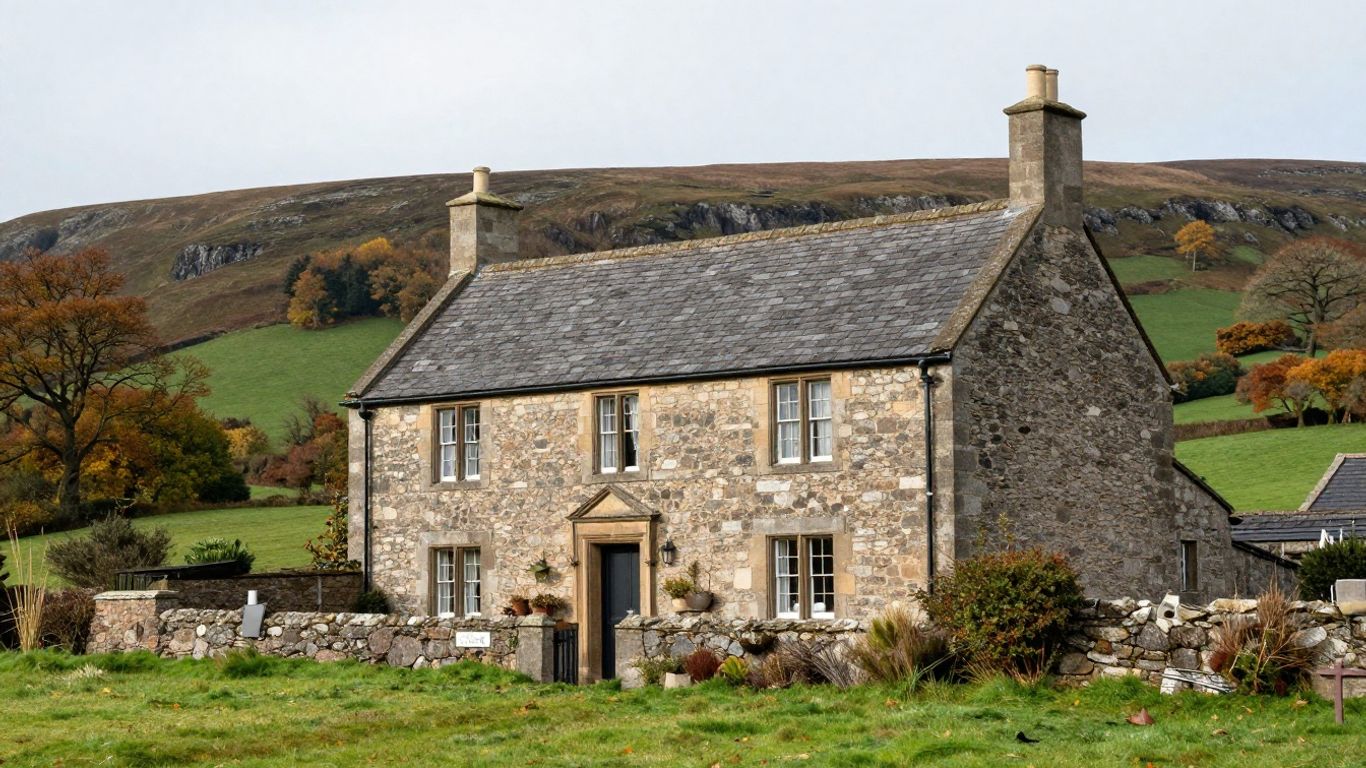 Historic Scottish cottage exterior
Standard visitor visa limitations
Operating as a remote professional on a visitor visa involves working for an entity outside of the UK. You are strictly forbidden from engaging in local employment or providing services directly to UK-based clients during your permitted duration of stay. This limitation defines the entire experience of your visit, ensuring that your financial support continues to originate from your home country or an international entity.
Permitted activities and business travel rules
While remote work is generally permitted, professionals are often confused about what constitutes legitimate business activity versus prohibited labor. Business visitors may attend meetings, sign contracts, and participate in conferences without triggering the need for a formal work permit. Understanding these boundaries allows you to maintain professional efficacy while remaining fully compliant with local immigration statutes.
How to stay compliant while working remotely in the UK
Maintaining a professional profile requires transparency and diligent record-keeping during your stay. If you plan to remain for several months, ensure your residency status is clear and that your primary remote role does not overlap with any prohibited local revenue generation. Using professional resources like Digital Nomad Visa guide can help clarify the nuance between remote work for foreign employers and local employment, ensuring your presence remains lawful throughout your tenure.
Long-term visa pathways for location-independent workers
Skilled worker visas for remote roles
For those seeking a more permanent base in Scotland, the Skilled Worker route remains the most common gateway. This path requires a job offer from a licensed UK sponsor who is willing to manage the bureaucratic requirements associated with international talent. While this forces you away from the freedom of independent freelancing, it provides the most secure foundation for long-term residency and potential settlement.
Global talent visas for tech and creative professionals
Highly skilled individuals in the tech and arts sectors may find eligibility for the Global Talent route. This visa does not strictly require a job offer but does mandate an endorsement from an appropriate UK body that recognizes your exceptional contributions or potential within the industry. It remains a selective but rewarding option for those whose portfolios and professional achievements place them among the elite in their field.
Self-sponsored visa routes for business owners
Entrepreneurs often look toward the Innovator Founder Visa, which is suitable for individuals with a highly scalable business idea. As detailed in the innovative visa pathways for nomads, you must obtain an endorsement from an authorized body confirming that your venture is valid and innovative. This transition allows you to bridge the gap between being a freelancer and building a sustainable business entity based within British borders.
Professional considerations for working from Scotland
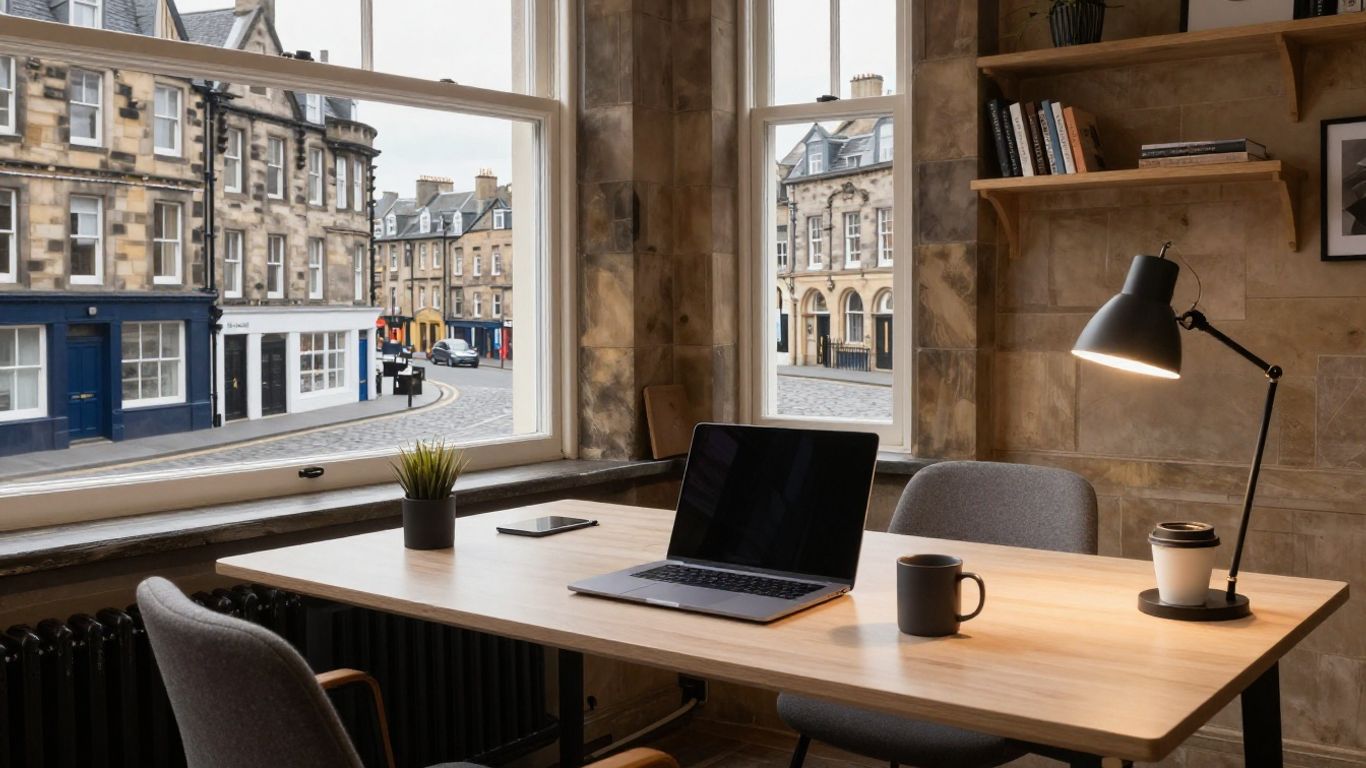 Modern co-working desk with view
Tax and residency implications for remote earners
Earning income while living in the UK can trigger complex tax liabilities, especially if your stay extends beyond the standard six-month visa window. You must consult with financial experts regarding your dual-residency status and ensure that you comply with both HM Revenue and Customs requirements and the fiscal mandates of your home nation. Clear foresight on tax exposure is a necessity for financial sustainability.
Accessing co-working infrastructure in major cities
Scotland provides a vibrant network of shared office spaces that are crucial for maintaining a professional routine. These environments are beneficial for collaboration and networking, moving beyond the solitude of a residential home office. Below is a breakdown of typical infrastructure features found in urban centers:
| Feature | Availability | Benefit |
|---|---|---|
| High-speed fiber | Ubiquitous | Fast file sync |
| Private booths | Standard | Privacy for calls |
| Community events | Frequent | Networking |
Following these features, professionals should consider these three steps to integrate efficiently:
- Research specific co-working operators to identify those with 24-hour access policies.
- Verify that the chosen workspace offers ergonomic furniture to sustain long-term hours.
- Join local mailing lists to stay informed about community gatherings and professional mixers.
Managing professional insurance for international contractors
Independent international contractors should carry robust professional liability and health coverage. Relying solely on standard travel policies is a frequent mistake that leaves contractors exposed during extended periods. Incorporating dedicated digital nomad insurance tips into your planning allows you to mitigate risks associated with equipment failure, professional errors, and unforeseen medical expenses during your stay.
Lifestyle and logistics for your Scottish stay
Evaluating the cost of living for professional nomads
Living in Scotland compared to other major global hubs provides surprising fiscal benefits due to lower rental costs. As highlighted in regional economic reports, a standard month of accommodation in cities like Edinburgh or Glasgow can be significantly more affordable than in New York or London. This affordability creates a cushion for travelers, allowing for a better quality of life and the ability to save while maintaining a high standard of professional production.
Connectivity requirements and fiber internet accessibility
Reliable internet is the baseline for any successful off-site role, and Scotland has invested heavily in its digital backbone. In most urban centers, you will find fiber-optic connectivity that meets or exceeds the requirements for high-bandwidth tasks. When arranging accommodation, insist on verifiable speed tests from your host to ensure the connection will sustain consistent video conferencing and cloud-based file management.
Navigating Scotland's regions for the best work-life balance
Choosing where to reside depends on whether you prefer the metropolitan churn or the quietude of the Highlands. City dwellers gain immediate access to transport and commercial amenities, while rural stays offer unparalleled inspiration and a slower pace. You might consider balancing your time across different regions to fully appreciate the varied climate and cultural rhythm that the country provides.
Strategies for planning your move to Scotland
Building a strong case for remote employment status
When entering the country, it is vital to keep all professional documentation accessible. Prepare a package containing your employment contract, proof of stable income, and a list of your professional obligations to present to immigration officers if requested. Acting as a professional traveler means being ready to prove that your presence conforms to the established rules of your visa.
Leveraging professional tech hubs in Edinburgh and Glasgow
Both cities act as magnets for local freelancers and tech startups, offering a dense community of support. These areas host incubator programs and events that keep you connected to the latest industry developments. Participation in these local ecosystems can be a turning point, transforming a mere visit into a period of genuine professional expansion.
Planning for UK healthcare access and insurance coverage
International arrivals should verify their eligibility for the National Health Service (NHS) if they are here on long-term permits or if reciprocity agreements exist. Regardless, maintaining comprehensive private health insurance is standard practice for digital nomads to ensure seamless coverage. Taking the time to understand the local healthcare system prevents stressful surprises should you need emergency assistance during your stay.
Conclusion
Embarking on a journey to live and work in Scotland requires an eye for detail, particularly when it comes to immigration compliance and professional logistics. While the lack of a standardized nomadic visa may seem like an obstacle, the flexibility provided by existing visitor protocols and the wealth of resources available for remote professionals makes a successful stay entirely achievable. By prioritizing correct visa classification, solidifying your professional setup, and integrating into regional hubs, you can navigate your time in the country with confidence, balancing administrative rigor with the undeniable benefits of a Scottish lifestyle.
Frequently Asked Questions
Is it legal to work remotely in Scotland without a visa?
If you are visiting under the Standard Visitor route, you have the legal right to work for an employer that is based outside of the UK. You cannot, however, seek local employment or establish a business that provides services to or employs UK-based residents.
Can I apply for a digital nomad visa once I arrive?
No, there is currently no process to apply for a digital nomad-specific visa after entry, as the UK does not offer this category of residency. You must ensure you have the appropriate permission to enter the country before your arrival.
How long can I stay in Scotland while working remotely?
Under the Standard Visitor Visa, you are typically permitted to stay for up to six months. You must ensure you do not stay longer than this period and that you leave the country to reset your eligibility for further visits.
Does my UK income count if I am working for a foreign company?
Working for a foreign company is generally allowed provided your work is performed for an entity that has no base of operations in the UK. Your salary should continue to be processed according to the laws of the country where your employer is headquartered.
Where can I find reliable co-working spaces in Edinburgh?
Edinburgh features a wide array of professional workspaces concentrated in the Old and New Towns. These venues often provide high-speed fiber internet and private desks, making them excellent choices for those who prefer to separate their living and working environments.
What documents should I have prepared at the border?
Always travel with your employment contract, proof of sufficient funds to support your stay, and documentation of your planned exit date. Immigration officials may ask for these to verify that you intend to work remotely and leave as required.
Do I need health insurance as a digital nomad in Scotland?
While you may be able to access some healthcare, having private health insurance is strongly recommended for all mobile professionals. It provides necessary coverage and ensures you can access medical care without navigating the complexities of local public health policies.

Published by
SwappaHome
SwappaHome Editorial Team
Home Exchange & Slow Travel Editorial
The SwappaHome Editorial Team brings together travel research, home-exchange community insights, and platform data to produce practical guides for first-time and experienced home swappers. Every article cites real platforms, current market rates, and verifiable city-level facts so readers can make informed decisions without guessing.
Ready to try home swapping?
Join SwappaHome and start traveling by exchanging homes. Get 7 free credits when you sign up!