
Spain digital nomad visa: A complete guide to requirements and application

SwappaHome Editorial Team
Home Exchange & Slow Travel Editorial
Key Takeaways Moving to Spain on a remote work permit can be an incredible life transition, provided you pay close attention to the specific legal and…
Key Takeaways
Moving to Spain on a remote work permit can be an incredible life transition, provided you pay close attention to the specific legal and financial hurdles involved in the process.
- The visa requires proof of professional status, either as a freelancer or a full-time contract employee.
- Applicants must meet strict monthly income thresholds that equate to roughly double the Spanish minimum wage.
- A clean criminal record and apostilled documents are essential components of the administrative application.
- Taxation for remote nomads can be optimized through the Beckham Law if you qualify as a tax resident.
- Proper planning allows you to leverage home exchange networks like SwappaHome to secure housing while you search for stable long-term accommodation.
Understanding eligibility for the Spain digital nomad visa
Navigating the path to Spanish residency requires a clear understanding of the regulatory landscape governing foreign remote workers. This program is specifically designed for non-EU/EEA nationals seeking to maintain their current professional roles while living locally in Spain. Interested applicants should consult the official guidelines on the Spanish Digital Nomad Visa to verify if their specific employment structure is recognized.
Who qualifies as a remote worker
Qualifying for residency hinges on your ability to work using digital telecommunications rather than in-person interaction. You are expected to demonstrate that your work is manageable entirely from a computer and that you provide these services to companies based outside of Spain, ensuring your presence does not displace local workers.
Distinguishing between company employees and freelancers
Your employment status dictates the type of proof required for your permit. Employees need a contract showing remote work authorization, while freelancers must prove an active business relationship with clients based outside of Spanish territory to establish their professional independence.
Minimum duration of your current employment
Consistency is key in the eyes of immigration offices when reviewing your professional background. You are generally expected to prove that your current working relationship with a company has been active for at least three months, showing proof of steady, reliable earnings before you consider applying for the visa.
Exclusions and specific nationality restrictions
This visa is strictly closed to citizens of the European Union, who already possess freedom of movement, and those who do not meet the base criteria of professional experience or academic standing. If you do not have a degree, you must provide documentation showing at least three years of industry-specific experience that qualifies you as a skilled professional.
Meeting the financial requirements
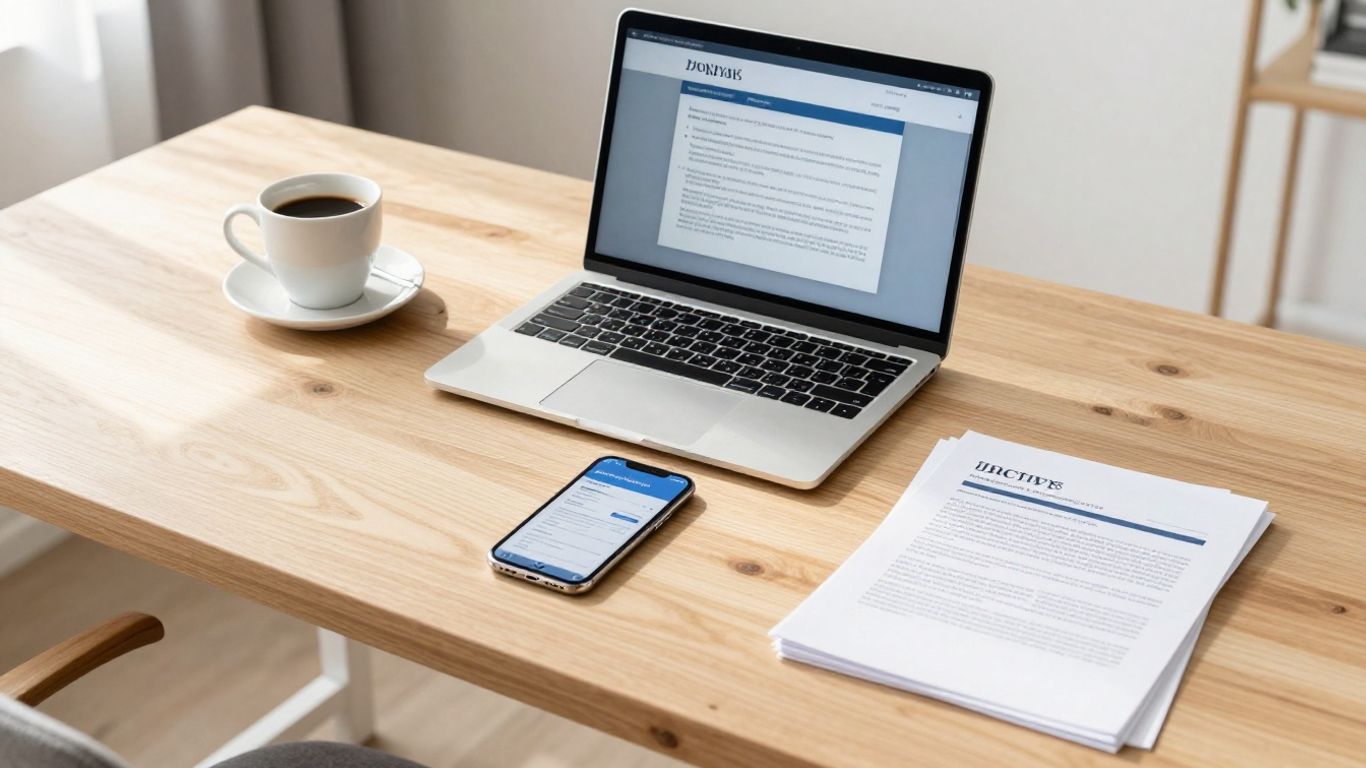 Income verification documentation essentials
The most cited reason for application rejection involves failing to meet the rigid financial benchmarks established by the government. Staying compliant means ensuring that your monthly revenue stream is consistently above the minimum wage standards mandated for all visa holders.
Minimum monthly income thresholds for 2026
As of the current year, the Spain Digital Nomad Visa requirements demand that an individual earns at least 200% of the SMI. This usually translates to a monthly income of approximately €2,850, though official rates change yearly, making it vital to check the latest guidance before you start gathering your bank statements.
Proving income through official bank statements and contracts
Transparency is the top priority for immigration officers inspecting your file. You should compile a clear table that outlines your income history to simplify the reviewing process:
| Assessment Period | Verified Income Source | Currency Converted |
|---|---|---|
| Q1 2026 | Employment Salary | Euro Equivalent |
| Q2 2026 | Freelance Contracts | Euro Equivalent |
| Q3 2026 | Investment Dividends | Euro Equivalent |
Having this organized into a clear format assists your local consultant in confirming your eligibility immediately.
Calculating the required income amounts for family members
Bringing family members into the country increases the required buffer in your bank accounts substantially. For a spouse or each additional dependent you intend to sponsor, you must demonstrate a significant increase in your available monthly funds, which protects the state from having to provide support.
Stability and duration requirements for your revenue stream
Your financial narrative must look stable and predictable over time to give immigration officials peace of mind. They need to see evidence that your revenue comes from established, long-term contracts rather than sporadic or one-off sources which might suddenly dry up after you arrive.
Essential documentation and administrative paperwork
Preparation involves more than just gathering digital files. Many countries require physical, notarized copies of your personal records to move forward with your legal entry into Spain.
Educational and professional background certificates
Whether you are a software developer or a marketing strategist, you must prove your expertise through formal credentials. This includes presenting degree certificates or sworn letters from previous employers detailing your specific contribution and time spent in the role.
Proof of your company's remote work authorization
Your employer must provide a signed declaration confirming that they permit you to fulfill your duties from abroad. This letter helps justify why you need residency in Spain and ensures that your company is aware of your plans to shift your physical workspace.
Mandatory health insurance coverage requirements
Private medical insurance is a prerequisite for your residency application, and it must hold no copayments, meaning full coverage for health treatments within Spain. It is a critical safety net that you cannot skip during the document collection phase.
Navigating criminal record checks and apostille processes
Dealing with government bureaucracy requires patience when legalizing your documents. The main steps for records include:
- Obtaining a criminal history report from your current country of residence.
- Getting that document formally apostilled by the authority that issued it.
- Using a professional translator for all official documents moving into Spanish.
- Submitting these finalized files with your consulate or immigration application.
Failure to follow these steps precisely can delay your application by weeks or result in a complete denial of your file.
Navigating the application process
 Consulate office document submission procedure
Choosing the right path to submit your request is the first strategic decision you must make as an aspiring resident. Every office handles volume differently, so your experience may vary depending on where you reside currently.
Applying from within Spain versus your home country
If you are already in the country on a tourist stamp, you can sometimes pivot directly to a residence permit, while others choose to apply for a visa at a consulate abroad. The Telework Consular Section guidelines often provide the most direct advice on whether you should file locally or internationally based on your current nationality status.
Working with Spanish consulates and immigration offices
Local consulates act as the gatekeepers for your new lifestyle, so maintaining professional and clear communication with them is vital. Expect to visit in person to provide biometric data or to confirm original copies of the digital files you have already transmitted.
Managing application fees and certified document translation
Budgeting for the administrative expenses is an often-overlooked step in the planning phase. These costs include various government processing fees, legal consultants on the ground, and the hourly rate of high-quality translation agencies specializing in legal Spanish.
Estimated processing timelines for a successful application
While some applicants find success in under a month, it is much safer to assume your file will require between 45 and 60 days for a full review. You should avoid setting a firm final moving date until the approval letter is firmly in your hand to mitigate the risks associated with processing delays.
Tax implications and social security considerations
Working in Spain triggers local tax residency, which brings a new set of responsibilities. It is essential that you consult with a specialist if you own assets abroad or have complex income streams.
Understanding the special tax regime for expats (Beckham Law)
Many remote workers look specifically into the Beckham Law, which allows for a fixed tax rate on income earned in Spain. It serves as a way to attract international talent without creating an immediate punitive tax burden for new arrivals.
Navigating social security contributions as a remote professional
Social security can be complex if your employer does not have a local presence in Spain. You may be required to pay into the local system yourself as a self-employed professional, regardless of your status as an employee back home.
Avoiding double taxation with your country of origin
Tax treaties exist between Spain and most major nations, ensuring you don't pay twice on the same salary. You must correctly report your global earnings while utilizing foreign tax credits to balance the accounts between jurisdictions.
Maintaining ongoing compliance with local tax authorities
Staying compliant means updating your status with the tax office (Hacienda) annually. You should keep records of every invoice and payroll summary to ensure that your yearly disclosure matches the reality of your finances when auditing occurs.
Maintaining and renewing your residency
Getting in the door is only the beginning of your journey as a Spanish resident. Renewing your status requires demonstrating that you have actually spent time living in the country and adhering to the laws of Spain.
Length of the initial visa and subsequent residence permit
Your first visa allows you to enter and establish a professional base for exactly one year. Following this initial period, you can apply for a renewal that grants you a multi-year residency permit, provided your circumstances haven't changed dramatically.
Key requirements for the permit renewal process
Renewals depend heavily on proving that you are still working for the same company or that your freelancer contracts remains active. You must also show that you have stayed updated with health insurance payments and local tax filings.
Understanding the path to long-term residency in Spain
Continuously renewing your status for five years can lead to permanent residency. This is a significant milestone that provides you with a much higher level of stability than a temporary permit and acts as a reward for staying long-term within the country.
Consequences of leaving the country for extended periods
Living in Spain means actually residing in the territory. If you spend too much time away from the country, the authorities may deny your renewal request because you no longer qualify as a local resident, even if you are still earning income remotely.
Conclusion
Securing your place in Spain as a remote professional is a rewarding endeavor that requires meticulous organization and a clear understanding of the legal landscape. By adhering to the income mandates, maintaining valid insurance, and keeping your paperwork in order, you can create a sustainable life in one of Europe's most vibrant countries. Remember that this process is a marathon rather than a sprint, and investing time in professional consultancy early on will save you significant headaches down the road as you settle into your new rhythm of life.
Frequently Asked Questions
Can I work for a Spanish company while on this visa?
You can perform work for Spanish companies as long as that activity represents no more than 20% of your total work volume, ensuring the majority of your output remains geared toward international markets.
Does the Spain digital nomad visa provide a pathway to citizenship?
Yes, time spent as a legal resident in Spain can count toward the total required years of residency necessary to eventually apply for Spanish citizenship after long-term tenure.
What happens if my remote contract ends while on the visa?
If you switch jobs, you must ensure your new employment also qualifies under remote work regulations and update your documentation with the immigration office to maintain your residency status.
Can I travel freely within the Schengen area?
As a holder of a Spanish residence permit, you are generally permitted to travel freely throughout the Schengen area for tourism, provided you follow the relevant time duration limits established by EU law.
How long does the background check process usually take?
Processing times for criminal background checks vary by country, so it is best to start this step as soon as you decide to apply, as it can be the biggest bottleneck in your administrative timeline.
Do I need to learn Spanish before applying?
While there is no formal language requirement for the visa application itself, learning Spanish is almost essential for handling day-to-day administrative tasks and taxes once you arrive in the country.
Is the visa valid for all types of remote workers?
The visa is intended for professionals such as programmers, designers, and consultants who can prove their work does not require a physical presence at a local office, excluding roles that do not naturally translate to remote operations.

Published by
SwappaHome
SwappaHome Editorial Team
Home Exchange & Slow Travel Editorial
The SwappaHome Editorial Team brings together travel research, home-exchange community insights, and platform data to produce practical guides for first-time and experienced home swappers. Every article cites real platforms, current market rates, and verifiable city-level facts so readers can make informed decisions without guessing.
Ready to try home swapping?
Join SwappaHome and start traveling by exchanging homes. Get 7 free credits when you sign up!