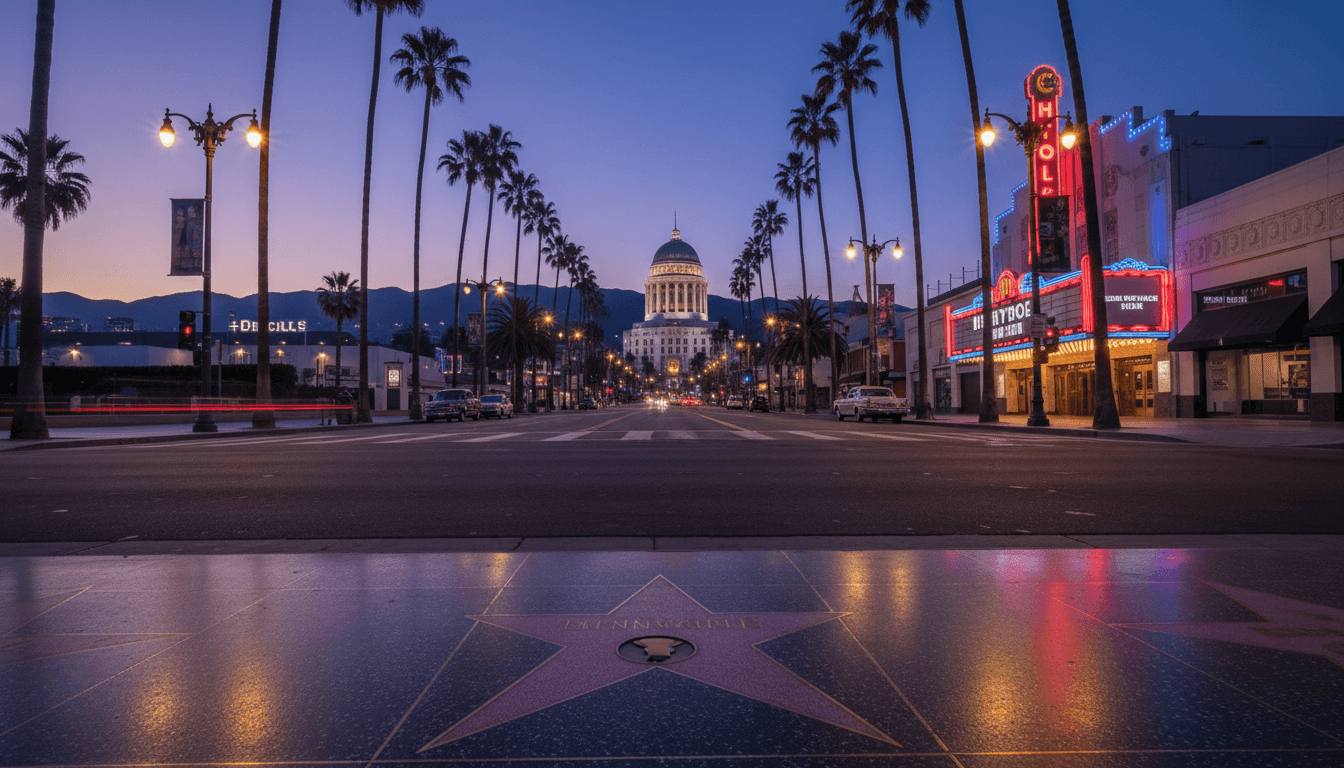
Summer Home Swap in Los Angeles: Your Complete Guide to LA's Best Season

SwappaHome Editorial Team
Home Exchange & Slow Travel Editorial
Planning a summer home swap in Los Angeles? Discover the best neighborhoods, insider tips, and what to actually expect from June through August in LA.
The first time I did a summer home swap in Los Angeles, I made a rookie mistake. I assumed LA would be scorching—like, desert-level unbearable. So I packed light linens, SPF 50, and mentally prepared for misery. Then I landed at LAX in mid-June, stepped outside, and felt... a cool breeze? The marine layer had rolled in, and my Uber driver laughed when I asked if the AC was broken. "June Gloom," he said, like that explained everything.
It did, actually. And that's exactly why I'm writing this—because a summer home swap in Los Angeles is genuinely one of the best travel decisions you can make, but only if you know what you're walking into. LA isn't just one city; it's a sprawling collection of microclimates, neighborhoods with wildly different vibes, and unwritten rules that can make or break your trip.
 Morning marine layer lifting over Santa Monica beach with silhouettes of palm trees, soft golden lig
Why Summer Is Actually the Best Time for a Home Swap in Los Angeles
Here's what most travel guides won't tell you: summer in LA isn't peak tourist season the way it is in Paris or Barcelona. The beaches get crowded on weekends, sure. Theme parks are packed with families. But the city itself? It actually empties out a bit. Industry people flee to Malibu or Palm Springs. The traffic—I know, I know, LA traffic is legendary—genuinely improves in July and August.
This creates a perfect storm for home swappers. More locals traveling means more homes available on SwappaHome. And because LA sprawls across such a massive area, you can find everything from beachside bungalows in Venice to mid-century modern gems in the Hollywood Hills to Spanish-style casitas in Silver Lake.
The weather situation is more nuanced than you'd think. June brings that famous "June Gloom"—overcast mornings that burn off by noon, temperatures hovering around 70-75°F (21-24°C). July and August? Classic California sunshine. 80-85°F (27-29°C) during the day, dropping to a comfortable 65°F (18°C) at night. Honestly, it's some of the most pleasant summer weather in the country. None of that East Coast humidity that makes you feel like you're breathing soup.
I did a three-week swap in Silver Lake last August, and I still think about those mornings. Coffee on the patio, watching hummingbirds fight over the feeder, the Griffith Observatory visible in the distance. The homeowner had left me a list of her favorite spots—a taco truck on Hyperion that only locals know about, the best time to hike Runyon Canyon (early, like 7 AM early), which farmers market to hit on which day. That kind of insider access? You can't buy it. But you can swap for it.
Best Neighborhoods for Your Los Angeles Home Exchange
Let's get specific. Because "staying in LA" could mean a dozen completely different experiences depending on where you land.
Venice and Santa Monica: Beach Life Without the Hotel Price Tag
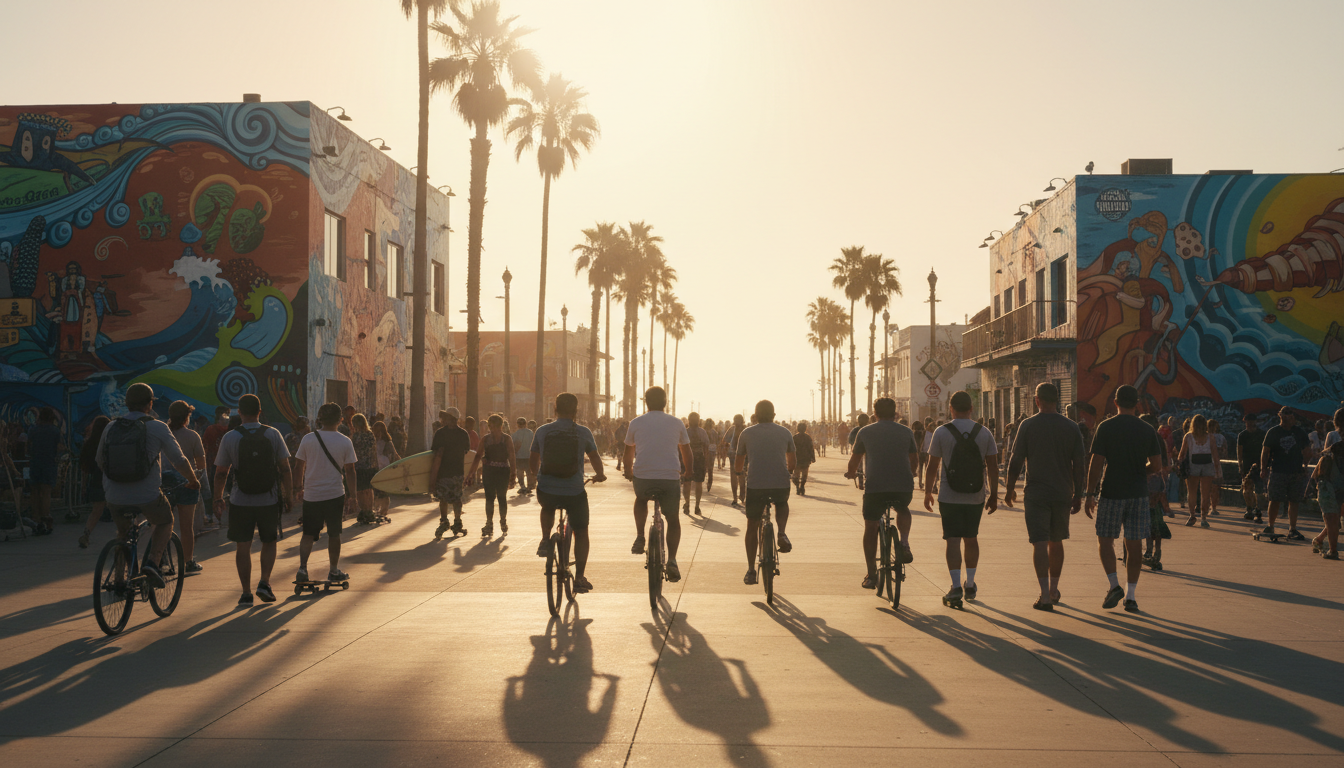
If you're dreaming of that classic California beach experience, these neighboring communities deliver. Venice is the grittier, artier sibling—think street performers, the famous Muscle Beach, and canals (yes, actual canals) lined with quirky houseboats and modern architectural experiments. Santa Monica is more polished: the pier, Third Street Promenade, excellent restaurants along Montana Avenue.
Home swaps here tend to be apartments or smaller bungalows, often within walking distance of the sand. Expect to pay—well, nothing, because that's the beauty of SwappaHome's credit system. But to give you context, hotels in this area run $300-500/night in summer. The Airbnb market hovers around $200-350/night for anything decent.
I stayed in a one-bedroom Venice apartment two summers ago, about four blocks from the boardwalk. The owner was a yoga instructor who'd left her mat and a handwritten guide to her favorite classes. I woke up to the sound of skateboarders and fell asleep to ocean air drifting through the windows. Total cost for two weeks? The credits I'd earned hosting travelers in San Francisco. The experience? Priceless. (Sorry, I had to.)
 Venice Beach boardwalk in golden hour light, colorful murals on buildings, a mix of cyclists and ped
Silver Lake and Los Feliz: Where Locals Actually Hang Out
These eastside neighborhoods are where LA's creative class lives, works, and brunches. Silver Lake centers around a reservoir—great for walking—with Sunset Junction offering indie boutiques, excellent coffee shops like Intelligentsia, and some of the city's best restaurants. Los Feliz sits at the base of Griffith Park, giving you hiking access without sacrificing urban amenities.
The architecture here is incredible. Spanish Revival homes. Mid-century hillside houses with walls of glass. Converted craftsman bungalows. Home swaps in this area often come with character you'd never find in a hotel: built-in bookshelves, vintage tile work, gardens bursting with succulents and citrus trees.
Real talk: if you want to experience LA like a local rather than a tourist, this is where I'd point you. The vibe is more Brooklyn than Beverly Hills, more neighborhood coffee shop than celebrity sighting. During my August swap here, I developed a routine—morning hike to the Griffith Observatory, lunch at Sqirl (get the sorrel rice bowl, trust me), afternoon writing at a different café each day. I felt like I lived there, not like I was visiting.
West Hollywood and Beverly Hills: Glamour and Convenience
Sometimes you want the full LA fantasy. West Hollywood (WeHo to locals) is walkable, vibrant, and centrally located—you can get to the beach, downtown, or the Valley without too much traffic pain. The Sunset Strip is here, along with excellent restaurants, nightlife, and people-watching opportunities that border on performance art.
Beverly Hills is exactly what you're picturing: manicured hedges, pristine sidewalks, the kind of wealth that feels almost theatrical. Home swaps here are rarer but not impossible—I've seen gorgeous condos and even a few proper houses list on SwappaHome. The trade-off? You'll need a car for everything. Though that's true of most LA neighborhoods.
Downtown LA: The Underdog Pick
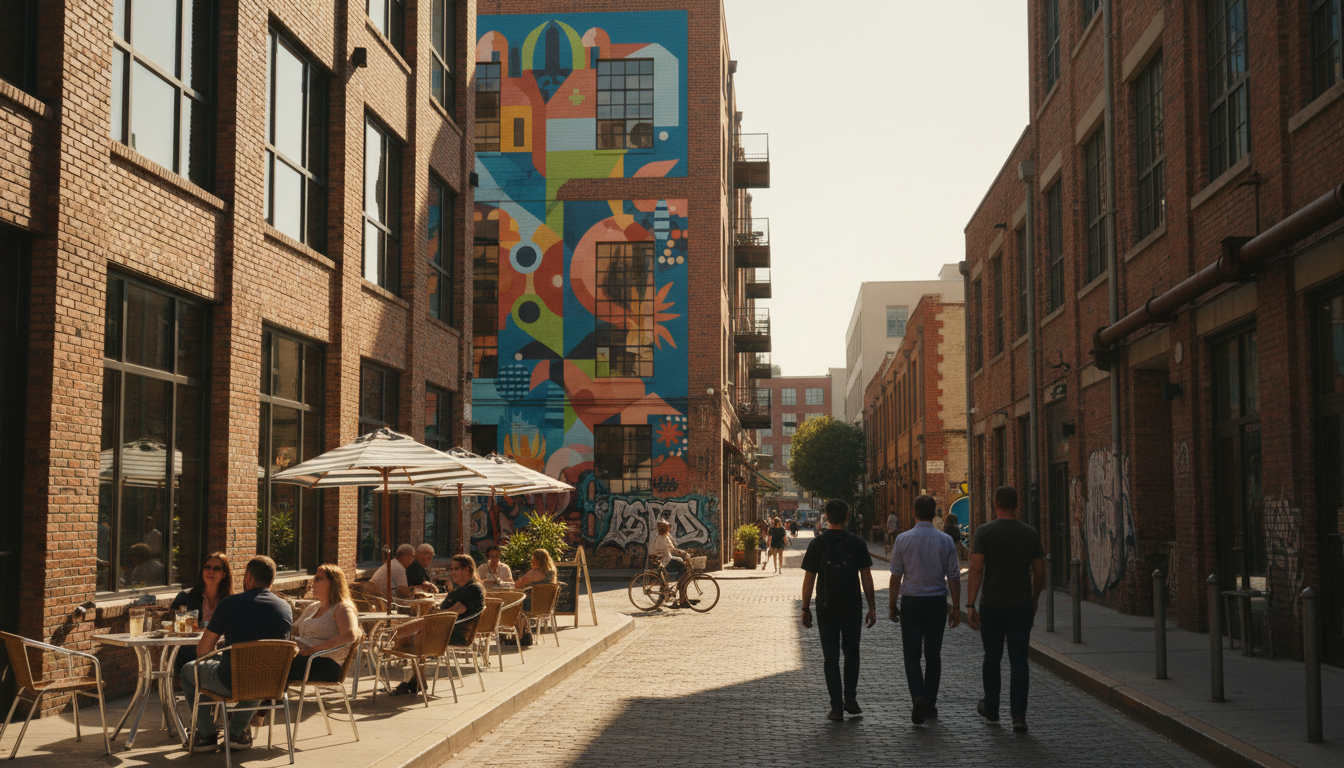
DTLA has transformed dramatically over the past decade. What was once a 9-to-5 ghost town is now a legitimate neighborhood with lofts, rooftop bars, world-class restaurants, and the kind of urban energy that feels almost un-LA. The Arts District is particularly interesting—converted warehouses, street art everywhere, excellent coffee at Verve or Blue Bottle.
Summer in DTLA can be warmer than the westside—you're farther from the ocean's cooling influence—but you're also closer to cultural institutions like The Broad museum (free, and genuinely excellent), the Walt Disney Concert Hall, and Grand Central Market, which has been serving Angelenos since 1917.
 Downtown LA Arts District street scene with industrial buildings converted to lofts, colorful murals
What to Actually Expect from a Summer Home Swap in LA
Let's get practical. Because expectations versus reality can diverge pretty dramatically in Los Angeles.
The Car Situation
I'm not going to sugarcoat this: you probably need a car. LA's public transit has improved—the Metro now connects downtown to Santa Monica, and there's decent bus coverage—but the city is simply too spread out to rely on it exclusively. Some home swaps include a car (I've seen this more often lately), or you can rent one. Budget around $40-60/day for a basic rental in summer, more for something nicer.
That said, if you stay in a walkable neighborhood like Venice, Santa Monica, or parts of Silver Lake, you can get by with occasional Ubers and Lyfts. I did a car-free week in Venice once, biking the strand to Santa Monica, walking to restaurants and shops. It worked—but I also didn't try to get to the Hollywood sign or explore the Valley.
The Grocery and Food Scene
One of the best parts of a home swap is having a kitchen. LA's grocery options range from Trader Joe's (affordable, quirky, everywhere) to Erewhon (the $20 smoothie place that's become a meme but actually has incredible prepared foods). Farmers markets happen almost daily somewhere in the city—Santa Monica on Wednesday and Saturday is the most famous, but I prefer the Hollywood market on Sunday for lower crowds and better vibes.
Eating out is expensive. Like, genuinely expensive. A casual dinner for two with drinks will run you $80-120 at most decent restaurants. But the quality is extraordinary—LA's food scene rivals any city in the world, with particular strengths in Mexican, Korean, Japanese, and California-fresh everything. My strategy: cook breakfast and lunch at your swap home, splurge on one nice dinner out every few days.
The Beach Reality Check
Southern California beaches in summer are stunning but crowded. Like, really crowded. The sand at Santa Monica on a July Saturday looks like a Where's Waldo illustration.
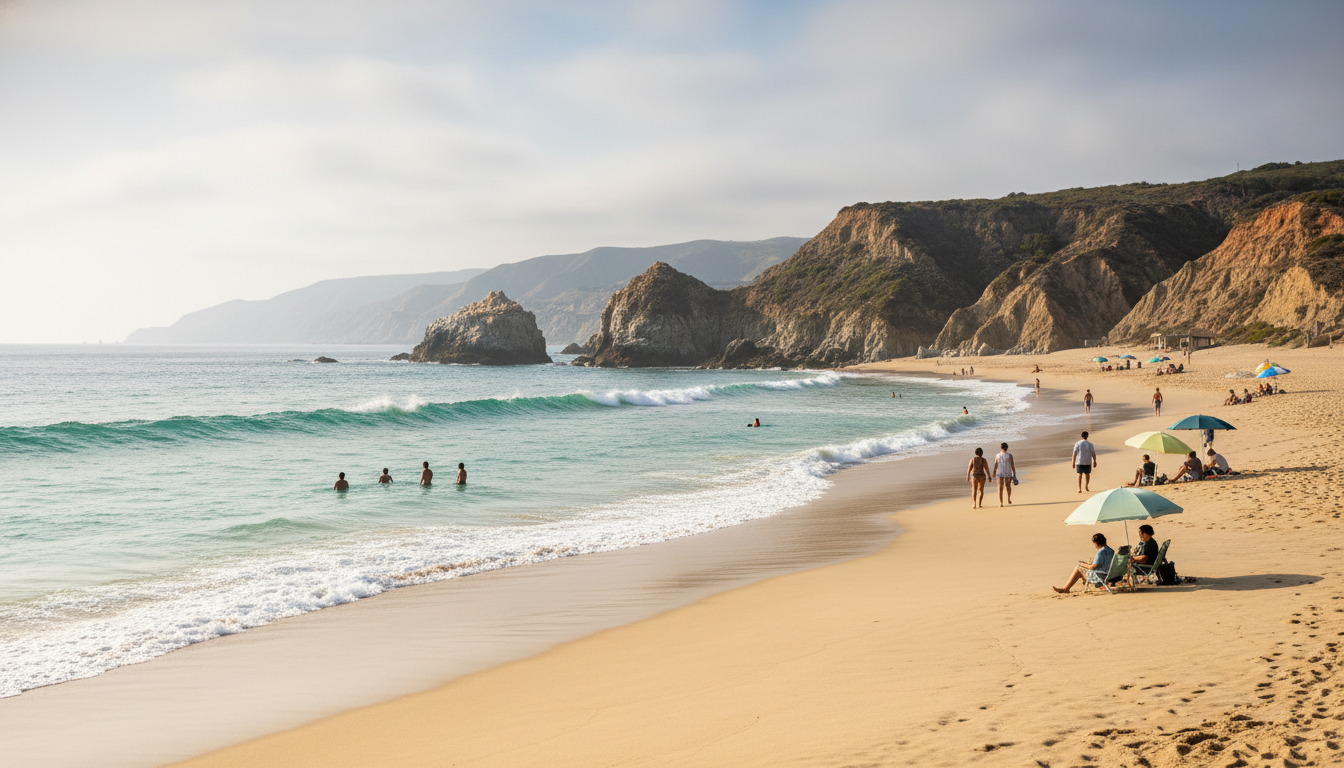
Go early—before 10 AM, you'll have space. Go north—Malibu's beaches (Zuma, Point Dume) are worth the drive for actual breathing room. Go weekday—Tuesday at Venice Beach is a completely different experience than Sunday. And bring layers. That marine layer can make mornings surprisingly cool.
The water temperature hovers around 65-70°F (18-21°C) in summer—refreshing, not warm. You'll see people surfing without wetsuits, but most swimmers do a quick dip rather than extended floating.
 Zuma Beach in Malibu with golden sand, turquoise water, rocky cliffs in background, sparse crowd of
Planning Your Los Angeles Home Exchange: Practical Tips
When to Start Looking
For summer swaps, I'd recommend starting your search on SwappaHome in March or April. LA homeowners often plan their own summer travel early, and the best properties—the ones with pools, the ones in prime locations, the ones with that perfect mid-century aesthetic—get snapped up. The platform's credit system means you don't need to find a simultaneous swap; you can use credits you've earned hosting throughout the year.
What to Look For in a Listing
Beyond the obvious stuff—location, size, amenities—pay attention to air conditioning. Not all LA homes have it. Coastal areas often don't need it, but anywhere inland, you'll want it for July and August. Parking matters too. Street parking in popular neighborhoods can be a nightmare, so a dedicated spot or garage is gold.
Outdoor space transforms the experience. A patio, balcony, or yard means you'll eat outside, drink your morning coffee outside, exist outside. And ask specifically about neighborhood walkability. A "great location" in LA could still mean driving everywhere.
Communication with Your Host
The best home swaps I've done involved extensive pre-trip communication. Ask about their favorite local spots—restaurants, coffee shops, hikes. Ask about quirks of the home—that one window that sticks, the trick to the garbage disposal. Neighborhood tips—where to park, which grocery store, the best taco truck. Emergency contacts—a neighbor who has a spare key, their go-to handyman.
Most SwappaHome members are genuinely excited to share their city. I've received everything from hand-drawn maps to multi-page Google Docs full of recommendations. This insider knowledge is honestly half the value of home swapping.
What to Bring (and What to Leave Behind)
LA summer packing is deceptively simple. Layers, always layers—the temperature can swing 20 degrees between morning and afternoon. Comfortable walking shoes, because you'll explore more than you think. Sunscreen, since the UV index is no joke even on cloudy days. A reusable water bottle for staying hydrated during hikes. One nice outfit for dinners out, because LA casual is still pretty stylish.
Leave the umbrella at home. It genuinely doesn't rain in LA from May through October. Like, at all.
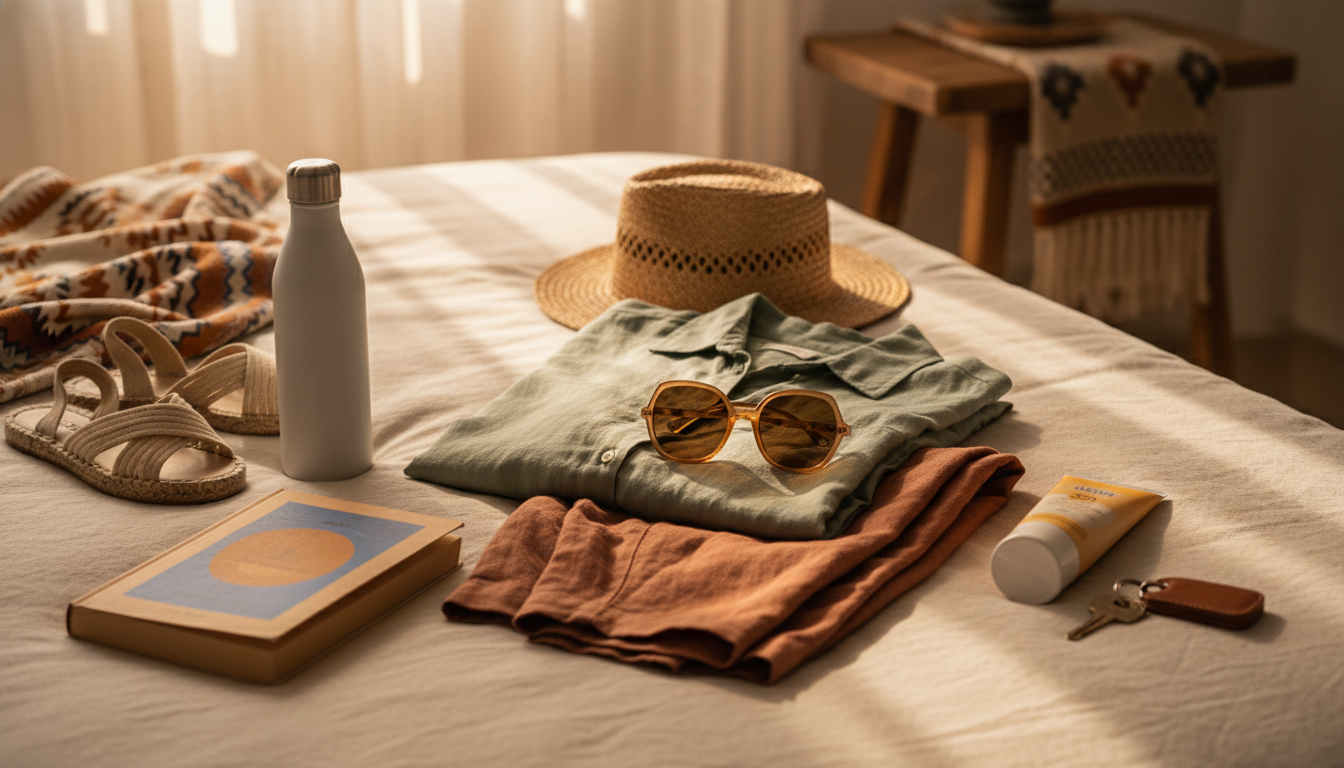 Flat lay of summer LA packing essentials on a bed - linen clothes, sunglasses, sandals, reusable wat
Making the Most of Your Summer in Los Angeles
Here's my honest take after multiple summer swaps in LA: the city rewards curiosity and punishes passivity. If you sit around waiting for things to happen, you'll wonder what the fuss is about. If you get out early, explore neighborhoods, talk to locals, and embrace the sprawl? You'll understand why people fall in love with this weird, wonderful place.
Some of my favorite summer LA memories: watching the sunset from Griffith Observatory, the entire city sparkling below, the Hollywood sign glowing pink in the fading light. Finding an unmarked taco stand in East LA that served the best al pastor I've ever had—still dream about it. Morning swims at the Annenberg Community Beach House in Santa Monica, a public pool steps from the ocean, $10 entry, absolute heaven. Getting lost in The Getty's gardens, the architecture and art competing for attention with the views. Late-night comedy shows at UCB or The Comedy Store, where you might see someone famous working out new material.
The city has this quality—I don't know how else to describe it—of making everything feel possible. Maybe it's the light, which really is as golden as advertised. Maybe it's the constant presence of the entertainment industry, reminding you that dreams get made here. Maybe it's just the weather, day after day, convincing you that life could always feel this good.
Why Home Swapping Beats Hotels for LA Summer Travel
I've done LA both ways—the boutique hotel experience and the home swap experience—and it's not even close. Hotels in desirable LA neighborhoods run $250-400/night minimum in summer. You get a room, maybe a rooftop pool, definitely a parking fee ($30-50/night at most places). You're a tourist, treated like a transaction.
A home swap gives you a neighborhood. You have a kitchen where you can make avocado toast with farmers market produce. You have a living room where you can collapse after a day of exploring. You have a local's perspective—their books on the shelves, their art on the walls, their recommendations guiding your experience.
There's something psychologically different about staying in someone's home versus a hotel. You slow down. You settle in. You stop trying to cram everything into every day because you feel like you belong there, at least temporarily. That's when the real magic happens—when you stumble onto things you never would have planned.
SwappaHome's credit system makes this accessible in a way that traditional home exchanges don't. You don't need to find someone who wants to visit your city at the exact time you want to visit theirs. You earn credits by hosting, spend them by traveling. One credit per night, regardless of whether you're staying in a Venice bungalow or a Silver Lake hillside home. The simplicity is kind of genius.
Frequently Asked Questions
Is a summer home swap in Los Angeles worth it compared to hotels?
Absolutely. Hotels in desirable LA neighborhoods cost $250-400/night in summer, plus $30-50 for parking. A home swap through SwappaHome costs credits you've earned by hosting—no cash exchanged. You also get a kitchen, local neighborhood access, and insider tips from your host that no concierge can match.
What is June Gloom and will it ruin my LA summer trip?
June Gloom refers to the marine layer that creates overcast mornings along the coast, typically burning off by noon. It keeps temperatures pleasant (70-75°F) and actually makes June ideal for sightseeing without intense heat. By July and August, you'll see more consistent sunshine and temperatures around 80-85°F.
Do I need a car for a summer home swap in Los Angeles?
For most visitors, yes. LA's public transit has improved but can't compete with the city's sprawl. Some walkable neighborhoods (Venice, Santa Monica, parts of Silver Lake) allow car-free days, but you'll want wheels for exploring beyond your immediate area. Budget $40-60/day for summer rentals.
Which LA neighborhood is best for a first-time home swap?
Silver Lake or Los Feliz offer the best balance of local character, central location, and authentic LA experience. You're close to hiking, great restaurants, and cultural attractions without the beach-area crowds. Venice or Santa Monica work better if beach access is your priority.
How far in advance should I book a summer home swap in Los Angeles?
Start browsing SwappaHome listings in March or April for summer travel. The best properties—those with pools, prime locations, or standout architecture—get requested early. LA homeowners often plan their own summer travels months ahead, so early planning gives you the widest selection.

Published by
SwappaHome
SwappaHome Editorial Team
Home Exchange & Slow Travel Editorial
The SwappaHome Editorial Team brings together travel research, home-exchange community insights, and platform data to produce practical guides for first-time and experienced home swappers. Every article cites real platforms, current market rates, and verifiable city-level facts so readers can make informed decisions without guessing.
Ready to try home swapping?
Join SwappaHome and start traveling by exchanging homes. Get 7 free credits when you sign up!
Related articles
Home Swap in Rome: Where to Find the Best Properties for Your Italian Exchange
Discover where to find the best home swap properties in Rome—from Trastevere's cobblestone charm to Testaccio's local authenticity. Real neighborhoods, real advice.

Home Swap in Bangkok: Where to Find the Best Properties for Free Stays
Discover where to find the best home swap properties in Bangkok—from riverside condos in Charoen Krung to family homes in Ari. Real neighborhoods, real savings.

Home Swap for Beach Lovers: 12 Coastal Destinations Ranked for 2026
Discover the best coastal destinations for home swapping in 2026. From Portugal's Algarve to Australia's Gold Coast, find your perfect beach exchange.