
Thailand Visa for Digital Nomads: Your Guide to the New Requirements in 2026

SwappaHome Editorial Team
Home Exchange & Slow Travel Editorial
Thinking about working from Thailand? It's a dream for many digital nomads, and with the new visa rules coming in 2026, it's getting easier. This guide is here…
Thinking about working from Thailand? It's a dream for many digital nomads, and with the new visa rules coming in 2026, it's getting easier. This guide is here to walk you through everything you need to know about the Thailand digital nomad visa, from the paperwork to actually living there. We'll cover what you need to qualify, how to apply, and what life is like on the ground. Let's get you ready for your Thai adventure!
Key Takeaways
- The new Thailand digital nomad visa has specific eligibility requirements that differ from previous options.
- Gathering all necessary documents, like proof of income and a valid passport, is a key part of the application process.
- Understanding the financial requirements, including minimum income thresholds, is vital for a successful application.
- Planning for accommodation, internet, and the general cost of living will help you settle in smoothly.
- Familiarize yourself with visa duration, renewal procedures, and important considerations like healthcare and taxes.
Understanding the Thailand Digital Nomad Visa
So, Thailand's rolling out a new visa specifically for us digital nomads, and it's a pretty big deal. This isn't just a slight tweak to the old rules; it's a whole new ballgame designed to make it easier for remote workers to set up shop in the Land of Smiles for longer stretches. Think less stress about visa runs and more time to actually enjoy the beaches and the food.
Eligibility Criteria for the New Visa
To even be considered for this shiny new visa, you'll need to meet a few key requirements. They're looking for people who are genuinely working remotely and have a stable income. It's not just about having a laptop; it's about proving you're a legitimate remote professional.
Here's a quick rundown of what they're generally looking for:
- Proof of Employment: You'll need to show you're employed by a company outside of Thailand or are self-employed with clients abroad.
- Minimum Income: There's a specific income threshold you need to hit. We'll get into the exact numbers later, but it's designed to show you can support yourself without needing to work locally.
- Valid Passport: A passport with at least six months of validity is a must.
- No Criminal Record: Like most visa applications, a clean record is pretty standard.
Key Differences from Previous Options
Before this, digital nomads often relied on tourist visas, which are short-term and don't permit local employment, or other long-term visas that had more complex requirements. This new visa is streamlined. It's specifically for remote workers, meaning the application process and the requirements are tailored to our lifestyle. The biggest change is the explicit recognition and facilitation of remote work for foreigners.
Previously, you might have been juggling extensions, trying to find workarounds, or just feeling a bit uncertain about your long-term stay. This visa aims to provide clarity and a more stable legal framework. It's less about pretending you're just a tourist and more about acknowledging you're coming to work remotely.
Benefits of the Digital Nomad Visa
Why go through the trouble of applying for a specific visa? Well, the benefits are pretty compelling. For starters, you get to stay in Thailand for a much longer period than a typical tourist visa allows. This means you can really settle in, explore different regions, and get a feel for the local culture without constantly watching the calendar.
- Extended Stay: Enjoy longer periods in Thailand, allowing for deeper exploration and integration.
- Legal Framework: Work remotely with peace of mind, knowing you're compliant with Thai immigration laws.
- Potential for Local Integration: While you can't work for Thai companies, a longer stay can facilitate a richer experience of local life, perhaps even finding places like comfortable home exchanges that feel more like living than just visiting.
- Simplified Process: Compared to some of the older, more convoluted visa routes, this one is designed with the digital nomad in mind, aiming for a more straightforward application.
The introduction of this visa signals Thailand's commitment to attracting a global remote workforce. It's a move that benefits not only the nomads themselves but also contributes to the local economy through spending on accommodation, food, and services. It's a win-win, really.
Navigating the Application Process
Alright, so you've decided Thailand is the place to be for your digital nomad adventures in 2026. That's awesome! But before you start packing your bags and dreaming of beaches, we need to talk about actually getting that visa. It might seem a bit daunting, but honestly, it's pretty straightforward if you know what you're doing. The key is to be organized and have all your ducks in a row before you even start.
Required Documentation for Your Application
This is where you'll spend most of your prep time. Missing even one document can cause delays, and nobody wants that. Here's a general rundown of what you'll likely need:
- Passport: Make sure it's valid for at least six months beyond your intended stay and has plenty of blank pages.
- Visa Application Form: Filled out completely and accurately. You can usually download this from the official Thai embassy or consulate website.
- Passport-sized Photos: Recent ones, usually meeting specific size and background requirements.
- Proof of Employment/Business: This is a big one. You'll need to show you have a stable remote income. Think employment contracts, letters from your employer, or business registration documents if you're self-employed.
- Financial Statements: Bank statements showing a consistent income over a certain period (often 3-6 months). We'll get into the specifics of the financial requirements later, but have these ready.
- Travel Itinerary: Sometimes a flight booking or a general plan of your stay is requested.
- Proof of Accommodation: This could be a hotel booking or, if you've arranged it, a lease agreement.
- Health Insurance: Proof of adequate health insurance covering your stay in Thailand is usually a must.
Step-by-Step Application Guide
Once you've gathered all your documents, the actual application process usually follows these steps:
- Determine Your Application Method: Most likely, you'll be applying online through the official Thai e-Visa portal or via the Thai embassy/consulate in your home country. Check the specific instructions for your region.
- Complete the Application Form: Fill it out carefully. Double-check all details before submitting.
- Upload Supporting Documents: Scan all your required documents clearly and upload them as per the portal's instructions.
- Pay the Visa Fee: There will be a fee, and payment methods will be outlined during the application.
- Attend an Interview (If Required): Some applications might require a brief interview at the embassy or consulate.
- Wait for Approval: Processing times can vary, so be patient. You can usually track your application status online.
- Receive Your Visa: Once approved, your visa will be issued, often electronically or stamped in your passport.
Remember, the specifics can change, so always refer to the most up-to-date information on the official Thai government immigration websites or your local Thai embassy. Things move fast, and staying informed is your best bet. This guide to obtaining a Thailand Digital Nomad Visa should give you a solid starting point.
Common Pitfalls to Avoid
To make things smoother, here are a few things people often trip up on:
- Incomplete Documentation: Seriously, this is the number one reason for delays. Make sure you have everything listed.
- Incorrect Financial Proof: Not meeting the minimum income or not providing clear bank statements can be a deal-breaker.
- Outdated Information: Relying on old blog posts or outdated requirements. Always check official sources.
- Typos and Errors: Simple mistakes on the application form can cause confusion and delays.
- Not Understanding Tax Obligations: While not strictly part of the visa application, ignoring your U.S. tax filing obligations while living abroad can lead to bigger headaches down the line.
Financial Requirements for Nomads
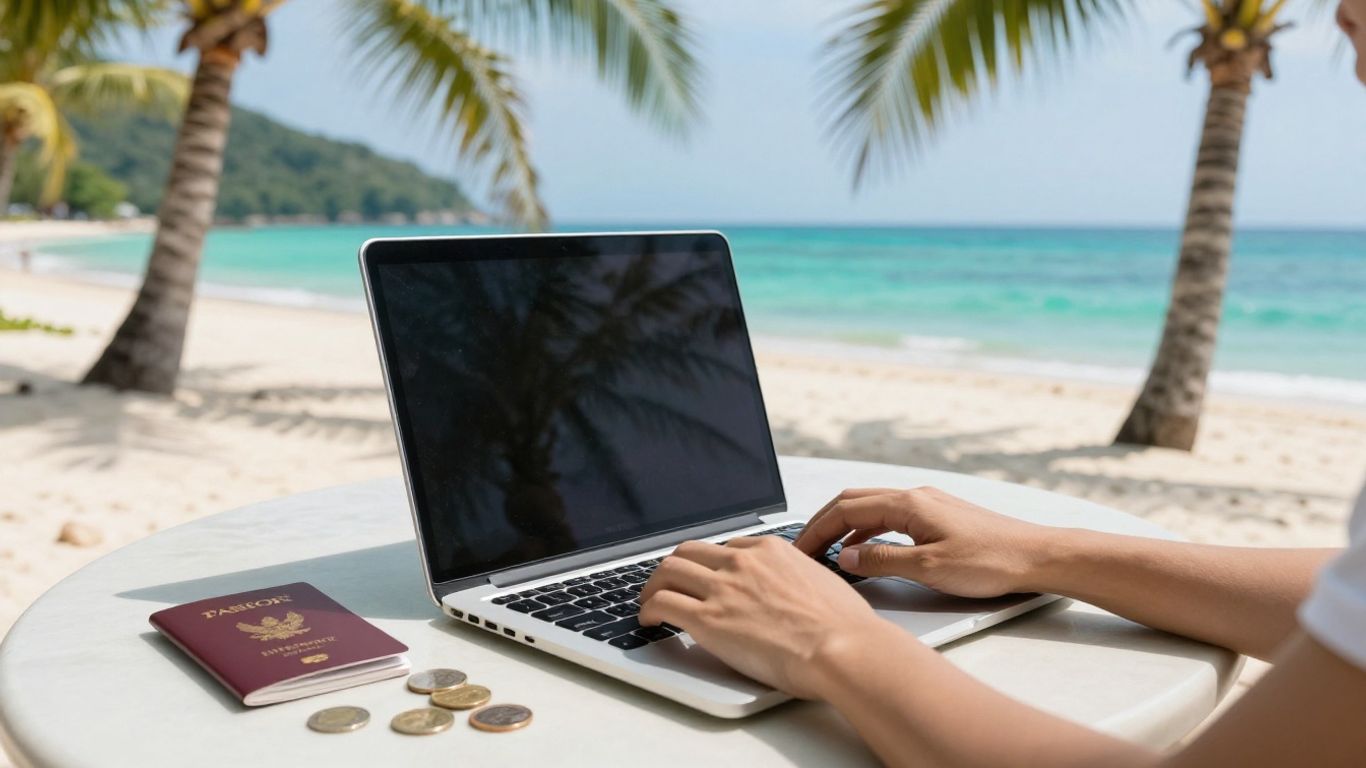 Digital nomad working on a laptop on a Thai beach.
Getting your finances in order is probably the least glamorous part of getting the new Thailand digital nomad visa, but it's make-or-break for your application. Here’s what to expect in 2026, including the income threshold, proof you’ll need, and a look at getting paid locally.
Minimum Income Thresholds
The new digital nomad visa for Thailand sets a clear minimum income bar. Starting in 2026, applicants need to show either stable monthly earnings or significant savings in their account. Here’s a look at the government’s stated minimums:
| Requirement Type | Amount Needed |
|---|---|
| Monthly Income | $2,000 USD minimum |
| Lump Sum Savings | 500,000 THB (~$15,000 USD) financial stability |
| Combined (income + savings) | Acceptable if both criteria are partially met |
You’ll need bank statements or official employment contracts to prove your numbers.
Proof of Funds and Bank Statements
What counts as undeniable proof? Bank statements, salary slips, or official freelancer contracts from the past 6-12 months. The immigration office is looking for consistency and legitimacy, not random one-off transfers. Here’s what you should prepare:
- Bank statements covering at least the last six months
- Pay stubs, invoices, or contracts from freelance work
- Proof of recurring payments, not just one-time windfalls
- Letters from clients or employers mentioning steady income
If you’re self-employed or juggling different gigs, pull it all together — don’t leave gaps that look suspicious or incomplete.
If your financial records are scattered or inconsistent, you could hit a snag when immigration reviews your application. It’s worth taking extra time to pull everything together clearly upfront, rather than risk getting denied over missing paperwork.
Understanding Local Banking in Thailand
Once you arrive, setting up a Thai bank account is possible, but not always fast without help. Many nomads stick with international accounts for the first few months, using money transfer services or fintech apps. However, a local account is handy for paying rent, utilities, or just avoiding foreign transaction fees.
Here’s how most digital nomads handle money in Thailand:
- Start out using a multi-currency card or global bank app (like Wise or Revolut).
- Open a Thai account after arrival, usually with guidance from your landlord or a co-working space community.
- Watch for bank fees: Local banks often charge for international transfers or ATM withdrawals.
- Some digital nomad hubs and apartment owners accept payment in dollars or euros, but Thai baht is always your safest bet.
By planning your finances upfront and keeping good records, you’ll breeze through the official part and have more time to enjoy Thai living.
Life in Thailand as a Digital Nomad
 Digital nomad working on laptop in Thailand
Finding Accommodation and Co-working Spaces
Looking for a place to stay in Thailand isn’t tough, but finding the spot that feels like home is a bit trickier. You can pick between modern city condos, apartments in smaller cities, or houses near the water. Co-working culture is huge here, and a lot of properties are even designed with remote workers in mind—think fast Wi-Fi and comfy desks. If you want a lifestyle that feels almost effortless, take a look at Chiang Mai, Thailand. There are plenty of shared workspaces, from casual cafes to dedicated hubs where you’ll meet other digital nomads and locals who know all the shortcuts.
Most co-working spots include Wi-Fi, air conditioning, and flexible memberships—sometimes they’re open 24/7.
- Apartment rentals: Expect monthly terms, usually furnished
- Short-term stays: Airbnb, hostels, and hotels are everywhere
- Popular co-working spaces: Hubba (Bangkok), Punspace (Chiang Mai), and cafes in Nimman and Thonglor
If you’re thinking about staying long term, get your housing sorted early—peak season and popular nomad areas can fill up fast, especially during winter months.
Connectivity and Internet Reliability
You don’t have to worry much about internet speed in Thailand’s main cities. Fiber optic is almost everywhere in Bangkok, Chiang Mai, and Phuket, with speeds often hitting 300 Mbps or better in apartments and co-working spaces. Mobile data plans are cheap, easy to top up, and shockingly fast compared to most Western countries.
- Grab a local SIM card right after you land (AIS, DTAC, and TrueMove are the main providers)
- Backup options: Pocket Wi-Fi routers or co-working space day passes
- Occasional outages do happen, but overall, reliability in city hubs is solid
Cost of Living and Budgeting Tips
Thailand is still affordable for remote workers, especially compared to major Western cities. Your budget goes further in smaller cities.
| City | Monthly Budget (USD) | What’s Included |
|---|---|---|
| Chiang Mai | $1,800 – $2,500 | Apartment, co-working, eating out |
| Bangkok | $2,200 – $3,000 | Central apartment, all expenses |
| Phuket | $2,000 – $2,800 | Beach rental, scooter, basic expenses |
Some ways to stretch your money:
- Eat local food at markets and street stalls
- Use public transit or rent a scooter for months at a time
- Home swapping or guesthouses can save hundreds on long trips
Thailand is friendly for first-timers and long-term nomads alike, but prices can creep up during high season or in tourist-heavy areas. Always budget for last-minute surprises—medical visits, visa runs, or even just spontaneous road trips with new friends.
Visa Duration and Renewal Procedures
So, you've got your digital nomad visa sorted for Thailand – awesome! Now, let's talk about how long you can actually stay and what you need to do to keep it going. It’s not super complicated, but you definitely don't want to miss any steps.
Initial Visa Validity Period
The Thailand Digital Nomad Visa, often referred to as the LTR (Long-Term Resident) visa, typically grants you an initial stay of five years. This is pretty sweet because it means you don't have to worry about frequent visa runs or constant reapplication. This five-year period is a big deal for anyone planning to settle in for a while. It allows for a much more stable and relaxed experience compared to shorter-term options.
Steps for Visa Extension
While the visa itself is valid for five years, each individual stay is usually limited to 180 days. Before your 180 days are up, you'll need to extend your stay. Here’s a general idea of how that works:
- Gather your documents: You'll likely need your passport, the original visa approval letter, proof of accommodation, and possibly updated financial documents. It’s always best to check the latest requirements with the Thai immigration office or the relevant embassy.
- Visit an Immigration Office: You'll need to go in person to a Thai immigration office. They have offices in major cities across the country.
- Submit your application: Fill out the extension application form and submit it along with all your supporting documents. There will be a fee for the extension.
- Get your passport stamped: If approved, your passport will be stamped with the new 180-day extension.
It’s a good idea to start this process a couple of weeks before your current stay expires to avoid any last-minute stress. You can usually extend your stay once within the five-year visa period.
Transitioning to Long-Term Stays
This visa is designed for long-term residents, so the renewal process is built to support that. The five-year validity is a significant advantage, allowing you to truly immerse yourself in Thai culture and build a routine without the constant pressure of visa deadlines. Think of it as a stable base from which you can explore the country and beyond. For those considering extended stays, looking into options like home exchange could be a smart way to manage accommodation costs over multiple years, making your long-term stay even more feasible.
The key to a smooth long-term stay is staying organized. Keep digital and physical copies of all your important documents, and make a note of renewal dates in your calendar. Staying informed about any changes in immigration policy is also wise, though the LTR visa is intended to be quite stable.
Essential Considerations for Your Move
So, you've got the visa sorted and you're ready to pack your bags for Thailand. That's awesome! But before you book that flight, there are a few more things to think about to make sure your transition is as smooth as possible. It’s not just about the visa, you know? There’s healthcare, understanding the local culture, and even figuring out taxes. Let's break it down.
Healthcare and Insurance for Nomads
First off, your health. Thailand has some really good hospitals, especially in the big cities, but they can get pricey if you don't have coverage. You absolutely need to have travel insurance that covers medical emergencies. Don't just assume your regular insurance will cut it, because it probably won't. Look for a policy that includes:
- Emergency medical treatment and hospitalization
- Medical evacuation
- Repatriation of remains (hopefully you won't need this, but it's good to have)
- Coverage for pre-existing conditions (if you have any)
Some digital nomad visas might even require proof of insurance, so double-check those requirements. It's better to be safe than sorry when it comes to your well-being.
Cultural Etiquette and Local Customs
Thailand is known as the 'Land of Smiles,' and for good reason. The people are generally very polite and respectful. Understanding a bit about their customs will go a long way in making positive connections. For instance, the head is considered sacred, so avoid touching people's heads, especially children's. Feet, on the other hand, are seen as the lowest part of the body, so don't point your feet at people or religious symbols. When visiting temples, dress modestly – cover your shoulders and knees. It's also customary to remove your shoes before entering someone's home or a temple.
Showing respect for the monarchy is also very important. The King and the royal family are deeply revered. Avoid making any negative comments or jokes about them, as this can lead to serious trouble. Public displays of affection are generally kept low-key, so be mindful of that.
Tax Implications for Remote Workers
This is a big one, and honestly, it can get complicated. Depending on how long you stay and where you're earning your income, you might have tax obligations in Thailand. Generally, if you're considered a tax resident in Thailand (which usually happens after spending 183 days in a calendar year there), you'll need to pay taxes on income earned in Thailand. Income earned from foreign sources might also be taxable if it's remitted to Thailand. It's a bit of a grey area, and tax laws can change. It's highly recommended to consult with a tax professional who specializes in international or Thai tax law before you move. They can help you figure out your specific situation and avoid any nasty surprises down the line. You don't want tax issues to put a damper on your digital nomad adventure.
Wrapping It Up
So, that's the lowdown on the new Thailand visa for digital nomads in 2026. It might seem like a lot to get through, but honestly, it's just about being prepared. Think of it like packing for a trip – you wouldn't just throw things in a bag, right? You check the weather, make a list, and make sure you have what you need. This visa is kind of the same. Get your ducks in a row, gather your documents, and you'll be well on your way to working from that beach in no time. It’s definitely doable, and the reward of experiencing Thailand while you work is totally worth the effort.
Frequently Asked Questions
What exactly is the new digital nomad visa for Thailand in 2026?
Think of it as a special permission slip for people who work online and want to live in Thailand for a longer time. It's designed to make it easier for remote workers to stay and enjoy the country without having to constantly worry about their visa running out. It's different from short tourist visas because it's meant for people planning to work from Thailand for an extended period.
Who can apply for this new visa?
Basically, if you have a job or run a business that you can do from anywhere using the internet, you might be eligible. You'll likely need to show you have a steady income and that your work is legitimate. There might also be requirements about your nationality or how long you plan to stay. It’s like proving you’re a real digital worker and not just visiting for fun.
How is this different from older ways of staying in Thailand as a remote worker?
Before, people often had to use tourist visas and extend them, or find ways to get other types of visas that weren't specifically made for remote work. This new visa is official and made just for digital nomads. This means clearer rules, potentially longer stays, and less hassle figuring out the system. It’s like getting a ticket made for your specific purpose instead of trying to fit a general ticket.
What kind of money proof do I need to show?
The government wants to see that you can support yourself while you're in Thailand. This usually means showing proof of a certain amount of money you earn each month, like pay stubs or bank statements. They want to make sure you won't need to rely on local resources and can afford your stay. It’s like showing you have enough allowance to cover your expenses.
How long can I stay with this visa, and can I extend it?
The visa will let you stay for a set amount of time, which is usually longer than a tourist visa. If you like Thailand and want to stay even longer, there will be a process to extend your visa. They want people to feel comfortable staying for a good while, but there are steps to follow to make it official.
What are the biggest things to watch out for when applying?
The main things are making sure you have all the correct paperwork, like proof of income, a valid passport, and maybe a letter from your employer. Double-checking all the details and making sure everything matches the requirements is super important. Mistakes can cause delays or even rejection, so it’s best to be really organized and read all the instructions carefully.

Published by
SwappaHome
SwappaHome Editorial Team
Home Exchange & Slow Travel Editorial
The SwappaHome Editorial Team brings together travel research, home-exchange community insights, and platform data to produce practical guides for first-time and experienced home swappers. Every article cites real platforms, current market rates, and verifiable city-level facts so readers can make informed decisions without guessing.
Ready to try home swapping?
Join SwappaHome and start traveling by exchanging homes. Get 7 free credits when you sign up!