
The complete guide to digital nomad visa Thailand requirements

SwappaHome Editorial Team
Home Exchange & Slow Travel Editorial
Key Takeaways Navigating your move to Thailand involves understanding the specific criteria and regulatory environment of the country's newest flexible visa…
Key Takeaways
Navigating your move to Thailand involves understanding the specific criteria and regulatory environment of the country's newest flexible visa program. This guide streamlines those steps.
- The DTV offers a five-year validity period for eligible remote professionals.
- Financial proof requires showing savings of at least 500,000 THB.
- You cannot accept employment from local Thai companies while holding this visa.
- Application processes are managed entirely through the external e-visa system.
- Spouses and children of holders can often join under the same program framework.
Understanding the Destination Thailand Visa (DTV)
Thailand has modernized its approach to remote work, recognizing the shift toward a location-independent workforce that seeks both stability and high-quality living. The new visa trajectory represents a significant upgrade from older options, simplifying long-term residency plans for digital nomads. This specific visa program aims to welcome global talent into the country under a flexible structure.
What is the DTV?
The Destination Thailand Visa serves as a dedicated legal pathway for remote workers and creative professionals to access the Thai landscape for long-term work-related stays. It specifically targets individuals who maintain professional engagements with entities based outside of Thailand while dwelling within the country. This setup allows for continuous presence, facilitating greater travel freedom and productivity during your stay.
Who is eligible for the visa?
Eligibility hinges on demonstrating an active remote career alongside proper financial stability to sustain yourself while living abroad. Individuals working for overseas corporations, freelancers, and creative industry professionals frequently qualify under these terms, as described in the official Destination Thailand Visa breakdown. Proof of professional status remains a primary hurdle that requires consistent documentation before your departure.
How long can you stay?
Successful applicants receive a visa valid for five years from the date of issue. Each entry allows for a stay of up to 180 days, which can be extended for an additional period within the country. This structure provides a distinct advantage over shorter-term visits by reducing the need for constant, stressful border crossings.
Differences between the DTV and traditional tourist visas
The DTV is fundamentally designed for longer-term residential and professional stays, whereas tourist visas have restrictive time limits strictly for leisure purposes. The following table illustrates these key structural differences.
| Feature | DTV Visa | Traditional Tourist Visa |
|---|---|---|
| Validity Duration | 5 Years | Single Entry / 60 Days |
| Primary Purpose | Workcation/Remote Work | Leisure and Travel |
| Stay Limitation | 180 Days per Entry | 60 Days max |
| Renewal Capability | Possible within Thailand | Generally restricted |
These distinctions demonstrate that the DTV is intended to be a stable hub for remote workers, effectively separating professional residency from short-term tourism.
Essential applicant requirements
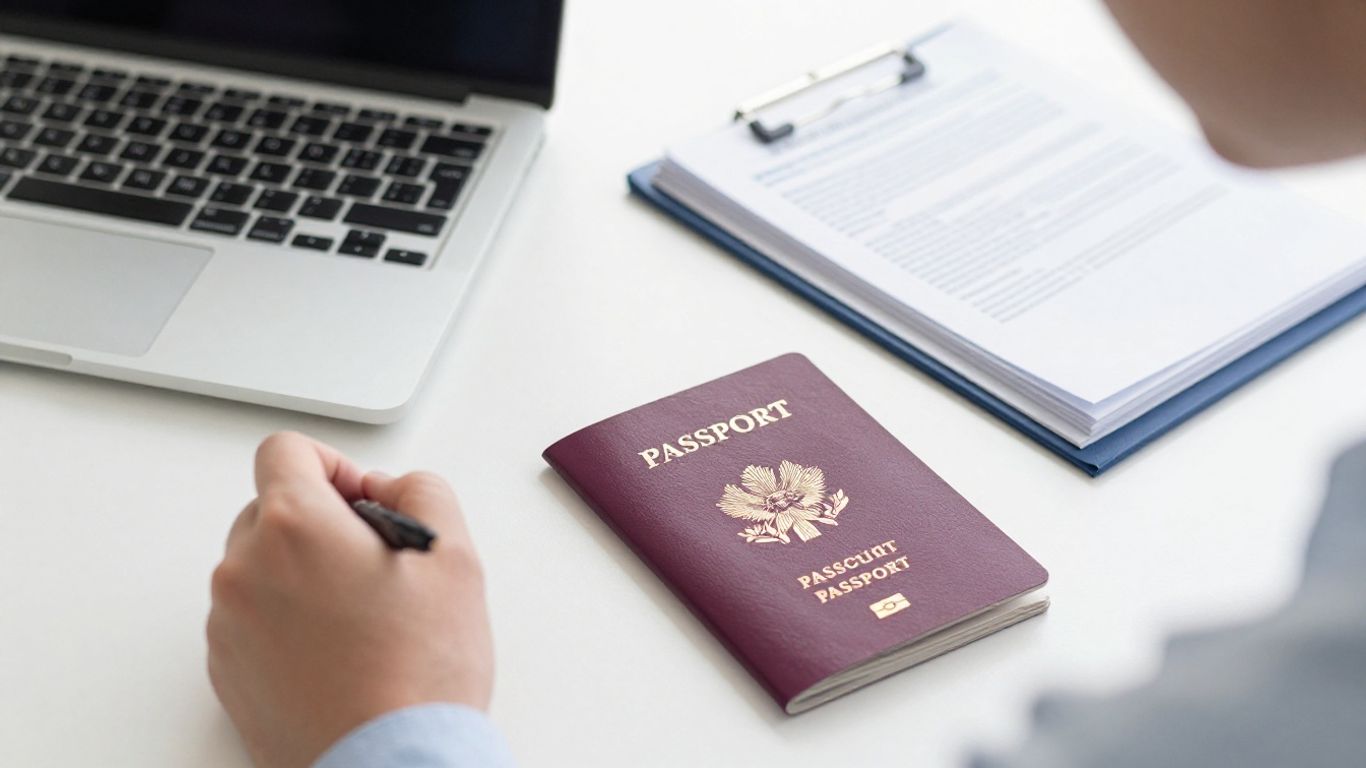 Applicants preparing travel documents
Meeting the core requirements demands a thorough collection of your personal and financial history to prove your readiness for a long-term relocation. You should organize these files well ahead of your application date to prevent unnecessary delays during the review by immigration authorities.
Minimum income proof
You must provide evidence of financial stability by showing a minimum of 500,000 THB in your personal savings account. This balance confirms you are capable of covering your living expenses without seeking local employment.
Employment documentation
Your application must include verified proof of your current professional engagement. You might use the following list to ensure you have what is required:
- A signed employment contract with a foreign company
- A detailed professional portfolio showcasing current projects
- Official certifications for freelance or talent status
- Relevant tax documents indicating previous income sources
Ensuring these files are clearly translated and labeled will help facilitate smoother verification from the embassy staff.
Passport and identity standards
Your passport must remain valid for at least six months beyond your intended date of entry. Clear digital scans of your biodata page are required to verify your nationality, which aligns with standard international visa requirements.
Proof of residency
Applicants are asked to provide documents confirming their current physical residence outside of Thailand. Options include a valid driver's license reflecting your home address, utility bills, or official letters from your current country of residence.
Navigating the application process
Applying for the visa is a structured procedure that relies on modern e-visa systems for efficiency. You must complete your submission while physically outside of Thailand, as the program mandates offshore application filing for all new entries.
Online application procedures
Navigate to the ministry's official e-visa portal to create an account and initiate your request. The interface guides you through a series of inputs related to your personal details, travel history, and specific category selection for the application.
Required supporting documents
You must collect and upload soft copies of your passport, bank statements, and employment proof to the portal. Incomplete documentation sets are the most common reason for delayed processing, so take care to check your files before clicking submit.
Fees and payment methods
The application fee varies significantly depending on your specific country of residence and the local currency conversion rates. Payment is typically accepted via the online platform using major credit cards or secure banking gateways integrated into the site.
Estimated processing times
Review periods generally range from a few weeks to over a month, depending on the volume of applications processed by your local embassy. You can monitor the status of your filing through the e-visa dashboard to keep track of your progress.
Permitted activities and restrictions
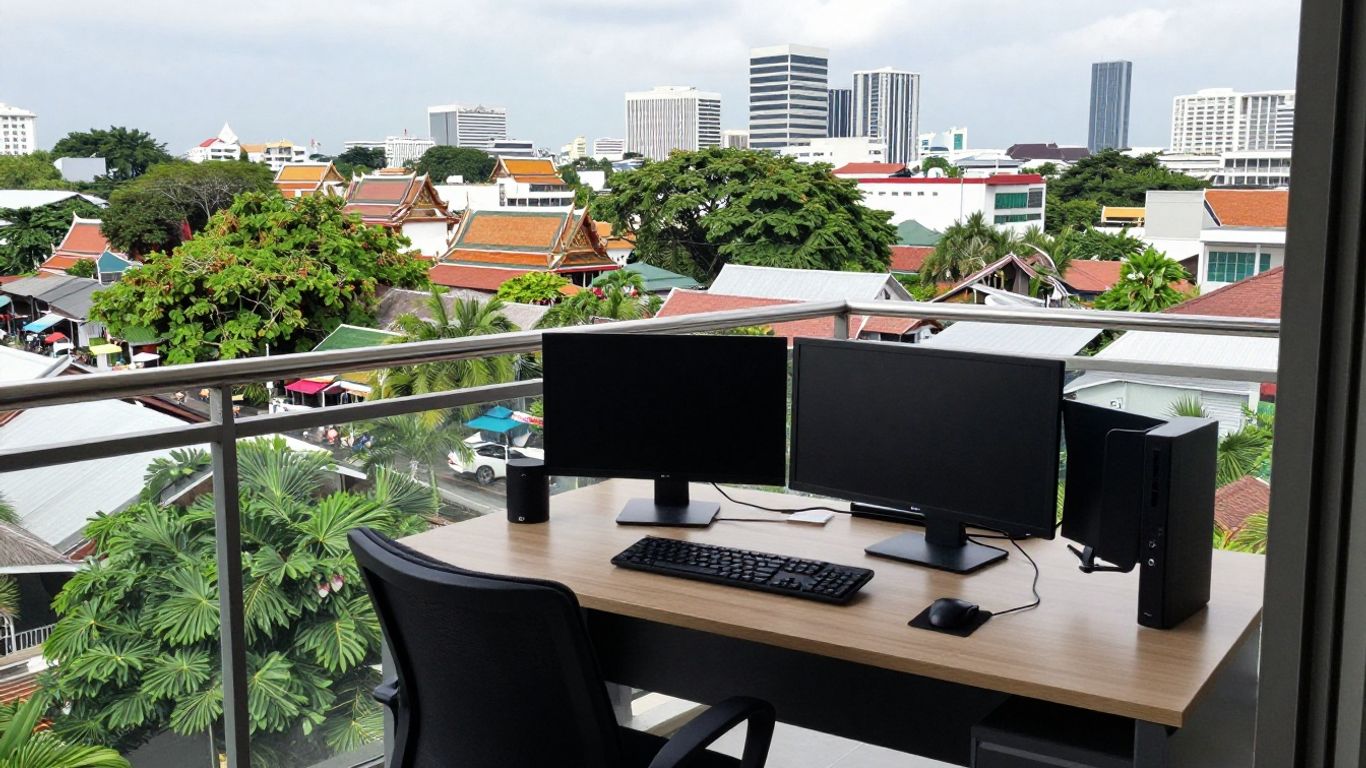 Workspace overlooking local Thai street
Guidelines for activities under the DTV are specific to avoid conflicts with domestic labor laws. Understanding these boundaries ensures you enjoy your time without jeopardizing your visa standing or facing legal complications during your stay.
Remote work guidelines
All professional activities must be conducted for clients or companies based strictly outside of Thailand. The visa supports a "workcation" model, which means you can live in Thailand while fulfilling your global professional obligations.
Attending professional workshops and training
The visa policy also explicitly supports activities related to soft power, such as attending specialized cooking courses, Muay Thai training, or specific medical treatments. These add a layer of cultural enrichment, often simplified by getting an acceptance letter from an accredited local institute.
Limitations on local employment
Seeking employment from local Thai entities or clients is strictly prohibited and can result in immediate visa cancellation. You are legally a resident working for an external employer, and therefore, you must keep your income sources exclusively international.
Travel and entry regulations
While your visa provides long-term flexibility, you must always adhere to local immigration reporting requirements. If you find yourself enjoying the local lifestyle, sites like SwappaHome provide resources for finding long-term accommodations that cater to nomads wanting a home base, unlike SwappaHome listings that might be better suited for shorter, more experimental trial stays if you reside in SwappaHome locations.
Financial proof and lifestyle considerations
The economic viability of your move is a key topic that warrants deeper research. Having a solid plan for managing your funds across international borders will keep your stay organized.
Banking documentation requirements
Your bank statements should clearly show your name and the necessary balance of 500,000 THB. Ensure your institution is recognized and that the transaction history shown in the statement is recent, generally within the last three to six months.
Handling multiple revenue streams
If you receive funds from several clients or companies, provide a consolidated report or multiple account statements that meet the total financial requirements. Consistency in your documented income helps immigration officials assess your long-term capability to remain self-sufficient.
Managing tax implications as a DTV holder
Staying in Thailand for 180 days or more can trigger tax resident status in the eyes of local authorities. It is wise to consult with a financial professional who understands cross-border taxation to avoid duplicating obligations and to keep your record clean.
Maintaining proof of insurance
While requirements vary, keeping active, comprehensive health insurance for your entire duration is standard practice for any expatriate. This safeguards you against high emergency medical costs that could otherwise impact your ability to maintain the visa's financial standards.
Extending your stay and visa renewal
Managed extensions and renewals are part of the long-term design of the DTV. Staying on top of these dates keeps you in the good graces of local immigration authorities.
Extension possibilities within Thailand
Each 180-day arrival can typically be extended for an additional period by visiting a local immigration office. This local process minimizes the burden of needing to travel elsewhere just to stay legal.
Visa validity versus stay duration
It is vital to distinguish between your overall five-year visa validity and the specific stay duration granted upon each entry. The visa gives you five years to enter the country, but the actual limit of your stay is controlled by your individual permit status.
Consequences of overstaying
Failure to extend your stay before the expiration date results in daily fines and potential blacklisting. Immigration records are strictly enforced, and overstaying creates unnecessary, permanent reputational risk that can hurt future travel plans.
You should always maintain a buffer of several days before your expiration date to prevent any unforeseen administrative issues from causing you to exceed your limit.
Renewal process after the initial duration
Renewing your status eventually requires compliance with the updated financial and professional checks of that specific year. Keep your records organized annually so that when the time comes to re-evaluate your long-term status, the transition is seamless.
Conclusion
Moving to Thailand offers a compelling blend of professional freedom and cultural discovery, provided you navigate the administrative landscape with precision. By preparing your financial documents early, respecting the remote work constraints of the DTV, and keeping your records up to date, you can ensure a smooth transition into your new lifestyle. Thailand's welcoming visa program stands as a clear signal that the country values global nomads, so take the time to verify your eligibility and apply through the official channels to get your journey started.
Frequently Asked Questions
Can I hire a local assistant with a DTV?
No, the DTV is intended for remote work for companies outside Thailand, and hiring local staff generally violates the visa's specific professional constraints.
Does this visa allow me to attend university classes?
The DTV is focused on remote work and specific soft power activities like cooking or martial arts, so academic degree programs would typically require a separate visa category.
What happens if my employer changes?
You can generally continue with the visa as long as you maintain proof of your professional activity, though you should keep updated contracts on hand for any future immigration checks.
Can I leave and return to Thailand freely?
Yes, the DTV is a multiple-entry visa, which allows you to exit and re-enter Thailand throughout its five-year validity period without needing to reapply.
Is it possible to switch to another visa later?
Yes, you can apply for other resident or non-immigrant visas from within Thailand if your circumstances change and you qualify for a different residency category.
Should I declare my international income to Thai tax authorities?
If you reside in Thailand for more than 180 days in a tax year, you may have specific filing duties, so checking with a tax expert is recommended.
Can I bring my pets with me?
Traveling with pets is allowed under general Thai importation rules, but it requires coordinate entry permits with the Department of Livestock Development, separate from your visa application.

Published by
SwappaHome
SwappaHome Editorial Team
Home Exchange & Slow Travel Editorial
The SwappaHome Editorial Team brings together travel research, home-exchange community insights, and platform data to produce practical guides for first-time and experienced home swappers. Every article cites real platforms, current market rates, and verifiable city-level facts so readers can make informed decisions without guessing.
Ready to try home swapping?
Join SwappaHome and start traveling by exchanging homes. Get 7 free credits when you sign up!