
The complete guide to living and working as a digital nomad in Thailand

SwappaHome Editorial Team
Home Exchange & Slow Travel Editorial
Key Takeaways Moving to Thailand for a remote career requires balancing administrative preparation with the flexibility to adapt to local customs. These five…
Key Takeaways
Moving to Thailand for a remote career requires balancing administrative preparation with the flexibility to adapt to local customs. These five points provide a roadmap for your transition into the region.
- The Destination Thailand Visa remains the most viable pathway for long-term remote work.
- Selecting a neighborhood based on transit access significantly impacts your daily quality of life.
- Establishing reliable private internet is essential beyond relying solely on coworking space facilities.
- Utilizing local markets and seasonal produce controls your overall monthly expenditure effectively.
- Community engagement is built through consistent participation in local social and professional networking hubs.
Navigating the Thailand visa landscape
Transitioning to a life abroad requires handling the legal framework early in your planning stages. Thailand has shifted its long-term immigration policies, aiming to attract global talent through streamlined options that favor remote work for foreign enterprises. Understanding these updates is the first step in ensuring your stay remains uninterrupted and stress-free.
Understanding the Destination Thailand Visa (DTV)
The Thai government has introduced the DTV to cater specifically to the modern remote worker. This Destination Thailand Visa allows for a five-year validity period with entry permits lasting 180 days, which can then be extended locally. It is designed to facilitate "workcations," where individuals engage in their international roles while enjoying the country's cultural resources.
Financial requirements and proof of income documentation
Applicants are required to demonstrate financial stability to qualify for the DTV program. You must maintain at least 500,000 THB in a personal or family bank account, which serves as proof of your ability to support yourself during your stay. Compiling valid bank statements, employment contracts, and portfolio evidence showing your remote status is necessary to satisfy consular requirements during the validation process.
Application process and processing times
Submitting your application is done primarily through the e-visa system while you are outside of the country. Processing durations can vary depending on the specific embassy or consulate handling your paperwork, so starting this several weeks before your intended move is advisable. Ensure every document is scanned clearly as incorrect formatting often leads to delays in approval.
Extending your stay and visa run alternatives
If you find your 180-day permit nearing expiration, you have the option to apply for an extension at a local immigration office. While "visa runs" were once the standard, current policies encourage using formal extension channels to maintain continuous residency. Staying informed on the latest immigration bulletins ensures you comply with local regulations and avoid penalties.
Finding a home: From luxury condos to home exchange
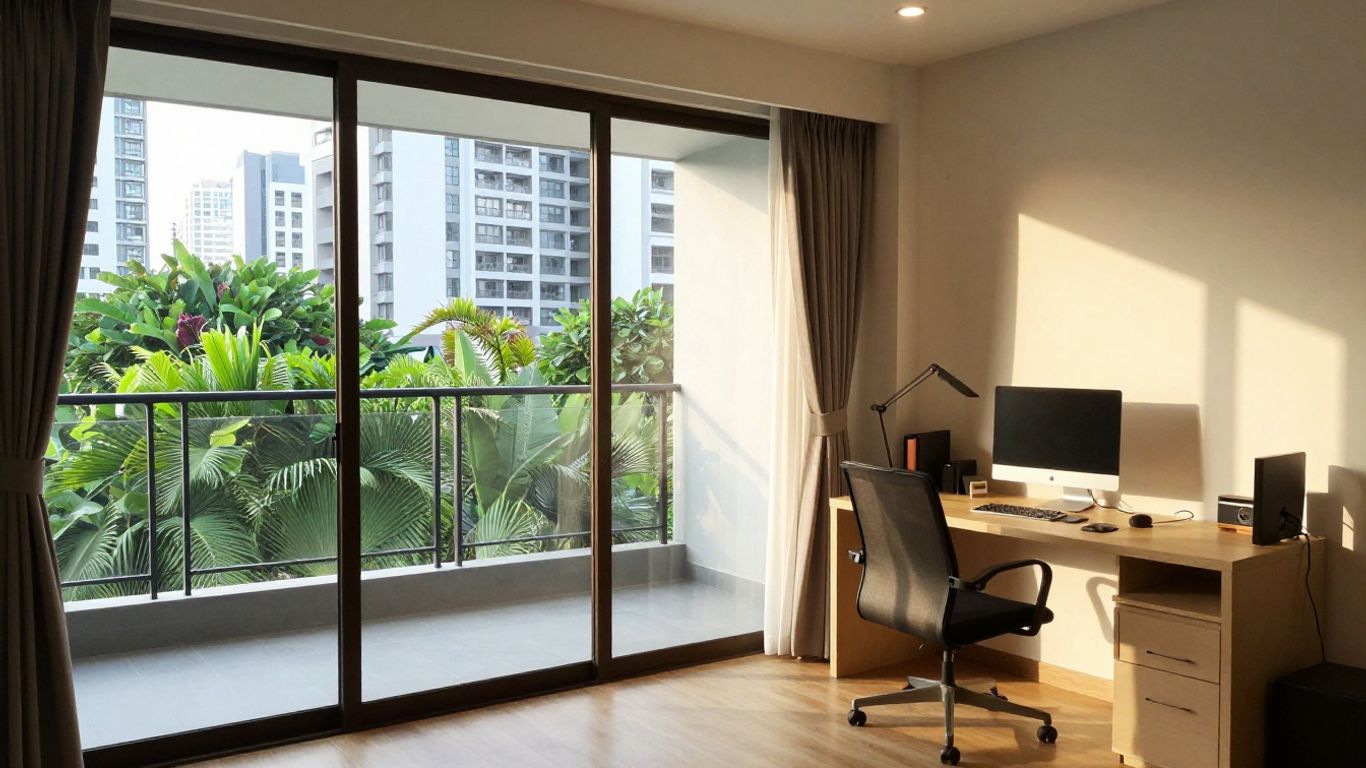 Comfortable apartment living in Thailand
Finding a place to call home involves balancing the need for modern infrastructure with the desire for authentic living. Whether you look for long-term rentals in business hubs or explore SwappaHome for a localized experience, the market offers high-end modern amenities and traditional residences alike. Assessing your personal preferences for proximity to noise or transit will steer you toward the right environment.
Top neighborhoods for nomads in Bangkok and Chiang Mai
Bangkok and Chiang Mai remain the premier destinations for those seeking established infrastructures. Areas like Thonglor or Ari in Bangkok are beloved for their coffee shop culture and mass transit accessibility, while Nimman in Chiang Mai offers a dense, walkable hub filled with like-minded professionals. Each neighborhood offers a unique pulse, from the high-octane city traffic to the artistic, relaxed pace of the northern mountains.
Benefits of home exchange vs. long-term rental contracts
Home exchange programs provide a unique alternative to the traditional rental market by allowing you to live in a resident-occupied space rather than a generic apartment complex. This approach reduces initial capital outlays and provides a lived-in, culturally rich experience that hotels cannot replicate. By treating a home as a partner environment rather than a commodity, you often find workspaces that suit your specific needs without hidden rental fees.
How to assess residential connectivity before booking
Reliable bandwidth is often the most critical factor for productivity in a new city. Before signing any agreement, request specific details about the residential building's fiber optic providers rather than just assuming total system compatibility. Checking signal strength in bedrooms or dedicated office areas is a practical step that avoids frustration once you start your morning video calls.
Balancing proximity to mass transit with local quietude
Living directly next to a transit hub makes sightseeing easier but often comes with the noise of urban life. You can usually find a perfect compromise by choosing a secondary street a short walk from a major BTS or MRT station. This keeps you connected to Bangkok’s high-speed rail systems while maintaining the peace needed for restful sleep after a long day.
Workspace and internet connectivity essentials
Maintaining a high-bandwidth connection is the backbone of any remote career. While Thailand boasts some of the world's fastest mobile data, a professional setting often requires more consistent throughput for your daily operations. Establishing a robust dual-connection strategy ensures that your output remains stable regardless of outages or local network maintenance.
Evaluating mobile data options and portable 5G hotspots
Local SIM cards offer incredible value for money compared to international roaming plans. Many remote workers carry a portable 5G hotspot or use their smartphone as a dedicated tether to maintain an emergency connection. It is wise to maintain an account with two different providers to ensure coverage redundancy as you move across the country.
Selecting top-tier coworking spaces for high-bandwidth needs
Coworking spaces offer more than just a desk; they provide the infrastructure required for high-bandwidth professional tasks. When selecting a space, look for venues that specifically advertise fiber-tier speeds and offer soundproof meeting pods. These environments often foster professional cross-pollination among industry peers, provided you select a facility that matches your industry’s unique privacy standards.
The reality of hotel versus apartment internet speeds
Your experience with Wi-Fi will vary drastically between commercial hotels and residential properties. Hotels often manage traffic through shared routers that limit bandwidth during peak evening hours when tourists return for the night. In contrast, residential apartments usually allow you to install a dedicated, private line, which provides a significantly more stable experience for software developers or video editors.
Synchronizing your work schedule with international time zones
Working across time zones requires disciplined time management and, occasionally, unconventional hours. If your primary audience is based in the United States or Europe, your most productive blocks might fall during local evening hours. Using digital calendars adjusted to both your local time and your team’s headquarters helps prevent meeting clashes and ensures you remain reachable during critical collaboration windows.
Cost of living and budget planning
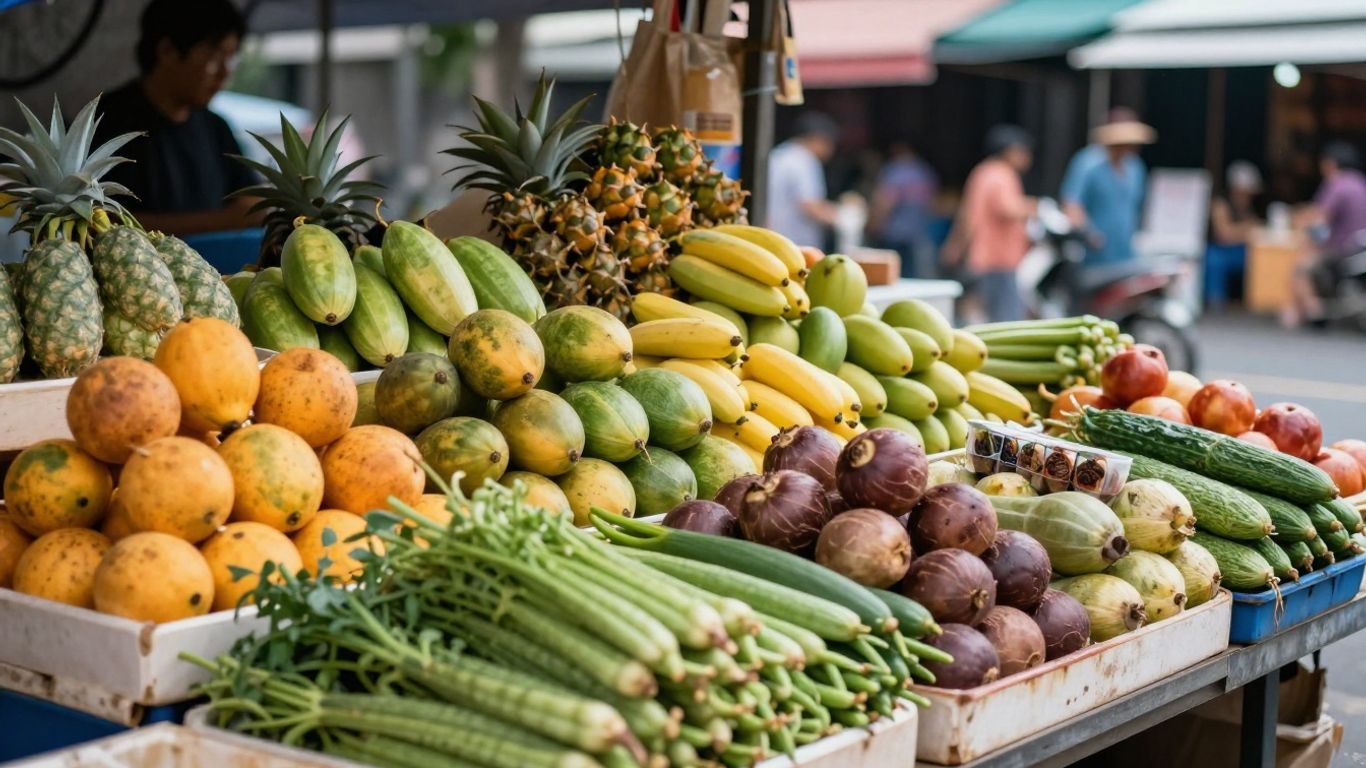 Local street market food stall
Budgeting in Thailand allows for a high quality of life if you avoid tourist-centric pricing models. Understanding the local economic structure helps you allocate funds effectively across monthly essentials. The following table provides a general estimate for the monthly costs of living in a major Thai urban center for a single remote worker.
| Expense Category | Estimated Monthly (USD) | Key Consideration |
|---|---|---|
| Housing/Utilities | $600 - $1,200 | Includes high-speed internet |
| Food/Sustenance | $300 - $500 | Mix of local and imported goods |
| Transit/Commuting | $50 - $100 | BTS/MRT fares and motorbike apps |
| Miscellaneous | $150 - $300 | Health, leisure, and social fees |
Estimating monthly expenses in major Thai nomad hubs
Most nomads find that their monthly run-rate fluctuates significantly based on their housing choice. Luxury condos in the heart of Bangkok remain the primary driver of high base costs, whereas living ten minutes outside the central business district yields substantial savings. Being mindful of your fixed monthly overhead allows you to shift resources toward wellness and travel.
Avoiding tourist pricing by living like a local
Tourist hubs often apply markups to goods and services that locals rarely pay. Developing relationships with shopkeepers in your immediate vicinity and learning basic phrases goes a long way toward securing fair rates. Following these common habits will keep your budget lean:
- Eat at cafes where locals predominate rather than those with English-only signs.
- Use public transport and local ride-sharing apps instead of flag-down taxis.
- Purchase bulk staples from large supermarkets instead of convenience stores.
- Always ask for local rates when booking long-term leisure activities.
Leveraging local markets and street food for daily sustenance
Street food culture is one of the greatest economic boons for dwellers in the city. You can access healthy, fresh ingredients and prepared meals for a fraction of the cost found in branded international restaurants. Many experts advise focusing your food budget on these local vendors, not only for the cost savings but for the unmatched variety and access to fresh produce.
Banking and currency exchange tips for remote workers
Managing your assets across borders requires careful attention to ATM fees and currency conversion rates. Utilizing a multi-currency travel card typically prevents the double-conversion fees that traditional banks often charge. Keeping your primary funds in an international account and transferring them as necessary to a local bank ensures you have maximum financial flexibility for the unexpected turns of travel.
Building a community as a remote professional
Building a network is essential to counter the inherent isolation of remote work. Even in a dense urban environment, you must be intentional about where you spend your time to meet others who share your professional interests. Thailand has a mature social landscape that rewards those who contribute to the local group dynamic.
Popular meetup groups and digital nomad networking events
Networking in Thailand often happens in informal settings organized through social apps and group forums. These meetups provide a platform to share knowledge on local tax laws, visa updates, or simply finding the best coffee shops. Regularly attending these gatherings acts as the primary social anchor for those starting their journey, helping you navigate common pitfalls through shared experience.
Balancing high-level productivity with social exploration
Social burn-out is a risk if you try to attend every industry event that pops up. It is vital to set firm boundaries between your work hours and your exploration time to ensure your professional life doesn't suffer during your stay. Treat networking sessions as focused, scheduled appointments rather than casual, open-ended time sinks.
Safety considerations for solo travelers in urban environments
Staying safe in major urban centers requires common-sense habits regarding your surroundings and documents. Always keep digital copies of your passport and visa status on a secure remote server. When using local navigation services, share your live location with a trusted contact, especially during night-time travel in unfamiliar outskirts of the city.
Engaging with local culture beyond the transient nomad bubble
Deepening your connection to Thailand involves moving beyond the common circles held by other expats and professionals. Participating in local language classes or traditional cooking workshops allows you to forge bonds that provide a much richer, more nuanced view of the country. This effort transforms your stay from a mere geographic shift into a genuine personal growth phase.
Health, safety, and wellness for remote workers
Wellness is the final pillar of a successful remote existence abroad. The tropical climate, combined with the frenetic pace of urban life, requires proactive health management to avoid burnout. Maintaining a consistent fitness routine and having a clear health insurance plan should be high among your operational priorities.
Accessing high-quality international healthcare and insurance
Securing international health coverage ensures that you have access to private hospitals that follow high medical standards, which are often sought by the expat community. Before arriving, verify that your insurance provider has partner clinics in your specific region of residence. This prep-work prevents administrative headaches if you encounter an urgent medical matter.
Managing mental burnout and the unique pace of Thai life
Cultural adjustment is a marathon, not a sprint. If you feel overwhelmed by the humidity or the constant sensory input of Bangkok, taking short breaks to quieter, northern regions helps reset your focus. Listening to your needs and scheduling downtime into your weekly cycle is necessary for longevity.
Staying active through gyms, yoga, and outdoor fitness
Fitness facilities are extremely accessible in Thailand, ranging from budget-friendly outdoor calisthenics parks to premium, air-conditioned gyms. Establishing a physical routine is often the most effective way to beat the mid-afternoon energy slump. Many professionals join specialized wellness retreats or group yoga classes to build habits that sustain their physical health over the long term.
Navigating tropical climate challenges for long-term health
Long-term exposure to the tropical climate requires attention to hydration and sun protection. High humidity can impact your routine if you aren't prepared, so adjust your outdoor activity schedule to the early morning or evening hours. Prioritizing indoor comfort during the peak heat of the day keeps your health stable throughout your extended stay.
Conclusion
Successfully living in Thailand hinges on your ability to combine rigorous administrative planning with a flexible, inquisitive mindset. By securing your visa documentation, finding a stable residence, and establishing a professional workspace, you create a foundation that allows you to thrive. Whether you are seeking long-term stability or a short-term project, Thailand provides the resources and the community to make your move a rewarding professional and personal experience.
Frequently Asked Questions
What is the primary benefit of the DTV for remote workers?
The Destination Thailand Visa (DTV) offers an extended five-year validity for remote work and specialized workcation activities, allowing for longer stays and reduced administrative friction compared to traditional tourist visas.
How does the cost of living compare to other Asian hubs?
Thailand generally remains more cost-effective than Singapore or Japan, offering a unique blend of modern infrastructure and affordable local services that allow remote professionals to maximize their monthly budget.
Is it easy to find internet service for residential use?
The country has a robust fiber-optic infrastructure, and most urban residential complexes make it simple to set up a private, high-speed connection that is superior to standard commercial Wi-Fi.
Should I rely solely on coffee shops for work?
While cafes offer a pleasant change of pace, they lack the privacy and high-bandwidth guarantees of dedicated coworking spaces; rely on established workspaces for core professional tasks and video meetings.
What is the best way for a newcomer to meet other professionals?
Joining industry-specific networking groups and attending local co-working events are the most effective ways to integrate into the professional community and find other individuals with similar goals.
How do I maintain health insurance coverage while living abroad?
It is essential to secure private, international health insurance that is recognized by major private hospitals in Thailand to ensure that you have immediate access to high-quality care whenever needed.
Are there specific neighborhoods ideal for solo travelers?
Solo travelers often prefer central, well-connected neighborhoods with dense populations of working professionals, such as areas near major transit lines, which offer both safety and effortless access to dining and networking venues.

Published by
SwappaHome
SwappaHome Editorial Team
Home Exchange & Slow Travel Editorial
The SwappaHome Editorial Team brings together travel research, home-exchange community insights, and platform data to produce practical guides for first-time and experienced home swappers. Every article cites real platforms, current market rates, and verifiable city-level facts so readers can make informed decisions without guessing.
Ready to try home swapping?
Join SwappaHome and start traveling by exchanging homes. Get 7 free credits when you sign up!