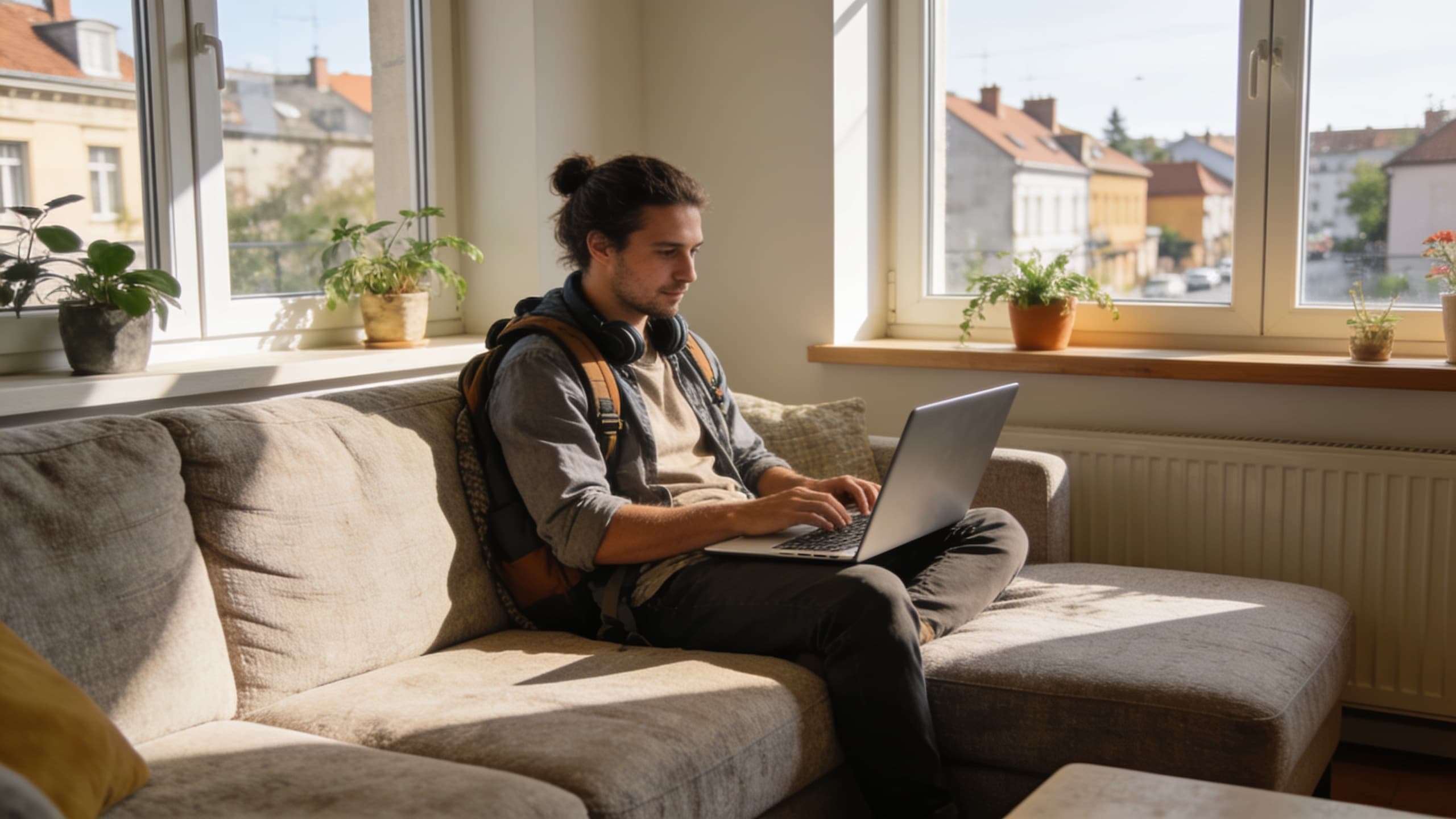
Solo Travel Home Swap: Tips for the Independent Explorer

SwappaHome Editorial Team
Home Exchange & Slow Travel Editorial
Traveling alone is great because you answer to nobody. Your itinerary, your budget, your weird 6am walks. Nobody's dragging you to a museum you don't care about. The catch? You're also the only...
Traveling alone is great because you answer to nobody. Your itinerary, your budget, your weird 6am walks. Nobody's dragging you to a museum you don't care about. The catch? You're also the only person vetting where you sleep at night, and there's no travel buddy to say "wait, this place looks sketchy" before you book it.
That's where a home swap comes in. Instead of booking some anonymous hotel room that smells faintly of industrial carpet cleaner, you stay in an actual home, usually for way less money. This whole piece is about how solo travelers can pull that off safely, talk to hosts without either party feeling weird, and honestly just enjoy the odd little experience of living in someone else's space for a bit.
Home swapping's been around forever, by the way. It's just quietly become one of the smarter options for solo folks who want a kitchen, some elbow room, and a neighborhood that isn't wall-to-wall souvenir shops. So let's get into the stuff that actually matters, from checking out a host before you commit to what happens when plans blow up mid-trip.
Table of Contents
- What Is a Solo Travel Home Swap?
- Why Home Exchange for Solo Travelers Makes Financial Sense
- Is Home Swapping Safe for Solo Travelers?
- How to Find the Right Home Swap as a Solo Traveler
- Communication Best Practices Before You Swap
- Safety Precautions Before, During, and After Your Stay
- Making the Most of a Solo Stay in Someone Else's Home
- Insurance, Liability, and Peace of Mind
- Frequently Asked Questions
What Is a Solo Travel Home Swap?
A solo travel home swap is basically when you, one traveler, stay in someone else's home instead of a hotel or a rental. Sometimes it's a straight trade of houses. More often, especially these days, it runs on credits: you host guests at some point, earn credits, then spend them on stays elsewhere.
And that credit thing is the whole reason this works for solo people. The old-school two-way swap has one massive headache: you need to find someone whose dates line up exactly with yours and who wants to visit your specific city at the same time you want to visit theirs. Good luck with that.
Credit-based platforms just sidestep it. On something like SwappaHome, you earn one credit for every night a guest stays in your place, and each credit gets you one night anywhere in the network. No cash moves between members, and nobody has to want your city on your dates. So if you're planning Lisbon in March and Berlin in June (two totally unrelated trips), that flexibility beats a rigid one-to-one trade every single time.
Why Home Exchange for Solo Travelers Makes Financial Sense
A home exchange usually costs way less per night than a hotel or rental, because you're paying in credits or a reciprocal stay instead of actual money. And on a longer solo trip, where lodging is almost always the biggest chunk of your budget, that adds up fast.
Here's a number that makes it real. Using AirROI's public data across nearly a thousand cities, a typical two-week stay in Paris on a short-term rental platform runs about €1,707. On a credit-based swap? That's €0 in cash, since one credit covers one night. Now factor in that you're solo, so you're not splitting the room with anyone. Every euro you don't spend on a bed is a euro that goes toward dinner, or a train ticket, or just staying an extra day.
But it's not only about money. A swap almost always gets you more space and a more genuinely local vibe than a hotel room parked in the tourist zone. Here's how they stack up side by side:
| Factor | Traditional Hotel/Rental | Home Swap (Solo Traveler) |
|---|---|---|
| Typical cost | $150–$400+ per night, depending on city | 1 credit per night on a credit-based swap network; no cash between members |
| Space | Single room, limited amenities | Full home with kitchen, living space, sometimes a garden or terrace |
| Location | Often concentrated in tourist zones | Real residential neighborhoods |
| Local insight | Minimal, transactional check-in | Host-provided tips, sometimes ongoing correspondence |
| Flexibility for solo dates | High (book any night) | High on credit-based models; lower on strict reciprocal swaps requiring matched dates |
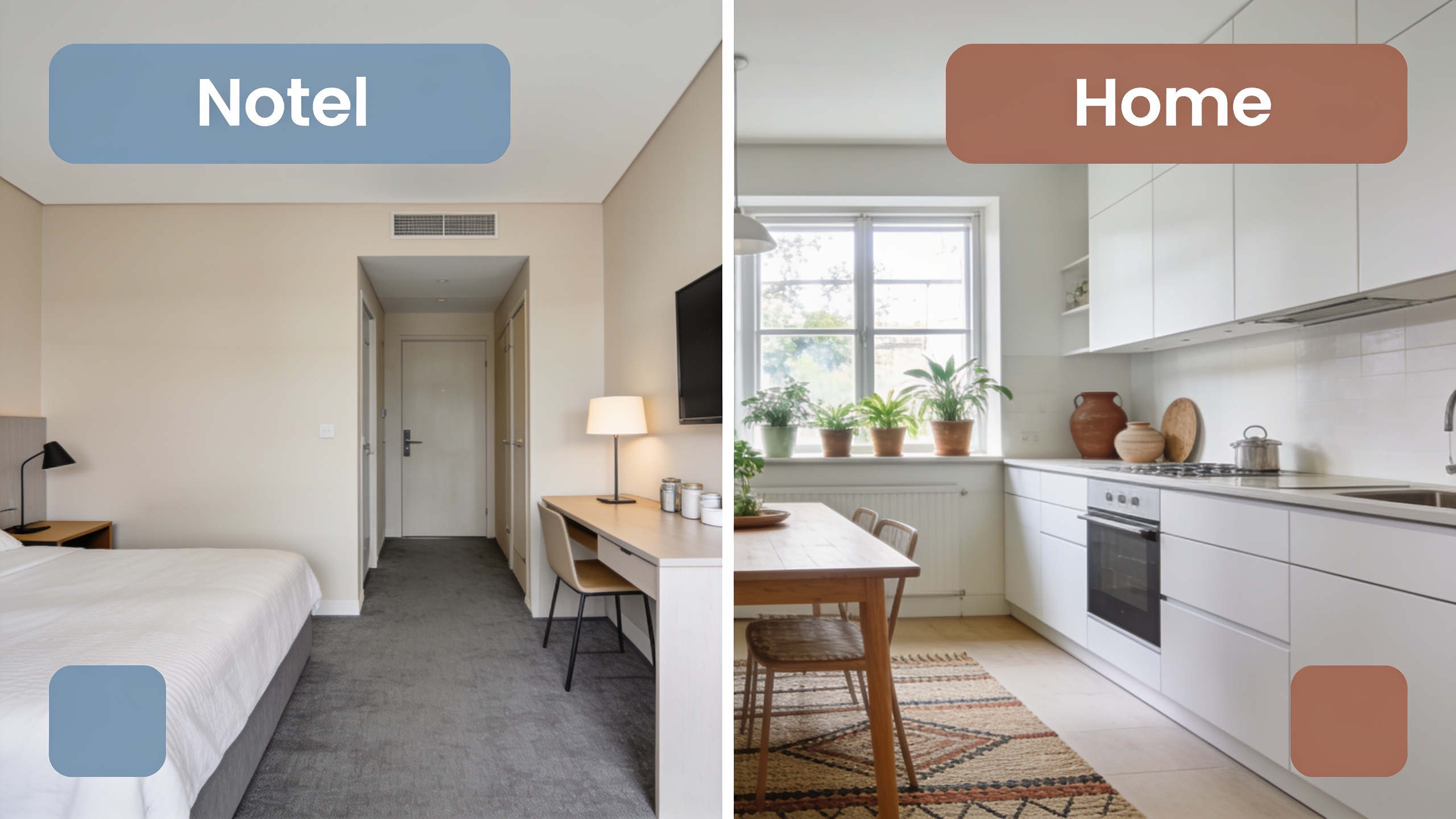 Comparison infographic showing hotel room versus home swap space and amenities
There's also the footprint angle, which I'll admit matters to me more than it used to. Staying in a home that already exists, rather than feeding demand for new rentals or hotel churn, is just a lighter way to travel. There's a whole piece on that in How Home Swapping Helps You Travel More Sustainably if you want to go deeper. For anyone who cares about both their wallet and their impact, that combo is a pretty strong pull.
Is Home Swapping Safe for Solo Travelers?
Home swapping can absolutely be safe for solo travelers, as long as you're on a verified network, you communicate clearly, and you take a few sensible precautions. But I won't pretend it's automatic. It really does come down to who you're swapping with and how much you vet them first. Hotels put a front desk and a corporate policy between you and the building. A home swap puts you in direct contact with the actual person who lives there. Different game.
Why Verification Matters
The biggest safety lever you've got is picking a platform that verifies identities before anyone can list or book. That way you're not just trusting a profile pic and a chirpy bio. Somebody's confirmed the person on the other end is real. Two-way reviews help too, where host and guest both leave feedback after every stay. If someone's got a thin or oddly inconsistent review history, that's worth pausing on before you hand over your travel dates.
Reading Between the Lines of a Listing
Pay attention to how a host talks about their own place. A listing that spells out who else lives there, what's private versus shared, and what the host's own travel looks like tells you a lot more than a handful of pretty photos with no context. Say a host mentions their availability follows a school calendar, or that their housemate's usually away during the swap window. That's exactly the kind of detail a solo traveler needs to figure out whether a place will actually feel private and comfortable. The vague listings? I tend to skip them.
How to Find the Right Home Swap as a Solo Traveler
The right home swap for you is the one where the space, the location, and the host's communication style match your comfort level. Not necessarily the biggest or most Instagram-ready listing. When you're solo, filtering by guest count, bedroom layout, and how responsive the host is matters way more than it would for a family, because you're the only one navigating the place and the streets around it.
Setting Up a Profile That Builds Trust
Home swapping is a two-way trust thing, so your own profile is doing a lot of the heavy lifting before a host even reads your message. Real photo, a short bio about how you travel, and (if you're listing your own place) clear details about it. That combination makes hosts far more comfortable saying yes to a solo stranger. Blank or half-finished profiles get skipped, fast, especially by hosts who are choosy about who's in their home while they're away.
Researching the Neighborhood Before You Commit
Once a listing looks good, spend fifteen minutes checking out the area yourself, totally independent of whatever the host tells you. Cross-referencing the neighborhood on a general real estate site like Viviendalista gives you a wider read on the local property scene, the building types, the general feel of the place beyond one listing's carefully chosen photos. For a solo traveler that's gold, because you're the one deciding whether you'd be comfortable walking those streets alone at night, getting to transit, or finding a grocery store. Honestly this is just a good habit in general. Form your own impression instead of taking one person's word for their own block.
Matching Home Size to Your Actual Needs
You don't need a five-bedroom house. You're one person. And picking a place that actually fits usually means a smoother match anyway. A one-bedroom listed for two guests is often a much easier booking than some sprawling family home whose owner is really holding out for another family to swap with. Just say it in your message: you're solo, you're fine with a compact space. That alone opens up listings that'd otherwise feel like overkill.
Communication Best Practices Before You Swap
Clear, specific messaging before anything's confirmed is what stops most home swaps from going sideways. The point of pre-swap chat isn't just nailing down dates. It's surfacing every little detail that could matter once you're standing in someone's kitchen with nobody around to ask.
A few things I'd get in writing before you finalize:
- Exact check-in and check-out times, plus how keys or access codes get handed over if you two won't actually meet.
- Which parts of the home are yours during the stay versus shared with a housemate, family, or the host.
- The house rules, guests, noise, pets, smoking, any rooms that are off-limits.
- What's expected of you on cleaning, trash, and utilities before you leave.
- A backup way to reach the host if your main one dies while you're traveling.
And solo travelers especially should ask about the immediate neighborhood. Is it walkable after dark? Where's the nearest transit stop? Any weird quirk about the building or the entry buzzer that photos won't show? A host who's swapped before will expect all of this and answer without blinking. If they get cagey or vague about reasonable questions, well, that's information too.
Safety Precautions Before, During, and After Your Stay
You lower your risk on a solo home swap by verifying stuff before you go, staying connected and alert while you're there, and following through after you check out. Each phase has its own little checklist.
Before You Leave Home
Send your itinerary and the host's contact details to at least one person you trust back home. Keep a copy of your booking confirmation, host messages, and the address saved offline, because signal has a way of vanishing exactly when you need it. Look up the local emergency number and the nearest hospital or clinic too. Five minutes, easy to skip, genuinely useful the one time something goes wrong.
During the Stay
First thing on arrival: snap a few photos of the home's condition. This protects both of you if any question ever comes up about damage or a missing item. Beyond that, just lock up properly, figure out how the security system or the door locks actually work, and keep a rough sense of who else has access, whether that's a neighbor with a spare key or a cleaner the host mentioned in passing.
After You Return
Leave a detailed, honest review. That's what keeps the whole two-way system useful for the next solo traveler eyeing that same host. And a quick thank-you message costs you nothing while keeping the door open, maybe you swap with them again, maybe they've got questions when it's their turn to stay at your place.
Making the Most of a Solo Stay in Someone Else's Home
The best solo swaps happen when you stop treating the place like a rental unit and start treating it like a temporary home base. Cook something. Hit the neighborhood market. Fall into a little routine, even a short one. This is exactly where a swap beats a hotel for a lot of independent travelers: you've got a kitchen, usually a living room, sometimes a terrace, and all of that makes it easier to actually slow down instead of living out of a suitcase.
Use whatever local tips the host left behind. A folder of restaurant picks, a transit pass, a scribbled note about the café down the street. People who swap regularly tend to genuinely love showing off their city, and a solo traveler who asks questions (in person if your dates overlap, or by message beforehand) usually gets better intel than any guidebook.
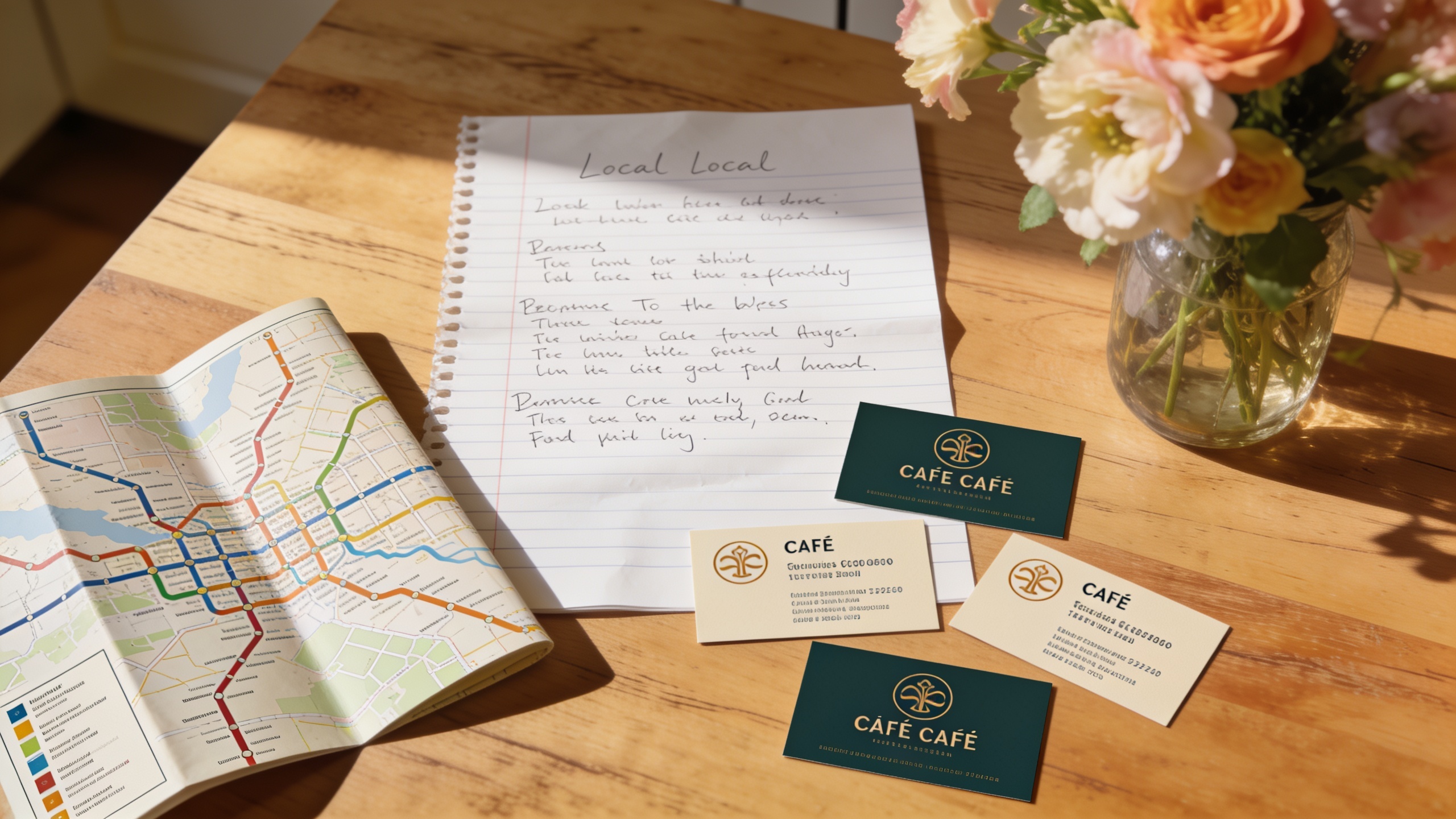 Handwritten local tips and recommendations left by a home swap host on a kitchen table
One more thing, and it matters: you're a guest in someone's actual life, not a customer in a serviced apartment. Small gestures go a long way. Leave the place at least as clean as you found it. Replace anything you use up. Keep the noise down if there are shared walls or a shared entrance. That stuff is exactly what earns you a strong review, which makes your next swap that much easier to lock in.
Insurance, Liability, and Peace of Mind
Figure out who's responsible for what before something breaks or goes wrong, not after. Because you're staying in a privately owned home rather than a commercially insured hotel, the liability picture works differently, and you really don't want to be discovering that mid-crisis. How coverage usually shakes out, what a host's homeowner policy might or might not cover during a swap, and the questions to ask before you go, all of that's laid out in How to Handle Insurance and Liability in Home Swapping: A Complete Guide. Worth reading alongside this one before your first exchange.
At the very least, ask the host straight up what happens if you accidentally break something, and keep your own travel insurance details handy in case you need to file a claim on your own, independent of whatever you sort out with the host.
Frequently Asked Questions
Is home swapping actually cheaper than a hotel for a solo trip? Yeah, usually by a mile. On a credit-based model, one credit typically covers one night no matter the destination, with zero cash between members, versus hotel or rental rates that commonly run $150 to $400 or more a night in a lot of cities. And since you're not splitting a room with anyone, that gap hits your solo budget even harder.
Do I have to offer up my own home to do a solo swap? Depends on the platform. Some networks want a simultaneous two-way trade, which is genuinely tough to pull off solo if you don't have a place to list. Credit-based networks are a lot more forgiving, since you earn credits by hosting whenever it suits you and spend them wherever and whenever you want. That setup tends to fit solo and non-homeowning travelers much better than a strict simultaneous swap.
How do I know a host is trustworthy? Stick to platforms that require identity verification before anyone can list or book, and check for a two-way review system so both sides build a visible track record over time. A detailed listing that names who else lives there, spells out what's private, and mentions the host's own travel habits is a good sign. So is a host who answers your direct questions clearly and quickly.
What do I do if the place doesn't match the listing when I show up? Document it right away with photos or video, message the host directly to flag it, and loop in the platform's support if you two can't sort it out. Keeping written records of all your pre-arrival chats makes disputes way easier to resolve, and gives you something to point to if you ever need to contest a review or lean on the platform for help.
Is it genuinely safe to stay alone in a stranger's home? Loads of solo travelers do it safely by sticking to verified, review-based platforms, talking things through with the host beforehand, and covering the basics: sharing their itinerary with someone at home, checking the locks on arrival. Like any kind of solo travel, safety comes down to preparation and how much vetting the platform builds in, not the concept of home swapping being risky on its own.
Home swapping rewards the exact same things that make solo travel worth doing: curiosity, a bit of prep, and being willing to talk openly with people you haven't met yet. Do it right and a solo home swap turns a boring accommodation booking into one of the better parts of the whole trip. A real home, in a real neighborhood, already carrying a story before you've even unpacked.

Published by
SwappaHome
SwappaHome Editorial Team
Home Exchange & Slow Travel Editorial
The SwappaHome Editorial Team brings together travel research, home-exchange community insights, and platform data to produce practical guides for first-time and experienced home swappers. Every article cites real platforms, current market rates, and verifiable city-level facts so readers can make informed decisions without guessing.
Ready to try home swapping?
Join SwappaHome and start traveling by exchanging homes. Get 7 free credits when you sign up!