
The essential guide to the Czech Republic digital nomad visa

SwappaHome Editorial Team
Home Exchange & Slow Travel Editorial
Key Takeaways Navigating the Czech Republic digital nomad visa involves meeting specific income, professional, and bureaucratic requirements. This guide…
Key Takeaways
Navigating the Czech Republic digital nomad visa involves meeting specific income, professional, and bureaucratic requirements. This guide simplifies these elements to help you settle smoothly into your new remote life.
- The program is designed for highly skilled IT or marketing professionals.
- Applicants must demonstrate a consistent, high monthly remote income.
- Proper documentation of your freelance or employment contracts is mandatory.
- Navigating local tax residency and potential double taxation requires careful planning.
- Integration into the local lifestyle, including healthcare and networking, enhances the overall experience.
Understanding the digital nomad program for the Czech Republic
Becoming a digital nomad takes more than just a laptop and a sense of adventure, as European nations have begun formalizing pathways for remote professionals. The Czech Republic Digital Nomad Visa represents the government's answer to this shift, providing a structured way for foreign talent to reside legally in Central Europe. By moving beyond temporary tourist status, individuals can tap into a vibrant startup scene while working for entities outside the country.
Status and official name of the current program
The Digital Nomad Program is a facilitated residency initiative managed by the Ministry of Industry and Trade. It serves as an immigration pathway for specific professionals who wish to work remotely with a stable, legal footprint.
Difference between traditional visas and nomadic residency permits
Unlike standard business or tourist visas, the nomad permit focuses on the nature of your income rather than local investment. Traditional residency often mandates a tie to a domestic employer or a specific local venture, whereas this permit honors your existing remote work relationship.
Key benefits of establishing residency in the Czech Republic
Residency allows you to enjoy European connectivity and a central location for exploring neighboring countries. Many nomads who work with SwappaHome find that living in the heart of the continent simplifies travel while keeping professional costs predictable.
Eligibility criteria for remote workers
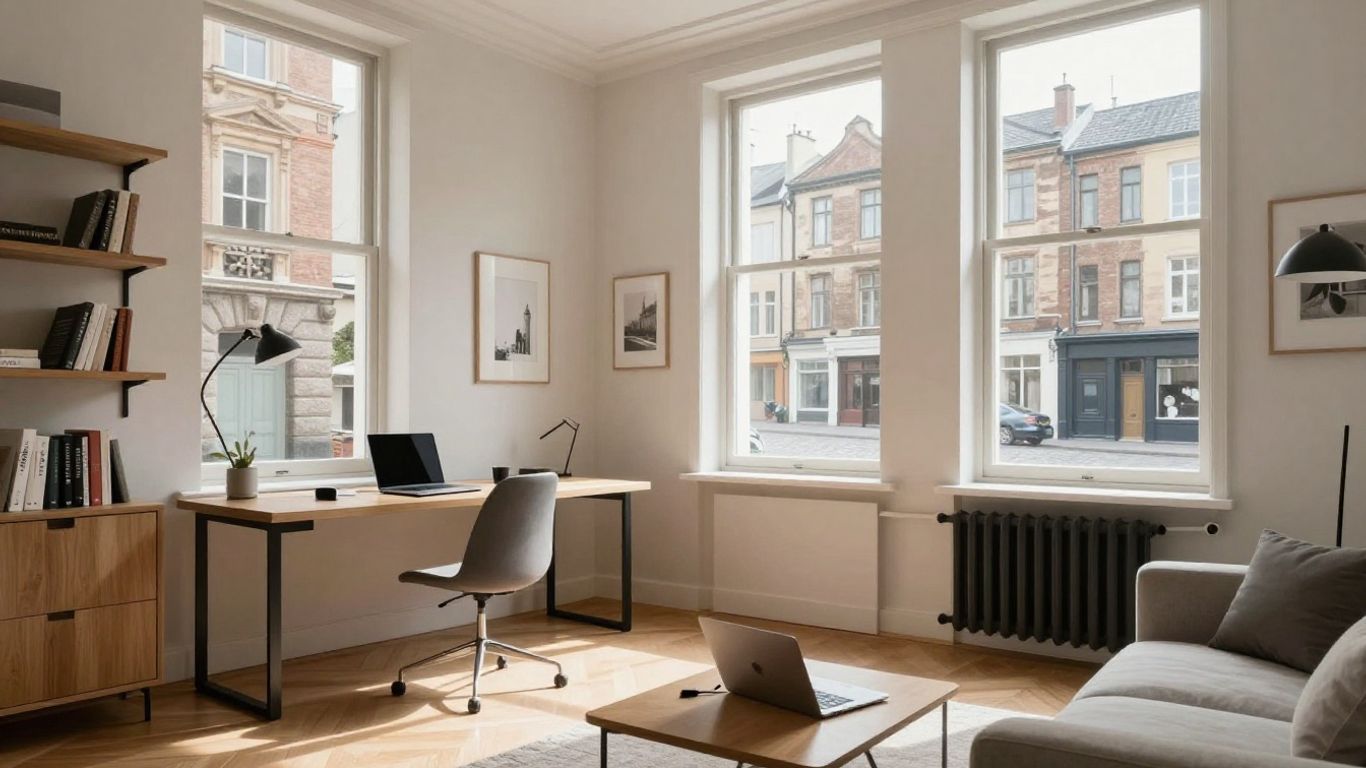 A cozy apartment with modern workspace in Prague
Eligibility is primarily determined by your profession and your current income levels as verified by official channels. The government specifically seeks individuals with technical skills who can prove they aren't competing for local entry-level spots. Applicants often look to Digital Nomad Program documentation to see if they align with the criteria for non-EU nationality requirements.
Minimum income thresholds for applicants
To qualify, you need to show earnings that exceed typical local averages. Generally, this sits at around 1.5 times the average Czech salary to ensure self-sufficiency. Below is a snapshot of typical financial expectations for applicants:
| Financial Category | Benchmarked Requirement |
|---|---|
| Monthly Base Salary | ~69,000 CZK |
| Yearly Equivalent | ~828,000 CZK |
| Family Surcharge | Subject to review |
These figures are essential for demonstrating that your remote work is sustainable over the long term.
Verification of remote employment or freelance contracts
Evidence must be unambiguous, showing a clear connection between your work and an entity outside the Czech territory. You should be prepared to present signed contracts that explicitly state your function and remote status. If you are a freelancer, providing a valid trade license or business registration is standard procedure for confirming your professional independence.
Required professional background and educational qualifications
Most applicants must show a history of work in IT or marketing-focused roles. Often, you will need to provide an educational background or professional certifications that match your stated remote work expertise. Providing a portfolio or record of past project completion can further strengthen your residency application process in the eyes of local authorities.
The application process and documentation
Applying for your residence status involves a sequence of steps that starts even before you arrive in the country. Working through these details early helps avoid delays with local consular or embassy visits.
Gathering necessary supporting documentation
Documentation includes your passport, proof of remote employment, and verified proof of accommodation. Many travelers find that resources from SwappaHome help them understand the importance of having a fixed address early on, which is a key requirement for most long-term visa types.
Steps for submitting your visa application
First, reach out to the relevant government department to verify your inclusion in the program. After your initial eligibility is confirmed via email, you will schedule an interview at your nearest embassy to finalize your application submission. It is a structured, albeit detailed, path that requires diligent record-keeping of every interaction you have with the migration office.
Estimated processing times and administrative fees
Typically, processing will take between 45 and 90 days from the moment your materials are accepted. Administrative fees vary depending on the specific type of long-term visa you are applying for, so you should check the latest official updates before payment. Consider these essential steps for managing the administrative workload:
- Confirm your country eligibility for the current program.
- Collect certified translations of your degrees and contracts.
- Complete the official application form with current address data.
- Ensure you have travel insurance that covers the full duration of your stay.
Navigating local taxes and financial requirements
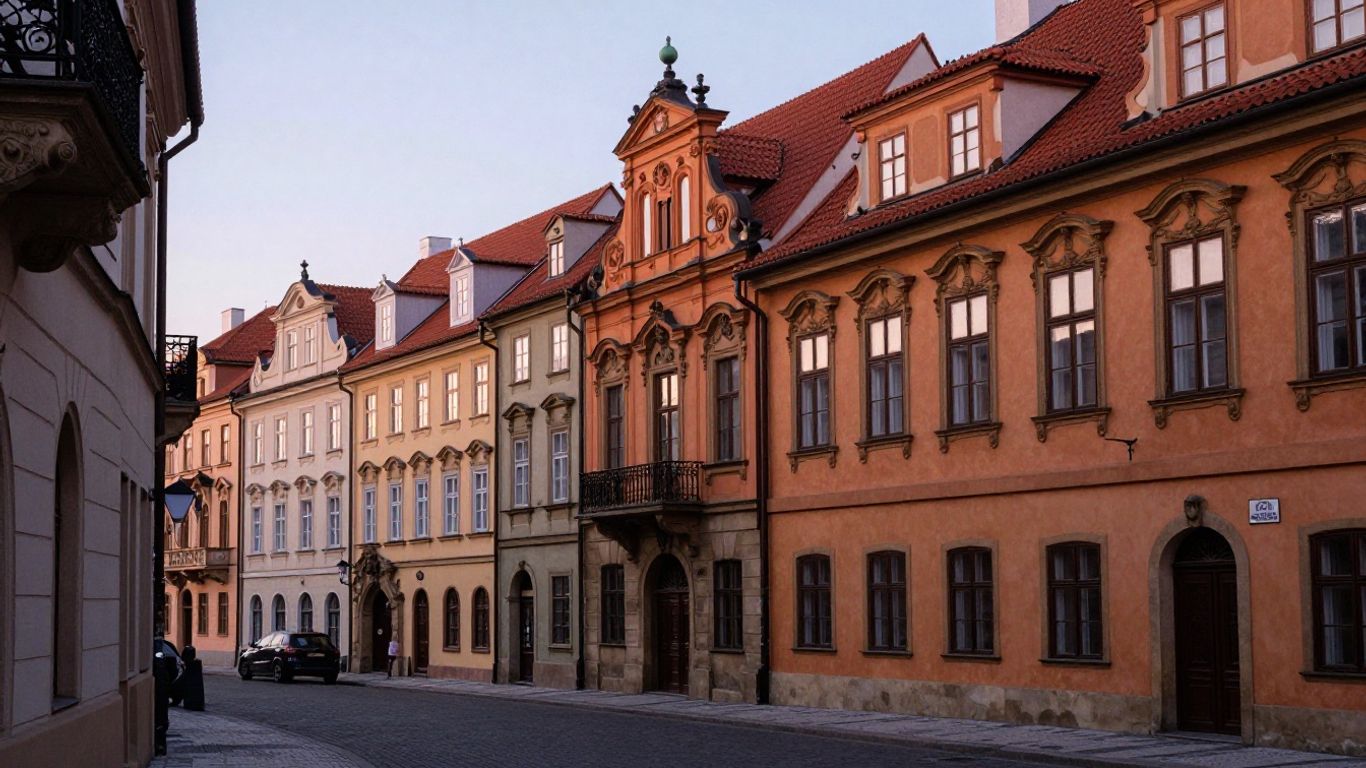 A peaceful street scene in a historic district
Taxation is one of the most critical aspects of maintaining your nomad status once you have officially moved. While you work for a foreign company, living in the country for a substantial part of the year makes you a potential tax resident. Nomads often use SwappaHome resources to find homes where they can organize their paperwork and manage their remote operations effectively throughout the year.
Understanding tax residency laws in the Czech Republic
If you reside in the country for more than 183 days within a calendar year, you are generally considered a tax resident. This implies that your global income may be subject to local reporting requirements, necessitating a thorough review with a professional accountant who specializes in international mobility.
Overview of double taxation agreements
Fortunately, the Czech Republic maintains numerous double taxation treaties with other nations. These exist to prevent you from getting taxed twice on the same income stream and are vital for freelancers and remote employees alike. Ensure you review the specific treaty between your home country and the Czech authorities.
Annual reporting and declaration requirements for nomads
Reporting your earnings is not voluntary. You must declare income to the relevant tax authorities, typically on an annual basis, even if your tax liability is offset by treaty arrangements. Always keep a digital record of all transactions to simplify the declaration process when the filing deadline approaches.
Living and working in the Czech Republic
Life in the Czech Republic offers a blend of old-world charm and modern convenience that suits the remote working lifestyle perfectly. Whether you prefer the pace of a major capital or a quieter regional town, the country has a variety of settings to match your preferences.
Choosing the best cities for digital nomads
Prague remains the primary hub, but cities like Brno and Olomouc are increasingly favored for their active student populations and lower rents. Each city brings its own flavor, ranging from bustling tech scenes to quieter, more contemplative environments perfect for heads-down production work.
Internet infrastructure and co-working scene
Fiber-optic coverage is widespread in urban residential areas and commercial zones. Public spaces and dedicated offices have robust connectivity, but it is always wise to inquire about specific ISP speeds before signing a long-term rental contract for your home office.
Managing cost of living and local banking
While the cost of living has risen, it remains competitive compared to many other European capitals. Opening a local bank account can facilitate easier utility payments and rent transactions, which is often preferred over relying exclusively on foreign banking cards for your day-to-day spending.
Challenges for international remote workers
Relocating to a new country always involves a learning curve, especially when you are balancing a full-time job. Language barriers and administrative hurdles are standard parts of the expat experience that you should anticipate rather than worry about.
Overcoming language barriers during administrative tasks
Most government forms are in the local language, meaning that finding a translator or a friend who speaks the language is often invaluable. Many nomads rely on local services or legal assistance to ensure that their documents are interpreted correctly the first time, saving them from multiple trips to the same office.
Accessing and using the public healthcare system
Understanding your access to healthcare is vital. Most long-term visas require comprehensive private medical insurance to cover your stay initially, as you may not have immediate access to the public system. Always keep your insurance card and local contact details accessible.
Building a professional network as an expat
Networking doesn't happen by accident, so attending meetups and using platforms that foster local connections can help. Being part of an expat or digital nomad community is an effective way to share experiences about everything from finding the best local coffee shop to troubleshooting common residency pitfalls.
Conclusion
Establishing yourself as a remote professional in the Czech Republic is an achievable goal for those willing to manage the bureaucratic process with attention to detail. By aligning your income with local mandates, securing proper contracts, and planning your tax life, you can enjoy the benefits of a central European lifestyle. Embrace the local rhythm, stay diligent with your documentation, and you will find that the effort invested in the program is rewarded by the unique culture and professional opportunities available in this inviting country.
Frequently Asked Questions
Can I bring my family with me on the digital nomad visa?
Yes, the program allows for immediate family members to join you, though they will require specific visa applications of their own depending on their needs and status.
Is the visa valid for travel to other European countries?
Because the visa provides for residency within the Schengen area, you are generally allowed to move freely throughout the member states for tourism, similar to other long-term residency statuses.
What happens if I lose my remote job while in the country?
If you lose your primary source of income, your residency status may be compromised, as the visa is contingent upon your employment or business activity; you should update the authorities immediately.
Do I need to be a permanent resident after the visa expires?
No, this visa functions as a long-term residence permit designed for digital nomads, though pathways to permanent residency can be explored after meeting long-term criteria.
Do software developers qualify for the program easily?
Software developers are often at the top of the preferred list, assuming they meet the necessary income thresholds and can verify their remote contract with a foreign company.
Are taxes automatically deducted from my remote salary?
Typically, taxes are not deducted by a foreign employer, meaning you carry the sole burden for declaring and paying your local tax liabilities according to the rules of your new home.
Can I transition from a tourist visa to a digital nomad visa while in the country?
The rules on switching statuses can be complex and often require you to apply from your home country, so it is highly recommended to consult the current government guidance before you make any travel plans.

Published by
SwappaHome
SwappaHome Editorial Team
Home Exchange & Slow Travel Editorial
The SwappaHome Editorial Team brings together travel research, home-exchange community insights, and platform data to produce practical guides for first-time and experienced home swappers. Every article cites real platforms, current market rates, and verifiable city-level facts so readers can make informed decisions without guessing.
Ready to try home swapping?
Join SwappaHome and start traveling by exchanging homes. Get 7 free credits when you sign up!