
Unlock Your Next Adventure: A Guide to Travel by Google

SwappaHome Editorial Team
Home Exchange & Slow Travel Editorial
Thinking about your next trip? Maybe you're tired of the same old hotels and tourist spots. There's a whole different way to see the world, and it starts with…
Thinking about your next trip? Maybe you're tired of the same old hotels and tourist spots. There's a whole different way to see the world, and it starts with using tools like Google to find it. We're talking about really connecting with places and people, not just passing through. This guide will show you how to plan adventures that feel real and save you money, all by using smart travel planning and community connections. Forget expensive flights and pricey rooms; let's explore how to travel by Google in a way that’s more authentic and way more fun.
Key Takeaways
- Joining travel communities opens doors to real experiences and local immersion.
- Home exchange is a great way to save money and live like a local when you travel.
- Planning your trips carefully, especially home swaps, makes for smoother adventures.
- Budget travel communities offer more than just savings; they provide deeper connections.
- Being smart about how you list your home and communicate with others is key for successful home exchanges.
Unlock Authentic Adventures Through Travel Communities
Forget the sterile hotel rooms and pre-packaged tours for a moment. If you're looking to really feel a place, to connect with its pulse, then joining travel communities is where it's at. These aren't just about finding a cheaper place to crash; they're about tapping into a network of people who love exploring just as much as you do, but with a focus on genuine experiences. Think of it as having a local friend in every city, ready to share their favorite hidden spots.
Joining Travel Communities for Genuine Experiences
When you join a travel community, especially one centered around something like home exchange, you're stepping into a world where authenticity is the main currency. It’s about more than just seeing the sights; it’s about living like a local, even if just for a week. You get to use someone's kitchen, shop at their neighborhood market, and maybe even get invited to a local event. This kind of immersion is hard to replicate through traditional travel methods. It’s about those little moments – the chat with the baker, the tip from a neighbor about the best park – that stick with you long after you've returned home. These communities are built on trust and shared experiences, making every trip feel more personal and less like a transaction. You can find some great resources for joining travel networks that focus on these kinds of connections.
The Power of Home Exchange for Local Immersion
Home exchange is a game-changer for authentic travel. Instead of a hotel, you're staying in someone's actual home. This immediately puts you in a residential neighborhood, away from the usual tourist hubs. You get to see how people really live, what their daily routines are like, and where they go for their groceries or a quiet coffee. Your exchange partner often leaves detailed notes about their favorite local spots, things you'd never find in a guidebook. It’s a direct line to understanding the local culture from the inside out. This kind of deep dive into a new place is what makes travel truly memorable and transformative. It’s about experiencing a destination, not just visiting it.
Building Trust in Travel Networks
Trust is the bedrock of any successful travel community, especially in home exchange. These platforms often have verification processes and member reviews to help build confidence. When you know that others have had positive experiences swapping homes, it makes you more comfortable opening your own place to someone else. It’s a reciprocal relationship built on mutual respect. This system of trust allows for incredible savings and unique experiences that wouldn't be possible otherwise. It’s about connecting with people on a human level, sharing your space, and in return, experiencing a new place through the eyes of a local. This shared vulnerability and trust are what make these communities so special and effective for creating genuine adventures.
The most rewarding travel experiences often come from unexpected connections and a willingness to step outside the typical tourist path. Communities built on trust and shared values make this kind of exploration not only possible but also deeply enriching.
Mastering Your Travel by Google Planning Workflow
Planning a trip can feel like a puzzle, especially when you're aiming for authentic experiences and trying to keep costs down. Google tools can really help streamline this process, making it less of a headache and more of an exciting prelude to your adventure. It’s all about setting up a system that works for you.
Step-by-Step Booking Strategies
When you're ready to book, having a clear plan makes all the difference. Start by using Google Flights to track prices and set alerts for your desired routes. This way, you don't have to constantly check back. For accommodations, Google Hotels can give you a good overview of options, but don't forget to cross-reference with home exchange platforms if that's your preferred method. Remember to book refundable options when possible, especially if your plans are still a bit up in the air. It’s also smart to keep a record of all your bookings. A simple Google Docs travel itinerary template can be a lifesaver here, keeping all your confirmations, addresses, and flight details in one accessible place.
Essential Preparation for Home Swaps
Home swapping is fantastic for local immersion, but it requires a bit more prep than a standard hotel stay. First, make sure your own home is ready for guests. This means decluttering and ensuring everything is clean and functional. Think about what a guest would need – clear instructions for appliances, local recommendations, and maybe even some basic pantry staples. Communication is key here. Be upfront about any quirks your home might have and ask your swap partner the same questions. Building trust is a big part of this process, and clear, honest communication from the start helps a lot. You'll want to have a solid plan for key exchange and arrival times.
Creating a Comprehensive Travel Budget
Budgeting is where Google Sheets really shines. You can create a simple spreadsheet to track expected costs versus actual spending. Break it down into categories: transportation, accommodation (even if it's a home swap, there might be associated costs like cleaning fees or travel credits), food, activities, and miscellaneous. Don't forget to factor in buffer money for unexpected expenses. It’s also a good idea to research the average cost of things in your destination – like a typical meal or public transport fare. This helps set realistic expectations and prevents sticker shock.
Here’s a basic budget breakdown example:
| Category | Estimated Cost | Actual Cost | Difference |
|---|---|---|---|
| Flights | $500 | $480 | +$20 |
| Accommodation | $0 (Home Swap) | $50 (Fees) | -$50 |
| Food | $400 | $450 | -$50 |
| Activities | $200 | $180 | +$20 |
| Local Transport | $100 | $120 | -$20 |
| Total | $1200 | $1280 | -$80 |
Planning ahead, even for home swaps, means fewer surprises and more enjoyment. It’s about setting yourself up for a smooth trip where you can focus on the experience, not the logistics.
Using tools like Google Calendar to block out travel days and Google Maps to scout out neighborhoods can also make your planning workflow much smoother. It’s about using technology to simplify, not complicate, your journey.
Leveraging Home Exchange for Budget-Conscious Travel
Let's talk about making your travel dreams a reality without emptying your wallet. Home exchange is a game-changer for anyone looking to travel more and spend less. It's basically a system where you swap your home with someone else for a period. Think about it: instead of shelling out hundreds or even thousands on hotels, you get to stay in a fully equipped home, often in a great neighborhood, for free. This isn't just about saving money; it's about experiencing a place like a local, not just a tourist passing through.
Understanding Travel Barter Systems
At its heart, home exchange is a form of travel barter. You're trading one asset – your home – for another – someone else's home. This system bypasses the need for cash for accommodation, which is usually the biggest chunk of any travel budget. Many platforms operate on a credit system. You earn credits by hosting someone in your home, and then you can use those credits to stay in someone else's home. It’s a give-and-take that makes global travel accessible. Some platforms even offer starter credits when you join, so you don't have to wait to host before you can travel. This approach really flips the script on how we think about travel expenses.
Maximizing Savings with Home Swapping
So, how much can you really save? The numbers can be pretty wild. Imagine visiting Paris, Rome, or Tokyo and not paying a dime for your stay. Many travelers report saving thousands of dollars on a single trip just by using home swapping. For instance, a family trip to Paris could easily cost $200-$300 per night for a hotel, adding up to thousands for a week. With home exchange, that cost is zero. This frees up your budget for experiences, food, and activities that make your trip memorable. It's not just about cutting costs; it's about reallocating your funds to what truly matters on your adventure. You can find amazing opportunities for affordable adventures this way.
Cost-Effective Accommodation Options
Home swapping is just one of many cost-effective accommodation options out there, but it's arguably one of the most rewarding. Unlike hostels or budget hotels, you get the space and amenities of a real home – a full kitchen, living area, and often more privacy. This means you can cook some of your own meals, saving even more money. Plus, you get to live in residential areas, which often means experiencing a more authentic slice of local life. You might find yourself shopping at the same market as your hosts or discovering hidden cafes that aren't in any tourist guide. It’s a way to travel deeper and smarter, making your budget stretch further than you ever thought possible. A family's home exchange to Paris is a great example of this kind of trip.
The beauty of home exchange lies in its ability to transform travel from a costly endeavor into an accessible experience. By trading homes, travelers not only save significantly on accommodation but also gain the unique opportunity to live like locals, fostering a deeper connection with the places they visit. This model redefines budget travel, proving that immersive and comfortable journeys are achievable without breaking the bank.
Exploring Global Destinations with Home Swapping
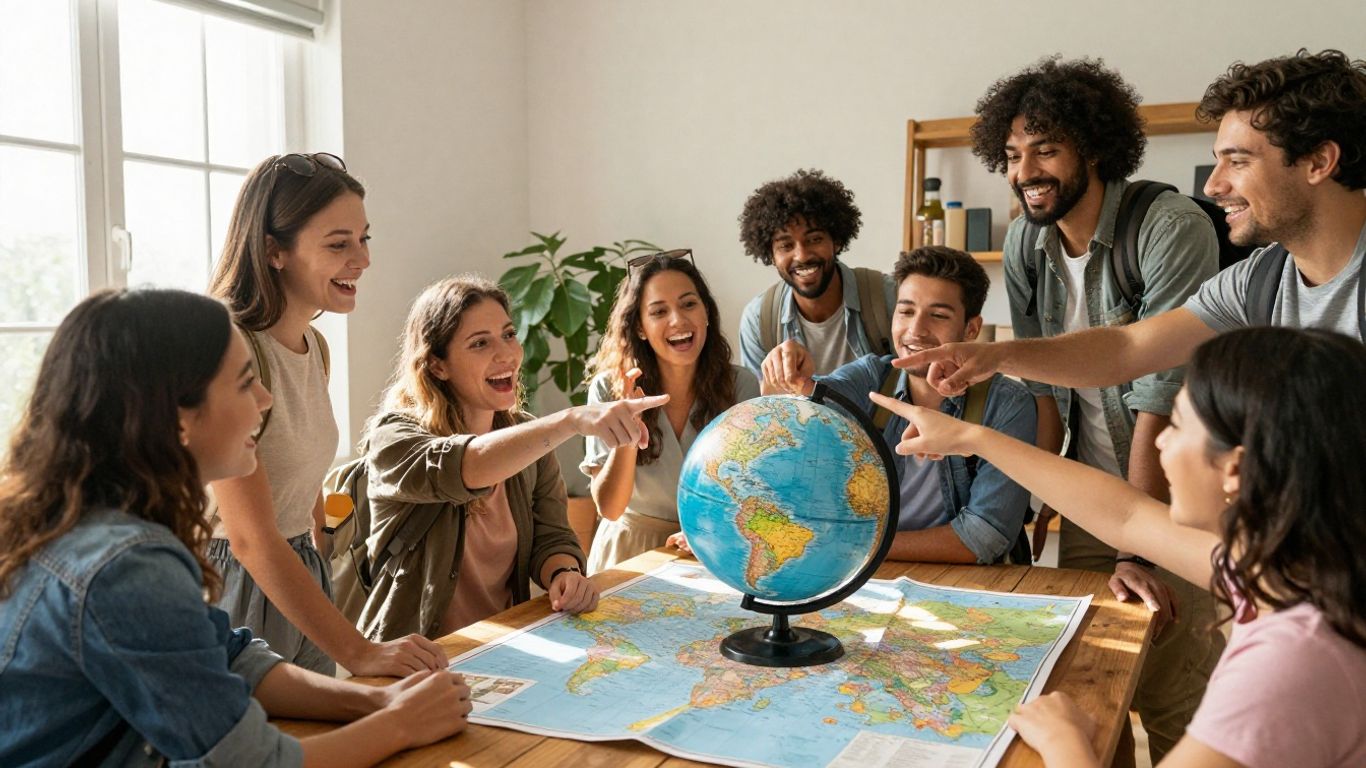 Travelers planning a global adventure using a map and globe.
Home swapping really opens up the world in a way that hotels just can't. It's not just about saving money, though that's a huge part of it. It's about actually living in a place, not just visiting. You get to see neighborhoods most tourists miss and experience daily life in a different culture. Think about waking up in a Parisian apartment and walking to the local boulangerie for fresh croissants, or spending an afternoon exploring a market in Tokyo like a local resident. This kind of travel makes the world feel a lot smaller and more accessible.
City Guides for Home Exchangers
When you're planning a home exchange, having a good city guide is super helpful. These aren't your typical tourist brochures. They're often put together by people who have actually swapped homes in that city, so they know the real deal. You'll find tips on the best neighborhoods to stay in, how to get around using public transport, and maybe even some local spots for food that aren't in the main guidebooks. For example, a guide for Sydney might point you towards a quiet beach suburb instead of the crowded Bondi. It’s about getting that insider knowledge.
Here’s a look at what you might find in a good city guide:
- Neighborhood Spotlights: Details on different areas, what they're like, and who they're best suited for (families, solo travelers, etc.).
- Local Transportation Tips: How to use the bus, train, or metro system efficiently.
- Must-Try Local Foods: Beyond the famous dishes, where to find authentic local flavors.
- Hidden Gems: Parks, viewpoints, or small shops that aren't on the usual tourist radar.
Cultural Immersion in International Cities
Swapping homes is one of the best ways to really get a feel for a different culture. You're staying in someone's actual home, which means you have a kitchen, a living room, and probably a neighborhood to explore. This naturally leads to more interaction with the local way of life. You might find yourself shopping at the same grocery store as your hosts, using their favorite coffee shop, or even getting invited to a local event. It’s a much deeper experience than just checking off landmarks from a list. You start to understand the rhythm of the city and the people who live there.
Home swapping transforms travelers from customers to temporary residents, creating genuine relationships and deep local immersion that commercial rentals simply cannot manufacture.
Discovering Local Experiences Beyond Tourist Traps
One of the biggest perks of home swapping is getting to experience a place like a local. Instead of staying in a hotel zone, you're often in a residential area. This means you'll stumble upon things you'd never find otherwise. Maybe it's a small, family-run restaurant with amazing food, a park where locals gather in the evenings, or a unique street market that only happens on certain days. These are the kinds of experiences that make travel memorable and give you a real sense of the place you're visiting. It’s about finding those authentic moments that stick with you long after you’ve returned home. This approach to travel really helps you connect with the destination on a more personal level, making your trip far more rewarding than a standard vacation. You can find out more about the benefits of home exchange and how it leads to these kinds of experiences.
Enhancing Your Travel by Google Experience
So, you've booked your trip, maybe even swapped homes, and now you're wondering how to really make the most of it. It's not just about getting from point A to point B anymore, right? It's about the whole journey, the little moments, and feeling like you're actually there, not just visiting.
The Role of Sharing Models in Travel
Think about it: the whole idea of sharing, whether it's a home, a car, or even just advice, has totally changed how we travel. It’s moved us away from just being consumers and more towards being part of a community. This shift means you get to experience places in a way that feels more real, more connected. Instead of a sterile hotel room, you're in a home that someone actually lives in, with all its quirks and character. This isn't just about saving money, though that's a big plus. It's about getting a peek into everyday life somewhere else. You can find some great tips on how these sharing models work by looking into community-led travel platforms.
Benefits of Joining Budget Travel Communities
Joining communities focused on budget travel is a smart move, even if you're not strictly on a shoestring budget. These groups are goldmines for insider knowledge. People share tips on everything from finding the best local markets to understanding public transport quirks. You get real-time advice from people who are currently in or have recently visited your destination. It’s like having a network of friends all over the world, ready to help you out.
Here are a few things you gain:
- Local Insights: Get recommendations for places that aren't in the guidebooks.
- Cost Savings: Discover ways to cut down on expenses you might not have even considered.
- Safety Tips: Learn about local customs and practical advice for navigating new places.
- Connection: Meet like-minded travelers and locals, making your trip more social.
Achieving Deeper Travel Experiences Through Authenticity
What does 'authentic' travel really mean? It's more than just seeing famous sights. It's about experiencing a place as the locals do. This often means stepping outside your comfort zone a little, trying new foods, and engaging with the culture. Home exchanges are fantastic for this because you're living in a real neighborhood, not a tourist zone. You shop at local stores, maybe even use public transport alongside residents. It’s about those small, everyday interactions that stick with you long after you’ve returned home.
True authenticity in travel isn't about finding a place that's untouched by tourism. It's about how you engage with the place and its people. It's about genuine connection and a willingness to see things from a different perspective, which is often easier when you're not just passing through.
When you focus on authenticity, your trips become more memorable. You collect experiences, not just souvenirs. It’s about the conversations you have, the unexpected discoveries, and the feeling of truly belonging, even if just for a short while. This approach to travel can be incredibly rewarding, offering a richer perspective on the world and yourself. You might find that planning your routes and points of interest becomes much more engaging when you use tools like Google Maps as a trip planner.
Practical Tips for Successful Home Exchanges
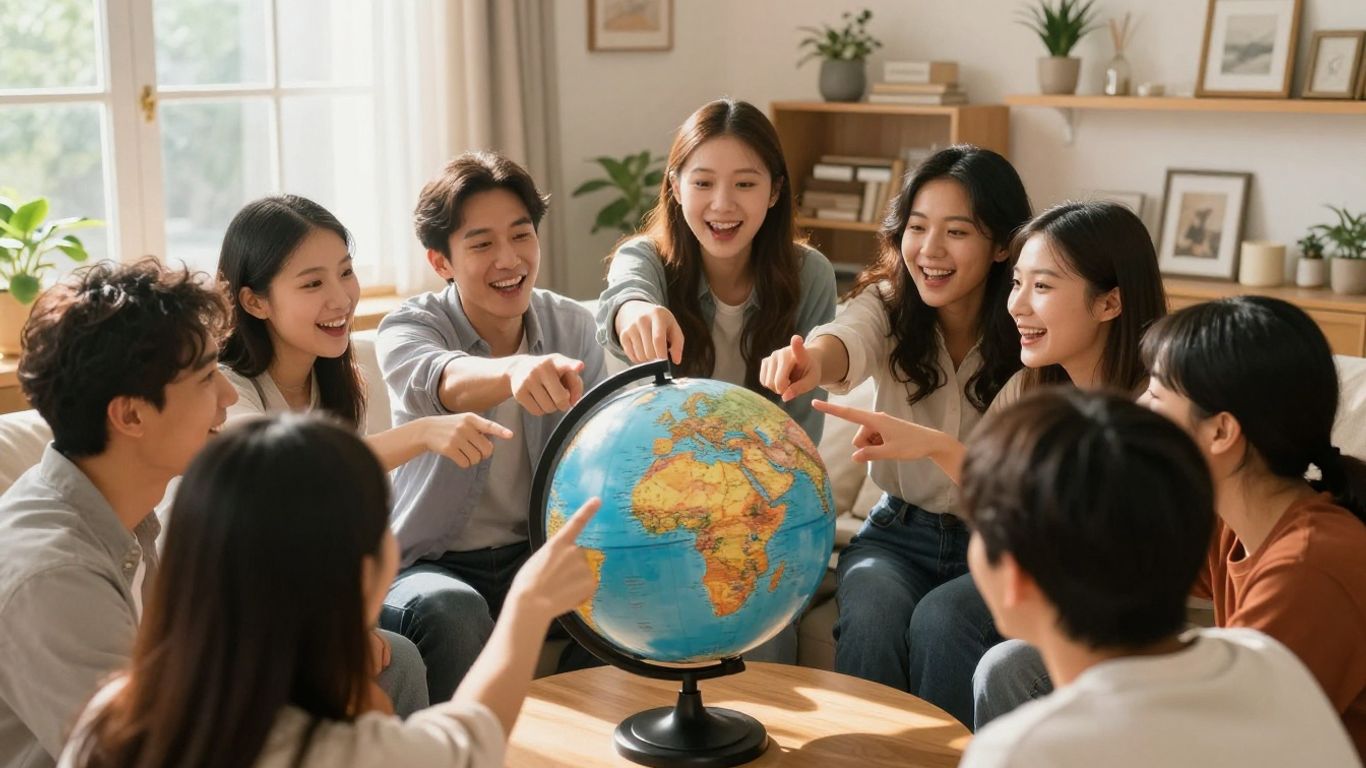 People planning a home exchange adventure around a globe.
So, you're ready to try out home swapping? That's awesome! It's a fantastic way to travel and really live like a local. But like anything new, there are a few things that can make the whole experience smoother. Think of it like preparing for a potluck – you want to bring something good and be a good guest, right? It's all about good communication and being prepared.
Essential Packing Guides for Swappers
Packing for a home exchange is a bit different than a hotel trip. You're going to someone's actual home, so you want to be mindful. First off, check what your host provides. Most homes have basics like towels and bedding, but it's always good to confirm. If you're going somewhere with a different climate than you're used to, pack layers. Seriously, that's a lifesaver. And don't forget any personal items you can't live without, like specific toiletries or medications. Also, consider bringing a small, thoughtful gift for your host – maybe something from your hometown or a nice bottle of wine. It's a nice touch that goes a long way.
Here’s a quick checklist to get you started:
- Clothing: Pack versatile items you can layer. Check the weather forecast for your destination.
- Toiletries: Bring your preferred brands, especially if you have sensitive skin or specific needs.
- Medications: Any prescription or over-the-counter meds you regularly use.
- Electronics: Chargers for all your devices, maybe a portable power bank.
- Comfort Items: A favorite book, a travel pillow, or anything that makes a new place feel more like home.
- Host Gift (Optional): A small token of appreciation.
Mastering Home Swap Communication Etiquette
Communication is the backbone of any successful home exchange. From the very first message, you want to be clear, friendly, and respectful. When you're looking for a swap, be specific about your travel dates and what you're looking for in an exchange. Once a swap is agreed upon, keep the lines of communication open. Discuss house rules, arrival times, and any specific instructions for using appliances or utilities. Being upfront about expectations prevents misunderstandings later on. It's also a good idea to share your own travel plans and interests with your host, and ask them for local recommendations. This builds a connection and makes the exchange feel more personal.
Remember, you're not just swapping houses; you're sharing a part of your lives. Treat your host's home with the same care you'd expect for your own. This mutual respect is what makes home swapping work so well.
Photography Tips for Attractive Home Listings
When you list your home for exchange, good photos are super important. They're the first thing people see! You don't need a fancy camera; your smartphone will do just fine. The key is good lighting and making sure your place looks tidy and inviting. Open curtains, turn on lights, and declutter surfaces. Take pictures of all the main rooms – living area, kitchen, bedrooms, bathrooms. Highlight any special features your home has, like a nice garden, a great view, or a cozy reading nook. A clean, well-lit photo can make a big difference in attracting potential swap partners. Think about what would make you want to stay in a place. You can find some great tips on how to take compelling photos of your home that attract guests.
Here’s a quick breakdown for great listing photos:
- Lighting is Key: Shoot during the day with natural light. Turn on all the indoor lights too.
- Declutter Ruthlessly: Clear countertops, put away personal items, and make beds neatly.
- Showcase Your Best: Highlight unique features like a fireplace, a balcony, or a well-equipped kitchen.
- Multiple Angles: Don't just take one shot of each room. Show different perspectives.
- Keep it Real: While you want your home to look its best, avoid staging that misrepresents the space.
Your Next Trip Awaits
So there you have it. Using tools like Google can really change how you see the world and plan your trips. It’s not just about finding the cheapest flight or a place to sleep anymore. It’s about connecting with people, living like a local, and finding those real experiences that stick with you. Whether you’re swapping homes, joining a travel group, or just looking for new ideas, the digital world makes it easier than ever to find your own kind of adventure. Give it a try, and see where it takes you.
Frequently Asked Questions
What is a travel community and how can it help me?
A travel community is like a club for people who love to travel. Instead of just booking hotels, you can connect with other travelers. This helps you find cool, real experiences that aren't just for tourists. You can also get tips and advice from people who have been there.
How does home exchange work?
Home exchange is a way to travel where you swap your home with someone else. You stay in their place while they stay in yours. This means you don't have to pay for a hotel, which can save a lot of money. It's a great way to live like a local in a new city.
Is home swapping safe?
Yes, home swapping can be very safe, especially when you use trusted platforms. These platforms often have ways to check people's identities and their homes. Good communication and clear agreements with the person you're swapping with are also super important for a safe and happy exchange.
How can I plan my travel budget with home swapping?
Home swapping helps your budget a lot because you save on accommodation, which is usually a big travel cost. To plan your budget, think about how much you'll spend on food, activities, and getting around. Since your stay is free, you have more money for fun stuff!
What are some ways to find authentic experiences when traveling?
To find real experiences, try joining travel communities or using home exchange. This lets you live in local neighborhoods instead of tourist spots. Talk to the people you meet, try local food, and explore places that aren't in the usual guidebooks. It's all about connecting with the place and its people.
What should I do to make my home listing attractive for a home swap?
To get more people interested in swapping with you, make sure your home listing looks great! Take bright, clear pictures of your space, especially the rooms people will use. Write a good description that highlights what makes your home special and what your neighborhood offers. Being honest and friendly in your listing helps a lot too.

Published by
SwappaHome
SwappaHome Editorial Team
Home Exchange & Slow Travel Editorial
The SwappaHome Editorial Team brings together travel research, home-exchange community insights, and platform data to produce practical guides for first-time and experienced home swappers. Every article cites real platforms, current market rates, and verifiable city-level facts so readers can make informed decisions without guessing.
Ready to try home swapping?
Join SwappaHome and start traveling by exchanging homes. Get 7 free credits when you sign up!