
Unlock Your Next Adventure: Finding Working Nomads Com Jobs in 2026

SwappaHome Editorial Team
Home Exchange & Slow Travel Editorial
Thinking about ditching the office for a life on the road? The idea of working nomad com jobs is more popular than ever, and 2026 looks like a great year to…
Thinking about ditching the office for a life on the road? The idea of working nomad com jobs is more popular than ever, and 2026 looks like a great year to jump in. It’s not just about travel; it’s about building a career that fits your life, wherever that might be. We'll look at how to find these jobs, what you need to get started, and how to make the most of this lifestyle. It might seem a bit daunting at first, but with the right approach, it's totally doable. Let's figure out how to make it work for you.
Key Takeaways
- The demand for working nomads com jobs is growing, offering flexibility and a chance to see the world.
- Finding remote-friendly industries and using specialized job boards are key to landing these positions.
- A well-crafted resume that highlights remote work skills is important for standing out.
- Building a community and having reliable tools for communication and accommodation are vital for success.
- Balancing work and travel, staying productive, and managing finances are ongoing challenges for working nomads.
Embracing the Working Nomad Lifestyle
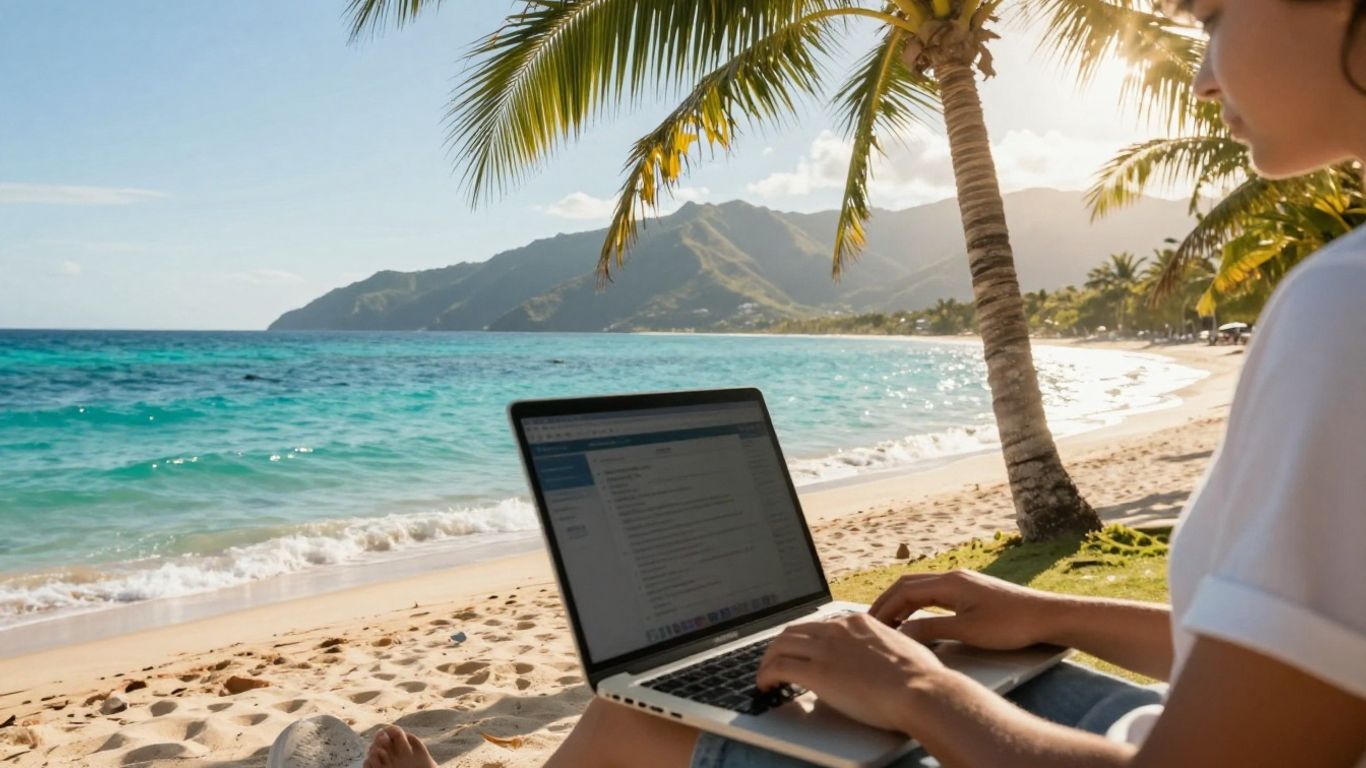 Person working on laptop on a tropical beach.
So, you're thinking about ditching the traditional office for a life on the move? That's awesome. The working nomad lifestyle isn't just a trend; it's a whole different way of living and working that's become way more accessible. It's about trading your commute for a flight, your cubicle for a beachside cafe, or maybe even a mountain view.
Understanding the Appeal of Working Nomad Com Jobs
Why are so many people jumping on this? For starters, it's the freedom. Imagine waking up in a new city every few weeks or months, exploring different cultures, and still getting your work done. This flexibility is the biggest draw, allowing you to craft a life that fits you, not the other way around. It's not just about travel, though. It's about personal growth, experiencing the world firsthand, and breaking free from the routine that can sometimes feel a bit stifling. Plus, the cost of living can often be lower in many destinations compared to major cities back home, meaning your money can go further. You can find amazing places to stay, like through home exchange networks, which lets you live like a local without the hotel price tag. Explore home swapping for a unique way to travel and work.
Key Benefits of a Nomadic Career
Let's break down what makes this lifestyle so attractive:
- Unmatched Flexibility: You set your own hours and choose your work location. Want to work from a cafe in Lisbon one week and a co-working space in Chiang Mai the next? You can.
- Cultural Immersion: Living in different places means truly experiencing their culture, food, and way of life, not just visiting as a tourist.
- Personal Development: Constantly adapting to new environments and solving problems on the go builds resilience, independence, and a broader perspective.
- Cost Savings Potential: By choosing destinations with a lower cost of living or using smart accommodation solutions like home swapping, you can significantly reduce your expenses.
- Expanded Network: You meet people from all walks of life, both locals and fellow travelers, broadening your horizons and potential connections.
Preparing for a Life on the Move
Getting ready for this kind of life takes a bit of planning. It's not just about packing a suitcase. You need to think about:
- Your Work: Make sure your job is remote-friendly or that you can find remote work. Having a stable income is key.
- Finances: Budgeting is super important. Figure out your income, expenses, and have a buffer for unexpected costs. Think about banking and how you'll manage money across different countries.
- Logistics: This includes things like visas, travel insurance, and how you'll handle mail or important documents from home.
- Mindset: Be ready for challenges. Things won't always go smoothly, and you'll need to be adaptable and resourceful. It's a learning process, for sure.
Embracing the working nomad lifestyle means being prepared for the unexpected, but also being open to the incredible opportunities that come with it. It's about finding a balance between productivity and exploration, and learning to thrive outside your comfort zone. The world is a big place, and there are so many amazing spots to discover, like top digital nomad destinations that are perfect for 2026.
Navigating the Digital Nomad Job Market
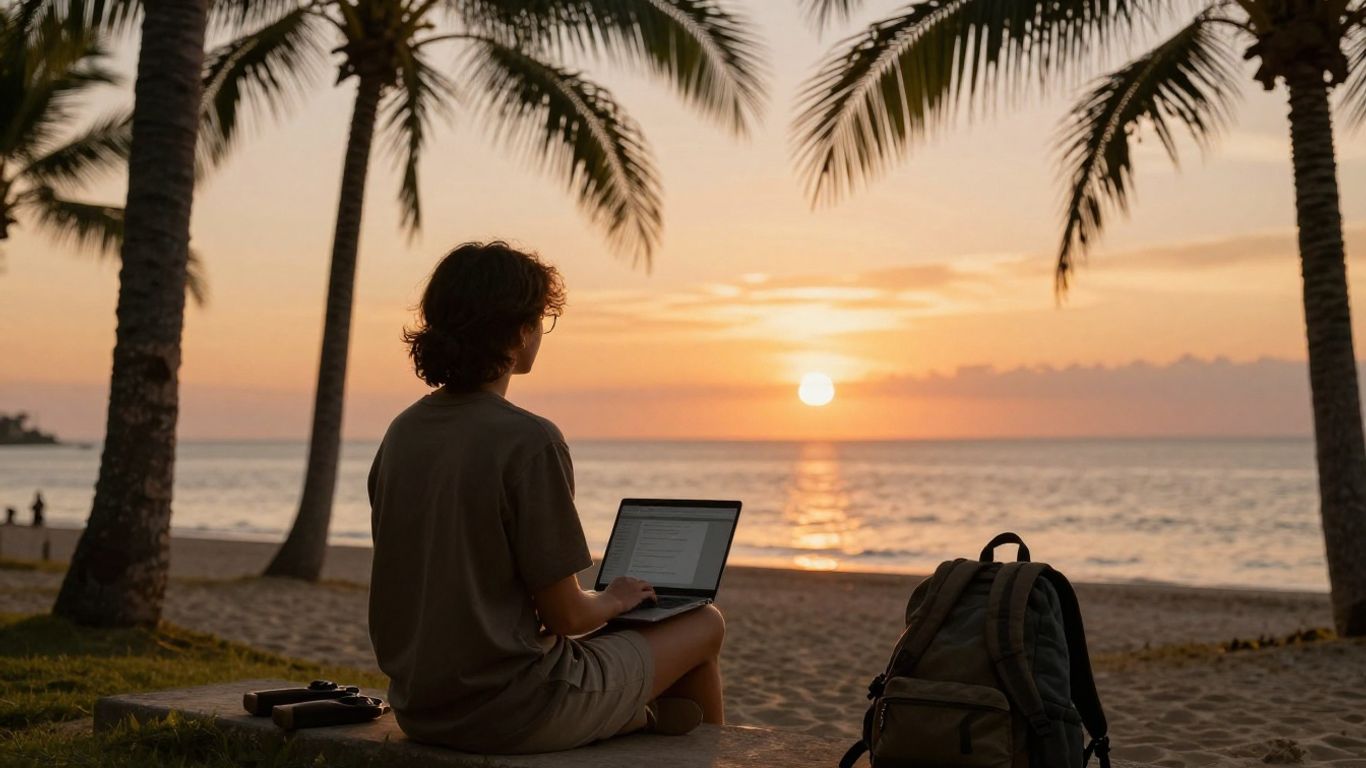 Digital nomad working on a laptop at a beach sunset.
Finding work that lets you travel isn't always straightforward, but it's definitely doable. The key is knowing where to look and how to present yourself. Think about what skills you have that are in demand for remote work. Many industries are now open to remote hires, so it's not just tech anymore.
Identifying Remote-Friendly Industries
Some fields have always been more adaptable to remote work, and that trend has only grown. If you're looking for opportunities, consider these areas:
- Marketing and Communications: Content creation, social media management, SEO specialists, and digital advertising roles are often fully remote.
- Technology: Software development, IT support, cybersecurity, and data analysis are prime remote work sectors.
- Creative Fields: Graphic design, web design, video editing, and writing can easily be done from anywhere.
- Customer Service: Many companies hire remote agents for support roles.
- Education and Training: Online tutoring, course creation, and virtual training are growing fields.
Leveraging Job Boards for Working Nomads
There are specific job boards designed for remote workers. These sites often filter out jobs that aren't truly location-independent. Some popular ones include Remote.co, We Work Remotely, and FlexJobs. Don't forget to check general job sites too, but use their remote filters carefully. Sometimes, companies list remote jobs that are actually tied to a specific country or region, which isn't ideal if you plan to move around a lot. It's worth exploring high-paying remote job opportunities here to see what's currently in demand.
Crafting a Standout Remote Work Resume
Your resume needs to show employers you can be productive and reliable, even when you're not in the office. Highlight any experience you have working independently or managing your own schedule. Mention specific tools you've used for remote collaboration, like Slack, Zoom, or Asana. If you have experience working across different time zones, definitely include that. Quantify your achievements whenever possible – instead of saying 'improved social media engagement,' say 'increased social media engagement by 25% in six months.' This shows concrete results.
When applying for remote positions, it's important to be upfront about your nomadic intentions if the job description allows for global remote work. However, if the role specifies a country or region, be mindful of visa requirements and tax implications. Some platforms can help you find suitable accommodation, like Home Exchange, which can be a great resource for planning your stays in different locations.
Here's a quick checklist for your resume:
- Clear Contact Information: Include your current location (or a general region if you prefer) and a professional email address.
- Remote Work Skills: List skills like self-discipline, time management, and proficiency with remote collaboration tools.
- Experience: Detail past roles, emphasizing responsibilities that required autonomy and remote work capabilities.
- Projects: Showcase personal projects or freelance work that demonstrate your ability to deliver results independently.
Essential Tools and Platforms for Nomadic Professionals
So, you're thinking about ditching the cubicle for a life on the move? Awesome! But before you pack your bags and book that one-way ticket, let's talk about the nitty-gritty. Being a working nomad isn't just about having a laptop and a dream; it's about having the right gear and knowing where to find it. Think of it like preparing for a big hike – you wouldn't go without good boots, right? This is kind of the same, but for your career.
Finding Reliable Accommodation Solutions
This is probably the biggest one. Where are you going to sleep, eat, and, most importantly, work? Hotels can get pricey fast, and hostels might not offer the quiet you need. That's where things like home exchange come in. It's a way to swap your place with someone else, anywhere in the world. You get to live like a local, often with a full kitchen and dedicated workspace, and it can save you a ton of cash. Platforms like Home Exchange have tons of listings worldwide, from bustling cities to quiet countryside spots. It’s a great way to find places that are already set up for someone to actually live and work in, not just visit.
Here are a few things to consider when looking for a place:
- Reliable Internet: This is non-negotiable. Check reviews specifically mentioning Wi-Fi speed and stability. Some platforms even list this as a feature.
- Dedicated Workspace: A quiet corner with a desk is way better than trying to balance your laptop on a coffee table.
- Location: Think about proximity to grocery stores, public transport, and maybe even some co-working spots if you need a change of scenery.
- Kitchen Facilities: Being able to cook your own meals saves money and is healthier than eating out every night.
Remember, your accommodation isn't just a place to crash; it's your office, your kitchen, and your basecamp. Choosing wisely makes a huge difference in your day-to-day life.
Essential Communication and Collaboration Tools
Once you've got your base sorted, you need to stay connected. Your team, your clients, your family – they all need to reach you. Luckily, there are tons of tools out there that make remote collaboration pretty smooth.
- Messaging Apps: Slack, Microsoft Teams, Discord – these are your go-to for quick chats, team updates, and keeping everyone in the loop.
- Video Conferencing: Zoom, Google Meet, Skype. You'll be doing a lot of face-to-face (virtually, anyway) meetings, so a reliable platform is key.
- Project Management: Trello, Asana, Monday.com. These help keep track of tasks, deadlines, and who's doing what, especially when you're in different time zones.
- Cloud Storage: Google Drive, Dropbox, OneDrive. You need a place to store and share files securely.
Managing Finances While Traveling
Money stuff can get complicated when you're not tied to one bank or one country. You'll want to set yourself up for success before you even leave.
- Banking: Look into banks that have low or no international transaction fees. Some online banks are specifically designed for travelers.
- Currency Exchange: Apps like Wise (formerly TransferWise) or Revolut can be super helpful for getting good exchange rates and managing multiple currencies.
- Budgeting Apps: Keep track of where your money is going. Apps like Mint or YNAB (You Need A Budget) can help you stay on track, especially with fluctuating costs in different locations.
- Payment Methods: Have a mix of options – a debit card, a credit card, and maybe some cash for smaller purchases or places that don't take cards. Having a backup plan for your money is always a good idea.
Building Your Network and Community
Being a working nomad can sometimes feel a bit isolating, even with all the amazing places you get to see. That's why building a strong network and finding your community is super important. It's not just about making friends; it's about support, shared knowledge, and finding those unexpected opportunities.
Connecting with Fellow Working Nomads
Finding people who get this lifestyle is key. You're all dealing with similar challenges and celebrating similar wins, like finally getting reliable Wi-Fi in a new city or finding a great local coffee shop that feels like a second office.
- Attend local meetups: Many cities have informal gatherings for remote workers. A quick search online can often point you in the right direction.
- Join co-working spaces: Even if you don't need a dedicated desk, many offer day passes or social events that are great for meeting people.
- Engage in online groups: Facebook groups, Slack channels, and dedicated forums are full of people sharing tips and organizing local get-togethers.
The Role of Online Communities
Online communities are lifelines when you're on the move. They're places where you can ask anything from "Where's the best place for a quiet Zoom call in Lisbon?" to "Has anyone dealt with visa requirements in Thailand recently?" These digital hubs are invaluable for real-time advice and support. They can also be a great way to find out about upcoming digital nomad events or conferences happening in your area or future destinations.
The shared experience of navigating different cultures, time zones, and work setups creates a unique bond. These communities offer a sense of belonging, even when you're thousands of miles from home.
Finding Local Co-working Spaces
Co-working spaces aren't just for getting work done; they're social hubs. They offer a structured environment away from your temporary accommodation and, more importantly, a place to meet other professionals. Many offer:
- Networking events
- Workshops and skill-sharing sessions
- Casual coffee breaks where conversations can spark collaborations
Some platforms even focus on connecting remote workers with suitable spaces. Exploring options for networking events for digital nomads can also lead you to these kinds of vibrant community spots.
Maximizing Your Working Nomad Experience
So, you've landed the remote gig and you're ready to hit the road. Awesome! But living the working nomad life isn't just about the freedom to work from anywhere; it's about making that experience truly work for you. It takes a bit of planning and some smart strategies to keep things running smoothly and, more importantly, to actually enjoy it.
Balancing Work and Exploration
This is the big one, right? How do you see the world without falling behind on deadlines? It's a constant juggle. My advice? Get real about your work hours. Some days will be all about the laptop, and that's okay. Other days, you'll have more flexibility. Try to schedule your exploration for evenings, weekends, or even take a longer lunch break if your work allows. Don't try to cram a full workday and a full day of sightseeing into the same eight hours.
Here are a few things that helped me:
- Time Blocking: Dedicate specific blocks of time for deep work, meetings, and then, crucially, for exploring. Stick to it as much as possible.
- Local Rhythms: Learn when things are open and when locals are out and about. Sometimes the best exploration happens during off-peak hours when you can actually get into that museum or enjoy a quiet park.
- Prioritize: You can't see everything. Pick a few key experiences in each location that truly excite you and focus on those. It's better to deeply experience a few things than to rush through many.
Maintaining Productivity on the Road
Staying productive when your office view changes daily can be tough. Distractions are everywhere, and the temptation to just 'chill' is strong. First off, create a dedicated workspace, even if it's just a corner of your Airbnb. Having a spot that's just for work helps your brain switch into focus mode.
- Routine is Key: Even without a fixed office, try to maintain some semblance of a daily routine. Wake up around the same time, have your morning coffee, and get to work.
- Invest in Comfort: A good chair, a reliable external monitor, and a comfortable keyboard can make a huge difference in your ability to focus for long stretches.
- Set Boundaries: Let friends, family, and even colleagues know your working hours. It's easy for people to forget you're working when you're in a tropical location.
The biggest pitfall for many new working nomads is the romanticized idea that every day will be an adventure. While adventure is part of the appeal, remember that you are still working. Treating your remote job with the same professionalism you would in an office is paramount to long-term success and avoiding burnout.
Ensuring Reliable Connectivity
This is non-negotiable. Without a stable internet connection, your remote job grinds to a halt. Before you even book accommodation, check the Wi-Fi situation. Look for reviews that specifically mention internet speed and reliability. If you're relying on cafes or co-working spaces, scout them out beforehand.
- Backup Plans: Always have a backup. This could be a portable Wi-Fi hotspot, a local SIM card with a generous data plan, or knowing the locations of reliable co-working spaces.
- Understand Your Needs: Are you just checking emails, or are you on constant video calls? Your internet needs will dictate where you can realistically work. Some home exchange options specifically highlight reliable Wi-Fi and workspaces, which can be a lifesaver.
- Test It: As soon as you arrive at your accommodation, test the internet speed. Don't wait until your first big video call to find out it's terrible.
Making the most of your working nomad journey is all about finding that sweet spot between productivity and experiencing the world. It's a skill that develops over time, so be patient with yourself and enjoy the ride.
Future Trends in Working Nomad Com Jobs
The world of working remotely is always changing, and 2026 is no different. We're seeing some interesting shifts that could really shape how and where people work from. It's not just about finding a job anymore; it's about how these jobs fit into a lifestyle that's becoming more popular by the day.
Emerging Destinations for Nomads
While places like Bali and Chiang Mai have been popular for a while, new spots are popping up on the radar. Think Eastern Europe, parts of South America, and even some less-traveled areas in Asia. These places often offer a lower cost of living, good internet, and a growing community of other remote workers. It's about finding those hidden gems before they become mainstream. For instance, cities like Krakow in Poland are gaining traction, offering a mix of history, affordability, and a decent digital infrastructure. Similarly, places like Valencia in Spain are drawing people in with their climate and vibrant culture.
Technological Advancements Supporting Remote Work
Technology continues to be a huge driver. We're seeing better and more reliable internet connections becoming standard in more places. Plus, advancements in collaboration tools make it easier than ever to work with a team spread across the globe. Think about improved video conferencing, project management software that's more intuitive, and even VR/AR tools that could make remote meetings feel more present. The goal is to make working from anywhere feel as smooth as working from a central office.
The Evolving Landscape of Digital Nomadism
One big trend is the move towards more sustainable and authentic travel. Instead of just hopping from one tourist spot to another, many digital nomads are looking for ways to integrate more deeply into local communities. This is where things like home swapping come into play. Instead of hotels, people are exchanging homes, which not only saves a ton of money but also allows for a more genuine living experience. It's about living like a local, not just visiting. This approach also has a positive environmental impact by using existing housing stock. It's a win-win for both the traveler and the planet.
It's also worth noting that while remote work was a huge boom, the market is adjusting. Reports from early 2026 show a significant majority of new job postings are for on-site positions, with hybrid and fully remote roles making up a smaller percentage. This means the competition for fully remote jobs might be increasing, making it even more important to stand out.
The future of working nomad jobs isn't just about the 'where,' but the 'how.' It's about finding a balance between work, travel, and genuine connection, all supported by ever-improving technology and a growing community that values authentic experiences over fleeting tourism.
Ready for Your Next Move?
So, you've seen how finding remote work jobs in 2026 is totally doable, especially if you're open to different ways of living and working. It's not just about the paycheck anymore; it's about building a life that fits you. Whether you're eyeing a cozy apartment in Lisbon or a beachside spot in Gold Coast, the opportunities are out there. Don't get discouraged if it takes a little time to find the right fit. Keep exploring, keep connecting, and remember that your next great adventure could be just a click away. Happy job hunting, and even happier travels!
Frequently Asked Questions
What exactly is a working nomad?
A working nomad is someone who travels to different places while still working a job. Instead of going to a regular office, they can work from anywhere with an internet connection, like a coffee shop, a co-working space, or even a beach!
Are there really jobs where I can work and travel?
Yes! Many companies now let their employees work remotely. These jobs are often in fields like tech, writing, customer service, or design. You just need a computer and a good internet connection to do your job from almost anywhere.
How do I find these kinds of jobs?
You can look on special job websites that list remote positions. Also, many companies advertise remote jobs on their own websites. It helps to have a resume that shows you're good at working on your own and communicating online.
What's the hardest part about being a working nomad?
It can be tricky to stay focused when there are so many new and exciting things to see and do! Finding a good place to work with reliable internet is also important. Plus, you have to figure out where you'll live and how to manage your money while you're on the move.
Is it expensive to be a working nomad?
It doesn't have to be! While some places are pricey, you can save a lot of money by staying in places like hostels, using home-sharing services, or even swapping homes with others. Cooking your own meals instead of eating out also helps a lot.
What are some popular places for working nomads?
Lots of places are great for working nomads! Popular spots include places in Southeast Asia like Thailand, parts of Europe like Portugal and Spain, and even some cities in Latin America. Many nomads also enjoy exploring less common destinations to find unique experiences.

Published by
SwappaHome
SwappaHome Editorial Team
Home Exchange & Slow Travel Editorial
The SwappaHome Editorial Team brings together travel research, home-exchange community insights, and platform data to produce practical guides for first-time and experienced home swappers. Every article cites real platforms, current market rates, and verifiable city-level facts so readers can make informed decisions without guessing.
Ready to try home swapping?
Join SwappaHome and start traveling by exchanging homes. Get 7 free credits when you sign up!