
Unlock Your Next Adventure with Google Travel: Tips and Tricks for 2026

SwappaHome Editorial Team
Home Exchange & Slow Travel Editorial
Planning a trip can feel like a lot, right? Especially when you're trying to make it affordable and actually interesting. Forget those endless hotel searches…
Planning a trip can feel like a lot, right? Especially when you're trying to make it affordable and actually interesting. Forget those endless hotel searches and overpriced flights for a minute. We're going to look at how tools like Google Travel can help you find different ways to see the world in 2026, focusing on experiences that feel more real and don't break the bank. Think less tourist traps, more local living. Let's figure out how to make your next adventure happen.
Key Takeaways
- Using Google Travel can help you find budget-friendly ways to explore, like understanding sharing economy options and travel barter systems.
- Focus on authentic experiences by connecting with local communities and travelers through platforms that Google Travel can help you discover.
- Streamline your trip planning by creating a budget checklist and looking into cost-effective places to stay.
- Explore exclusive travel opportunities, such as homeowner networks and points-based systems, for more affordable trips.
- Plan your travel around the seasons, whether it's a spring getaway, summer home swap, or winter escape, using Google Travel to find the best times and places.
Leveraging Google Travel for Budget-Friendly Adventures
Let's talk about making your travel dreams a reality without emptying your wallet. Google Travel isn't just for booking flights and hotels; it's a gateway to smarter, more affordable adventures. We're going to explore how you can stretch your travel budget further than you thought possible.
Understanding Sharing Economy Travel
The sharing economy has totally changed how we travel, and for the better, especially if you're watching your spending. Think about it: instead of paying for a hotel room, you can stay in someone's actual home. This isn't just about saving money, though that's a huge plus. It's about experiencing a place like a local, not just a tourist passing through. You get a kitchen, more space, and often a neighborhood vibe you just don't find in a hotel. It's a way to travel more authentically and save a ton. Many travelers report savings of up to 93% by using these models.
- Live like a local: Get a feel for a neighborhood by staying right in it.
- More space, more comfort: Often includes full kitchens, living areas, and laundry facilities.
- Significant cost reduction: Lodging can be free or very low cost.
The sharing economy allows travelers to access accommodations and experiences that are often more affordable and authentic than traditional options. It's about mutual benefit and shared resources, making travel accessible to more people.
Exploring Travel Barter Systems
This is where things get really interesting for budget travelers. Travel barter systems, especially home swapping, are like a currency for your vacation. Instead of paying cash, you're trading your own home for someone else's. It's a direct exchange that cuts out a lot of the usual costs. Imagine swapping your place for a beach house in another country or a cozy cabin in the mountains. It takes a bit of planning, but the payoff is huge. You can find these opportunities through various home exchange networks.
Maximizing Travel on a Budget
Saving money on trips isn't just about finding cheap flights. It's a whole strategy. One of the best ways to maximize your budget is by rethinking accommodation. Instead of hotels, look into options like home exchanges, house-sitting, or even pet-sitting. These can drastically cut down your biggest travel expense. Planning is key, and using tools like free travel budget spreadsheets can help you keep track of every dollar. Remember, cost-effective accommodation isn't just about the lowest price; it's about the value you get for your money, including comfort and experience.
Here’s a quick rundown of how to maximize your budget:
- Prioritize accommodation: This is usually the biggest chunk of your travel spending. Explore alternatives to hotels.
- Cook some meals: Eating out for every meal adds up fast. Having a kitchen allows you to prepare some of your own food.
- Look for free activities: Many destinations offer free walking tours, parks, local markets, and scenic spots that don't cost a thing.
- Travel during the shoulder season: You'll often find lower prices on flights and accommodation, and fewer crowds.
Discovering Authentic Experiences with Google Travel
Sometimes, the most memorable parts of a trip aren't the big sights, but the small, unexpected moments. You know, like that time I stumbled upon a tiny bakery in Rome and ended up chatting with the owner for an hour about his family's recipes. It wasn't in any guidebook, but it's the story I still tell. Google Travel can help you find more of those moments.
The Role of Authenticity in Deeper Travel
Authenticity in travel is about experiencing a place as it truly is, not just as a tourist. It's about connecting with the local rhythm of life. This means stepping away from the usual tourist paths and finding experiences that feel real and personal. It's not just about seeing things; it's about feeling them. When you travel authentically, you often come away with a richer understanding of the world and yourself.
Authenticity can be broken down into a few types:
- Objective: This is about historical sites or tangible heritage. Think visiting an ancient ruin or a preserved historical building.
- Constructive: This is more about your personal expectations and how you interpret a place based on your own background and what you've heard or imagined.
- Existential: This is the transformative stuff, the experiences that change you on a personal level, often through deep immersion and connection.
The most impactful travel moments often blend these types. You might visit an objective historical site, interpret it through your own lens (constructive), and leave feeling like you've learned something profound about yourself and the world (existential).
Connecting with Global Travelers for Real Experiences
One of the best ways to find these authentic experiences is by connecting with people who actually live in the places you want to visit. Home exchange platforms are fantastic for this. When you swap homes, you're not just getting a place to stay; you're often getting a local guide in the form of your exchange partner. They can point you to the neighborhood cafe where everyone knows each other, the park where families gather on weekends, or the best time to visit a popular spot to avoid the crowds. It's like having a friend in a new city before you even arrive. This kind of connection helps you see a destination through a local's eyes, which is the heart of authentic travel. You can find great resources for connecting with global travelers to get these insider tips.
Joining Travel Communities for Authentic Adventures
Beyond individual connections, joining travel communities can really open doors. These groups, often found on dedicated platforms or forums, are full of people who share a similar travel philosophy – usually one that prioritizes genuine experiences over typical tourist traps. They share tips, swap stories, and sometimes even organize group trips. It’s a way to tap into a collective knowledge base of people who are actively seeking out the real deal. These communities often focus on budget-friendly travel, meaning you get to experience more without spending a fortune. Think of it as having a built-in network of travel buddies who know how to find the hidden gems. You can find communities focused on everything from specific destinations to types of travel, like budget travel communities that prioritize authentic experiences.
Planning Your Next Getaway with Google Travel
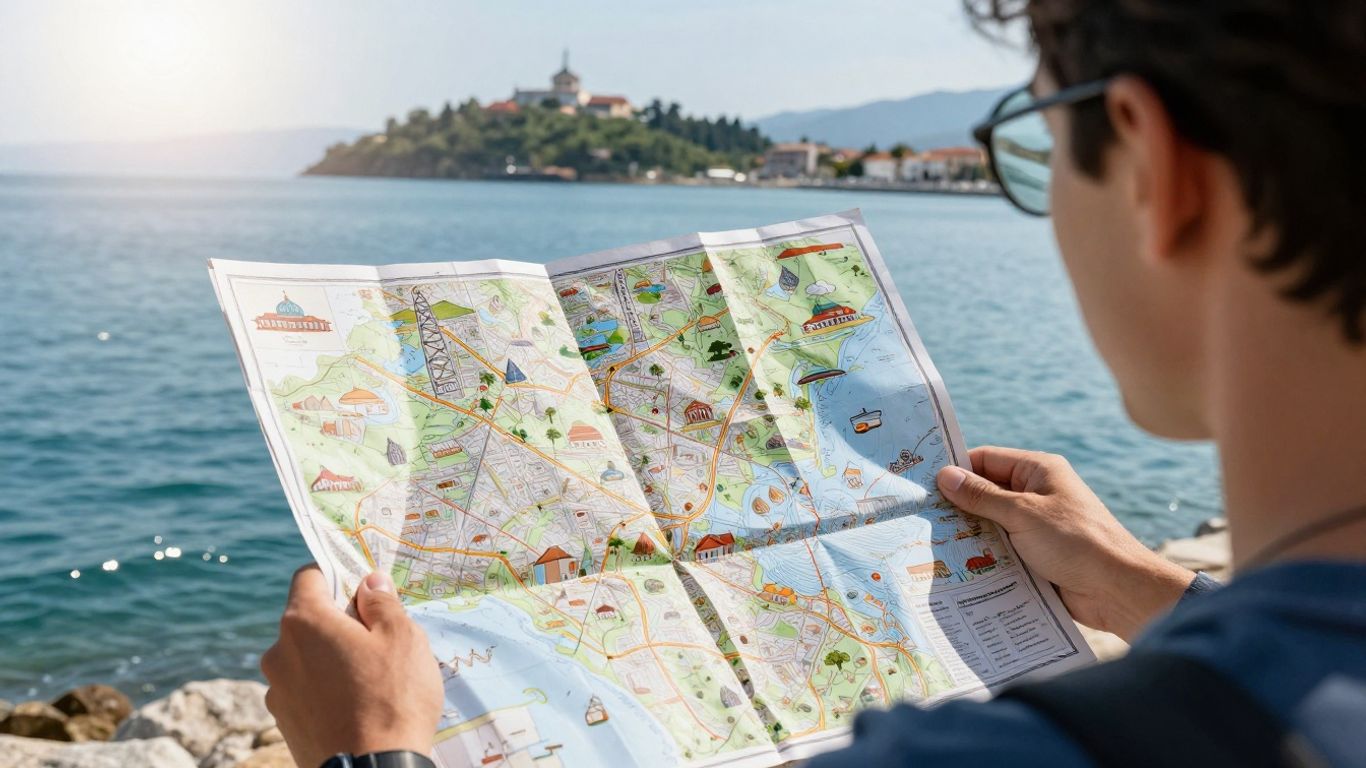 Person planning a trip with landmarks in background.
Getting ready for your next trip can feel like a lot, right? You've got the destination in mind, but then comes the actual planning. It's easy to get lost in endless tabs and confusing options. Google Travel can really help streamline this whole process, making it less of a chore and more of an exciting prelude to your adventure. The key is to have a solid workflow that keeps everything organized.
Mastering Your Travel Planning Workflow
Think of your planning workflow like building a house. You need a solid foundation before you start putting up walls. Here’s a simple way to approach it:
- Dream & Discover: Start broad. What kind of vibe are you going for? Relaxing beach, bustling city, quiet mountains? Use Google Travel's explore features to get ideas. Look at destinations that appeal to you based on interests or time of year.
- Research & Refine: Once you have a few places in mind, start digging deeper. Look at flights, potential accommodations, and what activities are available. Google Travel pulls a lot of this information together, so you can compare options side-by-side.
- Budget & Book: This is where you get real about costs. Figure out how much you can spend and start booking the big stuff – flights and accommodation. Booking early often means better prices, especially for popular times.
- Itinerary & Details: With the main bookings done, flesh out your daily plans. What sights do you want to see? Where will you eat? Use tools like the Google Maps trip planner to map out your days and make sure things are geographically sensible.
- Final Checks: A week or so before you leave, do a final review. Confirm bookings, check visa requirements if needed, and make sure you have all necessary documents.
A well-structured plan prevents last-minute scrambles and ensures you can actually enjoy your trip without worrying about the logistics. It's about being prepared so you can be spontaneous.
Creating a Travel Budget Checklist
Money talk. It’s not the most fun part, but it’s super important. A budget checklist helps you see where your money is going and where you can save. Here’s a basic breakdown:
- Transportation: Flights, trains, buses, local transport (taxis, ride-shares, public transit passes).
- Accommodation: Hotels, hostels, vacation rentals, or even home exchange savings.
- Food & Drink: Daily meals, snacks, drinks, and any special dining experiences.
- Activities & Sightseeing: Entrance fees for attractions, tours, excursions, and entertainment.
- Shopping: Souvenirs, personal items, or anything you plan to buy.
- Miscellaneous: Travel insurance, visa fees, currency exchange fees, tips, and a buffer for unexpected costs.
Understanding Cost-Effective Accommodation Options
Accommodation can be one of the biggest travel expenses. Luckily, there are plenty of ways to cut costs without sacrificing comfort or experience. Beyond traditional hotels, consider these options:
- Home Exchange: This is a big one. Swapping homes with someone else means you get a place to stay for free. You can live like a local, often with more space and amenities than a hotel room, saving a ton of money. It's a fantastic way to maximize your travel budget.
- Vacation Rentals: Platforms offer apartments, houses, or rooms for rent. These can be more cost-effective than hotels, especially for longer stays or groups, and often come with kitchens, which saves on food costs.
- Hostels: While often associated with younger travelers, many hostels now offer private rooms and are great for solo travelers or those on a tight budget. They usually have communal kitchens and social areas.
- Guesthouses/B&Bs: These smaller, often family-run establishments can offer a more personal touch and sometimes better value than larger hotels. They can also provide local insights.
By mixing and matching these options, or focusing on cost-effective methods like home exchange, you can significantly reduce your overall trip expenses, leaving more money for experiences.
Unlocking Exclusive Travel Opportunities
Sometimes, the most memorable trips aren't found through standard booking sites. There are whole other worlds of travel out there, often hidden behind membership walls or built on trust and reciprocity. These exclusive avenues can lead to some seriously unique adventures and significant savings.
Guide to Homeowner Travel Networks
Think of homeowner travel networks as a club for people who own homes and like to travel. Instead of paying for hotels, you open your home to other members when you're away, and in return, you get to stay in theirs. It's a direct swap, often without any money changing hands. This model is built on trust and shared ownership, meaning you're staying in a real home, not a sterile hotel room. It's a fantastic way to experience a destination like a local. Many of these networks require a membership fee, but the savings on accommodation can quickly make up for it. You can find networks that focus on specific regions or go global, offering a passport to countless destinations.
Exploring Members-Only Travel Platforms
Similar to homeowner networks, many platforms operate on a membership basis to keep their communities tight-knit and trustworthy. These sites often curate their listings, meaning you're more likely to find high-quality homes and reliable exchange partners. Some platforms use a credit system: you earn credits by hosting travelers in your home, which you can then spend on stays elsewhere in the network. This approach offers flexibility, as you don't need to find a direct swap for your specific dates. It's a smart way to travel more often, as your home becomes your ticket to new adventures. The key is finding a platform that aligns with your travel style and values.
Understanding Points-Based Travel
Points-based travel is another way to access exclusive stays. This often ties into loyalty programs from airlines or credit cards, but some home-swapping platforms also use a credit system. You accumulate points or credits through various activities, like referring friends, hosting stays, or sometimes through specific credit card spending. These points can then be redeemed for free nights or even entire vacations. It requires a bit of strategic planning to maximize your earnings, but the payoff is significant, allowing for more spontaneous trips or longer stays without the usual accommodation costs. It's a system that rewards engagement and loyalty, turning your travel habits into future adventures.
These exclusive travel avenues often require a bit more effort to get into than simply booking a hotel. You'll need to be comfortable sharing your home and trusting others with yours. But for those willing to put in the work, the rewards are immense: authentic experiences, deep connections, and savings that can fund many more trips.
Navigating Seasonal Travel with Google Travel
The calendar year offers a fantastic variety of travel opportunities, and Google Travel can help you make the most of them, no matter the season. Thinking about a trip? Let's break down how to plan around the time of year.
Planning Spring Getaways
Spring is a great time to travel. Flowers are blooming, the weather is usually mild, and crowds haven't quite hit their summer peak. Consider destinations known for their spring beauty, like Japan for cherry blossoms or parts of Europe for blooming gardens. Google Travel can help you find flights and accommodations in these areas. For instance, looking into spring getaways in Europe can show you popular spots and potential deals.
- Check local festivals: Many places have spring festivals, from flower shows to cultural celebrations. A quick search on Google Travel can reveal events happening during your potential travel dates.
- Pack layers: Spring weather can be unpredictable. Be ready for sunshine, rain, and cooler evenings.
- Book in advance: While not as busy as summer, popular spring destinations can still fill up, especially around holidays like Easter.
Summer Home Swap Adventures
Summer is peak vacation time for many, and home swapping becomes a fantastic way to save money and get a more local feel. Think about places that offer great outdoor activities, like national parks, beaches, or cities with vibrant summer events. Google Travel can help you compare flight prices to different regions and then you can look for home exchange options in those areas. For example, a summer trip to Calgary, Canada could be amazing with its proximity to the Rockies and local events like the Stampede.
Autumn Home Exchange Opportunities
Fall brings beautiful foliage, harvest festivals, and often fewer tourists. It's an ideal season for exploring cities or wine regions. Places like New England in the US, Tuscany in Italy, or even cities like Prague offer stunning autumn scenery and cultural experiences. Google Travel can help you find the best times to fly and then you can search for home exchanges in these picturesque locations. Many people find that autumn is a surprisingly affordable time to travel.
Planning a trip around a specific season means you can often find better deals and experience a destination in a unique way. It's about timing your adventure to match the best of what a place has to offer.
Winter Escapes and Holiday Travel
Winter travel might mean escaping to warmer climates or embracing the holiday spirit in snowy destinations. Think about a cozy cabin in the mountains for Christmas or a sunny beach for New Year's. Google Travel can help you find flights to places like Florida or the Caribbean, or even track down deals to European cities known for their Christmas markets, such as Vienna or Strasbourg. If you're considering a home exchange for the holidays, starting your search early is key, especially for popular destinations.
- Holiday markets: Many European cities have incredible Christmas markets that are worth planning a trip around.
- Ski resorts: If you love winter sports, look for home exchanges near ski areas. You might find a cozy chalet for a fraction of hotel prices.
- New Year's Eve: Popular cities for New Year's Eve celebrations, like Sydney or New York, can be booked up months in advance for home swaps.
Google Travel for Specific Traveler Types
Google Travel can be a pretty flexible tool, and it really shines when you start thinking about who you are as a traveler. It's not just about booking flights and hotels anymore; it's about finding a travel style that fits you. Whether you're working on the go, exploring solo, or wrangling the whole family, there are ways to make Google Travel work harder for you.
Home Exchange for Digital Nomads
For those of us who work remotely, the idea of being tied to a hotel room is pretty unappealing. Home exchange offers a different path. Imagine swapping your place for a cozy apartment in Lisbon while you work, complete with a decent desk and reliable internet. It's about finding a place that feels like a temporary home, not just a place to sleep. This approach can save a ton of money, letting you stay longer in one spot and really get to know it. Plus, you often get a better workspace than a standard hotel room. You can find some great spots for remote workers on platforms that connect through Google Travel, making it easier to find places with the right setup.
| Feature | Benefit for Digital Nomads |
|---|---|
| Cost Savings | Significantly reduces living expenses, allowing for longer stays. |
| Workspace | Access to dedicated desks and reliable Wi-Fi in a home setting. |
| Local Immersion | Live in a neighborhood, not a tourist hub, for a more authentic experience. |
| Flexibility | Ability to choose locations based on work needs and personal preferences. |
Solo Travel with Home Exchange
Traveling alone can be incredibly rewarding, and home exchange adds another layer to that. It's a way to connect with a place on a deeper level than just passing through. Think about exploring a city like Berlin, not from a sterile hotel, but from a local's apartment in a neighborhood like Kreuzberg. You get a real sense of the place, and often, the exchange community offers tips and support. It can feel safer and more grounded than staying in a hotel where you're just another face. Plus, the cost savings mean you can extend your solo adventures or visit places that might otherwise be out of reach. Many solo travelers find that the connections made through these exchanges are a highlight of their trips.
When you travel solo using home exchange, you're not just a tourist; you're a temporary resident. This shift in perspective changes how you interact with your surroundings and the people you meet. It opens doors to experiences that are often missed when staying in conventional accommodations.
Family Travel Through Home Exchange
Hotels with kids can be a challenge. Cramped rooms, expensive meals, and limited space are common complaints. Home exchange flips this script. Imagine having a full kitchen where you can prepare meals for picky eaters, a backyard for the kids to run around in, or even just separate bedrooms so everyone gets some personal space. Places like Chicago offer fantastic family-friendly swaps, often in neighborhoods with great parks and local amenities. The savings are substantial, too, meaning you can afford that longer family vacation or visit more destinations. It makes traveling with children feel less like a logistical nightmare and more like a genuine adventure for everyone.
- Kitchen Access: Prepare your own meals, saving money and catering to dietary needs. This is a huge win for families.
- More Space: Separate bedrooms and living areas mean less stress and more comfort for everyone.
- Neighborhood Amenities: Often, you'll be in a residential area with playgrounds, local shops, and a more relaxed vibe than a tourist district.
- Cost-Effectiveness: The savings compared to multiple hotel rooms can be enormous, making longer or more frequent family trips possible. Home exchange in Chicago is a great example of how this works for families.
Google Travel can help you find these types of accommodations, especially when you filter for places that offer more than just a bed. Look for listings that mention family-friendly features or are located in residential areas. It's all about finding a place that fits your family's needs, not the other way around. Remember to check out solo travel trends if you're planning a trip for one, as many of the principles of finding authentic experiences apply across different travel styles.
Essential Tips for Successful Home Swapping
 Friends planning a trip on a travel website.
So, you're thinking about swapping homes for your next trip? That's awesome! It's a fantastic way to save a ton of money and really get a feel for a place. But like anything, doing it right makes all the difference. Let's break down some key things to keep in mind.
Best Practices for Home Listings
Your home listing is basically your first impression. You want it to shine! Think about what you'd want to see if you were looking for a place to stay. High-quality photos are a must. Show off the best parts of your home, but be honest. Include details about the neighborhood too – what's nearby? Parks, good coffee shops, public transport? Also, be clear about what you offer. Do you have a great kitchen? A comfy workspace? Mention it!
- Use bright, clear photos: Natural light is your friend. Take pictures of every room, plus any outdoor space.
- Write a detailed description: Cover the basics like number of bedrooms and bathrooms, but also highlight unique features.
- Be upfront about amenities: List what's included, like Wi-Fi, laundry, parking, and any special equipment.
- Describe your neighborhood: What makes it special? What's convenient for visitors?
Communication Etiquette for Exchanges
Good communication is the backbone of any successful home swap. It builds trust and makes sure everyone is on the same page. Start by being friendly and responsive. When you first connect with someone, introduce yourself and your home briefly, then ask questions about their place and their travel plans. Be clear about your expectations and be willing to compromise. It's a two-way street, after all.
- Respond promptly: Aim to reply to messages within 24 hours.
- Be polite and respectful: Even if you don't end up swapping, a good interaction leaves a positive impression.
- Ask clarifying questions: Don't assume anything. If you're unsure about a detail, ask.
- Confirm details in writing: Once you agree on dates and terms, send a summary message.
Packing Guides for Home Swap Travelers
Packing for a home swap is a bit different than a hotel stay. You're staying in someone's actual home, so think about what you'd need if you were visiting a friend. Most hosts will leave essentials like towels and bedding, but it's always good to check. Consider bringing a few personal items that make a place feel like home to you. And don't forget things specific to your destination – like a good pair of walking shoes if you plan on exploring a lot on foot.
- Check what's provided: Ask your host about linens, towels, and kitchen basics.
- Pack layers: Weather can change, and homes can have different heating/cooling.
- Bring personal comfort items: A favorite book, a travel pillow, or a special mug can make a big difference.
- Don't forget essentials: Toiletries, medications, chargers, and any specific gear for planned activities.
Understanding Verification for Trustworthy Swaps
Trust is super important when you're swapping homes. Most platforms have ways to verify members, and it's worth taking the time to complete these steps. This usually involves confirming your identity and sometimes providing references. A verified profile shows other members that you're a real person who's serious about swapping. It’s also a good idea to read reviews from past swaps and see if your potential swap partner has a good track record. Building this trust upfront makes the whole experience much smoother and more enjoyable. It’s all about creating a safe and reliable exchange for everyone involved. Learn more about building trust.
When you're preparing for a home swap, remember that you're not just exchanging houses; you're building a connection with another traveler. Clear communication, honest descriptions, and a respectful attitude go a long way in making sure both parties have a fantastic experience. It's about mutual respect and creating positive travel memories.
Your Next Adventure Awaits
So there you have it. We've gone over a bunch of ways Google Travel can help you plan your trips for 2026. Whether you're looking for a quick weekend getaway or a long international adventure, these tools and tips should make things a lot easier. Remember, the best trips are often the ones where you really get to live like a local, and with a little planning, you can totally do that without spending a fortune. Happy travels, everyone!
Frequently Asked Questions
What exactly is Google Travel?
Think of Google Travel as your super-smart travel buddy. It helps you find flights, hotels, and even cool things to do, all in one place. It's like having a travel agent, but it's free and lives on your computer or phone!
How can Google Travel help me save money on trips?
Google Travel is awesome for finding deals. You can see prices for different dates to pick the cheapest time to fly, track prices so you know when to buy, and explore different lodging options like apartments or unique stays that might be cheaper than hotels.
What's the 'sharing economy' in travel?
The sharing economy means people share things they own, like their homes! Instead of staying in a hotel, you might swap homes with someone else. This often saves a lot of money and lets you live like a local.
How do I find authentic experiences using Google Travel?
While Google Travel shows you the main sights, you can also use it to find local tips and unique activities. Look for articles or guides about neighborhoods, local events, or even food tours. This helps you see a place like someone who lives there.
Is home swapping safe?
Home swapping can be very safe, especially when you use trusted platforms. Many sites have ways to check out other travelers and their homes, like reviews and verification steps. Good communication with your swap partner is key!
How can I plan my trip using Google Travel?
Start by searching for your destination. Google Travel will show you flights and places to stay. You can use its tools to set price alerts, explore different dates, and even save places you're interested in. It helps you organize everything in one spot!

Published by
SwappaHome
SwappaHome Editorial Team
Home Exchange & Slow Travel Editorial
The SwappaHome Editorial Team brings together travel research, home-exchange community insights, and platform data to produce practical guides for first-time and experienced home swappers. Every article cites real platforms, current market rates, and verifiable city-level facts so readers can make informed decisions without guessing.
Ready to try home swapping?
Join SwappaHome and start traveling by exchanging homes. Get 7 free credits when you sign up!