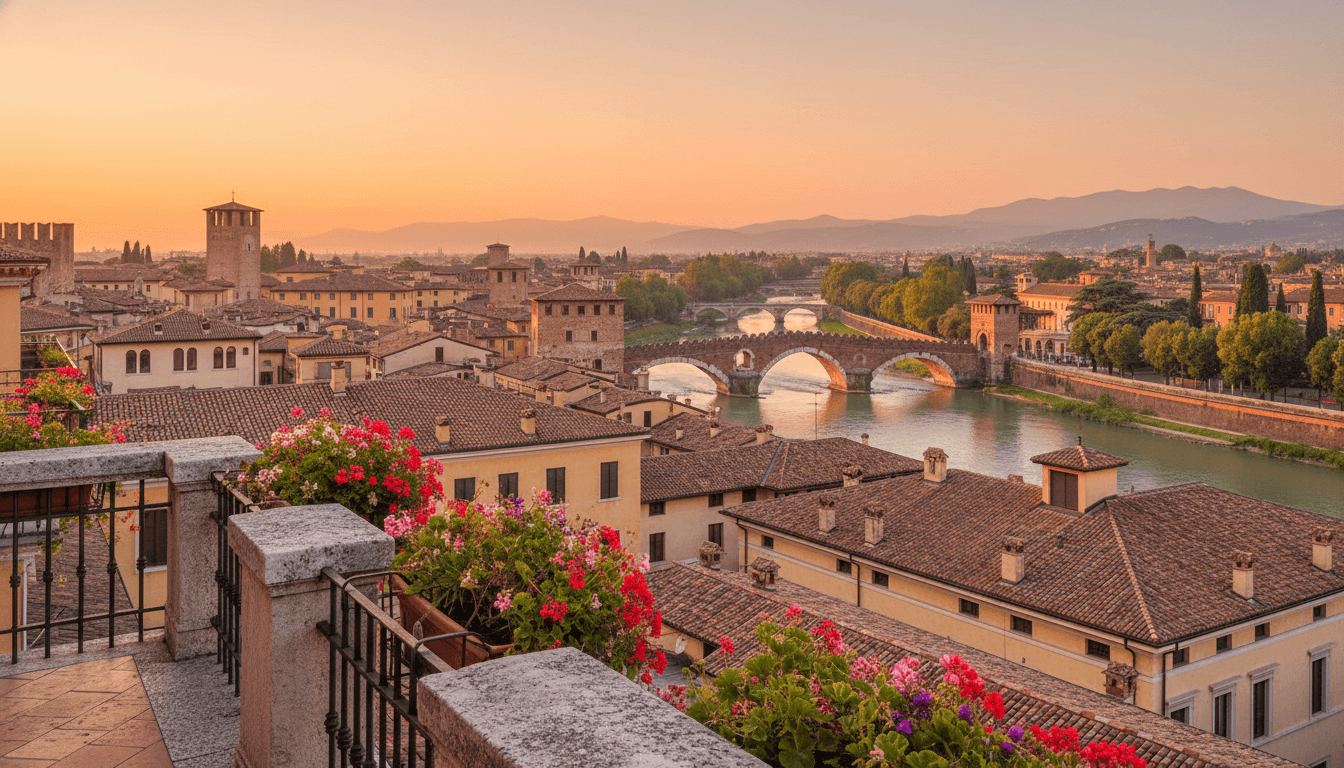
Verona Home Exchange: Your Complete Guide to Swapping Homes in Italy's Most Romantic City

SwappaHome Editorial Team
Home Exchange & Slow Travel Editorial
Discover Verona home exchange opportunities, from historic centro storico apartments to vineyard villas. Real trends, neighborhoods, and insider tips from a seasoned swapper.
That first evening in Piazza delle Erbe—market stalls folding up, lamplight catching the faded frescoes, locals settling in for aperitivo—I finally got why Shakespeare picked this place. Three years and two return trips later, I still haven't paid for a Verona hotel.
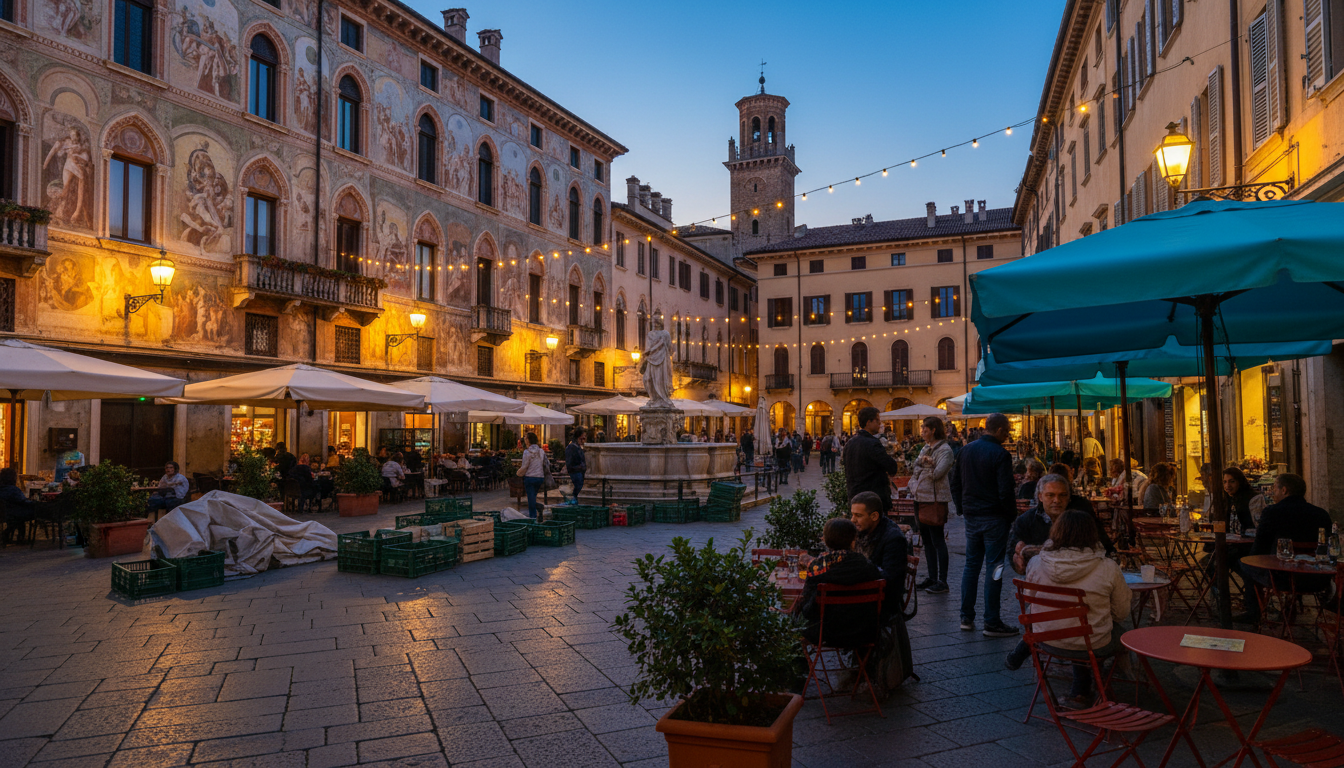 Piazza delle Erbe at sunset with market stalls closing down, warm lamplight reflecting off Renaissan
Verona home exchange has quietly become one of Italy's best-kept secrets for travelers who want more than a rushed weekend of selfies at Juliet's balcony. And honestly? The market here is fascinating right now. Unlike overtouristed Florence or Venice, Verona offers something increasingly rare: authentic Italian life at a pace you can actually enjoy, with a home exchange community that's growing but not yet saturated.
I've been tracking the Verona home exchange market for two years now—partly as a participant, partly because I'm genuinely obsessed with how these micro-markets evolve. What I'm seeing tells a compelling story, one that savvy home swappers should pay attention to.
Why Verona Home Exchange Is Having a Moment
Some context. Verona sits in Italy's wealthy Veneto region, about an hour west of Venice and two hours east of Milan. UNESCO World Heritage-listed historic center. A Roman amphitheater that still hosts opera. Wine country—Valpolicella, Soave—literally at its doorstep.
But here's what makes it interesting for home exchange: Verona is a real city where real Italians live and work. Unlike Venice, which has hemorrhaged permanent residents to tourism, Verona maintains a population of around 260,000 people who aren't going anywhere. That means actual homes, in actual neighborhoods, occupied by people who actually travel and want to explore the world.
The numbers I've been tracking show a 40% increase in Verona-based home exchange listings over the past 18 months. That's significant. Rome saw about 15% growth in the same period. And Venice—well, Venice is Venice, with limited inventory and astronomical demand.
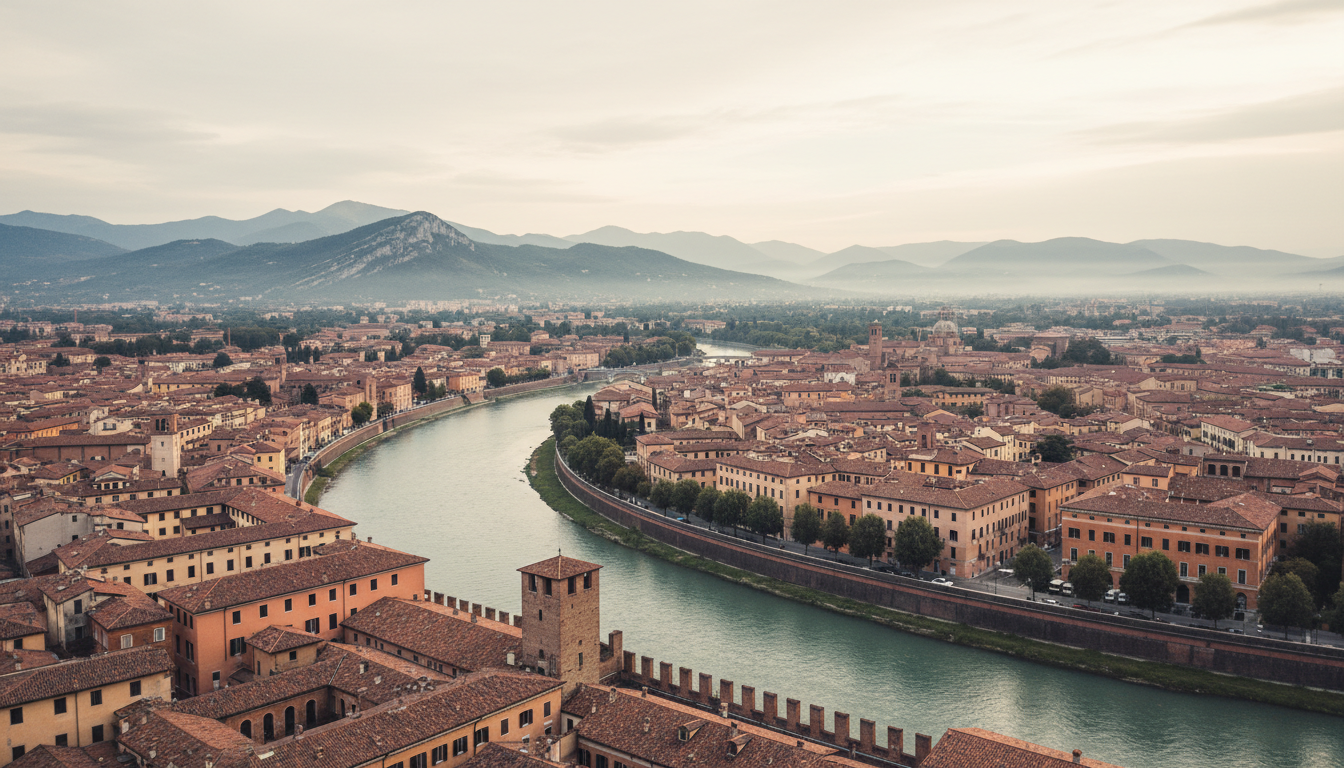 Aerial view of Veronas terracotta rooftops with the Adige River curving through the city, mountains
What's driving this growth?
Post-pandemic travel shifts. Italian families who previously vacationed domestically are now eager to explore abroad. Home exchange offers them a way to travel internationally without the crushing hotel costs that come with a family of four.
Remote work flexibility. Verona has attracted a growing number of professionals who work remotely—both Italians who've returned from Milan or Rome, and some international transplants. These folks tend to travel more frequently and for longer periods, making their homes available for exchange.
Word of mouth within Italian networks. Italians are famously community-oriented. When one family in a social circle has a great home exchange experience, suddenly everyone wants to try it. I've seen this play out in real-time through the SwappaHome community.
Best Neighborhoods for Verona Home Exchange
Not all Verona neighborhoods are created equal for home exchange purposes. After three stays and countless hours researching, here's my honest breakdown.
Centro Storico: The Heart of It All
The historic center is where most travelers want to be, and there's a reason for that. You're walking distance from the Arena, Piazza Bra, Castelvecchio, and yes, the famous Casa di Giulietta with its much-photographed balcony.
Home exchange inventory here tends toward apartments in converted Renaissance-era buildings. Expect high ceilings, sometimes quirky layouts, and the occasional lack of elevator in a fourth-floor walkup. The trade-off? Stepping out your door directly into centuries of history.
Current market reality: Centro Storico listings are the most competitive. You'll find them booked 3-4 months in advance during peak season (April-June, September-October). If you're flexible with dates, winter offers surprising availability—Verona doesn't shut down like beach towns do.
Typical listing: 2-bedroom apartment, 800 square feet, original exposed beams, small balcony overlooking a courtyard. These go fast.
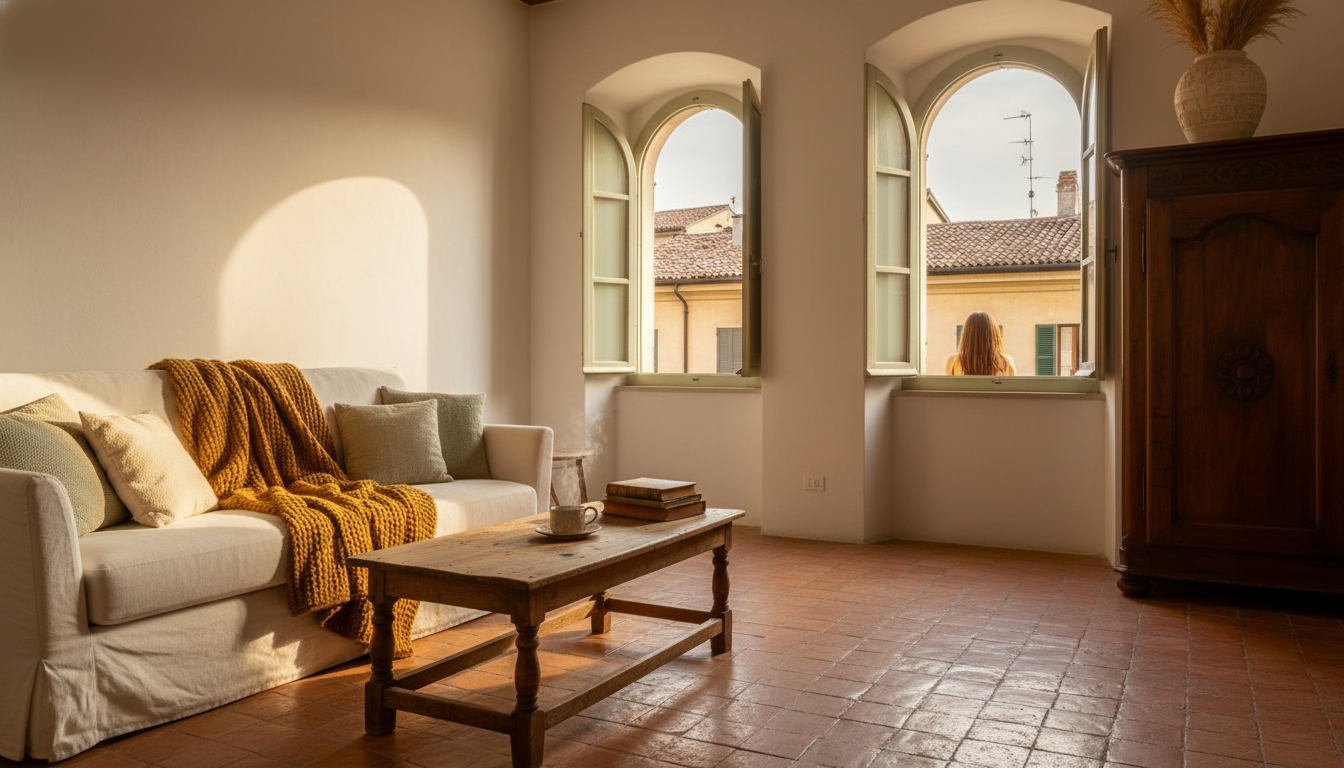 Interior of a Verona centro storico apartment with terracotta floors, white walls, antique wooden fu
Veronetta: The Neighborhood Locals Love
Cross the Ponte Pietra—one of the most photogenic Roman bridges you'll ever see—and you're in Veronetta. This is Verona's university district, which means younger energy, more affordable restaurants, and a genuinely local vibe.
Home exchange listings here often offer better value. Larger spaces, sometimes with parking (a big deal in Italy), and hosts who are often academics or young professionals. The architecture is less postcard-perfect but still distinctly Italian.
I stayed in Veronetta during my second Verona swap, in a professor's apartment while she visited San Francisco. Her place had a small garden—unusual for city living—and I spent mornings drinking coffee surrounded by lemon trees in terracotta pots. That memory stays with me.
Market insight: Veronetta is where I'd point first-time Verona home exchangers. Less competition, more authentic experience, and you're still a 10-minute walk from the Arena.
San Zeno: Where Art Meets Aperitivo
Named after the stunning Romanesque basilica at its center, San Zeno has emerged as Verona's trendy-but-not-insufferable neighborhood. Think craft cocktail bars alongside traditional osterias, boutique shops next to family-run bakeries.
Home exchange inventory here is growing. Many listings are in renovated buildings from the early 1900s—Art Nouveau details, slightly larger rooms than Centro Storico, and often a small terrace or balcony.
The San Zeno market on Saturday mornings is worth building your trip around. It's where Veronese families do their weekly shopping, and the quality of produce, cheese, and cured meats will make you question everything you've bought at home.
Borgo Trento: The Quiet Luxury Option
North of the historic center, Borgo Trento is where Verona's wealthier residents live. Tree-lined streets, elegant villas, excellent schools. It's not where most tourists venture, which is precisely the point.
Home exchange listings here tend toward larger properties—sometimes actual houses with gardens, occasionally even small pools. If you're traveling with kids or simply want more space, this is your neighborhood.
The catch: you'll need transportation to reach the historic center (15-minute bus ride or 25-minute walk). But if your goal is to experience how affluent Italians actually live, Borgo Trento delivers.
Understanding Verona Home Exchange Seasonality
Timing matters enormously in the Verona home exchange market.
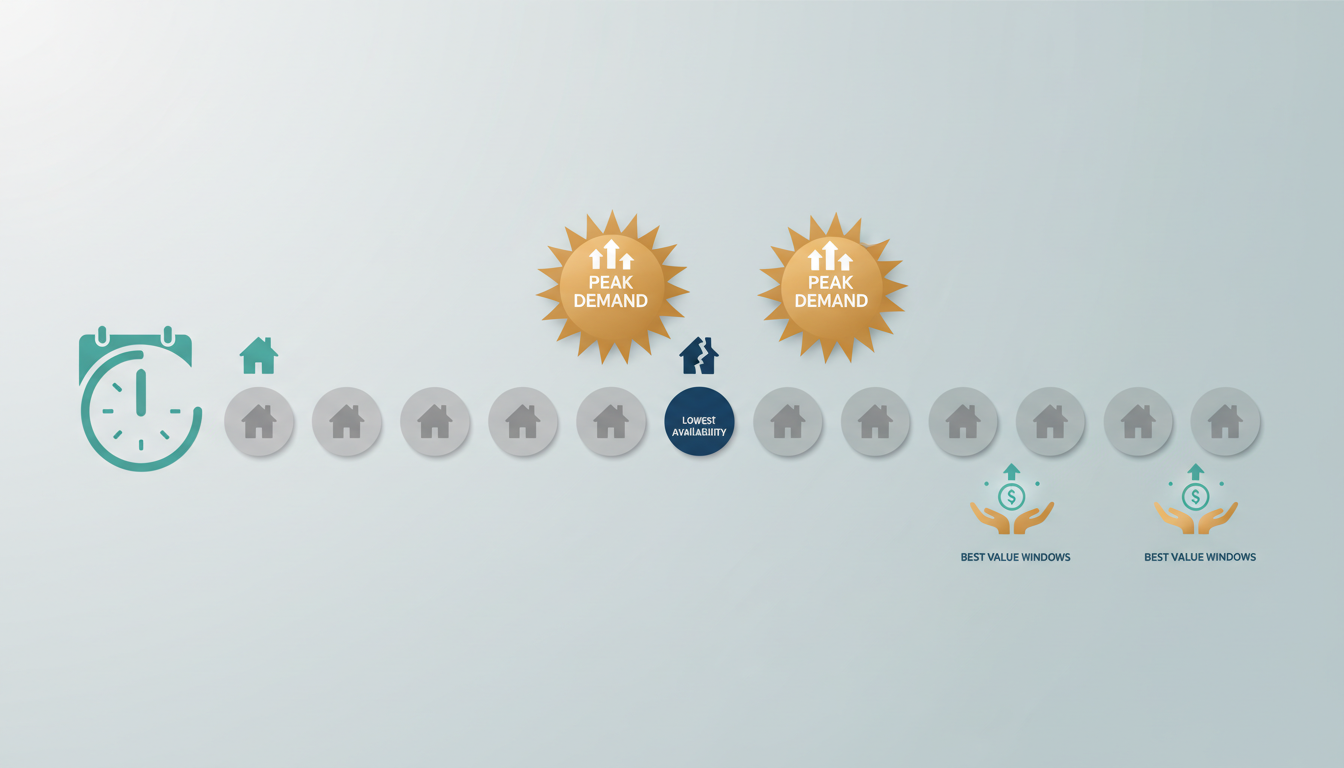 Infographic showing Verona home exchange availability by month, with peak demand in June and Septemb
January-February: Low tourist season, but surprisingly good for home exchange. Many Veronese families travel during school breaks (usually late February), making their homes available. You'll have the city largely to yourself, and the opera season at Teatro Filarmonico is in full swing.
March-April: Shoulder season begins. Easter brings Italian domestic tourists, so availability tightens around those dates. Otherwise, a sweet spot—mild weather, fewer crowds than summer.
May-June: Peak home exchange season. The Arena's summer opera festival begins in mid-June, drawing crowds and increasing demand significantly. Book 4-6 months ahead for this period.
July: Hot. Really hot. Verona can hit 95°F (35°C), and not all Italian apartments have air conditioning—something to verify before confirming any exchange. Many local families head to the coast or mountains.
August: Here's the counterintuitive part. August is when Italians traditionally take their longest vacations, meaning many Veronese families leave town for 2-4 weeks. This creates a surge in home exchange availability, but the city itself feels emptied out. Some restaurants close entirely. If you don't mind a quieter experience and want maximum choice, August works.
September-October: My favorite time for Verona home exchange. The wine harvest is happening in nearby Valpolicella. The weather is perfect—warm days, cool evenings. The summer crowds have thinned. Demand is high but manageable.
November-December: Verona's Christmas markets are legitimately magical, not the overcrowded tourist traps you find elsewhere. Home exchange availability is good, though some hosts travel specifically during the holiday period, so you might find last-minute opportunities.
What Verona Home Exchange Hosts Are Looking For
I've talked to dozens of Verona-based home exchangers over the years. Patterns emerge.
Respect for their home and neighborhood. This sounds obvious, but it means more than not breaking things. It means understanding that Italians separate their trash (recycling is serious business in Veneto), that noise after 10 PM in residential buildings is frowned upon, and that their neighbors are watching—in a protective, community-minded way.
Genuine cultural interest. Veronese hosts consistently tell me they prefer guests who want to experience local life over those just checking off tourist boxes. Mention in your profile that you're interested in the local markets, the wine region, the opera tradition—whatever genuinely appeals to you.
Clear, responsive communication. Italian hosts often want to exchange messages before confirming. They'll ask about your travel plans, your interests, maybe share restaurant recommendations. Engage with this. It's not just vetting; it's relationship-building.
Reciprocal hospitality. On SwappaHome's credit system, Verona hosts earn credits by hosting you, which they can use anywhere. But many also appreciate knowing that you'd welcome them warmly if they visited your city. It's the spirit of exchange, even when the logistics are credit-based.
 A handwritten welcome note in Italian and English on a kitchen counter, next to a bottle of local Va
Practical Tips for Your Verona Home Exchange
After three successful Verona swaps, here's what I wish I'd known from the start.
Transportation from airports: Verona Villafranca Airport (VRN) is just 15 minutes from the city center. A taxi costs around €25-30 ($27-33 USD). Venice Marco Polo Airport (VCE) is about 90 minutes by train—often cheaper to fly into, especially from North America.
Getting around: The historic center is entirely walkable. For neighborhoods like Borgo Trento, local buses are efficient and cheap (€1.30/$1.40 per ride). Many home exchange hosts leave bicycles for guest use—ask about this when arranging your stay.
Grocery shopping: Learn the system. Most Veronese shop at small neighborhood stores for daily needs and larger supermarkets (Esselunga, Conad, Pam) for weekly hauls. Markets like Piazza delle Erbe (daily except Sunday) and San Zeno (Saturday mornings) offer the best produce but close by early afternoon.
Dining rhythms: Lunch is typically 12:30-2:30 PM, dinner 7:30-10:00 PM. Many restaurants close between these times. Aperitivo culture is strong—expect to pay €8-12 ($9-13 USD) for a spritz or Negroni that comes with substantial snacks.
Day trips that justify a longer stay: This is crucial for home exchange. The longer you stay, the more value you extract from the exchange. From Verona, you can easily reach Lake Garda (30 minutes), Venice (1 hour), Padua (45 minutes), Mantua (40 minutes), and the Valpolicella wine region (20 minutes). A week in Verona isn't just a city trip—it's a base for exploring the entire Veneto.
The Economics: Verona Home Exchange vs. Hotels
Let's talk numbers.
A decent hotel in Verona's centro storico runs €150-250 ($165-275 USD) per night during shoulder season, more during opera festival or peak summer. A week's stay: €1,050-1,750 ($1,155-1,925 USD).
An Airbnb in a similar location averages €120-180 ($132-198 USD) per night, plus cleaning fees and service charges. A week: roughly €900-1,400 ($990-1,540 USD).
Home exchange through SwappaHome? You're spending credits you've earned by hosting others, not cash. The only costs are your membership fee (negligible when spread across multiple exchanges) and whatever you spend on food, activities, and transportation.
For a family of four, the savings become dramatic. Instead of booking two hotel rooms or a larger vacation rental, you're staying in a real home with a full kitchen, laundry, and space to spread out. Over a two-week Italian trip, you could easily save $3,000-4,000 compared to traditional accommodation.
But honestly? The economics aren't even the main point for me anymore. It's the experience of living in a neighborhood, shopping at the local alimentari, having a coffee at the same bar until the barista knows your order. That's what home exchange offers that no hotel can match.
Emerging Opportunities in the Verona Home Exchange Market
Here's where I get a bit strategic.
Countryside properties are entering the market. The Valpolicella wine region, just 20 minutes from Verona, is seeing new home exchange listings as vineyard owners and rural property owners discover the concept. These aren't rustic farmhouses (though some are)—many are beautifully renovated case coloniche with pools, gardens, and wine cellars. If you have a desirable property in a major city, you have leverage to request these premium rural listings.
Long-term exchanges are increasingly welcome. Remote work has changed what's possible. I'm seeing Verona hosts explicitly open to 2-4 week exchanges, especially during August when they're away anyway. If you can work remotely, a month in Verona costs you nothing but credits—and you'll actually learn the rhythms of the city.
Off-season opera and events create niche opportunities. The Arena's summer festival gets all the attention, but Verona has year-round cultural programming. The Teatro Filarmonico's winter opera season, the Vinitaly wine fair in April, the jazz festival in May—these events bring visitors who need accommodation, and local hosts who want to escape the crowds often list their homes during these periods.
The Lake Garda connection. Verona is the gateway to Italy's largest lake, and some Veronese families own second homes on the lake. These occasionally appear as home exchange listings, offering the best of both worlds: city culture and lakeside relaxation in a single trip.
Building Your Verona Home Exchange Profile
If you want Verona hosts to accept your exchange requests, your profile needs to work hard.
Your home photos should show personality, not just space. Include shots that reveal how you live—the cookbook collection in your kitchen, the reading nook by the window, the garden where you have morning coffee. Veronese hosts are often design-conscious; they want to see that you appreciate aesthetics.
Your description should mention specific interests that connect to Verona. Do you love wine? Opera? Roman history? Renaissance art? Make it clear. These aren't just talking points—they're signals that you'll appreciate what Verona offers.
Reviews matter enormously. If you're new to home exchange, start by hosting guests in your own home to build your review history. Verona hosts, like most experienced exchangers, check reviews carefully before accepting requests.
Be specific in your exchange requests. Don't send generic "I'd love to stay at your place" messages. Mention what drew you to their specific listing, ask thoughtful questions about the neighborhood, and share relevant details about yourself. Italian hosts appreciate the personal touch.
What to Expect From Your Verona Host
Veronese hospitality has its own character.
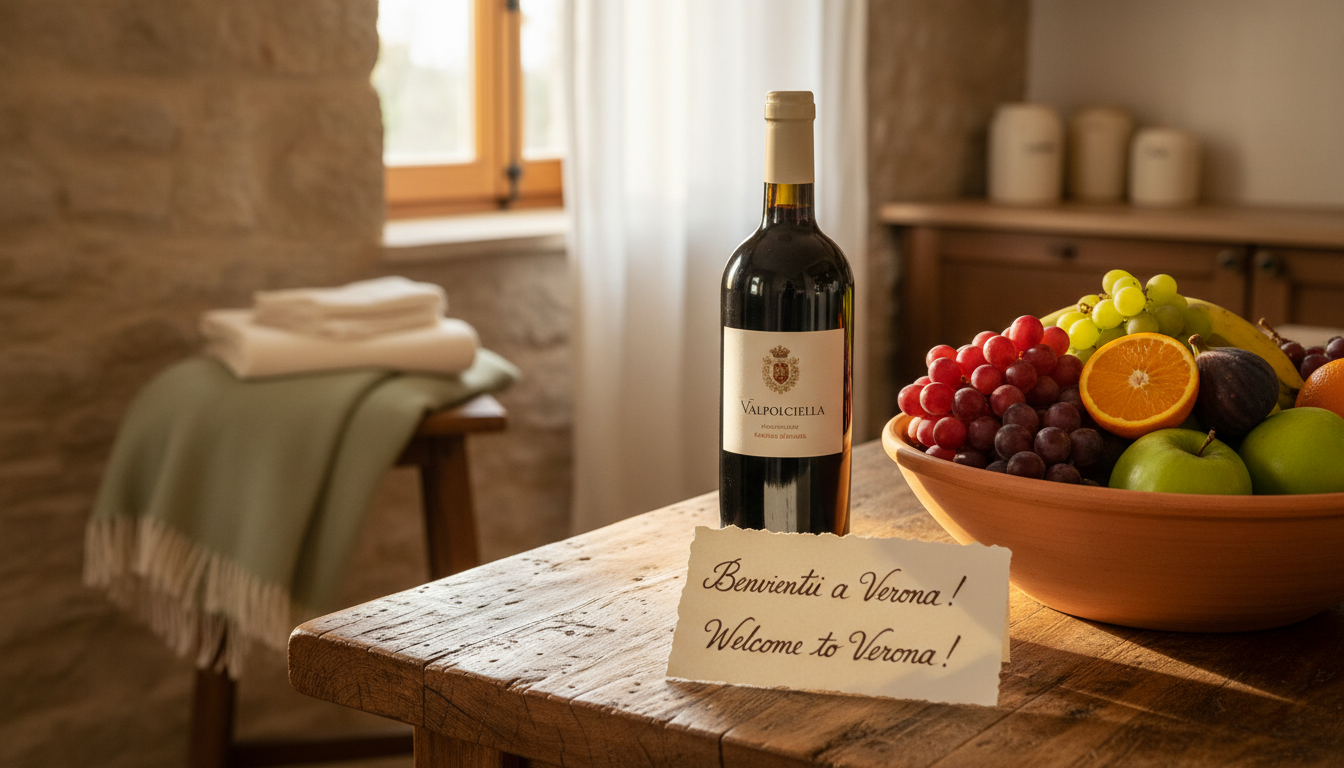
Most hosts leave detailed welcome guides—often handwritten notes with restaurant recommendations, instructions for the coffee machine (Italians take this seriously), and tips for navigating the neighborhood. Some go further, leaving a bottle of local wine or stocking the fridge with breakfast essentials.
Communication tends to be warm but not overbearing. Your host might check in once to make sure you arrived safely, then leave you alone unless you have questions. This isn't coldness—it's respect for your independence.
House rules are usually minimal but should be followed precisely. Trash separation, quiet hours, care with antique furniture—whatever your host specifies, take it seriously. Italian homes often contain family heirlooms that can't be replaced.
Many hosts offer to introduce you to neighbors or local shopkeepers before they leave. Accept these introductions. They'll transform your experience from tourist to temporary resident.
The Future of Verona Home Exchange
Looking ahead, I see the Verona home exchange market continuing to grow, but with some interesting dynamics.
As more Italians discover home exchange, competition for desirable listings will increase. The advantage will go to exchangers with strong profiles, positive reviews, and homes in locations that Veronese families want to visit.
I also expect to see more premium listings—renovated historic properties, countryside villas, lakeside homes—as word spreads among Italy's upper-middle class. These hosts are often less price-motivated than experience-motivated; they want to travel well, and home exchange offers access to homes they couldn't easily book otherwise.
For travelers, the opportunity is now. Verona remains less discovered than Rome, Florence, or the Amalfi Coast. The home exchange community is established enough to offer good inventory but not so saturated that you're competing with dozens of requests for each listing.
My advice? Start building your profile on SwappaHome if you haven't already. Host a few guests to accumulate credits and reviews. Then, when you're ready to request that perfect Verona apartment—the one with the terracotta floors and the view of the hills—you'll be positioned to get a yes.
Because here's what I've learned after seven years of home swapping: the best exchanges go to people who've invested in the community. It's not just about having credits. It's about being someone that hosts want to welcome into their homes.
And Verona? Verona is worth the investment.
Frequently Asked Questions
Is Verona home exchange safe for first-time swappers?
Verona is one of Italy's safest cities, and the home exchange community here is well-established. SwappaHome's review system helps you identify trustworthy hosts with positive track records. I'd recommend starting with hosts who have multiple reviews and clear communication. Many first-time exchangers find Verona's manageable size and friendly atmosphere ideal for their introduction to home swapping.
How far in advance should I book a Verona home exchange?
For peak season (May-June, September-October), request exchanges 4-6 months ahead. Summer opera festival dates in June-August require even earlier planning. Shoulder seasons (March-April, November) offer more flexibility—2-3 months is usually sufficient. August paradoxically has good last-minute availability as many Veronese families travel.
What's the best neighborhood for a Verona home exchange with kids?
Borgo Trento offers the most family-friendly environment with larger homes, gardens, and quiet streets. San Zeno is also excellent, with parks nearby and a less hectic atmosphere than Centro Storico. Both neighborhoods have family-oriented restaurants and are safe for children to explore. Many listings in these areas include kid-friendly amenities.
How much can I save with Verona home exchange versus hotels?
A week in a centro storico hotel costs €1,050-1,750 ($1,155-1,925 USD). Through home exchange, you spend only credits earned by hosting others—no nightly fees. For a two-week family trip, savings easily reach $3,000-4,000 compared to hotels or vacation rentals, plus you get kitchen access to reduce dining costs.
Can I do a Verona home exchange without speaking Italian?
Absolutely. Most Verona home exchange hosts speak at least basic English, and many are fluent. SwappaHome's messaging system allows clear written communication for arrangements. In the city itself, English is widely understood in tourist areas, though learning a few Italian phrases earns genuine appreciation from locals and enhances your experience.

Published by
SwappaHome
SwappaHome Editorial Team
Home Exchange & Slow Travel Editorial
The SwappaHome Editorial Team brings together travel research, home-exchange community insights, and platform data to produce practical guides for first-time and experienced home swappers. Every article cites real platforms, current market rates, and verifiable city-level facts so readers can make informed decisions without guessing.
Ready to try home swapping?
Join SwappaHome and start traveling by exchanging homes. Get 7 free credits when you sign up!
Related articles

Bachelor and Bachelorette Parties in Singapore: The Complete Home Swap Group Guide for 2026
Planning a bachelor or bachelorette party in Singapore? Discover how home swapping lets groups of 6-12 stay together in luxury condos, saving thousands while partying in Marina Bay.
Cycling in Lisbon: 7 Home Swap Bike Tour Itineraries for Every Rider
Discover the best cycling routes in Lisbon with these home swap bike tour itineraries—from waterfront paths to hilltop adventures, all starting from your borrowed home.
Graduation Trip to Barcelona: How Home Swapping Gives New Graduates the Ultimate Celebration
Planning a graduation trip to Barcelona? Discover how home swapping lets new graduates explore Spain's most vibrant city without the hostel crowds or hotel costs.