Work from Lucerne: The Complete Home Swapping Guide for Digital Nomads
Maya Chen
Travel Writer & Home Exchange Expert
Discover how to work from Lucerne through home swapping—WiFi speeds, coworking spots, neighborhoods, and why this Swiss lakeside city is a digital nomad dream.
I wasn't supposed to stay in Lucerne for three weeks.
The original plan? Four days. Just enough time to see the Chapel Bridge, snap the obligatory Mount Pilatus photos, and move on to wherever the algorithm told me to go next. But then I walked into my home swap apartment in the Altstadt, opened my laptop on a desk overlooking the Reuss River, and realized I'd accidentally stumbled into the perfect remote work setup.
That was two years ago. I've since returned twice, and I'm already planning my fourth work-from-Lucerne stint for next spring.
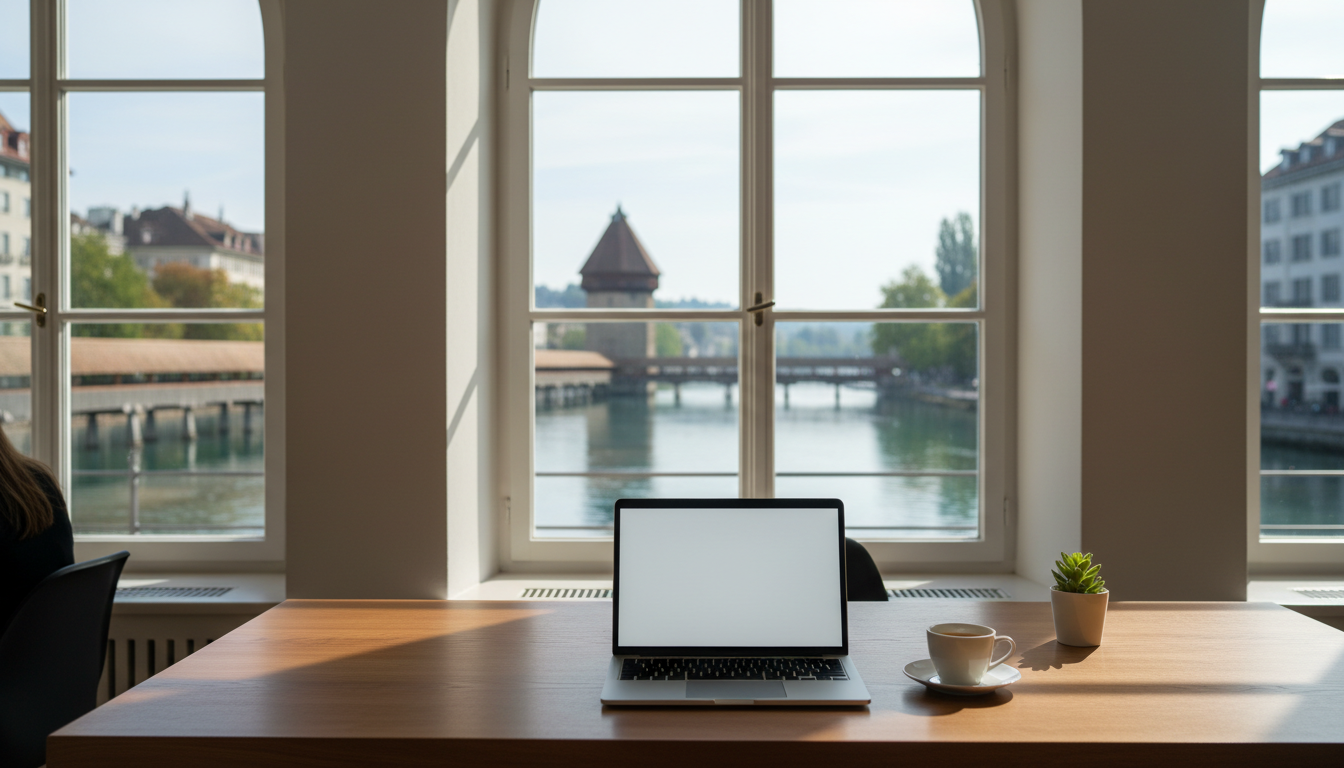 morning light streaming through tall windows onto a wooden desk with laptop, coffee cup, and view of
Here's the thing about working remotely from Switzerland: everyone assumes it's prohibitively expensive. And yes—if you're booking hotels or short-term rentals, you'll burn through your budget faster than your laptop battery at a café without outlets. But home swapping changes the equation entirely. When your accommodation costs zero dollars (just credits you've earned by hosting travelers in your own place), suddenly working from Lucerne becomes not just possible, but genuinely smart.
This guide is everything I wish I'd known before that first accidental extended stay. The neighborhoods where digital nomads actually thrive. The WiFi situation (spoiler: it's excellent). The coworking spaces that don't feel like fluorescent-lit prisons. And exactly how to find a home swap that supports your work-from-anywhere lifestyle.
Why Lucerne Works for Remote Workers (When Other Swiss Cities Don't)
Zurich is too corporate. Geneva feels like it's trying too hard. Bern is lovely but sleepy.
Lucerne hits this weird sweet spot I've struggled to find elsewhere in Switzerland—cosmopolitan enough to have reliable infrastructure and international food options, but small enough that you can walk everywhere and actually feel like you're living somewhere, not just existing in a tourist bubble.
The population hovers around 82,000, which means you'll start recognizing faces at your regular coffee shop within a week. I can't overstate how much this matters when you're working remotely. The loneliness of digital nomad life is real, and cities that let you build micro-routines and tiny connections make an enormous difference to your mental health—and honestly, your productivity.
Then there's the practical stuff. Switzerland has some of the fastest internet in Europe. The average home connection runs around 200 Mbps, and I've consistently hit 150+ in every Lucerne home swap I've done. Video calls don't buffer. Large file uploads don't make you want to throw your laptop into the lake. The infrastructure just works.
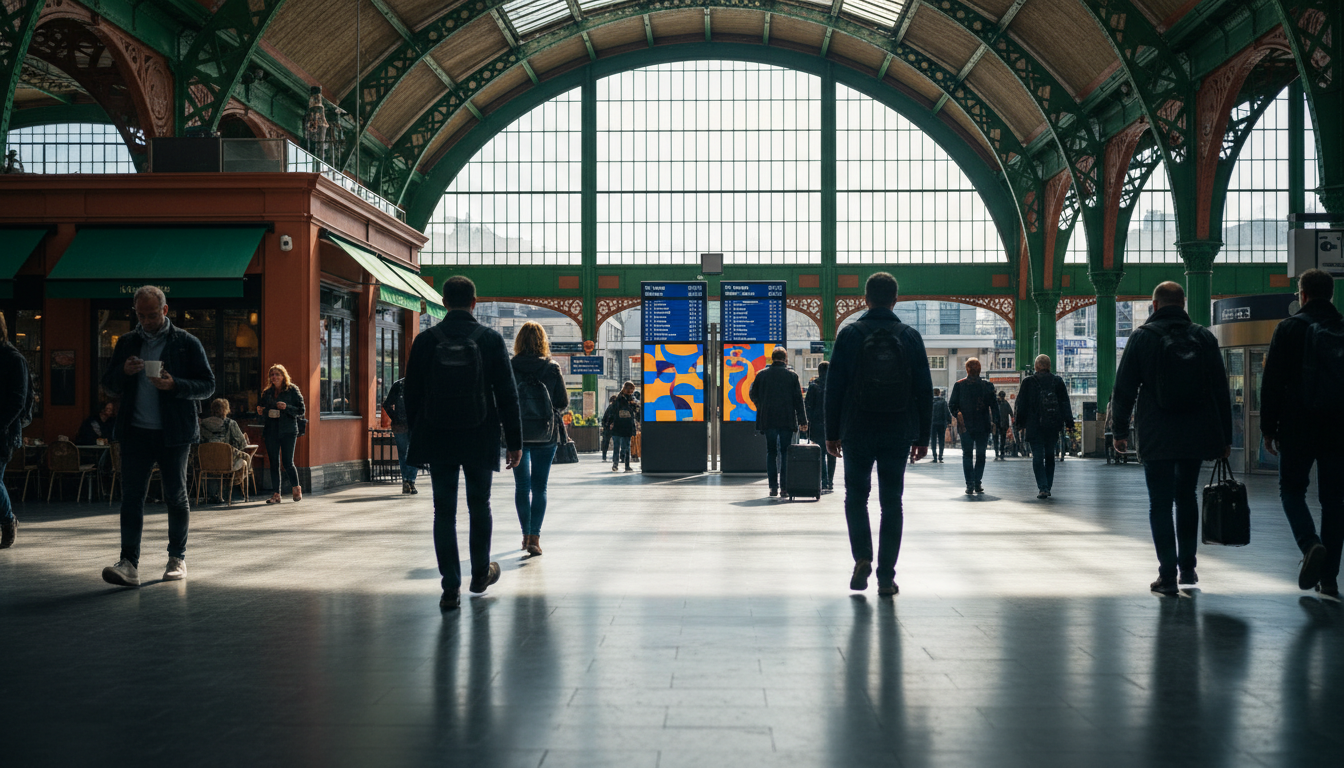 Lucernes train station interior with digital departure boards, morning commuters, and natural light
Public transport is absurdly punctual—trains arrive within seconds of their scheduled time, which sounds like an exaggeration until you experience it. This matters because even though Lucerne is walkable, you'll want to explore the surrounding mountains on weekends. Knowing you can catch a 7:42 train and actually catch it at 7:42 removes a layer of stress from your life.
The timezone is another underrated advantage. Central European Time puts you at +6 hours from New York and -8 from Singapore, creating workable overlap windows with both American and Asian clients. I've managed calls with San Francisco at 6 PM my time and Singapore at 8 AM—not ideal, but doable without destroying your sleep schedule.
Best Neighborhoods in Lucerne for Digital Nomad Home Swaps
Not all Lucerne neighborhoods are created equal when you're planning to work here for an extended period. Here's where to focus your home swap search:
Altstadt (Old Town): The Classic Choice
This is where I stayed on that first accidental three-week visit, and I get why it's popular. The medieval architecture is genuinely stunning—not in a theme-park way, but in a "people have lived here for 800 years" way that adds weight to your daily walks. Cafés line every cobblestone street, and most have outdoor seating where you can work when the weather cooperates (roughly May through September).
The downside? It's touristy, especially near the Chapel Bridge. If you're noise-sensitive during work hours, look for apartments on quieter streets like Hertensteinstrasse or near St. Leodegar church. Rent here through traditional channels runs CHF 2,200-3,000/month ($2,450-$3,340 USD) for a one-bedroom—which is why home swapping makes so much sense.
Tribschen: The Local's Secret
South of the city center, along the lake, Tribschen feels like a completely different place. This is where Richard Wagner lived while composing some of his most famous works (his former home is now a museum), and the neighborhood retains that artistic, slightly bohemian energy.
The waterfront promenade is perfect for morning runs or evening decompression walks. There's a small grocery store, a few restaurants, and enough going on that you don't feel isolated—but it's calm in a way that supports deep work. Honestly? I did my most productive writing sprint ever during a two-week Tribschen swap.
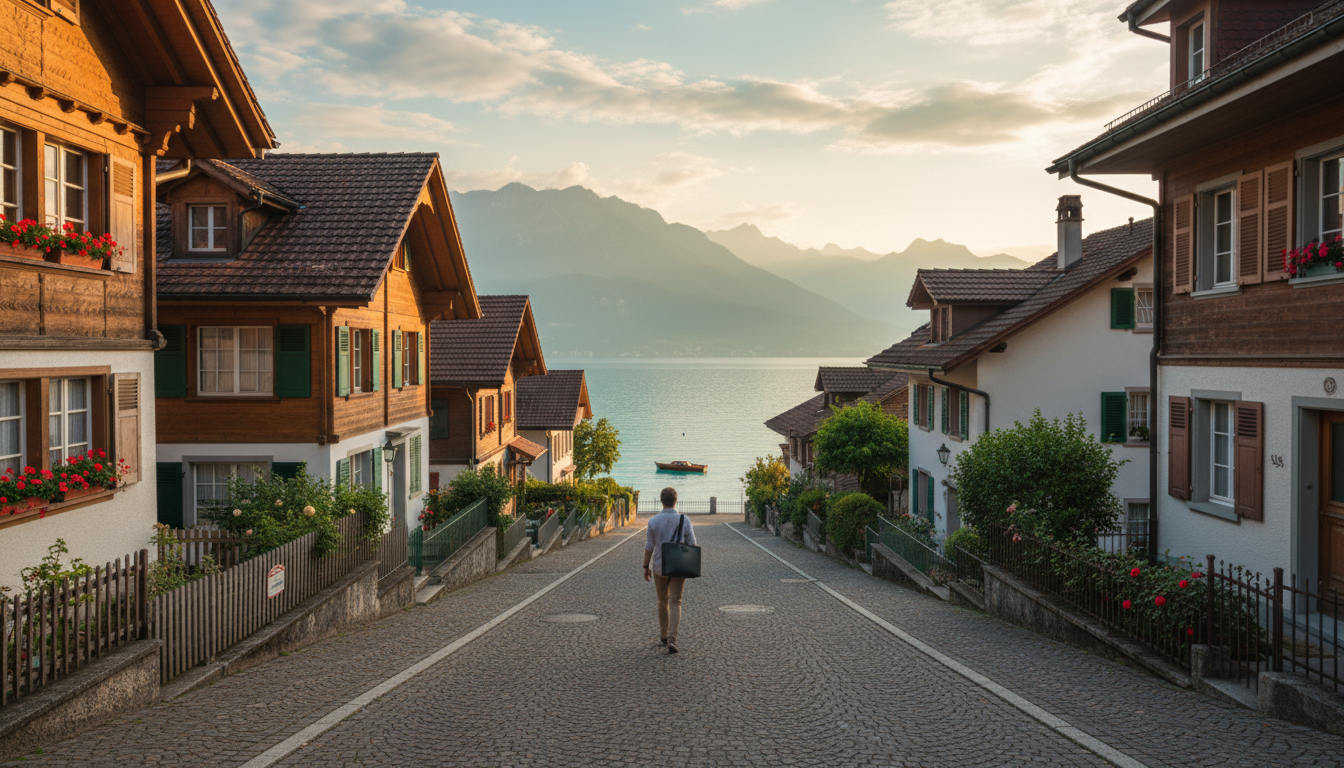 quiet residential street in Tribschen with traditional Swiss houses, lake visible at the end of the
Hirschmatt-Neustadt: Best for Coworking Access
If you know you'll need regular coworking space access, Hirschmatt-Neustadt puts you within walking distance of most options. This neighborhood sits just west of the train station and has a younger, more urban vibe. The apartment buildings tend to be newer, which often means better WiFi infrastructure and modern kitchens (important when you're trying to save money by cooking at home).
The area around Pilatusstrasse has excellent coffee shops with laptop-friendly setups. Pricing for traditional rentals here is slightly lower than Altstadt—around CHF 1,800-2,400/month ($2,000-$2,670 USD)—making it popular with young professionals. That, in turn, means more potential home swap listings.
Würzenbach: For Nature-Focused Remote Workers
I'll be honest—Würzenbach is far. Like, 20-minute bus ride far.
But if your remote work style involves morning hikes before logging on, or if you need serious quiet to concentrate, this hillside neighborhood delivers. The views of the lake and mountains are the kind that make you pause mid-email just to stare. Home swaps here tend to be houses rather than apartments, often with gardens. If you're traveling with a partner who also works remotely, having separate spaces to take calls without interrupting each other is worth the commute.
Finding the Right Lucerne Home Swap for Remote Work
Not every home swap works when you're planning to actually work from Lucerne. Here's what to prioritize in your search:
Dedicated workspace is non-negotiable. A proper desk and chair matter more than a stunning view. When browsing SwappaHome listings, look for photos that show the workspace setup, not just the living room and bedroom. If it's not pictured, message the host directly and ask for a photo of where you'd actually sit to work.
Internet speed documentation separates good hosts from great ones. Good hosts include their WiFi speed in their listing. Great hosts have run a speed test and posted the results. If neither is available, ask before confirming the swap. You need a minimum of 25 Mbps for reliable video calls, but honestly, aim for 50+ if you're doing anything involving large files or screen sharing.
Natural light sounds superficial, but after working from dozens of home swaps, I can tell you that dark apartments destroy your energy levels within days. Switzerland gets limited daylight in winter (sunset around 4:30 PM in December), so maximizing natural light during work hours becomes crucial. Look for south-facing windows or listings that specifically mention brightness.
Quiet hours compatibility matters more than you'd think. Swiss apartments often have strict quiet hours—typically 10 PM to 7 AM, plus Sunday afternoons. If you have calls with Australian clients at 11 PM your time, you need to know this upfront. Some buildings are stricter than others, so ask your swap partner about the noise expectations.
 well-lit home office corner in a Lucerne apartment with ergonomic chair, external monitor, and small
On SwappaHome, you can filter listings by amenities, but I also recommend searching the description text for keywords like "home office," "remote work," or "workspace." Hosts who mention these terms tend to understand what digital nomads need because they're often remote workers themselves.
Coworking Spaces in Lucerne: Your Backup Plan
Even with a perfect home swap setup, you'll want coworking options. Sometimes you need a change of scenery to break through a creative block. Sometimes your swap's WiFi goes down for maintenance. Sometimes you just want to be around other humans who are also staring at screens.
Urbanfish
This is my go-to. Located near the train station on Pilatusstrasse, Urbanfish has a mix of hot desks and dedicated spaces. Day passes run CHF 45 ($50 USD), or you can grab a 10-day punch card for CHF 350 ($390 USD) if you're staying longer. The coffee is included and actually good—not an afterthought. The vibe skews creative, with a lot of designers and marketing folks.
Büro Lokal
Smaller and quieter than Urbanfish, Büro Lokal works better if you need to focus without background chatter. They're in Tribschen, which makes them convenient if you're swapping in that neighborhood. Pricing is similar—around CHF 40/day ($45 USD)—but they have better meeting room availability if you need to take client calls in a professional setting.
Impact Hub Zentralschweiz
Technically this is in Zug, about 25 minutes by train, but it's worth mentioning because it's part of the global Impact Hub network. If you already have a membership from another city, you can use your credits here. The space is larger and more corporate than Lucerne's options, but the networking events can be valuable if you're looking to connect with the Swiss startup scene.
Café Working (The Free Alternative)
Look, sometimes you don't want to pay for a coworking space. I get it.
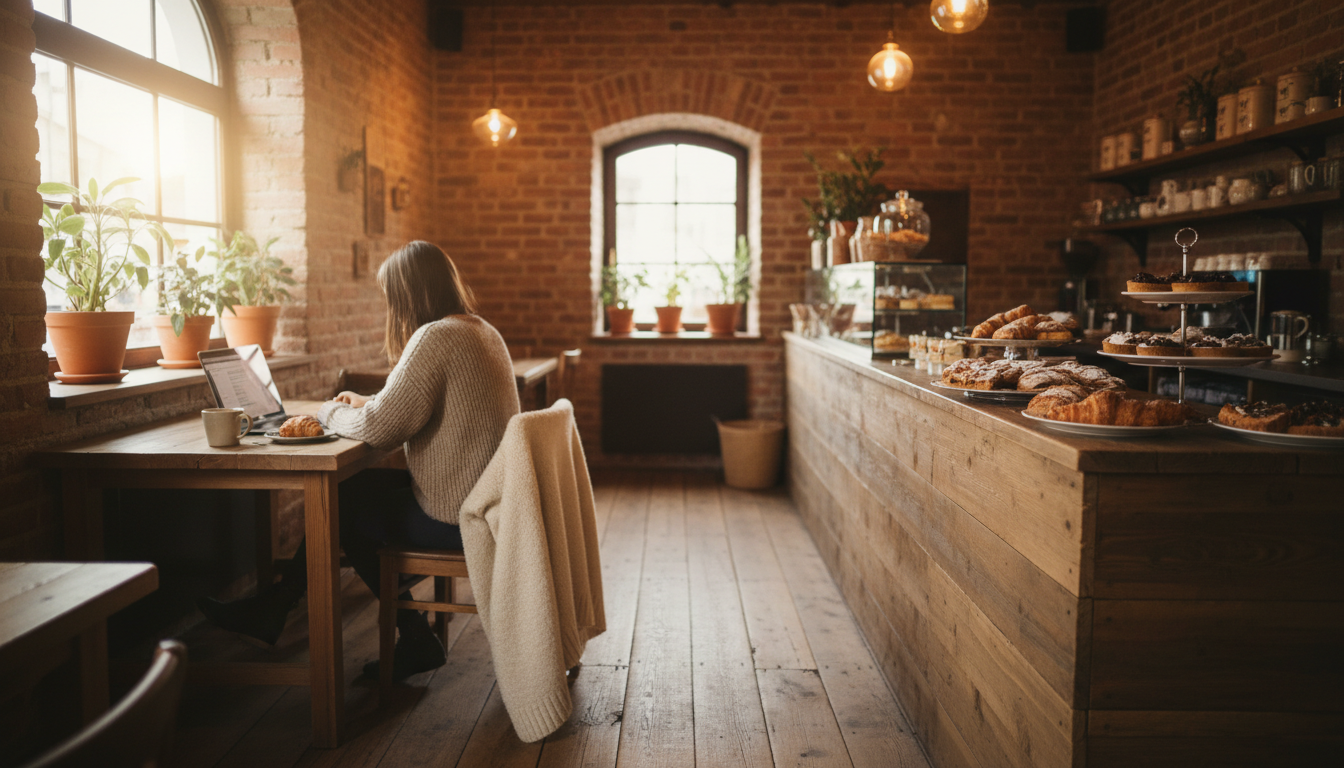
Here are the cafés where I've successfully worked without getting dirty looks: Mill'Feuille on Hertensteinstrasse has large tables, outlets at most seats, and staff who genuinely don't care if you camp out for four hours. Their quiche is excellent. Café de Ville near the Spreuerbrücke has slower WiFi but incredible people-watching when you need a mental break. Backerei Brot in Hirschmatt-Neustadt opens at 6:30 AM if you're an early worker, and their pastries will ruin you for all other pastries.
 interior of a cozy Lucerne caf with exposed brick, wooden tables, person working on laptop near wind
The Cost Reality: Work from Lucerne on a Budget
Let's talk numbers, because I know this is what you're really wondering about.
Switzerland is expensive. There's no way around it. But here's how the math actually works when you're home swapping:
Accommodation: CHF 0 (through SwappaHome credits)
Food: CHF 400-600/month ($445-$670 USD) if you cook most meals. Groceries at Migros or Coop run about 20-30% more than US prices. A basic lunch at a café costs CHF 18-25 ($20-28 USD). Dinner at a mid-range restaurant runs CHF 35-50 ($39-56 USD).
Transport: CHF 80/month ($89 USD) for a monthly public transit pass covering Lucerne city. Add CHF 200-300 ($223-334 USD) if you want a Half Fare Card for discounted train travel around Switzerland.
Coworking (optional): CHF 0-350/month ($0-390 USD) depending on how often you use it.
Coffee shop working: CHF 100-150/month ($111-167 USD) if you're buying drinks and snacks to earn your seat.
Total monthly cost: CHF 580-1,100 ($645-$1,225 USD)
Compare that to hotel costs—even budget hotels in Lucerne run CHF 150-200/night ($167-223 USD)—and the home swap approach saves you roughly CHF 4,500-6,000 ($5,000-6,680 USD) per month. That's not a rounding error. That's the difference between sustainable long-term travel and burning through your savings.
Practical Tips for Your Lucerne Remote Work Stint
After multiple extended stays, here's what I wish someone had told me:
Bring a power adapter and a power strip. Swiss outlets use Type J plugs, which are different from both European Type C and American plugs. The adapter is essential; the power strip means you can charge multiple devices from one adapter.
Set up a Swiss phone number. Swisscom and Sunrise both offer prepaid SIMs for around CHF 20 ($22 USD) with decent data. This matters for two-factor authentication on Swiss services and for local delivery notifications. You can grab one at the train station on arrival.
Learn the garbage rules. I'm serious. Swiss waste disposal is complicated and strictly enforced. You need special taxed bags for regular trash (available at grocery stores), separate bins for paper, glass, and metal, and specific drop-off days for organic waste. Your swap host should explain this, but if they don't, ask. Getting it wrong can result in fines.
Embrace Sunday closures. Almost everything is closed on Sundays. This feels annoying at first, then liberating. Use Sundays for hikes, cooking elaborate meals with groceries you bought Saturday, or finally tackling that personal project you've been avoiding.
Join the local Facebook groups. "Expats in Lucerne" and "Digital Nomads Switzerland" are both active and helpful for everything from finding English-speaking doctors to organizing weekend hiking groups. The digital nomad community in Lucerne is smaller than in Lisbon or Bali, which actually makes it easier to form genuine connections.
Don't underestimate the weather impact on productivity. Lucerne can be gray and rainy, especially in November and March. If you're sensitive to seasonal changes, consider timing your swap for May-September or investing in a light therapy lamp. I learned this the hard way during a foggy February that had me questioning all my life choices.
Making Your Home Swap Request Stand Out
Lucerne is popular. Home swap listings in desirable neighborhoods get multiple requests. Here's how to increase your chances of landing the swap you want:
Personalize every message. Mention specific details from their listing—"I noticed you have a standing desk setup, which is exactly what I need for my back issues"—to show you've actually read it, not just mass-messaged every Lucerne listing.
Explain your work situation clearly. Hosts want to know you'll respect their space. Saying "I'm a freelance writer who works quietly from home most days and takes video calls 2-3 times per week" is more reassuring than vague statements about being a "digital nomad."
Offer flexibility on dates if you have it. "I'm hoping for the first two weeks of June, but I could also do late May or mid-June if that works better for your schedule" dramatically increases your options.
Highlight your hosting reviews. If you've hosted guests through SwappaHome before and have positive reviews, mention this. It builds trust and shows you understand the reciprocal nature of home exchange.
The Intangibles: Why Working from Lucerne Changes You
I could end this guide with logistics, but that would miss the point.
The reason I keep returning to work from Lucerne isn't the WiFi speed or the coworking options—though those matter. It's something harder to quantify.
There's a quality of life here that seeps into your work. The air is clean in a way that makes you realize you'd forgotten what clean air feels like. The lake changes color throughout the day—steel gray at dawn, deep blue at noon, golden at sunset—and watching it from your desk becomes a form of meditation. The mountains are always there, reminding you that your email inbox is not, actually, the most important thing in the universe.
Swiss culture values precision and reliability, and somehow that rubs off on you. I'm more focused here. More disciplined. I take better breaks because the breaks are better—a 20-minute walk along the Reuss River beats scrolling Twitter in my Brooklyn apartment every single time.
Home swapping amplifies all of this because you're living in a real home, in a real neighborhood, with real neighbors. You're not a tourist consuming a place; you're temporarily part of it. Your swap partner's books on the shelf, their coffee mug you use each morning, their handwritten note about the best bakery—these small intimacies connect you to Lucerne in ways hotels never could.
My next Lucerne swap is already booked for April. I'll be in Tribschen again, in an apartment I've never stayed in but whose host I've been messaging for months. She's a graphic designer who works remotely for clients in Germany. We've already swapped tips about our respective cities.
That's the thing about this life—it's not just about finding places to work from. It's about building a global network of homes, of people, of possibilities. Lucerne is one node in that network, but it's become one of my favorites.
If you're considering your first Swiss home swap, or your tenth, I hope this guide helps you find what I found: a place where work feels less like obligation and more like privilege.
Frequently Asked Questions
Is it possible to work from Lucerne on a budget?
Yes—working from Lucerne becomes surprisingly affordable through home swapping. While Switzerland has high living costs, eliminating accommodation expenses (typically CHF 2,200-3,000/month for rentals) makes extended stays viable. Budget CHF 600-1,100 monthly ($670-$1,225 USD) for food, transport, and optional coworking, which is comparable to many cheaper European cities when you factor in the free accommodation.
What internet speed can I expect when home swapping in Lucerne?
Most Lucerne homes have excellent internet, averaging 150-200 Mbps. Switzerland consistently ranks among Europe's top countries for broadband infrastructure. Always confirm speeds with your swap partner before booking—ask for a recent speed test screenshot. For video calls and screen sharing, you'll want minimum 25 Mbps, though most swaps far exceed this.
How long can I stay in Switzerland as a digital nomad?
US, UK, Canadian, and Australian citizens can stay 90 days within any 180-day period without a visa. For longer stays, you'd need to apply for a residence permit, which requires either employment with a Swiss company or significant financial resources. Most digital nomads structure their travel around the 90-day limit, alternating between Switzerland and other European countries.
Are there coworking spaces in Lucerne for remote workers?
Lucerne has several coworking options including Urbanfish (CHF 45/day) near the train station and Büro Lokal (CHF 40/day) in Tribschen. Both offer day passes and monthly memberships. Many cafés also tolerate laptop workers—Mill'Feuille and Café de Ville are particularly friendly to remote workers who purchase food and drinks.
What's the best time of year to work from Lucerne?
May through September offers the best weather with long daylight hours—sunset around 9 PM in June. This period allows outdoor café working and weekend hiking. Winter (November-February) brings shorter days and potential fog but also Christmas markets and skiing access. Spring and fall offer shoulder-season benefits: fewer tourists, mild weather, and easier home swap availability.
40+
Swaps
25
Countries
7
Years
About Maya Chen
Travel Writer & Home Exchange Expert
Maya is a travel writer with over 7 years of experience in the home swapping world. Originally from Vancouver and now based in San Francisco, she has completed more than 40 home exchanges across 25 countries. Her passion for "slow" and authentic travel led her to discover that true luxury lies in living like a local, not a tourist.
Ready to try home swapping?
Join SwappaHome and start traveling by exchanging homes. Get 10 free credits when you sign up!
Related articles
Lyon Home Exchange: Your Complete Guide to France's Hidden Gem for Home Swapping
Discover why Lyon home exchange is booming among savvy travelers. From Croix-Rousse to Presqu'île, find the best neighborhoods and insider tips for your swap.

Zurich Bucket List: 47 Unforgettable Experiences to Enjoy During Your Home Swap
Discover the ultimate Zurich bucket list for home swappers—from secret swimming spots to fondue rituals locals actually do. Save thousands while living like a true Zürcher.
Dublin Home Exchange Utilities Guide: WiFi, Heating & Everything Your Guests Need
Master Dublin home exchange utilities—from dodgy WiFi fixes to heating quirks. Practical tips from 7 years of swapping homes across Ireland.