Home Swaps in Lucerne for Working Professionals: Your Complete Remote Work Guide

SwappaHome Editorial Team
Home Exchange & Slow Travel Editorial
Discover the best home swaps in Lucerne for remote workers. Fast WiFi, ergonomic setups, and stunning Swiss views—work where vacation meets productivity.
I was three espressos deep into a Zoom call when I realized the snow-capped peak of Mount Pilatus was staring back at me through my borrowed apartment window. That moment—laptop warm, coffee steaming, the Alps literally in my peripheral vision—pretty much ruined regular coworking spaces for me forever.
Finding home swaps in Lucerne for working professionals changed how I think about remote work entirely. This Swiss city isn't just postcard-pretty; it's quietly become one of Europe's most underrated destinations for digital nomads and remote workers who refuse to choose between productivity and adventure.
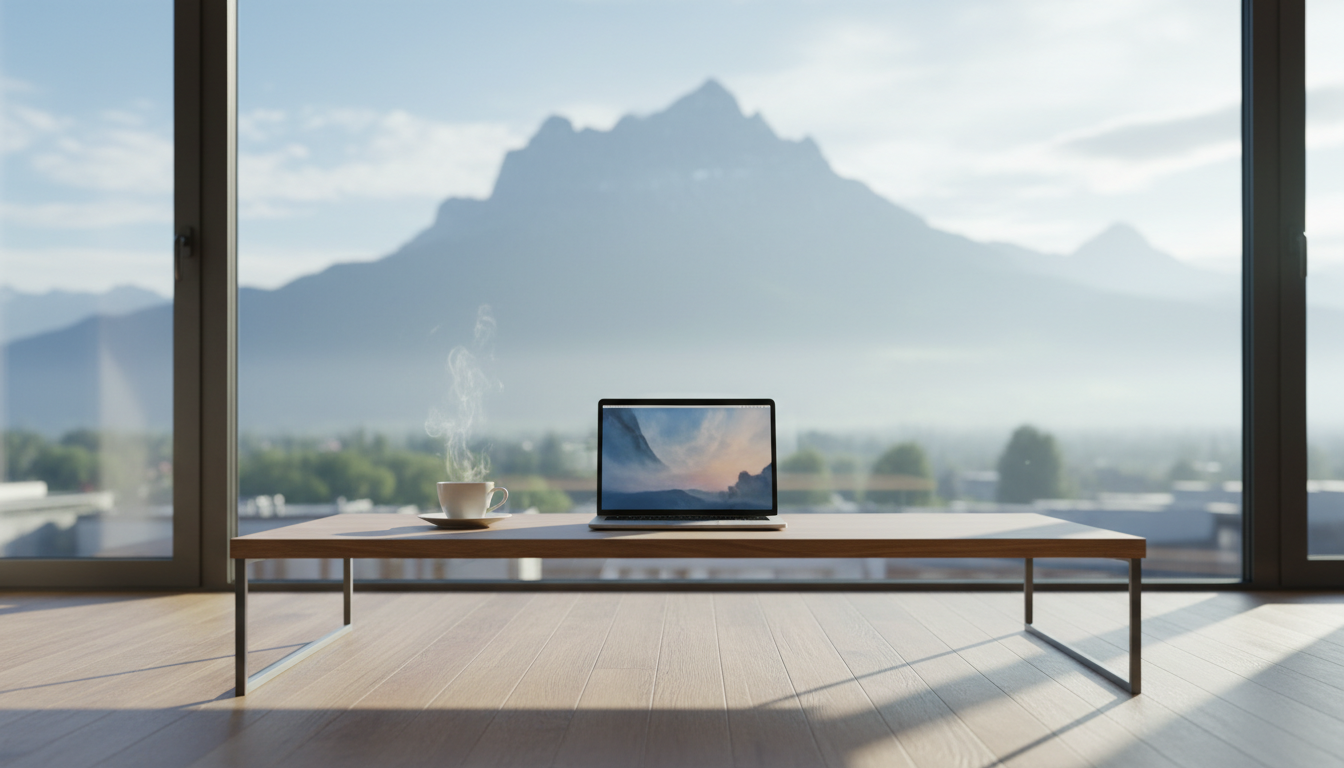 Morning light streaming through a modern Lucerne apartment window with a laptop open on a wooden des
Here's what I've learned after two extended work-focused stays in Lucerne—and why I keep coming back.
Why Lucerne Works for Remote Professionals
Real talk: Switzerland isn't cheap. A hotel room in Lucerne during peak season will run you 280-450 CHF per night ($310-500 USD). Extended stay apartments? You're looking at 4,000-6,000 CHF ($4,400-6,600 USD) monthly. For most remote workers, that math just doesn't work.
But home swapping flips the equation entirely.
Through SwappaHome's credit system, I've stayed in Lucerne apartments that would cost me a small fortune—for essentially nothing beyond my membership. Host someone at your place, earn credits, spend those credits in Switzerland. One credit per night, regardless of location. Suddenly, a month of Swiss mountain views becomes genuinely accessible.
Beyond the economics, Lucerne has practical advantages that remote workers actually need. The internet infrastructure is genuinely excellent—Switzerland consistently ranks in the top 10 globally for broadband speeds. Most residential buildings have fiber connections delivering 100-500 Mbps. I've taken video calls from three different Lucerne apartments now, and not once have I experienced the lag or dropout that plagued me in supposedly "digital nomad friendly" destinations.
The timezone works too. Central European Time means you can catch morning calls with Asia-Pacific, have a productive midday, and still overlap with East Coast US in the late afternoon. It's that rare sweet spot for globally distributed teams.
And then there's the quality of life stuff that's harder to quantify but matters when you're working long hours. The air is clean—like, noticeably clean. The tap water tastes better than most bottled water I've bought elsewhere. The city is compact enough that you can walk everywhere, which means built-in movement breaks between meetings. These details add up when you're spending weeks or months somewhere.
Best Lucerne Neighborhoods for Home Swaps with Remote Workers
Not all Lucerne neighborhoods are created equal when you're optimizing for work. Here's where to focus your search.
Altstadt (Old Town): Character Meets Connectivity
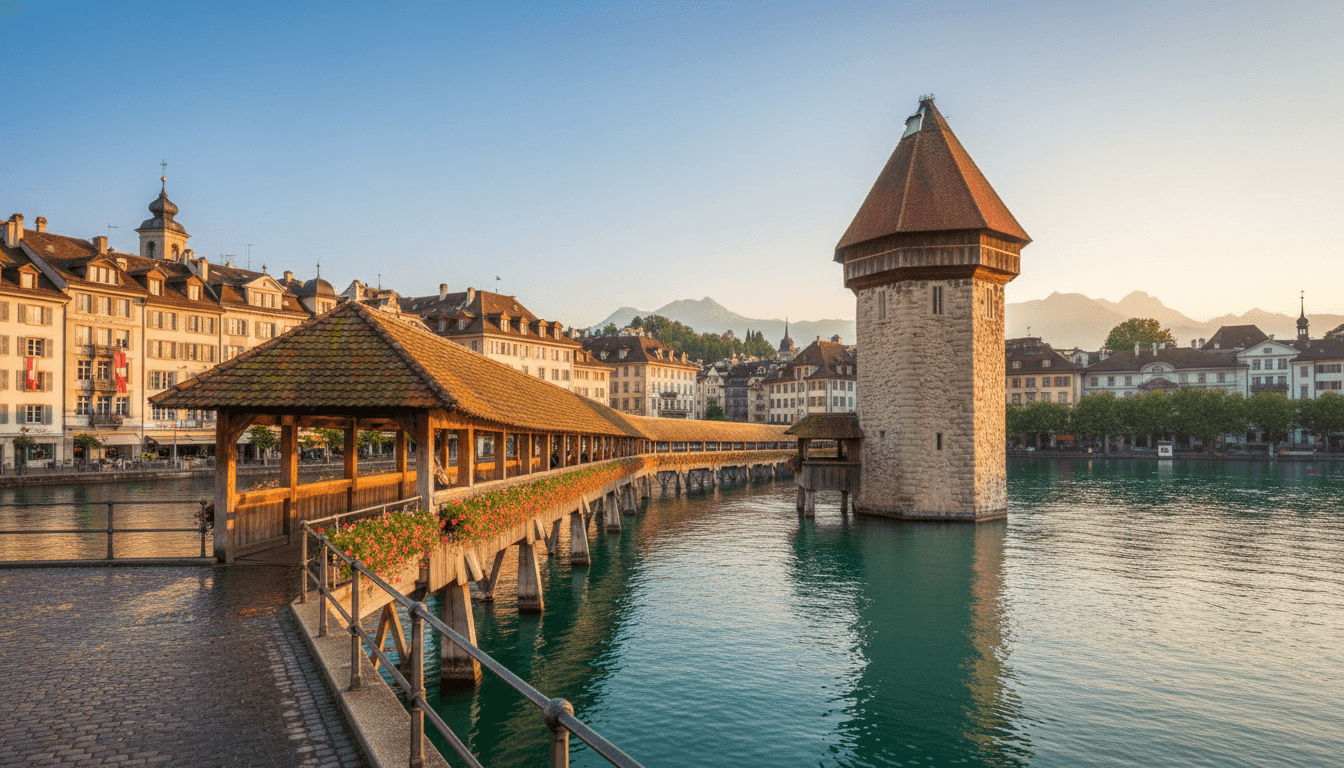
The medieval old town is gorgeous—half-timbered buildings, the famous Chapel Bridge, cobblestone streets—but it's also surprisingly practical for remote work. Many of the historic buildings have been renovated with modern infrastructure, meaning you get the aesthetic of a 15th-century townhouse with 21st-century internet.
I stayed in a third-floor apartment above a bakery on Weinmarkt square last October. The WiFi clocked at 180 Mbps, the building had thick stone walls that blocked street noise, and I could grab fresh bread without putting on real pants. The apartment had a dedicated workspace in what was once a small library—built-in bookshelves, a proper desk, natural light from two directions.
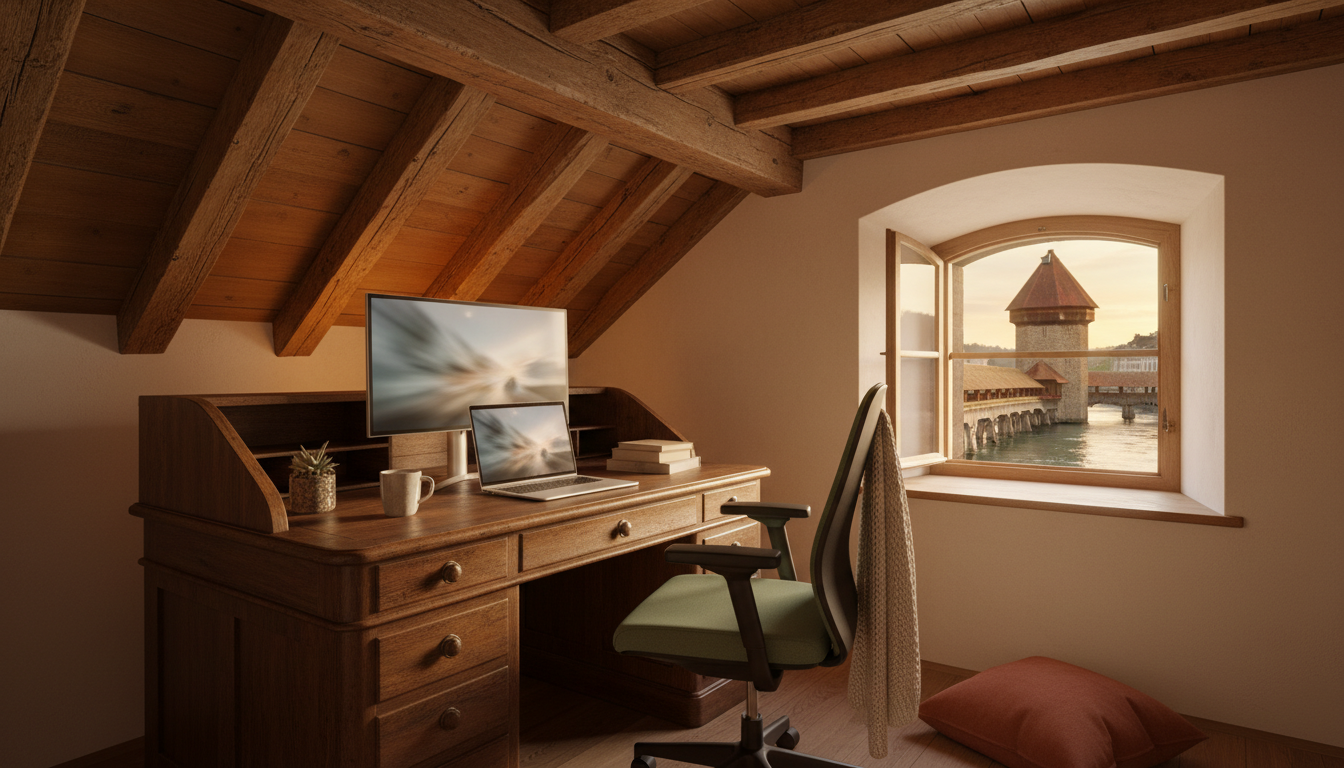 Cozy home office nook in a renovated Lucerne old town apartment, exposed wooden beams overhead, mode
The tradeoff: Altstadt apartments tend to be smaller and can get tourist-noisy during summer weekends. If you're sensitive to sound during calls, look for units facing interior courtyards rather than main squares.
Expect home swap listings here to be studio or one-bedroom apartments, typically 40-60 square meters. Perfect for solo workers, potentially tight for couples who both need dedicated workspace.
Tribschen: The Quiet Productivity Zone
This residential neighborhood south of the old town is where locals actually live—and where I'd recommend working professionals focus their home swap search. It's a 15-minute walk to the city center, but the vibe is completely different. Tree-lined streets, larger apartments, families walking dogs, that kind of thing.
Tribschen is where Richard Wagner lived while composing some of his most famous works (there's a museum in his former house). I mention this because it speaks to the neighborhood's character: quiet enough for deep focus, but not isolated.
The apartments here tend to be newer construction or well-maintained mid-century buildings. More space, more likely to have a separate room you can use as an office. Several listings I've seen on SwappaHome from this area specifically mention home office setups—standing desks, external monitors, ergonomic chairs. Working professionals swapping with working professionals understand what matters.
Grocery shopping is easy (there's a Migros and a Coop within walking distance), and the lakefront promenade is right there for those "I need to think through this problem" walks.
Würzenbach: Lake Views and Space
If you're planning an extended stay—say, a month or more—and you want space, look east toward Würzenbach. This is where you'll find larger apartments and even some houses available for swap. The neighborhood climbs the hillside above the lake, which means many properties have those dramatic Alpine views that make your Zoom background the envy of every meeting.
I haven't personally stayed in Würzenbach, but I've visited a friend who was doing a three-month swap there. Her apartment had a dedicated office with a lake view, a balcony where she took calls on nice days, and enough space that her partner could work from the living room without them driving each other crazy. The building had a shared garden where she'd take her lunch breaks.
The catch: you'll want a bike or be comfortable with the bus system. It's not walking distance to the old town, and some of the hillside streets are steep. But if you're settling in for real work rather than playing tourist, the extra space and quiet are worth the slight inconvenience.
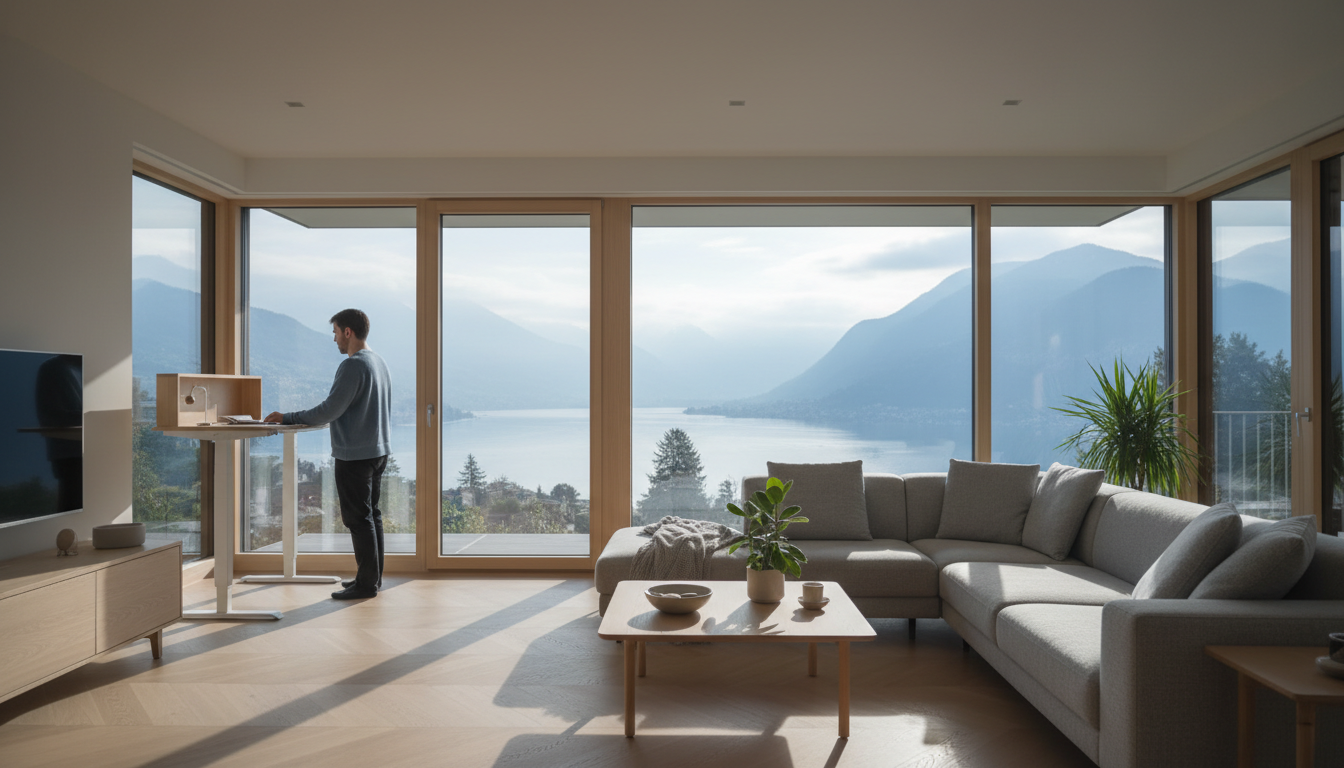 Spacious living room in a Wrzenbach apartment with floor-to-ceiling windows overlooking Lake Lucerne
Neustadt: Central and Convenient
The "new town" area around the train station is more urban, more bustling, but also incredibly convenient. If you're planning to take weekend trips to other Swiss cities—Zurich is 45 minutes, Bern about an hour—being near the Hauptbahnhof saves time and hassle.
Apartments here are mixed: some beautiful renovated units, some more utilitarian. The key advantage is access. You're steps from the train station, surrounded by cafes and restaurants, and everything you need is walkable. The disadvantage is that it's louder and less characterful than other neighborhoods.
I'd recommend Neustadt for shorter stays or for people who plan to be out exploring most of the time, using the apartment primarily for sleeping and morning work sessions.
What to Look for in a Lucerne Home Swap Listing
After enough swaps, you develop a checklist. Here's mine for work-focused stays in Lucerne.
Internet Specifications (Non-Negotiable)
Don't just accept "fast WiFi" in a listing. Message the host and ask specifically: What's the provider? What speed tier? Can they run a speed test and share results? Swiss internet is generally excellent, but older buildings sometimes have connection issues, and you don't want to discover this during your first important call.
Look for fiber connection, 100+ Mbps download, 50+ Mbps upload. Anything less and you might struggle with video calls, especially if there are multiple people using the connection.
Workspace Setup
The difference between a kitchen table and a proper desk becomes very apparent after day three. When reviewing listings, look for photos that show the actual workspace. A dedicated desk? A comfortable chair? Natural light? Space for an external monitor if you travel with one?
Some of the best listings I've found are from hosts who are themselves remote workers. They understand that "workspace" means more than a corner of the couch. On SwappaHome, I've learned to filter for listings that specifically mention home office setups in their descriptions.
Quiet Hours Reality
Swiss apartments often have strict quiet hours (typically 10pm-7am and noon-2pm), which is actually great for focused work. But ask your host about daytime noise levels. Is there construction nearby? A school across the street? A popular bar below? These things matter when you're trying to concentrate.
Kitchen Functionality
You're going to want to cook. Restaurant meals in Lucerne average 35-55 CHF ($38-60 USD) for a basic dinner. A grocery run at Migros for a week's worth of food might cost 80-120 CHF ($88-132 USD). The math is obvious.
Look for listings with well-equipped kitchens: full-size fridge, proper stove, coffee maker (essential), and enough cookware to make real meals. Some Lucerne apartments have tiny "efficiency" kitchens that are fine for reheating but frustrating for actual cooking.
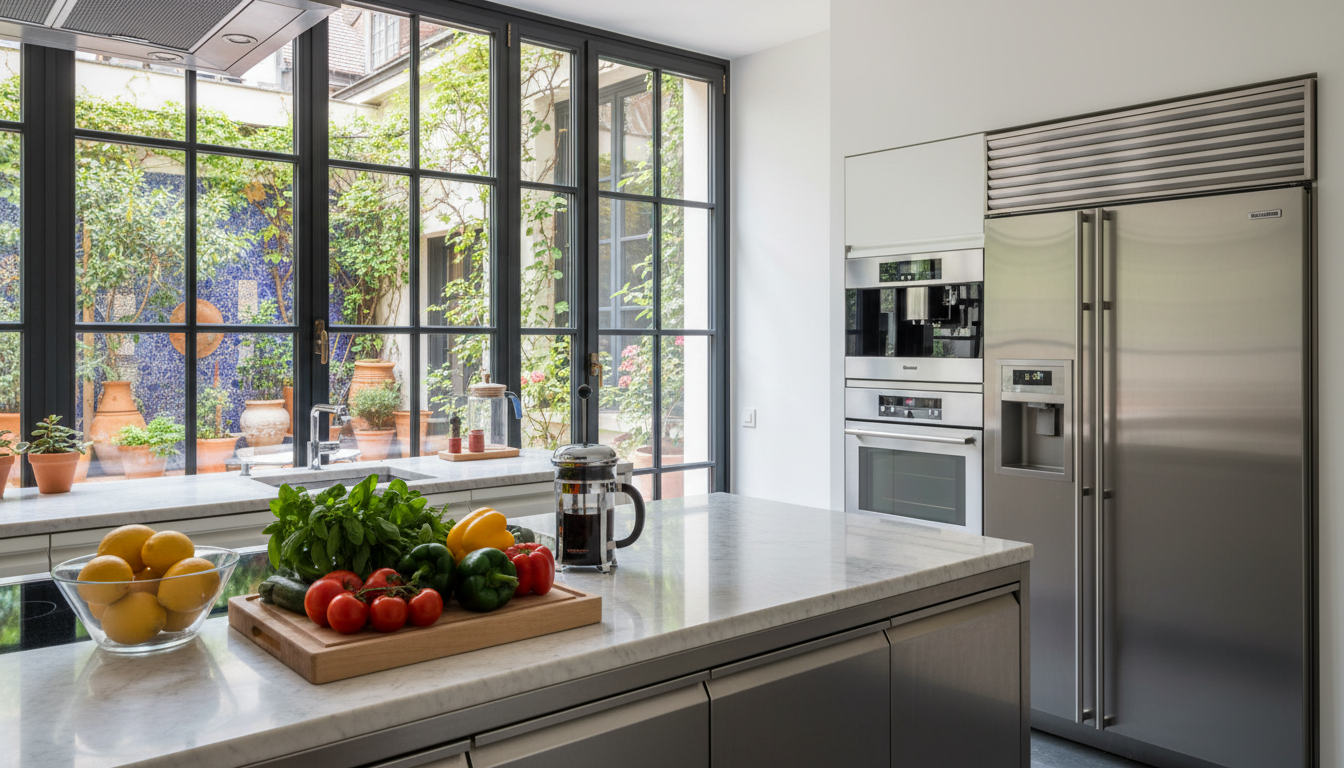 Bright, modern kitchen in a Lucerne apartment with stainless steel appliances, a French press and es
Making the Most of Your Lucerne Working Stay
Alright, you've found your swap, you've arrived, you've set up your workspace. Now what?
Morning Routines That Actually Work
I've experimented with different schedules across my Lucerne stays. What works best for me: wake early, walk to one of the lakefront cafes for a proper Swiss breakfast (try Luz Seebistro or the cafe at the KKL culture center), then back to the apartment for focused morning work.
There's something about starting the day with that lake view and mountain air that makes the subsequent hours at a screen feel more balanced. Call it woo-woo if you want, but my output is genuinely better when I've had that morning ritual.
Swiss breakfast typically runs 18-28 CHF ($20-31 USD) at a nice cafe—expensive, yes, but consider it an investment in your workday. Or save money by grabbing fresh pastries from a bakery (3-5 CHF) and making coffee at the apartment.
Afternoon Breaks and Movement
Lucerne is small enough that you can take a real break without losing half your day. When I hit that 2pm wall, I'll walk to the lake—maybe 10-15 minutes from most central apartments—and do a lap along the promenade. Sometimes I'll rent one of the public bikes (first 30 minutes free with the Lucerne app) and ride out toward the Verkehrshaus.
The key is that these breaks feel restorative rather than like errands. You're not fighting traffic or navigating a complicated city. You're walking past swans on a lake with mountains in the background. It resets something in your brain.
Coworking Spaces for Variety
Even with a great home office setup, I find I need variety after a week or two. Lucerne has a few coworking options worth knowing about.
Impact Hub Zentralschweiz is the main player—a proper coworking space with day passes (around 35 CHF/$38 USD) and all the usual amenities. It's in Neustadt, easy to reach from anywhere in the city. Good for days when you need to be around other humans or have a lot of video calls and want the professional background.
For a more casual option, several cafes are laptop-friendly during off-peak hours. Mill'Feuille near the old town has good coffee and doesn't mind lingerers. The cafe at the Bourbaki Panorama is surprisingly quiet on weekday afternoons and has interesting art to stare at when you're thinking.
Weekend Adventures (You're in Switzerland, After All)
The whole point of working from Lucerne is access to the Alps. Don't waste it.
Mount Pilatus is the obvious choice—you can take the world's steepest cogwheel railway up and cable car down (or vice versa). The round trip costs about 72 CHF ($79 USD) but it's genuinely spectacular. I've done it twice and would do it again.
Mount Rigi is slightly less dramatic but easier to access and often less crowded. The train from Lucerne to Vitznau takes 30 minutes, then you're on the cogwheel railway.
For something lower-key, take the boat across the lake to Weggis or Vitznau. The ferry system is excellent and scenic, and both towns are perfect for a leisurely lunch and walk.
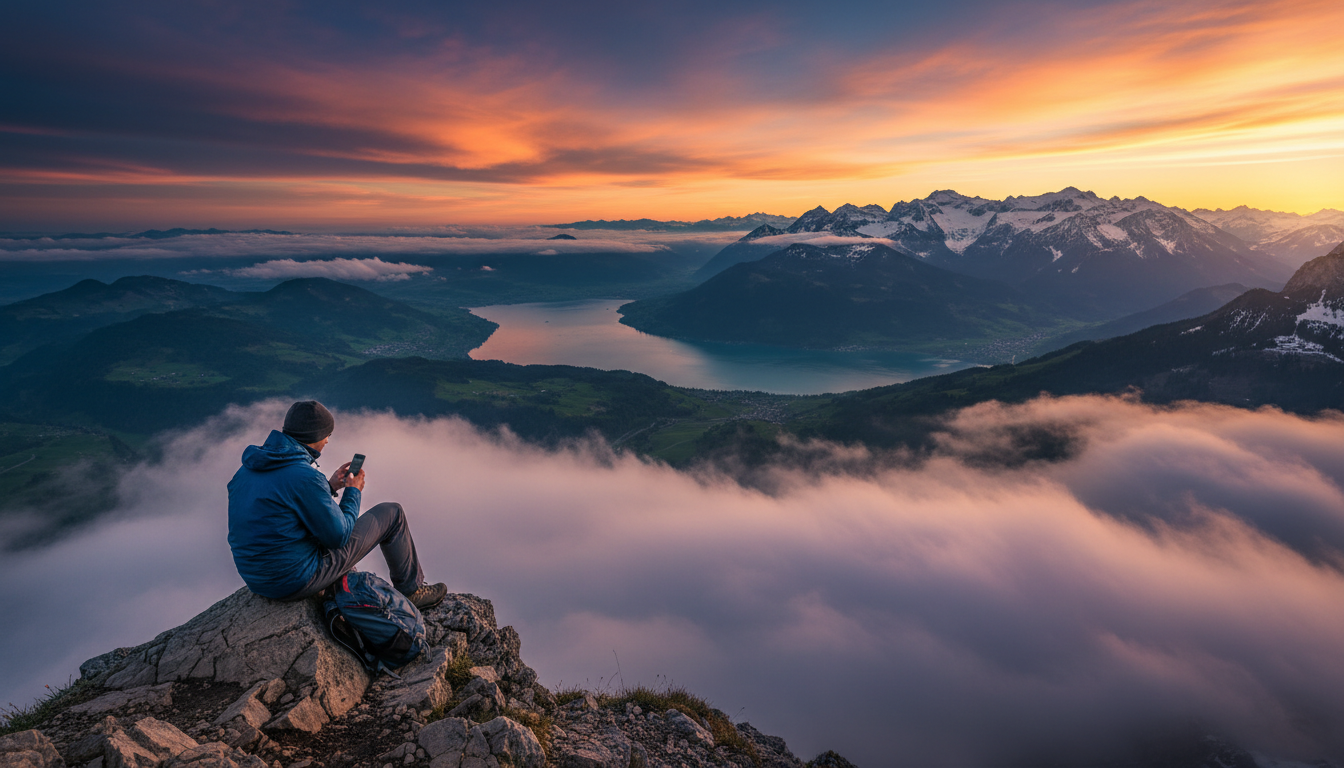 View from Mount Pilatus summit looking down at Lake Lucerne far below, dramatic clouds at eye level,
Practical Considerations for Extended Stays
Visa and Legal Stuff
If you're from the US, Canada, UK, or EU, you can stay in Switzerland for up to 90 days without a visa. That's plenty for most working trips. If you're planning longer, you'll need to look into the specific requirements for your nationality.
Here's the thing: you're technically supposed to register with local authorities if staying more than 90 days, and working remotely falls into a gray area that Swiss immigration hasn't fully addressed. For stays under three months, you're generally fine. Longer than that, do your research or consult an immigration specialist.
Health Insurance
Switzerland has excellent healthcare but it's expensive without insurance. Your home country's travel insurance might cover emergencies, but check the specifics. Some credit cards offer travel medical coverage for trips under 60 or 90 days.
SwappaHome doesn't provide any insurance coverage—it's a platform connecting members, not an insurance provider. You're responsible for your own health and travel insurance arrangements. I always travel with a dedicated policy that covers medical evacuation and emergency care.
Managing the Cost of Living
Even with free accommodation through home swapping, Switzerland will test your budget. Some strategies that help:
Cook most meals at home. Swiss grocery stores are reasonable by Swiss standards—Migros and Coop are the main chains, with Denner and Aldi being cheaper options. Drink tap water—it's excellent and free. A bottle of water at a restaurant costs 5-8 CHF ($5.50-8.80 USD), which is absurd. Get a Swiss Travel Pass if you're planning weekend trips. It's expensive upfront (around 232 CHF/$255 USD for 4 consecutive days) but covers trains, buses, boats, and many mountain railways. Take advantage of free activities: hiking, swimming in the lake (summer), walking the old town, visiting churches and public spaces.
Building a Routine
The danger of working from a beautiful place is that you either never leave your apartment (because work expands to fill available time) or you never work (because there's always something to see). Neither is sustainable.
What works for me: treat it like a normal work week, but compressed. Monday through Thursday, I maintain a fairly strict schedule—morning work, afternoon break, evening work if needed. Friday afternoon through Sunday, I'm exploring. This rhythm keeps me productive while actually experiencing the place.
Finding Your Lucerne Home Swap on SwappaHome
Ready to actually find a place? Here's how I approach the search.
Start by browsing Lucerne listings on SwappaHome and filtering for properties that mention workspace or home office in their descriptions. Read the full listing carefully—hosts who are themselves remote workers tend to provide the most detailed information about internet speeds and workspace setups.
When you find a promising listing, send a thoughtful message introducing yourself. Mention that you're a working professional, explain your typical schedule (so they know you won't be throwing parties), and ask specific questions about the workspace and internet.
The credit system makes this straightforward: you'll spend one credit per night regardless of the property. If you're new to SwappaHome, you start with 7 free credits—enough for a solid week-plus to test whether Lucerne works for your remote work style.
Check the host's reviews from previous guests. Look for mentions of WiFi reliability, workspace comfort, and accuracy of the listing description. The SwappaHome community is generally honest in reviews because everyone benefits from accurate information.
The Intangibles
I want to end with something that's hard to capture in a practical guide.
There's a quality to working from Lucerne that I haven't found in many other places. It's not just the views, though those help. It's something about the Swiss approach to life—the precision, the cleanliness, the respect for quiet and order—that creates an environment where focused work feels natural.
When I'm in Lucerne, I find myself working more efficiently. Fewer distractions, better sleep, clearer thinking. Maybe it's the mountain air. Maybe it's the absence of the chaos that characterizes so many cities. Maybe it's just that being somewhere beautiful makes me want to earn my time there by doing good work.
Whatever it is, I keep coming back. My next Lucerne swap is already booked for late spring—a two-bedroom in Tribschen with a proper home office and a balcony facing the lake. I'll be there for three weeks, finishing a big project that needs uninterrupted focus.
The swap cost me nothing but credits I earned hosting travelers at my San Francisco place. The views of Mount Pilatus will cost nothing at all.
That's the magic of home swapping for working professionals. You're not choosing between productivity and adventure. You're getting both.
Frequently Asked Questions
Is home swapping in Lucerne safe for remote workers?
Home swapping in Lucerne is generally very safe. Switzerland has low crime rates, and the SwappaHome community uses reviews and verification to build trust. That said, always communicate thoroughly with your host beforehand, and consider getting your own travel insurance for peace of mind—SwappaHome is a platform connecting members, not an insurance provider.
How fast is the internet in Lucerne apartments?
Most Lucerne apartments have excellent internet, typically 100-500 Mbps through fiber connections. Switzerland ranks among the top 10 countries globally for broadband speed. Always ask your potential host for specific speed test results before confirming your swap, especially if you rely on video calls for work.
How much can I save with home swapping versus hotels in Lucerne?
Hotels in Lucerne cost 280-450 CHF ($310-500 USD) per night during peak season. Monthly apartment rentals run 4,000-6,000 CHF ($4,400-6,600 USD). With SwappaHome's credit system—one credit per night regardless of location—you can stay for essentially the cost of your membership, potentially saving thousands on an extended stay.
What's the best neighborhood in Lucerne for remote workers?
Tribschen is ideal for most remote workers—it's quiet, residential, has larger apartments with dedicated workspaces, and is still walkable to the city center. Altstadt (Old Town) offers more character but smaller spaces, while Würzenbach provides the most space and best views for longer stays.
Do I need a visa to work remotely from Lucerne?
US, Canadian, UK, and EU citizens can stay in Switzerland for up to 90 days without a visa, which covers most remote work trips. For longer stays, visa requirements vary by nationality. Note that remote work falls into a legal gray area—for stays under three months, you're generally fine, but research requirements for extended periods.

Published by
SwappaHome
SwappaHome Editorial Team
Home Exchange & Slow Travel Editorial
The SwappaHome Editorial Team brings together travel research, home-exchange community insights, and platform data to produce practical guides for first-time and experienced home swappers. Every article cites real platforms, current market rates, and verifiable city-level facts so readers can make informed decisions without guessing.
Ready to try home swapping?
Join SwappaHome and start traveling by exchanging homes. Get 7 free credits when you sign up!
Related articles
Home Swap in Rome: Where to Find the Best Properties for Your Italian Exchange
Discover where to find the best home swap properties in Rome—from Trastevere's cobblestone charm to Testaccio's local authenticity. Real neighborhoods, real advice.

Home Swap in Bangkok: Where to Find the Best Properties for Free Stays
Discover where to find the best home swap properties in Bangkok—from riverside condos in Charoen Krung to family homes in Ari. Real neighborhoods, real savings.
Home Swap for Beach Lovers: 12 Coastal Destinations Ranked for 2026
Discover the best coastal destinations for home swapping in 2026. From Portugal's Algarve to Australia's Gold Coast, find your perfect beach exchange.