Work from Turin: The Digital Nomad's Guide to Home Swapping in Italy's Hidden Tech Hub
Maya Chen
Travel Writer & Home Exchange Expert
Discover why Turin is Italy's best-kept secret for remote workers. This home swapping guide covers coworking, neighborhoods, WiFi speeds, and how to live like a local for free.
I wasn't supposed to fall for Turin. My plan was three weeks in Milan—fashion week adjacent, fancy coffee, the whole cliché. But a last-minute home swap fell through, and the only available listing that matched my dates was a converted attic apartment in Turin's San Salvario neighborhood. Best accident of my remote work life.
Three months later, I'm still thinking about that city. If you're looking to work from Turin as a digital nomad, you're about to discover what I did: Italy's fourth-largest city offers everything Milan promises at half the cost, with none of the pretension. And through home swapping, you can experience it without draining your savings on overpriced Airbnbs.
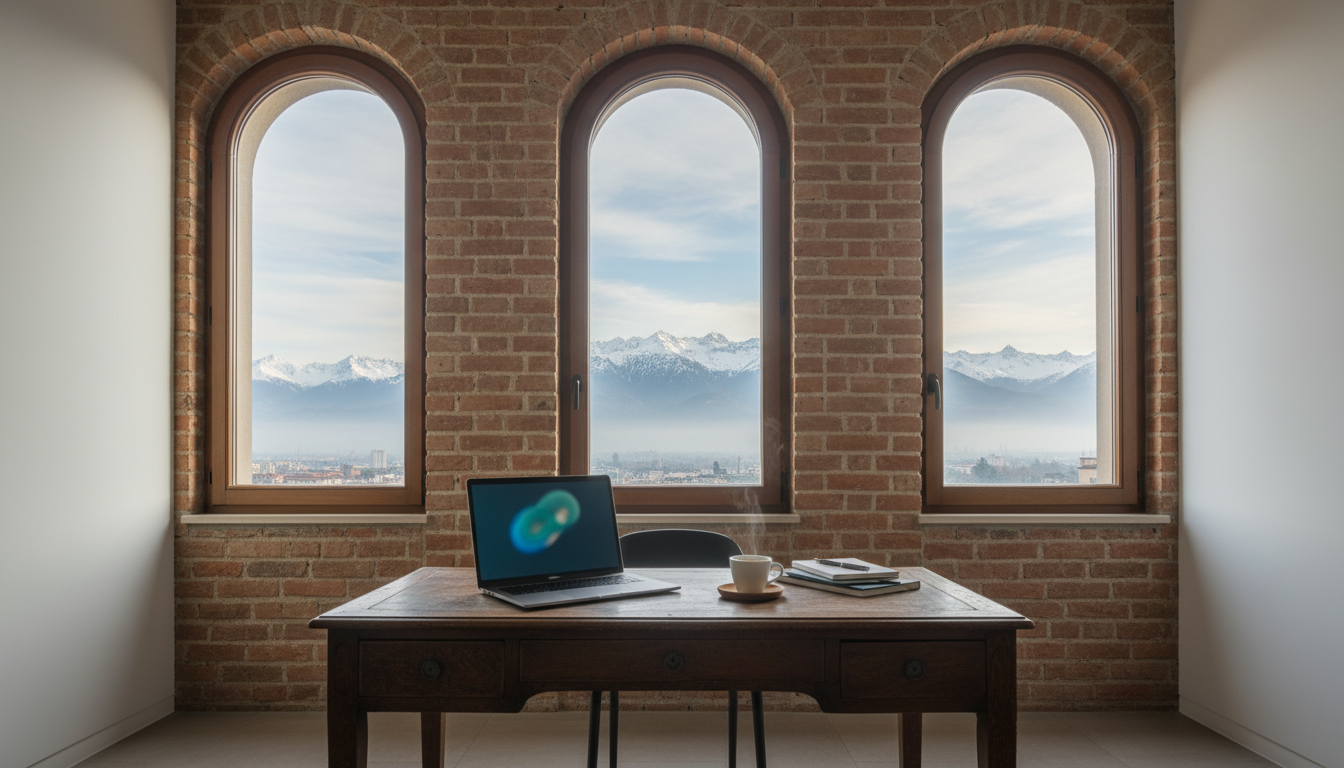 Morning light streaming through tall windows of a Turinese apartment with exposed brick walls, a lap
Why Turin Is the Perfect City to Work From as a Digital Nomad
Here's what nobody tells you about Turin: it's quietly become one of Europe's most interesting tech hubs. Fiat's old factories? Now startup incubators and innovation centers. The city that built Italy's automotive industry is reinventing itself, and you can feel that energy humming through the streets—without the chaos of Rome or the expense of Milan.
The practical stuff matters too. WiFi speeds across the city average 85-150 Mbps, which I tested obsessively during my stay. My Zoom calls never dropped. My video uploads finished before my second espresso. The time zone (CET) works reasonably well for both US East Coast morning calls and afternoon syncs with Asian colleagues.
But honestly? The real reason Turin works for remote workers is the rhythm of daily life. Italians take their lunch seriously—most restaurants close between 3-7 PM. This forced me into a schedule I'd never have chosen: deep work mornings, proper midday breaks, evening walks under those famous porticos. I was more productive in Turin than I'd been in months.
The cost of living sealed the deal. A proper lunch with wine runs €12-15 ($13-16). A gorgeous cappuccino at a historic café? €1.50 ($1.60). Compare that to Milan's €4 coffees and €25 lunches, and suddenly a month in Turin feels financially sustainable.
How Home Swapping Works for Digital Nomads in Turin
Let me break down why home exchange makes particular sense for remote workers—and why Turin's housing stock is ideal for it.
Traditional vacation rentals assume you're a tourist: tiny kitchens, no desk space, WiFi that works "most of the time." When you're working remotely, these aren't minor inconveniences—they're deal-breakers.
Home swaps are different. You're staying in someone's actual living space, which means a real kitchen for cooking lunch between calls, a proper workspace (or at least a dining table that isn't wobbly), and WiFi that the owner relies on daily. My Turin apartment had a dedicated home office—the owner was a translator who worked from home. Her setup was better than mine back in San Francisco.
The SwappaHome credit system works beautifully for nomads. You earn 1 credit for every night someone stays at your place, and you spend 1 credit per night wherever you go. If you're subletting your apartment back home while traveling (legally, of course), you can rack up credits fast. I hosted two different travelers at my SF place during my Turin stint, which funded nearly my entire stay.
New members start with 10 free credits—that's 10 nights to test whether this lifestyle works for you. Enough for a solid Turin trial run.
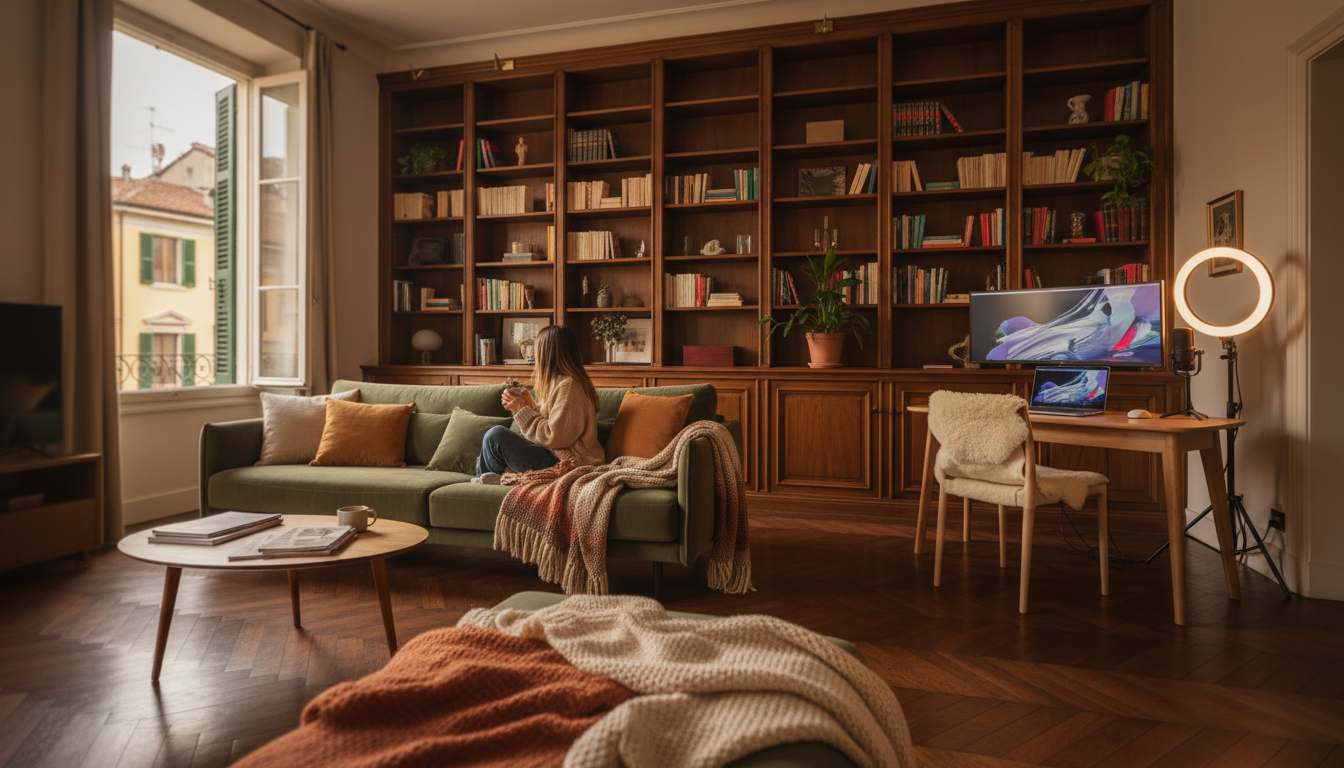 Cozy living room in a classic Turinese building with herringbone parquet floors, floor-to-ceiling bo
Best Turin Neighborhoods for Digital Nomads to Home Swap
Not all neighborhoods are created equal when you need reliable WiFi, good coffee within walking distance, and a vibe that doesn't make you feel like a tourist. Here's my honest breakdown after exploring the city obsessively.
San Salvario: The Creative Hub
This is where I stayed, and I'm biased—but for good reason. San Salvario is Turin's most diverse, energetic neighborhood. It's where the artists, students, and young professionals live. The streets around Via Madama Cristina are lined with ethnic restaurants, vintage shops, and bars that spill onto sidewalks at aperitivo hour.
For remote work: excellent café culture, multiple coworking spaces within walking distance, and some of the city's best home swap listings. Apartments here tend to be in Liberty-style buildings (Italian Art Nouveau) with high ceilings and character. Average WiFi speeds I tested: 90-120 Mbps.
Who it's for: Creative types, those who want nightlife options, anyone who gets restless in quiet neighborhoods.
Crocetta: The Polished Professional
If San Salvario is Brooklyn, Crocetta is the Upper West Side. This residential neighborhood near the Politecnico university is quieter, greener, and undeniably elegant. Tree-lined streets, well-maintained buildings, families walking dogs.
For remote work: peaceful environment for focused work, excellent infrastructure, slightly newer buildings with modern amenities. The Politecnico campus has cafés where you can work if you need a change of scenery.
Who it's for: Those who prioritize quiet over buzz, families traveling with kids, anyone who needs zero distractions.
Quadrilatero Romano: The Historic Heart
Turin's Roman-era neighborhood is now the nightlife and aperitivo epicenter. Narrow streets, ancient buildings, and an almost overwhelming density of bars and restaurants. During the day, it's surprisingly calm—the party people sleep late.
For remote work: incredible atmosphere, but apartments can be noisy on weekends. WiFi varies wildly depending on building age. Best for those who work unconventional hours or don't mind café-hopping.
Who it's for: Night owls, social butterflies, anyone who wants to feel the city's pulse constantly.
Aurora: The Up-and-Coming
I'll be honest—Aurora has a grittier reputation, and parts of it feel rough around the edges. But the area around Porta Palazzo (Europe's largest open-air market) is transforming fast. Artists and entrepreneurs are moving in, and the diversity is incredible.
For remote work: the most affordable home swap options, authentic local experience, but do your research on specific streets. WiFi infrastructure is improving but inconsistent.
Who it's for: Budget-conscious nomads, those who've done this before and can read a neighborhood, anyone who wants the "real" Italy.
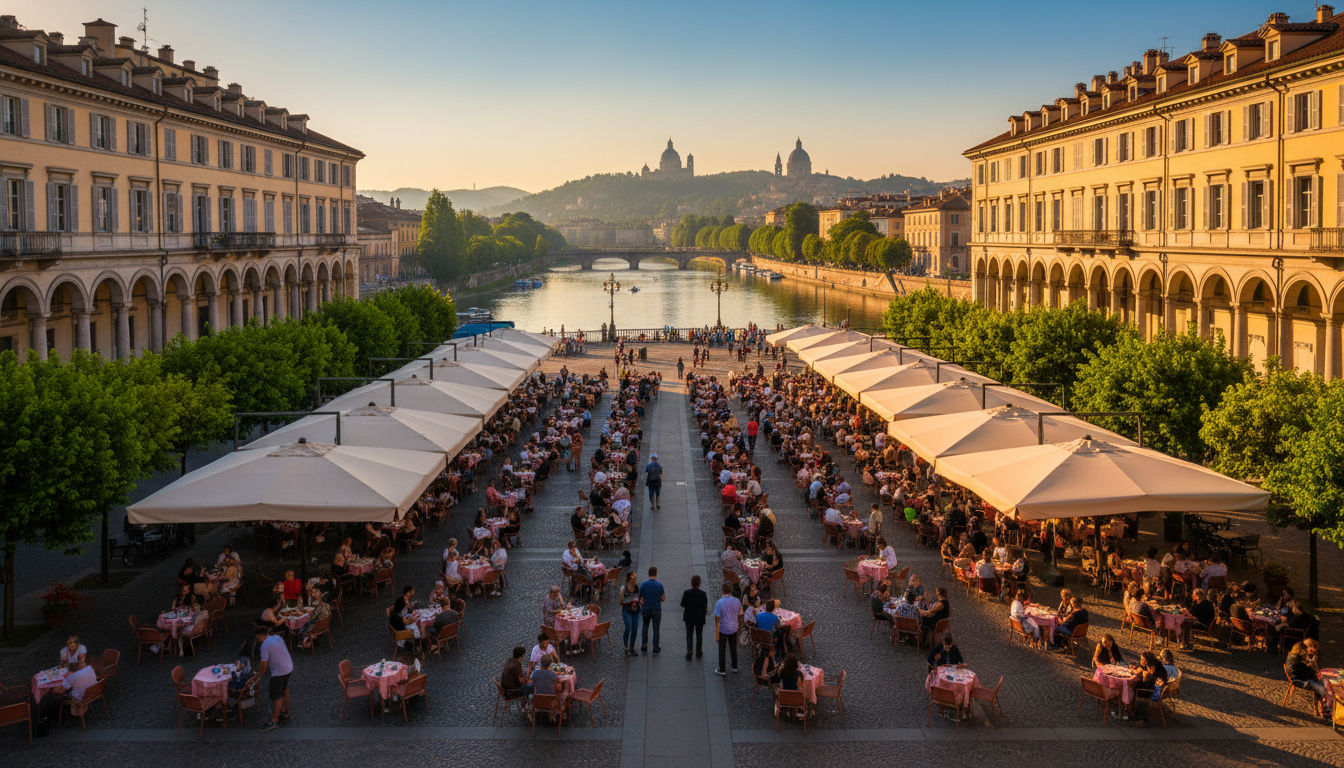 Aerial view of Turins Piazza Vittorio Veneto at golden hour, with the Po River in the background, ou
Setting Up Your Remote Work Routine in Turin
The first week in any new city is chaos. You're figuring out where to buy groceries, which café has the best WiFi, what time the construction noise stops. Here's the cheat sheet I wish I'd had.
Your Morning Coffee Situation
Italians don't linger over coffee—they stand at the bar, knock back an espresso, and leave. This is terrible for remote workers who want to camp out with laptops. But Turin has exceptions.
Orso Laboratorio Caffè (Via Matteo Pescatore 8) is my favorite. Specialty coffee, actual tables, and they don't glare at laptops. Cappuccino runs €2.50 ($2.70), and you can stay for hours if you keep ordering.
Costadoro Social Coffee Factory (Via Barge 8) is a roastery with a café attached. Bigger space, faster WiFi (I clocked 95 Mbps), and a more "coworking" vibe. They're used to people working.
Warning about historic cafés: Places like Caffè Mulassano and Baratti & Milano are stunning—gilded ceilings, century-old pastry cases—but they're for quick visits, not work sessions. Go for the experience, not the WiFi.
Coworking Spaces Worth Your Money
Sometimes you need a proper desk, a monitor, or just human interaction. Turin's coworking scene is solid.
Toolbox Coworking (Via Agostino da Montefeltro 2) is the city's largest and most established space. Day passes run €25 ($27), monthly from €200 ($215). The community is genuinely interesting—lots of startup founders and freelancers. They host events, which is great for meeting people.
Rinascimenti Sociali (Via Maria Vittoria 38) is smaller and more intimate. €20/day ($22), and the location in the city center is unbeatable. Good for focused work rather than networking.
OGR Tech (Corso Castelfidardo 22) is inside a converted railway workshop—the architecture alone is worth visiting. More focused on tech startups, but they have hot desks available. €30/day ($32).
The WiFi Reality Check
I tested WiFi obsessively because my work depends on it. Here's the truth: Turin's infrastructure is generally excellent, but older buildings in the historic center can be hit-or-miss. When arranging a home swap, always ask about internet speed and provider. Most Italians use Fastweb, TIM, or Vodafone—all reliable.
Backup plan: Italian SIM cards with data are cheap. I got an Iliad SIM with 120GB for €9.99/month ($11). Tethering worked fine for video calls when my apartment WiFi got spotty during a thunderstorm.
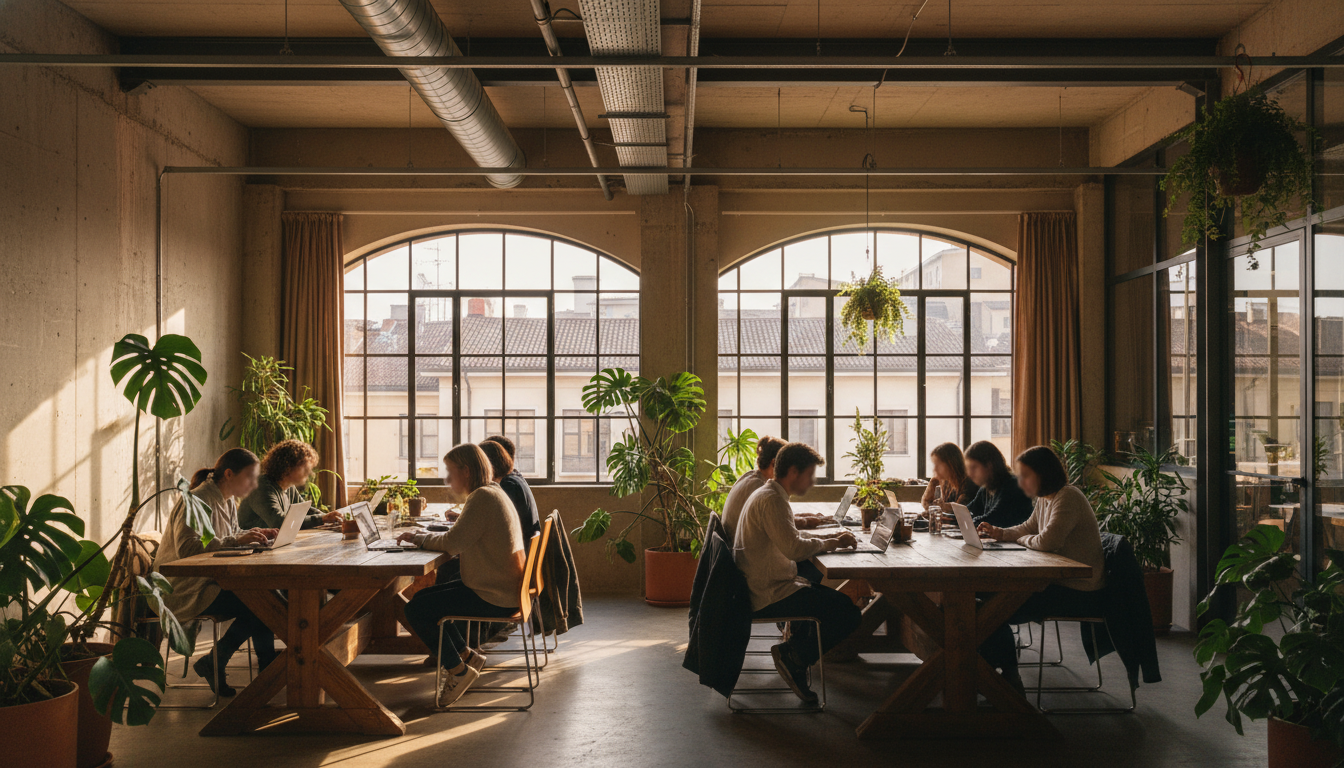 Interior of Toolbox Coworking in Turin showing exposed industrial architecture, long wooden communal
What to Look for in a Turin Home Swap Listing
Not every home swap works for remote work. After 40+ exchanges, I've learned what questions to ask before committing.
The Non-Negotiables
Dedicated workspace or dining table: Working from a couch sounds romantic until your back gives out on day three. Look for photos showing a desk, or at least a solid table with a proper chair.
WiFi speed confirmation: Ask the host directly. Most will run a speed test for you—anyone who won't isn't worth swapping with. Minimum 50 Mbps for video calls; 80+ is comfortable.
Natural light: Turinese apartments often have interior rooms with no windows. Make sure the workspace isn't in a dark hallway. Those Liberty-era buildings have gorgeous light when you get a street-facing room.
Quiet hours: Ask about neighbors, street noise, construction. My San Salvario apartment was on a pedestrian street—blissfully quiet. A friend's swap in Quadrilatero was above a bar that played music until 2 AM.
Nice-to-Haves
External monitor: Some hosts who work from home have setups you can use. Worth asking.
Balcony or terrace: Turin's weather from April-October is genuinely pleasant. Working outside with an Aperol Spritz at 6 PM is the dream.
Washing machine: Obvious for longer stays, but verify it's in-unit and not a shared laundry situation.
Elevator: Those beautiful old buildings often mean six floors with no lift. Fine for a weekend; brutal for a month with luggage.
Red Flags
Vague WiFi descriptions: "Good internet" means nothing. Push for specifics.
No photos of workspace: If they don't show it, assume it doesn't exist.
First-time hosts with no reviews: Not a dealbreaker, but communicate extensively before committing. SwappaHome's messaging system lets you vet hosts thoroughly.
Living Like a Local: Daily Life in Turin
The best part of home swapping isn't the free accommodation—it's the forced integration into neighborhood life. You shop where your host shops. You learn their coffee bar's name. You become, briefly, a resident.
Grocery Shopping
Forget supermarkets for produce. Porta Palazzo market (open Monday-Saturday mornings) is overwhelming and wonderful. Vendors shout prices, grandmothers elbow past you, and the produce is half the price of any store. Get there by 9 AM to beat crowds.
For everything else, Esselunga is the reliable chain. The one on Via Lagrange has a good selection and stays open until 9 PM.
The Aperitivo Ritual
Turin invented the aperitivo—Martini and Vermouth both originated here. Between 6-8 PM, every bar offers drinks with elaborate buffet spreads. This isn't just happy hour. For many locals, this is dinner.
My favorites:
Pastis (Piazza Emanuele Filiberto 9) does classic cocktails with a generous food spread—perfect for people-watching. Fluido (Via Santa Giulia 6) draws a younger crowd with creative drinks and excellent vegetarian options on the buffet. And Caffè Elena (Piazza Vittorio Veneto 5)? Slightly pricier, yes, but the setting on Turin's most beautiful piazza is worth every cent.
Budget tip: A €10 ($11) aperitivo with unlimited buffet access is a perfectly acceptable dinner. No shame in it—everyone does it.
Weekend Escapes
Turin's location is ridiculous. The Alps are 90 minutes away. The Langhe wine region (Barolo, anyone?) is an hour south. The Ligurian coast is two hours. Milan is 45 minutes by high-speed train.
I took weekend trips to Alba—truffle capital of Italy, go in October-November for the festival or anytime for incredible Piedmontese food. Bardonecchia is a ski resort in winter, hiking paradise in summer, and just €15 ($16) round-trip by regional train. And Cinque Terre? Technically Liguria, but so accessible from Turin. Day trip doable; overnight better.
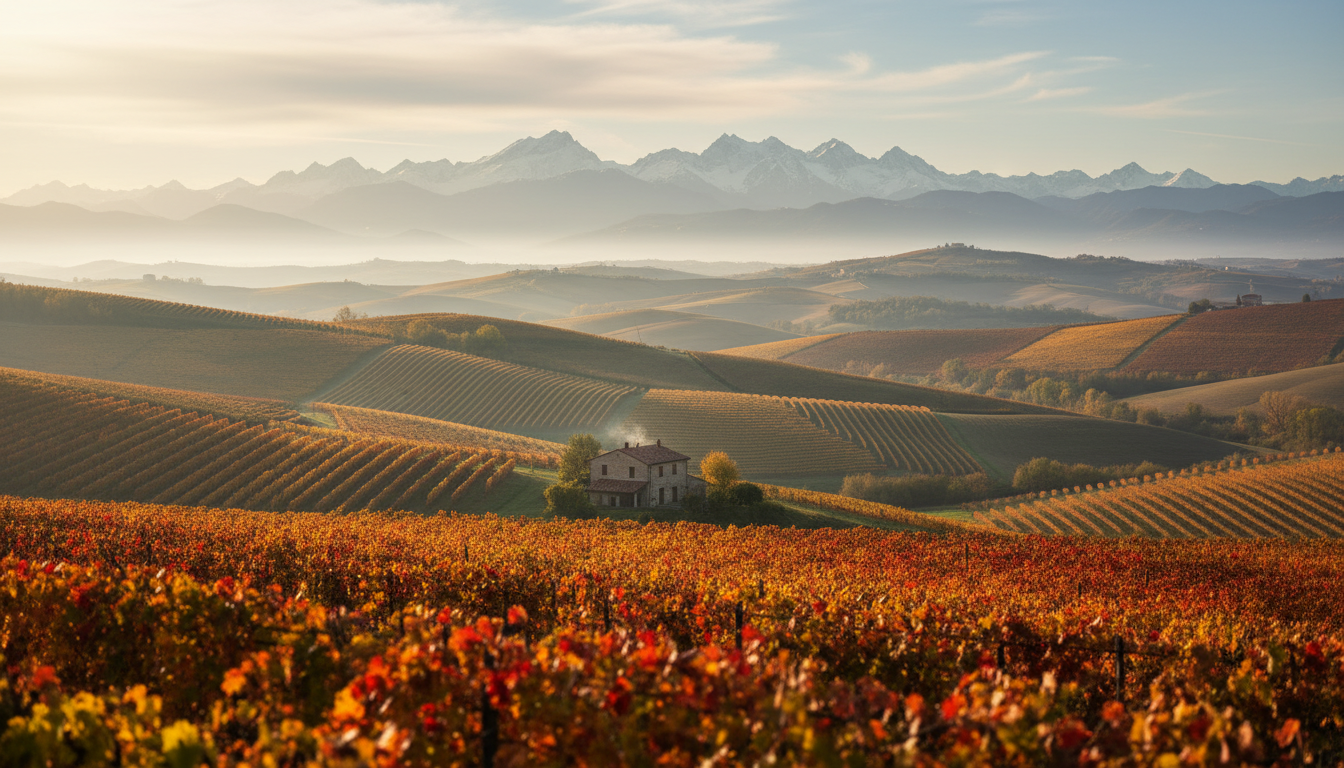 Rolling hills of the Langhe wine region at sunset, rows of grapevines in autumn colors, a small ston
The Costs: What a Month in Turin Actually Looks Like
Let me break down real numbers from my stay, so you know what to expect.
Accommodation: €0 (home swap—I used 28 credits)
Coworking (10 days at various spaces): €220 ($237)
Coffee/café working (18 days): ~€90 ($97)
Groceries: €280 ($302)
Eating out (aperitivos, dinners, lunches): €350 ($377)
Transportation (mostly walking, occasional bus/metro): €45 ($48)
Weekend trips (2 excursions): €180 ($194)
SIM card: €10 ($11)
Total for 28 days: ~€1,175 ($1,266)
That's under $50/day including everything except flights. In Milan, the same lifestyle would easily cost $80-100/day. In Rome, probably $70-90. Turin's affordability isn't just about cheap espresso—it's systemic.
Making the Home Swap Work Long-Term
If you're planning an extended stay—or want to make Turin a regular base—here's how to set yourself up for success.
Building Relationships with Hosts
The best home swaps come from repeat relationships. My Turin host and I have swapped twice now—she's stayed at my SF place, I've returned to her apartment. We skip the awkward getting-to-know-you phase and go straight to "the good olive oil is in the cabinet above the stove."
Leave the apartment better than you found it. Stock the fridge with local specialties before you leave. Write a thoughtful review. These small gestures turn one-time swaps into ongoing friendships.
Handling the Logistics
Visa reality: US citizens get 90 days in the Schengen zone without a visa. For longer stays, you'll need to look into digital nomad visas (Italy launched one in 2024) or creative border hopping.
Health insurance: Get proper travel insurance that covers medical care. SwappaHome doesn't provide coverage—you're responsible for your own protection. I use SafetyWing ($45/month), which covers remote workers specifically.
Mail and packages: Ask your host if they're okay receiving occasional deliveries. Most are fine with it. For anything important, use a mail forwarding service or have it sent to a coworking space.
The Social Side
Remote work can be isolating. Turin helps with this more than most cities.
Language exchanges: Turin has a thriving Tandem community. I practiced my terrible Italian with a local architect who wanted to improve her English. We met weekly at the same café.
Expat groups: Facebook groups like "Expats in Turin" and "Digital Nomads Torino" are active. Not huge communities, but that's a feature—you actually meet people instead of drowning in a sea of faces.
Sports: Italians are obsessed with calcio (soccer). Watching Juventus or Torino FC at a local bar is instant community. Even if you don't care about sports, the energy is infectious.
When to Work From Turin: Seasonal Considerations
Timing matters more than you'd think.
April-June is perfect. Mild weather, outdoor cafés open, the city comes alive after winter. Book early—this is prime home swap season.
July-August gets hot and humid, but the city empties out as Italians flee to the coast. Great for focused work; less great for socializing. Many restaurants close for "ferie" (August vacation).
September-October is my favorite. The heat breaks, the Langhe harvest begins, and the city has a back-to-school energy. Excellent time for a swap.
November-March brings cold and often fog. Turin's famous mist can be atmospheric or depressing, depending on your mood. Fewer tourists, easier to find swaps, but shorter days and indoor life.
Getting Started: Your First Turin Home Swap
Ready to try this? Here's the practical path forward.
First, list your own place on SwappaHome. Be honest about what you're offering—remote workers will appreciate knowing about your WiFi speed, workspace situation, and neighborhood vibe. Good photos matter enormously.
Start browsing Turin listings now, even if you're not ready to book. Get a feel for what's available in different neighborhoods. Save favorites. Notice which hosts seem communicative and detailed in their descriptions.
Reach out to potential hosts 6-8 weeks before your ideal dates. Explain that you're a remote worker, mention your WiFi needs, ask your questions. The messaging system lets you vet each other before committing.
Your first swap should probably be 2-3 weeks, not 2-3 months. Test the lifestyle before going all-in. Use those 10 free credits to experiment.
And—this is important—have a backup plan. Book a refundable hotel for your first night or two in case of travel delays. Confirm key exchange details multiple times. The vast majority of swaps go smoothly, but peace of mind matters.
The Bigger Picture: Why This Matters
I've written a lot about logistics—WiFi speeds and coffee prices and neighborhood comparisons. But there's something deeper happening when you work from a place like Turin through home exchange.
You're not a tourist consuming a city. You're not a digital nomad drifting through coworking spaces. You're briefly, imperfectly, living someone else's life. You water their plants. You figure out their espresso machine. You nod at their neighbors.
It changes how you see travel. It changes how you see home.
My Turin host, Giulia, left me a note on my first morning: "The light is best in the living room at 4 PM. The bread shop on the corner closes at 1. Don't miss the sunset from Monte dei Cappuccini."
She was right about all of it. And that specificity—that lived knowledge—is something no hotel concierge or travel guide can replicate.
Turin is waiting. Your desk by the window, with the Alps in the distance, is waiting. The only question is whether you're ready to swap your way there.
Frequently Asked Questions
Is Turin good for digital nomads?
Turin is excellent for digital nomads—arguably Italy's best-kept secret. The city offers fast WiFi (85-150 Mbps average), affordable coworking spaces (€20-30/day), a lower cost of living than Milan or Rome, and a growing tech scene. The time zone works for US and Asian calls, and the quality of life is exceptional.
How much does it cost to live in Turin for a month?
A comfortable month in Turin costs €1,200-1,800 ($1,300-1,950) including accommodation, food, coworking, and entertainment. With home swapping, you can reduce this to €1,000-1,400 ($1,080-1,510) since accommodation is covered by credits. That's roughly half what you'd spend in Milan.
What is the best neighborhood in Turin for remote workers?
San Salvario is the best neighborhood for most digital nomads—it combines excellent café culture, multiple coworking spaces, vibrant nightlife, and strong WiFi infrastructure. For quieter focused work, Crocetta offers a more residential feel. Quadrilatero Romano suits those who prefer historic atmosphere and don't mind occasional noise.
Is home swapping safe in Turin?
Home swapping in Turin is as safe as anywhere in Europe when done through established platforms. SwappaHome's verification and review systems help build trust between members. Always communicate thoroughly before a swap, confirm details in writing, and consider getting your own travel insurance for additional peace of mind.
Do I need to speak Italian to work from Turin?
You don't need Italian to work from Turin, but basic phrases help enormously. Most young professionals speak English, and coworking spaces are English-friendly. However, neighborhood shops, markets, and older residents often speak only Italian. Learning basics like ordering coffee and grocery shopping vocabulary will enrich your experience significantly.
40+
Swaps
25
Countries
7
Years
About Maya Chen
Travel Writer & Home Exchange Expert
Maya is a travel writer with over 7 years of experience in the home swapping world. Originally from Vancouver and now based in San Francisco, she has completed more than 40 home exchanges across 25 countries. Her passion for "slow" and authentic travel led her to discover that true luxury lies in living like a local, not a tourist.
Ready to try home swapping?
Join SwappaHome and start traveling by exchanging homes. Get 10 free credits when you sign up!
Related articles
Lyon Home Exchange: Your Complete Guide to France's Hidden Gem for Home Swapping
Discover why Lyon home exchange is booming among savvy travelers. From Croix-Rousse to Presqu'île, find the best neighborhoods and insider tips for your swap.

Zurich Bucket List: 47 Unforgettable Experiences to Enjoy During Your Home Swap
Discover the ultimate Zurich bucket list for home swappers—from secret swimming spots to fondue rituals locals actually do. Save thousands while living like a true Zürcher.
Dublin Home Exchange Utilities Guide: WiFi, Heating & Everything Your Guests Need
Master Dublin home exchange utilities—from dodgy WiFi fixes to heating quirks. Practical tips from 7 years of swapping homes across Ireland.