
Auckland Cuisine Guide: Cooking and Dining During Your Home Swap in New Zealand

SwappaHome Editorial Team
Home Exchange & Slow Travel Editorial
Discover Auckland's incredible food scene during your home swap—from farmers markets to Māori hangi. Your complete guide to cooking and dining like a local.
The smell hit me before I even opened my eyes. Coffee—but not just any coffee. That particular roasty, almost caramelized scent that New Zealand flat whites are famous for. My home swap host in Ponsonby had left a bag of Kokako beans on the counter with a handwritten note: "Welcome to Auckland. The grinder's temperamental—two short pulses, then one long. Trust me."
That was my introduction to Auckland cuisine during a home swap. And honestly? It set the tone for three weeks of the best eating I've done in the Southern Hemisphere.
 Morning light streaming through a modern Auckland kitchen window, French press and Kokako coffee bag
Here's what nobody tells you about food in Auckland: this city doesn't have a cuisine. It has about fifteen of them, all crashing into each other in the most delicious way possible. Māori traditions meet Pacific Island flavors meet Asian influences meet European techniques—and somehow it all works. When you're doing a home swap here, you get to experience this from the inside, cooking in a real kitchen with access to ingredients you simply can't find at tourist-trap restaurants.
Why Auckland Home Swap Dining Beats Restaurant Tourism
I've stayed in Auckland hotels twice before. Nice enough. But eating out for every meal in this city? That's a $150-200 NZD ($90-120 USD) daily habit that gets old fast.
More importantly, you miss the actual food culture.
During my Ponsonby home swap, I spent maybe $40-50 NZD ($25-30 USD) per day on food—and I ate like royalty. The difference wasn't just financial. It was experiential. My host's kitchen had a drawer full of spices I'd never seen before: horopito (Māori pepper), kawakawa leaves, native bush herbs. There was a handwritten recipe card tucked behind the toaster for "Nana's rewena bread"—a traditional Māori sourdough made with potato starter. I made it on day three. Transcendent.
You can't buy that experience. You can only swap for it.
The thing about Auckland cuisine during a home swap is that you're suddenly cooking where locals cook. You shop where they shop. You discover that the best pies in the city aren't at some famous bakery downtown—they're at the little place three blocks from your swap home that your host circled on a neighborhood map.
Auckland's Best Farmers Markets for Home Swap Cooking
Let me be direct: if you're doing a home swap in Auckland and you don't hit at least two farmers markets, you're doing it wrong.
La Cigale French Market (Parnell)
Saturday and Sunday mornings, 8am-1:30pm. This one's in an old warehouse, and the vibe is pure European village square transplanted to New Zealand. I found myself here on my first weekend, completely overwhelmed in the best way.
The cheese situation alone is worth the trip. Puhoi Valley brie that's actually aged properly—$12 NZD ($7 USD) for a wedge that would cost triple in the States. Fresh croissants from a French expat who's been baking here for twenty years. Organic vegetables from farms an hour outside the city.
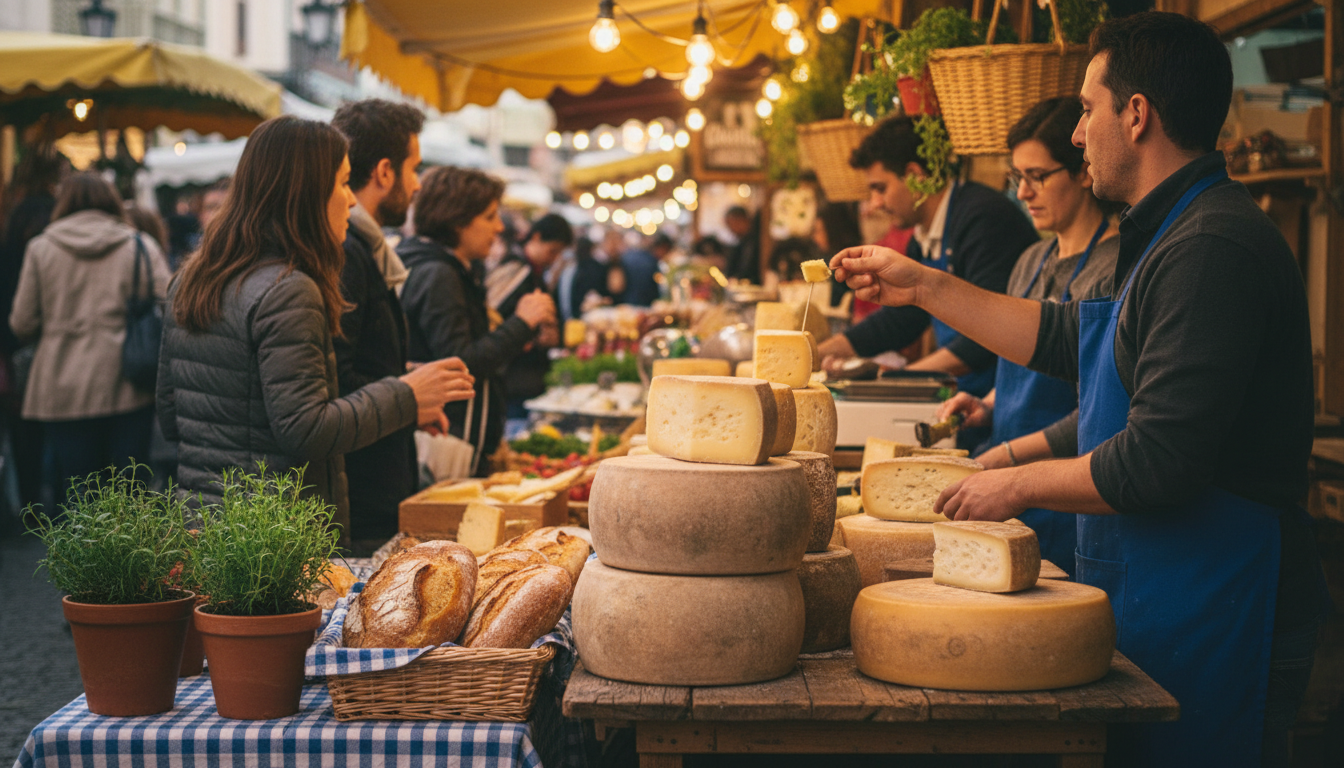 Bustling La Cigale market stall with wheels of local cheese, crusty bread loaves, and customers chat
My move: arrive at 8:15am, grab a coffee and pain au chocolat, then do a full lap before buying anything. The vendors here love chatting—ask them how to cook whatever you're buying. I learned three different ways to prepare kumara (New Zealand sweet potato) from a farmer who'd been growing them for forty years.
Parnell Farmers Market
Same neighborhood, different vibe. This one's Saturday mornings only, 8am-12pm, and it's more produce-focused. Less artisanal croissants, more serious vegetables.
The highlight? Seafood. Auckland sits on two harbors, and the fish here is stupid fresh. I bought snapper fillets at 9am that had been swimming at 4am. $28 NZD ($17 USD) per kilo—roughly half what you'd pay at a restaurant for the same fish, minus the sauce and the ambiance.
Matakana Village Farmers Market
Okay, this one requires a car and about an hour's drive north. But if your home swap host left you their vehicle (mine did—another perk of the SwappaHome community's generosity), make the Saturday morning pilgrimage.
Matakana is wine country adjacent, so the market has this whole elevated farm-to-table energy. Local olive oils, small-batch honey from hives you can actually visit, and the best smoked fish I've had outside of Scandinavia. The drive alone—through rolling green hills and past vineyards—is worth it.
Essential Auckland Ingredients to Cook During Your Home Swap
Your home swap kitchen is your playground. Here's what to stock it with:
Kawakawa leaves taste like a gentler, more herbaceous black pepper with hints of anise. Use them in everything from salad dressings to fish marinades. Find them at farmers markets or sometimes in the herb section at Farro Fresh grocery stores—about $6 NZD ($3.50 USD) for a bunch that'll last your whole stay.
Green-lipped mussels are New Zealand's signature shellfish, and they're enormous compared to what you're used to. Countdown supermarket sells them live for around $8 NZD ($5 USD) per kilo. Steam them with white wine, garlic, and kawakawa. Done in twelve minutes.
Kumara isn't your average sweet potato. The orange variety is sweet and creamy; the purple variety (yes, actually purple) is drier and nuttier. Roast them whole at 200°C (400°F) for an hour, split them open, add butter and flaky salt. That's dinner.
Feijoa—if you're visiting between March and June, these green, egg-shaped fruits will be everywhere. They taste like a pineapple had a baby with a guava and a mint leaf. Eat them raw by cutting in half and scooping with a spoon. Make feijoa crumble if your host left you flour and butter.
Manuka honey is expensive, yes. But worth it. Look for UMF 10+ rating minimum. Use it sparingly in marinades, dressings, or stirred into Greek yogurt with toasted muesli. A small jar ($25-40 NZD / $15-24 USD) will last your entire swap.
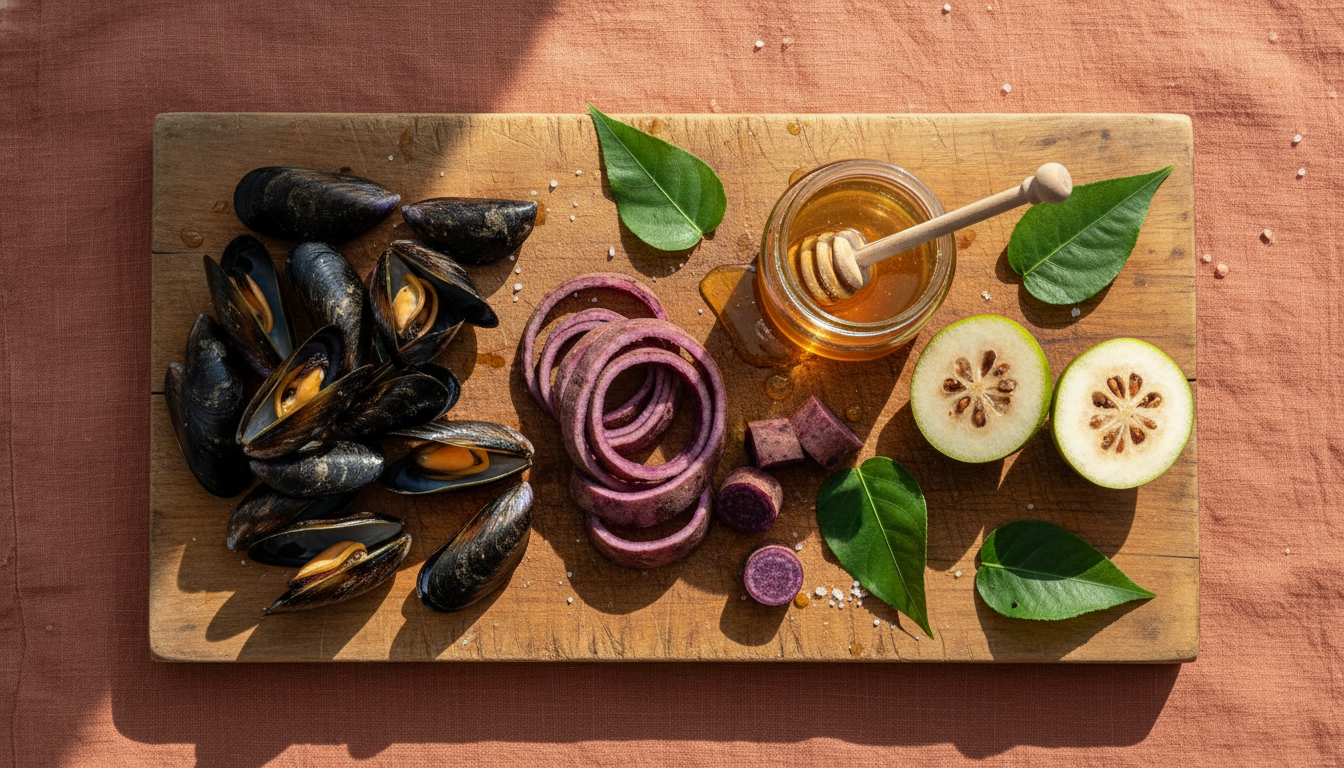 Flat lay of New Zealand ingredients on wooden cutting board green-lipped mussels, purple kumara, kaw
Neighborhood Guide: Where to Eat Out During Your Auckland Home Swap
Cooking every meal is exhausting. You're on vacation. Here's where to eat when you want someone else to do the dishes.
Ponsonby Road – Best for Casual Excellence
If your home swap is anywhere in the Ponsonby/Grey Lynn area, you've hit the culinary jackpot. This strip has more good restaurants per block than anywhere else in the country.
Orphans Kitchen became my personal obsession. Small plates, hyper-local ingredients, constantly changing menu. The smoked fish croquettes ($18 NZD / $11 USD) are mandatory. Dinner for two with wine runs about $150 NZD ($90 USD).
Ponsonby Road Bistro is where you go when you want something familiar but elevated. Great steaks, excellent cocktails, the kind of place where locals celebrate birthdays. Mains run $35-45 NZD ($21-27 USD).
Saan serves northern Thai food that would hold its own in Bangkok. The crying tiger beef made me actually emotional. It's spicy—like, properly spicy. Dishes $22-32 NZD ($13-19 USD).
Britomart – Best for Special Occasions
The revitalized waterfront precinct is Auckland's answer to Melbourne's laneway culture. More polished, slightly pricier, but genuinely excellent.
Ostro is a waterfront brasserie with harbor views. The seafood platter for two ($140 NZD / $85 USD) is obscene in the best way. Go for a long lunch and watch the ferries come and go.
Amano is Italian-ish, but with New Zealand ingredients. House-made pasta, wood-fired everything, a wine list that could keep you busy for hours. Budget $80-100 NZD ($48-60 USD) per person with wine.
 Evening view of Britomart precinct, heritage brick buildings with modern restaurant lighting, couple
Dominion Road – Best for Budget-Friendly Authenticity
This is where Auckland's Asian food scene lives. A 15-minute drive (or 25-minute bus ride) from the city center, and absolutely essential for any home swap foodie.
Barilla Dumpling has hand-pulled noodles made in front of you. The dan dan noodles ($16 NZD / $10 USD) are life-changing. Cash only, always a queue, worth every minute of waiting.
Eden Noodles serves Sichuan food that doesn't apologize for its chili oil. The mapo tofu is the real deal. Dinner for two under $40 NZD ($24 USD).
Xi'an Food Bar does lamb skewers, cumin everything, the kind of food that makes you wonder why you ever ate anywhere else. Most dishes under $20 NZD ($12 USD).
Experiencing Māori Food Culture During Your Auckland Home Swap
You cannot visit New Zealand and skip Māori cuisine. It's not just food—it's a window into the culture that shaped these islands for a thousand years before Europeans arrived.
Hangi: The Earth Oven Experience
A hangi is a traditional feast cooked in an earth oven—meat and vegetables buried with heated stones, slow-cooked for hours until everything is infused with this incredible smoky, earthy flavor.
You won't find hangi at restaurants. It's a communal, ceremonial thing. But there are ways to experience it.
Te Puia in Rotorua is about 3 hours south of Auckland, but if you're doing a day trip or overnight, their cultural evening includes a proper hangi feast. Around $150 NZD ($90 USD) per person, including the cultural performance.
Auckland War Memorial Museum occasionally hosts hangi events, especially around Matariki (Māori New Year, in June/July). Check their events calendar.
Ask your home swap host. Seriously. If they're Kiwi, they might know someone hosting a hangi. SwappaHome's community is built on these kinds of connections. I've been invited to two family hangi through hosts—experiences no amount of money could buy.
Rewena Bread: The Māori Sourdough
Remember that recipe card I mentioned? Rewena (or rewena paraoa) is a slightly sweet, dense bread made with a potato-based starter called a "bug." It's been made in New Zealand for generations, and it's having a moment in Auckland's bakery scene.
Daily Bread in Grey Lynn sells excellent rewena loaves ($8 NZD / $5 USD). But making it yourself in your home swap kitchen? That's the move.
The process takes about 4 days from starter to bread, so start it early in your swap. Your host might even have a rewena bug in their fridge—many Kiwi households do. Ask.
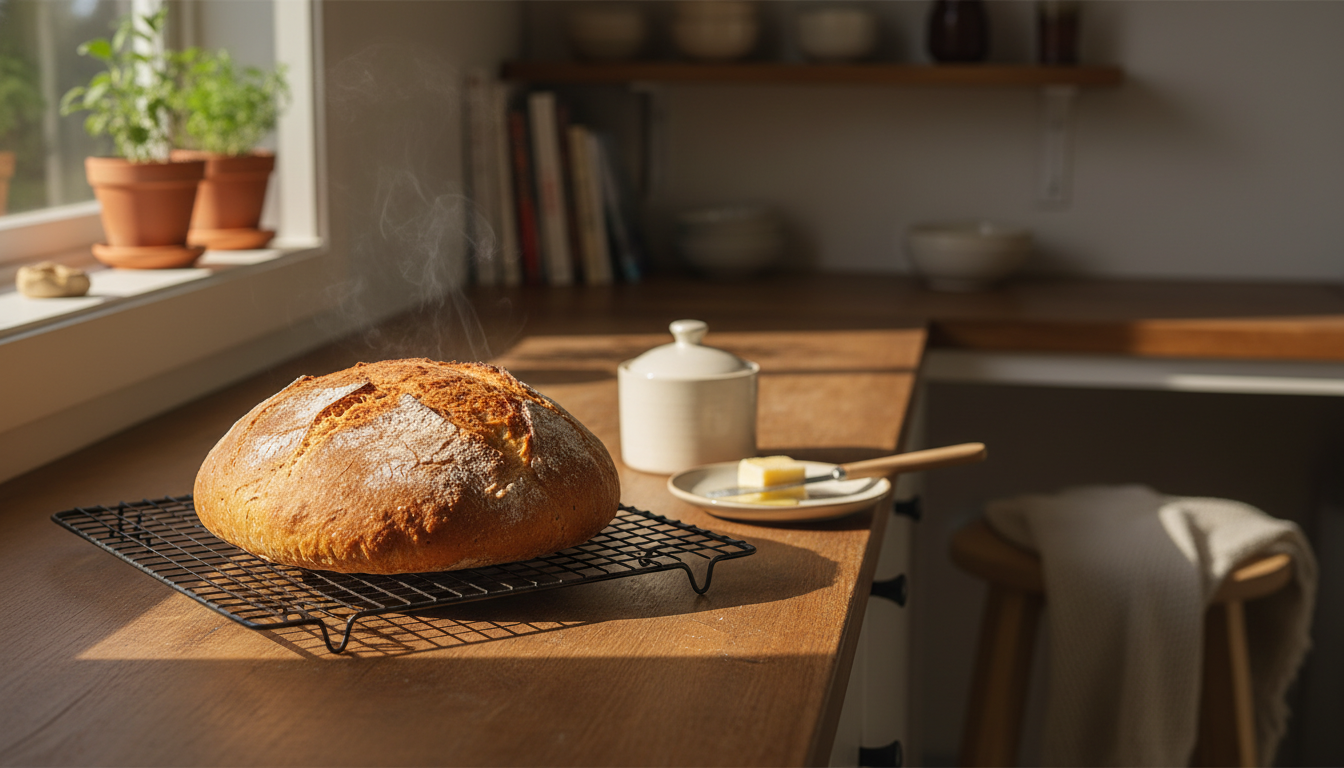 Golden-brown rewena bread loaf cooling on wire rack in home kitchen, afternoon light, butter dish ne
Pacific Island Flavors: Auckland's Polynesian Food Scene
Auckland has the largest Polynesian population of any city in the world. More Samoans live here than in Samoa's capital. This means the Pacific Island food scene is authentic, abundant, and criminally underrated by tourists.
What to Try
Oka is raw fish marinated in coconut cream and citrus. Think ceviche's tropical cousin. You'll find it at most Pacific Island restaurants and sometimes at farmers markets. Usually $15-20 NZD ($9-12 USD) for a generous portion.
Palusami is taro leaves stuffed with coconut cream and onion, wrapped in banana leaves, and baked until silky. Comfort food on another level.
Sapasui—Samoan chop suey—is noodles, vegetables, meat, all stir-fried with soy sauce. Every family has their own recipe, and they're all good.
Where to Find It
Taufusi Restaurant in Māngere is the real deal. Family-run, generous portions, flavors that transport you to the islands. A full meal runs $25-35 NZD ($15-21 USD).
Otahuhu and Māngere are Pacific Island heartlands. Take the train, walk the main streets, and follow your nose. The best food often comes from church fundraisers and community events—ask locals if anything's happening during your stay.
Pasifika Festival in March is the largest Pacific Island cultural festival in the world. If your home swap coincides with it, clear your schedule. The food stalls alone are worth the trip.
Stocking Your Home Swap Kitchen: Auckland Grocery Guide
Not every meal needs to be a production. Sometimes you just need groceries.
Countdown and New World
The big chains. Prices are comparable—slightly higher than US supermarkets, but the quality of produce and meat is noticeably better. A week's worth of groceries for two runs about $150-200 NZD ($90-120 USD) if you're cooking most meals.
Pro tip: both chains have apps with digital coupons. Download before you shop.
Farro Fresh
Think Whole Foods equivalent, but less pretentious. Multiple locations around Auckland. This is where you'll find specialty ingredients, local artisan products, and a deli section that could constitute lunch on its own. Pricier than Countdown—maybe 20-30% more—but the quality justifies it for certain items.
Asian Grocers on Dominion Road
For anything Asian—fresh noodles, obscure sauces, vegetables you've never seen before—skip the supermarkets. Tai Ping and Lim Chhour are the big ones. Prices are significantly lower than mainstream grocers, and the selection is infinitely better.
Fish Markets
Auckland Fish Market in Wynyard Quarter is the obvious choice. It's touristy, yes, but the fish is fresh and the selection is excellent. Go early morning for the best picks. Expect to pay $25-40 NZD ($15-24 USD) per kilo for premium fish like snapper or hapuka.
For a more local experience, Sanford's in Wynyard sells directly to the public on weekday mornings. Same quality, fewer tourists, slightly better prices.
Cooking Classes and Food Experiences in Auckland
Sometimes you want to learn, not just eat.
Sachie's Kitchen offers Japanese home cooking classes in a real home kitchen (how meta for a home swapper). Sachie has been teaching for over a decade, and her ramen class is legendary. About $180 NZD ($108 USD) for a 3-hour session including lunch.
Auckland Seafood School at the fish market teaches you to fillet, shuck, and prepare New Zealand seafood like a local. Classes range from $100-200 NZD ($60-120 USD) depending on the focus.
Foraging Auckland runs guided walks through Auckland's parks and coastlines, identifying and collecting edible native plants. You'll learn about kawakawa, puha, and other ingredients that most visitors never discover. Around $120 NZD ($72 USD) per person.
My Favorite Auckland Home Swap Meal
I want to leave you with something concrete. Here's what I cooked on my last night in Ponsonby, using entirely local ingredients I'd gathered over three weeks:
Green-lipped mussels steamed with Cloudy Bay sauvignon blanc, garlic, and kawakawa leaves. Rewena bread (made from my host's starter, which I'd been feeding all week) toasted with local butter. A simple salad of watercress and feijoa with manuka honey dressing. A glass of that same Cloudy Bay.
Total cost: maybe $35 NZD ($21 USD). Time: 45 minutes. Satisfaction: immeasurable.
I ate on my host's deck, watching the sun set over the Waitematā Harbour, using their plates, their wine glasses, their view. That's what Auckland cuisine during a home swap actually means. Not just food—but a life, borrowed for a little while.
If you're considering a home swap in Auckland, do it. List your place on SwappaHome, start browsing New Zealand listings, and prepare yourself for a culinary adventure that no hotel concierge could ever arrange. Your future host's kitchen is waiting—temperamental coffee grinder and all.
Frequently Asked Questions
Is Auckland good for food lovers doing a home swap?
Absolutely. Auckland cuisine during a home swap offers access to incredible farmers markets, diverse neighborhoods from Ponsonby to Dominion Road, and the ability to cook with unique New Zealand ingredients like kawakawa, kumara, and green-lipped mussels. You'll eat better and spend less than hotel-based tourists.
How much should I budget for food during an Auckland home swap?
Plan for $40-60 NZD ($25-36 USD) per person daily if cooking most meals with occasional restaurant visits. Farmers market shopping runs $30-50 NZD ($18-30 USD) weekly for fresh produce. Restaurant meals average $25-45 NZD ($15-27 USD) for mains in mid-range establishments.
What local Auckland ingredients should I cook with during my home swap?
Prioritize green-lipped mussels, kumara (New Zealand sweet potato), kawakawa leaves for seasoning, manuka honey, and seasonal feijoa fruit (March-June). These ingredients are affordable at local markets and create authentic New Zealand dishes you can't replicate elsewhere.
Where are the best farmers markets for Auckland home swap cooking?
La Cigale French Market in Parnell (weekends, 8am-1:30pm) offers artisan products and local cheeses. Parnell Farmers Market (Saturday mornings) has excellent fresh seafood. Matakana Village Farmers Market (Saturday mornings, 1-hour drive north) features premium local produce and is worth the trip.
Can I experience Māori food culture during an Auckland home swap?
Yes, though traditional hangi feasts require planning. Visit Te Puia in Rotorua for an authentic hangi experience ($150 NZD/$90 USD), check Auckland Museum's event calendar, or ask your SwappaHome host about local community events. You can also make rewena bread—traditional Māori sourdough—in your swap kitchen.

Published by
SwappaHome
SwappaHome Editorial Team
Home Exchange & Slow Travel Editorial
The SwappaHome Editorial Team brings together travel research, home-exchange community insights, and platform data to produce practical guides for first-time and experienced home swappers. Every article cites real platforms, current market rates, and verifiable city-level facts so readers can make informed decisions without guessing.
Ready to try home swapping?
Join SwappaHome and start traveling by exchanging homes. Get 7 free credits when you sign up!
Related articles

Bachelor and Bachelorette Parties in Singapore: The Complete Home Swap Group Guide for 2026
Planning a bachelor or bachelorette party in Singapore? Discover how home swapping lets groups of 6-12 stay together in luxury condos, saving thousands while partying in Marina Bay.

Cycling in Lisbon: 7 Home Swap Bike Tour Itineraries for Every Rider
Discover the best cycling routes in Lisbon with these home swap bike tour itineraries—from waterfront paths to hilltop adventures, all starting from your borrowed home.

Graduation Trip to Barcelona: How Home Swapping Gives New Graduates the Ultimate Celebration
Planning a graduation trip to Barcelona? Discover how home swapping lets new graduates explore Spain's most vibrant city without the hostel crowds or hotel costs.