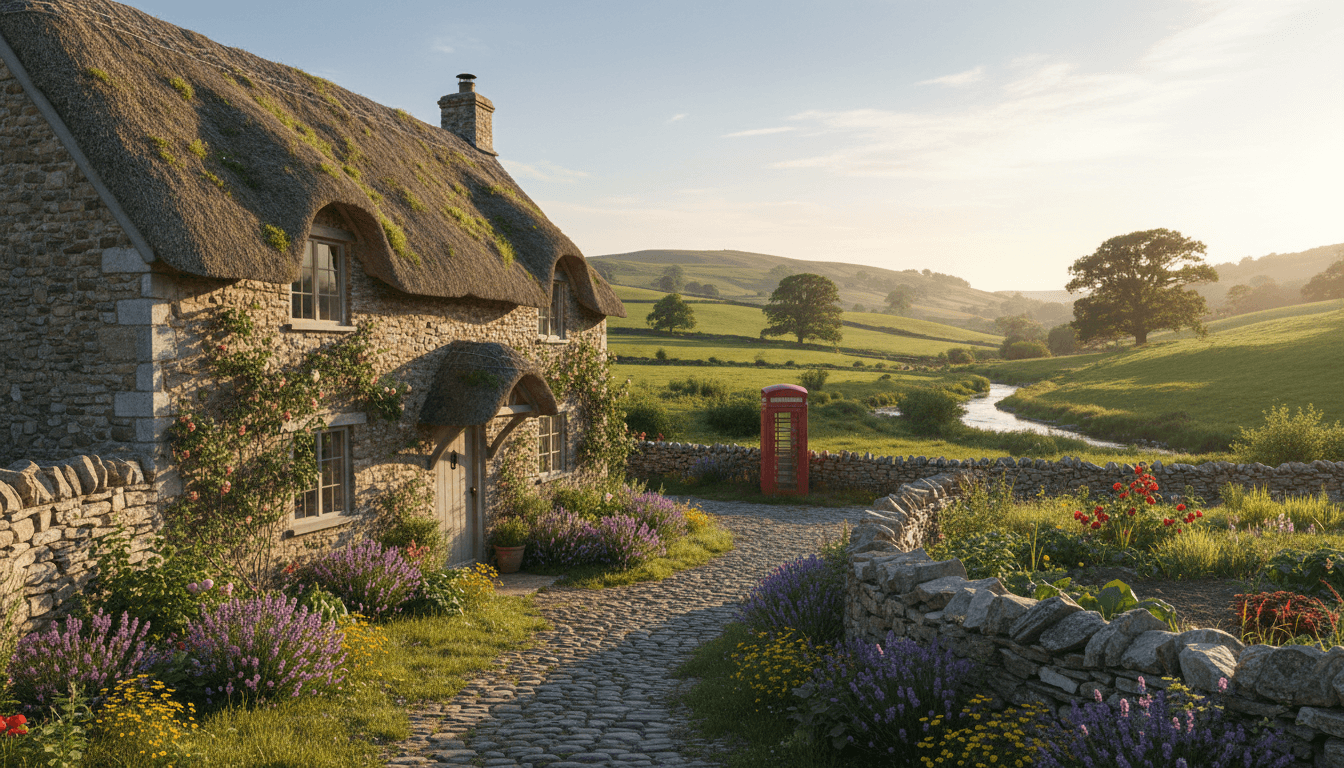
Countryside Home Exchange: Your Complete Guide to Rural Escapes That Cost Almost Nothing

SwappaHome Editorial Team
Home Exchange & Slow Travel Editorial
Discover how countryside home exchange lets you wake up to rooster calls, fresh eggs, and zero hotel bills. A 7-year swapper shares her secrets to finding rural paradise.
The rooster woke me at 5:47 AM. I should have been annoyed—I'm a solid 8 AM person—but I just lay there in the converted hayloft, watching dust motes dance in the early Tuscan light, and thought: I can't believe this is free.
That was my first countryside home exchange, three years into my swapping journey, and it completely rewired how I think about travel. Before that trip, I'd been a city swapper—Barcelona apartments, Tokyo condos, London flats. Good stuff. But rural? I'd assumed there wouldn't be enough listings, or that I'd be bored, or that I'd need a car for everything.
I was wrong on all counts.
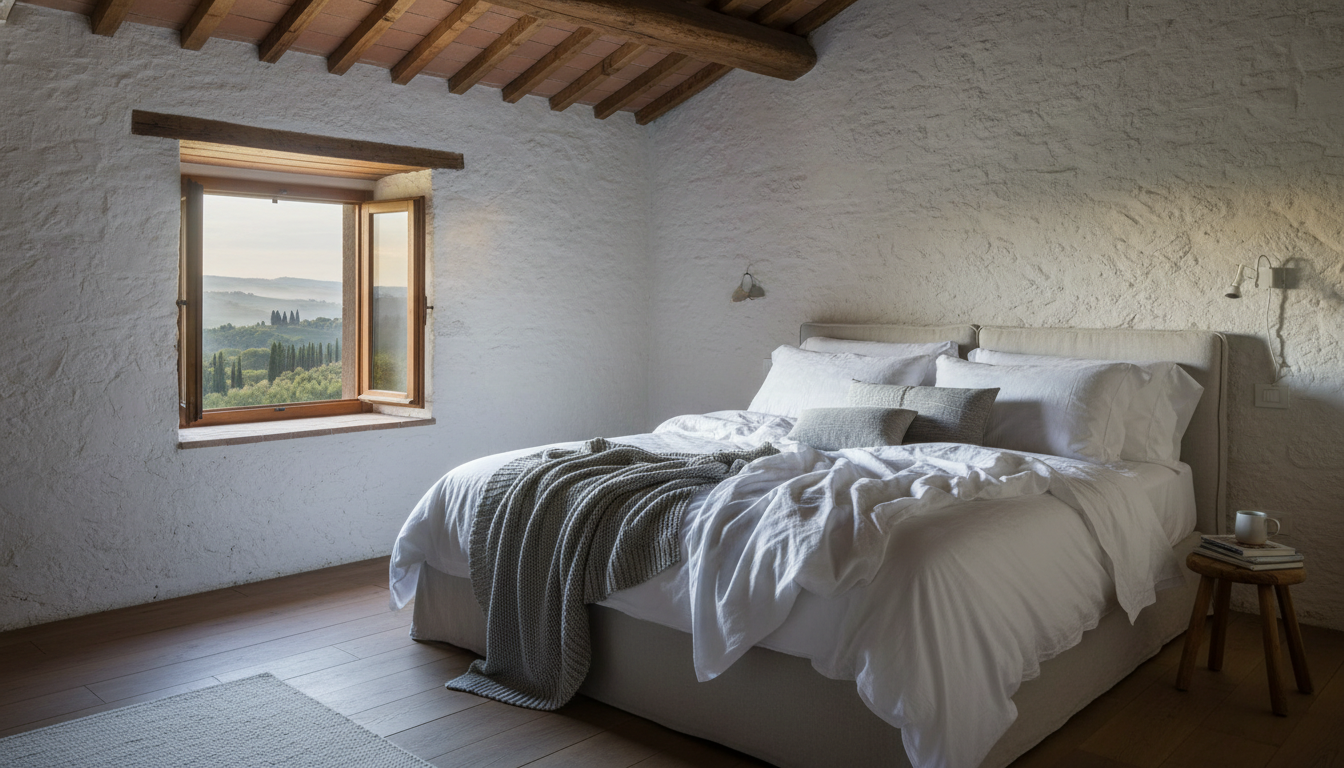 Morning light streaming through a rustic barn-conversion bedroom with exposed wooden beams, white li
Countryside home exchange has become my favorite way to travel, and I'm not alone. Over the past two years, rural listings on platforms like SwappaHome have grown by over 40%, as more travelers realize that escaping to the countryside doesn't require a trust fund or a two-week minimum stay at some overpriced agriturismo.
Here's everything I've learned about finding, booking, and actually enjoying rural home swaps—from a converted sheep barn in the Scottish Highlands to a vineyard cottage in New Zealand's Marlborough region.
Why Countryside Home Exchange Beats Every Other Rural Travel Option
Real talk: rural accommodation is usually either expensive or sketchy. There's not much middle ground.
Boutique farm stays? $300-500/night. Airbnb cottages in popular countryside areas? $150-250/night, plus cleaning fees that somehow equal another night's stay. Budget options? You're looking at that one weird listing with three reviews and photos from 2016.
Countryside home exchange sidesteps all of this. On SwappaHome, it's one credit per night regardless of whether you're staying in a studio apartment in Manila or a five-bedroom farmhouse in Provence. One credit. That's it.
During my Tuscan barn stay—a property that would easily rent for €280/night on traditional platforms—I spent 12 credits for 12 nights. I'd earned those credits hosting guests in my San Francisco place over the previous months. The math is almost embarrassingly good.
But cost isn't even the main thing.
The Real Reason Rural Swaps Hit Different
When you stay at a hotel or rental, you're a customer. When you do a countryside home exchange, you're a guest in someone's actual life.
My Tuscan hosts, Giulia and Marco, left me a hand-drawn map to their favorite swimming spot in the river—a 20-minute walk through olive groves that no tourist in a hotel would ever find. Fresh eggs from their chickens, collected that morning. A bottle of their own olive oil with a note: "For the pasta. Trust us." And the phone number of their neighbor, Enzo, "in case the goats get into the garden again."
The goats did get into the garden. Enzo came over with his dog, shooed them out, and then stayed for an espresso. He told me about the village's annual truffle festival. I went. It was incredible.
This is what I mean when I say rural home exchange gives you something money literally cannot buy: access to a life, not just a location.
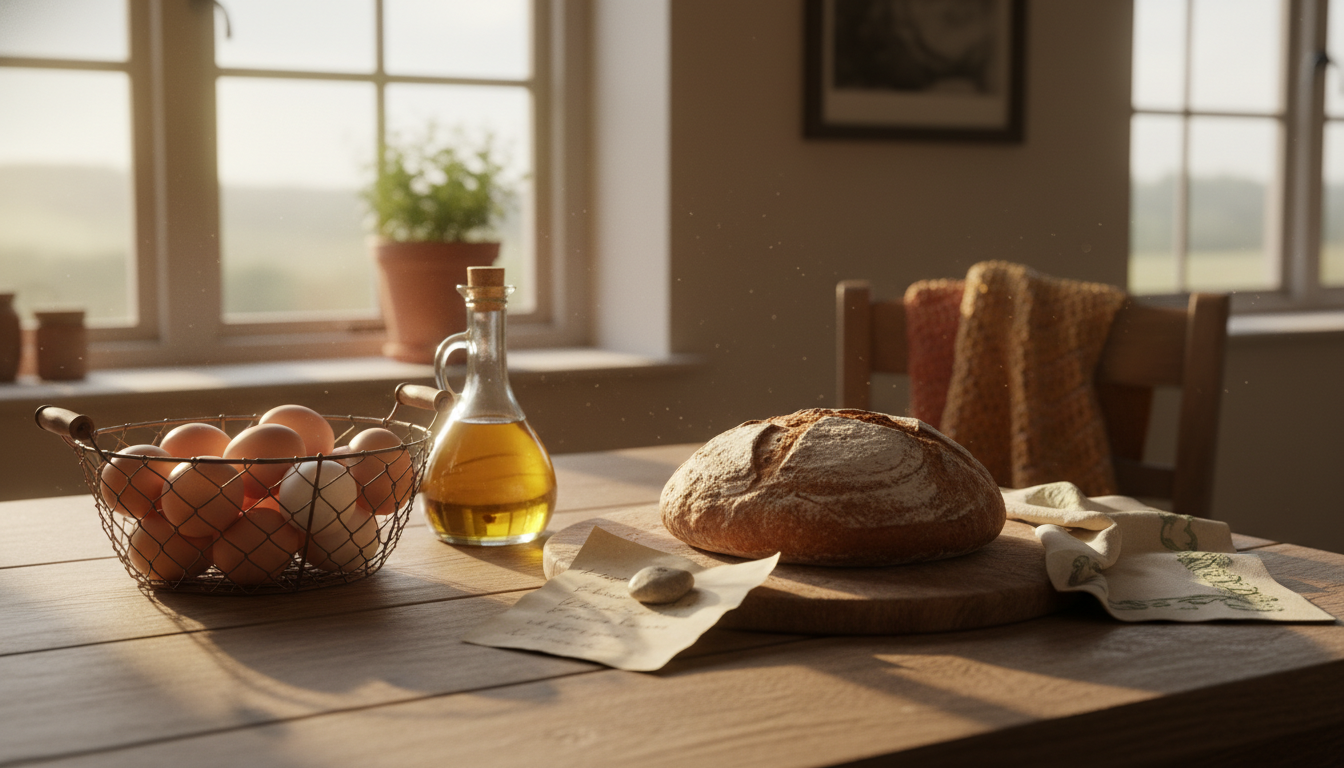 A rustic kitchen table set with fresh eggs in a wire basket, a bottle of homemade olive oil, crusty
How to Find the Perfect Countryside Home Exchange Property
Alright, practical stuff. Finding rural swaps requires a slightly different approach than city searches. Here's my actual process:
Start Broad, Then Narrow
Don't search for "cottage in the Cotswolds." Search for the entire region first. Rural properties are spread out, and the best ones often aren't in the places you've heard of.
When I was planning a UK countryside trip, I started with "England" and filtered for properties outside major cities. That's how I found a listing in the Shropshire Hills—an area I'd never considered—that turned out to be one of my favorite swaps ever. Rolling green hills, medieval market towns, almost zero tourists.
Read Between the Lines of Listings
Rural hosts tend to undersell their properties. City hosts are marketing-savvy; they know the game. But the retired couple with a stone cottage in rural Portugal? They'll write something like "simple house, nice garden, quiet area" and include three slightly blurry photos.
Look for clues that a listing is actually amazing: mentions of specific features like "wood-burning stove" or "orchard" or "stream on property." Photos that show views rather than just interiors. Descriptions of what's nearby. Long-term members with multiple positive reviews.
I've found some of my best rural swaps by messaging hosts whose listings seemed underwhelming but whose reviews mentioned things like "the sunset from the terrace was unbelievable" or "we didn't want to leave."
Ask the Right Questions Before Booking
Rural properties come with considerations that city places don't. Before confirming any countryside home exchange, I always ask about transportation—is a car necessary, or can I manage with bikes and local transport? Some rural areas have surprisingly good bus connections. Others, you're stranded without wheels.
I ask about supplies too. Where's the nearest grocery store, and how often do I need to plan shopping trips? In remote areas, this might be a 30-minute drive. Not a problem if you know in advance.
Connectivity matters if you work remotely. Many rural hosts are honest that their internet is "good enough for email but not video calls." I appreciate that honesty.
And seasonal considerations—anything I should know about visiting in a particular month? That charming farmhouse might be freezing in November or swarming with mosquitoes in August.
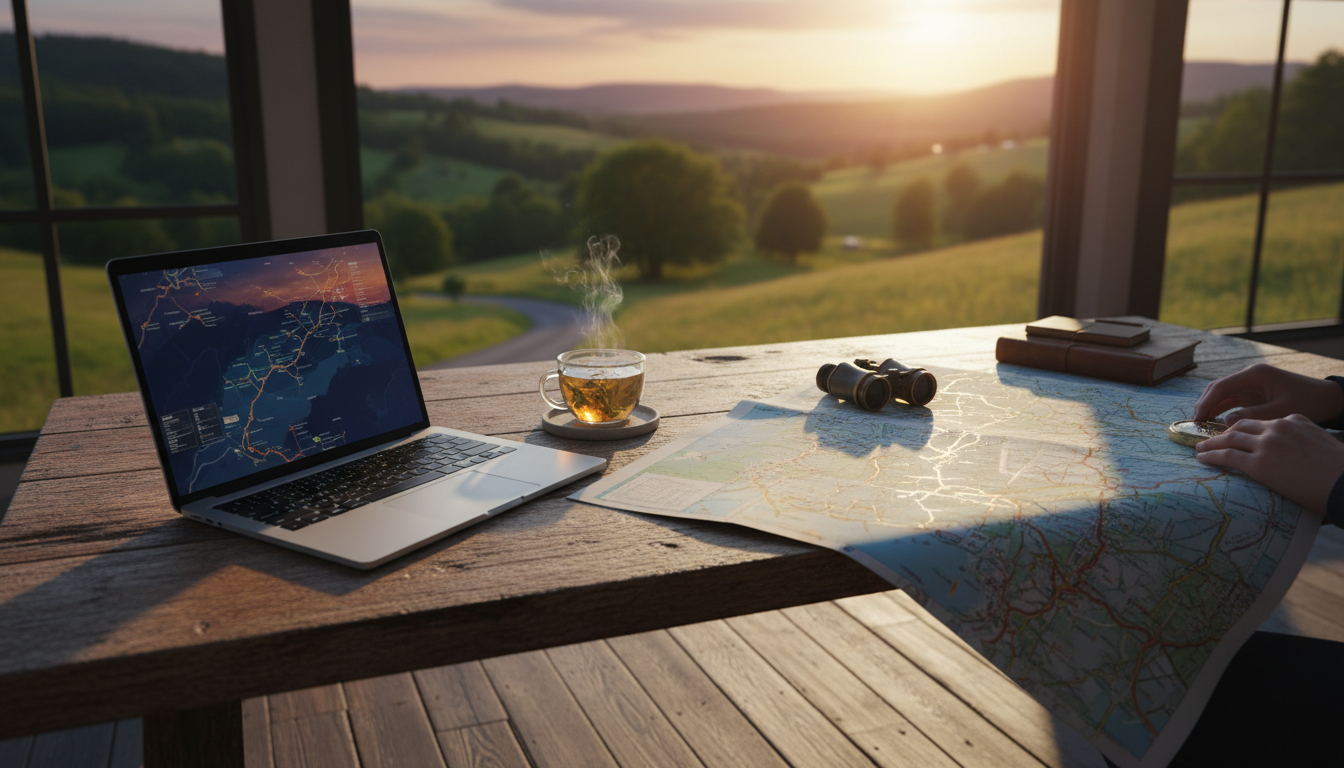 A travelers laptop open on a rustic wooden desk next to a window overlooking green countryside, with
Best Regions for Countryside Home Exchange (Tested Personally)
I've done rural swaps on four continents now. Here's where I'd send a friend:
Europe: Where Rural Swapping Thrives
Tuscany and Umbria, Italy — The classic for a reason. High density of listings, incredible food culture, and hosts who genuinely want to share their way of life. Expect to spend around €30-50/day on food and wine if you're cooking at home with market ingredients. Skip the tourist-heavy areas around Siena; look instead at the Val d'Orcia or the hills around Perugia.
Dordogne, France — Fewer listings than Provence but less crowded and arguably more charming. Medieval villages, walnut groves, foie gras country. My swap here was in a converted tobacco barn—yes, they used to grow tobacco in France—with a pool overlooking a valley. The hosts left me a list of their favorite markets. Tuesday in Sarlat was life-changing.
Alentejo, Portugal — This is my current obsession. The region south of Lisbon is still under-touristed, with whitewashed villages, cork oak forests, and some of the best-value wine in Europe. We're talking €3-5 for bottles that would cost $20 in the US. Rural listings here are growing fast.
Scottish Highlands — For when you want dramatic. I stayed in a croft house on the Isle of Skye that had been in the host family for four generations. The nearest neighbor was a 15-minute walk. I saw more sheep than people. It was perfect.
Beyond Europe: Hidden Rural Gems
New Zealand's South Island — Wine country around Marlborough, sheep stations in Canterbury, lakeside cottages in Queenstown's surroundings. Kiwi hosts are legendarily generous—expect to find local honey, homemade preserves, and detailed notes about the best hiking trails.
Japan's Countryside — This one surprised me. Rural Japan has a growing home exchange community, particularly in areas like Nagano (think: mountains, hot springs, apple orchards) and Shikoku (the least-visited main island, with pilgrimage trails and traditional farmhouses). Cultural exchange here is next-level.
Argentina's Wine Regions — Mendoza gets all the attention, but look at Salta in the north or Patagonia's Río Negro valley. I haven't done a swap here yet, but I've been eyeing listings. A friend stayed at a family vineyard near Cafayate and paid the equivalent of $40/week in credits for what would've been a $200/night boutique stay.
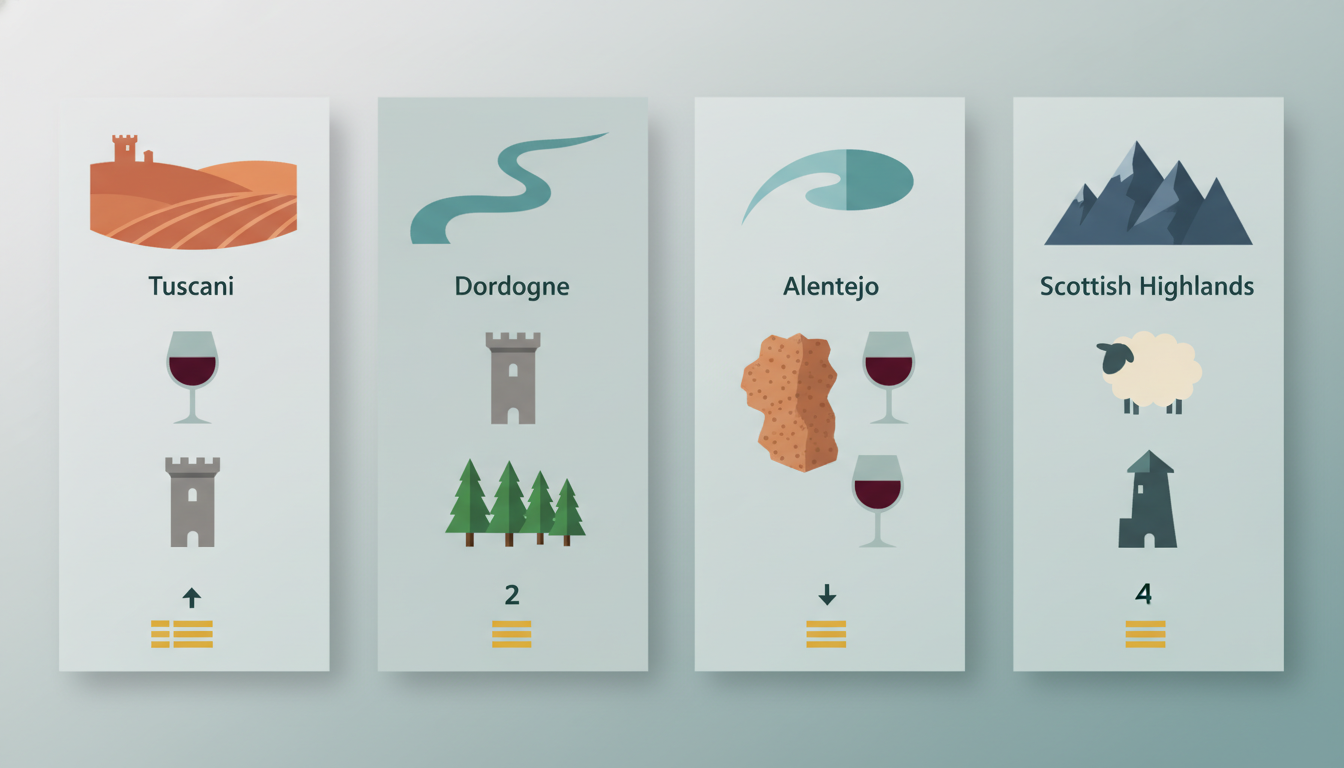 Comparison graphic showing four countryside regions Tuscany, Dordogne, Alentejo, Scottish Highlands
What to Expect When You Arrive at a Rural Home Exchange
City swaps are pretty standardized. You get keys, wifi password, maybe some restaurant recommendations. Rural swaps are more... variable. In the best way.
The Welcome Might Be Warmer (and Longer)
Rural hosts often want to show you around personally. My Scottish host spent two hours walking me through the property—where the peat for the fire was stored, how to work the temperamental Aga stove, which path led to the secret beach.
This isn't obligation; it's pride. These are often family homes with history. Embrace the tour. Ask questions. You'll learn things no guidebook contains.
You'll Probably Meet the Neighbors
In rural communities, a stranger staying at the Henderson place is news. Expect friendly curiosity. The postman might introduce himself. Someone will probably drop off vegetables from their garden.
I know this sounds like a Hallmark movie, but it's genuinely happened to me multiple times. In rural Portugal, the neighbor came over with a basket of figs "because the tree is producing too much and Maria said you were American so you probably don't know what to do with figs."
She was right. I didn't. She taught me to make fig jam. We're still in touch.
Creature Comforts Might Be... Rustic
Honestly? Some countryside home exchange properties are simpler than what you'd find in cities. The shower might be small. The heating might be a wood stove you need to feed. The kitchen might not have a dishwasher.
For me, this is part of the appeal. There's something grounding about chopping wood for your evening fire, or hanging laundry on a line in the sun, or cooking with whatever's ripe in the garden.
But if you need certain amenities, ask beforehand. No shame in that. Some rural listings are fully modernized; others are deliberately unplugged.
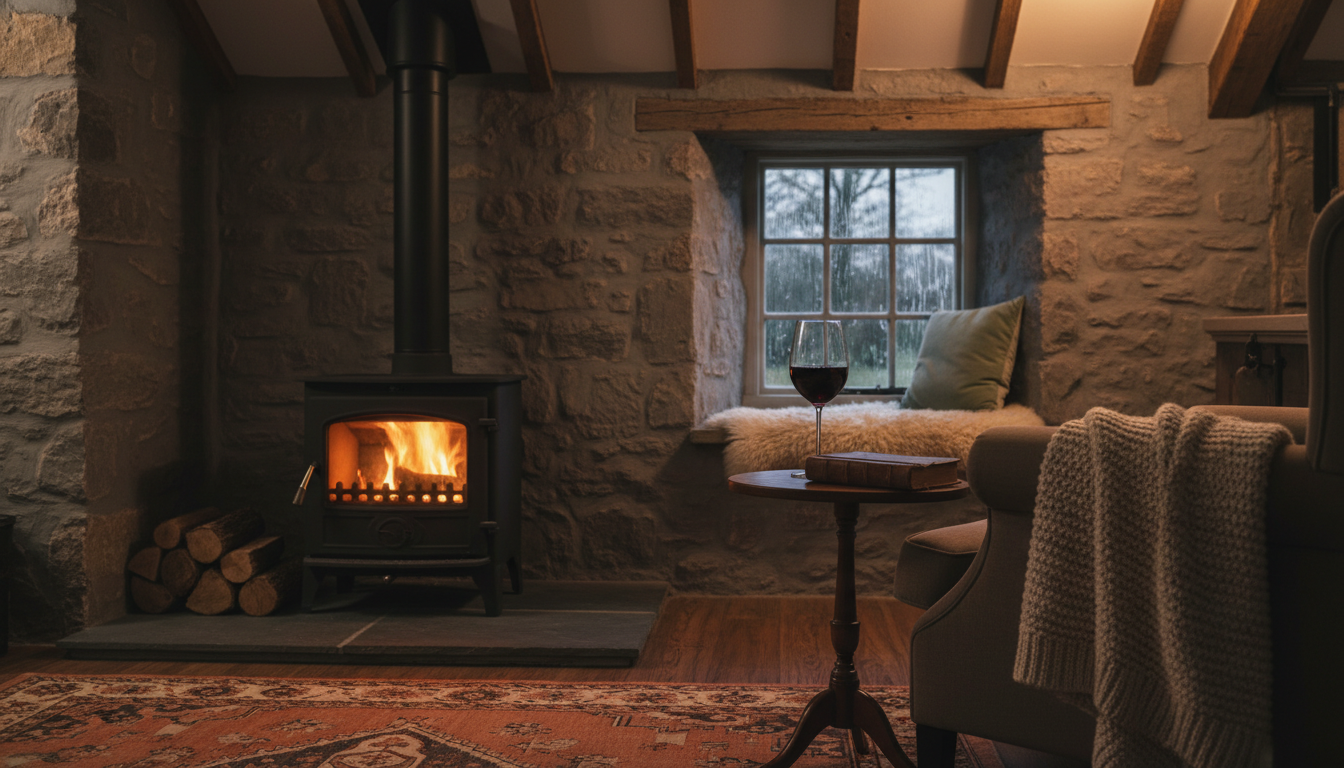 A cozy evening scene inside a stone cottage with a wood-burning stove glowing, a glass of red wine o
Practical Tips for Countryside Home Exchange Success
After 15+ rural swaps, here's what I wish someone had told me at the start:
Transportation Reality Check
You will probably need a car. I know, I know—not what you want to hear if you're trying to travel light. But most rural areas aren't designed for visitors without vehicles.
The good news: car rental in countryside areas is often cheaper than cities. In Portugal, I rented a small car for €18/day. In New Zealand, I got a station wagon for $35/day NZD during shoulder season.
Some alternatives that sometimes work: e-bikes (many rural hosts have them available), local bus routes (surprisingly good in parts of the UK and Germany), arranging grocery delivery (increasingly available even in remote areas), or planning your swap near a village with walkable essentials.
Stock Up Strategically
On your first day, do a big grocery run. I'm talking staples—olive oil, pasta, rice, coffee, wine, cheese, eggs, bread. Whatever you'll need for a week.
Rural shopping is often an event. Markets happen on specific days, specialty stores have weird hours, the nearest supermarket might be 40 minutes away. You don't want to make that drive daily.
I usually budget about $100-150 for an initial stock-up, then $30-50 for fresh items mid-week. Eating in is part of the rural swap experience anyway—most properties have incredible kitchens and hosts who leave recipe suggestions.
Embrace the Slower Pace (Actually)
This sounds obvious, but it took me a few rural swaps to internalize: you're not here to do things. You're here to be somewhere.
My first countryside home exchange, I made a list of day trips and activities. Wineries to visit! Medieval towns to explore! Hiking trails to conquer! I was exhausted by day four.
Now I plan almost nothing. I wake up, make coffee, sit outside. Maybe I'll drive to a village for lunch. Maybe I'll read all afternoon. Maybe I'll take a walk and see where it goes.
The magic of rural swaps isn't in the itinerary. It's in the space. Give yourself permission to do nothing spectacular.
Leave Something Behind
This is a personal ritual, but I think it matters: when I leave a countryside home exchange, I always leave something for the hosts. Not expensive—a jar of local honey I found at a farm stand, a book I finished that I think they'd enjoy, a handwritten note about my favorite moment.
Rural swap hosts are sharing something intimate. Their home, yes, but also their community, their neighbors, their way of life. Acknowledge that. It's what makes this whole system work.
When Countryside Home Exchange Isn't the Right Choice
I'm not going to pretend rural swaps are perfect for everyone. Skip them if you need reliable fast internet for work—rural connectivity has improved, but it's inconsistent. If your job depends on video calls, stick to cities or confirm the wifi situation in writing.
Skip them if you're traveling with someone who hates driving. Navigating narrow country roads, possibly on the "wrong" side, in an unfamiliar car—it's part of the adventure for some people and a nightmare for others. Know your travel partner.
Skip them if you want nightlife or lots of restaurant options. Rural areas close early. The pub might stop serving food at 8 PM. The nearest town might have three restaurants, and one of them is always closed on Tuesdays for some reason.
And skip them if you're doing a very short trip. Countryside home exchange rewards time. A two-night stay barely lets you decompress. I'd say five nights minimum to really sink into the rhythm of a place.
Getting Started with Your First Rural Swap
If you're new to home exchange entirely, countryside swaps are actually a great entry point. Rural hosts tend to be more flexible, less demanding about dates, and more forgiving of swap newbies.
On SwappaHome, you start with 7 free credits—enough for a 10-night rural escape. Here's how I'd use them:
Browse without pressure first. Spend a week just looking at rural listings in regions that interest you. Save favorites. Notice what appeals to you—mountain views? Near water? Working farms?
Then reach out to 3-5 hosts. Introduce yourself, explain your travel dates, ask your questions. Rural hosts appreciate genuine communication over transactional requests.
Be flexible on dates. If a host says "that week doesn't work, but the following week is perfect," consider adjusting. Rural hosts often have specific availability around farming schedules, family visits, or seasonal work.
Start with somewhere accessible. For your first countryside home exchange, maybe don't choose the most remote listing you can find. Pick somewhere with a backup plan—a nearby town, decent phone signal, hosts who are reachable if you have questions.
And write a detailed review afterward. The rural swap community is smaller and more tight-knit than city exchanges. Good reviews help hosts get more guests, and they help future travelers find hidden gems.
The Moment That Sold Me on Rural Swapping Forever
I want to end with a story.
It was my third night at that Tuscan barn. I'd spent the day doing absolutely nothing—reading in the garden, napping in a hammock, making a simple pasta with tomatoes from the hosts' garden.
Around 7 PM, I walked up the hill behind the property. There's a spot Giulia had marked on her hand-drawn map with a star and the words "for sunset."
I sat on a stone wall that had probably been there for 400 years. The valley below was gold and pink and impossible. I could see maybe twenty farmhouses scattered across the hills, smoke rising from a few chimneys. Church bells from the village echoed up.
I did the math in my head: a comparable view from a boutique hotel would cost $400/night. I was here for free, eating better food, meeting actual Italians, learning about goat management from a 70-year-old man named Enzo.
That's when I knew countryside home exchange wasn't just a budget hack. It was a completely different way to experience the world.
You should try it.
Ready to find your own rural escape? SwappaHome has thousands of countryside listings across six continents, from Scottish crofts to New Zealand vineyards. Your first 7 credits are free—that's 7 nights of trading city stress for rooster alarms and fresh eggs.
Frequently Asked Questions
Is countryside home exchange safe for solo travelers?
Absolutely. I've done several rural swaps alone and felt completely secure. The key is choosing verified hosts with strong reviews, letting someone know your location, and trusting your instincts during pre-swap communication. Rural communities tend to be tight-knit and welcoming—neighbors often keep an informal eye on visitors. That said, always arrange your own travel insurance for peace of mind.
How much money can I save with countryside home exchange versus hotels?
The savings are substantial. A typical rural boutique stay costs $150-400/night, while countryside home exchange costs just one credit per night on SwappaHome. For a two-week trip, you could save $2,000-5,000 on accommodation alone. Add in the equipped kitchens that let you cook instead of dining out, and total savings often reach $3,000-7,000 compared to traditional rural tourism.
Do I need a car for countryside home exchange properties?
Usually, yes. Most rural properties aren't accessible by public transport, and you'll want flexibility to explore the area, shop for groceries, and reach nearby villages. However, some countryside listings are within walking distance of towns with good bus connections, and many hosts offer bikes or e-bikes. Always ask hosts about transportation needs before booking.
What if something goes wrong at a remote countryside property?
Communication is key. Before your swap, get the host's contact information and ask about local emergency contacts—a helpful neighbor, the nearest town, emergency services numbers. Most countryside hosts provide detailed house guides covering everything from power outages to wildlife encounters. Consider travel insurance that covers rural accommodation, and download offline maps of the area in case of spotty cell service.
How far in advance should I book a countryside home exchange?
For popular regions like Tuscany or the Cotswolds during peak season (May-September), book 3-4 months ahead. For less-trafficked areas or shoulder seasons, 4-6 weeks is usually sufficient. Rural hosts often have more flexibility than city hosts, so don't hesitate to reach out even for last-minute trips—you might find a perfect match.

Published by
SwappaHome
SwappaHome Editorial Team
Home Exchange & Slow Travel Editorial
The SwappaHome Editorial Team brings together travel research, home-exchange community insights, and platform data to produce practical guides for first-time and experienced home swappers. Every article cites real platforms, current market rates, and verifiable city-level facts so readers can make informed decisions without guessing.
Ready to try home swapping?
Join SwappaHome and start traveling by exchanging homes. Get 7 free credits when you sign up!
Related articles

Bachelor and Bachelorette Parties in Singapore: The Complete Home Swap Group Guide for 2026
Planning a bachelor or bachelorette party in Singapore? Discover how home swapping lets groups of 6-12 stay together in luxury condos, saving thousands while partying in Marina Bay.

Cycling in Lisbon: 7 Home Swap Bike Tour Itineraries for Every Rider
Discover the best cycling routes in Lisbon with these home swap bike tour itineraries—from waterfront paths to hilltop adventures, all starting from your borrowed home.

Graduation Trip to Barcelona: How Home Swapping Gives New Graduates the Ultimate Celebration
Planning a graduation trip to Barcelona? Discover how home swapping lets new graduates explore Spain's most vibrant city without the hostel crowds or hotel costs.