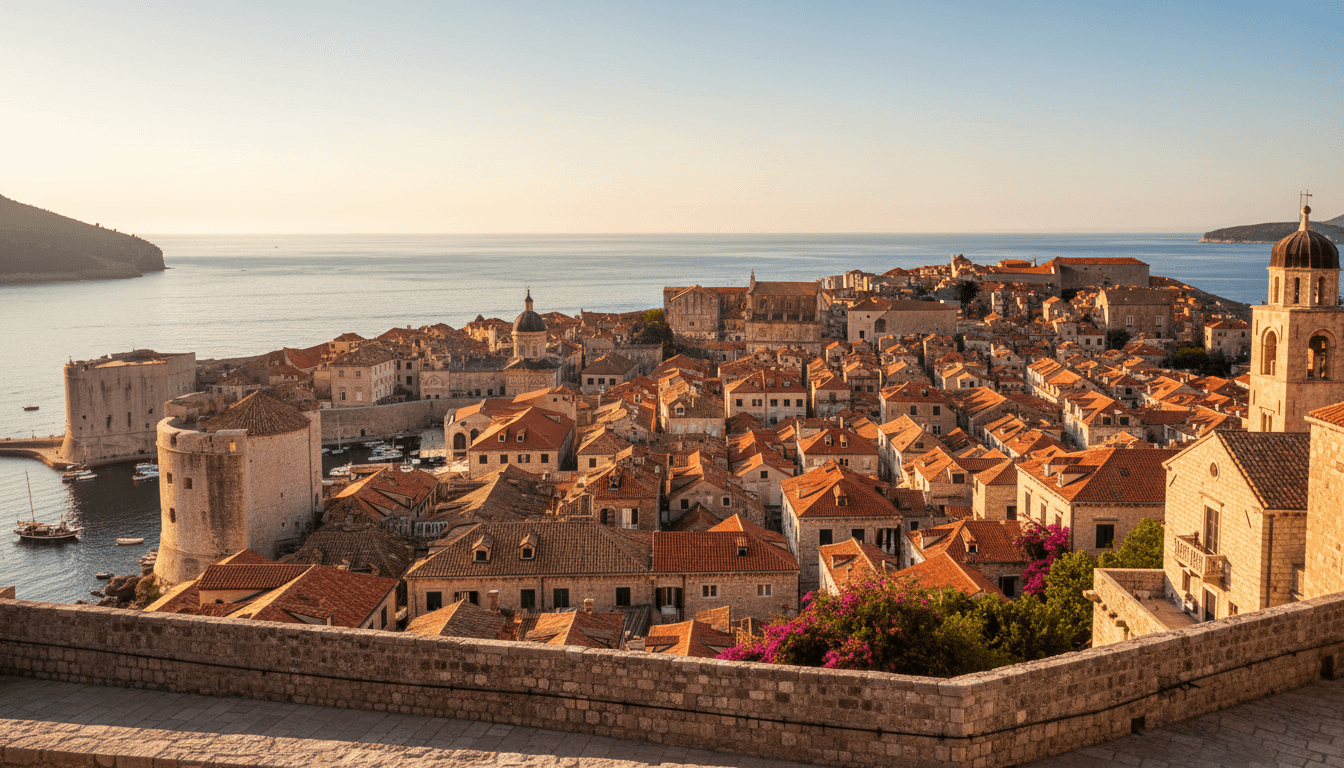
Cultural Immersion in Dubrovnik: How Home Swapping Unlocks the Real Croatia

SwappaHome Editorial Team
Home Exchange & Slow Travel Editorial
Skip the cruise ship crowds and tourist traps. Discover how home swapping in Dubrovnik lets you live like a local, from morning markets to hidden konobas.
The church bells of St. Blaise had just finished their 7 AM chorus when my neighbor Marija knocked on my door with a plate of still-warm fritule—those addictive little Croatian doughnuts dusted with powdered sugar. "You're too skinny," she declared in that wonderfully blunt Dalmatian way. "Eat."
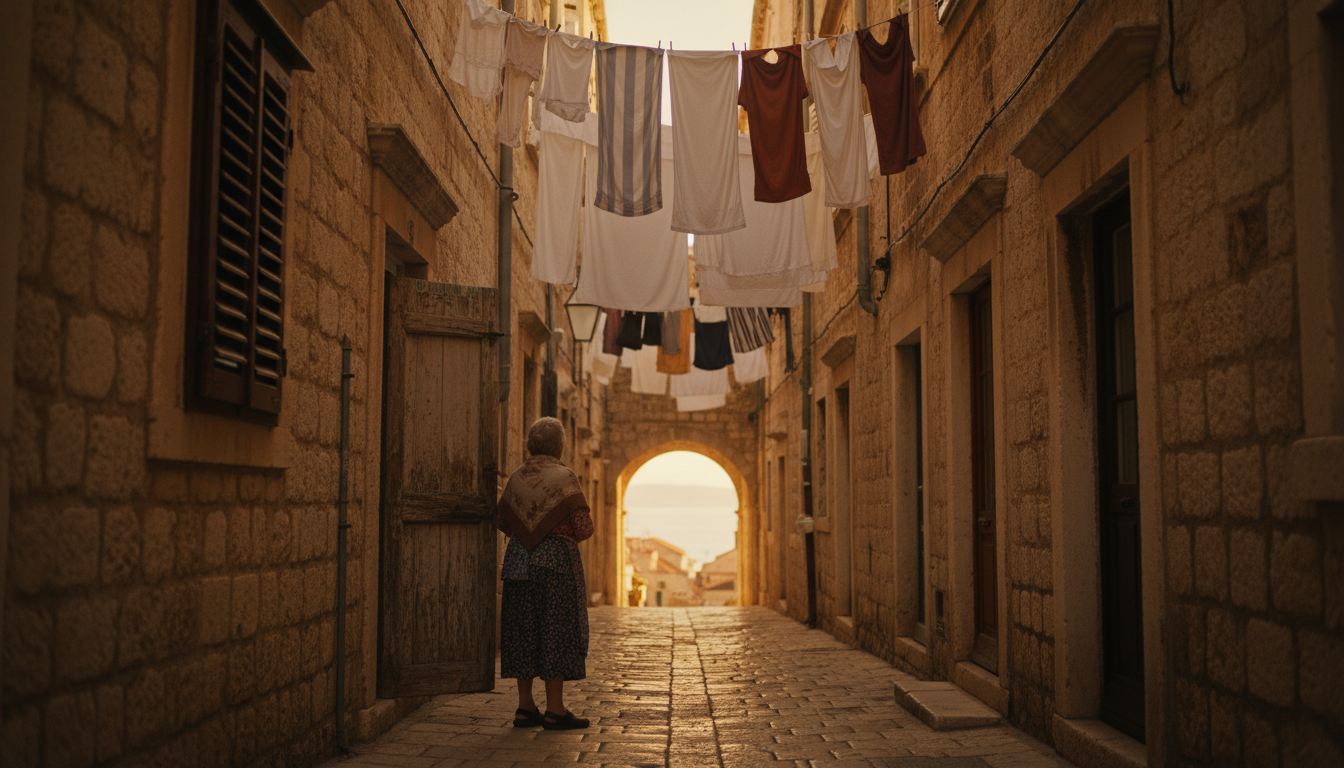
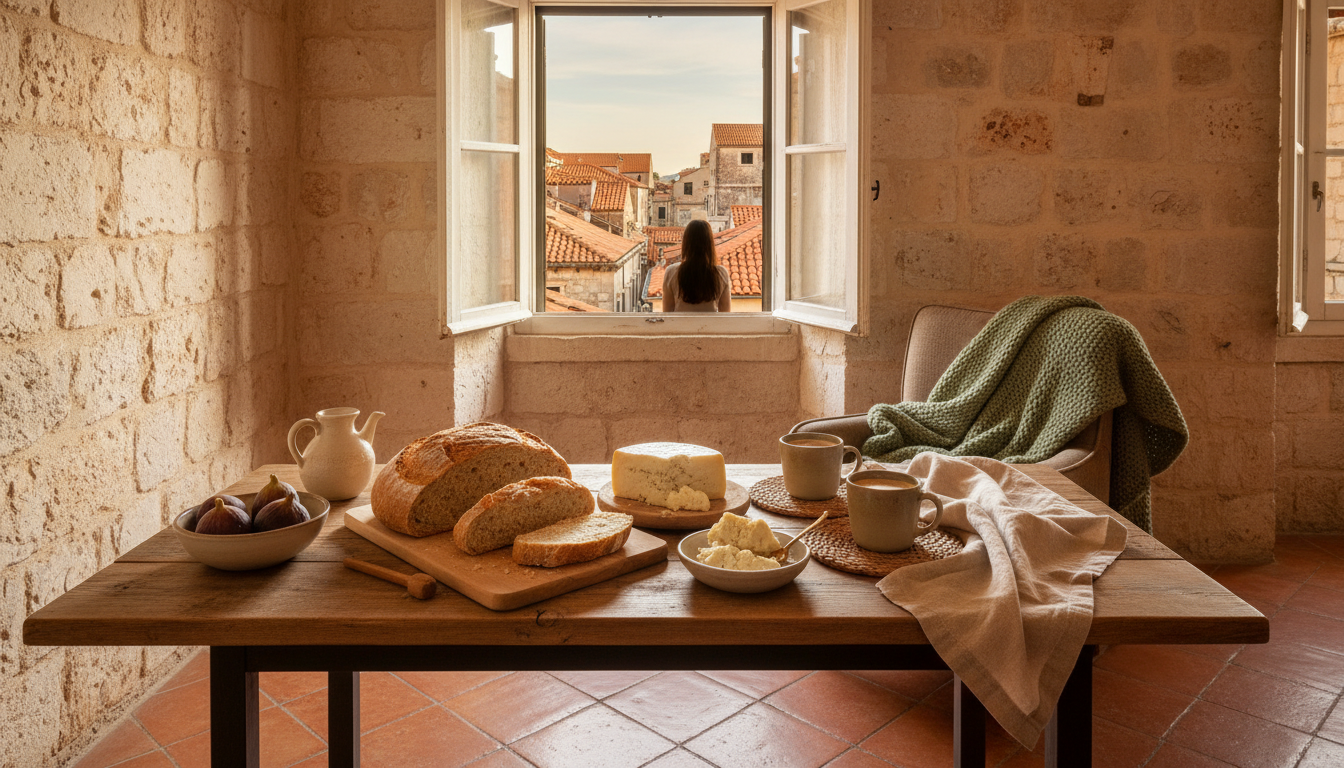
This wasn't a hotel concierge interaction. This was cultural immersion in Dubrovnik at its finest—the kind you simply cannot buy with a credit card or book through a tour operator. I was three days into a home swap in the Pile neighborhood, staying in a 400-year-old stone apartment that belonged to a retired professor named Zvonimir, and I'd already been invited to two family dinners, learned the proper way to prepare pašticada (hint: the prunes are non-negotiable), and discovered a swimming spot that no guidebook has ever mentioned.
 narrow stone alleyway in Dubrovniks old town at golden hour, laundry hanging between buildings, elde
Home swapping in Dubrovnik changed everything I thought I knew about visiting this city. And honestly? After watching thousands of cruise ship passengers flood through the Pile Gate every morning only to disappear by 4 PM, I'm convinced it's the only way to experience this place properly.
Why Cultural Immersion in Dubrovnik Requires More Than a Day Trip
Here's the uncomfortable truth about Dubrovnik: it's being loved to death.
On peak summer days, up to 8,000 cruise passengers pour into a walled city that was built for maybe 2,000 residents. They photograph the Rector's Palace. They walk the walls. They buy lavender sachets. And then they leave—having seen Dubrovnik but never actually experiencing it.
I get it. I was almost one of them.
My first visit to Dubrovnik was a port stop on a Mediterranean cruise back in 2019. We had six hours. I speed-walked the walls, ate an overpriced €18 pizza on the Stradun, and took approximately 400 photos. I left thinking I'd "done" Dubrovnik.
So wrong.
The Dubrovnik that exists after 5 PM—when the last tender boats have departed and the cruise ships become distant lights on the Adriatic—is an entirely different city. The Stradun belongs to locals again. Elderly men play cards outside konobas. Kids kick soccer balls against 16th-century walls. The city exhales.
But here's the thing: you can't experience evening Dubrovnik from a hotel in Lapad, 3 kilometers away from the old town. You can't stumble upon a neighborhood wine tasting when you're commuting by taxi. Cultural immersion in Dubrovnik requires actually living there—waking up to the sounds of the city, shopping where locals shop, becoming a temporary resident rather than a permanent outsider.
That's exactly what home swapping offers.
How Home Swapping in Dubrovnik Works (And Why It's Perfect for Croatia)
When I tell people I stayed in a professor's apartment inside Dubrovnik's walls for two weeks without paying for accommodation, they assume there's a catch. There isn't—at least not the kind they're imagining.
Home swapping through platforms like SwappaHome works on a simple credit system. I hosted a lovely couple from Melbourne in my San Francisco apartment for a week, earning 7 credits. I then used those credits to book Zvonimir's Dubrovnik apartment for 14 nights. No money exchanged hands for the accommodation itself. One credit equals one night, regardless of whether you're staying in a Tokyo studio or a Tuscan villa.
For Dubrovnik specifically, this system is transformative.
The hotel situation is brutal. A decent hotel inside the old town walls runs €300-450 per night ($325-490 USD) in summer. Most visitors end up in Lapad or Babin Kuk—pleasant enough neighborhoods, but a 25-minute bus ride from the historic center. You're a commuter, not a resident.
Apartments inside the walls exist—but they're almost exclusively on Airbnb, running €200-350 per night ($215-380 USD) and often owned by investors who've never lived there. The reviews mention "great location" but rarely "wonderful host" because there isn't one. Just a lockbox code.
Home swapping flips this equation. The people who list their Dubrovnik homes on SwappaHome actually live there. They have neighbors. They know which bakery has the best kruh and which fish market stall to avoid. And because they're traveling too—staying in your home or someone else's—there's a built-in relationship. Zvonimir and I exchanged dozens of messages before my trip. By the time I arrived, I had a handwritten list of his favorite spots, his neighbor's phone number in case of emergencies, and an open invitation to his family's konoba in Konavle.
 cozy Croatian apartment interior with stone walls, wooden shutters open to old town rooftops, simple
The Best Neighborhoods for Home Exchange in Dubrovnik
Not all Dubrovnik locations are created equal for cultural immersion. After my own swap and extensive research for this piece, here's where you want to be—and where you probably don't.
Inside the Walls: The Ultimate Immersion
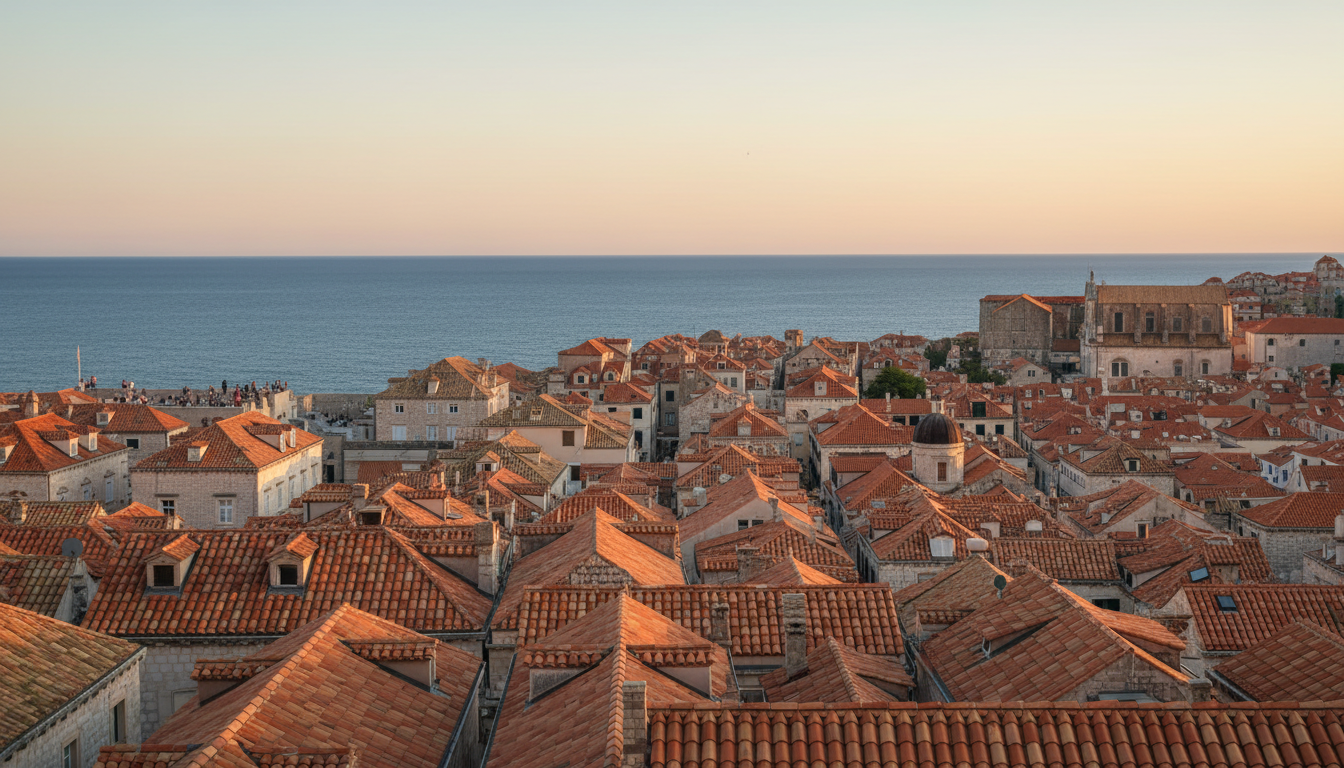
Living inside Dubrovnik's UNESCO-protected walls is the gold standard for cultural immersion. Yes, it means hauling your luggage up stone stairs (there are no cars, no elevators, and sometimes no mercy). Yes, it can be noisy during the day. But between 6 PM and 10 AM, you have a medieval city largely to yourself.
The best micro-neighborhoods inside the walls:
Prijeko runs parallel to the Stradun, one level up. It's restaurant-heavy (avoid the tourist traps with photos on menus), but the residential pockets between eateries are surprisingly quiet. Expect steep stairs but incredible views.
Pustijerna is the southeastern corner, near St. Ignatius Church. Fewer tourists venture here, and the morning light is spectacular. This is where Zvonimir's apartment was, and I'd return in a heartbeat.
Od Puča street and its tributaries feel more residential than touristy. You'll find actual grocery stores here (Konzum has a tiny outpost) and locals who nod hello after seeing you a few times.
Ploče: The Sophisticated Neighbor
Just outside the eastern Ploče Gate, this neighborhood offers a compelling compromise. You're a 3-minute walk from the old town but in a quieter, more residential area. Many homes here have sea views and small gardens—luxuries impossible inside the walls.
The Banje Beach area is particularly appealing. Yes, there's a fancy beach club, but locals swim at the public section for free. Morning coffee at Buža Bar (the one outside the walls, not the famous cliff bar) costs €2.50 and comes with Lokrum Island views.
Lapad and Babin Kuk: Proceed with Caution
I'll be honest—I don't recommend these neighborhoods for cultural immersion, despite their popularity. They're pleasant, with nice beaches and promenades, but they feel like resort zones. The restaurants cater to hotel guests. The vibe is vacation-generic rather than distinctly Croatian.
If a home swap opportunity arises here, take it only if the host is exceptionally connected to local life. Otherwise, you might as well be in any Mediterranean beach town.
 panoramic view of Dubrovniks terracotta rooftops from city walls at sunset, Adriatic Sea in backgrou
Living Like a Local: Daily Rhythms of Dubrovnik Life
The first morning of my home swap, I made a rookie mistake: I went to the Stradun for coffee at 9 AM. Tourists everywhere. Prices that made my San Francisco sensibilities wince. I retreated to Zvonimir's apartment, slightly defeated.
That evening, I mentioned this to Marija—the fritule-bearing neighbor—and she laughed so hard she had to sit down.
"Nobody goes there for coffee," she said. "That's for the cameras."
She took me to Gradska Kavana Arsenal the next morning at 7:30 AM, before the cruise crowds. Then to a nameless café on Od Puča where her husband had been drinking espresso for 40 years. The coffee was €1.50. The conversation with the owner lasted an hour.
This is what cultural immersion in Dubrovnik actually looks like:
Morning Rituals
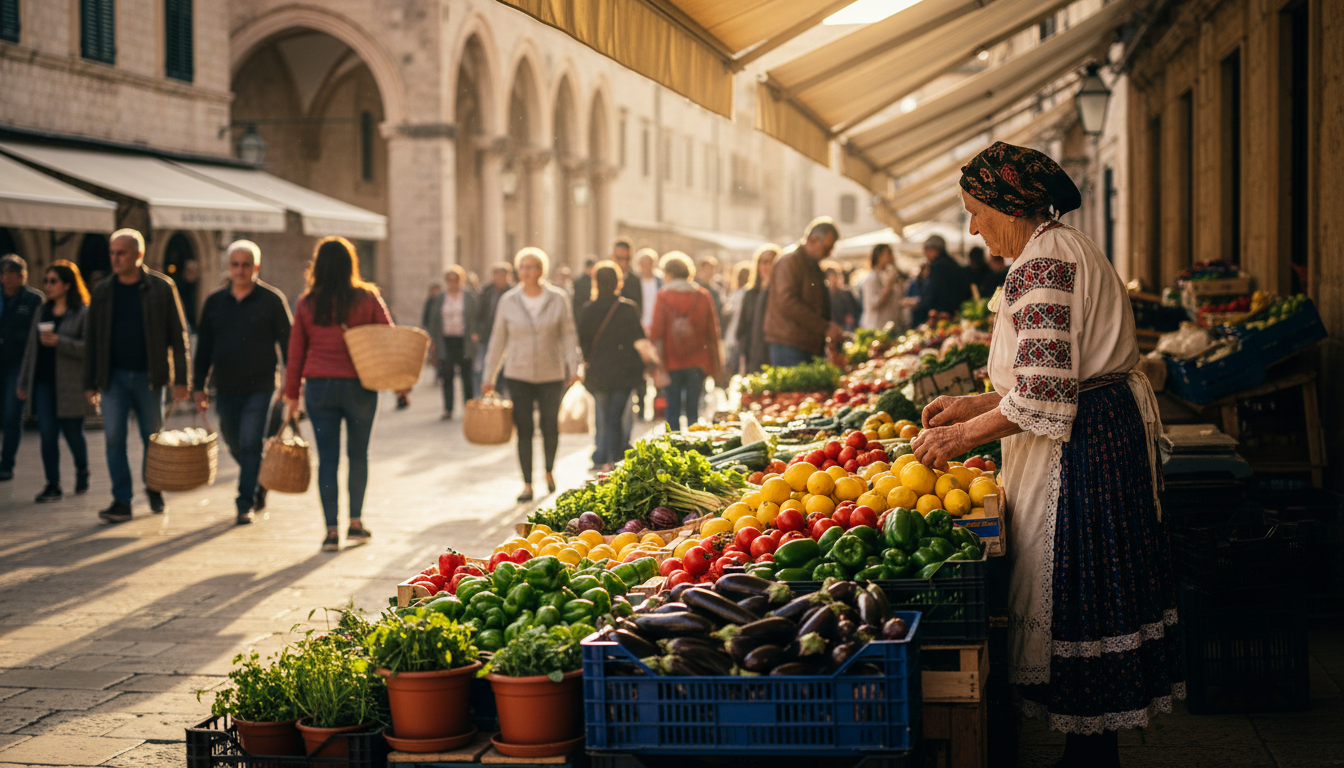
Real Dubrovnik mornings start at the Gundulićeva Poljana market, which operates daily from around 7 AM to 1 PM. By 8 AM, local grandmothers have already secured the best tomatoes. By 10 AM, cruise passengers have arrived and prices have mysteriously increased. Get there early.
The market sells local cheese (try the paški sir from Pag island—around 120 HRK per kilo, roughly $16 USD), seasonal produce, lavender everything, and honey from Konavle. I bought breakfast here most mornings: fresh bread from the bakery on Široka, tomatoes still warm from someone's garden, and a chunk of cheese that the vendor insisted I try before buying.
The Afternoon Shutdown
Between roughly 2 PM and 5 PM, Dubrovnik enters a semi-comatose state. It's too hot for anything productive. Shops close. Locals retreat indoors or to beaches. This is when you should be swimming at Bellevue Beach (locals' favorite, steep stairs but worth it) or napping with the shutters closed.
Fighting this rhythm is pointless. Embrace the afternoon pause.
Evening Emergence
Around 6 PM, the city comes back to life—but not on the Stradun. Head to the neighborhood konobas in Prijeko's back alleys or outside the Ploče Gate. Konoba Ribar on Ul. od Pustijerne serves grilled fish at prices that won't bankrupt you (whole branzino around 150 HRK, about $20 USD). The owner, Ante, will tell you exactly what's fresh because he bought it himself that morning.
The evening korzo happens along the Stradun starting around 8 PM, but locals tend to gather at the edges—near the Onofrio Fountain or by the old port. Bring a bottle of local wine (Plavac Mali from Pelješac, around 80 HRK/$11 USD from any grocery store) and join them.
 bustling morning market at Gundulieva Poljana, colorful produce displays, elderly vendor in traditio
Beyond the Walls: Day Trips That Deepen Cultural Immersion
One of the unexpected benefits of home swapping in Dubrovnik is having a local's perspective on what's actually worth seeing. Zvonimir's notes included a section titled "Where I Take Guests I Actually Like" versus "Where Tourists Go." The overlap was minimal.
Konavle Valley: The Real Croatia
Forty minutes south of Dubrovnik, Konavle feels like stepping back 50 years. This agricultural region produces most of the food you'll eat in Dubrovnik's better restaurants—olive oil, wine, vegetables, lamb.
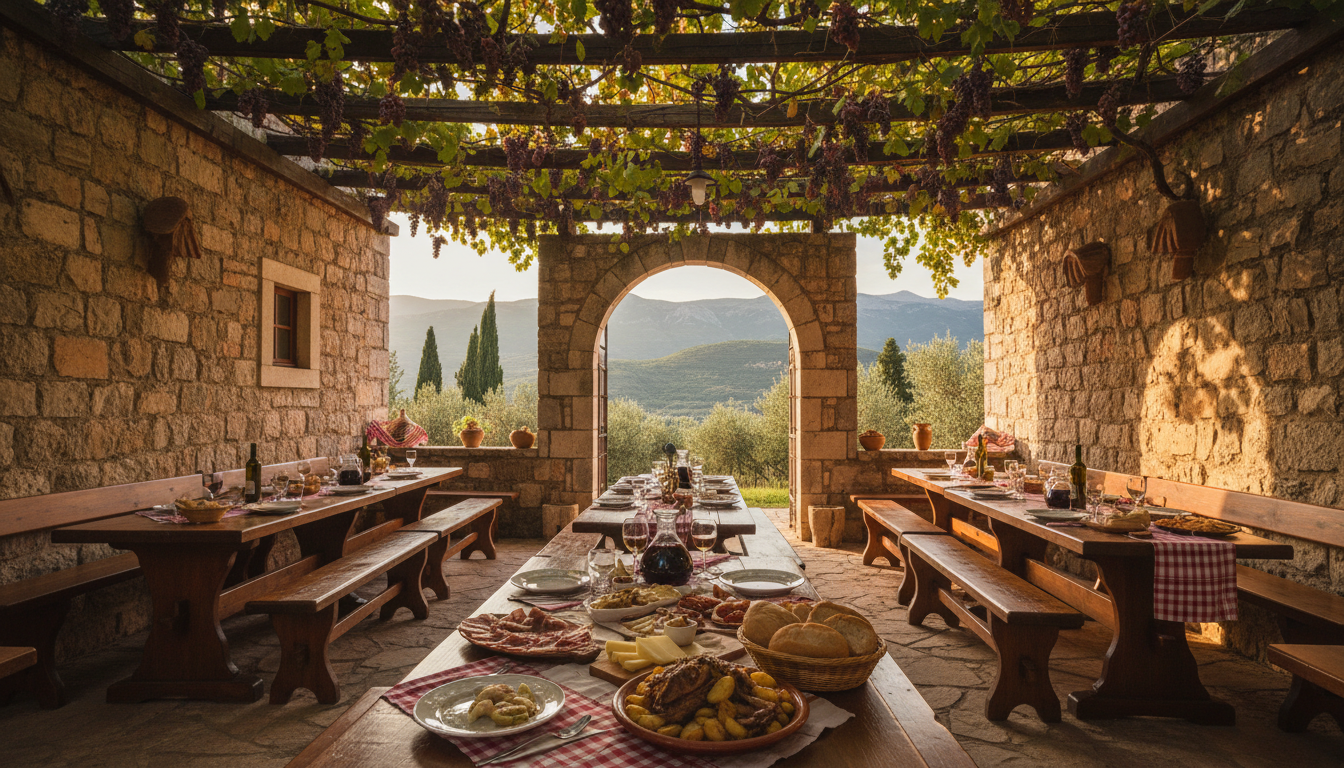
Zvonimir's family has a small konoba here, and his cousin Marin insisted I visit. I spent an afternoon learning to make soparnik (a traditional chard pie) and drinking homemade rakija that could strip paint. Marin refused payment but made me promise to tell people that Konavle exists.
Consider it done.
You can reach Konavle by bus (line 10 to Čilipi, about 35 HRK/$5 USD) or rent a car for the day. The Konavle wine road connects several family wineries offering tastings for €10-15 per person.
Lokrum Island: The Easy Escape
Just 15 minutes by ferry from Dubrovnik's old port, Lokrum is where locals go to escape tourists—which is ironic, because tourists have discovered it too. The trick is timing.
Take the first ferry at 9 AM (50 HRK/$7 USD round trip) and head directly to the FKK (naturist) beach on the island's far side. You don't have to participate in the clothing-optional situation, but this beach is always less crowded because the word "naturist" scares people off. The water is crystalline, and the pine shade is glorious.
Pack a picnic. The island's only restaurant is overpriced and underwhelming.
Pelješac Peninsula: Wine and Oysters
If you have a car, the Pelješac Peninsula—about 90 minutes north—offers Croatia's best red wines and fresh oysters pulled from the water in front of you.
Ston, at the peninsula's base, has remarkably intact medieval walls and oyster farms in the channel below. Bota Šare restaurant serves a dozen oysters for around 100 HRK ($13 USD). Pair them with a glass of Pošip from the Korčula region.
Continue to the wine villages of Potomje and Postup for Plavac Mali tastings. Matuško Winery offers tours with the winemaker for €20 per person, and the wines are exceptional.
 rustic Croatian konoba in Konavle valley, stone building with grape vines overhead, wooden tables wi
Practical Tips for Your Dubrovnik Home Swap
After two weeks of living in the old town, I learned a few things the hard way so you don't have to.
Packing for Stone Staircases
Dubrovnik's old town has approximately 4,000 stairs and zero elevators. Pack light—genuinely light. A rolling suitcase is an instrument of torture here. I watched a woman cry actual tears trying to drag a hard-shell case up to Prijeko. Bring a backpack or soft duffel you can carry comfortably.
The Grocery Situation
The Konzum inside the walls (on Od Puča) is tiny and expensive. The Tommy supermarket near the Pile Gate bus station is better stocked and cheaper. For serious grocery shopping, take the bus to the Lapad Konzum—it's a real supermarket with real prices.
Stock up on Vegeta (the Croatian spice mix that makes everything taste better), Cedevita (powdered vitamin drink, weirdly addictive), paški sir cheese, and local olive oil (look for "Konavle" on the label).
Navigating the Cruise Ship Crowds
Dubrovnik's cruise schedule is publicly available online. Check it before planning your days. On heavy cruise days (3+ ships), avoid the old town entirely between 10 AM and 4 PM. Use this time for beaches, day trips, or simply enjoying your swap home.
On no-cruise days—usually Sundays and occasionally Tuesdays—the old town feels almost peaceful. This is when to walk the walls (200 HRK/$27 USD, but worth it without crowds) and linger on the Stradun.
Communication and Connectivity
Croatian SIM cards are cheap and easy. A1 and T-Mobile have shops near the Pile Gate. Expect to pay around 100 HRK ($13 USD) for a tourist SIM with plenty of data.
Most Dubrovnik homes have WiFi, but confirm with your swap host. Zvonimir's connection was excellent; I wrote several articles from his terrace overlooking the rooftops.
Money Matters
Croatia officially adopted the euro in January 2023, making everything simpler. ATMs are plentiful, and cards are accepted almost everywhere. Keep some cash for markets and smaller konobas.
Budget roughly: coffee runs €1.50-3, beer €3-5, dinner at a local konoba €15-25 per person, dinner at a tourist restaurant €30-50 per person, walls entry €35 (roughly 200 HRK equivalent), and a day trip to Lokrum €10 round trip ferry.
What Your Home Swap Host Can Offer (That Hotels Can't)
The relationship with your swap host is the secret ingredient of cultural immersion. Zvonimir wasn't just lending me his apartment—he was sharing his city.
Before I arrived, he sent me a Google Maps list of his favorite spots (categorized by meal type and budget), his neighbor Marija's phone number ("She will adopt you. Let her."), instructions for the quirky shower ("Turn left, wait three seconds, then right"), a warning about the church bells ("You will hate them at first. Then you will miss them."), and an invitation to his cousin's konoba in Konavle.
During my stay, we exchanged messages almost daily. He'd ask how I was finding things; I'd send photos of meals I'd discovered. When I mentioned wanting to try peka (meat slow-cooked under a bell-shaped lid), he called ahead to a restaurant in Konavle to arrange it—something they don't normally do for walk-ins.
This isn't unique to my experience. The home swap community tends to attract people who genuinely enjoy sharing their homes and cities. On SwappaHome, you can read reviews from previous guests and get a sense of how engaged each host is. Look for hosts who mention local tips in their listings—it signals they care about your experience beyond just the key handoff.
The Unexpected Gifts of Slow Travel in Dubrovnik
On my last evening in Dubrovnik, Marija invited me to her terrace for a glass of prošek. Her husband Josip was there, along with another neighbor whose name I never quite caught but who insisted on teaching me Croatian curse words.
We watched the sun set over the Adriatic. The cruise ships were gone. The Stradun below was quiet except for the sound of children playing. Josip told stories about Dubrovnik during the 1991 siege—how the community survived, how neighbors protected each other, how the city rebuilt itself stone by stone.
"You are lucky," Marija said, refilling my glass. "Most visitors see only the postcard. You saw the people."
She was right. And that's exactly what cultural immersion in Dubrovnik through home swapping offers—not just a place to sleep, but a doorway into a community. You become, briefly, part of the neighborhood. You learn the rhythms. You make connections that a hotel stay could never provide.
I still exchange messages with Marija. She sends me photos of her grandchildren. I send her San Francisco fog updates. Zvonimir and I are planning a swap in reverse—he wants to visit California next spring.
This is what travel can be when you stop being a tourist and start being a temporary local.
If you're considering home swapping in Dubrovnik, my advice is simple: do it. List your home on SwappaHome, start earning credits, and find yourself a stone apartment inside those ancient walls. Let the church bells wake you. Let your neighbors feed you. Let the city reveal itself slowly, the way it was meant to be experienced.
The cruise ships will come and go. But you'll still be there, drinking coffee with Marija, learning the proper way to prepare pašticada, discovering swimming spots that no guidebook will ever mention.
That's not just a vacation. That's cultural immersion. And Dubrovnik, despite everything, still offers it—if you know where to look.
Frequently Asked Questions
Is home swapping in Dubrovnik safe for solo travelers?
Home swapping in Dubrovnik is generally very safe, especially inside the old town walls where the community is tight-knit. SwappaHome's verification and review system helps you choose trustworthy hosts. I traveled solo and felt completely secure—my neighbors even checked on me regularly. That said, always get your own travel insurance for peace of mind.
How much can I save with home swapping versus hotels in Dubrovnik?
Significant savings are possible. Hotels inside Dubrovnik's walls cost €300-450 per night in summer, while home swapping costs only your credits (1 credit per night). For a two-week stay, you could save €4,000-6,000 ($4,300-6,500 USD) on accommodation alone—money better spent on day trips, restaurants, and experiences.
What's the best time of year for cultural immersion in Dubrovnik?
May-June and September-October offer the best balance of good weather and manageable crowds. July-August brings peak cruise traffic and intense heat. Shoulder season means more authentic interactions with locals, lower prices at restaurants, and a city that feels less like a theme park.
Do I need a car for a home swap in Dubrovnik?
Not if you're staying inside or near the old town walls. The historic center is entirely pedestrian, and buses connect to beaches and nearby attractions. A rental car (around €40-50/day) opens up day trips to Konavle, Pelješac, and Montenegro, though. Consider renting for just a few days rather than your entire stay.
How do I find home swap opportunities inside Dubrovnik's old town?
On SwappaHome, filter your search by location and look for listings that specifically mention the old town, Pile, or Ploče neighborhoods. Read descriptions carefully—hosts usually mention if their property is inside the walls. Properties here are limited, so flexibility with dates helps. Start your search 3-4 months before your intended travel dates.

Published by
SwappaHome
SwappaHome Editorial Team
Home Exchange & Slow Travel Editorial
The SwappaHome Editorial Team brings together travel research, home-exchange community insights, and platform data to produce practical guides for first-time and experienced home swappers. Every article cites real platforms, current market rates, and verifiable city-level facts so readers can make informed decisions without guessing.
Ready to try home swapping?
Join SwappaHome and start traveling by exchanging homes. Get 7 free credits when you sign up!
Related articles
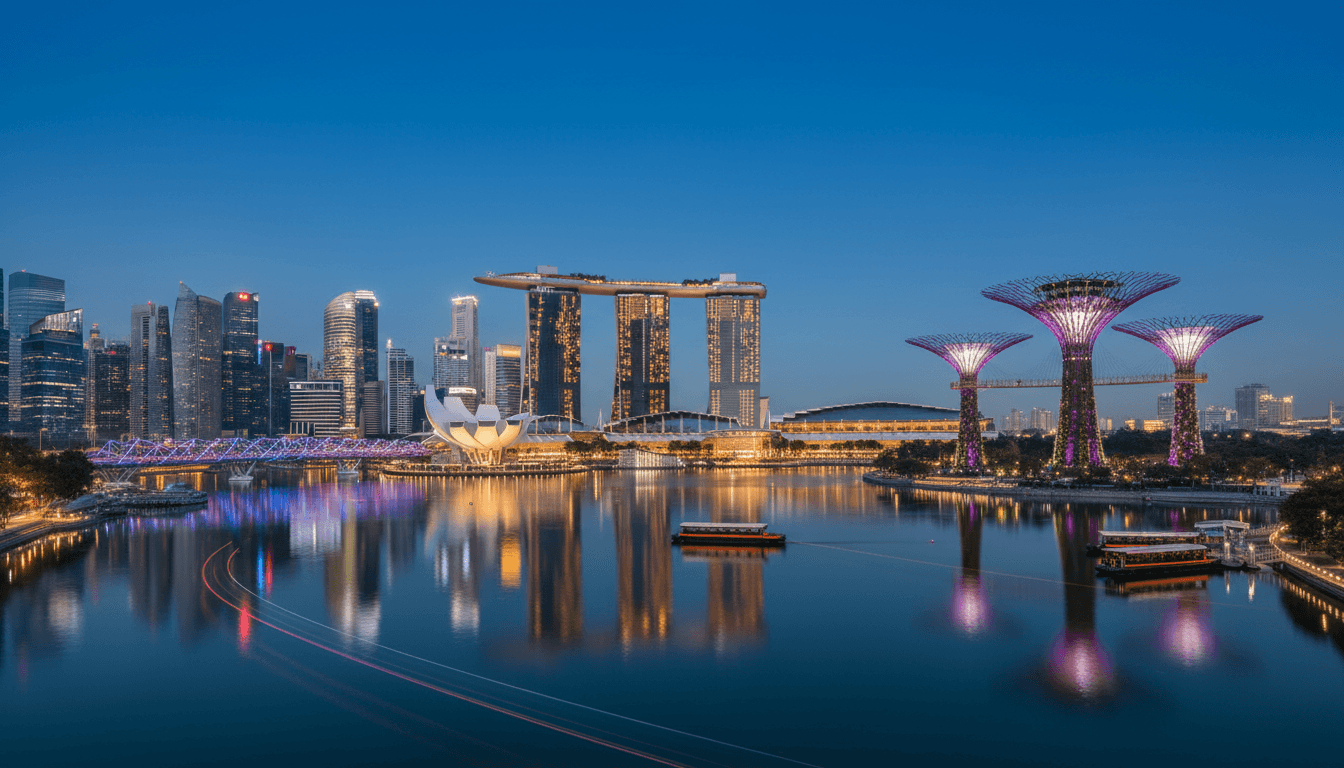
Bachelor and Bachelorette Parties in Singapore: The Complete Home Swap Group Guide for 2026
Planning a bachelor or bachelorette party in Singapore? Discover how home swapping lets groups of 6-12 stay together in luxury condos, saving thousands while partying in Marina Bay.
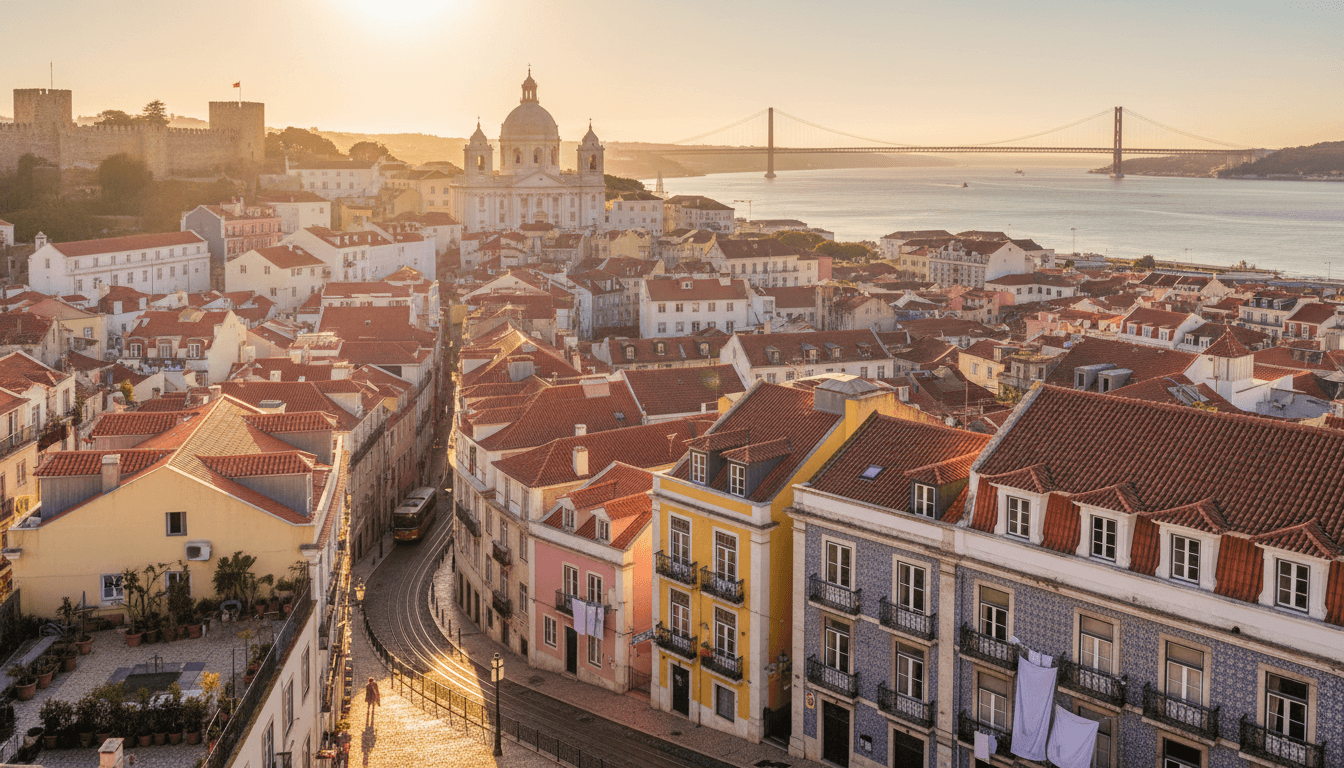
Cycling in Lisbon: 7 Home Swap Bike Tour Itineraries for Every Rider
Discover the best cycling routes in Lisbon with these home swap bike tour itineraries—from waterfront paths to hilltop adventures, all starting from your borrowed home.
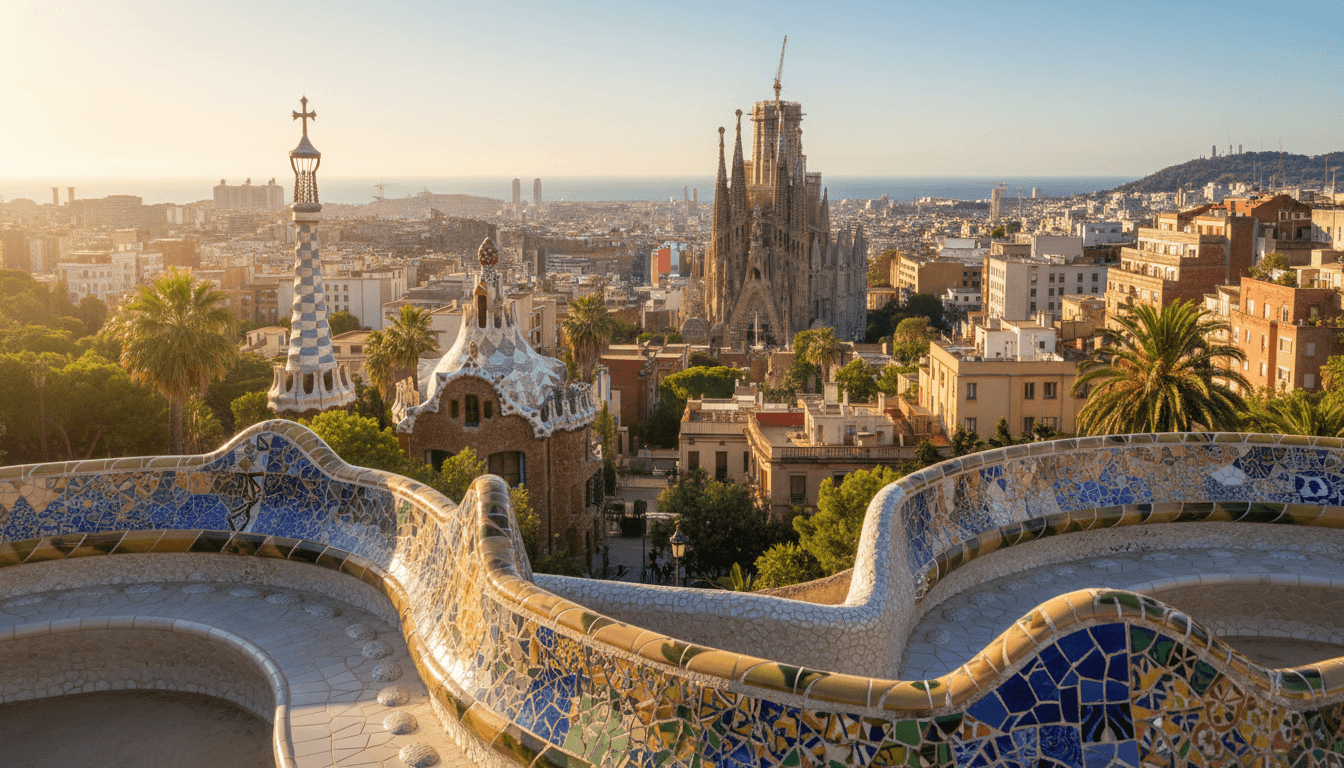
Graduation Trip to Barcelona: How Home Swapping Gives New Graduates the Ultimate Celebration
Planning a graduation trip to Barcelona? Discover how home swapping lets new graduates explore Spain's most vibrant city without the hostel crowds or hotel costs.