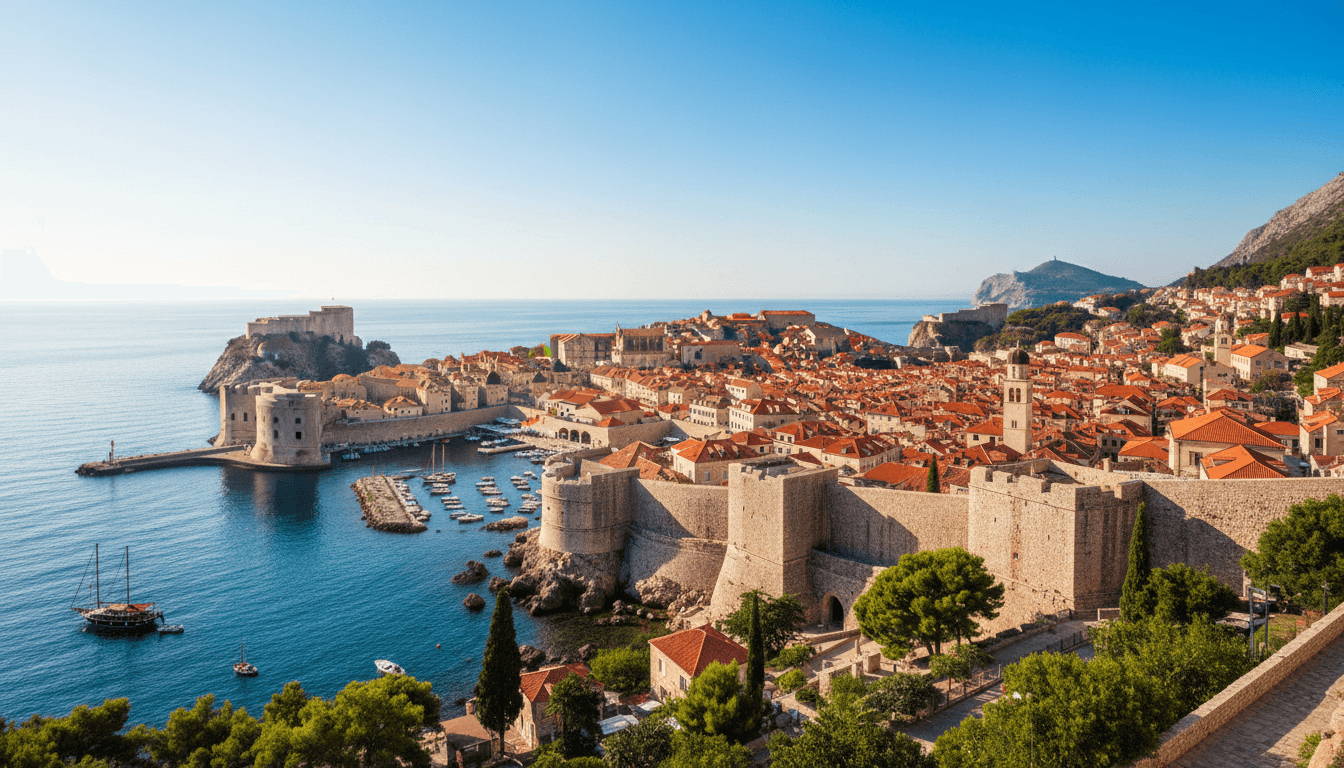
Dubrovnik Bucket List: 23 Unforgettable Experiences for Your Home Swap Adventure

SwappaHome Editorial Team
Home Exchange & Slow Travel Editorial
Discover the ultimate Dubrovnik bucket list for home swappers—from secret swimming spots to €3 wine bars the cruise crowds never find.
The first time I walked through Pile Gate at sunrise, I genuinely thought I'd stepped into a dream. No crowds. No cruise ship passengers with selfie sticks. Just me, the honey-colored limestone, and a stray cat who seemed mildly annoyed at my presence. That moment—that specific magic—is exactly why a Dubrovnik bucket list hits differently when you're staying in someone's actual apartment rather than a hotel with 400 other guests.
I'd arranged a home swap through SwappaHome with a local architect named Marin, whose place in the Gruž neighborhood came with a terrace overlooking the harbor and, crucially, his handwritten list of "things tourists never do." That crumpled paper became my gospel for the next two weeks. And honestly? It changed how I travel everywhere now.
So here's my Dubrovnik bucket list—not the generic "walk the walls" advice you've read a thousand times, but the stuff that'll make you feel like you actually lived there.
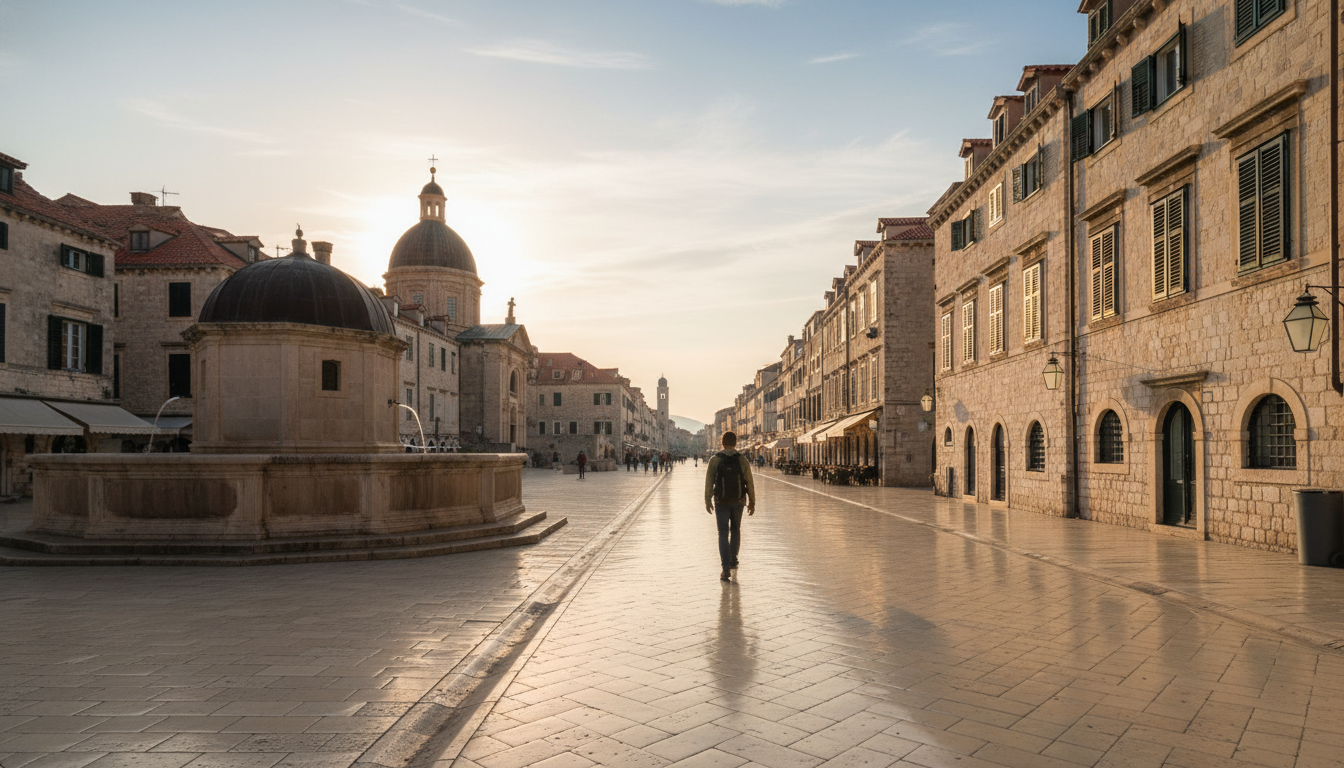 Early morning light hitting Dubrovniks Stradun main street, completely empty except for one figure w
Why Your Dubrovnik Bucket List Needs a Home Swap Base
I'll be real with you: Dubrovnik has a crowd problem. Between May and October, cruise ships dump 8,000+ passengers into the Old Town daily. The narrow streets become a slow-moving river of humanity, and every "hidden gem" restaurant turns into a 90-minute wait.
But here's what I discovered during my home exchange.
The city transforms completely outside tourist hours. At 6 AM, locals jog along the walls. At 10 PM, neighborhood wine bars fill with Croatian twentysomethings who've never heard of TripAdvisor. The Dubrovnik that exists between the cruise ship arrivals? That's the one worth crossing an ocean for.
Staying in a local's home—especially outside the Old Town—gives you access to this parallel universe. My swap apartment in Gruž meant I could walk to the fish market before the tour buses arrived, grab coffee at the same café every morning until the barista knew my order, and actually rest in a quiet residential neighborhood after long days of exploring.
The math works out too. Two weeks in a decent Dubrovnik hotel during summer runs $3,500-5,000 USD. My home swap cost me 14 credits on SwappaHome—credits I'd earned hosting guests in San Francisco. The only money I spent on accommodation was zero.
The Old Town Experiences (But Done Right)
Walk the Walls—At the Wrong Time
Yes, walking Dubrovnik's medieval walls is on every bucket list ever written. But timing is everything.
Skip the 10 AM slot that every guidebook recommends. Instead, buy your ticket (250 HRK / ~$35 USD) for the 8 AM opening or—better yet—the last entry at 5:30 PM in summer. The evening light turns the terracotta rooftops into a sea of amber, and you'll share the 2km circuit with maybe thirty people instead of three hundred.
Pro tip from Marin's list: bring a small bottle of wine and some cheese. There's a section near the Minčeta Tower where you can sit on the ramparts and watch the sunset without anyone bothering you. Technically not allowed, but I saw locals doing it, so.
Find the Secret Swimming Spot at Buža Bar
Everyone knows about Buža Bar—the cliffside spot outside the walls with the "cold drinks with the most beautiful view" sign. What most tourists don't realize is that you can actually swim there.
Clamber down the rocks (carefully—they're slippery), and you'll find yourself in the clearest water I've ever seen. The Adriatic here is so transparent it's almost disorienting; you can see every pebble 20 feet below. Order a Ožujsko beer (25 HRK / ~$3.50) and let yourself dry on the warm rocks while watching the sunset paint Lokrum Island pink.
The vibe is very "European teenagers on summer break," which I mean as a compliment.
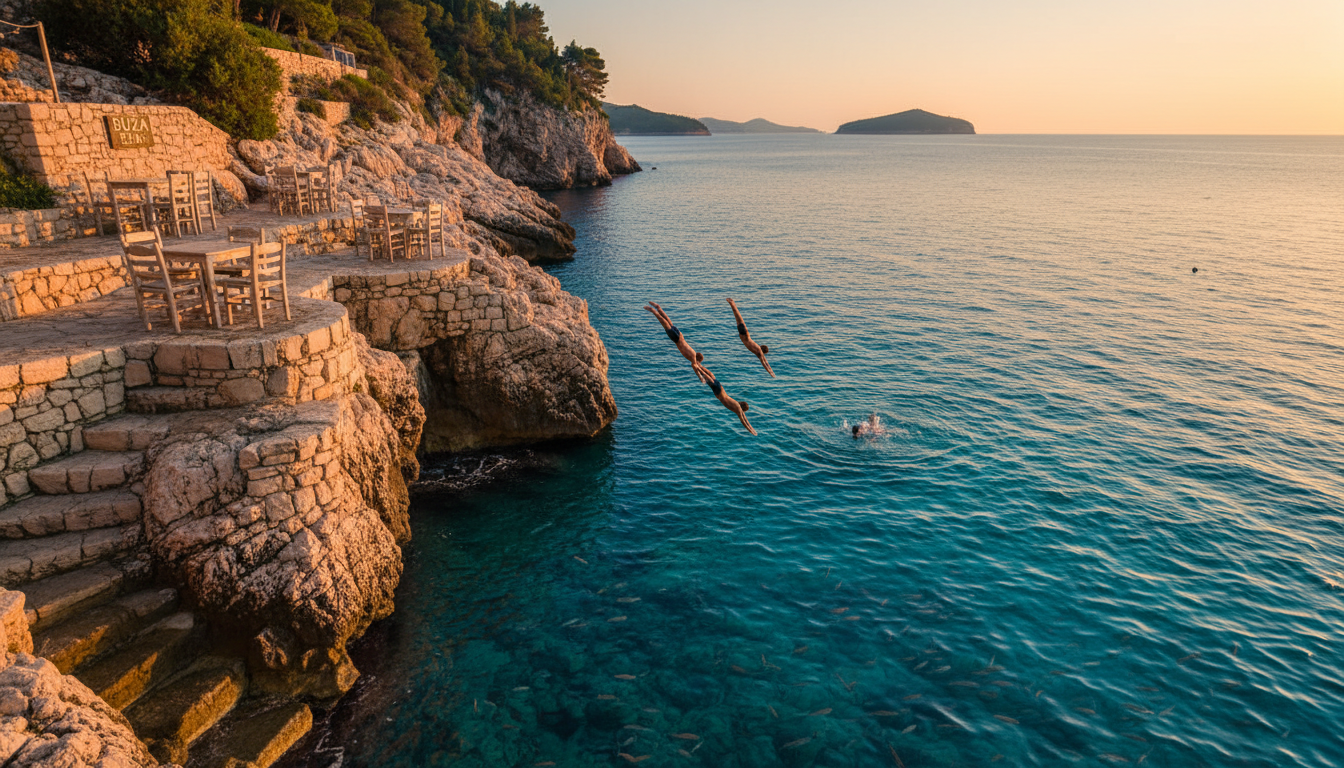 Swimmers diving off rocky cliffs into crystal-clear turquoise Adriatic water, with Bua Bars simple w
Actually Enter the Churches
I'm not particularly religious, but Dubrovnik's churches stopped me in my tracks. The Cathedral Treasury holds a collection of relics that would make Indiana Jones weep—including what's claimed to be a piece of the True Cross and the skull of St. Blaise in a Byzantine crown.
The real find, though? The tiny Church of St. Ignatius, up a dramatic Baroque staircase modeled after Rome's Spanish Steps. Go at 6 PM when the light streams through the windows and you'll often have the entire space to yourself. The silence after a day in the crowded streets feels almost medicinal.
Beyond the Walls: Your Extended Dubrovnik Bucket List
Take the Ferry to Lokrum Island
Fifteen minutes and 200 HRK (~$28 USD round trip) gets you to Lokrum, an uninhabited island that feels like someone designed it specifically for a perfect day.
There's a botanical garden started by Archduke Maximilian of Austria, peacocks wandering everywhere like they own the place (they kind of do), and the ruins of a Benedictine monastery with a restaurant inside. But the main attraction is the Dead Sea—a small saltwater lake in the island's interior where you can float effortlessly, staring at the sky through pine branches.
I spent an entire afternoon there with a book, swimming when I got hot, reading when I dried off. No agenda. No must-sees. Just existing in a beautiful place.
Bring your own food—the monastery restaurant is fine but overpriced. The locals I met all had picnics.
Rent a Kayak at Sunset
This is the one "organized activity" I'll recommend without reservation.
Several companies offer sunset kayaking tours around the Old Town walls, and the perspective is genuinely spectacular. I went with Adventure Dalmatia (around $45 USD for 3 hours), and our guide Petra took us to a hidden cave for swimming, then positioned us perfectly to watch the sun drop behind the Elaphiti Islands while the walls glowed orange above us. Yes, it's touristy. Yes, it's still incredible.
If you're experienced, rent your own kayak from the Pile Bay area (about $15/hour) and go at your own pace.
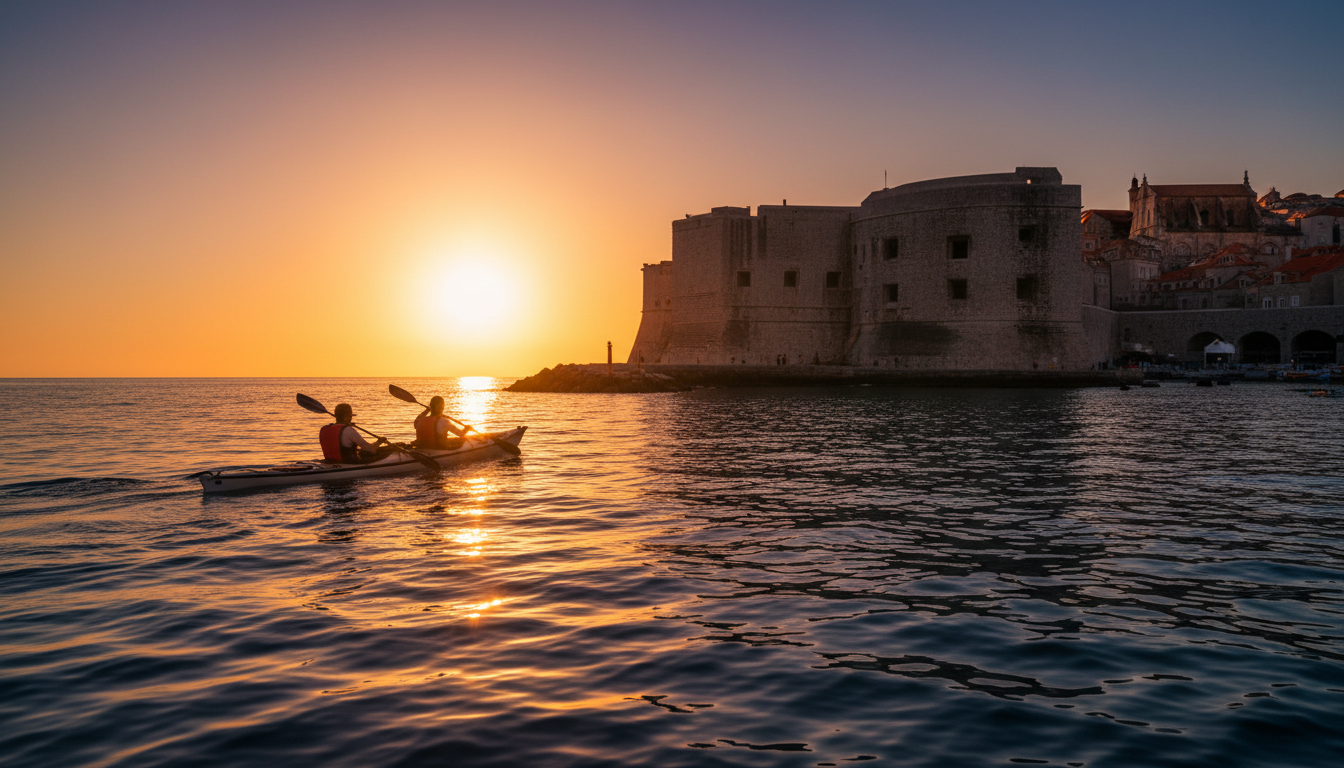 Two kayakers silhouetted against golden sunset light, paddling past Dubrovniks massive stone walls,
Explore Gruž Market Like a Local
My neighborhood market became my favorite morning ritual. Every day from 7 AM, local farmers set up stalls selling whatever's in season—figs the size of your fist, tomatoes that actually taste like tomatoes, honey from hives on Pelješac Peninsula.
The key is arriving before 9 AM, when the selection is best and the crowds haven't materialized. I'd buy fresh bread from the bakery across the street, grab some cheese and prosciutto from the deli counter, and have breakfast on my terrace for under $10.
The fish market next door is even more impressive. Point at what looks good, and the vendor will clean it for you. I made grilled brancin (sea bass) three times during my stay, each fish costing about $12 and tasting better than any $50 restaurant version.
The Wine and Food Bucket List
Discover Croatian Wine at D'Vino
I knew nothing about Croatian wine before this trip. Now I'm mildly obsessed.
D'Vino Wine Bar, tucked into a narrow Old Town street, became my classroom. The owner, a sommelier named Sanja, walked me through flights of indigenous varieties I'd never heard of—Plavac Mali (a bold red related to Zinfandel), Pošip (a crisp white from Korčula), and Grk (pronounced "Gurk," because Croatian is fun like that).
A tasting flight runs 100-150 HRK ($14-21 USD), and Sanja's enthusiasm is infectious. She convinced me to take a day trip to Pelješac Peninsula specifically for wine tasting, which leads me to...
Day Trip to Pelješac Peninsula
Rent a car (about $40/day from the airport area) and drive an hour north to Croatia's wine country. The road hugs the coast, passing oyster farms in Mali Ston and endless vineyards climbing impossible hillsides.
I stopped at three wineries: Korta Katarina has a stunning modern facility, excellent Plavac Mali, and $15 tastings. Saints Hills is a boutique producer that's appointment only but worth the effort. And Miloš has been family-run since 1903—the grandfather might pour your wine himself.
The village of Ston itself deserves a few hours. It has the second-longest defensive walls in the world (after the Great Wall of China) and the best oysters I've ever eaten at Bota Šare restaurant. Six oysters and a glass of Pošip: about $18.
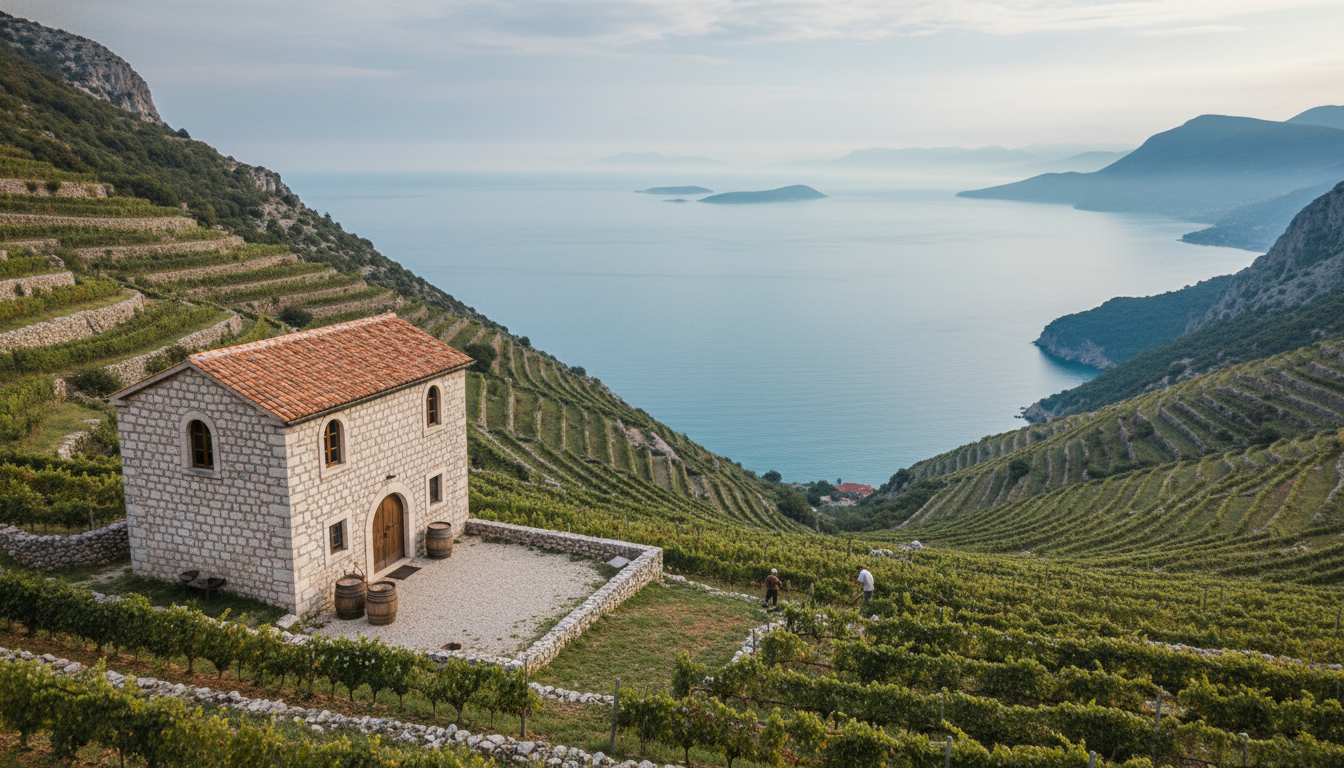 Terraced vineyards cascading down steep hillsides toward the Adriatic Sea on Peljeac Peninsula, with
Eat Seafood at Konoba Dubrava
Forget the overpriced restaurants on Stradun. Take bus #6 to the Orašac neighborhood (about 20 minutes from the Old Town) and find Konoba Dubrava, a family restaurant that's been serving the same recipes for decades.
The black risotto—made with cuttlefish ink, so dark it stains your teeth—is transcendent. The grilled catch of the day comes whole, drizzled with olive oil and lemon. A full meal with wine runs about $30-40 per person, which is half what you'd pay for inferior food in the tourist zone.
No reservations needed on weeknights. Weekends, call ahead.
Master the Art of Pomalo
This isn't a place or an activity—it's a mindset.
"Pomalo" roughly translates to "take it easy" or "slowly, slowly," and it's the unofficial motto of Dalmatian life. You'll see it in action at every café, where a single coffee can last two hours. You'll feel it when shops close randomly at 2 PM because it's hot and the owner wants a nap. You'll understand it when your waiter seems to have forgotten you exist but eventually appears with exactly what you needed.
Fighting pomalo is pointless. Embrace it. This is the Dubrovnik bucket list item that costs nothing but changes everything.
The Game of Thrones Stuff (If You Must)
I'm not a huge GoT fan, but I get it—Dubrovnik was King's Landing, and some of the filming locations are genuinely cool.
Skip the expensive guided tours ($50-80 USD) and download a free walking tour map instead. The key spots: the Pile Gate area for Cersei's walk of shame, Minčeta Tower for the House of the Undying exterior, Trsteno Arboretum (15 min drive) for the Tyrell gardens—absolutely gorgeous even if you've never seen the show—and Rector's Palace for various throne room scenes.
The Lovrijenac Fortress (50 HRK / ~$7 entry) doubled as the Red Keep and offers legitimately spectacular views even without the TV connection.
Just... maybe don't do the tour during peak hours. The combination of GoT fans and regular tourists creates crowd density that would make Cersei's walk of shame look peaceful.
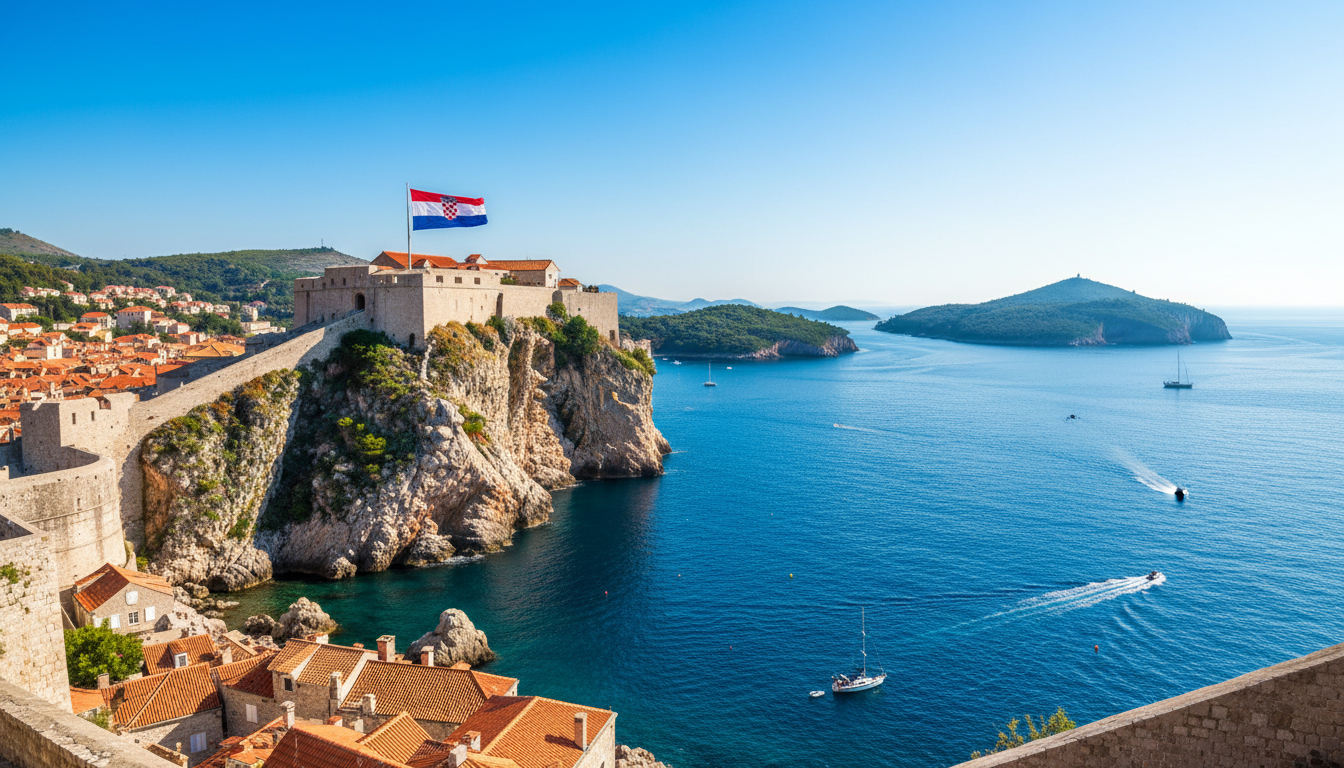 Lovrijenac Fortress perched on a dramatic cliff above the sea, viewed from the city walls, with a Cr
Off-the-Beaten-Path Dubrovnik Bucket List Additions
Hike Mount Srđ at Sunrise
Yes, there's a cable car. Take it for sunset drinks at the panoramic restaurant if you want. But for your Dubrovnik bucket list, consider hiking up instead.
The trail starts near the Ploče Gate and takes about 90 minutes at a moderate pace. It's steep and rocky in places—bring proper shoes and water—but the reward is watching the sun rise over the Adriatic from 412 meters up, with the entire Old Town spread below you like a map.
I started at 5 AM, reached the summit by 6:30, and had the viewpoint completely to myself for twenty minutes before the first cable car arrived. The hike down is easier on the knees if you take the zig-zag path toward the Bosanka neighborhood.
Find the Abandoned Hotel Belvedere
This one's slightly controversial, but it's become something of an urban exploration destination.
The Hotel Belvedere was a luxury resort until the Croatian War of Independence left it damaged and abandoned in 1991. It's never been restored. Today, it's a graffiti-covered shell with spectacular Adriatic views, occasionally used for fashion shoots and film locations. Technically you're not supposed to enter, but the fences have gaps and locals walk through regularly.
I'm not telling you to trespass. I'm just saying the sunset views from the crumbling terraces are hauntingly beautiful, and the graffiti art is genuinely impressive. Use your judgment.
Take the Elaphiti Islands Day Trip
Three islands—Koločep, Lopud, and Šipan—string out northwest of Dubrovnik like pearls on a necklace. The ferry from Gruž Harbor hits all three (about $15 round trip), and you can island-hop at your leisure.
Lopud is my favorite. No cars are allowed, so the only sounds are waves and church bells. Walk 20 minutes across the island to Šunj Beach, a sandy crescent that feels like it belongs in Greece. The water is shallow and warm, perfect for floating and forgetting that the rest of the world exists.
Pack a lunch. The restaurants are mediocre and overpriced.
Practical Tips for Your Dubrovnik Home Swap
Choosing Your Neighborhood
The Old Town is magical but loud—church bells, bar noise, and stone streets that echo everything. Great for a night or two, exhausting for longer.
I'd recommend Gruž for the best local experience: near the ferry port, great market, 15 min bus to Old Town. Lapad works well if you want peninsula beaches and a more residential feel. Ploče sits just outside the eastern walls, walking distance to everything, quieter than inside.
Avoid staying directly above Stradun unless you enjoy hearing drunk tourists sing at 3 AM.
Transportation
Dubrovnik is small. You don't need a car unless you're doing day trips to Pelješac, Montenegro, or Mostar.
Buses run frequently and cost 15 HRK (~$2) per ride. Buy a rechargeable Libertas card for discounts. Uber exists but is often more expensive than taxis—just make sure any taxi uses the meter.
For day trips, renting a car from the airport area is cheapest. Avoid the Old Town rental offices; they charge tourist premiums.
The Budget Breakdown
Here's roughly what I spent during my two-week home swap:
- Accommodation: $0 (SwappaHome credits)
- Flights (SFO to DBV via Frankfurt): $890
- Food and drink: $650 (eating well, not extravagantly)
- Activities and entrance fees: $180
- Transportation: $120 (including 3 days car rental)
- Souvenirs and misc: $150
Total: About $2,000 for two weeks in one of Europe's most expensive destinations. A hotel-based trip would've easily doubled that.
Making It Happen: Your Dubrovnik Home Swap
If this Dubrovnik bucket list has you ready to book, here's the practical path.
SwappaHome works on a credit system—you earn credits by hosting travelers in your home, then spend those credits to stay in other members' homes. Every night hosted earns one credit; every night stayed costs one credit. New members get 7 free credits to start, which is enough for a solid week-plus in Dubrovnik.
The platform's verification system and reviews help build trust between members. I always read through a potential host's reviews before reaching out, and I make sure my own profile is detailed and welcoming.
For Dubrovnik specifically, I'd suggest starting your search 3-4 months ahead for summer dates. Be flexible on exact neighborhoods. Write personalized messages to hosts explaining why you want to visit. Offer to video chat before confirming—it builds rapport.
Marin and I still exchange messages occasionally. He visited San Francisco last fall and stayed in my apartment while I was traveling. That's the thing about home swapping—it turns strangers into friends, and destinations into places you actually know.
The Dubrovnik Bucket List You Won't Find in Guidebooks
Some final additions that didn't fit neatly into categories:
Swim at Banje Beach at 7 AM before the sun loungers cost $40 to rent. Order rakija (fruit brandy) at any local bar and let the bartender choose the flavor. Walk the walls during a thunderstorm if you're lucky enough to catch one—the drama is unreal. Buy lavender everything at the market; it's actually good quality, not tourist junk. Learn to say "hvala" (thank you) and watch locals light up. Find the cat lady near the Jesuit Stairs who feeds the strays every evening. Get lost on purpose in the residential streets above the Old Town—you'll find hidden gardens and neighborhood life that feels centuries removed from the tourist chaos below.
I came to Dubrovnik expecting beautiful walls and Game of Thrones locations. I left with a list of wine producers I'm still ordering from, a friendship with an architect who shares my taste in jazz, and the bone-deep relaxation that only comes from actually living somewhere instead of just visiting.
That's what a home swap makes possible. Not just seeing a place—but belonging to it, even briefly.
Your Dubrovnik bucket list will look different from mine. Maybe you'll care more about the beaches, or the history, or the nightlife. But whatever draws you there, do yourself a favor: skip the hotel, find a home, and give yourself time to discover the city that exists between the cruise ship arrivals.
It's waiting for you. Pomalo.
Frequently Asked Questions
Is a home swap in Dubrovnik safe for first-time exchangers?
Absolutely. Dubrovnik is one of Europe's safest cities, and SwappaHome's verification and review system helps you connect with trustworthy hosts. I recommend starting with hosts who have multiple positive reviews, video chatting before confirming, and getting your own travel insurance for peace of mind. After 40+ swaps, I've never had a safety issue.
How much money can I save with a Dubrovnik home swap vs hotels?
Significant savings—typically $2,000-4,000 for a two-week summer stay. Mid-range Dubrovnik hotels average $180-300/night in peak season. A home swap through SwappaHome costs only credits (1 credit per night), which you earn by hosting guests in your own home. My two-week swap saved me roughly $3,500 compared to hotel rates.
What's the best time to visit Dubrovnik for fewer crowds?
May or late September offer the ideal balance—warm enough for swimming, but cruise ship numbers drop significantly. If you must visit in summer, plan your Old Town exploration for early morning (before 9 AM) or evening (after 6 PM) when cruise passengers return to their ships.
How far in advance should I plan a Dubrovnik home swap?
For summer dates (June-August), start searching 3-4 months ahead on SwappaHome. Shoulder season (May, September-October) offers more flexibility with 6-8 weeks' notice often sufficient. Be flexible on neighborhoods and write personalized messages to potential hosts to increase your chances of securing a great swap.
What neighborhoods are best for a Dubrovnik home exchange?
Gruž offers the best local experience—near the market, ferry port, and residential life—with a 15-minute bus ride to the Old Town. Lapad provides beach access and family-friendly vibes. Ploče sits just outside the eastern walls, offering walking-distance convenience with less noise than staying inside the Old Town itself.

Published by
SwappaHome
SwappaHome Editorial Team
Home Exchange & Slow Travel Editorial
The SwappaHome Editorial Team brings together travel research, home-exchange community insights, and platform data to produce practical guides for first-time and experienced home swappers. Every article cites real platforms, current market rates, and verifiable city-level facts so readers can make informed decisions without guessing.
Ready to try home swapping?
Join SwappaHome and start traveling by exchanging homes. Get 7 free credits when you sign up!
Related articles
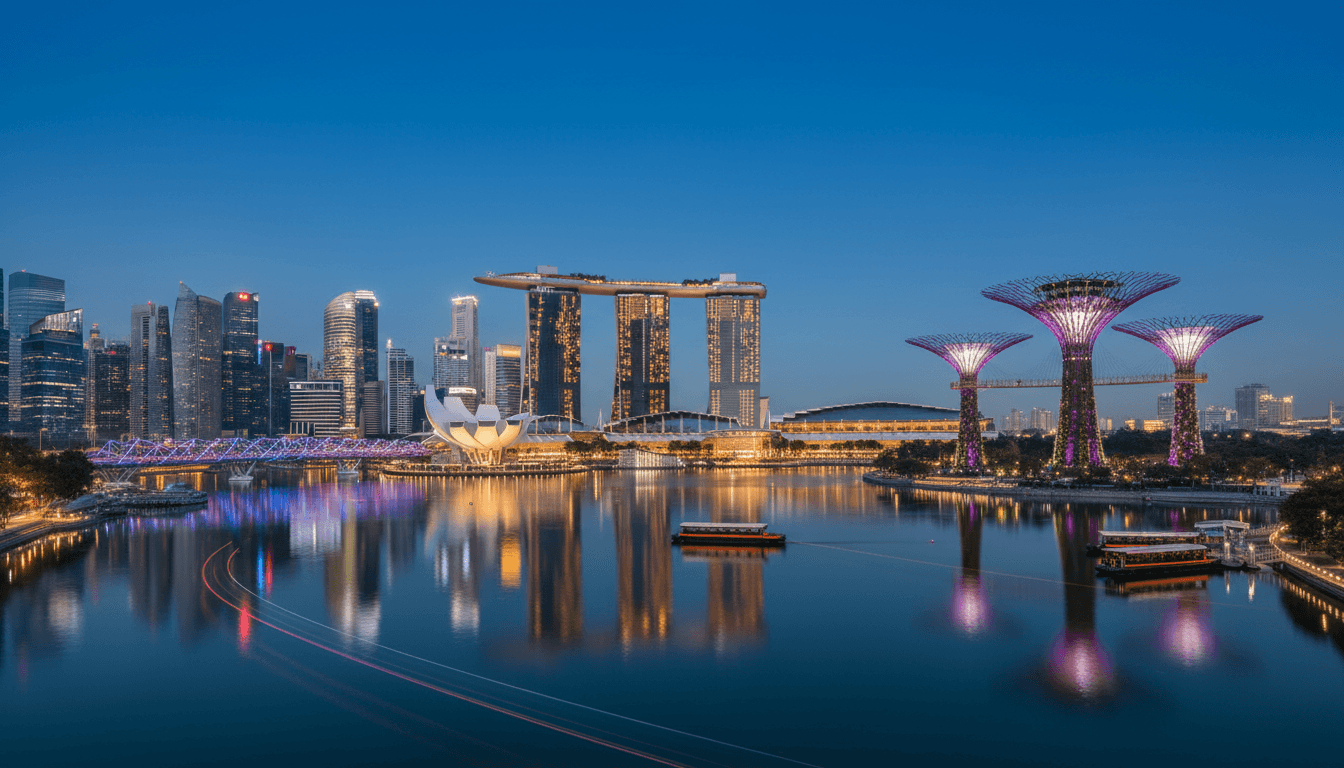
Bachelor and Bachelorette Parties in Singapore: The Complete Home Swap Group Guide for 2026
Planning a bachelor or bachelorette party in Singapore? Discover how home swapping lets groups of 6-12 stay together in luxury condos, saving thousands while partying in Marina Bay.
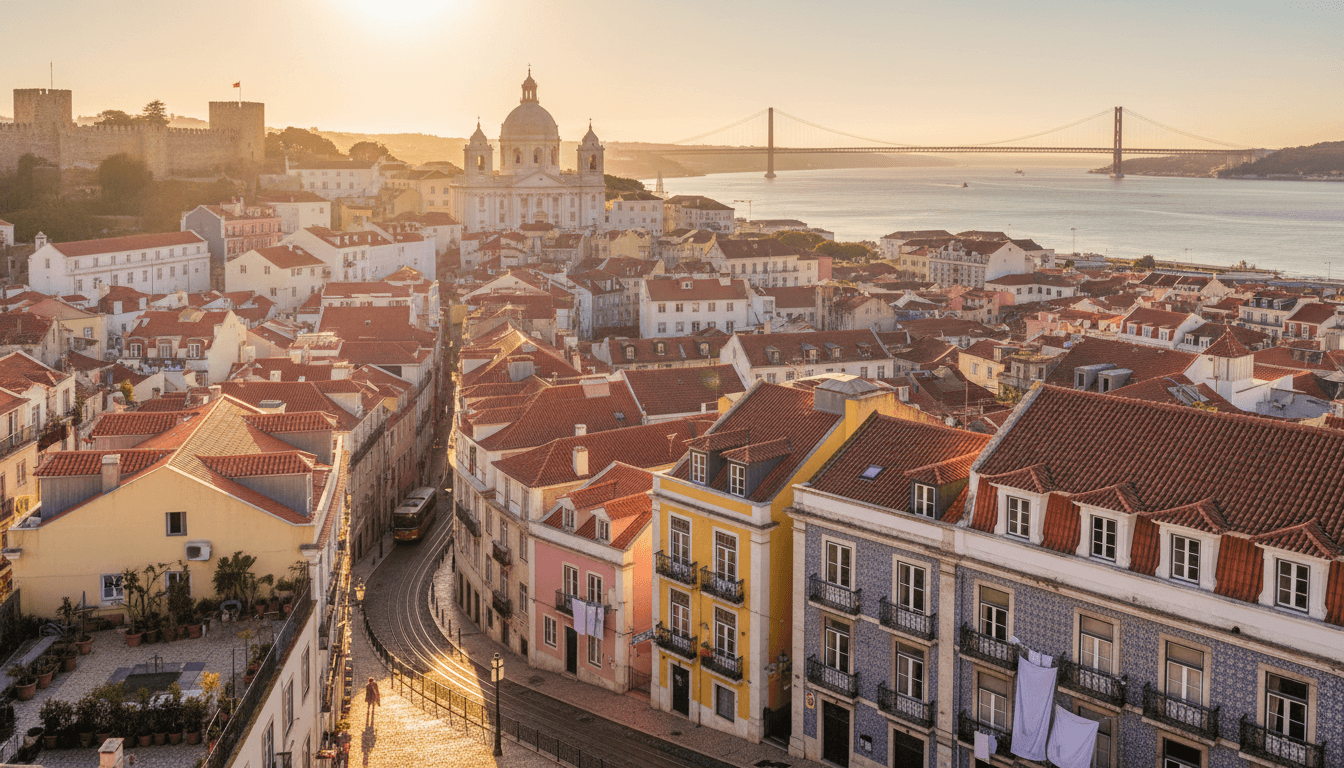
Cycling in Lisbon: 7 Home Swap Bike Tour Itineraries for Every Rider
Discover the best cycling routes in Lisbon with these home swap bike tour itineraries—from waterfront paths to hilltop adventures, all starting from your borrowed home.
Graduation Trip to Barcelona: How Home Swapping Gives New Graduates the Ultimate Celebration
Planning a graduation trip to Barcelona? Discover how home swapping lets new graduates explore Spain's most vibrant city without the hostel crowds or hotel costs.